REVIEW · TOKYO
Tokyo: Private Cycling Tour with cute E-bike
Book on GetYourGuide →Operated by BREZZA · Bookable on GetYourGuide
Tokyo on an electric bike feels like cheating a little. I love how the E-bike makes real neighborhoods feel easy to reach, and I also love the planned picnic moment with Japanese sweets and green tea.
You ride with a pro guide in a private setup, so you’re not guessing where to go or how to handle Tokyo streets. Guides such as Brezza and Hiro keep things smooth, including smart route choices that include gentler slopes you might not see on standard walks.
One thing to consider: even though the pickup stretches the day to about 4.5 hours total, the stops are paced for variety, so you won’t have hours at a single site. Still, that pacing is exactly what makes this feel like a best-of Tokyo sampler you can actually finish.
In This Review
- Key Things You Should Know Before You Go
- Why Tokyo Works So Well on an E-bike
- Getting Help Fast: Guide Style, Language, and Safety
- Pickup Timing: The Real Length of Your Day
- The Core Route: From Edo Tradition to Tsukiji Energy
- Edo-Culture Shrines: Small Spaces With Big Atmosphere
- Imperial Palace Gates: A Respectful Pause in the Middle of Traffic
- Tsukiji Fish Market Area: Where Food Culture Gets Real
- Ginza Break: Kimuraya Bread and the Joy of a Planned Snack
- Picnic With Japanese Sweets and Green Tea
- Flexibility: How Much Can You Customize?
- The Price Question: Is $318 Good Value for a Private Group?
- E-bike Comfort in Tokyo: Small Wheels, Easy Handling, Real Streets
- Who Should Book This Tour (and Who Might Skip It)
- Final Call: Should You Book This Private Cycling Tour?
- FAQ
- How long is the Tokyo private cycling tour?
- What is the price, and how many people can be in the group?
- Is pickup included?
- What language will the guide speak?
- What equipment comes with the ride?
- Is there food included?
- What kinds of places does the tour cover?
- What’s the cancellation policy?
Key Things You Should Know Before You Go
- A cute 20-inch small-wheel E-bike for Tokyo practicality (built for narrow bicycle parking)
- Private, English-speaking guiding with the option to tailor the route
- A mix of Edo-culture shrines, Imperial Palace gates, Tsukiji, and Ginza
- Picnic included: Japanese sweets plus green tea
- Bread stop at Kimuraya in Ginza as part of the food break
- Routes can avoid stronger slopes thanks to electric assist
Why Tokyo Works So Well on an E-bike
Tokyo is compact, but it’s not flat. Side streets can climb, and getting from one “wow” moment to the next on foot can turn into a sweaty slog fast. That’s where this kind of electric-assisted bicycle shines: you get the freedom of riding without the heavy leg workout.
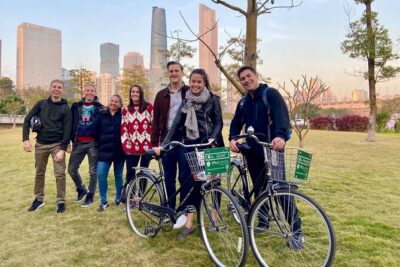
The bike choice is also part of the logic. The tour uses a small-wheel style (20-inch), not just because it’s cute, but because bicycle parking in Tokyo can be tight. That small-wheel setup helps you handle and park more comfortably than a standard bike might. If you like comfort, you’ll probably appreciate that the ride feels stable and manageable.
And here’s the real travel payoff: you can spend your energy on looking closely. You’ll pass traditional scenes like Edo-culture shrines, then pivot to modern Tokyo streets without the “we’re walking again” fatigue.
You can also read our reviews of more tours and experiences in Tokyo.


Getting Help Fast: Guide Style, Language, and Safety
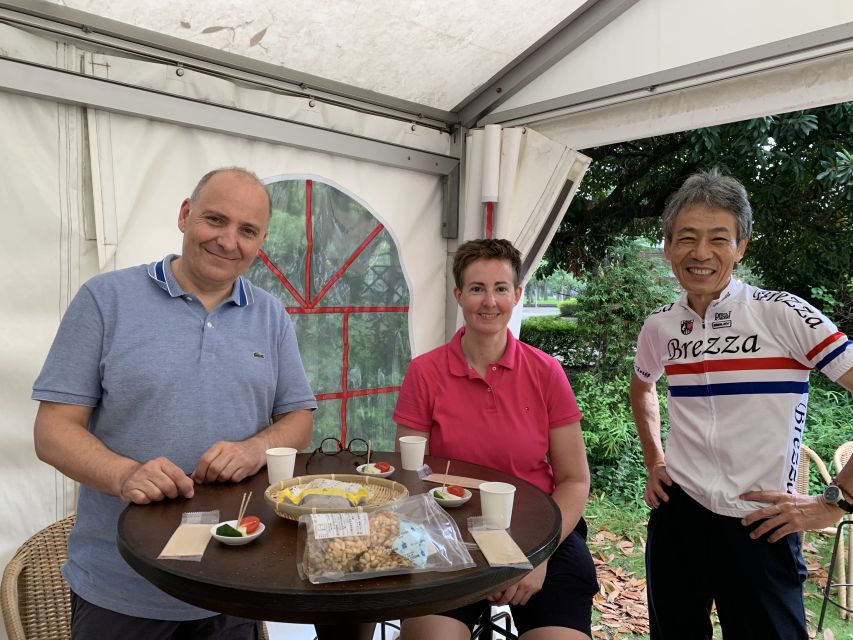
This is a private group tour, which changes everything. Instead of following a headset crowd, you get a guide who can set the pace to your comfort level. The tour includes an English-speaking guide (with Japanese also available), so you can ask questions as you go instead of waiting for a group stop.
From the guide approach described in past experiences, the big win is calm guidance. Guides such as Brezza and Hiro tend to handle the flow well: you can take pictures without feeling rushed, and you can stop for small decisions like souvenirs or quick photo angles. That matters in Tokyo, where the best views often come from tiny side turns.
Safety is also handled in practical ways. You get a helmet and gloves, and the guide actively manages the ride so you can focus on the sights rather than the logistics of traffic and intersections.
Pickup Timing: The Real Length of Your Day
The stated duration is about 4 hours, but the experience typically runs around 4.5 hours total including pickup time. That’s a key detail, because in Tokyo you don’t just “start biking.” You meet, get gear, get briefed, and then settle into the ride.
Pickup is included, and you’re asked to wait in the hotel lobby about 5 minutes before the scheduled time. If traffic delays the pickup car, the team contacts you by short mail service. In real life, that reduces the annoying stress of guessing what’s happening.
If you’re planning your day around the tour, I’d treat it like a half-day outing. It’s long enough to cover multiple neighborhoods, but short enough to still give you time to do dinner plans afterward.
The Core Route: From Edo Tradition to Tsukiji Energy
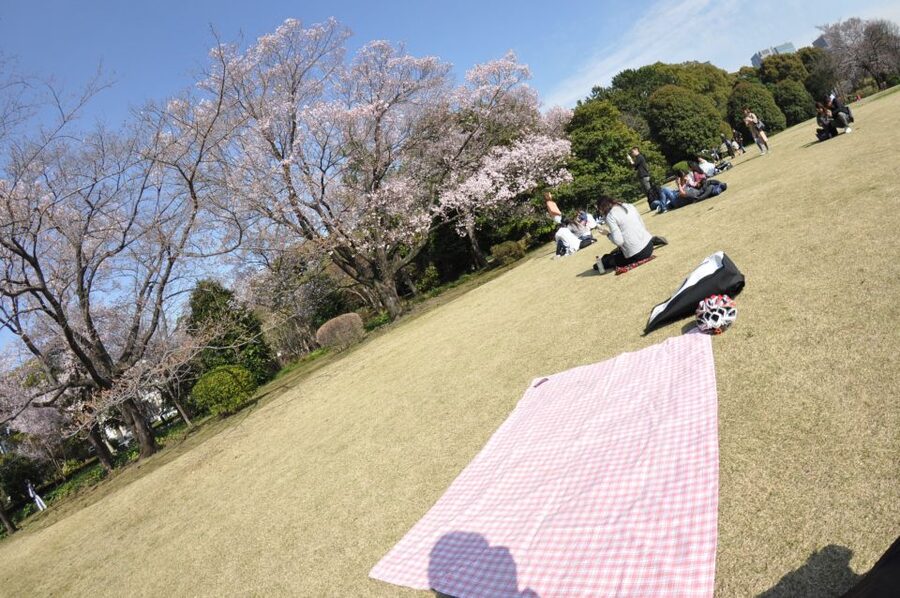
This tour is built around “Tokyo’s faces” appearing one after another. Think of it as a guided remix of classic and contemporary Tokyo rather than a single-theme stroll.
You’ll typically cycle through:
- Sophisticated streets (the kind where details matter: storefront rhythms, side-lane architecture, street-level design)
- Shrines tied to Edo culture (traditional spiritual spaces and the feel of older Tokyo)
- The Imperial Palace area with its beautiful gates (a formal, ceremonial contrast to neighborhood streets)
- The Tsukiji fish market area, where food culture and city movement sit right next to each other
You’ll also find time for parts of Ginza and even water-adjacent Tokyo (in past rides, the route has included the Bay of Tokyo area). That variety is why the tour feels worth it: you’re not just checking boxes, you’re getting a sense of how Tokyo changes street by street.
Edo-Culture Shrines: Small Spaces With Big Atmosphere
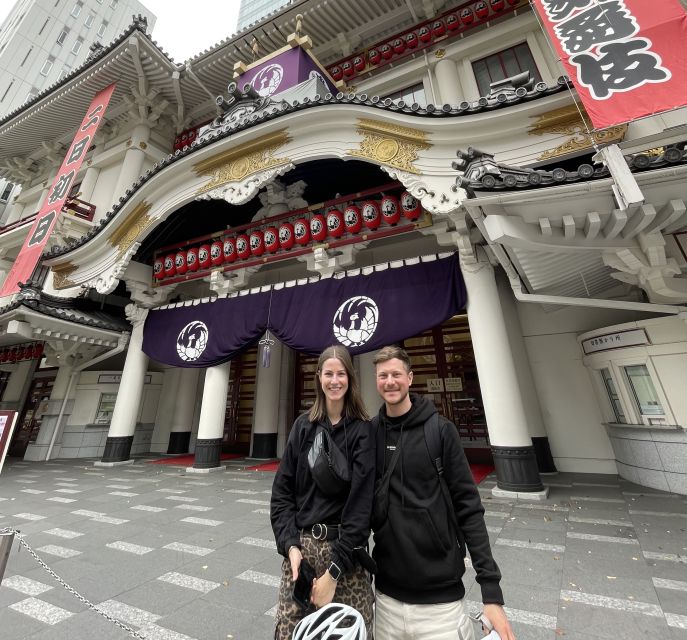
Tokyo shrines can be quick stops if you rush, and they can feel flat if you’re not sure where to look. The benefit of riding with a guide is that you arrive at the shrine moments with context and timing—so you’re not just passing by.
In this tour, shrines with Edo-era tradition are part of the main flow. You’ll get to experience the contrast between modern streets and older rituals, often with quieter corners and the kind of details you’d miss while focused on traffic.
Practical tip: bring a little patience. The best shrine moments aren’t always the biggest ones on a map. The guide’s role is to help you see what’s significant without turning it into a lecture.



Imperial Palace Gates: A Respectful Pause in the Middle of Traffic
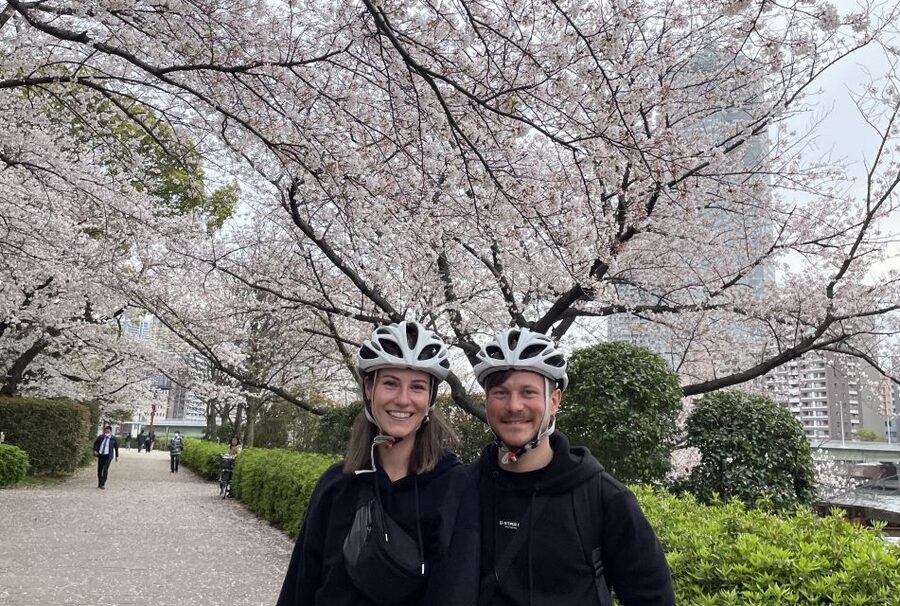
The Imperial Palace gates are one of those Tokyo sights that don’t need hype to work. Even when you’re surrounded by the city’s constant motion, the palace area feels ordered and ceremonial.
On this tour, the palace gates are included as a stop that balances the energy of market areas. It’s a nice rhythm change: you go from food-focused streets to a calmer, more formal scene, and then you reset again for the next neighborhood.
If you like photography, this kind of stop is great because gate views frame the city differently. You’re not only looking at buildings—you’re looking at how Tokyo arranges power, tradition, and design into a single visual idea.
Tsukiji Fish Market Area: Where Food Culture Gets Real
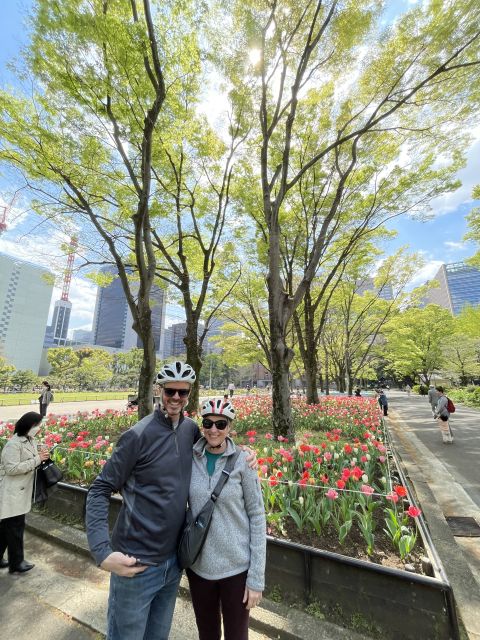
The Tsukiji fish market area is famous for a reason: it’s a place where you can feel Tokyo’s food engine working. Even if you’re not buying anything, the experience of seeing the market zone from the right angles is worth your time.
On a cycling tour, you also get an advantage. You can move through the area without spending half your outing searching for the one best corner. The guide helps you pass through with purpose, so you’re spending time noticing rather than walking in circles.
You’ll get that market energy, then transition onward to the smoother, shopping-friendly lanes around Ginza. It’s a smart pairing.
Ginza Break: Kimuraya Bread and the Joy of a Planned Snack
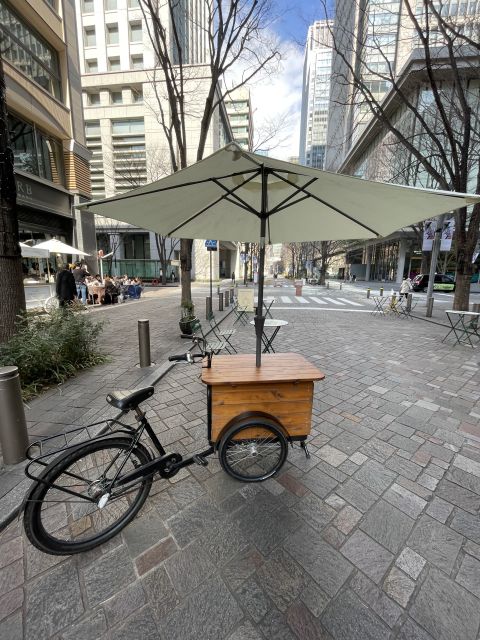
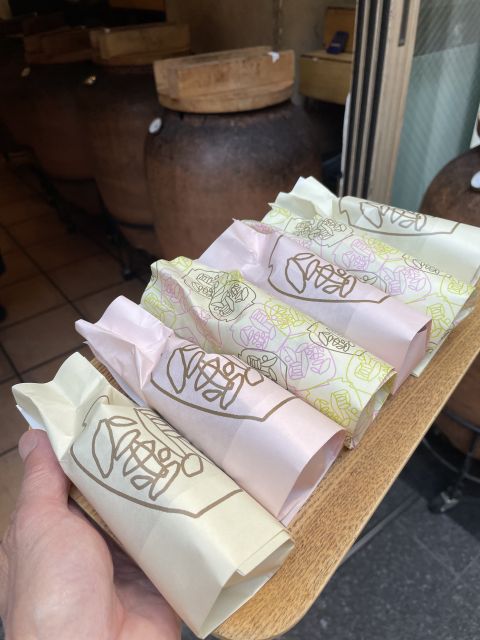
One of the more thoughtful inclusions is the bread stop at Kimuraya in Ginza. This is the kind of small detail that makes a tour feel like it’s been tested in real life: you get a specific recommendation, and you don’t waste time hunting for “the good one.”
This is also a useful break in the ride. Cycling through Tokyo makes you notice smells and street scenes, but it doesn’t always come with natural snack breaks unless the tour plans for it. With the bread and later picnic, you’re fed at the right moments, not randomly.
If you like Tokyo snacks, this stop alone can be a reason to book. It’s simple, local, and built into the flow of the day.
Picnic With Japanese Sweets and Green Tea
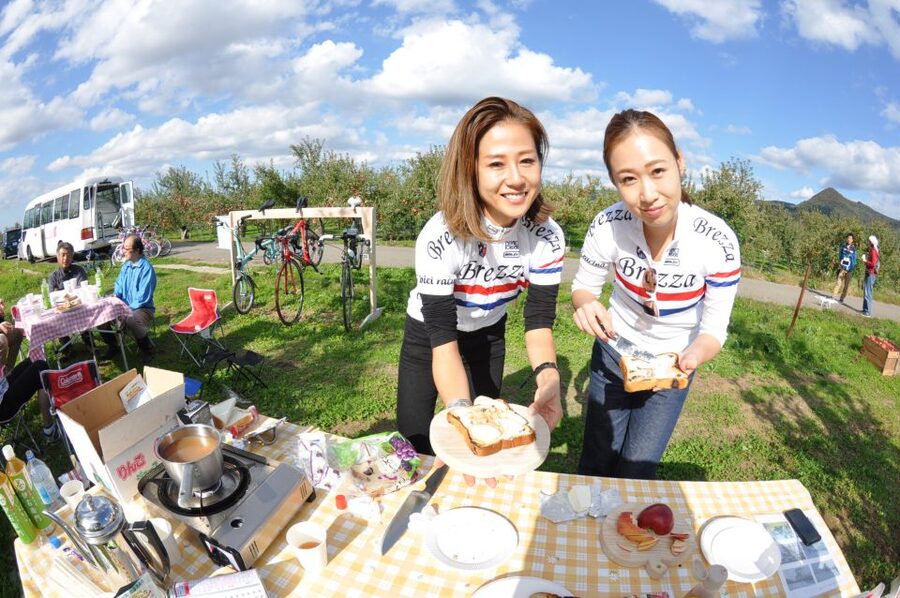
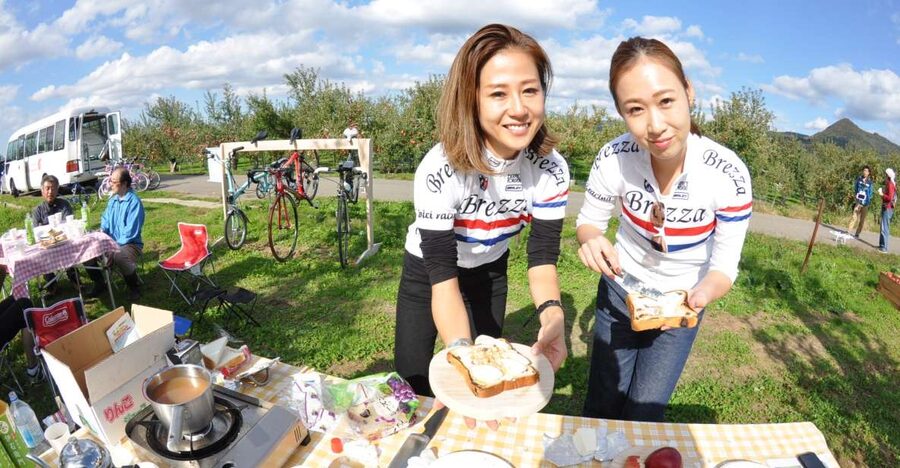
The tour includes a picnic with popular Japanese sweets and green tea. This is the emotional midpoint of the experience: after riding through shrines, gates, and market streets, you get to slow down and actually enjoy what you’ve seen.
In past experiences, the team has even prepared the picnic in a way that can include a short scenic pause near water (such as by the river), which turns the snack into a view moment instead of just a food stop.
The practical value is big too. In Tokyo, it’s easy to spend the entire day “snacking on the go” and never truly stop. Here, you get permission to pause. That makes the ride feel less like transportation and more like a day out.
Flexibility: How Much Can You Customize?
The tour has a basic course, but it’s not locked to a rigid script. Since it’s private, the guide can include places you want to go as long as time and the overall itinerary allow.
This matters if:
- You’re staying near a particular neighborhood and want to start there logically
- You want a specific photo spot or shopping lane
- You’d rather spend a bit longer near Tsukiji or a bit longer around Ginza
Also, because you’re on an electric bike, you can consider routes with weaker slopes that might not make it into other sightseeing walks. That’s a hidden benefit: it expands the territory you can cover without feeling punished by hills.
The Price Question: Is $318 Good Value for a Private Group?
This tour costs $318 per group up to 4 people. That pricing structure is usually where value shows up: if you go as a group, it can be one of the best ways to buy guided time in Tokyo without paying for multiple taxi rides.
Let’s do the math in plain terms:
- Up to 4 people means your per-person cost can drop to about $79 if you fill the group.
What’s included helps justify that:
- English-speaking guide
- E-bike (including helmet and gloves)
- Picnic with Japanese sweets and green tea
- Bread from Kimuraya in Ginza
- Assistance with reservations and designated restaurants
If you were to piece this together yourself—guide time plus bike rental plus food planning—it usually stops being “cheap,” even before you factor in the effort of navigating Tokyo’s tight logistics. Here, you’re paying for someone else to handle the details.
E-bike Comfort in Tokyo: Small Wheels, Easy Handling, Real Streets
Tokyo bicycle parking can be narrow, and this tour accounts for that by using a small-wheel bike (20-inch). That detail is not just technical. It affects your comfort and your ability to move smoothly between stops.
The tour also notes that you can ride comfortably on a sports bike made in Italy (the idea being that the bike choice prioritizes stable comfort). In practice, that means fewer worries about whether the bike feels “too big” or awkward for street handling.
Now the reality check: you are still cycling on real city roads. That’s part of the fun, but it does mean you’ll want to follow the guide’s lead and stay aware at crossings and intersections. If you’re comfortable riding at least short distances, you’ll likely enjoy this. If you’re brand-new to bikes, the electric assist and guided pacing can still make it workable.
Who Should Book This Tour (and Who Might Skip It)
You should book if you want:
- A private way to see major Tokyo areas with less walking fatigue
- A route that mixes tradition (Edo-culture shrines) with modern food culture (Tsukiji) and shopping (Ginza)
- A planned meal moment with Japanese sweets, green tea, and Kimuraya bread
You might skip if you’re expecting a long, independent cycling adventure. This is guided and paced for sightseeing variety. You’re going to get a lot of places, but you won’t have the freedom to roam for hours at your own speed.
Also, if you strongly prefer staying off roads and sticking to quiet footpaths only, you might find cycling less satisfying. But if you’re open to riding through Tokyo with a guide who knows the flow, this is a strong fit.
Final Call: Should You Book This Private Cycling Tour?
My take: book it if you want a high-signal Tokyo day—Imperial Palace gates, Edo-culture shrines, Tsukiji, Ginza, plus food—without turning your legs into a problem. The combination of electric assist, a private guide, and actual inclusions (picnic sweets, green tea, and Kimuraya bread) makes the $318 price feel justified, especially for a group of two to four.
I’d skip it only if you know you hate bikes or you’re looking for a slow, linger-all-day kind of sightseeing pace. Otherwise, this tour is one of the more practical ways to taste several sides of Tokyo in a single half-day block.
FAQ
How long is the Tokyo private cycling tour?
The tour is listed as 4 hours, and the experience runs about 4.5 hours including pickup time.
What is the price, and how many people can be in the group?
It costs $318 per group, up to 4 people.
Is pickup included?
Yes. Pickup is included, and you should wait in the hotel lobby about 5 minutes before the scheduled pickup time.
What language will the guide speak?
The guide is available in English and Japanese.
What equipment comes with the ride?
You’ll get a helmet and gloves, plus access to the casual cute small wheel E-bike.
Is there food included?
Yes. You get a picnic with popular Japanese sweets and green tea, and you also get bread from Kimuraya in Ginza.
What kinds of places does the tour cover?
The route includes highlights such as Edo-culture shrines, the Imperial Palace gates, and the Tsukiji fish market, with time in areas like Ginza as well.
What’s the cancellation policy?
Free cancellation is available up to 24 hours in advance for a full refund.