REVIEW · TOKYO
Tokyo: West-Side Cycling and Food Tour with Guide
Book on GetYourGuide →Operated by DIG Tokyo Tours · Bookable on GetYourGuide
Tokyo looks different at bicycle speed. This 3.5-hour west-side Tokyo tour uses a classic mamachari bike to carry you through Nakano, Koenji, and Asagaya, with stops that feel like daily life rather than a checklist. I like that it takes you off the most obvious tourist paths and into the smaller streets where bicycles, train commuters, and snack culture all overlap.
Two things I really liked: the chance to experience Tokyo’s cycling habits and bike parking culture firsthand, and the food that actually matches the neighborhoods you’re riding through. The guide (Andy, from the group’s reviews) also adds context that makes what you see make sense, not just what to do next.
One drawback to plan for: the streets can be tight and the route includes uneven spots and occasional sharp turns, so this isn’t a sit-back-and-sightsee ride. If rain hits, you may still get wet since the tour generally keeps going.
In This Review
- Key points at a glance
- Why west Tokyo by mamachari bike feels more real
- Koenji Station meet-up and how you’ll get ready fast
- Pedaling Nakano, Koenji, and Asagaya: the neighborhoods behind the curtain
- How the food portion works: lunch plus two street eats
- Andy’s local perspective: what you’ll actually learn
- What the ride feels like: pace, turns, and how to stay confident
- What to bring (and what to skip)
- Price and value: what $110 buys you in Tokyo
- Who this tour suits best (and who should skip it)
- Should you book this Tokyo west-side cycling and food tour?
- FAQ
- Where does the tour start?
- How long is the tour?
- What’s included for food and drinks?
- Is the tour suitable for vegan diets or food allergies?
- Do I need to be an experienced cyclist?
- What are the height and age requirements?
Key points at a glance
- Mamachari-style cycling: a practical, local way to move through side streets
- West Tokyo neighborhoods: Nakano, Koenji, and Asagaya instead of the usual central loop
- Food that matches the route: a simple lunch plus two street food tastings
- Bicycle parking culture: you’ll see how bikes fit into the city system
- Andy’s local perspective: habits, everyday etiquette, and questions you can ask on the move
- Active pace, not a leisurely stroll: plan for ~12–15 km and real bike control
Why west Tokyo by mamachari bike feels more real
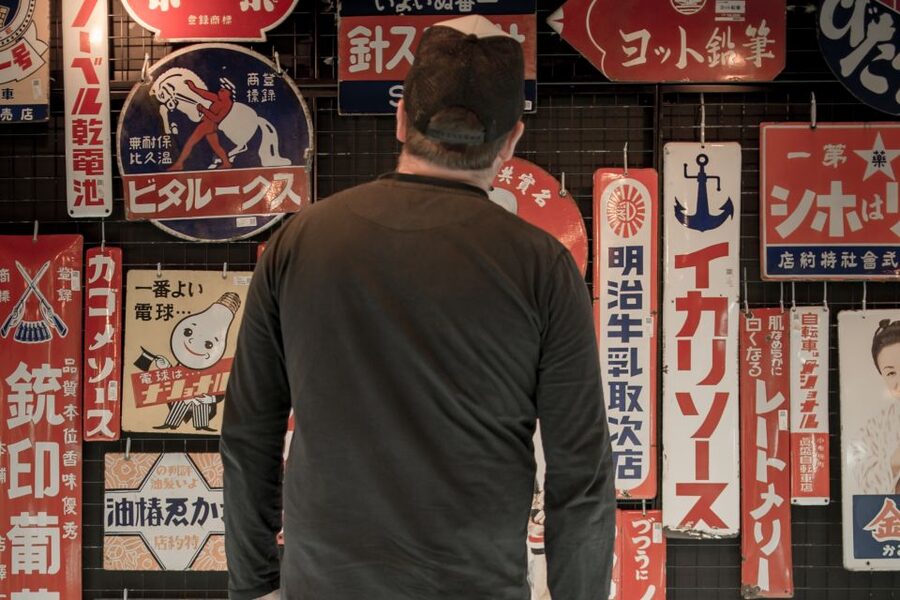
Tokyo has two rhythms: the train timetable rhythm, and the street rhythm. This tour leans into the second one. Instead of walking the same “photo stops,” you pedal through back streets, riverside bike paths, and the everyday activity near neighborhood hubs—areas you often pass by only from above if you’re sticking to rail lines.
The bike matters. A salvaged mamachari isn’t a fancy road bike. It’s the dependable commuter bike you see everywhere—built for getting around in real traffic conditions, with baskets and a straightforward riding position. That’s why it feels authentic: you’re using the same type of transport people rely on for errands and quick trips.
And you learn quickly that cycling here is a system, not just a hobby. The tour includes time to observe (and use) Tokyo’s bike parking setup. That sounds minor until you’re in the situation yourself—then you realize how the city makes bicycle life work without turning streets into chaos.
You can also read our reviews of more tours and experiences in Tokyo.


Koenji Station meet-up and how you’ll get ready fast
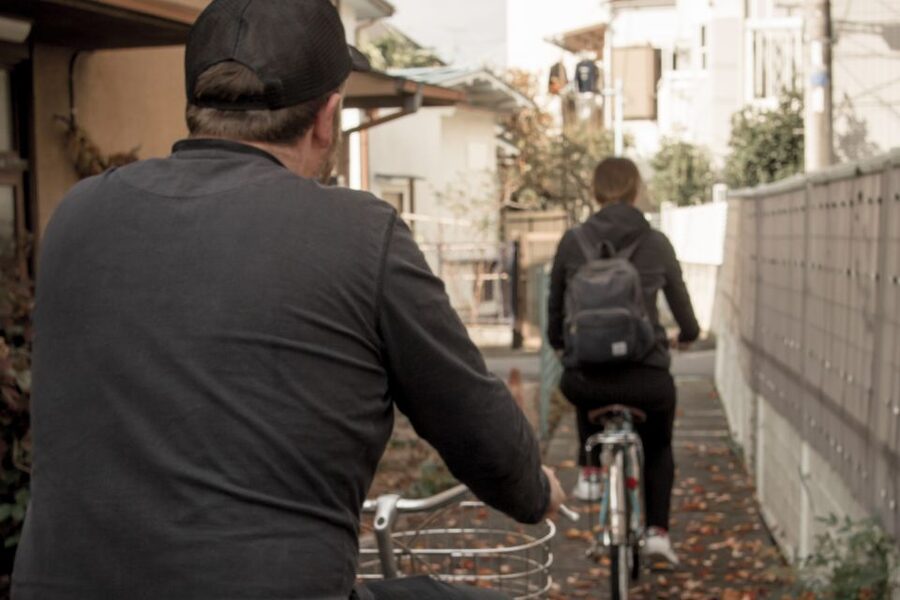
The tour begins at Koenji Station (JR network), with the guide waiting directly outside the ticket gates about 5 minutes before departure. Koenji is a calmer station than Shinjuku, and it’s still easy to reach: roughly 6 minutes from Shinjuku or about 18 minutes from Shibuya.
The guide is easy to spot—baseball cap and ready to move—so you’re not hunting around with your group. Also, the departure is on time. If you’re late, you’ll miss the group’s start and lose the flow of the early ride when everyone is still settling in.
Before rolling, you’ll get your bike sorted and you’ll be riding on a route that expects you to handle normal street conditions. You’ll want to start the tour feeling alert, not rushed. That’s the quiet secret to enjoying the ride: if you’re tense, every narrow lane and turn feels harder than it is.
Pedaling Nakano, Koenji, and Asagaya: the neighborhoods behind the curtain
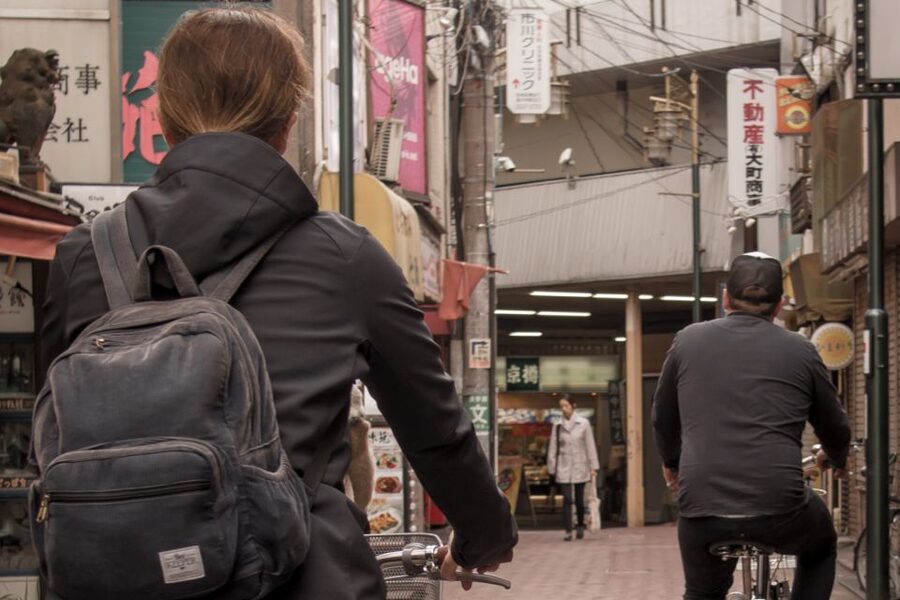
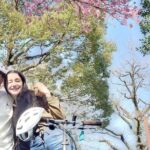
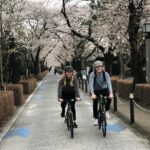
This is the heart of the experience: cycling through Nakano, Koenji, and Asagaya. These areas are known for their local character, and the route is designed to show you that personality on the ground.
Here’s what that typically feels like as you ride:
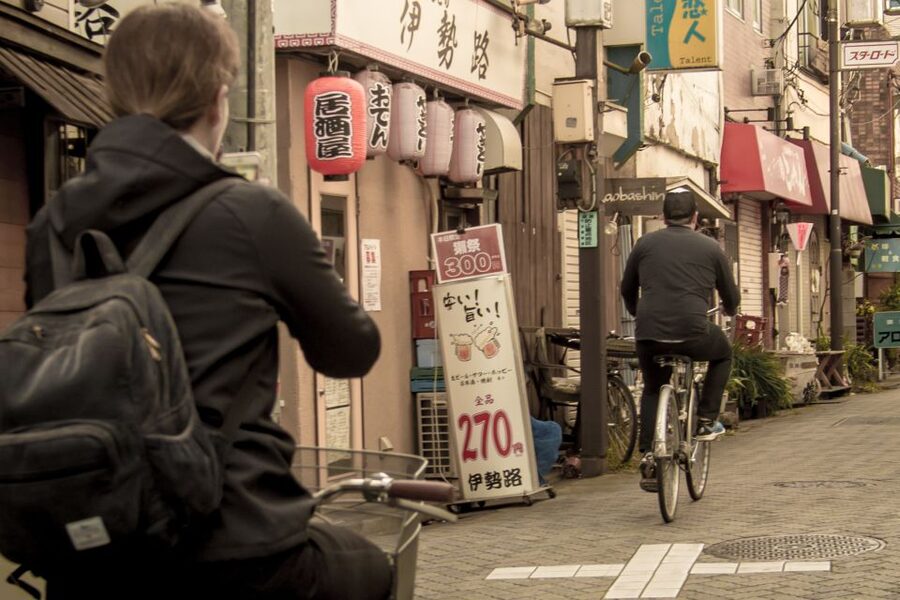
- Twisting back streets where storefronts, apartment entrances, and bicycle parking stack up in a way you don’t see from major roads.
- Riverside bike paths when the route opens up and you get a breather from traffic.
- Busy corners where you see regular city habits—people commuting, people shopping, people grabbing food quickly.
You also get the “street reality” part. One highlight notes that you’ll share space with hungry salarymen during refueling stops. Another review mentions small alleys and sharp turns, which tells me the route keeps it real rather than turning everything into a slow promenade. In other words, this is not a beginner-only cruise through wide lanes.
Still, it’s designed at a leisurely pace. The total ride distance is about 12–15 km (7.5–9.5 miles). That’s long enough to feel like you did something meaningful, but short enough that the tour can mix in walking and food stops without turning into a full-day workout.
How the food portion works: lunch plus two street eats
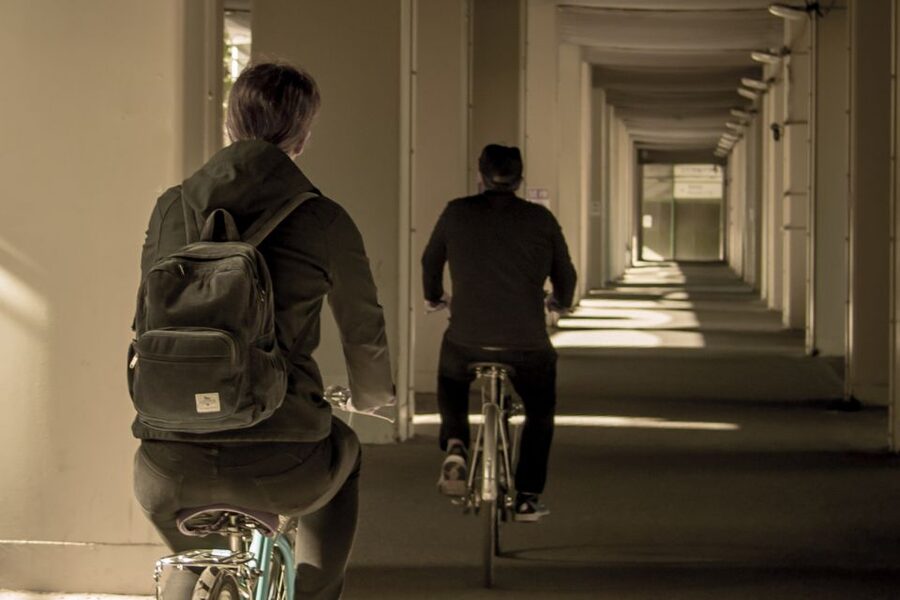
You don’t just eat in one place and call it a day. The food is integrated into the neighborhoods you’re riding through, and that’s where the value shows.
The tour includes:
- A simple Japanese lunch
- Two popular street food eats
- One bottled drink (your choice)
A review specifically mentions a noodle bar for lunch, which is exactly the kind of practical Japanese stop that fits the west-side feel. You’re not being sent to some far-away restaurant that’s convenient only for tourists—you’re eating in the rhythm of the area.
You may also pick up something sweet along the way. One guest highlighted tasting sweet treats during the route, which makes sense for a neighborhood street circuit where desserts and snack counters are part of the daily texture.
One important limitation: this experience does not cater to personal tastes, dietary requirements, or allergies. It isn’t listed as vegan-friendly, and it also isn’t described as allergen-aware. So if you’re sensitive to ingredients or follow strict dietary rules, this is a place to pause and think carefully.
Andy’s local perspective: what you’ll actually learn
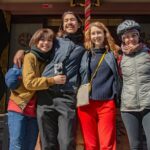
I like food tours that teach you how to read a city. This one does that in a very practical way. The guide isn’t just pointing at places; he explains Japanese habits and the logic behind everyday routines.
From the reviews, Andy comes through as:
- Fun and engaging, with a lot of local knowledge
- Patient with questions (including beginner questions about habits and systems)
- Willing to add context so you understand what you’re seeing, like how locals handle day-to-day choices
One review also calls out how the guide helped demystify vending machine drinks. That’s the kind of detail that sounds small until you’re standing in front of the machines yourself and wondering which button gets you what. When a guide explains that kind of everyday thing, it turns into a “now I can do this myself later” skill.
Another review mentions he emails recommendations after the tour. That’s a nice touch because your time on bikes gives you a mental map—then you can use the follow-up advice to keep exploring on your own.

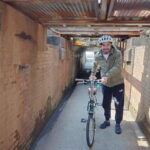
What the ride feels like: pace, turns, and how to stay confident
Even though the pace is described as leisurely, you should treat this as an active cycling day. You’re expected to be competent on a bicycle in:
- Occasionally narrow and crowded streets
- Uneven surfaces
- A route that includes sharp turns (per reviews)
The tour goes roughly 210 minutes total, which includes cycling, walking, and multiple food stops. That timing matters. If you’re expecting a slow walking-and-snacking tour, you’ll be surprised. If you’re comfortable riding a bike and you like moving between sights, you’ll probably find the time flies.
It’s also an outdoor tour that may be impacted by weather. The guidance says that in rain, the tour generally proceeds as planned, so plan for wet conditions. That matters for comfort and bike handling. Wet streets can make narrow lanes feel riskier, even for decent riders. If rain is in the forecast, wear shoes you don’t mind getting damp.
What to bring (and what to skip)
The tour gives you the bike and handles parking fees, but you’ll want to bring basic comfort items:
- Passport or ID card
- Hand sanitizer or tissues
- A garbage bag
A garbage bag sounds “extra” until you’re dealing with snack wrappers and want to avoid stuffing trash into pockets. Tokyo street life is clean, but trash still needs to go somewhere. Having your own small bag helps you stay relaxed.
Also consider what you’re not bringing. The tour doesn’t promise to adjust meals for allergies or specific diets. So if you need special food, you may need to plan differently before booking. For anyone with restrictions, this tour can feel like a mismatch.
Price and value: what $110 buys you in Tokyo
At $110 per person for about 3.5 hours, this is not the cheapest way to see Tokyo. But it’s also not just a guided walk.
Your ticket covers:
- The bike (including the mamachari setup)
- Bicycle parking fees
- Cycling liability insurance
- A local English-speaking guide
- A simple lunch, two street food eats, and one bottled drink
That bundle matters. In Tokyo, you can spend money fast on transport plus food plus guide time. Here, the bike and the insurance reduce your hassle level, and the food is already planned into the route so you’re not trying to solve where to eat while navigating side streets.
For me, the best value is the combination: cycling culture plus street food plus neighborhood context. If you only cared about food, you might find cheaper tours. If you only cared about cycling, you could book a rental and self-tour. This price starts to make sense when you want the local explanations, the timing, and the route choices.
Who this tour suits best (and who should skip it)
This tour is a strong match if you:
- Want west-side Tokyo neighborhoods rather than the usual highlights loop
- Are comfortable riding a bike for about 12–15 km
- Like learning how local systems work, not just where to take photos
It’s also a good option if you appreciate small, practical details—bike parking behavior, vending machine basics, and the etiquette that makes street interactions smoother.
It’s not suitable if you:
- Are vegan or have food allergies (it doesn’t cater to dietary requirements or allergies)
- Are under about 140 cm (4’7″) in height
- Are traveling with children under 10
- Don’t feel confident handling narrow, crowded streets and uneven surfaces
If you’re a super-confident cyclist, you’ll probably enjoy the more active turns and alley sections. If you’re nervous about bike control, you might find it stressful rather than fun.
Should you book this Tokyo west-side cycling and food tour?
I’d book it if you want a Tokyo experience that feels like you’re borrowing local routines for a half day: a mamachari bike, real neighborhood streets, and food stops that match where you’re riding.
Skip it if you can’t do a bike ride of roughly 12–15 km or if you need strict dietary accommodations. Also, if you hate the idea of getting wet in rain, keep an eye on the forecast and plan footwear accordingly.
FAQ
Where does the tour start?
It starts at Koenji Station on the JR train network. The guide waits outside the ticket gates about 5 minutes before departure.
How long is the tour?
The duration is 210 minutes (about 3.5 hours).
What’s included for food and drinks?
You get a simple Japanese lunch, two street food eats, and one bottled drink.
Is the tour suitable for vegan diets or food allergies?
No. This experience does not cater to dietary requirements or allergies, and it’s listed as not suitable for vegans.
Do I need to be an experienced cyclist?
You should be competent riding a bicycle on occasionally narrow, crowded streets and uneven surfaces. The ride covers roughly 12–15 km at a leisurely pace.
What are the height and age requirements?
The rider should be over 140 cm (4’7″) to comfortably ride the bikes, and it’s not suitable for children under 10 years.