REVIEW · TOKYO
Tokyo West-Side Cycling & Food Tour
Book on Viator →Operated by DIG Tokyo Tours · Bookable on Viator
Tokyo by bike feels like a cheat code. This small-group West Tokyo ride connects real neighborhood life with street snacks and a local lunch, guided by Andy on a route that threads Nakano, Koenji, and Asagaya plus a scenic Zenpukuji River stretch.
The one thing to think about first is the cycling: you should feel comfortable riding in urban traffic-like conditions, on narrow and sometimes crowded streets, for about 12–15 km.
In This Review
- Key things that make this tour work
- Why West Tokyo by bike beats the checklist-style day
- Your ride setup: mamachari bikes, helmets, and the real safety basics
- The route plan: Nakano, Koenji, Asagaya backstreets and Zenpukuji River
- Snack strategy: street food stops that feel like a local errand
- Lunch that fits the neighborhood mood (not fine dining)
- The bicycle parking moment: learning Tokyo through bike locks and systems
- Walking breaks: why the route includes them
- Andy’s guiding style: answers on tap, plus follow-up tips
- Who should book this (and who should skip it)
- Weather and timing: what to expect on a rainy day
- Price and value: what $99.49 gets you in the real world
- Should you book the Tokyo West-Side Cycling & Food Tour?
- FAQ
- How long is the Tokyo West-Side Cycling & Food Tour?
- How many people are in the group?
- Where do I meet for the tour?
- What kind of bike do you ride?
- Do I need previous cycling experience?
- Is the tour all-inclusive for food?
- What if I have dietary restrictions or allergies?
- What happens if it rains?
Key things that make this tour work
- Small group (max 8): more attention from your guide and an easier pace when you stop to eat.
- Salvaged mamachari bikes: Japanese-sized bikes with front baskets built for day bags.
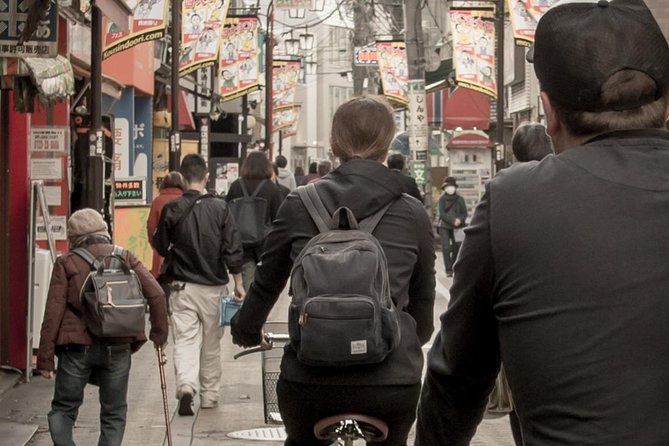
- Backstreets and river paths: you spend the day on routes most people miss in Tokyo.
- Street food + local lunch: you get multiple eating stops, not one big meal.
- Bicycle parking practice: you learn the quirky, real-life system and get to try it yourself.
- Andy’s local storytelling: he answers questions and shares how daily life runs over on the west side.
Why West Tokyo by bike beats the checklist-style day
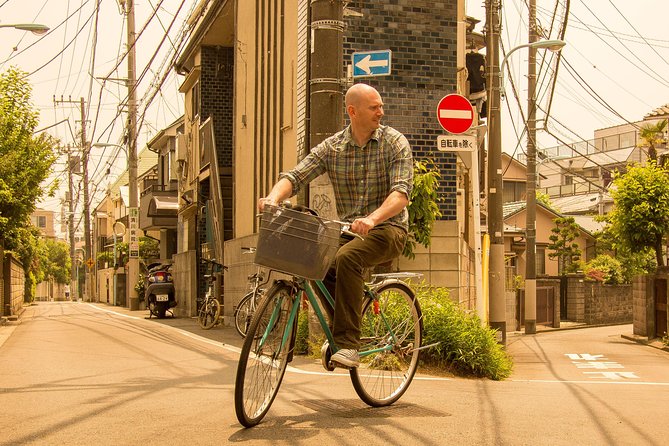
If you only see Tokyo from major train stations and famous crosswalks, the city can feel a bit like a theme park. This tour is built for the opposite feeling: you move through ordinary streets where people are going to work, grabbing snacks, and commuting by bike.
The best part is that it is not trying to cram in famous landmarks. Instead, it helps you understand how the city actually functions at street level—through cycling, short walks, and food you would have trouble finding on your own.
Price-wise, $99.49 is not cheap for a 3.5 to 4 hour outing, but it is also not just a guide-and-bike rental. You get the bike experience, multiple included snacks, and a Japanese-style lunch. Add the fact that the group stays small (max 8), and it starts to look like good value for people who want something beyond sightseeing photos.
You can also read our reviews of more tours and experiences in Tokyo.

Your ride setup: mamachari bikes, helmets, and the real safety basics
You will ride on a salvaged mamachari bicycle. These are the common commuter-style bikes you see all over Japan, and this one comes with a front basket big enough for a standard backpack.
The bikes are Japanese-sized and you need to be at least 140 cm tall to ride comfortably. Helmets can be provided on request, so it is worth asking ahead of time if you want one.
Safety is not treated like a formality here. The route includes narrow, potentially crowded streets and uneven surfaces, and the tour expects you to be competent in an urban environment. If you are a brand-new bike rider, or you get nervous around vehicles and tight spaces, this is the part you should think through before booking.
The route plan: Nakano, Koenji, Asagaya backstreets and Zenpukuji River
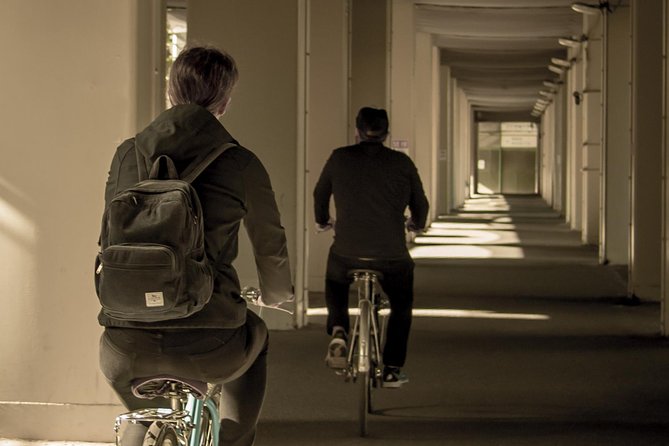
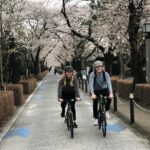
The heart of the experience is a west-side loop that leans into neighborhoods most visitors skip. You will pedal through twisting back streets and also ride on riverside paths along the Zenpukuji River.
You also get a mix of cycling and walking. That matters, because it lets the day breathe. When you walk, you can actually look at storefronts, bike parking setups, and the general flow of the area instead of only focusing on your balance.
From what you are told before you go, the total riding distance is roughly 12–15 km (about 7.5–9.5 miles). The day can run a little longer or shorter depending on group speed and how quickly everyone eats and cycles, but it is typically around 3.5 to 4 hours.
Snack strategy: street food stops that feel like a local errand
This is not a tour where you get one cookie and a photo. It is built around real snacking stops, which is the easiest way to understand how people actually eat on a normal day.
You will try a tailored selection of popular local snacks. The idea is to keep you moving through neighborhoods while still giving you breaks to taste and reset. Expect the stops to be casual and local-style, not fancy dining rooms.
Food can be a highlight even for picky eaters, as long as you are open to what Japanese everyday food tastes like. Dashi is a common base ingredient, and Japanese cuisine often includes meat and seafood elements. If you have food allergies or strict dietary needs, you should plan carefully. The tour visits typical local eateries, and the information you are given is very clear that catering can be difficult.
Lunch that fits the neighborhood mood (not fine dining)
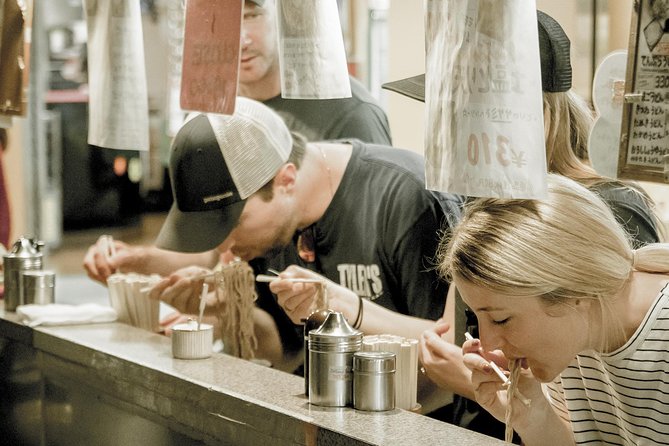
Lunch is included and described as a Japanese-style meal that matches the side of Tokyo you are exploring. It also functions as a natural anchor point in the day, when the group refuels before the second half.
Some groups have extra drink and lunch breaks built into the pacing, and you can feel that in how the day stays relaxed rather than turning into a sprint to hit every photo spot. A few families also report that the itinerary held up even when weather turned a bit messy, which is a good sign if you are worried about a trip derailing on a vacation schedule.

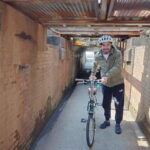
The bicycle parking moment: learning Tokyo through bike locks and systems
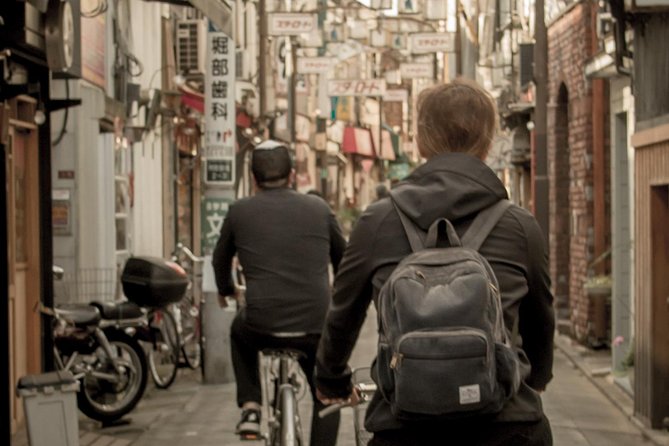
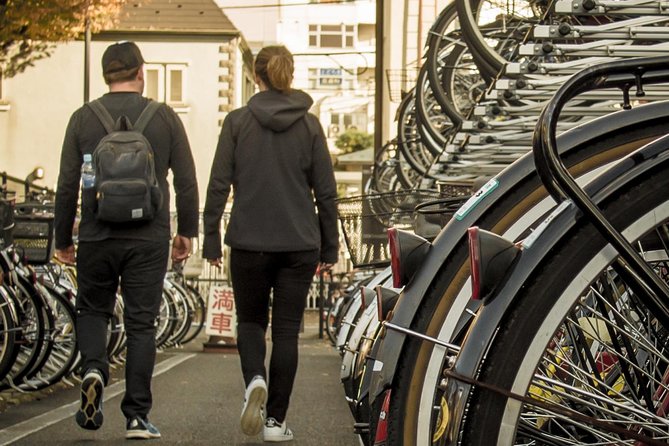
One of the most practical parts of the day is learning how Japanese bicycle parking works. You do not just watch a guide explain it—you experience it first-hand and there is even a bike parking practice component.
This sounds small, but it is exactly the kind of real detail that changes how you see a city. In Tokyo, bike parking is part of the everyday order. When you learn the system in the moment, it becomes a mental model you carry forward the next time you spot bicycles lined up neatly and locked down across the neighborhood.
Walking breaks: why the route includes them
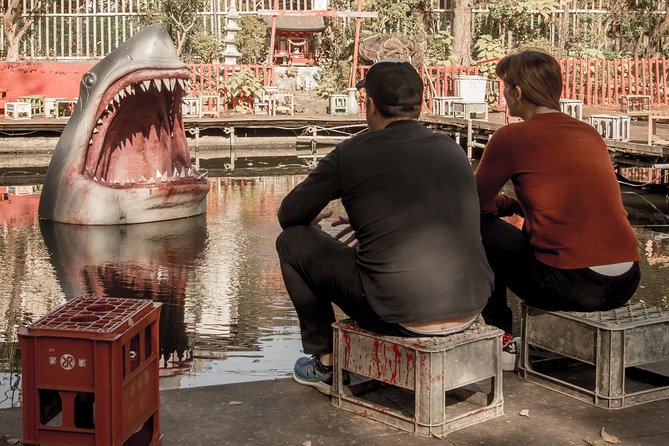
You do not spend the entire tour simply balancing on a bike. The walking segments help in two ways.
First, they give you time to absorb the neighborhood without rushing. Second, they keep the group comfortable. The tour is designed for socializing, exploration, and local discovery, and walking breaks support that goal more than they interrupt it.
Andy’s guiding style: answers on tap, plus follow-up tips
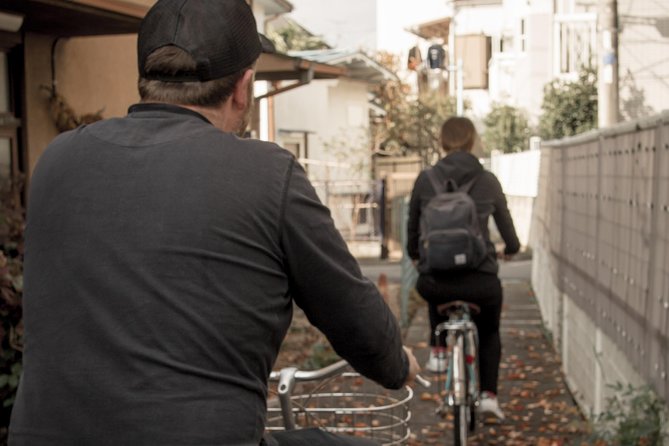
The tour is hosted by Andy, and his personality shows up repeatedly in the feedback. People consistently describe him as friendly and upbeat, with a lot of local context about how life runs in the area.
You also get practical Q and A during the ride. That is useful in Tokyo, where it is easy to feel like you are surrounded by rules you do not know. When your guide can explain why people do things a certain way—about daily routines, neighborhood life, or what to expect—the city stops feeling like a quiz and starts feeling understandable.
A nice extra: some past participants report that Andy sends a follow-up email after the tour with details on the food tried and additional recommendations based on interests. That kind of bonus is not required for a great day, but it does make the experience last longer than three hours.
Who should book this (and who should skip it)
This tour is best for you if:
- You want a calmer Tokyo day away from heavy tourist loops.
- You like food that is simple, local, and snack-focused.
- You can ride a bike confidently in an urban setting, including narrow or crowded streets.
- You want a small group (max 8) and a guide you can ask questions to.
It is probably not the right fit if:
- You struggle with bike control in traffic-like streets or on uneven surfaces.
- You have major food allergies or strict dietary rules and cannot eat typical Japanese staples.
- You are looking for big sightseeing monuments and high-end dining.
A practical bonus: bike travel is a great way to get your bearings fast. If this is your first days in Tokyo, this tour can work as a real orientation into how neighborhoods feel on the ground.
Weather and timing: what to expect on a rainy day
This is an outdoor cycling and walking activity, so weather matters. If it rains, basic ponchos are provided and the tour generally continues as planned.
Group pace also affects finish time. If the group eats slowly or bikes more cautiously, you might run closer to the upper end of the timing range. That is not a flaw—it is part of why small groups feel more human.
Price and value: what $99.49 gets you in the real world
At $99.49 per person, the tour sits in a mid-range band for Tokyo activities. Here is how I see the value:
- You pay once and get a bike day plus included snacks and a lunch.
- The group size is capped at 8, which often means less waiting and more interaction.
- You get coverage for the cycling portion via included liability insurance, though you should still carry your own travel insurance for broader protection.
If your travel style is: eat well, learn how locals live, and move through neighborhoods instead of marching between monuments, this price is easier to justify. If your style is: I only want the big-name sights and I hate riding bikes, you will likely feel like you paid for the wrong thing.
Should you book the Tokyo West-Side Cycling & Food Tour?
Yes, if you want a more local Tokyo day that is built around real streets, real bike life, and included food that is easy to enjoy without dressing up. The small-group size, the mamachari bike experience, and the combination of snacks plus lunch make it feel like more than a walk with a story.
Book it especially if you are excited by the idea of riding through Nakano, Koenji, and Asagaya instead of repeating the same central highlights. You will come away with a clearer sense of how Tokyo works when you are moving through it like a resident.
Skip it if you are not confident riding a bike in tight, crowded urban streets or if dietary restrictions are so strict that typical local eateries become a dealbreaker.
FAQ
How long is the Tokyo West-Side Cycling & Food Tour?
It runs about 3 hours 30 minutes on average, with a rough guide of around 3.5 to 4 hours total time.
How many people are in the group?
The tour has a maximum group size of 8 travelers.
Where do I meet for the tour?
The meeting point is Kōenji Station, 4-chōme-48-2 Kōenjiminami, Suginami City, Tokyo 166-0003, Japan. The tour ends back at the meeting point.
What kind of bike do you ride?
You ride salvaged mamachari bicycles, which are Japanese-sized and include front baskets that can hold a standard backpack.
Do I need previous cycling experience?
You should be competent riding a bicycle in an urban environment. The route includes narrow and potentially crowded streets and uneven surfaces, with about 12–15 km of riding.
Is the tour all-inclusive for food?
Yes. The tour includes street food snacks and a Japanese-style lunch.
What if I have dietary restrictions or allergies?
The tour visits typical local eateries, and Japanese cuisine often includes meat and seafood elements. Dashi is also common. Catering for personal tastes, dietary requirements, and food allergies can be difficult, so you should plan carefully.
What happens if it rains?
If the weather is poor and the tour can’t run, you will be offered a different date or a full refund. If it rains during the tour, basic ponchos are provided and the cycling generally proceeds as planned.