REVIEW · TOKYO
Tokyo: 3h Private E-bike Tours, Starting at Your Hotel
Book on GetYourGuide →Operated by Tokyo Bike Bliss · Bookable on GetYourGuide
You can see Tokyo fast without feeling rushed. A private 3-hour e-bike tour starts and ends at your hotel, then threads you from major landmarks into quieter streets where Tokyo feels real. I like the fact that the ride is planned around you (route, pace, and stops), not a one-size schedule.
Two things I’m especially happy about: first, hotel-to-hotel pickup that saves you from the usual map-and-metro stress. Second, the electric assist makes hills and longer stretches feel manageable, so you spend energy looking up at buildings and soaking in neighborhoods. One consideration: this isn’t for everyone—there are height/weight limits and specific shoe/clothing rules.
Key points at a glance
- Hotel start and finish: you meet in the lobby and end back at your place.
- 15–20 km for 3 hours: a solid amount of Tokyo covered without speed-biking.
- Electric assist: you pedal, the motor helps, and you can keep a relaxed rhythm.
- Truly private: the guide can adjust route and pacing while you’re on the bike.
- Guides like Kazuma-san focus on safety: bike fitting, patient explanations, and a careful pace.
- Photo stops, plus guide photos: you’ll have stopping points for pictures, and the guide can take shots for your group.
In This Review
- Hotel-to-hotel pickup that keeps Tokyo simple
- E-bikes in Tokyo: why the motor changes everything
- Private means the pace and route belong to you
- The 3-hour loop: from skyscrapers down to back streets
- Starting areas that make a difference
- Landmarks and neighborhoods you may ride through
- Shinjuku and the story-lane feeling
- Shrines and calm pockets (even when the city roars)
- Shibuya: the big moment plus the side streets
- Imperial Palace area and central Tokyo walking energy
- Waterfront Tokyo: Tsukuda, Tsukishima, and the rivers
- Temples and skyline contrast: Zojo-ji and Tokyo Tower
- Asakusa: Kaminarimon and old-street energy
- East-side add-ons like Kitasenju and Tokyo Skytree
- Price and value: is $154 for 3 hours worth it?
- Safety and rules that keep the ride comfortable
- Who should book this e-bike tour
- Should you book this private Tokyo Bike Bliss e-bike tour?
- FAQ
- Where does the tour start and end?
- How long is the e-bike tour, and how far do you ride?
- Is it a private tour?
- Can I customize the route or add specific stops?
- What’s included, and is food part of the tour?
- What rules should I know before you ride?
Hotel-to-hotel pickup that keeps Tokyo simple
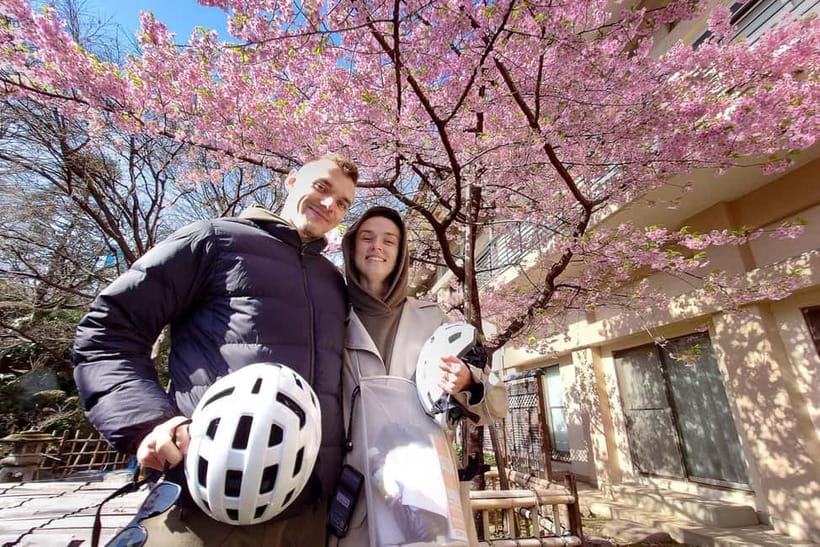
Tokyo can be intimidating the first day. You’re juggling directions, crowds, and that moment when you’re trying to explain where you want to go without a working sense of Japanese street names.
This tour solves a big chunk of that problem. You start and end at your hotel, and pickup is designed to be easy: the guide finds you at your hotel lobby about five minutes before the scheduled pickup time. In practice, this means you can shower, dress, and then just roll out without spending your morning hunting for a meeting point.
If your hotel is outside the operator’s range, you’re not abandoned. You can talk through a different starting point, with additional charges if needed. Either way, the goal stays the same: reduce friction so you actually get to enjoy Tokyo instead of negotiating transit.
E-bikes in Tokyo: why the motor changes everything
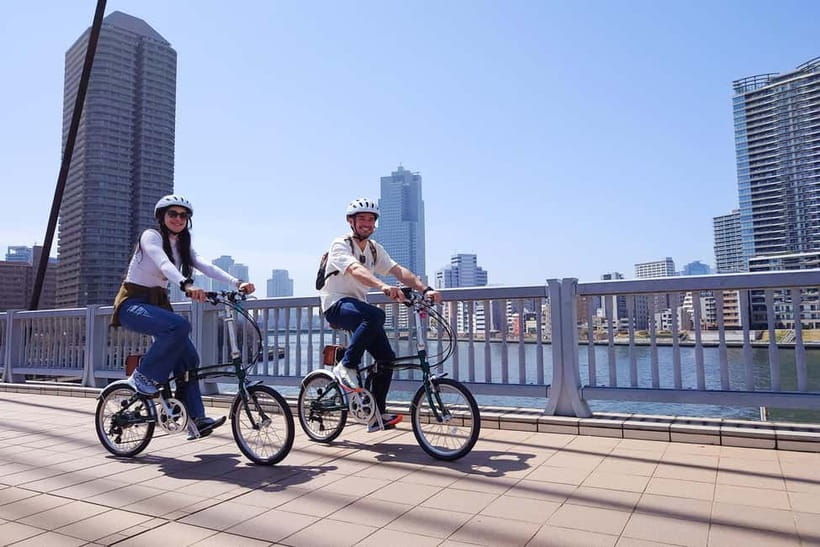
A normal bike tour in Tokyo sounds fun until you hit the steep parts, the stop-and-go traffic, and the “why am I sweating in the first hour?” feeling. With these e-bikes, the motor assists when you pedal, so the ride stays comfortable even when the route moves across bigger distances.
You still get the joy of cycling—wind, motion, and the ability to stop quickly—but the assist helps you keep a steadier pace. That matters because this tour works best as a string of short stops. The operator plans for 15–20 km total across the 3-hour window, usually broken into multiple quick viewpoints and commentary moments.
There’s also a human side to this. In the reviews, the guides (often Kazuma-san) are praised for adjusting the bikes so they fit properly, which is exactly what you want on a private ride. A comfortable fit means fewer worries about form, balance, or leg stretch before you even reach the fun parts of the route.
You can also read our reviews of more tours and experiences in Tokyo.
Private means the pace and route belong to you
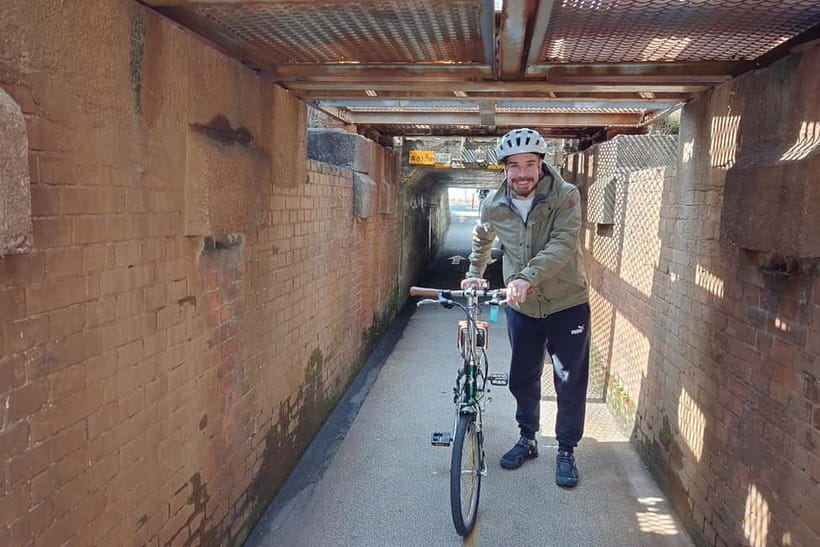
This is not a “follow the leader and hold your camera up” situation. Since it’s private, the guide can propose a route, then work with your preferences on the fly.
You can typically expect:
- A guided loop that moves between major sites and smaller streets
- Multiple short stops for explanations and photos
- A pace that fits your comfort level (especially helpful if you’re a new rider)
You can also request changes—like shifting the starting time, extending the tour, or adding visits to specific spots. Just know that requests beyond the original route can come with additional fees. That’s fair: detours take more time, more distance, and more planning.
For first-time Tokyo visitors, this format is gold. You don’t need to make a long list of “must-sees” beforehand. You can simply tell the guide what you like—modern skyline, old neighborhoods, temples, waterfront walks—and they’ll translate that into a rideable plan.
The 3-hour loop: from skyscrapers down to back streets
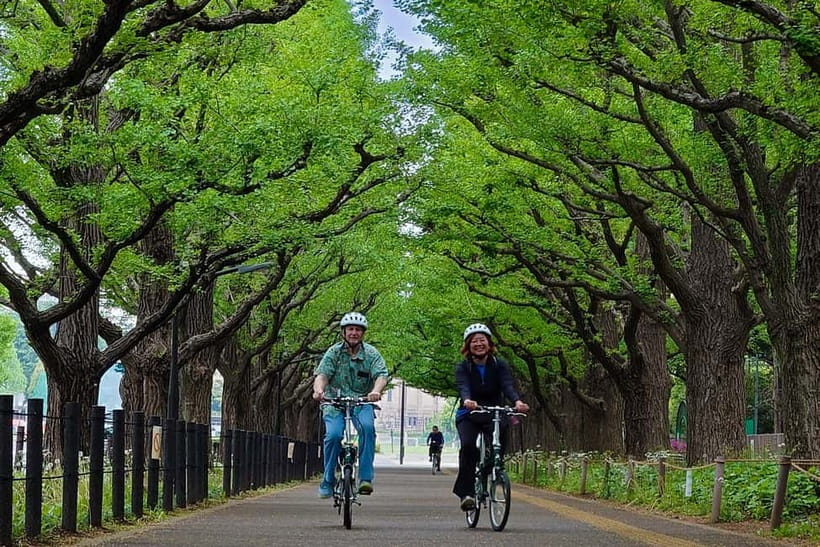
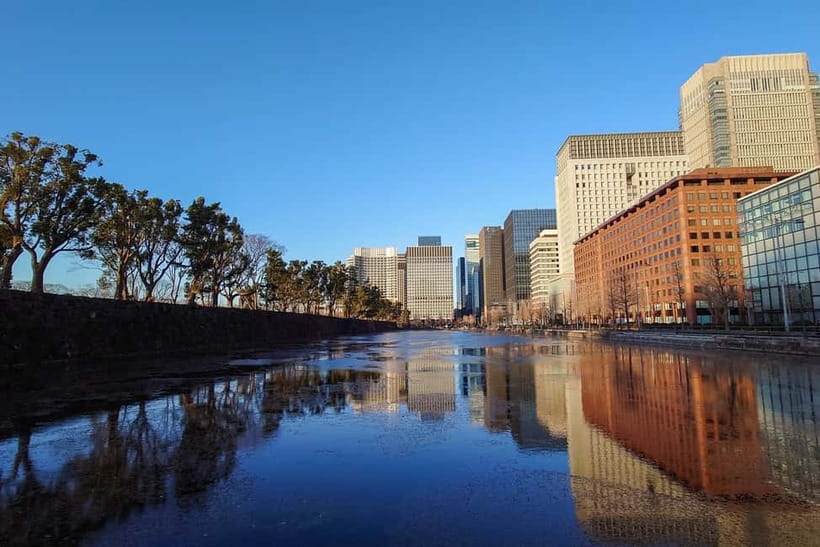
The big idea here is Tokyo contrast. You’ll go from big, dramatic cityscapes to smaller lanes where daily life plays out at sidewalk speed. The operator describes it as moving from skyscrapers to back streets, and the included list of possible stops supports that range.
Here’s how that typically feels as you ride:
- You start with an iconic viewpoint so you get oriented fast.
- The route shifts into neighborhoods where streets narrow, signs get older, and storefront life takes over.
- You finish near another highlight area, often with a skyline or landmark view—so the tour ends with a clear “wow” moment.
Starting areas that make a difference
Pickup options include places like Shinjuku, Shibuya, Ginza, Asakusa, Marunouchi, Toranomon, Ebisu, Roppongi, and several others. Your start location can shape the first 30–45 minutes: you might begin with a downtown feel or with a more traditional-side vibe.
If you’re staying around the center of Tokyo (Shinjuku/Shibuya/Marunouchi area), you’ll likely get a mix that’s easy to connect with the rest of your day—shopping, dinner, or another sight.
Landmarks and neighborhoods you may ride through
The route is tailored, but you can reasonably expect some of the following kinds of stops—each with a different purpose.
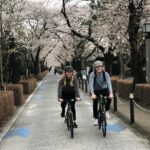

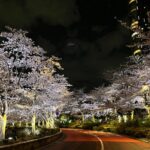
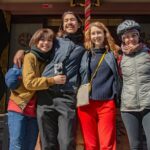
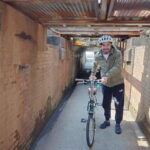
Shinjuku and the story-lane feeling
Stops like Tokyo Metropolitan Government Office and Shinjuku Omoide Yokocho (Memory Lane) bring two sides of Shinjuku together. The first gives you a wide-angle city overview; the second is where Tokyo’s personality shows up—small alleys, classic street energy, and a sense of stepping into the past.
What I like about including areas like this is pacing. You’re not only doing “look, photo, move.” You’re also learning how Tokyo neighborhoods feel as you ride between them.
Shrines and calm pockets (even when the city roars)
You may pass by spots such as Hatonomori Hachiman Shrine or similar local shrines. This kind of stop matters because it breaks the mental noise of big-city sightseeing.
You get a quick reset: a quieter scene, a bit of cultural context, and a reminder that Tokyo is both high-rise and deeply rooted in local traditions.
Shibuya: the big moment plus the side streets
Shibuya Crossing is the obvious magnet, but what makes this tour worth it is that you can also go beyond the surface-level view. With a private guide, you’re more likely to get the lead-in and out-road connections—how the surrounding streets work, where people actually walk, and what to notice once you leave the center of the crosswalk.
If you’re the type who dislikes crowds, consider timing. You can often ask the guide to shape the route so you spend your time where it’s meaningful, not just where it’s crowded.
Imperial Palace area and central Tokyo walking energy
Stops that can include Imperial Palace and areas connected with Tokyo Station and Nihonbashi Bridge help you understand Tokyo’s layout. These places are great for orientation. They’re also useful when you want to come back later on foot, because you’ll remember landmarks and directional cues.
Even if you’re not a “palace architecture” person, this stop cluster works because it gives you structure. It’s like learning the map by experiencing it, not reading it.
Waterfront Tokyo: Tsukuda, Tsukishima, and the rivers
You may head toward Tsukuda Island, Tsukishima Monja Street, and river areas like Arakawa Riverside and Sumidagawa Riverside.
This is a smart mix because waterfronts slow the experience down. After hours of tall buildings, these routes let you notice air, water, and skyline angles from a different perspective. It also tends to feel less “destination-photo-only,” more like Tokyo moving at human speed.
For food-lovers, Tsukishima’s monja street area can be especially fun—though this tour doesn’t include food, so it’s best as a look-and-plan moment for later.
Temples and skyline contrast: Zojo-ji and Tokyo Tower
If your route includes Zojo-ji Temple and Tokyo Tower, you get a nice contrast: a traditional religious site with a modern skyline statement nearby.
This pairing works well on an e-bike tour because you can reach the area efficiently, then stop where the scenery and atmosphere are strongest—without wasting time in long walks between distant points.
Asakusa: Kaminarimon and old-street energy
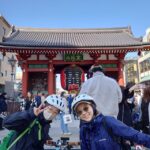
As part of the possible route, Asakusa Kaminarimon Gate is a classic. It’s one of those Tokyo scenes that instantly looks like Tokyo.
What makes it more than a checkbox here is the way the tour can flow into surrounding streets. You’re not just standing at the gate; you’re riding through the neighborhood’s rhythm, which helps you understand why this area draws people back again and again.
East-side add-ons like Kitasenju and Tokyo Skytree
You might include Kitasenju (described as a lively local neighborhood) and Tokyo Skytree. These stops can round out your experience if you want more than the usual west-side “big three” of Shinjuku, Shibuya, and central Tokyo.
Skytree is especially good as a closing highlight: you end with a recognizable skyline moment, and the route often makes the city feel like it extends beyond the skyline icons.
Price and value: is $154 for 3 hours worth it?
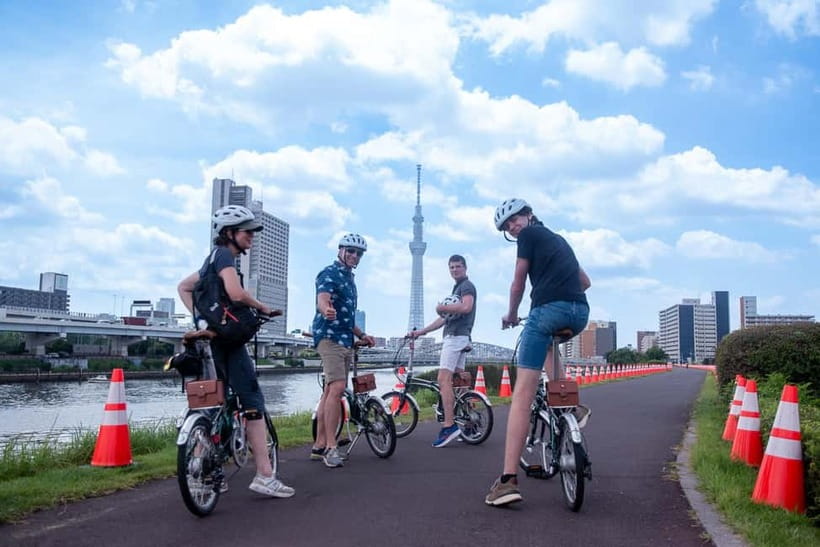
At $154 per person for a private 3-hour e-bike tour, you’re not paying for a casual stroll. You’re paying for three things that add up in Tokyo:
- Private guiding (your route is tailored; the bike fitting and safety attention are part of the service)
- Covering real distance (about 15–20 km, with stops built in)
- Logistics solved for you (hotel pickup and return)
If you were to piece this together alone, you’d still need route planning, bike rental help, and likely multiple transit decisions. With a private e-bike plan, you get a structured introduction to Tokyo that you can build the rest of your trip on.
The only “hidden” cost to keep in mind is customization. If you ask for far-away additions or schedule shifts beyond the standard plan, the operator notes that additional fees may apply. Still, knowing that upfront helps you decide how much control you want.
Also, food and beverages aren’t included. So treat the ride as a sightseeing and orientation experience, then plan snacks or meals elsewhere.
Safety and rules that keep the ride comfortable
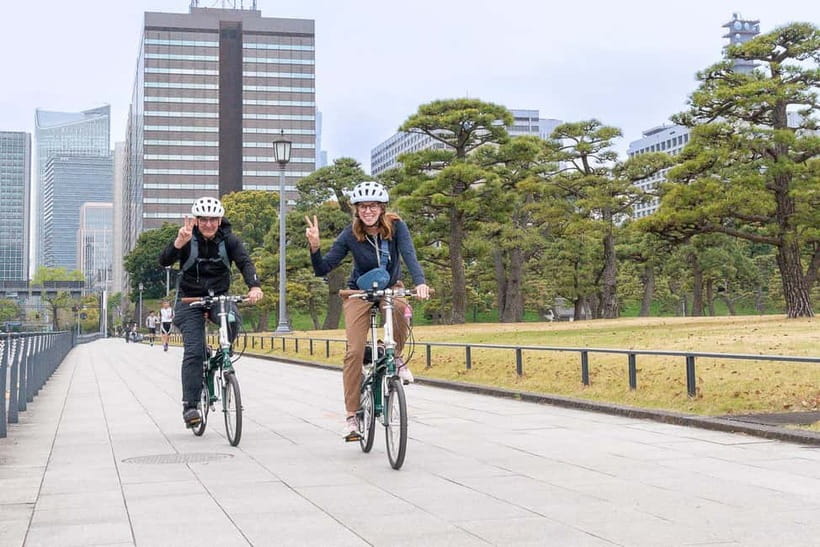
This tour is designed to feel safe, and the reviews repeatedly mention the guide’s calm, careful approach. You’ll get safety instruction before you start, plus helmet and insurance are included.
There are also clear behavior and gear rules:
- No high-heeled shoes
- No sandals or flip-flops
- No skirts
- No smoking
- No alcohol and drugs
- No alcoholic drinks in the vehicle
- No photo/video shooting while cycling
That last one is important. You’ll still have opportunities for photos, but the rule prevents unsafe filming while moving. The upside: when you stop, you can look around properly, and your guide can take photos of your group during stops—something mentioned as a nice touch in the reviews.
A few practical comfort notes from the info provided:
- Ideal height range: 145 cm to 185 cm
- Not suitable if you’re over 100 kg (220 lbs)
- Not suitable for children under 12
If you fit the guidelines, you’ll likely feel less stressed about the ride itself and more focused on the city around you.
Who should book this e-bike tour
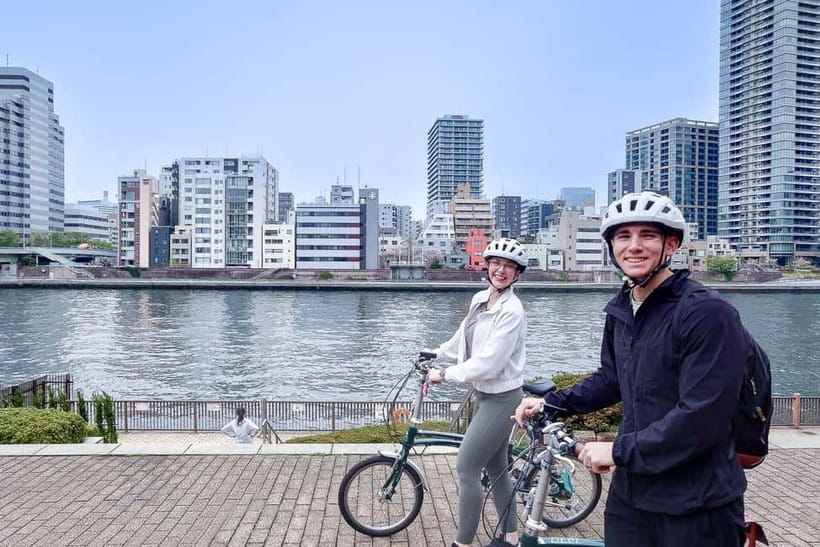
You’ll get the most from this tour if you:
- Want a first-day or early-day Tokyo orientation
- Prefer personal attention over joining a larger group
- Like mixing big landmarks with smaller streets and neighborhoods
- Want to ride enough to feel like you traveled, without exhaustion
It’s also a good call if you’re a beginner cyclist. The e-bikes reduce the physical strain, and the guide-led pace helps you get comfortable quickly.
If you’re unsure, ask yourself one question: do you want a guided plan that handles logistics and pacing? If yes, this tour fits. If you prefer total independence and map-based wandering, you might find a self-guided plan more your style.
Should you book this private Tokyo Bike Bliss e-bike tour?
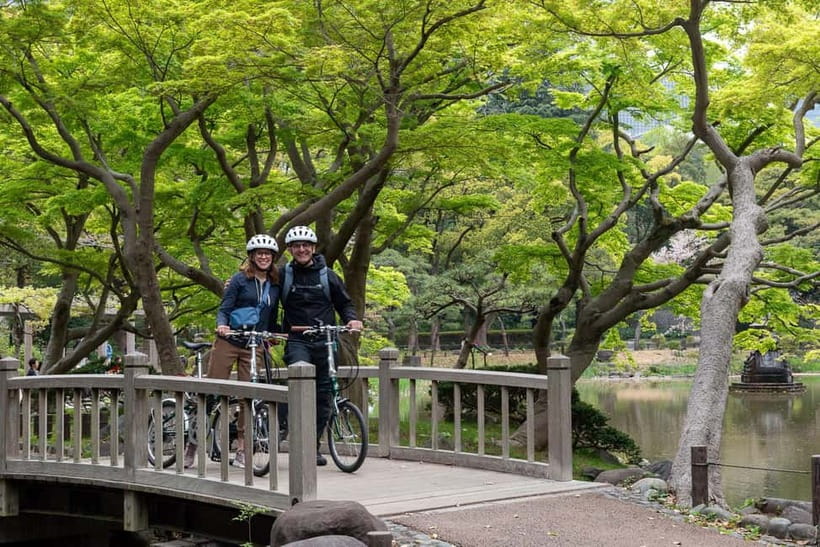
Book it if you want an efficient, guided introduction to Tokyo that feels flexible. The biggest wins are hotel-to-hotel convenience, the electric assist that keeps the ride comfortable, and the private nature that lets you shape the experience. The way guides like Kazuma-san handle safety, bike fitting, and explanations is a big reason this tour consistently earns top marks.
Skip (or at least reconsider) if you’re outside the height/weight limits or if the clothing/shoe rules are a hassle for you. Also, remember that food isn’t included, so you’ll want to plan meals separately.
If you’re looking for a practical way to see Tokyo’s contrasts—skyscrapers to back streets—within a short window, this is one of the cleaner bets in town.
FAQ
Where does the tour start and end?
The tour starts and ends at your hotel. Pickup is included, and you’ll meet the guide in your hotel lobby about five minutes before the scheduled pickup time.
How long is the e-bike tour, and how far do you ride?
The tour lasts 3 hours. The distance range is typically 15–20 km.
Is it a private tour?
Yes. This is a private group tour, so your route, distance, and duration can be customized within the tour framework.
Can I customize the route or add specific stops?
You can request changes like a different starting time, extending the duration, or visiting certain spots. Requests that involve going far away from the original route may have additional fees.
What’s included, and is food part of the tour?
Included items are hotel start, the e-bike, helmet, safety instruction, insurance, and a live guide. Food and beverages are not included.
What rules should I know before you ride?
You can’t wear high-heeled shoes, sandals or flip-flops, and skirts are not allowed. Smoking is not allowed. Alcohol and drugs are not allowed, including alcoholic drinks in the vehicle. Also, no photo/video shooting while cycling.