Shibuya looks different when you pedal it. This small-group ride uses two wheels to cover major stops and the quieter back streets in between, led by Taichi who knows where locals actually go. I like the small-group pace that keeps things relaxed, and the kind of route that mixes famous sights with off-the-beaten alleyways. One catch: this is not a chill, push-button tour. You need to be comfortable cycling on busy roads and through tight spaces, following Japanese traffic rules.
You also get real context as you move. The guide shares local history and day-to-day city habits, plus practical tips for what to do next in Shibuya, Harajuku, Aoyama, and beyond. The drawback to keep in mind is weather. The tour may run in light rain, but it can still be canceled if conditions change fast.
If you want Tokyo sightseeing that feels like getting your bearings and then wandering like a local, this is a strong way to do it.
In This Review
- Key highlights
- Shibuya by bike: faster than walking, calmer than you’d expect
- Where you meet and why the location actually helps
- Route rundown: what each stop shows you (and what to notice)
- Yoyogi Park: ease into Tokyo’s pace
- Shibuya Crossing: the choreography, not just the icon
- Hachiko: the shortcut to Shibuya’s personality
- Shibuya Cat Street: youth style meets real street life
- Aoyama Street: cleaner lines, calmer feel
- Aoyama Cemetery: an unexpected breather
- Japan National Stadium: modern Tokyo’s bigger scale
- Safety and pace: what you’re signing up for on a non-electric bike
- Guide Taichi: local routing, smart explanations, and helpful extras
- Price and value: does $64.73 make sense for 3 hours?
- Who should book this Shibuya and hidden Tokyo ride
- Weather, rain, and timing: plan for Tokyo’s surprises
- Final verdict: should you book Tokyo Bike Tour: Shibuya & Hidden Tokyo?
- FAQ
- How long is the Tokyo Bike Tour: Shibuya & Hidden Tokyo?
- What is the group size limit?
- What are the age, height, and weight limits?
- What cycling skill do I need?
- What areas do the tour stops cover?
- Where is the meeting point?
- What happens if it rains?
Key highlights
- Guide Taichi sets the tone with calm, clear directions and local context as you roll through Shibuya
- A route that blends icons and hidden streets, not just one big highlight parade
- Low-stress group size (max 6) helps the ride stay smooth and adaptable
- A solid workout without being intense at a stated pace of about 15 km/h
- Stops that teach the neighborhood layout, from Yoyogi Park edges to Aoyama’s quieter corners
- Practical after-tour tips for cafes and restaurants so you can keep exploring on your own
Shibuya by bike: faster than walking, calmer than you’d expect
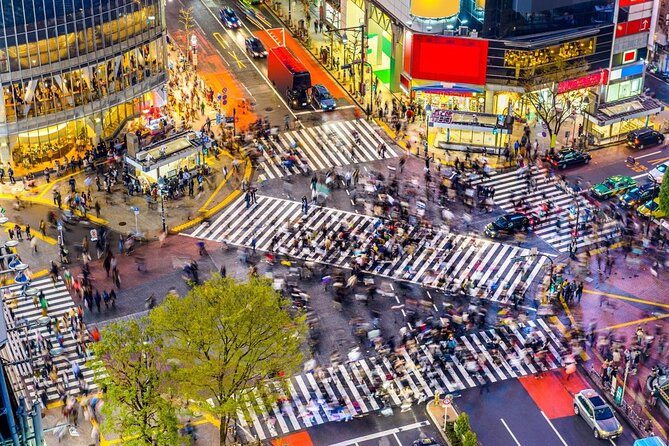
Tokyo can look intimidating from street level, especially around Shibuya where everything is busy and bright. On a bike tour like this, that same energy becomes manageable because you’re not stopping to read signs every two minutes or squeezing through crowds on foot. You move at a steady rhythm, and the guide handles the route so you can focus on the ride.
What I like most is the balance: you get the famous moments people come to Tokyo for, then you slip into the smaller lanes where the city feels more lived-in. Even the transition matters. Starting in the greenery area near Yoyogi Park gives your brain a quick reset before you hit the loudest intersections.
This tour also leans into what makes Shibuya special beyond the famous crosswalk. You’ll see the mix of youth culture and everyday neighborhoods, plus the elegant edges of Aoyama. The result is a mental map you can actually use later when you’re deciding where to eat, shop, or go for a slow walk.
The pacing is another big deal. At roughly 15 km/h, you can cover distance without feeling like you’re racing. Many riders report the tour feels like a lot of ground covered—enough to feel like you did more than a typical half-day on foot.
You can also read our reviews of more tours and experiences in Tokyo.


Where you meet and why the location actually helps
The meeting point is Umayamichi Park, 5-chōme-24-11 Sendagaya, Shibuya, Tokyo 151-0051. The nice part is how connected it is. It’s described as about a 10-minute walk from Shinjuku Station and about a 1-minute walk from Yoyogi Station.
That matters because Shibuya is a transport web. If you’re staying somewhere else in central Tokyo, you don’t want your day to start with a long scramble. Being near Yoyogi makes it easier to arrive, gear up, and start smoothly—especially if you’re pairing this with other plans.
You also end back at the meeting point. For me, that’s one less thing to manage. You can treat the tour like a self-contained block of time: go, ride, learn, then walk or take transit afterward based on where you want to spend the rest of the day.
Route rundown: what each stop shows you (and what to notice)
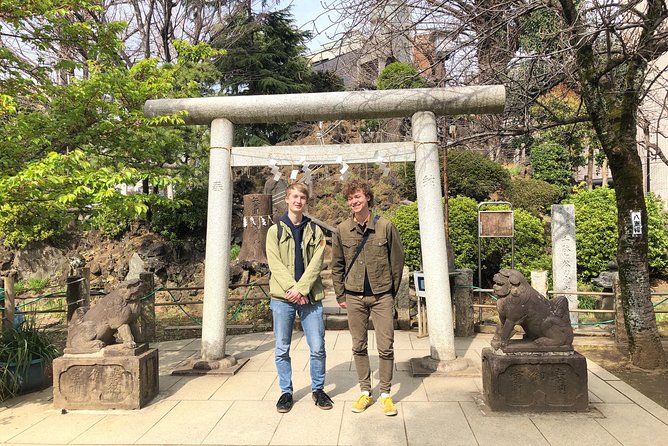
This tour stitches together a set of neighborhoods that are close on the map but feel totally different in person. Here’s how each area earns its place, and what you should watch for.
Yoyogi Park: ease into Tokyo’s pace
You start at Yoyogi Park. Even if you’ve seen Tokyo parks in photos, it’s different once you’re riding through the edges—there’s more breathing room, and the city noise changes tone. This is a smart warm-up area because it helps you get comfortable on the bike and in the traffic rhythm before the big Shibuya moments.
Look for the contrast: calm greenery nearby, then the dense streets that lead straight toward the busiest districts.
Shibuya Crossing: the choreography, not just the icon
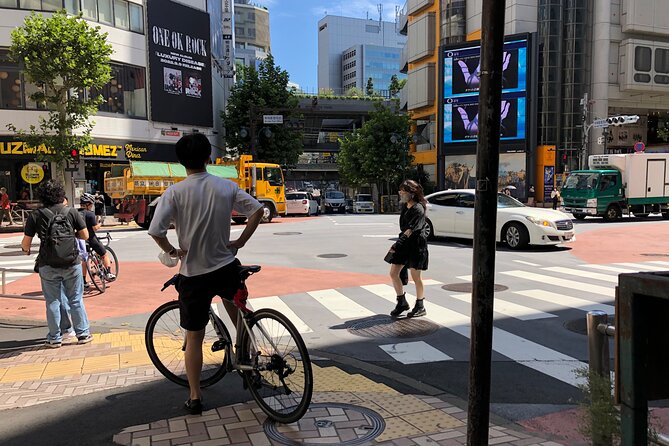
Next is Shibuya Crossing. Yes, it’s famous. But on two wheels, you experience it as a transportation system, not just a photo spot. The guide’s job here is critical: keeping you moving safely while you’re in the visual chaos.
What to notice is how the flow works. You’ll understand why it’s so hard to navigate on foot in peak moments—and why a bike tour can make it feel less stressful.


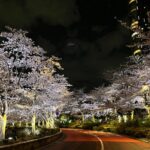

Hachiko: the shortcut to Shibuya’s personality
You’ll stop at Hachiko. This is one of those places where Tokyo history shows up in a very practical way: it becomes a meeting point, a landmark, and a symbol that locals recognize fast. It’s also a good moment to slow down and listen, because the guide can explain why the spot matters beyond the statue itself.
Shibuya Cat Street: youth style meets real street life
Cat Street is where Shibuya leans into its street-fashion energy. You’ll see the neighborhood’s mood shift—more small shops, more casual foot traffic, and streets that feel made for wandering. On a bike, you get a wider view than you would on foot, so you can spot where you’d want to stop later.
If you like people-watching, this stretch is good for it. If you prefer quieter streets, it also shows you where the energy rises.
Aoyama Street: cleaner lines, calmer feel
Then you head into Aoyama Street. This area tends to feel more refined and open than the cat-and-crosswalk parts of Shibuya. The bike route helps you notice how quickly Tokyo changes character without you needing a subway transfer.
Pay attention to the architecture feel and street layout. It gives you clues for where to walk next—especially if you’re the type who likes shopping streets even when you’re not shopping.
Aoyama Cemetery: an unexpected breather
Aoyama Cemetery is a surprising pivot. It’s not the type of stop most first-time itineraries highlight, and that’s exactly why it works here. You get a quieter, reflective moment that breaks up the busy district cycle.
This stop also helps you understand Tokyo’s layering: big-city intensity doesn’t erase calm spaces. It just makes them harder to find without local routing.
Japan National Stadium: modern Tokyo’s bigger scale
You finish up near Japan National Stadium. It’s a different scale again—more open, more monumental, and more about the urban planning around major venues. It’s a good endpoint because it helps you connect your day to the wider city rhythm.
At this stage, you’ll likely feel like you’ve moved through Tokyo with a map in your head, not just a list of sights.
Safety and pace: what you’re signing up for on a non-electric bike
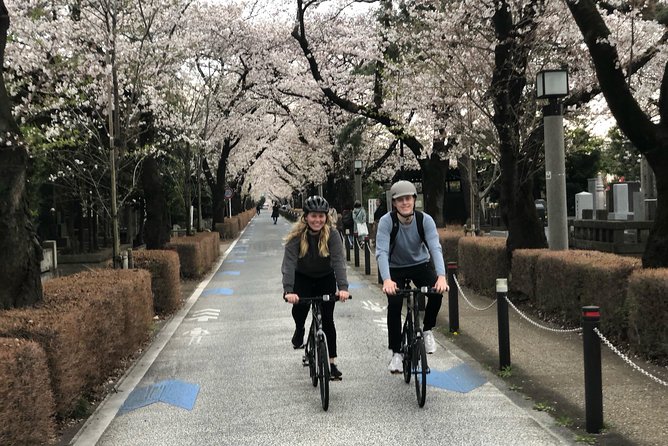
This tour uses bicycles suitable for riders roughly between 155 cm and 195 cm. There’s also a weight limit of 120 kg. Age is 13 years or older, and the tour is limited to a maximum of 6 travelers.
The bigger practical point is skill. You’re expected to be able to cycle on pavements, handle cross traffic lights confidently, and ride through crowded or tight spaces. You’ll also travel at around 15 km/h, which is described as a typical cycling speed.
That doesn’t mean it’s a training ride. Multiple riders describe the experience as smooth, doable, and not overly hard, with only mild gradual uphills in places. Tokyo is also fairly flat in key pockets around these districts, which helps.
Still, this is road riding. If you’ve never biked in traffic before, don’t assume it will feel like a car-free park loop. The guide’s directions matter, and you need to follow them. One of the strongest themes from rider feedback is feeling safe because the guide chooses routes that avoid the worst stress points and keeps the group together.
Tip: if you’re on the edge about cycling comfort, decide based on your ability to ride confidently near moving cars and among crowds—not based on comfort riding alone on quiet sidewalks.
Guide Taichi: local routing, smart explanations, and helpful extras
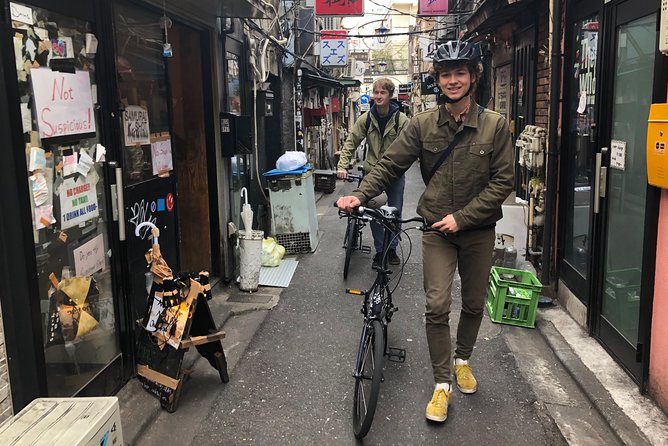
The tour’s standout is the guide. Taichi is consistently described as knowledgeable, calm, and very good at explaining what you’re seeing in a way that makes Tokyo feel less random. The tone matters because Shibuya can overwhelm you. His job is to help you connect the dots fast.
He also rides like a cyclist who pays attention to flow, not someone who just walks you past landmarks. That’s why riders mention smooth pacing and good route choices. He also answers questions as you go, so you’re not stuck waiting until the end.
A few useful extras show up in the experience style: the guide can tailor the route for where you’re staying, and the small group size sometimes means adjustments if you’ve already done a big stop like Shibuya Crossing. People also mention photo help at key points, which is handy when you want pictures without turning the ride into a long photo-chaos session.
You’ll likely also come away with ideas for food and coffee. The tour style includes insider recommendations beyond standard guidebook advice, which is exactly what you want from a neighborhood ride.
Price and value: does $64.73 make sense for 3 hours?
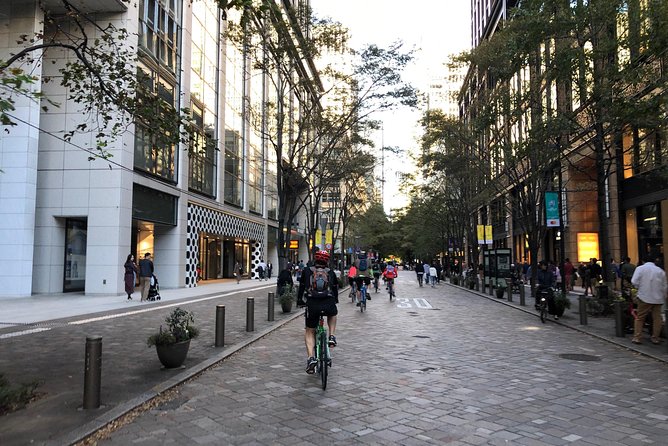
At $64.73 per person for about 3 hours, the price can feel high until you think about what you’re buying: time, coverage, and a safer way to navigate.
For the same time window, you’d usually spend part of the day either walking a lot (slow and tiring) or paying for transit hops (which adds up and doesn’t teach you the street layout). This tour gives you a chunk of city visibility that’s hard to replicate independently in a short window.
It’s also capped at 6 riders, not a giant bus group. That’s a value multiplier for two reasons: the guide can keep the pace smooth, and the ride is more interactive. If you’re doing this early in your trip, the tips you pick up can improve the rest of your schedule, which helps justify the cost.
One more value note: this is on non-electric bicycles. You’re not paying for comfort tech. You’re paying for routing skill, safety guidance, and the local perspective that turns famous sights into a coherent neighborhood story.
Who should book this Shibuya and hidden Tokyo ride
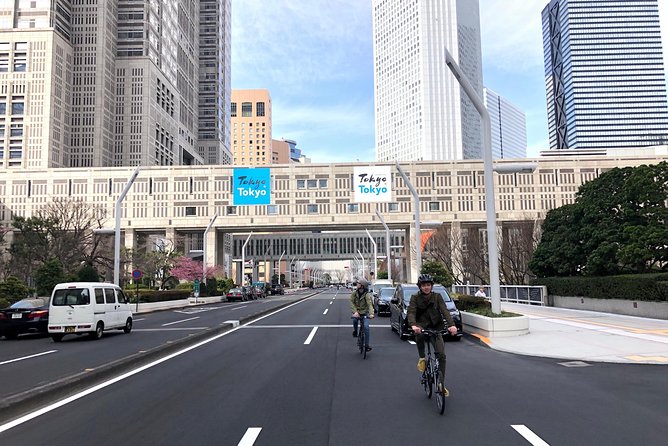
This tour fits best if you want to:
- See Shibuya and nearby districts without jumping between lots of transit stops
- Feel like you’re learning the city layout, not just checking landmarks
- Ride at a moderate pace and enjoy being outdoors in summer heat or mild chill (some riders specifically mention it working well even on hot days)
- Ask questions and get local recommendations you can use right away
It’s less ideal if:
- You’re not comfortable biking near traffic or through crowded streets
- You’re looking for an electric-assist, fully low-effort sightseeing option
- You can’t commit to following Japanese traffic rules and the guide’s instructions
If you’re a first-time visitor, this is also a smart choice because it focuses on getting you oriented quickly. You’ll see the famous parts, but you’ll also learn how the surrounding streets connect.
Weather, rain, and timing: plan for Tokyo’s surprises
The tour runs in light rain but can be canceled if sudden weather changes hit. Tokyo weather can change fast, so it’s wise to keep some flexibility in your schedule.
Duration is about 3 hours, and the pace is steady enough that you can plan dinner afterward without needing a full rest break. Just build in a little buffer, especially if you’ll want to stop for photos or grab something to eat after the ride.
Final verdict: should you book Tokyo Bike Tour: Shibuya & Hidden Tokyo?
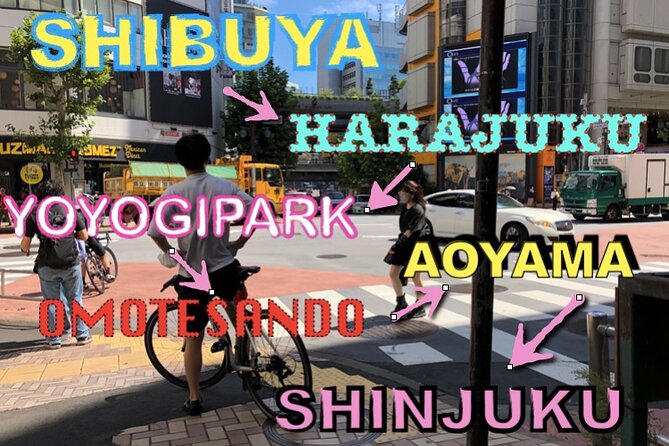
I’d book this tour if you want Shibuya to feel legible by the end of the day. The combination of small-group riding, an experienced guide like Taichi, and a route that mixes major sights with quieter streets is the whole point. At $64.73 for roughly 3 hours, you’re paying for time savings and safer navigation—plus the local context that helps you wander better afterward.
Skip it if you’re uncomfortable with cycling in traffic or if crowds and road rules stress you out. This isn’t a sit-and-see trolley ride. You’re part of the motion, and that’s what makes it worth it.
If you can ride confidently and want a real neighborhood feel, this one is a strong fit.
FAQ
How long is the Tokyo Bike Tour: Shibuya & Hidden Tokyo?
The tour lasts about 3 hours.
What is the group size limit?
The tour has a maximum of 6 travelers.
What are the age, height, and weight limits?
The tour is for riders 13 years or older. Bikes fit riders about 155 cm to 195 cm tall, and participants must weigh no more than 120 kilograms.
What cycling skill do I need?
You should be comfortable cycling on pavements, handling cross traffic lights, and riding through crowded or tight spaces. You’re expected to keep a pace of about 15 km/h and follow the guide’s instructions.
What areas do the tour stops cover?
The ride includes Yoyogi Park, Shibuya Crossing, Hachiko, Shibuya Cat Street, Aoyama Street, Aoyama Cemetery, and Japan National Stadium.
Where is the meeting point?
The meeting point is Umayamichi Park, 5-chōme-24-11 Sendagaya, Shibuya, Tokyo 151-0051. It’s described as a short walk from Yoyogi Station and Shinjuku Station.
What happens if it rains?
The tour proceeds in light rain, but it may be canceled due to sudden weather changes, with an alternative date or a full refund offered if canceled for poor weather.