REVIEW · TOKYO
2.5 Hour-Guided Cycle Tour in the Central Tokyo
Book on Viator →Operated by 東京下町自転車ツアー Tokyo Backstreets Bike Tour · Bookable on Viator
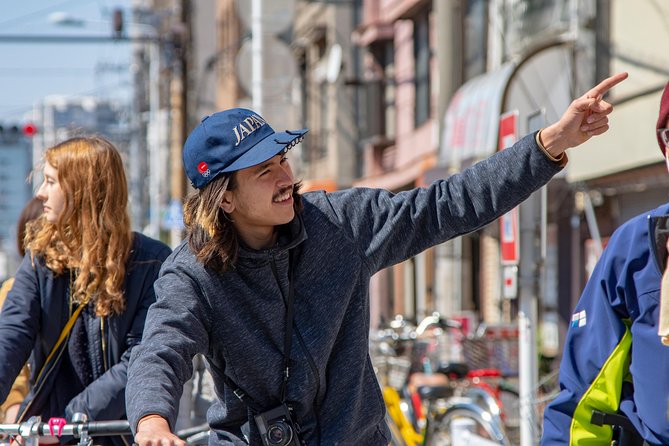
Skytree views, but from local streets. This 2.5-hour ride turns Tokyo into something you can actually feel, with provided helmets and a guide named Takeshi leading you through quiet backstreets, temples, and shrine stops at a comfortable pace. I also like how the route mixes major icons with neighborhood corners, not just sightseeing checkboxes. A key consideration: the folding bikes fit riders about 140–180 cm, so if you’re taller than 180 cm you’ll want to flag it in advance.
You start in the Higashimukōjima area and are directed to meet the guide near Hikifune Station, then you’re back to the same meeting point when the ride ends. The smart part is timing: plan for 2.5 hours total, then the rest of your day is free to explore on your own.
The tour also comes with small touches that make it easy to enjoy: you’ll see street food-style stops and a traditional craft candy demonstration, plus you’ll ride by the Sumida River and under Tokyo Skytree without feeling like you’re stuck in traffic.
In This Review
- Key highlights at a glance
- Why this central Tokyo bike tour feels different
- Meet-up points: Hikifune Station and the Synapse office location
- Bikes, helmets, and the ride pace that works for most people
- Suida River cycling and Honryuin Matsuchiyama Shoden
- Imado Shrine and Senso-ji: power spots and walking inside
- Candy craft at Asakusa Amezaiku Ameshin
- Sumida River bridge crossing, Tokyo Skytree under-ride views
- Kyojima Minami Park for old-school shopping-street Tokyo
- Price and value: what $50.08 buys you in 2.5 hours
- Small-group benefits: the guide’s role makes the difference
- Weather, timing, and how to plan your free day after
- Who should book this tour
- Should you book this Tokyo Backstreets Bike Tour?
- FAQ
- How long is the cycle tour?
- Where do I meet the guide?
- Are helmets provided?
- What size are the rental folding bikes?
- Is the tour strenuous?
- What happens if it rains or the weather is poor?
- What’s the group size?
Key highlights at a glance
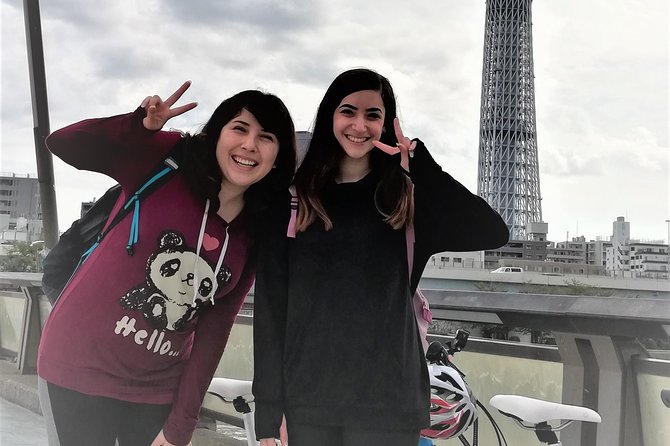
- Helmet included for peace of mind on busy Tokyo streets
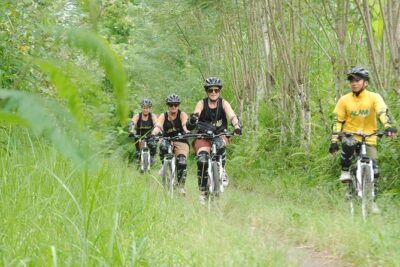
- A small group (up to 6) keeps the pace friendly and manageable
- Suida River Sakura season vibes plus classic temple and shrine visits
- Senso-ji area with an easy stroll inside for a real sense of place
- Sumida River crossing and Tokyo Skytree from multiple angles
- Kyojima Minami Park for everyday shopping-street life
Why this central Tokyo bike tour feels different
Tokyo can be overwhelming on foot. Streets are busy, sidewalks can feel crowded, and you’re constantly rerouting around crowds. Cycling fixes a lot of that. In just 2.5 hours, you cover meaningful ground while still moving at a human pace—slow enough to notice details, fast enough that you don’t waste your day commuting between stops.
What I like most is the mix: you get famous landmarks like Senso-ji and Tokyo Skytree, but the ride keeps pulling you into quieter lanes and daily-life areas. That’s the part that usually separates a good Tokyo day from a generic one. The temple and shrine stops also feel less rushed than what you’d try to cram in alone between train transfers.
There’s also a practical side. The tour uses folding rental bikes sized for typical adult heights, and the ride is designed for most participants. If you want a low-stress way to see central Tokyo beyond the big clusters, this is a strong option.
You can also read our reviews of more tours and experiences in Tokyo.

Meet-up points: Hikifune Station and the Synapse office location
The tour is set up for an easy meet. You’ll be told to find your guide near Hikifune Station, which is useful if you’re navigating Tokyo by public transit. On the practical side, the start location is listed at a specific address in Sumida City, inside the share office called シェアオフィス「シナプス」 (Synapse).
Because Japan transit can be slightly confusing when you’re juggling exits and station names, I recommend you treat the Hikifune Station instruction as your anchor point and then follow the exact details you get when you book. That way you don’t waste the first 20 minutes hunting for the meeting spot.
Also, plan to arrive a bit early. Even on a small-group tour, a calm start helps everyone get their bearings fast—helmet on, bike check done, then you roll.
Bikes, helmets, and the ride pace that works for most people
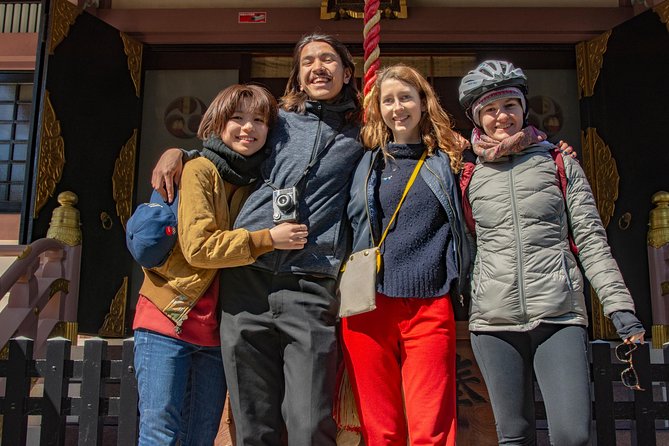
Safety is built into the setup. You’re provided a helmet, which is a welcome detail in a city where cyclists share the road with cars, buses, and scooters.
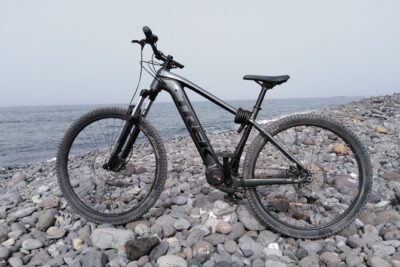
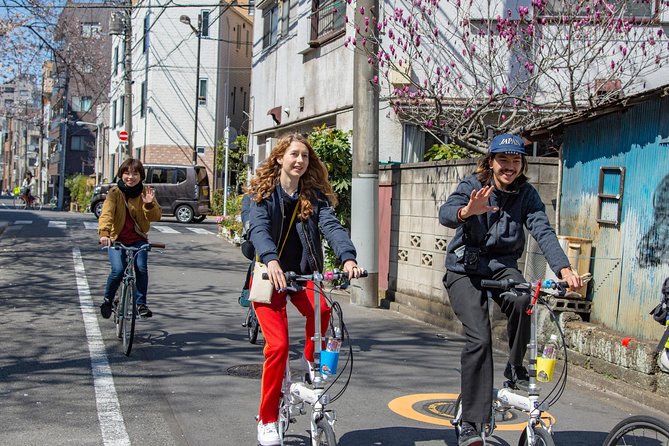
The rental bikes are folding bikes with 14–20 inch wheels. They’re intended for riders between 140 and 180 cm tall. If you’re over 180 cm, you’ll want to inform the operator ahead of time so they can confirm the right fit. If you’ve ever had issues with cramped bike sizing, do not assume it’ll be automatic—this one is explicitly height-based.
One more rider note: if you want to ride a tandem bike, you need to ask 3 days before your booking date. That’s the kind of detail that matters if you’re traveling as a family or couple and want to keep the experience together.
From what I’ve gathered, this is not a hardcore cycling outing. The tone is gentle and manageable, which makes it a good choice if you want exercise-light sightseeing rather than a workout.
Suida River cycling and Honryuin Matsuchiyama Shoden
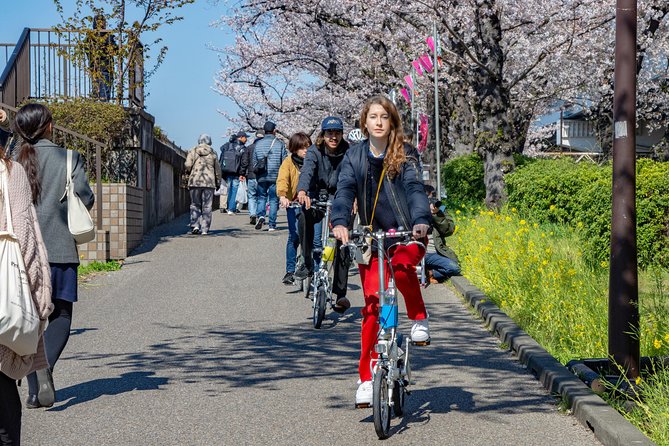
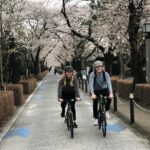
The ride begins with a scenic stretch along the Suida River, which is especially famous for cherry blossoms in spring. Even if you’re not visiting during Sakura season, riverside cycling gives you a more relaxed feel than riding only through dense streets.
Then you move into a quieter, spiritual stop: Honryuin Matsuchiyama Shoden. This temple is associated with Sensoji, founded in 595. One of the most memorable details here is the symbolism you’ll notice in the temple area—there are images of a daikon (Japanese radish) and a pouch. The daikon represents minds trapped in deep ignorance, connected to the idea that ignorance emanates and can be freed through understanding. That’s not just trivia. It helps you read the place instead of just passing through it.
Practical tip: plan your photo time. Temple interiors and the surrounding statuary can be visually dense, and it’s easier to linger when your guide is helping manage where to stand and what to look for.
Time at this stop is about 20 minutes, including sightseeing and getting context from the guide. It’s long enough to feel like a stop, not just a quick photo pause.
Imado Shrine and Senso-ji: power spots and walking inside
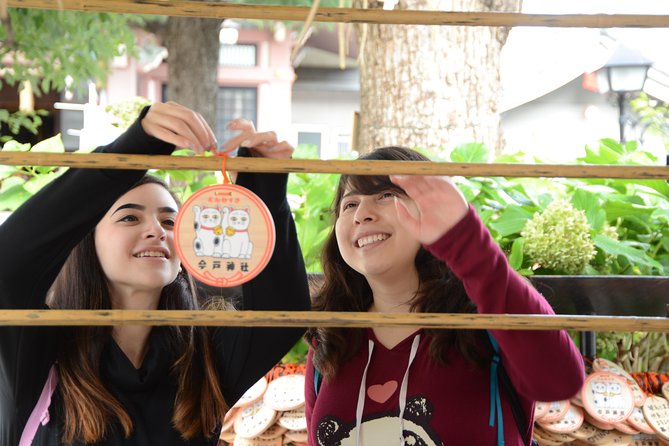
Next comes Imado Shrine. It’s known as a power spot—a sacred place people visit for hopes tied to love and marriage partners. Founded in 1063, it carries the kind of local belief that doesn’t require explanation for it to feel real. The value here is not just the shrine itself, but the way it shows Tokyo as a place where ordinary faith and modern life overlap.
You’ll typically spend around 15 minutes at this stop.
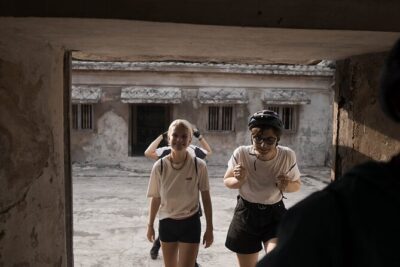
Then you reach Senso-ji Temple, the big one. You’ll have the chance to park bikes near the temple and stroll inside. That matters. Trying to manage bikes through busy temple lanes on your own can be stressful, and you’d likely spend time figuring out where you’re allowed to pause. Having the bike logistics handled lets you focus on actually enjoying the atmosphere.
Senso-ji isn’t just a landmark. It’s a whole temple district with layered sights—smells, sounds, motion, and small details. Even with only about 30 minutes allotted, it’s enough time to walk in, take photos, and get a sense of why it remains one of the most visited temples in Japan.
If you want a smoother experience, keep your pace controlled here. It’s easy to get swept along by crowds, so take a breath and let your guide point you toward the best vantage moments.

Candy craft at Asakusa Amezaiku Ameshin
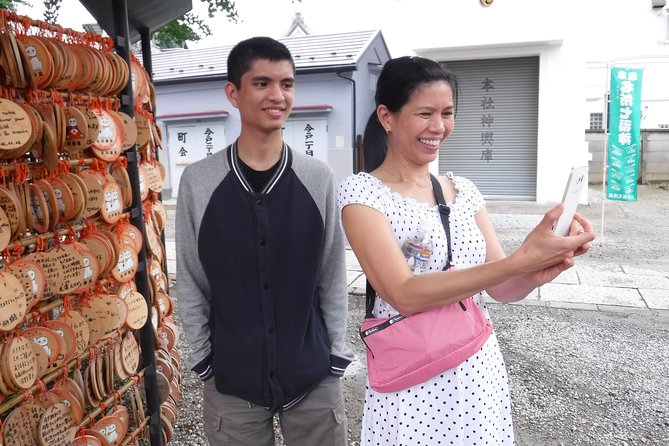
Between temples and river views, you get a cultural detour that’s small in time and big in interest: Asakusa Amezaiku Ameshin, a traditional craft candy shop.
The standout is watching the process. You’ll see how the candies are made, and the results are artistic in a way you won’t get from a packaged snack. It’s fun to watch because it’s hands-on craft work—tiny movements, careful shaping, and a final product that feels like a souvenir you actually understand.
You’re typically at this stop for about 15 minutes. That’s enough to see the making and grab something if you want to.
If you’re thinking about food strategy for the ride: plan to keep energy steady. This is a tour where you might snack on a few things throughout, and the craft stop is a natural moment to pause without feeling like you’ve turned your sightseeing into a long break.
Sumida River bridge crossing, Tokyo Skytree under-ride views
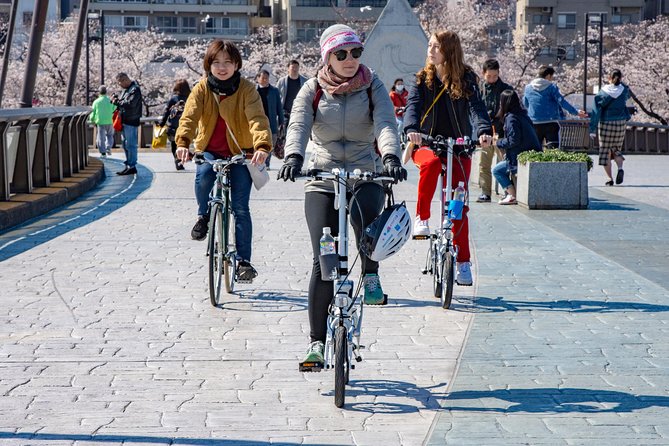
After the temple-and-craft rhythm, the tour shifts into pure scenery and city scale.
You cross a bridge on the Sumida River, with a view that’s more about perspective than postcard framing. Bridges are one of the easiest places to understand a city’s layout: water, roads, and the sense of movement all in one frame.
Then you cycle under Tokyo Skytree. Seeing it from different perspectives helps. Up close, it feels less like a distant skyline object and more like part of the neighborhood’s daily geography.
This is also an area where a good guide helps you maximize your camera moments without having to micromanage everything yourself. In one of the standout experiences shared, the guide took photos of the group and emailed them soon after the tour—handy if you don’t want to rely on awkward selfie angles near the Skytree.
Expect to keep moving here. It’s scenic, but you’re still on a ride schedule, so use the moment for photos and quick observation, then keep rolling.
Kyojima Minami Park for old-school shopping-street Tokyo
The last main stop is Kyojima Minami Park, described as an old-fashioned shopping mall where you can see daily life. This is one of the strongest reasons to book a guided bike tour instead of just hitting the most famous buildings.
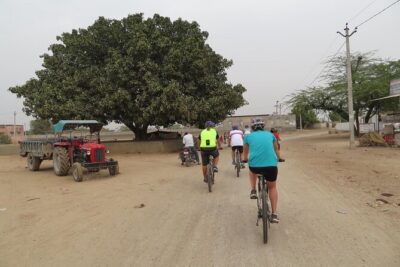
Why? Because Kyojima gives you the Tokyo that doesn’t require an entrance ticket. You see small-scale commerce, everyday patterns, and the kinds of street details that don’t survive well in a checklist itinerary.
You’ll typically spend around 20 minutes here. That’s the right amount of time: long enough to wander a bit, short enough that you don’t feel lost or hungry while still on the clock.
When the ride ends, you return to the meeting point. So you finish with enough time to continue independently, instead of feeling trapped in a full-day tour.
Price and value: what $50.08 buys you in 2.5 hours
At $50.08 per person, this isn’t the cheapest activity in Tokyo. But value isn’t only price—it’s what you get for that price and how much hassle it saves.
Here’s what you’re effectively paying for:
- A guided route that links neighborhoods, temples, and river/Skytree moments
- Helmet + bike rental (which can cost real money on its own if you rent and figure it out)
- Time efficiency: you cover multiple areas in roughly 2.5 hours with minimal train hopping
- Small group size (max 6), which usually means fewer bottlenecks and a smoother ride
If you were to recreate this day solo, you’d likely spend extra time locating bike-friendly routes, negotiating where you can safely pause, and figuring out which sights are worth adding without turning the day into logistics.
So for me, the strongest value argument is convenience plus access. You’re not just seeing sights—you’re getting an organized way to travel between them while someone else handles the flow.
Small-group benefits: the guide’s role makes the difference
Even with a good route, cycling tours depend on the guide. In this case, the guide is Takeshi.
What shows up in the experience profile is safety-minded pacing and local context. In one example, the guide was prepared even when weather turned wet and cold, using raincoats and staying focused on safety. That matters because Tokyo weather can change quickly, and you don’t want uncertainty during a ride.
The other big guide benefit is photo support. If you’re traveling with friends or family and want a few solid group images, that kind of help can be a real quality-of-life upgrade.
Weather, timing, and how to plan your free day after
The tour requires good weather. If it’s canceled due to poor weather, you’ll be offered a different date or a full refund. That’s the right policy for an outdoor cycling experience.
Because your tour is about 2.5 hours, I like the way it fits into a day with flexible plans. You can schedule it earlier so you’re fresh later for museums, shopping, or a longer dinner walk.
A practical strategy: after you finish, stay in the general Sumida/Skytree orbit if you want continuity. Or, if you’d rather switch gears, use the morning tour as your one guided highlight and let the rest of the day be spontaneous.
Who should book this tour
Book it if:
- You want a gentle, manageable way to see central Tokyo without doing constant train transfers
- You like temples and shrines but also want neighborhood streets in between
- You care about safety and appreciate helmet provision
- You want a small group experience (max 6) rather than a large crowd setup
- You enjoy hands-on culture moments like traditional candy craft
Skip it or think twice if:
- You’re outside the bike sizing range and haven’t planned to notify the operator (over 180 cm is specifically called out)
- You’re not comfortable cycling in city traffic even at a calm pace
- You only have time for a super-famous, high-density walking loop (this tour spreads things out intentionally)
Should you book this Tokyo Backstreets Bike Tour?
I’d book it if you want the best of Tokyo with less friction. The route strings together the river, Senso-ji area, a shrine power spot, an artisanal candy stop, and Skytree views in a way that feels like Tokyo rather than just visiting Tokyo. The small group size, helmet support, and the guide’s practical approach make it a smart value for a half-day.
If you’re on the fence, treat it like this: if you’re comfortable riding a properly sized bike and you like short cultural stops plus real local streets, this is a strong yes. If weather might be a problem or you’re very sensitive about bikes in traffic, you might wait until you see how your day’s conditions look.
FAQ
How long is the cycle tour?
It runs for about 2 hours 30 minutes.
Where do I meet the guide?
You’ll meet your guide near Hikifune Station. The start location is listed at Tokyo Backstreets Bike Tour in Sumida City, Higashimukōjima, inside the share office called シェアオフィス「シナプス」 (Synapse).
Are helmets provided?
Yes. You’ll be provided a helmet for safety.
What size are the rental folding bikes?
The bikes are folding bikes with 14–20 inch suitable for riders between 140 and 180 cm tall. If you’re over 180 cm, inform the operator ahead of time.
Is the tour strenuous?
It’s designed for most travelers and includes a gentle, recreational pace with time at each stop for sightseeing.
What happens if it rains or the weather is poor?
This experience requires good weather. If it’s canceled due to poor weather, you’ll be offered a different date or a full refund.
What’s the group size?
The tour has a maximum of 6 travelers, and it’s described as private for your group.