REVIEW · UBUD
Ubud: Cycling Tour Local Villages, Temple, and Rice Field
Book on GetYourGuide →Operated by Bali Performances · Bookable on GetYourGuide
Three hours later, my legs felt proud, not wrecked. This Ubud cycling tour pairs an easy downhill ride with real stops in Balinese villages, an ancient temple, and a full coffee tasting, all with hotel pickup and meals. I especially like how the pace stays relaxed with time for photos and questions, and I love that you get a shared day with a local guide like Froggie. One thing to consider: it’s not a fit if you have certain mobility, back, or health limitations since it’s a bike tour with active riding for most of the time.
You start with breakfast in the Cantik Agriculture area, then head toward Kintamani for Mount Batur views before you pedal. Along the way, you’ll slow down for village life, a temple visit, and what often includes a local primary school stop and a traditional home look-in. The only real drawback for some people is that it’s still cycling—comfortable for most fitness levels, but not a couch-on-wheels day.
If you want Bali beyond the quick photo circuit, this is a practical way to see the countryside and culture in one compact afternoon—without spending hours figuring out transport on your own.
In This Review
- Key highlights at a glance
- Why this downhill Ubud bike route feels easier than it sounds
- Cantik Agriculture breakfast, then Kintamani and Mount Batur views
- Village stop time: seeing Balinese daily life without rushing
- The temple visit: stone carvings, sacred calm, and a separate entrance
- Coffee plantation tasting, including Luwak coffee
- The ride through rice fields and villages: what to notice as you pedal
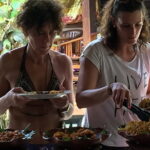
- Lunch at the end: Balinese food that actually resets your energy
- Price and value: what $23 buys you in real terms
- Who this tour fits best (and who should skip it)
- Practical tips that make a difference
- Should you book this Ubud cycling tour?
- FAQ
- Where does the tour start and meet?
- How long is the cycling tour?
- Is hotel pickup and drop-off included?
- What’s included in the price?
- Do I get coffee tasting, and is Luwak included?
- How hard is the ride?
- What should I bring?
- Is alcohol allowed during the tour?
- What is the cancellation policy?
- Is it wheelchair accessible?
Key highlights at a glance
- Mostly downhill riding that suits most fitness levels
- Cantik Agriculture breakfast start before you cycle
- Village and school moments that show daily life up close
- Temple stop for sacred sights and stone carvings
- Coffee plantation tasting, including Luwak coffee
- Included lunch so you finish with good food and no scramble
Why this downhill Ubud bike route feels easier than it sounds
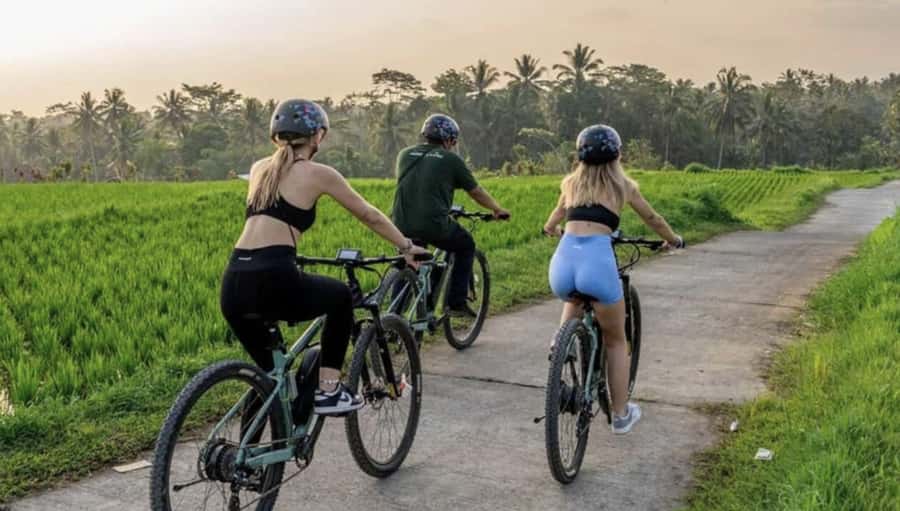
The biggest selling point is simple: you ride mostly downhill. That matters more than people expect. In Bali traffic, it’s normal to feel stressed. On a bike tour like this, you can focus on breath, balance, and the changing views rather than fighting a climb for your life.
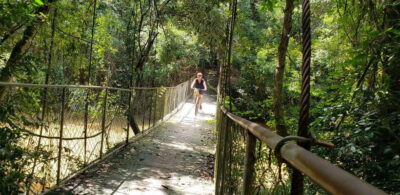
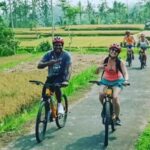
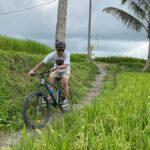
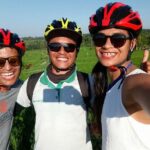
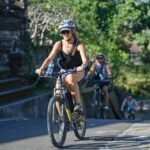
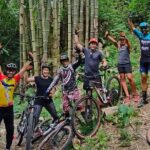
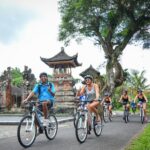
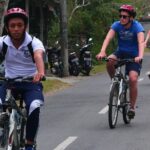
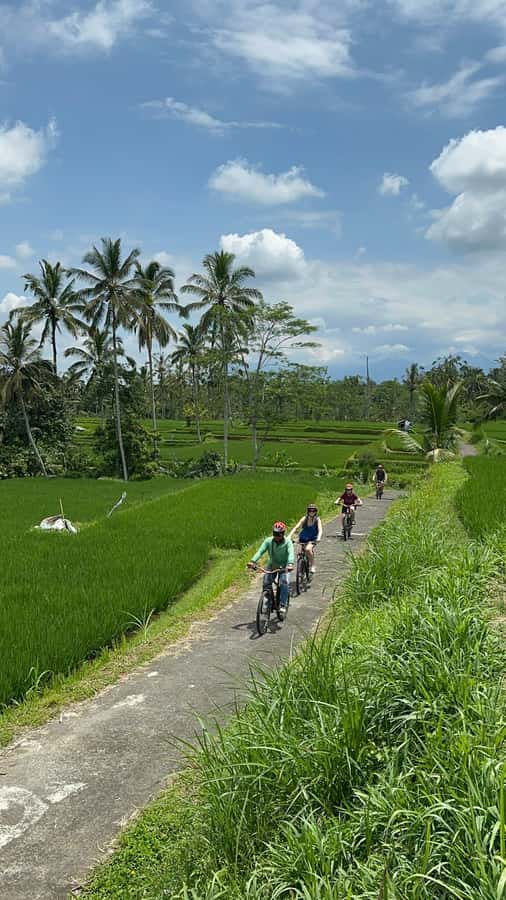
You pedal through lush jungle edges and past rice terraces that come into view in waves. Even if you’re not an experienced cyclist, the relaxed structure helps: you get stops for photos, guided explanations, and time to regroup. In other words, the “cycling” part doesn’t feel like a race.
Still, treat it as a bike day. The tour info lists a moderate fitness level for most people, but it also lists several “not suitable” categories. If you have back problems, limited mobility, epilepsy, or certain weight or blood pressure conditions, this probably won’t be comfortable or safe for you. And if you’re pregnant, this is listed as not suitable as well.
You can also read our reviews of more tours and experiences in Ubud.

Cantik Agriculture breakfast, then Kintamani and Mount Batur views
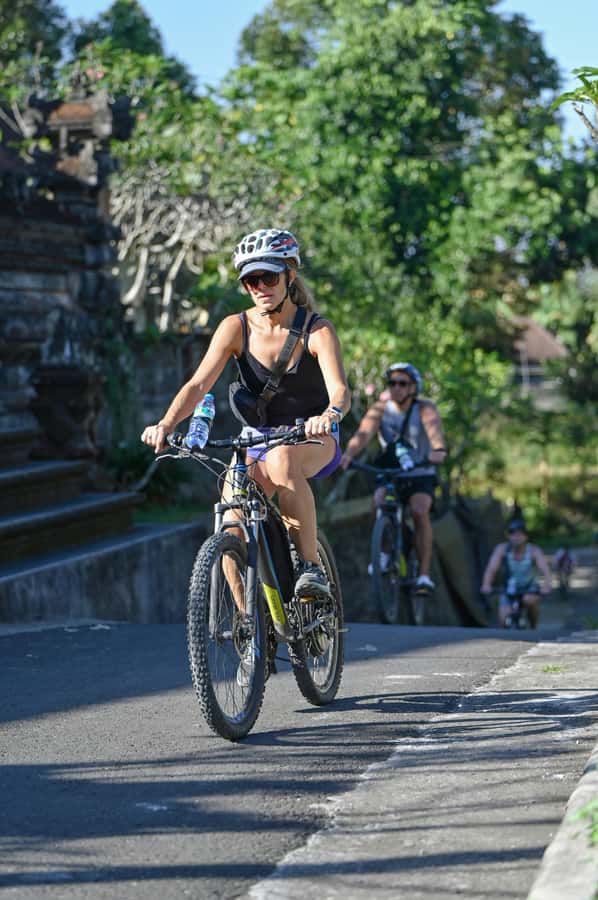
Your day typically starts with pickup from your accommodation in Ubud (for selected areas), then transfer to the starting region. The meeting point is at Cantik Agriculture, where you’ll enjoy breakfast while your guide explains the trip.
What I like about building in breakfast before the riding: you get your bearings fast. You’re not scrambling for coffee or snacks right before you sit on a bike. You also get time for any quick questions before the downhill starts.
From there, you’ll travel to Kintamani, where the Mount Batur panorama and caldera lake views set the tone for the ride. Even though you’re not biking the volcano area itself for the whole tour, that first vista is a strong reminder you’re not just riding around a neighborhood. Bali’s geography really shows itself when you’re looking out over the caldera.
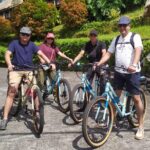
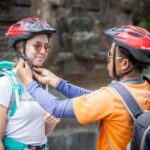
Then you get a safety briefing and bike fitting. Helmets are provided, and rain gear is included if needed. That combo is worth noting because it reduces the little hassles that can turn a pleasant day into a fussy one.
Village stop time: seeing Balinese daily life without rushing
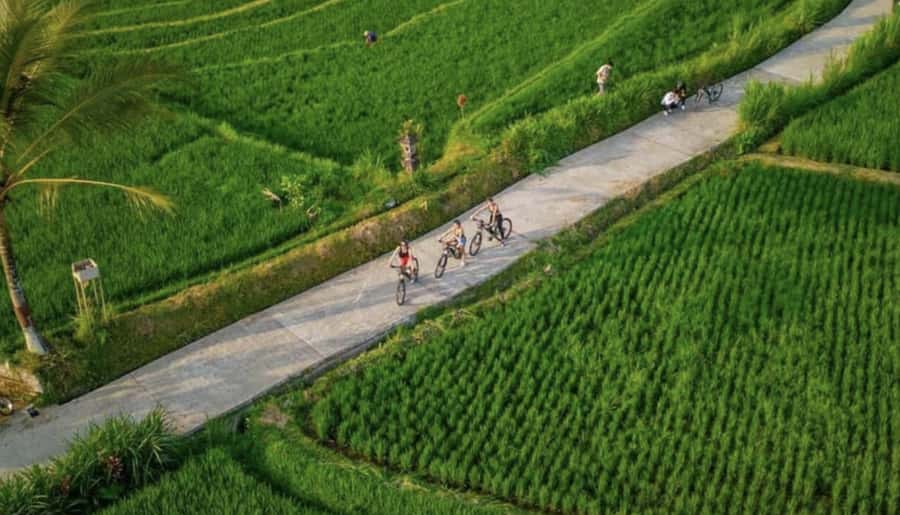
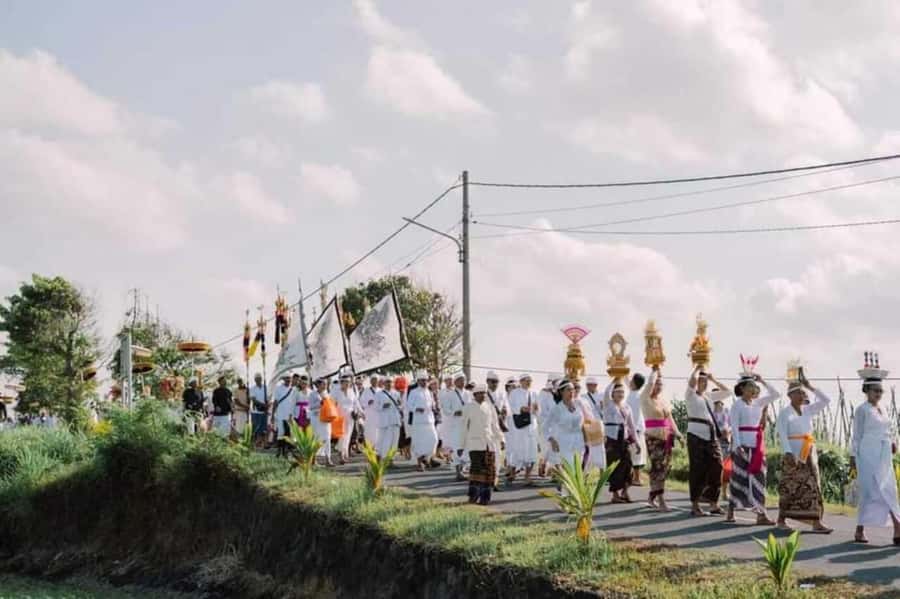
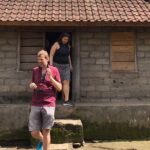
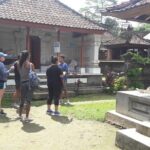
One of the most meaningful parts is the village stop. You’ll visit a traditional Balinese village where you can interact with locals and learn about daily life and customs. This isn’t just a “walk past and leave” moment. The guide explains what you’re seeing, and you have time to ask questions.
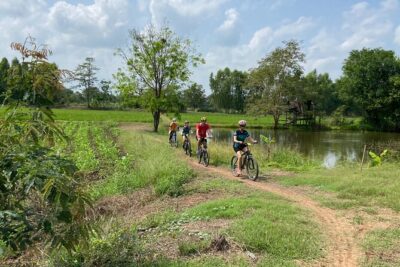
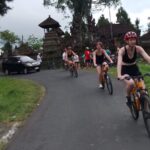
You’ll also pass through countryside and rice-growing areas on the way between stops. As you cycle, your guide shares why rice paddies matter in Balinese culture, and you’ll get closer to the work behind rice production than you would from a roadside viewpoint.
Practical tip: you’ll be tempted to photograph everything. Do it, but do it respectfully. When you see people, pause, follow your guide’s cues, and avoid blocking pathways. The best photos usually come from patience, not speed.
A nice detail from past guests: some itineraries include a visit to a local primary school and a look at a traditional home. That adds a human scale to the day, especially for families or anyone who wants more than scenery.
The temple visit: stone carvings, sacred calm, and a separate entrance
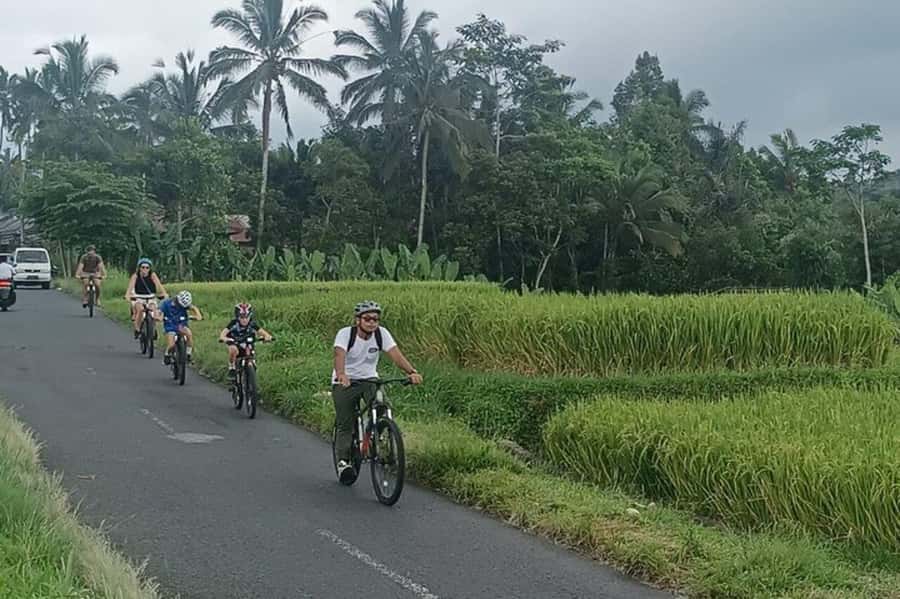
Next comes an ancient temple visit. This is where the day shifts from countryside to something more spiritual. You’ll explore sacred grounds and notice intricate stone carvings along with the calmer atmosphere around the site.
The tour also includes a skip-the-line style entrance via a separate entrance. That doesn’t just save minutes. It helps your visit feel less like a timed checkpoint and more like a real stop.
What you should be prepared for: temples are not just photo spots. You’ll want to stay aware of where worship and ceremony take place, follow your guide’s directions, and keep your voice level. If you’re not sure what to do, that’s normal. Your guide will set the tone.
If you’re visiting Bali for the first time, this temple stop is a strong balance to the bike portion. The countryside teaches you how life is shaped by land. The temple teaches you how belief shapes that same land.
Coffee plantation tasting, including Luwak coffee
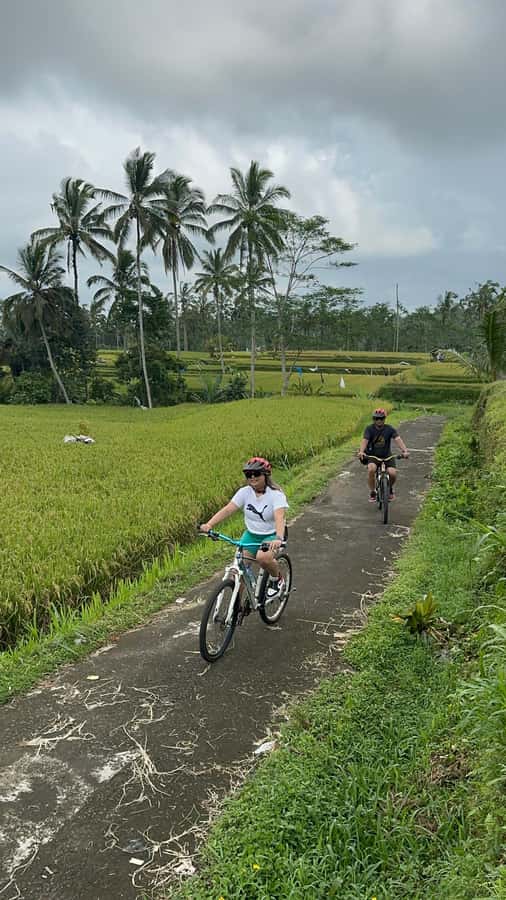
After village time and temple sights, you’ll head to a coffee plantation stop. This includes free tasting of coffee and tea, and it’s one of the most fun breaks during the day.
Here’s what makes it different from many rushed “coffee stops”: you get explanation of traditional coffee production methods. Then you taste multiple options. Luwak coffee is specifically mentioned, so if that’s on your curiosity list, this is a realistic place to try it and learn what’s behind it.
You’ll also get a calmer, greener pause during the day—time to sit, drink something warm or refreshing, and reset before you cycle onward.
One note: coffee tasting is included, but you may still want water with you. Bottled water is provided during the tour, so you’re covered, but don’t assume coffee replaces hydration.
The ride through rice fields and villages: what to notice as you pedal
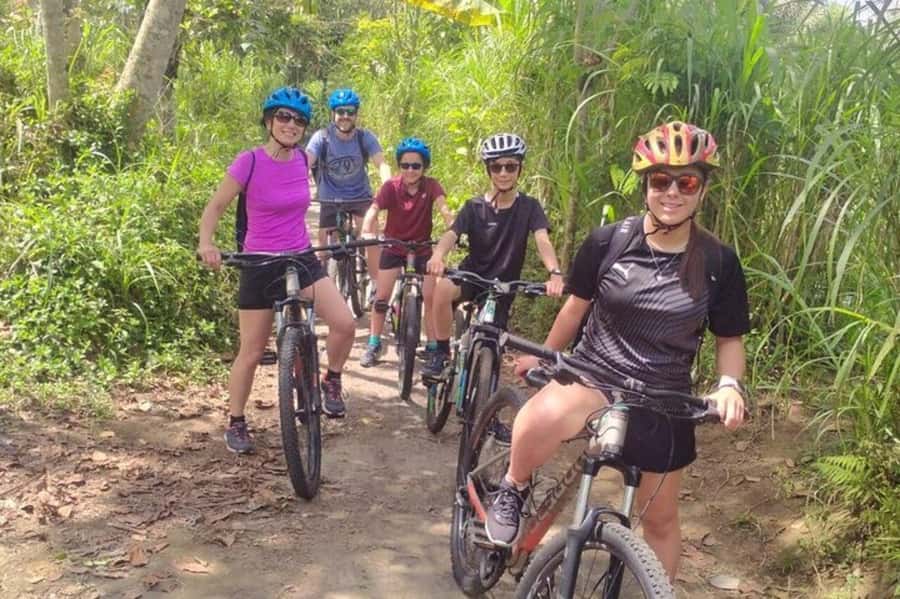
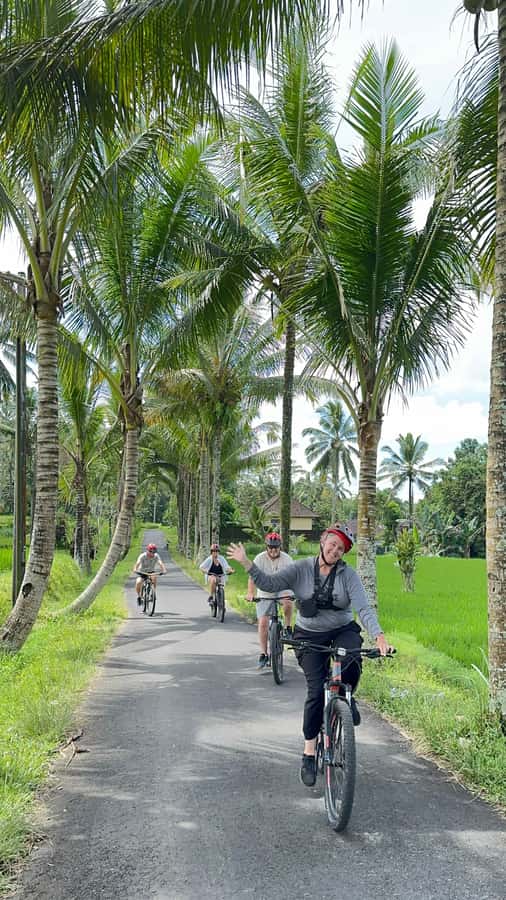
Cycling through Ubud-area rice fields can feel like “just scenery” if you rush. The trick is to notice patterns. Rice paddies aren’t just pretty—your guide will explain their significance for daily life, and you’ll start seeing how the terrain and timing of farming connect to the culture around it.
As you pedal, expect repeated opportunities to stop for photos. The tour is built around a leisurely pace with multiple checkpoints. That means you’re not constantly pushing for the next view; you’re being guided toward the views that match the story being told.
If you like small moments, watch for how villages open into fields, how roads narrow, and how your speed changes as the terrain shifts. Downhill cycling can feel effortless, but it still keeps you alert—keep one hand ready for braking and follow the guide’s pace.
Lunch at the end: Balinese food that actually resets your energy
At the finish, you’ll have a delicious Balinese lunch at a local restaurant. It’s included, which is a big value point for a 3-hour tour—most half-day activities still make you hunt for food afterward.
You’ll likely feel hungry by then. Even with downhill riding, cycling works your core and legs. A proper lunch turns the ride from an “activity” into a real day out.
After lunch, you’re transferred back to your accommodation. That last step matters. It keeps you from dealing with scooters, taxis, or timing issues when you’re already tired from the ride.
Price and value: what $23 buys you in real terms
At about $23 per person for a 3-hour experience, the value is strong—mainly because so many essentials are bundled.
You’re getting:
- bike and helmet
- bottled water
- insurance coverage
- a local English-speaking guide
- breakfast and lunch
- coffee and tea tasting at a plantation
- hotel pickup and drop-off in selected Ubud areas
- rain protection if the weather turns
For many Bali experiences, you either pay less but then add extra costs for transport, equipment, or meals. Here, you’re paying for a packaged day with the logistics handled. That’s especially helpful if you don’t want to spend half a day coordinating rides and finding the “right” local places.
Also, the route is designed for most fitness levels with a mostly downhill profile. That means you’re more likely to enjoy it even if you’re not training for a cycling event.
Who this tour fits best (and who should skip it)
This is a great choice if you want:
- a low-stress cycling day with time for stops
- cultural visits to villages and a temple
- a coffee tasting experience that includes Luwak coffee
- included meals that save time and hassle
It may not be the best fit if you have:
- back problems
- mobility impairments
- high blood pressure
- claustrophobia (the tour info includes this as not suitable)
- epilepsy
- pregnancy
- weight limits listed above 287 lbs (130 kg)
- age limits, including people over 95 years
- people over 220 lbs (100 kg) and other listed thresholds
You should also check what you’re comfortable with if you have any medical conditions. The tour runs with a moderate fitness expectation and includes safety considerations. If you’re unsure, asking the provider directly is the fastest way to avoid a painful day.
Practical tips that make a difference
Bring comfortable clothes and plan on some cycling movement. The tour notes cash as something useful to have. It also suggests cycling clothing if you have it, which can help with comfort on the bike.
Weather can change quickly. Even if you see clear skies, Bali can surprise you. Rain gear is included, but wearing shoes or clothing you don’t mind getting a bit damp is smart.
One rule to keep in mind: alcoholic drinks aren’t allowed in the vehicle. It keeps the group safe and focused on the ride.
Finally, go into this day ready to be guided. A good guide makes the stops feel like learning moments, not just transit between places. The tour info stresses a live English guide, and one past guest specifically praised Froggie for his skills. That kind of leadership is usually what turns a simple ride into a memorable day.
Should you book this Ubud cycling tour?
I’d book it if you want a balanced half-day: countryside views, village culture, a temple stop, and coffee tasting, all without making meals and transport your problem. The mostly downhill setup helps you enjoy the ride even on a moderate fitness level, and the included breakfast and lunch make the value feel fair.
Skip it if you fall into the listed not-suitable categories, especially mobility/back issues or health limitations. And if you’re looking for a long-distance cycling workout or a quiet, no-people day, this may feel more structured than you want.
If your ideal Bali day includes rice fields, real-life village moments, and a guide who keeps the pace friendly, this is a solid choice.
FAQ
Where does the tour start and meet?
The meeting point is at Cantik Agriculture, where the cycling guide will explain the trip during breakfast time.
How long is the cycling tour?
The duration is 3 hours.
Is hotel pickup and drop-off included?
Pickup and drop-off in selected areas is offered. It’s described as complimentary if you choose the pickup option for the Ubud area.
What’s included in the price?
Bike and helmet, insurance, bottled water, breakfast and lunch, a local guide in English, raincoat if rain, and free tasting of coffee and tea at a coffee plantation are included.
Do I get coffee tasting, and is Luwak included?
Yes. The coffee plantation tasting includes free sampling of coffee and tea, including Luwak coffee.
How hard is the ride?
The fitness level is listed as moderate and suitable for most fitness levels, and the ride is mainly downhill.
What should I bring?
Bring comfortable clothes and cash. The tour also suggests cycling clothing.
Is alcohol allowed during the tour?
Alcoholic drinks are not allowed in the vehicle.
What is the cancellation policy?
You can cancel up to 24 hours in advance for a full refund.
Is it wheelchair accessible?
The tour info lists wheelchair accessible, but it also lists wheelchair users and people with mobility impairments as not suitable. You should confirm with the provider before booking.