REVIEW · MOSHI
Chagga Villages in Mount Kilimanjaro Cycling Day Trip
Book on Viator →Operated by One Bike Tanzania · Bookable on Viator
Bike through real Kilimanjaro farms. This Chagga villages day trip is interesting because you pedal past working banana and coffee plots at the mountain’s base, not just scenic viewpoints. I especially like the included lunch that keeps the day relaxed, and the chance to hear how mixed farming supports families year-round. The only real catch is it’s moderate: you’ll handle a mix of tarmac and dirt and a gradual climb that gets steeper.
You start in Moshi at 8:30 am, bike with an English-speaking guide, and then loop through the Moshi area and on toward Kibosho and Lyamungo. It’s a private tour, so you’re not trapped in someone else’s speed or stopped at random tourist photo points—your guide can pace the ride to your comfort level.
In This Review
- Key things I’d watch for on this ride
- Chagga village cycling at Kilimanjaro’s base: the feel of the day
- Moshi meeting point and what you get before rolling
- The route from Moshi into Chagga farming country
- Kibosho: where the climb turns into village time
- Banana and coffee plots: what you’ll actually learn on the ride
- The included lunch: how to make it a real stop, not a break in name only
- Difficulty, terrain, and smart prep for a 5–7 hour ride
- Value check: is $101.54 worth your day?
- Should you book this Chagga villages cycling day trip?
- FAQ
- Where does the tour start?
- What time does the cycling day trip begin?
- How long does the ride last?
- How difficult is it?
- How far will I cycle?
- What kind of roads are on the route?
- Is this a private tour?
- What’s included in the price?
- Is lunch provided?
- What happens if the weather is bad?
- Cancellation: can I get a refund?
Key things I’d watch for on this ride
- A 39 km day with mixed surfaces means it’s not just a casual spin; expect dirt sections and some climbs.
- Private guiding with English support makes the farming and culture talk actually land.
- Coffee and banana farms on small Chagga plots show how people produce food year-round.
- Lunch plus bottled water included helps you stay fueled for the full 5–7 hour window.
- Flora and fauna spotting turns roadside moments into mini “what is that?” lessons.
- Weather matters because you need good conditions for a dirt-and-tarmac route.
Chagga village cycling at Kilimanjaro’s base: the feel of the day
This trip works because it’s built around daily life. You’re not touring a monument; you’re moving through a farming belt where banana and coffee aren’t just scenery—they’re the reason the villages look the way they do. The ride follows a route that starts fairly easy, then gradually changes gear as you head north and climb toward Kibosho.
What I like most is that the guide’s job isn’t only to get you from point A to B. An English-speaking cycling guide helps connect the dots: how people manage small pieces of land, why mixed farming matters, and what you’re seeing along the road. That context turns ordinary roadside moments—path edges, farm tools, planted rows—into a real sense of how the Chagga live.
The other big plus is pacing. Because it’s private, you can go at the speed that feels right for you. If you’re comfortable on a bike, you’ll enjoy the momentum. If you’re less sure, a good guide will help you manage the tougher stretches so the day stays fun, not stressful.
You can also read our reviews of more tours and experiences in Moshi.

Moshi meeting point and what you get before rolling
The ride begins at One Bike Shop on MoshiMailimoja Rd, with a 8:30 am start. Plan to arrive early enough to check in, get fitted on the bike, and sort out anything you want to ask before you start moving. Since they provide a mountain bike and helmet, you don’t need to source gear in advance—which makes this trip easy to plug into a Kilimanjaro-area itinerary.
Included items are exactly what you’d want for a day like this: the bike and helmet, bottled water, and lunch at a local restaurant. They also include all fees and taxes, and you have an English-speaking cycling guide. In other words, you’re paying for the core experience, not a scavenger hunt of extra costs.
Not included is also useful to know. Alcohol and soda/pop aren’t included, and you’ll want to plan for tips if you feel the guide earns them. If you’re the type who likes to control drink costs, bring a strategy (water is included, but you may want extra). And if you need your own transport to the meeting point, that’s on you—this tour does not include private transportation.
The route from Moshi into Chagga farming country
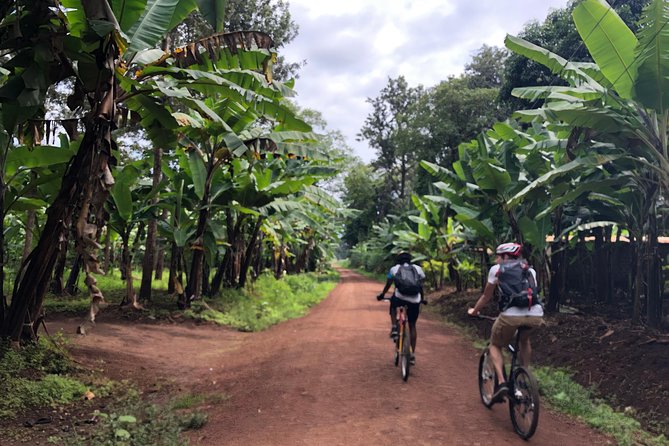
You’ll start in Moshi town and then roll toward Moshi’s Shanty Town area. That opening stretch is described as relatively flat, which is a smart setup for most riders. You get your rhythm, you test your brakes and comfort, and you settle into the day before the climb arrives.
From there, you head north on a gradual climb toward Kibosho. The road becomes steeper toward the end, so this is where your legs will start to notice the effort. It’s still categorized as moderate overall, but it’s not a flat, keep-your-coffee-hot type of ride. Expect the kind of climb where you don’t sprint; you manage your breathing and cadence.
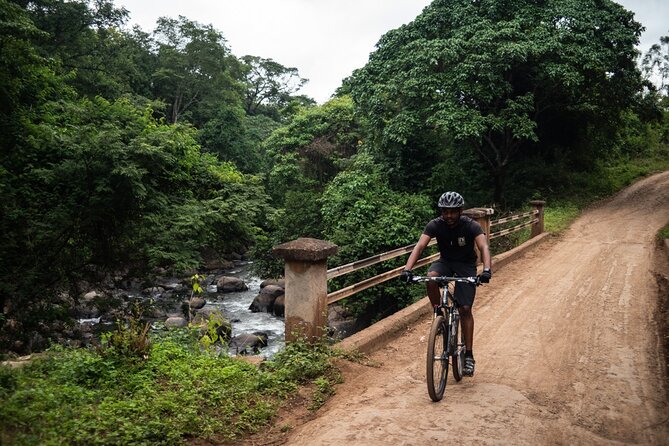
After Kibosho, the route continues along dirt roads as you head through more Chagga villages and farm areas. The overall path is a mix of tarmac and dirt, which is part of the charm and part of the consideration. Dirt can feel slow or slick depending on conditions, and dust can get into everything if the weather is dry. On the plus side, dirt sections often bring you closer to the homes and fields that make this area feel lived-in.
Kibosho: where the climb turns into village time
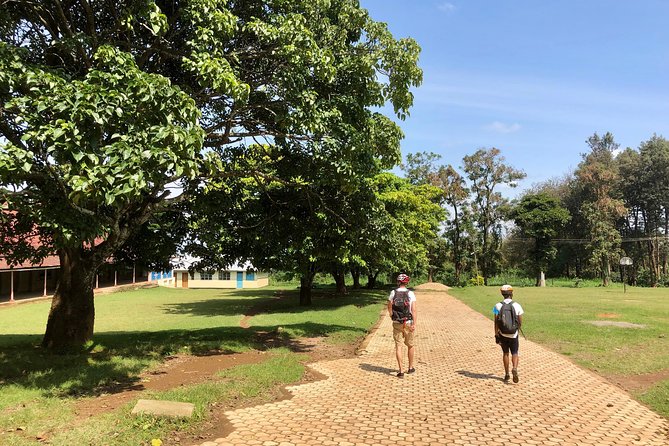
Kibosho is a key stop because it marks the shift from “getting warmed up” to “actually riding.” When the climb steepens toward the end of the road, you’ll likely feel it even if you’ve cycled before. This isn’t about power; it’s about control—staying seated or managing your effort so you don’t blow up early.
This is also where the guide’s role matters most. A thoughtful guide helps you keep a pace that fits your legs, and they should check in during more strenuous parts. I’ve seen the style of guides tied to this kind of route described as patient and attentive, which is exactly what you want when the road leans up and your concentration needs to stay on safety.
As you climb and approach village areas, you’ll see the farming pattern become clearer: banana plants, coffee plots, and mixed crops managed side by side. This is where you start to understand the Chagga approach to food production on small landholdings. Mixed farming supports families by spreading risk and making sure the land produces across different seasons and needs—an idea that’s much easier to grasp when you can see the fields and how they connect to homes.
Banana and coffee plots: what you’ll actually learn on the ride
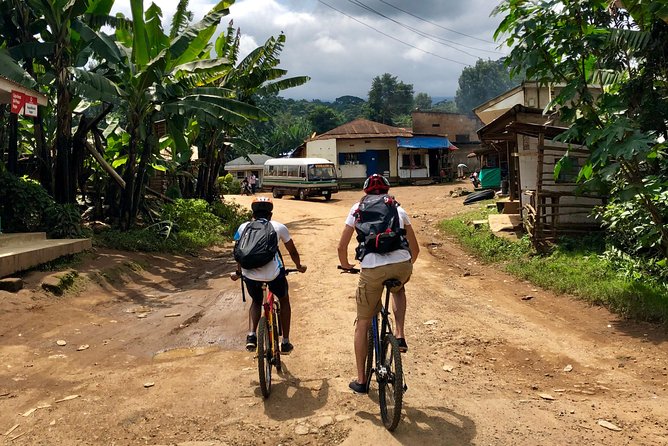
The heart of this day is how the Chagga people manage their small land. You’ll bike through villages rich in banana and coffee farms and get a closer look at everyday agriculture. That mix is important because it’s not a single-crop story; it’s a system.
Here’s what tends to click for first-timers. Banana and coffee aren’t only grown for sale—they’re part of a routine of food and income that keeps households fed and stable. On this kind of mixed plot, you can see how plant choices, spacing, and seasonal timing work together. Even if you don’t remember every detail the guide explains, you’ll leave with a clearer picture of why this region supports year-round farming.
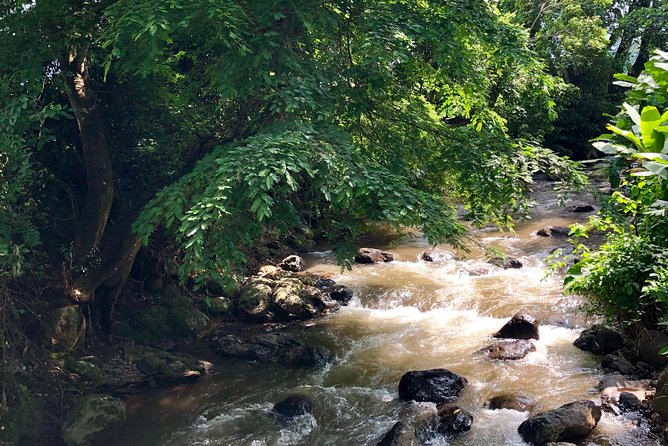
You’ll also have a chance to keep an eye out for local flora and fauna. The instruction is simple—watch the road edges and field borders—but it changes the day. Instead of scanning for traffic or potholes only, you start noticing plants, birds, and small signs of life along the route.
The included lunch: how to make it a real stop, not a break in name only
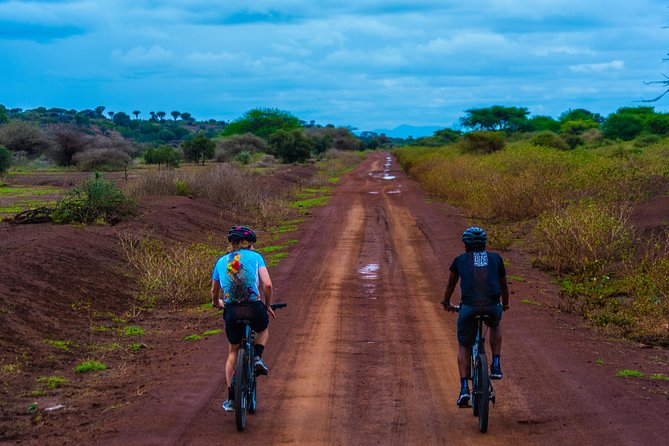
Lunch is included, and it’s at a local restaurant. That matters because it keeps the rhythm of the day. You’re not spending the middle of your ride trying to find food that fits your schedule. It also means the day’s cultural element isn’t only in the village scenes—it continues at the table.
Practically, this is what lunch helps with: energy and pacing. For a ride that totals around 39 km and lasts about 5–7 hours, you want fuel that doesn’t feel like a “snack and hurry” situation. A proper lunch helps you finish feeling like you had a day, not just survived the hardest stretch.
If you’re curious about what you’re eating, this is a good time to ask your guide questions. Since you’ll have learned about the farming behind the area, lunch becomes a way to connect food on your plate to the fields you just cycled through—banana farms you passed, coffee areas you rode by, and the broader idea of mixed agriculture supporting daily life.
Difficulty, terrain, and smart prep for a 5–7 hour ride
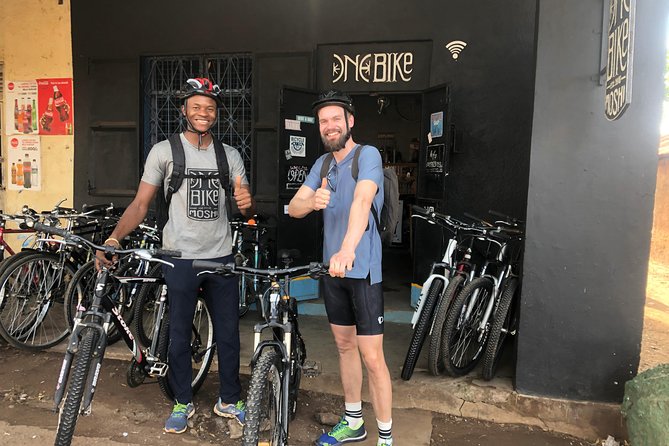
This is rated moderate, with a 39 km distance and a route that mixes tarmac and dirt road. That combo means you should prep for both comfort and traction issues. The bike is a mountain bike and you’ll have a helmet, but your own fitness still matters.
Here’s what to take seriously:
- The climb toward Kibosho is gradual but does get steeper at the end.
- Dirt road sections can feel slower or more tiring, especially if you hit soft ground or dusty stretches.
- You’ll be out long enough that hydration and rest breaks matter even if they’re built into the plan.
For clothing, think practical. Wear something you can move in and that dries if you get dusty. Closed-toe shoes with grip are a safer idea than anything too slick. Bring sunglasses and sunscreen if you sunburn easily—since you’re outside for most of the day, it’s not the place for “I’ll worry later” thinking. And while bottled water is included, it’s still smart to save it for key moments rather than sipping randomly.
Also remember the weather note: this experience requires good weather. If rain hits hard, expect the route to feel different, and it may be canceled or rescheduled. If they offer a different date, take it. Good weather is what makes the dirt sections comfortable instead of annoying.
Value check: is $101.54 worth your day?
At $101.54 per person, this isn’t the cheapest thing you’ll do around Moshi—but it’s also not just paying for a bike. You get a mountain bike and helmet, bottled water, lunch, and an English-speaking cycling guide. All fees and taxes are included too.
That bundle matters because it reduces the hidden costs that often sneak into tours. Many “bike experiences” either skip lunch, charge for equipment separately, or don’t include a guide with real cultural context. Here, lunch and guide time are part of the package. And since it’s private, you’re paying for the experience to match your group rather than sharing attention with a larger crowd.
The biggest “value” factor is how you want to spend your Kilimanjaro base day. If you want a scenic ride plus cultural context plus a real meal without planning your own route, this is a straightforward, good deal. If you only want casual riding with minimal talking, you might find the guided cultural element is more than you expected—but for most people, that’s the point.
Should you book this Chagga villages cycling day trip?
Book it if you like active days, you’re comfortable with moderate climbing, and you want your Kilimanjaro-area time to be about people and everyday farming—not only photos and viewpoints. This is ideal for visitors who enjoy learning in motion: seeing banana and coffee farms while the guide explains how mixed farming supports families year-round.
Skip it or reconsider if you’re very risk-averse about dirt roads or you know you won’t enjoy a 5–7 hour ride with a steeper section near Kibosho. Also, if you’re traveling during a time when weather is unreliable, plan extra flexibility because the day depends on good conditions.
If you do book, aim to arrive rested and ready. This is the kind of tour where a decent day starts before you pedal—especially since the climb arrives sooner than you think.
FAQ
Where does the tour start?
The tour starts at One Bike Shop on MoshiMailimoja Rd in Tanzania.
What time does the cycling day trip begin?
The start time is 8:30 am.
How long does the ride last?
The experience runs for about 5 to 7 hours.
How difficult is it?
It’s listed as moderate, with a ride that includes tarmac and dirt road and a gradual climb that gets steeper toward the end on the route to Kibosho.
How far will I cycle?
The total distance is 39 km.
What kind of roads are on the route?
The route uses a mix of tarmac and dirt road.
Is this a private tour?
Yes. It’s a private tour/activity, and only your group participates.
What’s included in the price?
Included are lunch, a mountain bike and helmet, all fees and taxes, bottled water, and an English-speaking cycling guide.
Is lunch provided?
Yes, lunch is included at a local restaurant.
What happens if the weather is bad?
The experience requires good weather. If it’s canceled due to poor weather, you’ll be offered a different date or a full refund.
Cancellation: can I get a refund?
Yes. You can cancel for a full refund up to 24 hours in advance. If you cancel less than 24 hours before the start time, the amount paid won’t be refunded.