REVIEW · UJI
Slow Cycling Tour at Uji’s Matcha Green Tea Fields and Heritage
Book on Viator →Operated by BROMPTON SLOW CYCLING TOURS · Bookable on Viator
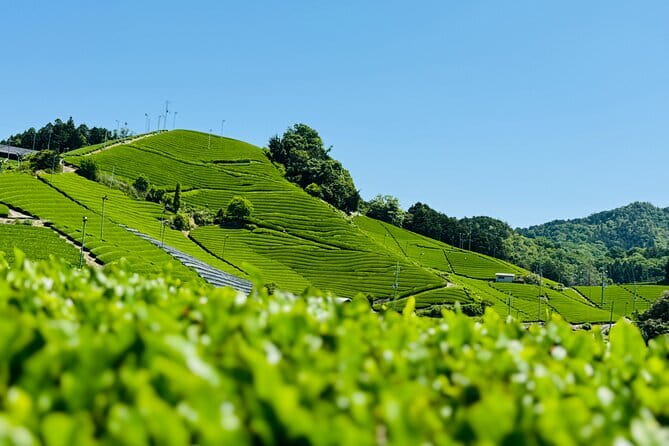
Uji is a small place, but it packs serious tea power. This slow cycling tour uses a BROMPTON so you can cruise comfortably between matcha sights, ancient shrines, and quiet river views with an English-speaking navigator like Takashi. I love that the ride is built for an easy pace, and I love that you get real tea context before (and during) the sightseeing stops.
The main thing to consider is that the itinerary includes optional paid entrances—especially the tea facility at Chazuna and the Byōdō-in Phoenix Hall area—so your final cost can tick up if you want the full museum and UNESCO stop.
In This Review
- Key highlights you’ll feel on the ride
- Arriving in Uji by bike: why the Brompton choice matters
- Chazuna at the start: tea culture before the temples
- Uji Shrine and Ujigami Shrine: luck stories with real atmosphere
- Asagiri Bridge photo break, then Kōshōji’s Zen path
- Amagase Dam and the Uji River trail: the calm payoff
- Byōdō-in Omotesandō area: optional Phoenix Hall and tea choices
- What you actually get for $130.46
- Pace, timing, and what a 4.5-hour “slow” day feels like
- Who this tour suits best (and who might want a different plan)
- Quick practical tips to get the most out of Uji by bike
- Should you book the Uji slow cycling matcha tour?
- FAQ
- How long is the slow cycling tour in Uji?
- What does the tour cost?
- Is the bike provided, or do I need to bring my own?
- Are entrance fees included for the temples and tea facilities?
- Is there an English guide?
- What time does the tour start and where do I meet?
- How big is the group?
- Is the pace easy for non-cyclists?
- Is insurance included?
Key highlights you’ll feel on the ride
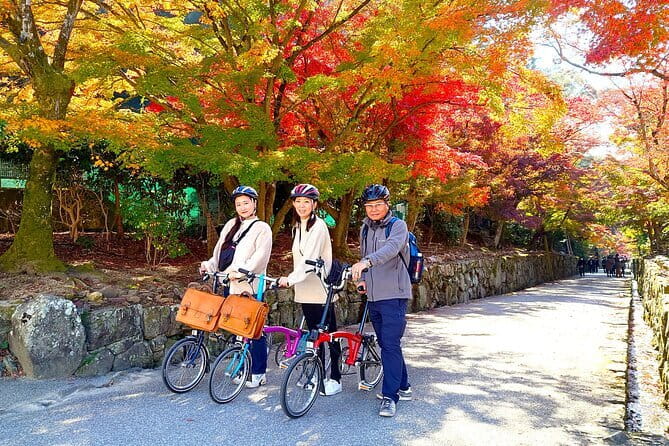
- Brompton bikes: a fun, stable way to cover ground without turning your day into a workout
- Small group size (max 6): more time for your questions and less standing around
- English guide + local navigator: you’re not just moving between sites; you’re learning how Uji fits together
- Matcha-focused learning early on: the day starts with tea culture and history, not just photos
- Temple and shrine stops that balance meaning and atmosphere: calm places with strong local stories
- River-valley scenery on a nature trail: the ride shifts from town sights to a quieter, greener mood
Arriving in Uji by bike: why the Brompton choice matters
Uji sits south of Kyoto, and it’s the kind of town where walking is fine but can feel slow if you’re trying to cover temples, shrines, and tea spots in one outing. That’s where the bike plan makes sense. You meet at Chatsubo Postbox Japan (Umonji 1716, near Uji Station) at 10:00 am, then roll out on a BROMPTON with helmet and a bag for wheeled transport.
I like how the tour stays “slow cycling” on purpose. The goal is to keep your energy for looking closely and taking photos, not for grinding through hills. And even if you’re not super confident on two wheels, the pace is easy enough that most people can take part.
One practical perk: because the tour provides the bike and riding gear, you don’t have to puzzle out rentals, helmets, or what to do with your things. That matters when you’re also juggling a camera, water, and whatever you bought earlier in Kyoto.
You can also read our reviews of more tours and experiences in Uji.
Chazuna at the start: tea culture before the temples
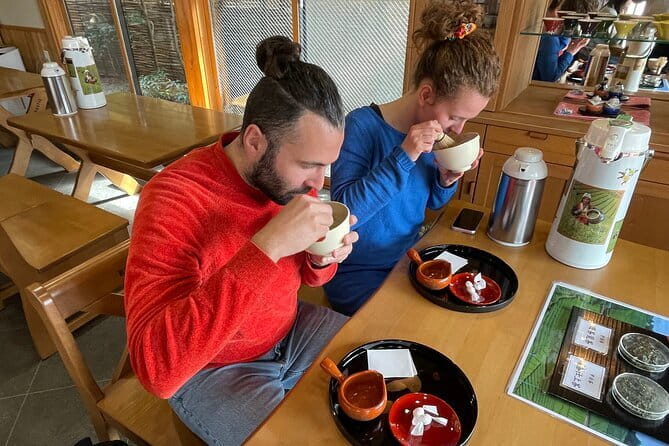
Your first stop is Tea and Uji Town Exchange Centre Chazuna, where you get about 45 minutes to learn Kyoto-area tea culture and history. The entrance fee is optional (600 yen), so if you want the deeper museum-style learning, plan for that add-on.
This opening stop is a smart setup. If you hit matcha sites with no context, you can end up treating everything like a scenic snack stop. Here, you start with the why: what Uji’s tea identity means, and how the town’s reputation connects to the places you’ll see next. That kind of order makes the rest of the tour click.
Possible drawback: if you’re the kind of visitor who prefers only outdoor walking and photo stops, you might find the museum-style learning a little more structured than you want. The good news is that it’s only 45 minutes—short enough to keep the day moving.
Uji Shrine and Ujigami Shrine: luck stories with real atmosphere
After Chazuna, the day becomes more about atmosphere and place. You’ll spend around 30 minutes at Uji Shrine, a historic shrine known for being associated with academic success and childbirth success. Next comes Ujigami Shrine for another 30 minutes, paired nearby and connected with Kirihara Water—one of the famous waters of Uji that still flows on the grounds.
These stops are free, so you get the best kind of value: no ticket line, just time and quiet. And because you’re riding slow, you’re not rushing past details. You get the chance to look at how shrines sit in the town and how the stories are embedded in the setting.
If you care about meaning, you’ll probably enjoy how your guide frames what you’re seeing. The reviews back this up with repeated praise for how guides like Takashi explain what matters at each stop, not just the name of the place.
One consideration: shrine and temple etiquette still applies. Go at a respectful pace, and don’t expect to sprint through. This tour’s style fits people who like to slow down.
Asagiri Bridge photo break, then Kōshōji’s Zen path
Between bigger stops, you get a quick hit of pure scenery. Asagiri Bridge is about 15 minutes, and it’s a great place to take photos over the Uji River. This is the kind of brief pause I actually like on a group tour—long enough to get your angle, short enough that you don’t feel stuck.
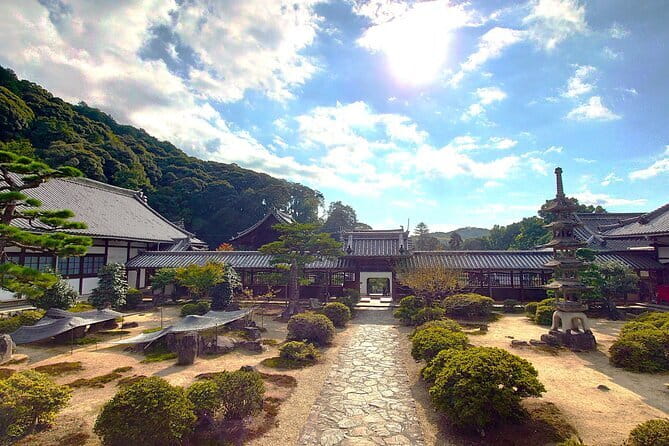
Then you move to Kōshōji Temple for about 30 minutes. It’s a Zen temple with an estimated 800-year history, and the stone path leading from the gate to the temple grounds—called the Kotosaka slope—is described as especially beautiful, with stone walls lining the way up.
This combo of bridge + temple works because it changes the texture of your day. You go from water views to a more inward, quieter space. And since the temple stop is free, it’s another win for people who want meaningful sightseeing without extra fees.
Amagase Dam and the Uji River trail: the calm payoff
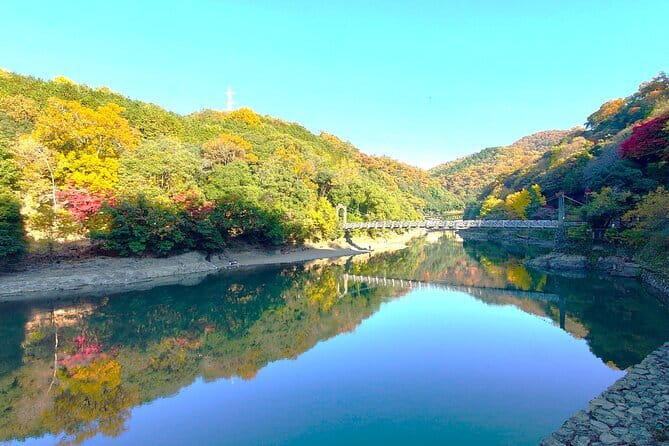
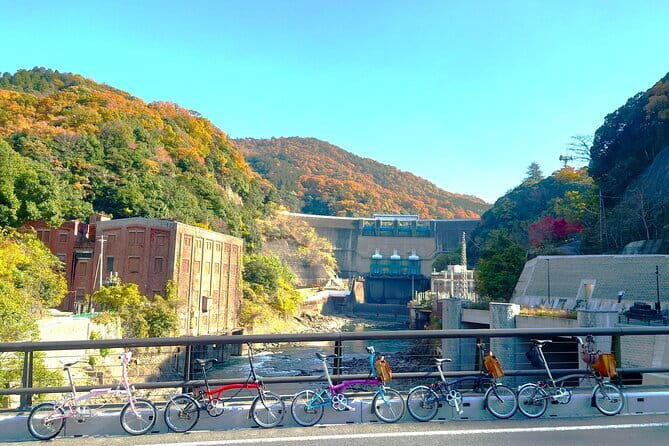
About halfway through, the tour shifts into nature mood. You’ll spend roughly 1 hour at Amagase Dam, where a nature trail along the Uji River leads to the wooden Amagase Bridge. The view down the valley is described as so tranquil that you start feeling far away from Kyoto’s pace.
This is one of those stretches that makes slow cycling worth it. If you try to do Uji on your own without local guidance, you might still see some temples—but getting to the kind of river-trail calm that resets your head? That’s harder.
I also like that the trail time is long enough to slow down your photos and your breathing. You can pause, look at the bridge, and take in the valley without feeling like you’re “failing” by not keeping pace.
One small reality check: in hot weather, you’ll still be walking on a trail for about an hour. Reviews note that riders have appreciated shady stretches along the river in summer, which is a good sign. Still, bring water and take your breaks when you need them.
Byōdō-in Omotesandō area: optional Phoenix Hall and tea choices
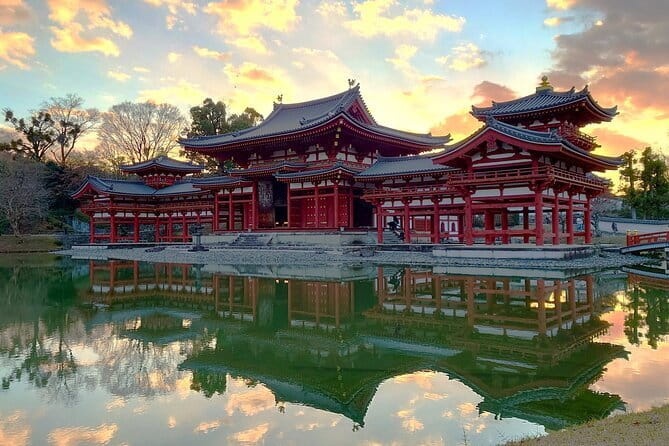
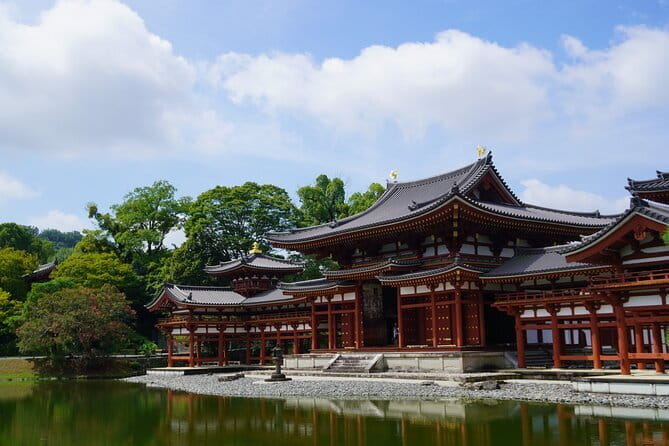
As the ride brings you back toward the city, you get a 1-hour stop at Byōdō-in Omotesandō. This is your chance to visit the Byōdō-in Phoenix Hall, a UNESCO World Heritage Site—though the entrance fee is optional (700 yen).
If you’d rather keep it lighter on tickets, the tour also offers the option of stopping for a cup of tea in one of Uji’s tea shops. That flexibility matters here. Some people want the UNESCO landmark. Others want the flavor of the town more than the interior.
Either way, this is a good ending because it ties the day together. You spent the morning learning about tea culture, then you watched how Uji’s heritage shows up through shrines, temples, and the river valley. Ending with either the Phoenix Hall or tea feels like a logical closure.
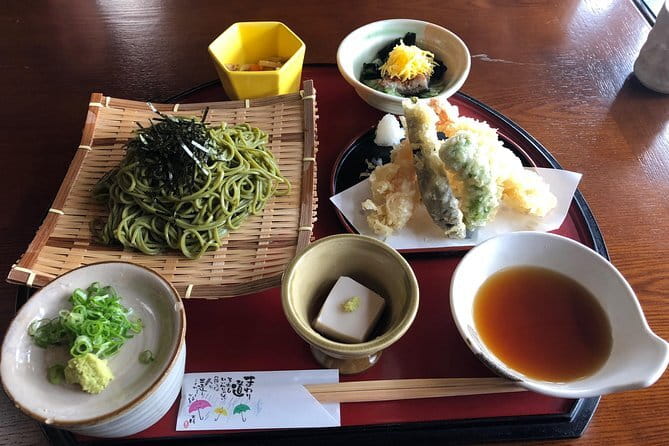
From reviews, I also know people sometimes finish with a matcha drink during the day. That fits the tour vibe: tea isn’t just a topic—it’s part of your experience.
What you actually get for $130.46
At $130.46 per person, this isn’t an ultra-budget activity, but it’s not overpriced either when you look at what’s included. Your price covers:
- Bicycle rental (Brompton)
- Exclusive navigator fee
- Riding equipment (helmet and a bag for wheeled transport)
- English guide
On top of that, the day is structured around a set route of meaningful stops, most of which are free. The only big potential paid adds are:
- Chazuna entrance (optional 600 yen)
- Byōdō-in Phoenix Hall entrance (optional 700 yen)
- Optional insurance (500 yen)
So the value story is pretty clear: you’re paying for local knowledge, a smooth ride between sites, and a small-group experience where you’re not stuck figuring things out alone. If you were to rent a bike plus navigate Uji yourself, you’d likely spend time and energy that this tour handles for you.
And because your navigator can suggest food based on your preferences, you also get practical help with where to eat—something that matters in a food-focused place like Uji. One review mentioned a stop for lunch at a vegan restaurant and gluten-free-friendly option, which shows the tour can adapt to dietary needs when you ask.
Pace, timing, and what a 4.5-hour “slow” day feels like
The total time is listed as about 4 hours 30 minutes. That’s a sweet spot: long enough to feel like you explored, short enough to keep the rest of your Kyoto days flexible.
Here’s how the pacing usually works in real terms:
- You cycle between clustered stops (so you’re not losing time to transit).
- You spend short blocks at each shrine/temple for context and photos.
- You get one longer nature segment on the river trail.
- You end in the city area with either a landmark visit or tea.
The “slow” part isn’t just marketing. You’re not sprinting uphill with a heavy bike. And because the group max is 6 travelers, you’re less likely to be slowed by big-queue chaos.
If you’re someone who likes movement but also likes to look at details, this is a good match.
Who this tour suits best (and who might want a different plan)
This experience fits you best if you:
- Love matcha and want more than a quick souvenir stop
- Want temples, shrines, and scenery in one easy outing
- Prefer a small group with real guide interaction
- Like bike days but don’t want the intensity of a longer ride
It might be less ideal if you:
- Only want paid attractions with tickets included (two of the main paid options are optional)
- Want a free-form itinerary with zero structure
- Don’t enjoy cultural explanations and prefer purely self-guided photo walks
Also, keep in mind the tour requires good weather. If conditions are poor, it’s offered on a different date or refunded.
Quick practical tips to get the most out of Uji by bike
- Wear comfortable shoes for the temple pathways and the nature trail segment.
- Bring water—especially if you’re cycling and then walking for about an hour near the river.
- Decide early if you want the Chazuna entrance and the Phoenix Hall entrance, so you don’t have to make a rushed call at the stops.
- If you have dietary needs, tell your navigator what works for you. Past riders reported success finding a vegan and gluten-free-friendly lunch stop.
Should you book the Uji slow cycling matcha tour?
If your Kyoto plan includes Uji and you want it to feel calm, meaningful, and genuinely local, I think this one is worth booking. The mix of matcha learning, multiple heritage stops, and a river-valley nature walk is a strong combo for the time you spend.
Book it especially if you value a guide like Takashi who can connect the sites with tea culture and local stories, and if you’d rather ride a Brompton than fight with logistics on your own.
Skip it only if you know you won’t pay for optional entrances like Chazuna or Phoenix Hall and you’re not interested in shrine/temple context. Otherwise, this is a very solid way to see Uji without turning the day into a stressful checklist.
FAQ
How long is the slow cycling tour in Uji?
It runs for about 4 hours 30 minutes.
What does the tour cost?
The price is $130.46 per person.
Is the bike provided, or do I need to bring my own?
You don’t need to bring anything. The tour includes bicycle rental and riding equipment like a helmet and a bag for wheeled transport.
Are entrance fees included for the temples and tea facilities?
Some entrances are optional extras. Chazuna entrance is optional (600 yen) and Byōdō-in Phoenix Hall entrance is optional (700 yen). Uji Shrine, Ujigami Shrine, Asagiri Bridge, and Kōshōji Temple are listed as free.
Is there an English guide?
Yes. The tour includes an English guide, plus an exclusive navigator.
What time does the tour start and where do I meet?
It starts at 10:00 am at Chatsubo Postbox Japan (Umonji 1716, near Uji Station).
How big is the group?
The tour has a maximum of 6 travelers.
Is the pace easy for non-cyclists?
The tour is designed as slow cycling and is described as easy for people who are not confident about their physical fitness. Most travelers can participate.
Is insurance included?
Insurance is not included. There is an optional insurance fee of 500 yen.