REVIEW · HIROSHIMA
Hiroshima Country Cycling: Explore Rural Life 1 HR from City
Book on Viator →Operated by Oasa Mobility Station · Bookable on Viator
A road trip into real life beats a museum day. This Hiroshima Country Cycling tour takes you on electric bikes through quiet farming areas around Oasa, with a guide who explains what you’re actually seeing. Two things I really like: you get an effortless ride even when the route turns hilly, and the pace includes real conversation and local-life context instead of just photo stops. One thing to consider is that you still need to ride under your own balance and pedal power, so it’s not for anyone who wants a fully “sit back and go” experience.
The set-up also feels thoughtful. You’ll roll with a small group (max 8), wear a helmet, and use an e-bike that helps on steep climbs. And yes, it’s planned for good weather, so if the skies go sideways you’ll want to be comfortable riding anyway. The route is rated for moderate fitness, and there’s a minimum height of 140 cm, so check both before you book.
What makes this tour stand out is that it aims at the Hiroshima most visitors never see. You stop in rural communities like Kakeyama and Doitaya, then take lunch at the Ainosato Herb Garden (or a sushi lunch in the winter season). The guide I’m seeing recommended most often is Jonah, and the way he handles details like rainy-day gear comes up more than once.
In This Review
- Key things to know before you go
- The point of this ride: rural life, not just transportation
- Electric bikes and a 4-hour plan that actually feels doable
- Stop 1: Kakeyama and the lesson of hills
- Stop 2: Doitaya and what a farming community looks like up close
- Stop 3: Ainosato Herb Garden lunch and the value of local growing
- Stop 4: Oasa and the slow pace of old streets
- Price and what it really buys you
- Logistics that matter: getting to Oasa and staying comfortable
- Who this tour fits best (and who should skip it)
- Should you book this Hiroshima countryside cycling tour?
- FAQ
- FAQ
- How long is the Hiroshima Country Cycling: Explore Rural Life 1 HR from City tour?
- Where does the tour start and end?
- What lunch options are offered on this tour?
- Is the lunch included in the tour price?
- What’s included with the tour?
- Do I need a certain fitness level or height to join?
- What happens if the weather is bad?
Key things to know before you go
- Electric assist for steep hills: the bike helps you ride up without turning the day into a sweat-fest.
- Small group pacing: up to 8 people means more attention from Jonah and easier conversation.
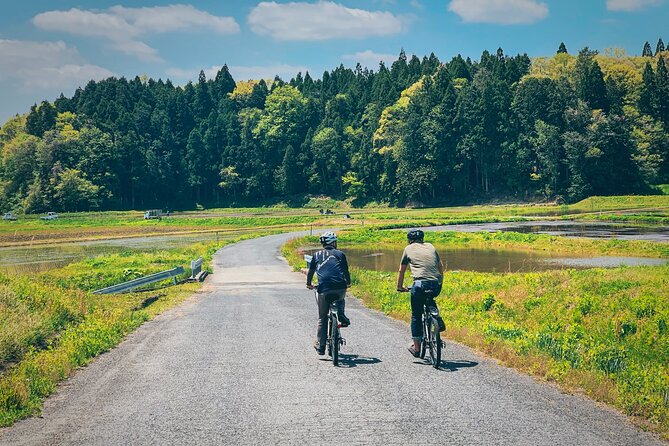
- Rural village stops, not highway scenery: Kakeyama, Doitaya, and Oasa keep the focus on daily life.
- Aino Sato Herb Garden lunch stop: you’ll have a meal built around local, pesticide-free growing.
- Plenty of water refill points: you just need to bring your own bottle.
- Winter sushi option: December to March shifts lunch from herb-garden style to farm-house sushi.
The point of this ride: rural life, not just transportation
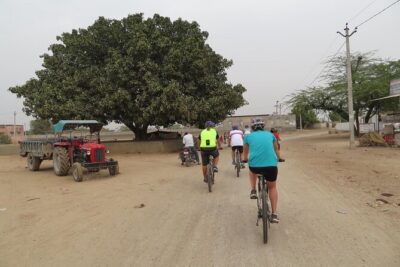
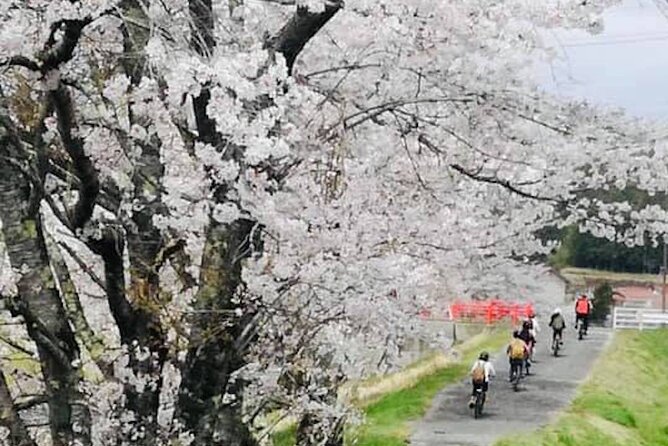
If you’ve ever done a “get on a bus, get off, take pictures” day, you’ll understand why this kind of cycling tour feels different. The wheels keep you moving, but the stops are where the story happens. You ride out into smaller communities where you can actually see how people live: houses, rice fields, streams, and old town streets that aren’t trying to impress you.
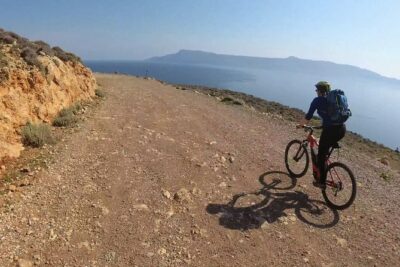
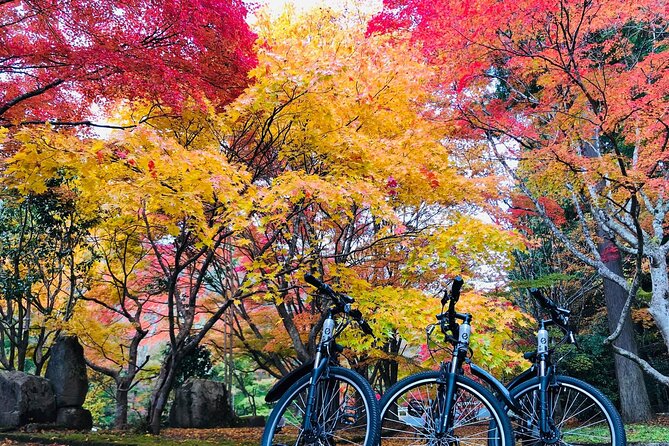
A big reason this works is the electric bike. The route is described as having steep hills, and e-assist matters because it changes the whole feel of the trip. Instead of treating every climb like an event, you keep your rhythm and spend more energy noticing details: how farms are laid out, where water runs, and what’s still standing from earlier days.
This is also a guided experience. The guide’s job isn’t only to lead you from Stop 1 to Stop 4, it’s to help you read the place as you go. That’s why you’ll get context about local life and not just “there’s a field, take a photo.”
You can also read our reviews of more tours and experiences in Hiroshima.

Electric bikes and a 4-hour plan that actually feels doable
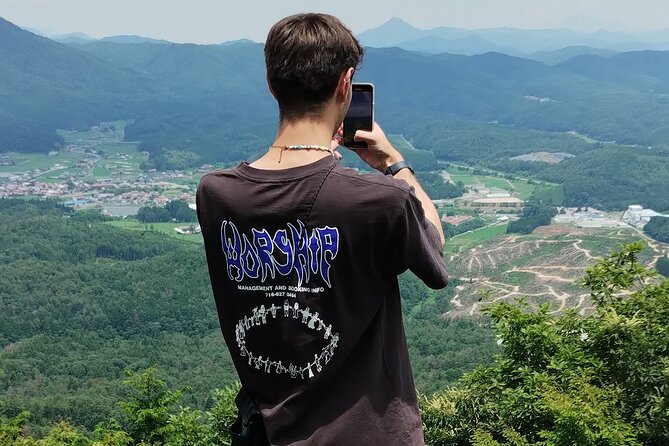
The total time is about 4 hours, with roughly one hour per stop. That timing is useful because it sets expectations: you’re not cramming a huge itinerary, and each segment has room for riding, small walks, and explanations.
Your e-bike experience is the core value here. The tour emphasizes that the bikes are “top-notch” and made for steep hills. Even if you’ve never ridden an e-bike before, the day is built around the idea that you’ll get used to it quickly. You also get a helmet, and there are multiple water refill stations along the way—bring your own bottle.
Group size stays small: maximum 8 travelers. That matters more than you’d think. With fewer people, it’s easier for the guide to answer questions, adjust pacing, and keep the group together without rushing. It also makes the ride less stressful if you’re not a speed cyclist.
The one practical caution: you still must be able to ride your bike on your own, and the tour requires moderate physical fitness. Think of it as active sightseeing. The bike helps, but your coordination still matters.
Stop 1: Kakeyama and the lesson of hills
Kakeyama is where the ride starts to make sense. It’s the first place you’re pointed toward, and it’s tied directly to the “steep hill” advantage of the e-bike. This is not the time to panic, because the route is designed so you experience that assist early rather than later, when your legs would be more tired.
What you’ll likely feel here is confidence. Once the bike is helping you climb, the ride becomes smoother, and you can shift your attention to the surroundings. That’s the big payoff of doing hills early: you don’t lose your curiosity, and you don’t spend the rest of the tour thinking about effort.
Even if you’re not a trained cyclist, the e-assist gives you an easier entry into the day. The tone is relaxed, and the stop is paired with guided time, so you don’t feel like you’re just passing through.
Stop 2: Doitaya and what a farming community looks like up close
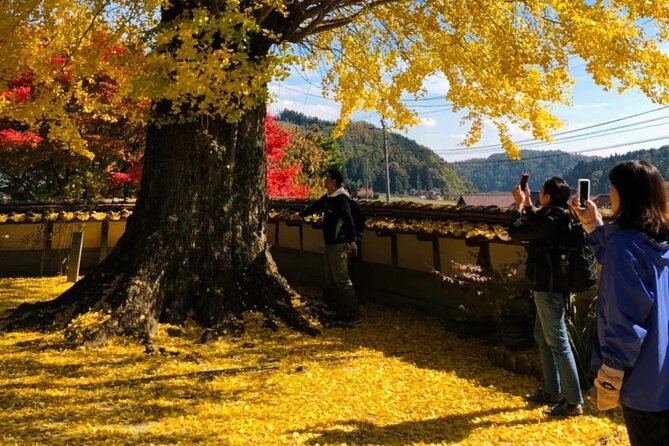
Doitaya is where the tour leans hardest into rural character. This stop is described as a farming community that kept a traditional appearance from the past. You’re looking for everyday visuals: quaint houses, rice fields, and streams where wildlife can be found.
That’s a meaningful kind of sightseeing. Many places in Japan look picturesque, but this is more specific: you’re seeing how the landscape and the work tie together. Rice fields and water channels shape village life, so the guide’s explanations here help you connect what you’re riding past to why it matters.
The possible drawback at this stage is simple: it’s rural, so weather can change the feel fast. Streams and fields are great in clear conditions, but rain or wind can make everything feel quieter and colder. Still, the small-group setup helps; it’s easier to adapt when you’re not dealing with a huge crowd.
Stop 3: Ainosato Herb Garden lunch and the value of local growing
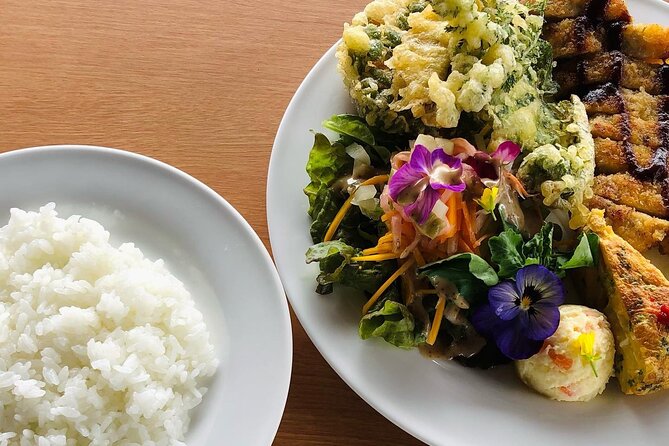
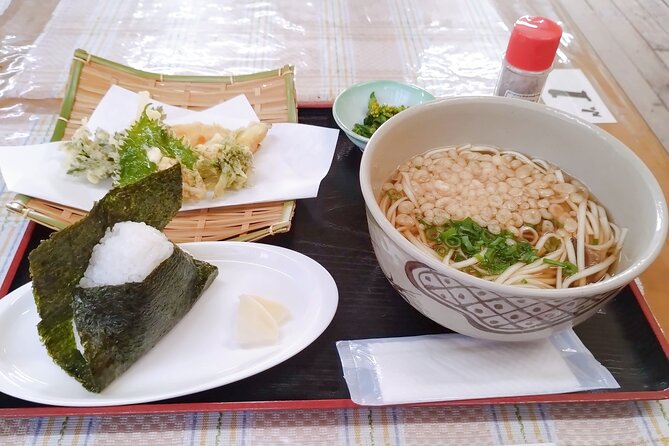
Lunch is one of the best reasons to choose this tour. At Ainosato Herb Garden, you stop for a meal at a restaurant that serves fresh, locally grown vegetables and edible flowers. The tour notes that the food is grown free of harmful pesticide use, which is the kind of detail that makes lunch feel more purposeful than a rushed break.
Even the menu choice by season is worth noting. From December to March, the tour switches to a sushi lunch at a farm house. That’s a nice way to match the experience to what’s available and typical in that season, rather than running the same plan year-round.
About timing: the stop is about an hour, so it’s not a long sit-down. You’ll get enough time to eat and reset without losing momentum for the final village stop.
One thing to keep your budget clear: lunch costs aren’t listed as included in the price details you’re given. The herb garden lunch is typically 900–1,250 JPY per person, and the winter sushi option is 2,000 JPY per person. The tour still feels like value because the e-bike, guide, helmet, and insurance are covered, but you should plan for the meal.
Stop 4: Oasa and the slow pace of old streets
Oasa is the finish line and also the heart of why you’ll want to be here. The tour describes Oasa’s main street as a place that used to be busy but is now quiet and unhurried. You’ll see old buildings that reflect earlier prosperity, plus a handful of shops that are still operating.
This is the moment when the ride turns into a simple stroll with context. After the more active countryside segments, Oasa gives you a chance to slow down and watch how a small town functions. You get the contrast: farming rhythms in the villages, then the calmer street-life feeling in town.
If you’re the kind of traveler who likes places beyond the top landmarks, Oasa should click quickly. The best part is that the town is not performing for tourists. That’s what makes the guide’s explanations useful here—without context, quiet streets can look like just… quiet streets.
Price and what it really buys you
The price is $85.39 per person for about 4 hours of guided e-bike cycling. That’s not a cheap “snack tour,” but it’s also not hard to justify once you look at what’s included:
- Use of bicycle and a helmet
- Guide fee
- Accident insurance coverage
- Multiple water refill stations along the route
And you’re working with a small group (max 8), so you’re not paying only for distance—you’re paying for time and attention.
What costs extra is mostly transportation to the start area and the lunch you eat. The tour notes that highway bus fare between Hiroshima and Oasa is an additional cost (3,560 JPY round trip). Lunch adds another layer: herb garden meals or the farm-house sushi option.
So the value math looks like this: you’re paying for the guided e-bike experience and the safety net (insurance, helmet, guide), while keeping lunch and regional transportation as flexible add-ons. If you were planning to eat lunch anyway, the remaining question becomes how much you value local context and having the bike do the hard work.
Logistics that matter: getting to Oasa and staying comfortable
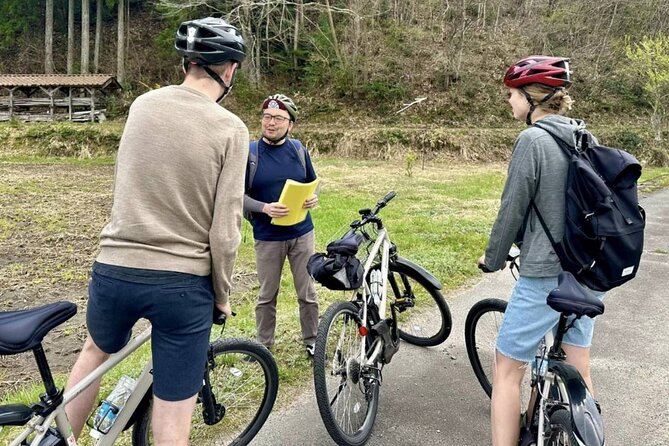
The tour meets at Oasa I.C. Bus Stop (address area: 2310 Shinjō, Kitahiroshima, Yamagata District, Hiroshima 731-2103, Japan). It also ends back at the meeting point. Start time is 10:00 am.
If you’re coming from central Hiroshima, plan for the extra highway bus ride noted above. That’s the part that can change your total spending, depending on where you’re staying and how you prefer to travel.
What to bring is easy:
- Bring your own water bottle so you can use the refill stations.
- Wear something you can bike in, with shoes that work on uneven surfaces.
- A little rain planning helps. On rainy days, guide Jonah has been known to bring a poncho for at least some guests, which suggests the team pays attention to comfort.
Also, be ready for the fact that the tour needs good weather. If conditions are too rough, you’ll be offered a different date or a full refund—so don’t treat it as an ironclad “any weather at all” plan.
Who this tour fits best (and who should skip it)
This fits best if you want:
- Authentic countryside without the hassle of driving
- Active sightseeing that’s still manageable thanks to e-bike assist
- A guided explanation of local life, not just scenery passing by
- A group day that stays small enough for real questions
You should think twice if you:
- Are not comfortable riding independently on a bicycle, even with an e-bike
- Don’t meet the 140 cm minimum height
- Prefer fully sedentary sightseeing
If you’re a couple, a solo traveler who likes small-group energy, or a family with older kids who can meet the biking requirement, this kind of route can be a sweet spot: it’s lively, but not punishing.
Should you book this Hiroshima countryside cycling tour?
Yes, if you want a day that feels like you left the tourist loop behind. The biggest reason to book is the combination of electric-assisted hills, a small group, and stop-by-stop context in rural areas like Kakeyama, Doitaya, and Oasa. Add a lunch break at Ainosato Herb Garden (or sushi in winter), and you get a full cycle of ride, learn, eat, and wander.
If you hate hills or want zero effort at all, you may find it too active. If rain is your biggest fear, you’ll want to keep an eye on conditions because this tour is geared for good weather. But if you’re flexible and open to a real small-town pace, this is a strong value day trip from Hiroshima.
FAQ
FAQ
How long is the Hiroshima Country Cycling: Explore Rural Life 1 HR from City tour?
It runs for approximately 4 hours.
Where does the tour start and end?
The meeting point is Oasa I.C. Bus Stop in Hiroshima, and the tour ends back at the same meeting point.
What lunch options are offered on this tour?
Lunch is at the Ainosato Herb Garden, and from December to March the lunch option changes to sushi at a farm house.
Is the lunch included in the tour price?
Lunch isn’t listed as included in the provided price details. The herb garden lunch is listed at 900–1,250 JPY per person, and the sushi lunch option is listed at 2,000 JPY per person.
What’s included with the tour?
Included items are bicycle use, helmet, guide fee, accident insurance coverage, and multiple water refill stations along the route.
Do I need a certain fitness level or height to join?
You should have a moderate physical fitness level, you must be able to ride the bike on your own, and there is a minimum height requirement of 140 cm.
What happens if the weather is bad?
The tour requires good weather. If it’s canceled due to poor weather, you’ll be offered a different date or a full refund.