REVIEW · KYOTO
Kyoto: Higashiyama Slow Cycling Tour along the quiet waterfront
Book on Viator →Operated by BROMPTON SLOW CYCLING TOURS · Bookable on Viator
Kyoto looks different at bike speed. This Higashiyama slow cycling tour takes you along calm waterside paths and through temple lanes without the rush, and you get a simple, fun way to cover about 12 km in roughly four hours. I like that it’s built for an unhurried pace, so the places you came for still feel like places you can actually enjoy.
Two things I’d put near the top of the list: the BROMPTON bicycles themselves (stylish, comfy for city riding), and the navigator’s local eye for what’s worth your attention. At this pace, you’re not just moving—you’re learning how Kyoto’s water-shaped geography connects the river routes, the canals, and the shrine-and-temple areas.
One thing to consider: this is moderate-pace cycling, so you’ll want to feel comfortable riding for stretches at a steady effort. Also, it runs only in good weather, since it’s an outdoor ride.
In This Review
- Quick hits: what makes this tour special
- Why Higashiyama by bike feels calmer than hopping buses
- The route in plain terms: four hours, about 12 km
- Stop-by-stop: what you’ll see and what to watch for
- Stop 1: Kamogawa River — Kyoto’s water running through town
- Stop 2: Shimogamo Jinja — a UNESCO shrine with forest light
- Stop 3: Philosopher’s Walk — the canal path where people slow down
- Stop 4: Nanzen-ji Temple — big temple energy, with a paid admission option
- Stop 5: Nanzenji Suirokaku — the brick aqueduct you can’t ignore
- Stop 6: Keage Incline — industrial heritage with a classic seasonal feel
- Stop 7: Kyoto Gyoen National Garden — imperial grounds with space to breathe
- The bikes and gear: you’re set up to ride, not to troubleshoot
- The value math: $129 buys time, guidance, and equipment
- Who this fits best (and when you might choose differently)
- Practical tips to make the most of the day
- Should you book the Kyoto Higashiyama slow cycling tour?
- FAQ
- How long is the Higashiyama slow cycling tour?
- How far do I cycle?
- What is the price per person?
- Where does the tour start and what time does it begin?
- Is the bicycle rental included?
- Do I need to pay for temple or shrine admissions during the tour?
- Is insurance included in the tour price?
- Does the tour provide snacks?
- What happens if the weather is bad?
Quick hits: what makes this tour special
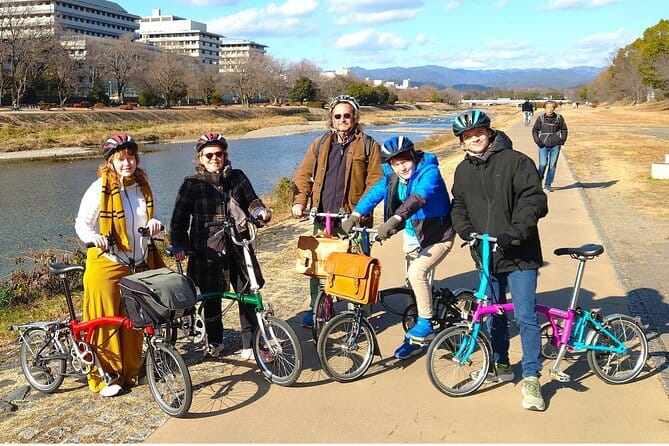
- BROMPTON bikes and basic gear included, so you can show up light
- A true slow-ride rhythm along Kyoto’s river and canal edges, not a sprint-style sightseeing loop
- Six stops that cover major contrasts: river nature, UNESCO shrine grounds, temple icons, and an industrial heritage incline
- Photo-friendly pacing, with time built in rather than squeeze-and-go timing
- Small group size (up to 6), which helps your guide keep things relaxed and flexible
Why Higashiyama by bike feels calmer than hopping buses
Kyoto can be a lot—especially around the most famous temple areas. This tour’s big advantage is that it uses slow cycling to change your tempo. Instead of waiting, crowding, and rushing between points, you glide through side streets and waterside routes where the city feels quieter and more lived-in.
The route centers on Kyoto’s water—starting with the Kamogawa River and continuing through waterside corridors connected to the Higashiyama area. That matters because Kyoto’s best viewpoints aren’t only on major roads. Many of the most interesting angles show up along banks, canals, and paths that a car can’t easily reach and a foot tour can’t cover in time.
You also get a guide who knows how to move you through the area. The tour is designed so you can access places that are tough to reach by yourself in the same amount of time. And since the pace is easy, you’re free to look at details—stone gates, aqueduct shapes, and the way temple gardens relate to their surroundings.
You can also read our reviews of more tours and experiences in Kyoto.
The route in plain terms: four hours, about 12 km
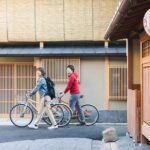
You’re on the bike for an easygoing circuit that takes you through seven key stops. The total distance is listed at about 12 km, and the tour runs around 4 hours. That makes it a smart “between bigger activities” choice. It’s long enough to feel like you went somewhere, but not so long that you’re exhausted before dinner.
The tour starts and ends at Demachiyanagi Station (10:00 am). You’ll ride with provided equipment and a navigator fee is included, so your planning focus can stay on the day rather than logistics.
One helpful detail: the course can be arranged according to your wishes. Even within a set route, that flexibility can be the difference between a good day and a great one—especially if you want more time photographing, or you’d rather linger near a garden feature.
Stop-by-stop: what you’ll see and what to watch for
This is a tour where the timing makes sense: short pauses at viewpoints and longer visits where you’ll want to slow down.
Stop 1: Kamogawa River — Kyoto’s water running through town
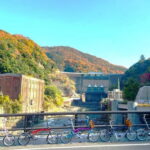
You begin at the Kamogawa River, a central Kyoto waterway that gives you a natural feel for the city right away. Expect this to be a breather stop—about 15 minutes—where you can get oriented and start noticing how riverside paths shape movement.
What I’d watch for here is how the river acts like a spine for the area. Even if you don’t know Kyoto well yet, you’ll feel the logic of the route as you cycle onward.
Stop 2: Shimogamo Jinja — a UNESCO shrine with forest light
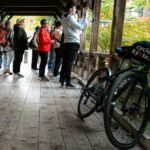
Next up is Shimogamo Jinja, a UNESCO World Heritage Site. It’s listed for about 45 minutes, and that time matters. Shrines here aren’t just about buildings; they’re about space—approach paths, tree shade, and that calm feeling that comes from stepping into a quieter world.
The tour notes the Tadasunomori forest and sunlight filtering through the trees. In practical terms, this is the kind of stop where a slow bike tour pays off: you’re not trying to sprint through sacred grounds. You can actually look up, notice the atmosphere, and take photos without rushing everyone.
Admission here is free, so you’re not juggling ticket costs while you ride.
Stop 3: Philosopher’s Walk — the canal path where people slow down
Then comes the Philosopher’s Walk (also called the Philosophy Path). It’s along the Lake Biwa Canal at the foot of Mount Higashiyama, and it’s known because philosophers once strolled there for contemplation.
You’ll get about 30 minutes. That’s a good length for this kind of famous path: long enough to take in the canal-side rhythm, short enough that you keep momentum. If you’re the type who likes to walk a bit and take photos, this stop will feel like a satisfying break mid-ride.
Admission is listed as free.
Stop 4: Nanzen-ji Temple — big temple energy, with a paid admission option
Now you hit one of Kyoto’s heavyweight temple names: Nanzen-ji Temple, listed for about 30 minutes. The tour description flags its Sanmon Gate, which appears in kabuki plays, and it highlights that it’s the most prestigious of all Rinzai temples in Japan.
Here’s the catch: admission is not included. So even though the tour gives you time, you’ll want to plan for that extra cost if you want to enter the temple grounds.
This is also where you’ll see why some riders prefer a guide. Kyoto temple areas are easy to admire from the outside, but it’s harder to know where to focus once you’re inside. A navigator helps you get the most out of a limited time window.
Stop 5: Nanzenji Suirokaku — the brick aqueduct you can’t ignore
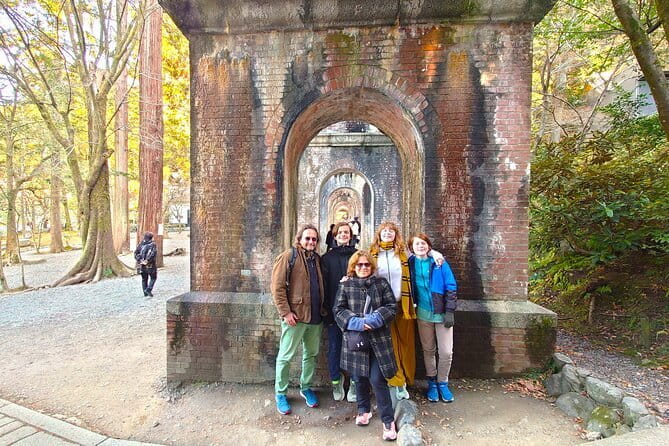
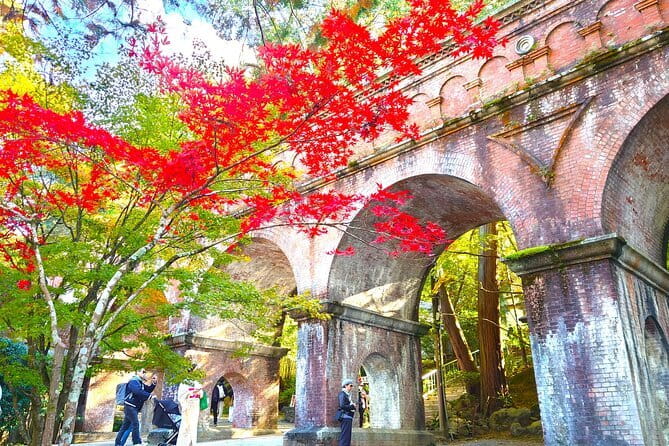
Right after Nanzen-ji comes Nanzenji Suirokaku, the brick aqueduct of the Lake Biwa River system. You’re given about 30 minutes, and admission is free.
This stop is a smart contrast to the temple. It’s not just pretty—it’s historical infrastructure. The tour notes that it played a major role in the modernization of Kyoto in the Meiji era and is still in use today.
What to look for: aqueducts are easier to appreciate when you can slow down and see how the structure lines up from different angles. The bike pace helps you get those angles without the stress of a long, solo detour.
Stop 6: Keage Incline — industrial heritage with a classic seasonal feel
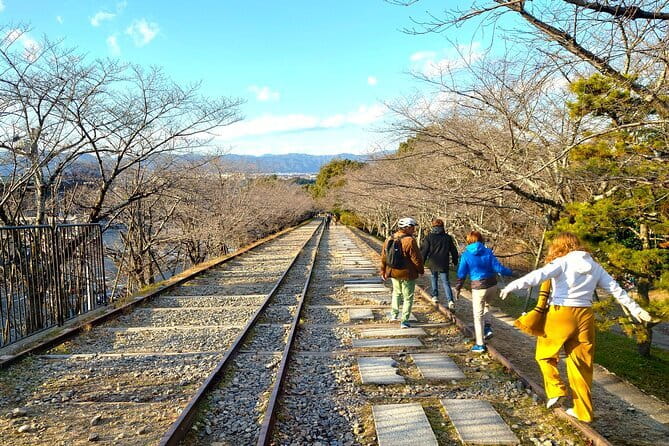
Next is Keage Incline, an incline railway preserved as industrial heritage. You’ll also get about 30 minutes, and admission is free.
The tour info also mentions the incline railway being a sightseeing spot lined with cherry blossom trees. Even if you aren’t riding during blossoms, the concept holds: this is one of those Kyoto places where old technology and everyday scenery intersect, and it looks great in photos from multiple viewpoints.
If you like odd-but-fascinating Kyoto details, this is the stop that can become a highlight.
Stop 7: Kyoto Gyoen National Garden — imperial grounds with space to breathe
Finally, you ride to Kyoto Gyoen National Garden, where the Kyoto Imperial Palace used to be the emperor’s residence until the mid-19th century. You’ll have about 1 hour, which is the longest stop on the route.
Admission is listed as free, so you can slow down without worrying about ticket timing. This stop works well at the end because it gives you open space after the denser temple and shrine areas. It’s also a nice way to bring everything together: water-shaped streets and spiritual districts now connect to palace grounds and the idea of power and order in Kyoto’s city planning.
The bikes and gear: you’re set up to ride, not to troubleshoot
This tour takes care of the stuff that can ruin a day if you have to handle it yourself. You’re provided with bicycle equipment, including helmets and bags for wheeled transport, plus the bicycle rental fee and the navigator fee are included.
That matters because it keeps the tour focused. You’re not hunting for the right bike size, worrying about where to store items, or trying to figure out gear at the last minute. Since the tour is about an easy ride, friction kills the mood. Here, the friction is handled for you.
You’ll also have the chance to take photos with the BROMPTON bike. That detail sounds small, but it changes how you move through the stops. It’s permission to pause and frame shots, rather than just snapping while walking fast.
The value math: $129 buys time, guidance, and equipment
At $129 per person, you’re paying for more than a bicycle rental. What you’re getting includes:
- bicycle rental fee
- exclusive navigator fee
- riding equipment (helmets, bags for wheeled transport, etc.)
- a route that strings together major Kyoto sights across about 12 km
You also get a small-group experience with a maximum of 6 people. In practice, that tends to mean less crowding, more time at the stops you care about, and smoother adjustments if you want extra minutes somewhere.
There are two potential extra costs to be aware of. The tour data lists an insurance fee of 500 yen (not included), and Nanzen-ji Temple admission is not included. Snacks aren’t included either, but your navigator can suggest restaurants for lunch based on what you prefer.
So is it good value? For a four-hour ride with bike + gear + a navigator handling routing, it’s a fair package—especially if you’d otherwise need to pay for bike rental and spend extra time planning how to connect waterside paths with temple areas efficiently.
Who this fits best (and when you might choose differently)
This is described as slow cycling and it’s recommended for people with moderate physical fitness. That’s a helpful signal. You don’t need to be an athlete, but you should be comfortable riding long enough to cover about 12 km at an easy rhythm.
It’s also a great fit if you like:
- getting off major roads and onto quieter streets and paths
- mixing nature and temples in one outing
- taking photos at a relaxed pace
- learning context as you go (the tour is framed as a history and culture learning experience)
If you want a high-adrenaline ride, this is not that. If you want a calm, guided, photo-friendly Kyoto sampler with a locals-first route, it’s exactly that.
Practical tips to make the most of the day
A few small choices can make your tour smoother:
- Go in with the mindset that slow cycling means you’ll stop and look. Give your eyes time.
- Use the built-in timing to your advantage: river and canal stops are shorter, while Kyoto Gyoen gets the longest pause.
- Remember that Nanzen-ji admission is not included, so plan for that if you want to enter fully.
- Since it’s weather-dependent, if conditions are rough, expect the operator to reschedule or refund rather than push ahead in bad conditions.
Should you book the Kyoto Higashiyama slow cycling tour?
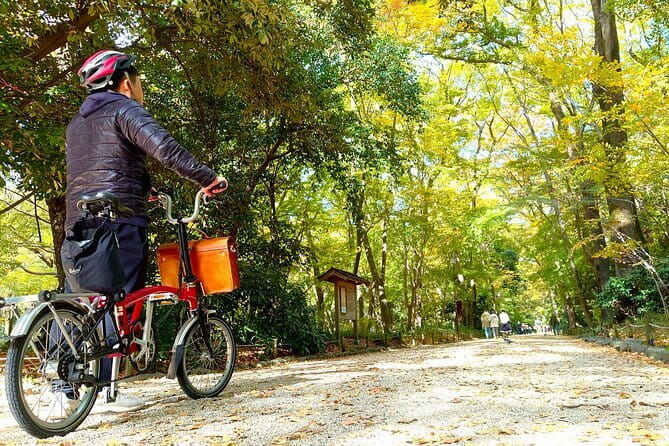
I’d book this if you want Kyoto without the stress. The big win is the pace: slow cycling along the quiet waterfront turns major sights into something you can actually absorb. Add in the BROMPTON setup, included equipment, and a navigator who helps you connect river, canal, shrines, and temple landmarks, and you get a day that feels efficient without feeling rushed.
Skip it if you’re looking for a workout or you know you’ll be uncomfortable riding for stretches. Also, if you’re traveling during a period where weather is reliably bad, you’ll want backup plans—because the tour requires good weather.
If your goal is a calm, guided ride through Higashiyama and Kyoto’s water-linked beauty, this is a strong pick.
FAQ
How long is the Higashiyama slow cycling tour?
The tour runs for about 4 hours.
How far do I cycle?
The distance is listed as approximately 12 km.
What is the price per person?
The price is $129.00 per person.
Where does the tour start and what time does it begin?
It starts at Demachiyanagi Station at 10:00 am and ends back at the meeting point.
Is the bicycle rental included?
Yes. The bicycle rental fee is included, along with riding equipment such as helmets and bags for wheeled transport.
Do I need to pay for temple or shrine admissions during the tour?
Most stops list admission as free, but Nanzen-ji Temple admission is not included.
Is insurance included in the tour price?
No. The insurance fee is listed as 500 yen and is not included.
Does the tour provide snacks?
Snacks are not included. The accompanying navigator can suggest restaurants for lunch based on your wishes.
What happens if the weather is bad?
The experience requires good weather. If it’s canceled due to poor weather, you’ll be offered a different date or a full refund.