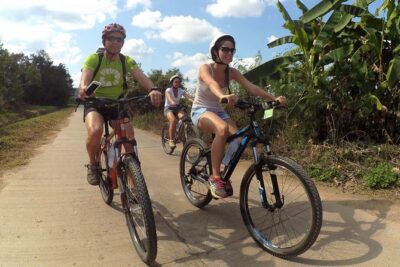
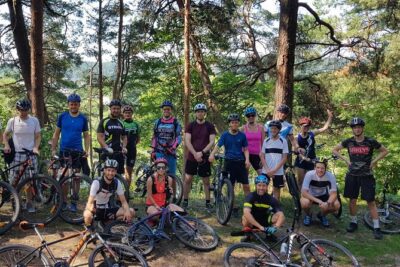
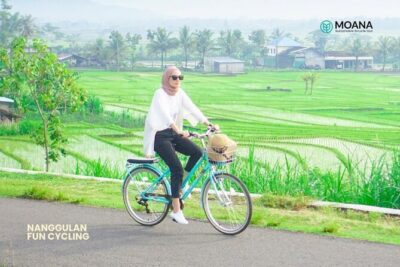
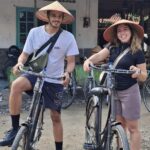
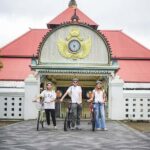
Yogyakarta has a way of surprising you once you leave the main roads. This 3-hour bicycle tour uses a simple plan—easy riding (11 km, mostly flat) plus smart cultural stops—so you get a different side of Jogja fast. I like the fact that you ride out toward Kalicode’s riverside areas and you’re guided through places you’d likely miss on a normal sightseeing loop.
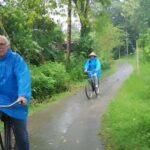
The second thing I really like is the people part: you’re led by a road captain in a blue jacket (Alfat/Alpha shows up in past tour feedback) who explains what you’re seeing in English and Indonesian. One possible drawback: this is light, city-flat cycling, but it still involves riding for 3 hours, so it may not suit everyone—especially if you have back issues or are pregnant.
In This Review
- Key points to know before you pedal
- A 3-hour, flat 11 km ride that feels truly local
- Meeting the tour: Moana Bike Tour and your blue-jacket captain
- Kalicode riverside cycling: where the city turns rural
- Temples, old palace areas, and sultanate-linked stops
- The Chinese temple and palace context that makes everything click
- Local refreshments: the small stops that make it feel worth it
- Visit local industry and see the city’s working side
- The guide’s role: how stories and writing add context
- Included extras: eco string bag and mangrove planting charity
- Price and value: why $46 is reasonable for a guided short ride
- Who should book this tour, and who should skip it
- Timing: 3 hours in the real world
- Should you book Explore The Hidden Gems of Jogja?
- FAQ
- How long is the cycling tour?
- How far will I cycle?
- Where do I meet the tour?
- What languages are offered?
- What’s included in the price?
- Is it suitable for everyone?
Key points to know before you pedal
- Flat route, short distance: 11 km total, designed to keep the pace comfortable for a quick cultural outing.
- Kalicode riverside focus: you’ll spend real time in a rural-feeling stretch along the water, not just inside tourist zones.
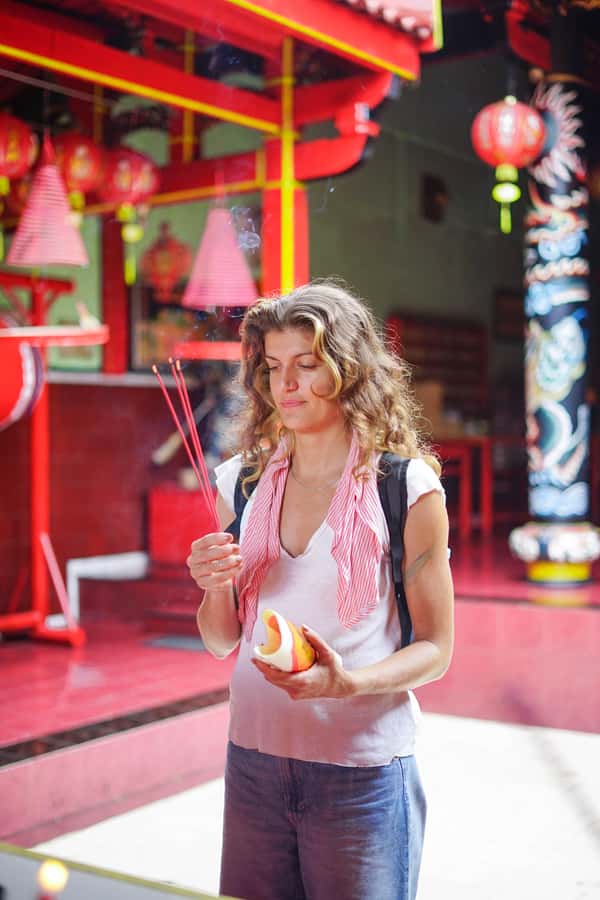
- Heritage beyond the guidebook: temples, an old palace area, and mentions of sultanate-linked places and a Chinese temple stop.
- Local food and drinks on the way: you stop for signature refreshments so you taste local life, not just landmarks.
- A guide who connects dots: English + Indonesian interpretation helps you understand everyday Javanese culture and writing.
- Sustainability touchpoint: your tour includes a mangrove planting charity element plus an eco string bag.
A 3-hour, flat 11 km ride that feels truly local
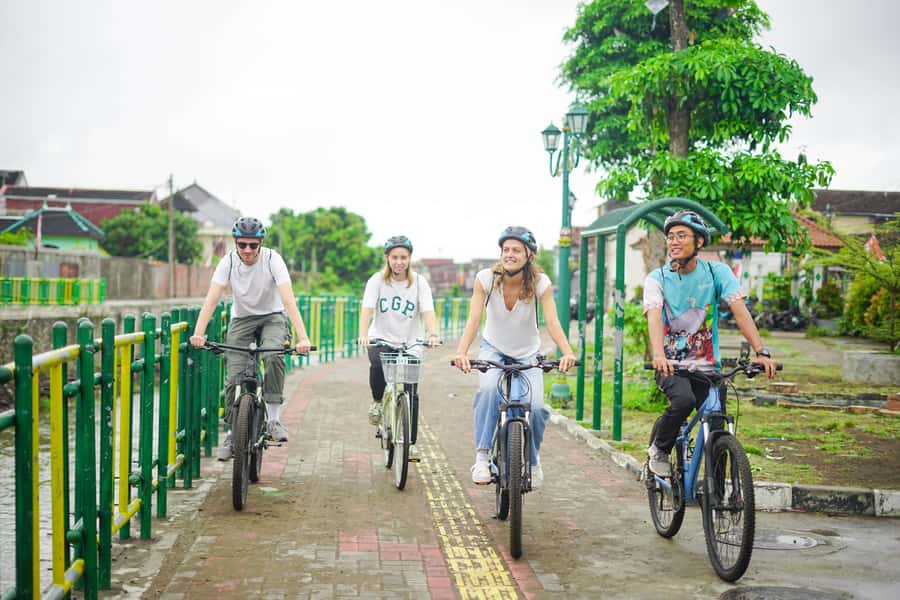
If you only have a few hours in Yogyakarta, this style of tour works because it trades “endless walking” for short cycling loops. You’ll cover 11 km on a route that’s described as flat and designed for the kind of stop-and-start sightseeing that makes city visits more human. And because the ride is short, you’re less exhausted when you reach the heritage sites and local industry stop.
Another big value is how the tour’s focus shifts from monuments to daily life. Instead of treating the city like a photo set, you’re guided through areas that feel like where people live and work—especially around the Kalicode riverside stretch. That matters because Yogyakarta’s culture isn’t only in temples; it’s in conversations, food habits, and the way stories get told through local writing and community knowledge.
The pacing is also ideal if you want variety without committing a full day. In one ride, you’ll move through rural-feeling roads, heritage pockets, and food stops—so your time doesn’t vanish into transport transfers and long waits.
You can also read our reviews of more tours and experiences in Yogyakarta.


Meeting the tour: Moana Bike Tour and your blue-jacket captain
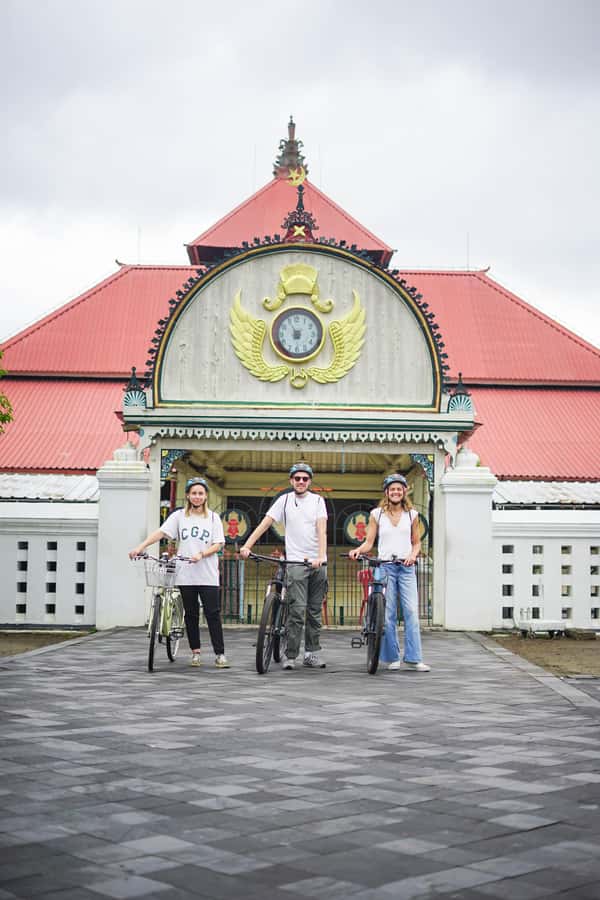
Logistics here are simple, which I appreciate. You meet outside the fence where there’s a Moana Bike Tour sign, and you’ll look for the road captain wearing a blue jacket. The tour ends back at the same meeting point, so you’re not stuck figuring out a new drop-off area.
This matters more than it sounds. When a bike tour has a clear start/end point, you can plan your day around it without stress. You also know you won’t have to coordinate a separate ride back through traffic after you’re done.
Also note the tour is run with a live guide in English and Indonesian. If you’re trying to understand more than just the outlines of sights, that language support makes the difference between seeing objects and learning how people interpret them.
Kalicode riverside cycling: where the city turns rural
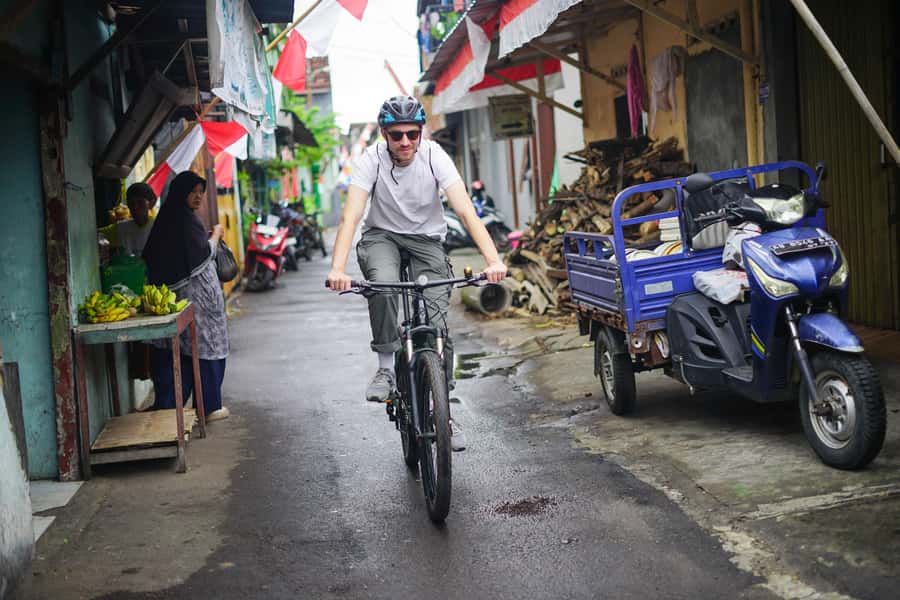
One of the strongest parts of the experience is the way it uses the bicycle to reach a different rhythm of Yogyakarta. You cycle along the riverside of Kalicode, and the description points to a diverse rural area where you can watch everyday life unfold at street level—quiet work, local movement, and the kind of atmosphere you don’t usually get when you stay within main tourist corridors.
What I like about a riverside segment is that it naturally gives you time to slow down. Even though you’re on a bike, the ride format lets you absorb surroundings while the guide sets context. You’re not just passing by; you’re being pointed toward what to notice.
A flat route helps here. When you’re not fighting hills, you can keep your attention on conversations and details the captain mentions—like how communities connect to traditions, and how local cultural knowledge gets expressed in daily settings.
Temples, old palace areas, and sultanate-linked stops
The cultural payoff comes through the variety of heritage stops. The tour includes unusual heritage sites such as temples, an old palace area, and hidden sultanate-linked places that you won’t find in the same way in a standard checklist.
From the way the experience is described, you should expect heritage stops that feel connected rather than random. A temple stop isn’t just a structure; it’s presented as part of how Javanese culture and belief systems shaped community life. Similarly, the mention of a Chinese temple stop (and sultan-linked palace areas) signals that this ride is treating Jogja as a layered city, shaped by more than one cultural thread.
Here’s the practical angle: heritage sites are easier to enjoy when you’re not trying to squeeze them between buses and long walks. Bike-based touring gives you a more direct path and a natural “arrival” feeling at each stop. Just bring a mindset that this isn’t a museum lecture—it’s a walk-up-and-look, guided by stories.
Possible drawback to keep in mind: heritage on a short tour means you’ll see multiple places, but you won’t have hours at any single one. If you want deep reading time in one specific site, this format might feel fast. It’s designed for breadth and cultural orientation, not marathon studying.
The Chinese temple and palace context that makes everything click
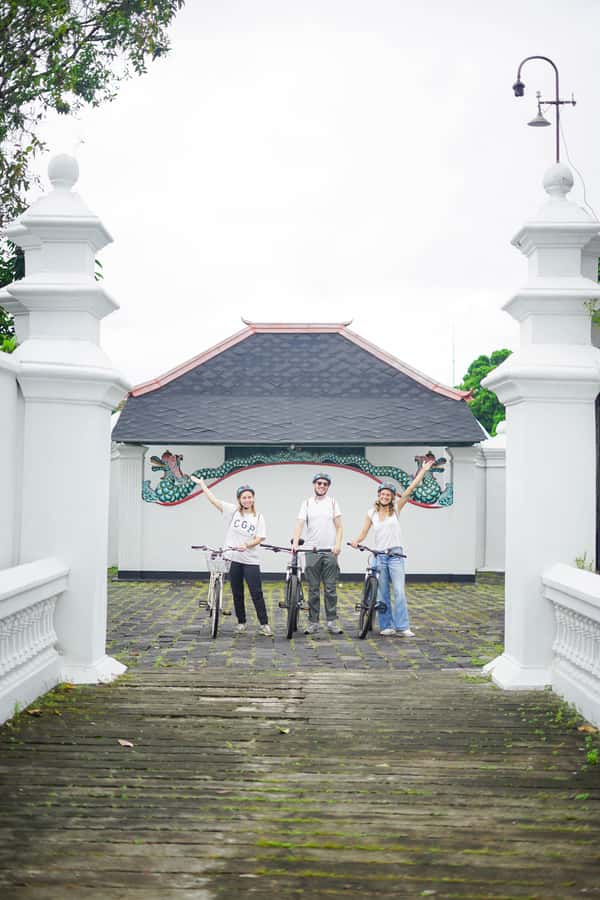
Some of the most praised moments (based on guide feedback) are tied to how the road captain connects specific sites with the broader cultural picture. Stops are described as including a Chinese temple and the sultan’s palace area, with explanations that cover local contexts like kampongs (neighborhood communities) and cultural writings.
If you like to understand what you’re looking at, this is the part that can transform your whole trip. A temple or palace gate is interesting on its own. But when a guide ties it to how locals think, write, and remember stories, the site becomes a clue—not just a photo.
I also like that the guide isn’t only pointing at objects. The tour format includes conversation and explanation. You’re learning as you ride, which makes the heritage stops feel less like isolated checkpoints and more like chapters in a single story.

Local refreshments: the small stops that make it feel worth it
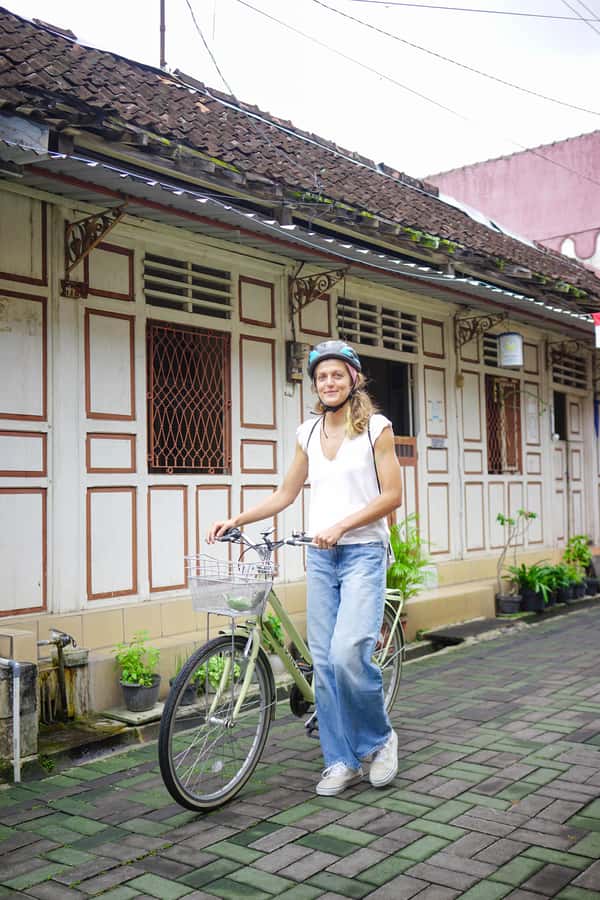
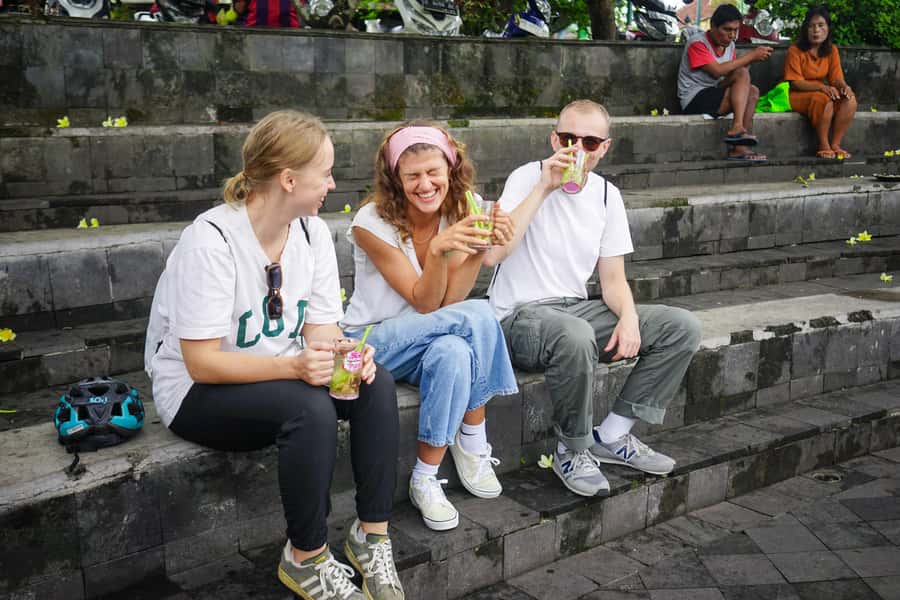
This tour includes stops to try local signature refreshments, plus snack and drinks included in the package. That sounds like a small add-on until you realize what it does for the experience: food and drink turns a guided route into lived culture.
In practice, you’ll get breaks where you can recharge, chat a bit, and let the guide explain what you’re eating and why it matters. These tasting moments also help you slow down at the right time. After a bit of cycling, a quick drink and snack makes the rest of the ride more comfortable.
It’s also one of the easiest ways to remember the trip later. Photos fade. Food stays in your memory because it’s sensory and specific.
Visit local industry and see the city’s working side
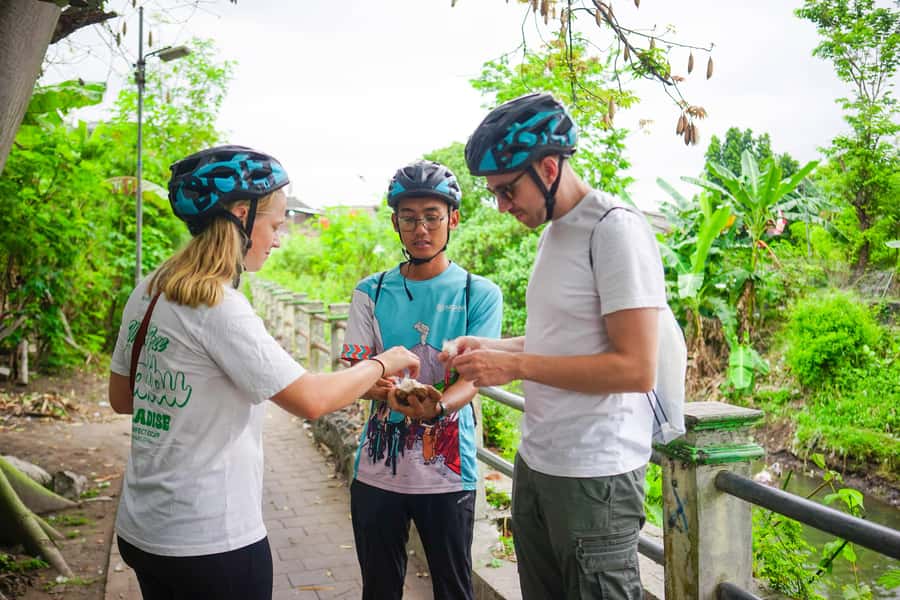
One included element is a visit to local industry. The tour also describes engaging with friendly locals and learning about Javanese culture. Even if you’re not getting a formal factory-style tour, this kind of stop is valuable because it changes the story from only historical monuments to present-day life.
This is where the bike tour format really works. On foot, industry areas can feel hard to access in a short time. By bike, the route can connect you to places that are practical to reach and still meaningful to visit.
If you’re the kind of traveler who likes understanding how a place functions beyond its top attractions, this portion is a good fit. It’s also a reminder that culture isn’t only what’s preserved—it’s what continues.
The guide’s role: how stories and writing add context
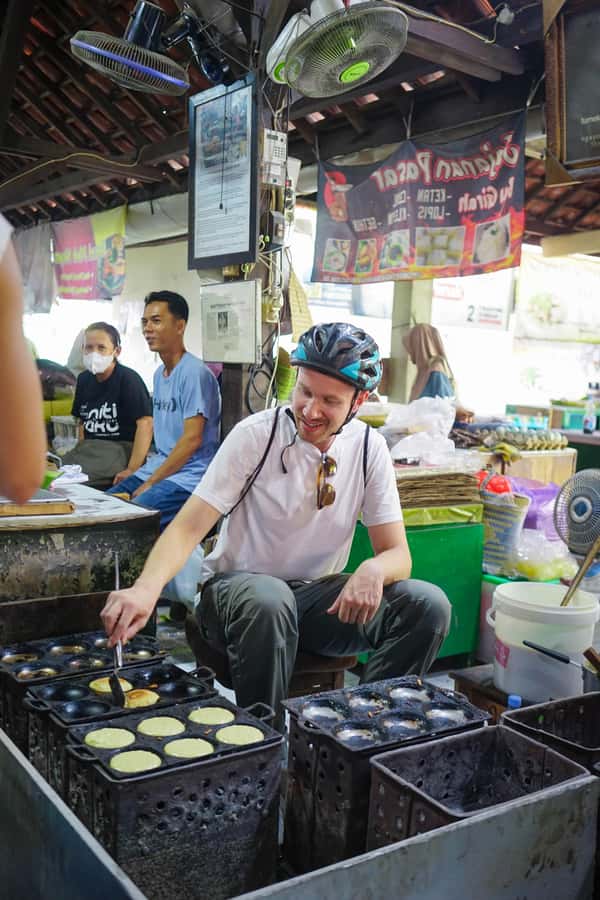
The road captain is a central part of the value here. The tour promises learning about Javanese culture and writings as you go, and the feedback names a guide (Alfat/Alpha) as excellent, knowledgeable, and entertaining—especially for explaining kampongs and heritage sites like the Chinese temple and palace areas.
I’d translate that into a simple travel benefit: you’ll be less confused walking away. Instead of seeing a string of places, you’ll understand connections—between community life and heritage, and between what you see and what it symbolizes.
And since the guide works in English and Indonesian, you’re not stuck hoping you’ll catch bits of information on your own. If you’re traveling with friends who prefer different learning styles, this kind of guided explanation tends to satisfy both “I want facts” and “I want the human story.”
Included extras: eco string bag and mangrove planting charity
This tour doesn’t just hand you a bike and a route. It includes an eco string bag, which is a practical souvenir you can actually use. It also includes a mangrove planting charity element, which adds a feel-good layer to the experience.
Are these extras the reason to book? Not by themselves. But they do add meaning. They make the tour feel like it’s trying to contribute, not just take photos and move on.
Price and value: why $46 is reasonable for a guided short ride
At $46 per person, you’re paying for more than the bicycle. You’re paying for a guided cultural route, live interpretation in English/Indonesian, bike support, included refreshments, and at least one local industry visit. You’re also paying for the time and expertise needed to choose a route that hits multiple heritage categories without burning your day.
In short: for a half-day time window, it’s a fairly efficient deal. You’re not only seeing sights—you’re getting an explanation for what those sights represent in local culture and daily life. For many people, that guided context is what makes the difference between a good trip and a memorable one.
You may feel the price more if you prefer self-guided exploring. If you’re comfortable navigating on your own and you mainly want photos, you could probably spend less independently. But if you want Javanese culture explained and you have limited time, this cost-to-time ratio tends to make sense.
Who should book this tour, and who should skip it
This bike tour is a solid match if:
- You want to cover a lot of ground in a short window without intense cycling.
- You like guided storytelling more than solo site-hopping.
- You want a local-feeling route around Kalicode and heritage sites like temples and palace areas.
- You’re interested in culture lessons, including Javanese culture and writing.
It’s not suitable for:
- Pregnant women
- People with back problems
And a practical caution: the tour is described as flat, but it still involves riding and stopping. If you have limited mobility or you’re unsure about your endurance, ask before booking or plan for a slower pace at stops.
Timing: 3 hours in the real world
The tour duration is listed as 3 hours, with starting times varying by availability. That flexibility matters if you’re trying to fit it between meals or other day plans.
If you’re planning a tight schedule, treat this like a focused block. After 3 hours of bike riding and cultural stops, you’ll likely want a simple, low-effort rest of your day—especially if you stack it with museum visits later.
Should you book Explore The Hidden Gems of Jogja?
Book it if you want an efficient way to understand Yogyakarta’s culture in a short time—especially if you’re excited by the idea of Kalicode riverside cycling plus guided stops at temples, palace-linked areas, and a Chinese temple context. The biggest strength is the guide-driven storytelling, and the fact that you also get food/drinks and a visit to local industry.
Skip it or think twice if you dislike cycling for several hours even on a flat route, or if you fall into the stated non-suitable categories (pregnant or back problems). Also, if you want deep, slow time in just one heritage site, this fast-and-varied structure may feel too packed.
If you’re aiming for a well-timed cultural orientation ride, this is a strong contender.
FAQ
How long is the cycling tour?
The tour runs for about 3 hours. Starting times vary, so you’ll want to check availability for the exact departure.
How far will I cycle?
You’ll cycle about 11 km. The route is described as flat and passes through less central city areas.
Where do I meet the tour?
Meet outside the fence by the Moana Bike Tour sign. The road captain will be wearing a blue jacket.
What languages are offered?
The live guide speaks English and Indonesian.
What’s included in the price?
Included items are the bike, refreshment snack and drinks, an eco string bag, local experience, a visit to local industry, and a mangrove planting charity component.
Is it suitable for everyone?
It is not suitable for pregnant women or for people with back problems.