Kyoto’s shogun-era streets are best seen slowly on a bike. This tour links Kinkakuji, Toji-in, and Nijo Castle in one relaxed ride, with a guide who brings the past to life. I especially like the easy downhill feel (it suits a wide range of riders), and I like that you get admission tickets included at every main stop. One thing to consider: it runs in rain, so you’ll want to be comfortable riding in wet weather, even though rain options are built in.
Guides like Seiya, Makoto, Nozomi, and Yutaka Kaneda are repeatedly praised for clear English and for making history practical, not like a lecture. That matters in Kyoto, where details get lost fast if you’re just snapping photos and moving on. If you hate temples/pauses and want nonstop street-scene action, this may feel like too many quiet moments in between bike time.
Small tip: this is a private tour for your group, not a solo-friendly thing—so plan your number of people around that.
In This Review
- Key reasons this Kyoto shogun cycling tour works
- Pedal Into Shogun Kyoto: What This Easy Ride Really Feels Like
- Kinkakuji Golden Pavilion Gardens: Gold Where Government Once Sat
- Toji-in and Wabi-Sabi Calm: Tea House Moments Without the Rush
- Nijo Castle Fortifications: Seeing the End of an Era in Carved Wood and Stone
- How the Bike Tour Works (Without Stress): Timing, Gear, and Road Reality
- Price and Value Check: What $153.50 Really Buys You
- Who Should Book This Shogun Cycling Tour—and Who Should Skip It
- Should You Book This Tour?
- FAQ
- How long is the Kyoto Shogun Cycling Tour?
- Is this tour private or shared?
- What’s included in the price?
- What is not included?
- What stops are included?
- Does the tour run in rain?
- Where do I meet the guide and where does the tour end?
- How many people can join per guide?
- Can a solo traveler book?
- Are there age or height requirements for children?
Key reasons this Kyoto shogun cycling tour works
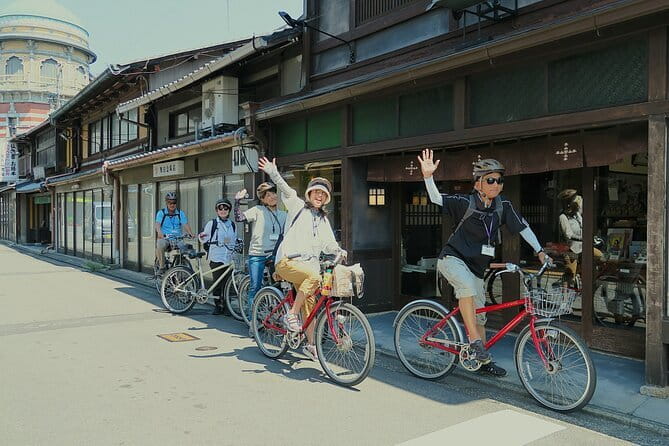
- Easy downhill riding that keeps the energy friendly for most people who can handle basic road cycling.
- Admission tickets included at Kinkakuji, Toji-in, and Nijo Castle, so you’re not hunting for entry lines later.
- Guides with strong English, including Seiya and Makoto, who can explain what you’re actually looking at.
- Real temple atmosphere, where you spend real time inside and in the gardens, not just a quick walk-by.
- Rain-ready planning with rainwear included and a switch option to a walking tour using public transport.
Pedal Into Shogun Kyoto: What This Easy Ride Really Feels Like
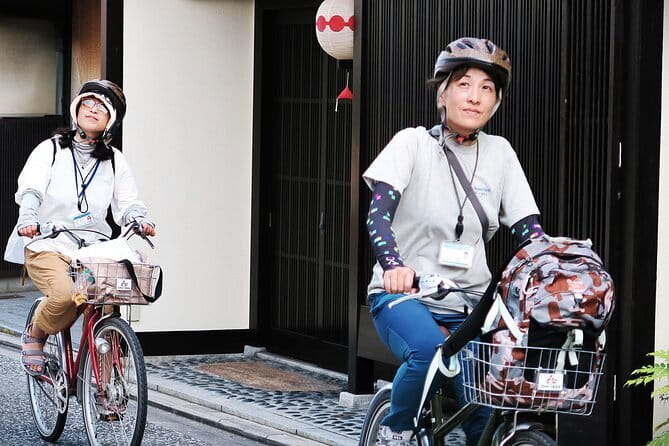
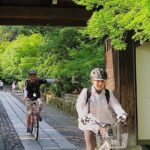
This is the kind of Kyoto tour I recommend when you want movement without chaos. The ride is described as an easy downhill route suitable for everyone, which is a big deal in a city where walking can feel endless if you’re hopping between major sights.
You’ll feel the rhythm right away: bike time for getting between neighborhoods, then enough stop time to actually see what makes each place special. The tour runs about 3 hours 30 minutes, and the pacing is built around three long-ish viewing blocks rather than lots of tiny photo stops.
You’ll also notice the tour is designed to be private for your group. That means less waiting around and fewer awkward moments trying to keep up with strangers. It’s also limited in group size: up to 6 guests per guide, with an extra guide possible for larger groups. If you’ve ever had a small group get stretched thin on a sightseeing scramble, this setup helps.
Gear is part of the deal too: you get a bicycle, a helmet, and rainwear. That’s not just “nice”—it removes a layer of stress when you’re dealing with Kyoto weather.
You can also read our reviews of more tours and experiences in Kyoto.
Kinkakuji Golden Pavilion Gardens: Gold Where Government Once Sat
Kinkakuji, the Golden Pavilion, is the first stop for a reason: it’s the biggest visual hit, and it sets the shogun context early. You’ll visit with your guide and walk through the gardens surrounding the temple building, with about 1 hour on site and the admission ticket included.
What I like about starting here is how quickly it clarifies the theme of the day. The pavilion isn’t just a pretty landmark. It was once tied to the Ashikaga Shoguns, and that “center of government” background helps you look past the gold color and notice the layout, the formality, and the way the gardens frame the main structure.
If you’re the type who enjoys details, this stop rewards you. Even without a deep background in Japanese history, a good guide can point out what to watch for: how the gardens guide your sightlines, and how the surroundings change the mood from one corner to another.
A possible drawback: Kinkakuji is naturally a popular place. If you’re sensitive to crowds, you’ll want to pay attention to timing and your guide’s pace so you don’t feel stuck watching other people’s shoulders.
Toji-in and Wabi-Sabi Calm: Tea House Moments Without the Rush
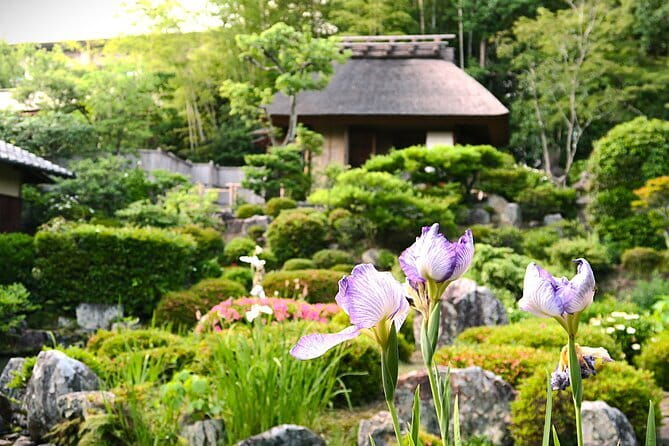
Then the tour turns down the volume—quiet temple time. Toji-in is next, and you’ll spend about 1 hour inside and around the temple areas with admission included. This stop focuses on stillness: you’ll tour the interiors and time is set aside for the garden and the quaint tea house.
Toji-in is described as a place where the Ashikaga are resting, and it’s also tied to a Japanese aesthetic called wabi-sabi, which leans toward simplicity and quiet beauty. That’s a great match for cyclists, because after pedaling through city streets, your brain needs a slower channel.
Here’s what makes this stop worthwhile: the tour doesn’t just park you at a gate. You get a moment in the temple hall—where Zen masters once contemplated the world. You’re not going to time-travel, obviously, but the pacing makes it feel less like sightseeing and more like being allowed to pause.
Also, the interior visit can be cooler than the outdoor areas in warm weather, so it’s a nice break if Kyoto’s hot that day. If you’re traveling with someone who loves architecture or quiet rituals, this is often the favorite stop.
Nijo Castle Fortifications: Seeing the End of an Era in Carved Wood and Stone
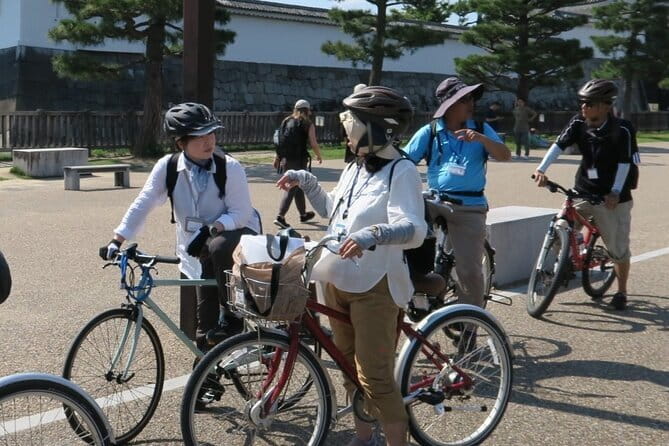
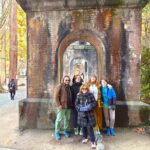
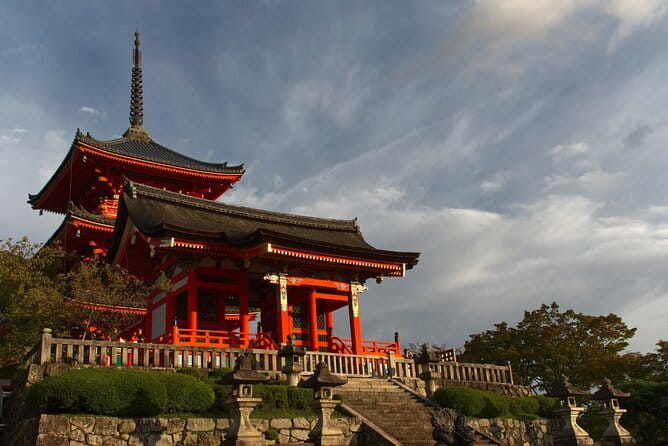
Nijo Castle is where you feel the story turn. It’s presented as the home of the Tokugawa Shogunate in Kyoto, and the castle is described as a fortress and as part of the “beginning of the end” of the shogun era. Expect an hour and a half here, with admission included.
This longer time block matters because castle grounds can’t be rushed. You’ll look at ornamental carvings and magnificent buildings, and with a guide’s explanation, you’ll connect what you see to the bigger picture—how this place wasn’t just for show, but for power, residence, and major historical events.
The practical value for you: when you know what to look for, Nijo Castle becomes more than big walls and pretty roofs. You start noticing details that communicate status—things designed to impress, control movement, or reflect authority.
A consideration here: if you’re expecting a strictly “downhill ride with three photo stops,” Nijo Castle is the heavy hitter. Plan to slow down mentally. This is where you’ll likely take fewer but better photos.
How the Bike Tour Works (Without Stress): Timing, Gear, and Road Reality
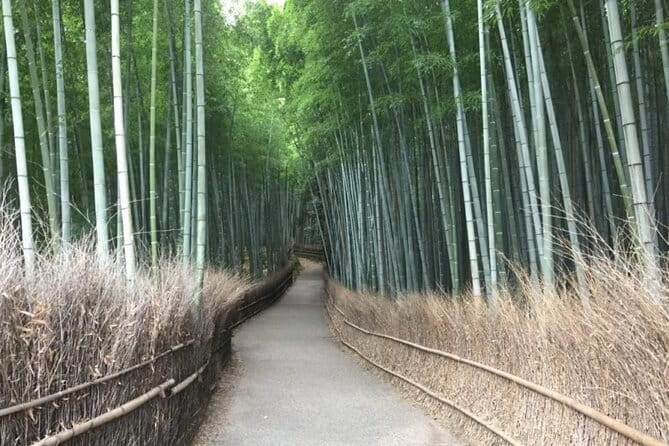
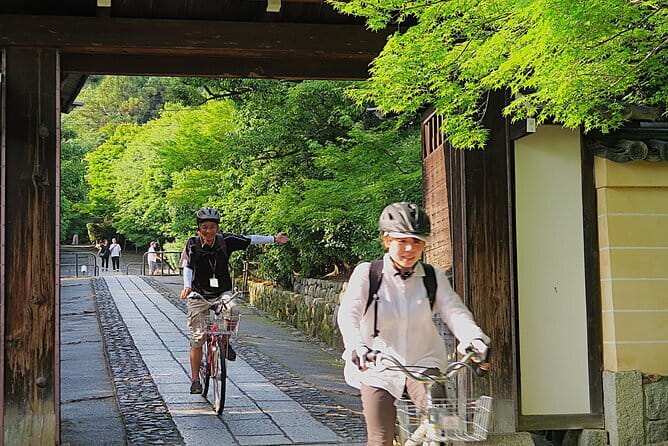
Let’s talk about the part you’ll feel the most: riding comfort. The route is described as an easy downhill path, and it’s set up to be suitable for many riders. You still need basic comfort with cycling on city roads and staying balanced while moving through intersections and short stops.
You’ll get a helmet and rainwear, and since the tour operates in rain, that gear is genuinely useful rather than a checklist item. If it rains, you have choices:
- continue by bike with poncho (free), or
- switch to a walking tour using public transportation (included in the tour fee)
This is one of the smartest ways to handle Kyoto weather. You’re not forced to “tough it out” no matter what happens, and you’re not left scrambling for alternate plans either.
Group size also affects the bike experience. With up to 6 guests per guide, you usually get enough attention to keep the ride smooth. It’s private, so you won’t have someone sprinting ahead and someone else stuck behind while everyone else waits.
One more note: 1 person isn’t accepted for this tour. It’s designed for at least two riders in the group. If you’re a solo traveler, this can still work if you can join as a pair or coordinate with others, but you’ll need to plan that ahead.
Price and Value Check: What $153.50 Really Buys You
At $153.50 per person for about 3.5 hours, the value depends on whether you’d otherwise pay for guide time plus admissions. In this case, you get bicycle use, helmet, rainwear, and admission tickets for all three major stops. That’s a lot of the costly, time-consuming parts handled upfront.
It’s also not just entry fees. You’re paying for interpretation—how to connect a shogun era theme across sites. That turns “three famous places” into a storyline you can remember, especially if your guide is strong in English.
The guides mentioned in past experiences—like Seiya, Yanai-San, Makoto, Nozomi, and Yutaka Kaneda—are repeatedly described as personable and excellent at English. Even without naming every guide you might get, you can treat this as a sign that communication is a focus. In Kyoto, clear guidance can be the difference between walking past meaning and understanding what you’re seeing.
What isn’t included: matcha service. If you want the classic tea break, plan to buy it separately. That way there’s no surprise when you reach for the matcha and realize you’ll be paying out of pocket.
Who Should Book This Shogun Cycling Tour—and Who Should Skip It
This tour is a strong fit if you:
- want an easy ride that still gives you meaningful time at major sights
- like historical context tied to what’s in front of you
- prefer small-group attention and a private setting
- want rain gear and a plan B for wet weather
It’s less ideal if you:
- can’t ride on city roads even at an easy level
- hate temple-style pacing and want nonstop street action
- are traveling solo and can’t make the minimum group structure work
Children must be at least 10 years old and 145 cm or above, and they need to be able to ride a bicycle safely on the road unassisted. So it’s not a “sit behind an adult” kind of tour—it’s real riding.
Should You Book This Tour?
If your Kyoto must-do list includes Kinkakuji and Nijo Castle, and you also want a calmer temple stop that feels different from the big sights, this tour is a solid booking. The biggest reasons to go are simple: the ride is designed to be easy, the stop time is long enough to actually see things, and the admissions are included.
If you’re on a tight schedule and want to avoid stacking tickets, this is efficient without feeling like you’re being rushed. Just be honest with yourself about riding in rain. Even with ponchos, being okay in wet weather is part of the deal.
FAQ
How long is the Kyoto Shogun Cycling Tour?
It runs for about 3 hours 30 minutes.
Is this tour private or shared?
It’s private. Only your group participates.
What’s included in the price?
You get bicycle use, helmet, rainwear, and admission tickets for all stops.
What is not included?
Matcha service is not included.
What stops are included?
Kinkakuji Temple, Toji-in Temple, and Nijo Castle are included.
Does the tour run in rain?
Yes, it operates in rain. You can either ride as usual with the provided rain poncho, or switch to a walking tour using public transportation (included).
Where do I meet the guide and where does the tour end?
The start is at Wara Tenjin mae, Kinugasa Oharaicho, Kita Ward, Kyoto. The tour ends at Kyoto Cycling Tour Project (Kyoto Station Cycle Terminal), Higashiaburanokōjichō, Shimogyo Ward, Kyoto.
How many people can join per guide?
The minimum is 2 and the maximum is 6 guests per guide. For groups of 7–12, an extra guide can be arranged.
Can a solo traveler book?
No. The tour does not accept 1 person participants.
Are there age or height requirements for children?
Yes. Children must be at least 10 years old, 145 cm or above, and able to ride a bicycle safely on the road unassisted. Confirmation is received within 48 hours of booking, subject to availability.