REVIEW · SIEM REAP
Angkor Jungle Biking Adventure Private Cycling Tour
Book on GetYourGuide →Operated by About Cambodia Travel and Tours · Bookable on GetYourGuide
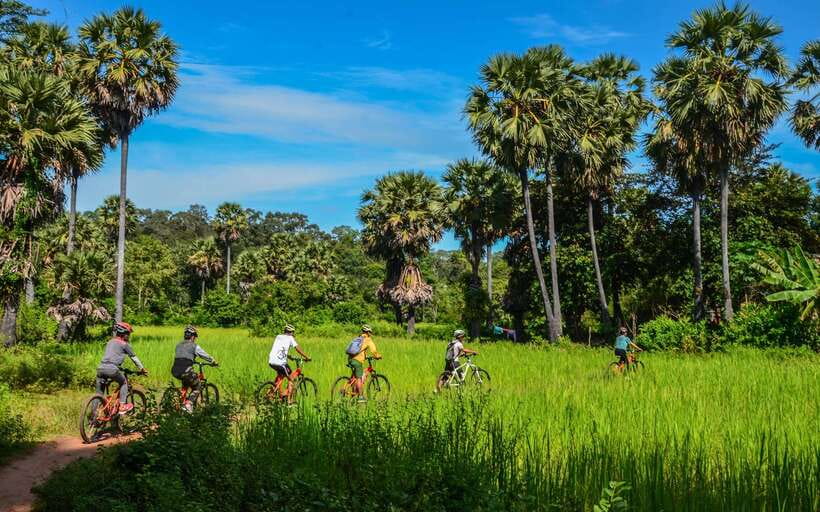
Angkor is usually done by tuk-tuk or on foot, so riding in is a big change of pace. I like the private, English-speaking guide who explains Cambodia’s past with real context, and I really like the mix of famous stops plus jungle-temple detours that feel calmer than the usual crowds. One thing to consider: the route includes dirt and sand sections, so it is not a smooth “city cycling” day.
You start with pickup from your hotel, get fitted with a mountain bike and helmet, and then settle in for an 8-hour loop that comes with plenty of stops for photos and short walks. You also get a short safety briefing early on, so even if you’re new to biking, you should feel guided.
The best part for me is how the day changes your Angkor viewpoint. You see Angkor Wat and Ta Prohm, sure, but you also pedal through places like Ta Nei and off-the-main segments around Angkor Thom, where the greenery and the quiet make the temples feel older than your phone camera can handle.
In This Review
- Key points at a glance
- Why biking Angkor feels different from the usual tuk-tuk loop
- Your day on the bike: pace, distance, and what 8 hours adds up to
- From Siem Reap to the first ruins: riverside roads and Spean Neak
- Angkor Wat, then off the main show: how the guide changes what you notice
- Ta Prohm: crumbling jungle temples and why the bike works here
- Ta Nei and the quiet ruin strategy: seeing Angkor from the edges
- Angkor Thom, Bayon, and the royal zone: gates and face towers
- The French Dam, Prohm Kel, and small stops that break up the day
- Practical stuff that affects comfort: bikes, water, lunch timing, and sand
- Price and value: why $23 can work for an 8-hour temple circuit
- Who should book this tour (and who should skip it)
- Should you book this Angkor Jungle Biking Adventure?
- FAQ
- How long is the Angkor Jungle Biking Adventure tour?
- How far will I cycle?
- Is this tour private or shared?
- What’s included in the price?
- Do I need an Angkor Pass for temple entry?
- Is lunch included?
- What language is the guide?
- Who isn’t this tour suitable for?
Key points at a glance
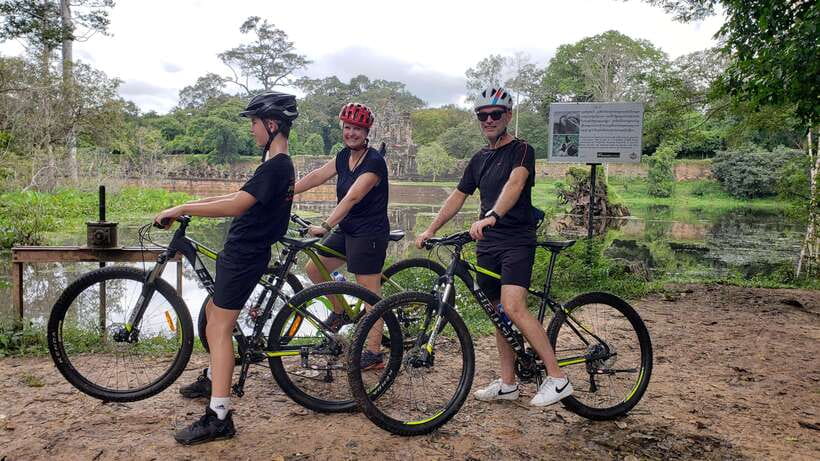
- Private or small-group cycling with an English guide and hotel pickup included
- 25–35 km of biking across temple zones, with photo stops and short walks along the way
- A route built for variety: major highlights plus jungle-hiding ruins
- Mountain bike + helmet + water included, plus an early safety briefing
- Lunch is a planned break at a local spot inside the Angkor area (not listed as included)
Why biking Angkor feels different from the usual tuk-tuk loop
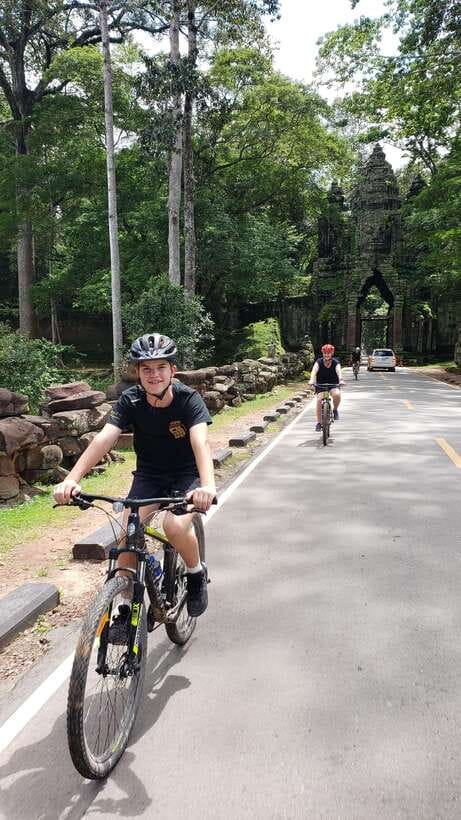
Most Angkor days feel like a schedule: arrive, walk, snap, move on. This one feels more like travel, because the bike keeps you moving at a human pace. You’re not stuck waiting for the next vehicle or crammed into a ride that’s mostly for getting from A to B.
What I like most is how the route uses momentum. Even when you’re stopped for a guided explanation, the earlier riding makes the temples land differently. You reach the next site with a little sweat, a little dust, and the kind of attention that happens when you’re actually doing something, not just chauffeured.
It’s also a smarter way to handle distance. The day covers a lot of ground across Angkor’s main zones and surrounding areas, yet the biking segments break it into manageable chunks.
You can also read our reviews of more tours and experiences in Siem Reap.
Your day on the bike: pace, distance, and what 8 hours adds up to
Plan on 8 hours total, with return to your hotel around 3:30 PM. The active distance is listed as 25–35 km from start to end, so you should treat it as a moderate cycling day rather than a casual cruise.
The itinerary is paced with short photo stops and guided visits. You are not asked to ride nonstop between temples. The stops matter because they give your guide space to talk, and they give you time to get off the bike, stretch, and actually look at the carvings instead of only catching them while passing.
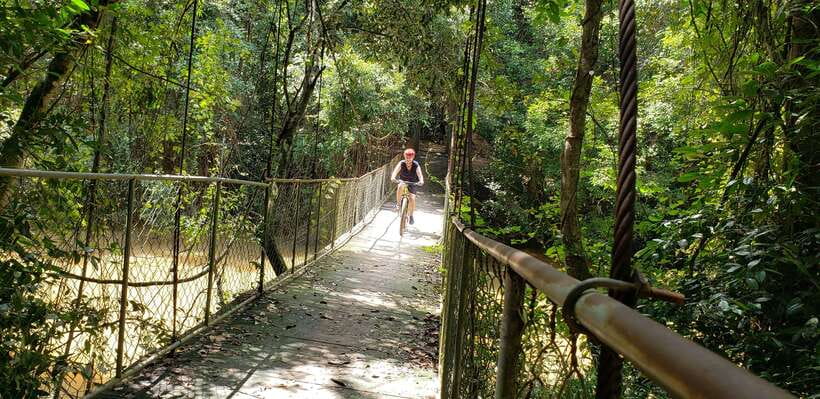
You should also know the ride includes some sandy sections. That’s not a deal-breaker, and it’s part of being outside. Just wear confidence (and comfy shoes), and don’t expect a perfectly paved route the whole time.
From Siem Reap to the first ruins: riverside roads and Spean Neak
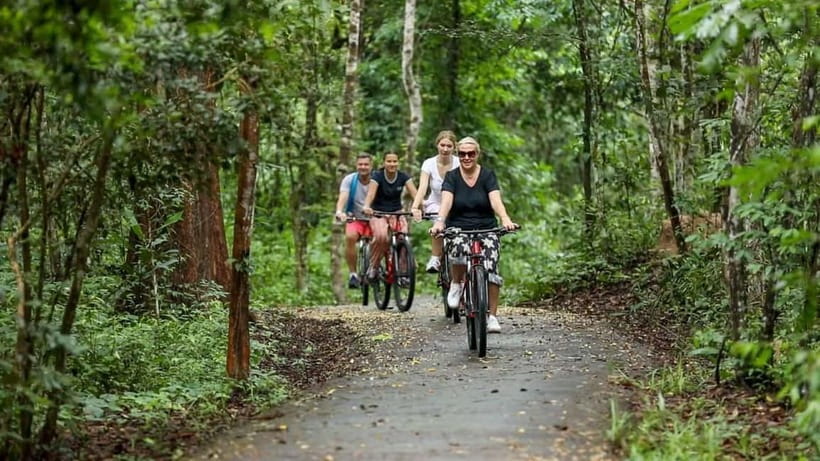
After breakfast at your hotel, you meet your cycling guide at the lobby for a tour intro and bike setup. Then you cycle north east out of town, starting along a riverside road. This early part is useful because it gets your legs warm and helps you see daily life around Siem Reap before the Angkor gates start appearing.
You’ll pass the area for Angkor Park ticket counters as you head into the temple zone region. Then you make an early stop at Spean neak, where you get a guided orientation and a proper safety briefing. That early instruction matters, especially if you’re not used to riding in a mix of surfaces and village roads.
At Spean neak, the day sets its theme: Angkor is not only about the big name temples. It’s also about approach routes, local geography, and how the past sits in today’s countryside.
Angkor Wat, then off the main show: how the guide changes what you notice
Angkor Wat is on the schedule for a reason. You get a long enough window for photo stops, a guided visit, and time to walk. You also have scenic riding sections en route, so you’re seeing the area from both angles: the temple walk itself and the broader approach views.
What makes this feel different is your guide’s storytelling focus. The tour is built around an explanation of Cambodia’s past, shared in a personal, conversational way. Instead of just pointing out shapes, your guide connects what you’re looking at with what came before and why it matters.
After that, the tour shifts from “main attraction energy” into something more relaxed. You continue onward, and the biking turns you toward the greenery—so you’re not only processing architecture, you’re also hearing the sounds of nature and noticing how the vegetation changes the feel of the space.
Ta Prohm: crumbling jungle temples and why the bike works here
Ta Prohm is the “Tomb Raider” temple for many people, and you’ll feel why when you get close. The structure looks like it’s been holding hands with the jungle for centuries, and the light through the branches can make the place feel almost cinematic.
You get a guided visit plus time to walk, and you also have time for photos before heading onward. The key detail here is how your cycling between sites sets up the mood. When you’re riding through the jungle approach, you arrive with your senses already dialed in, so Ta Prohm doesn’t feel like just another stop on a checklist.
This part of the day is also a good test of your comfort level. Since you are on a bike earlier, you should be ready to spend time on foot. Shoes with grip help if paths are dusty or slightly uneven.
Ta Nei and the quiet ruin strategy: seeing Angkor from the edges
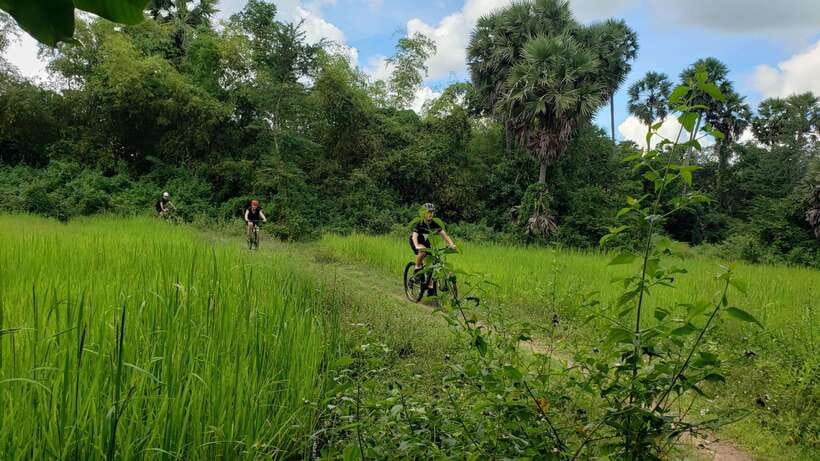
Ta Nei is described as hiding deeply in the jungle, and that’s the best way to think about it. This stop is not about matching Angkor Wat’s fame. It’s about the experience of reaching a quieter temple and seeing it in a more intimate, less performative context.
You get photo and guided exploration, plus bike time between stops. That combination matters: you get a view out from the bike, then you get to slow down when you reach the carvings and structure.
In practice, this is one of the strongest “value for effort” segments of the route. You’re already putting in cycling time, and Ta Nei gives you a payoff that doesn’t feel like you’re only chasing the most obvious names.
Angkor Thom, Bayon, and the royal zone: gates and face towers
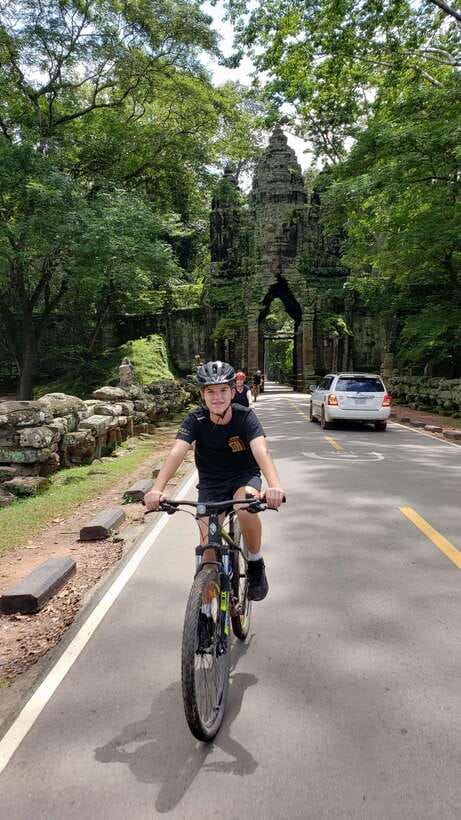
From here, the day leans into Angkor Thom. You ride through the ancient city area, then you hit Bayon Temple, which is one truly unforgettable experience. The stop includes guided visit time, plus time to walk and explore.
The route includes key stops like the Victory Gate and Mur d’enceinte (the surrounding wall area). These are short, but they set context. When you stand at a gate and then later see the temple faces, the city layout makes more sense than it does when you only view temples as isolated icons.
The Terrace of Elephant is also part of the day, introduced as part of the royal palace zone experience. You get a lunch break inside the Angkor Park before the later temple segments, so you can reset before the next set of explorations.
This section is where the bike route really helps. You’re not just entering the city from one angle; you’re approaching it along roads that let you get a feel for scale. That scale is hard to grasp when you’re only looking at temples from one parking drop-off.
The French Dam, Prohm Kel, and small stops that break up the day
A good day tour needs variety, not just big hits. This one includes a stop at the French Dam / ទំនប់ទឹកបារាំង, with a guided component and photo time. It’s a nice change of pace because it shifts away from temple-only focus and toward how water and infrastructure connect to the region’s story.
You also make quick stops like Prohm Kel Temple, which is brief but adds to the sense that Angkor is wider than the postcard list. Then there’s a short stop at Nara Art (and a brief stop at the café listed as ហាងកាហ្វេ ម៉ូយម៉ូយ). These aren’t the main event, but they help break up the rhythm so you don’t feel drained by the end of the day.
And yes, you finish with the ride back toward town after the final temple segment.
Practical stuff that affects comfort: bikes, water, lunch timing, and sand
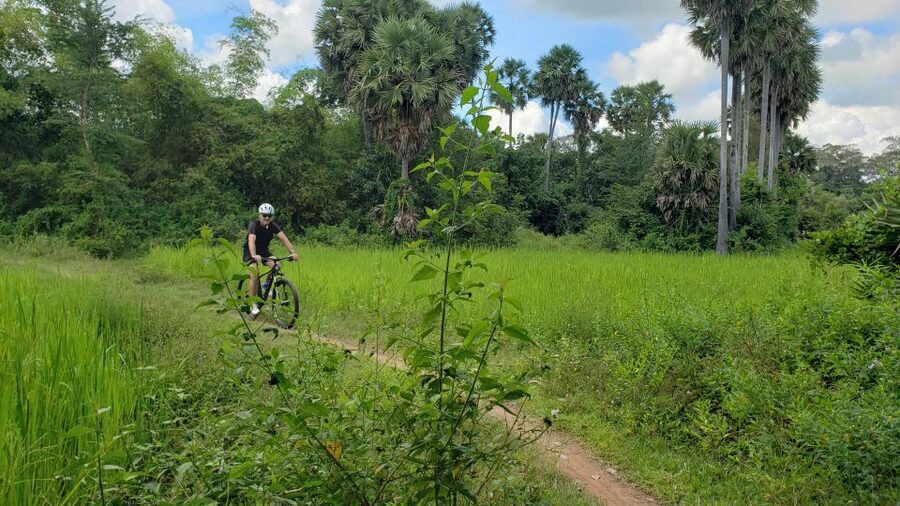
The tour includes a mountain bike and a helmet, plus drinking water. Bike sizes cover children through XXL, and there are tagalong bikes for less confident cycling children. That’s useful if you’re traveling with family, though the tour is listed as not suitable for children under 5.
In terms of comfort, remember the cycling is outdoors and includes dirt and sand. The practical move is to wear closed-toe shoes you’re okay getting dusty. If you’re the type who hates sandy surprises, plan to treat this ride as an adventurous temple day, not a neat promenade.
Lunch is built in as a break at an authentic healthy Khmer food restaurant inside the Angkor Park. The tour price listing does not say lunch is included, so treat it like an extra cost option while you’re there. The upside is that the lunch stop is planned into the day rather than forcing you to search for food mid-ride.
One small but important comfort detail: since you’ll be on the bike for stretches, it helps to bring a light layer or sunscreen, especially if your start time lands on a brighter day.
Price and value: why $23 can work for an 8-hour temple circuit
At $23 per person, the biggest value isn’t just the dollar amount. It’s what you get for that money: hotel pickup and drop-off, an English-speaking licensed guide, bike and helmet, and water. That package covers a lot of the costs that usually add up fast on Angkor tours.
Then there’s the design. The tour doesn’t just do a single temple and call it a day. You cycle between multiple temple zones, including famous anchors like Angkor Wat and Ta Prohm, and also include less-visited stops like Ta Nei and shorter contextual sites such as Mur d’enceinte and the French Dam area.
The only real “gotcha” cost-wise is the Angkor Pass itself. The tour does not include temple entrance tickets. You’ll need an Angkor Pass, and you can purchase it on the morning of the tour at the entrance zone, or via the official Angkor enterprise website.
If you already have your pass ready, this price starts feeling especially fair.
Who should book this tour (and who should skip it)
This tour fits best if you like doing things, not only watching. You’ll enjoy it if you’re comfortable cycling 25–35 km at a moderate level and you don’t mind riding on uneven or sandy ground.
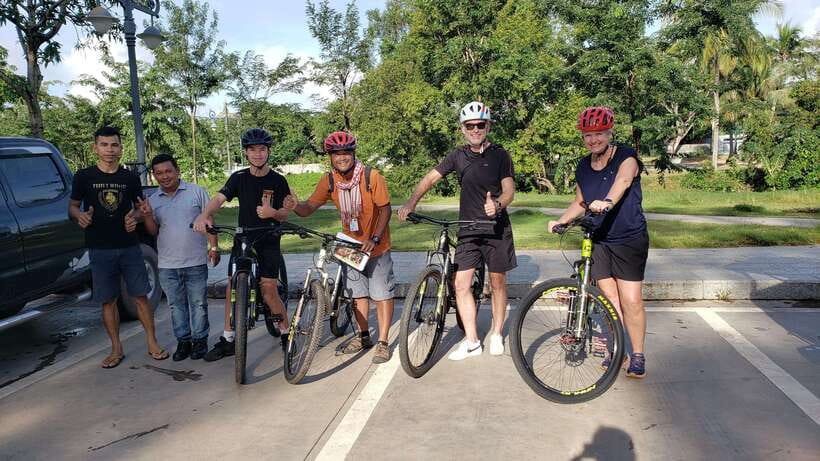
It’s also a good match if you want your guide to explain what you’re seeing. One standout detail: the tour guide Liap is specifically praised for being friendly and for explaining the bike setup and wheels clearly. That kind of practical support makes the whole day feel easier.
Skip it if you’re not up for biking, if you’re traveling with concerns about pregnancy (listed as not suitable for pregnant women), or if your kids are under 5. If you’re unsure about your cycling confidence, ask about the tagalong bikes option before you commit.
Should you book this Angkor Jungle Biking Adventure?
Yes, if you want a day that mixes big temples with quieter jungle energy, and you like the idea of reaching Angkor by bike instead of just arriving by vehicle. The route does a nice job balancing famous stops with lesser-known temples, and the guide-focused storytelling helps you understand what you’re seeing beyond the surface.
Book it early in your Angkor schedule if you’re still building comfort with the temple zone layout. And if you don’t already have an Angkor Pass, plan your morning timing so you can handle tickets without stress.
FAQ
How long is the Angkor Jungle Biking Adventure tour?
The tour duration is listed as 8 hours. Starting times can vary, so check availability for the schedule.
How far will I cycle?
The biking distance is between 25–35 km from the start to the end of the tour.
Is this tour private or shared?
It’s offered as a private or small-group tour.
What’s included in the price?
Included items are hotel pickup and drop-off, an English speaking cycling tour guide, mountain bike and helmet, and drinking water.
Do I need an Angkor Pass for temple entry?
Yes. The tour does not include temple entrance tickets. You’ll need an Angkor Pass, which you can buy upon entry in the morning or through the official Angkor enterprise website.
Is lunch included?
Lunch is a scheduled break at a local Khmer food restaurant inside the Angkor Park, but it is not listed as included in the tour’s included items.
What language is the guide?
The tour guide provides commentary in English.
Who isn’t this tour suitable for?
It’s listed as not suitable for children under 5 years and not suitable for pregnant women.