REVIEW · SIEM REAP
Angkor Jungle Biking Adventure Private Cycling Tour
Book on GetYourGuide →Operated by About Cambodia Travel and Tours · Bookable on GetYourGuide
Pedaling through Angkor beats tuk-tuk every time, and this private 8-hour ride strings together Angkor Wat, jungle temples, and Angkor Thom in a way you feel in your legs. I love the English-speaking guide’s on-the-move storytelling about Cambodia’s past, and I love the 25–35 km route that gets you out of the main crowds while still hitting the big icons.
One possible drawback: it’s not a gentle stroller ride—this is 25–35 km of cycling for 8 hours, and some sections can be sandy, so go in with steady-pace expectations.
In This Review
- Key points to know before you ride
- Why this Angkor tour feels different from the usual
- The ride itself: distance, surface, and how hard it really is
- Getting set up in Siem Reap: bikes, briefing, and an early taste of the area
- Riverside road and community views before Angkor
- Angkor Wat on two wheels: big views, calmer pacing, more context
- Jungle temple transitions: hearing nature, not traffic
- Bayon and Angkor Thom: walls, gates, and those famous stone faces
- Ta Prohm: the Tomb Raider feeling comes from the slow approach
- Ta Nei: the quieter one you remember later
- Short stops that add texture: photo points, gates, and a water-town pause
- Lunch inside the Angkor Park: Khmer food, real break, and pay attention to timing
- The guide and driver: the difference between a good day and a great one
- Value check: $22 for what you actually get
- Who this is perfect for, and who should skip it
- Should you book the Angkor Jungle Biking Adventure?
- FAQ
- How long is the Angkor Jungle Biking Adventure private cycling tour?
- How far do you cycle during the tour?
- Is this tour private?
- What is included in the price?
- Do I need an Angkor Pass?
- Where is the pickup and drop-off?
- What should I know about the bike and child options?
- Is the tour suitable for children under 5 or for pregnant women?
Key points to know before you ride
- Private, English-speaking guide who talks history as you move, not just at temple stops
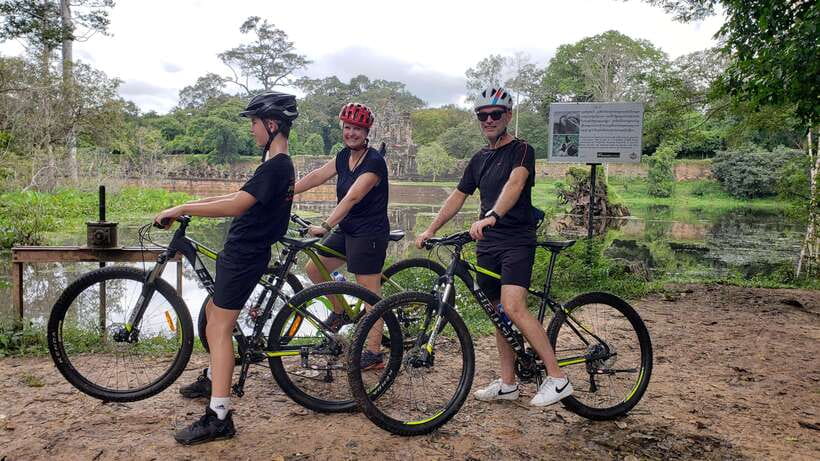
- Mountain bike + helmet with a safety briefing early in the day
- Big temple hits plus jungle detours, including Angkor Wat, Ta Prohm, Ta Nei, and Bayon
- Real cycling distance (25–35 km) with occasional sandy patches, but not overly technical biking
- Hotel pickup and drop-off with a short tuk-tuk ride to get you positioned for the cycling day
- Lunch at a local Khmer restaurant inside the Angkor Park (food quality gets positive notes)
Why this Angkor tour feels different from the usual
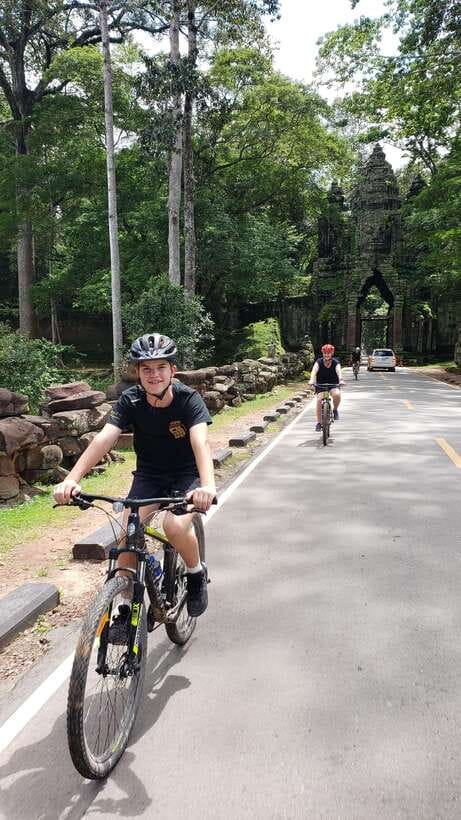
If you’ve only seen Angkor from a tuk-tuk window, this tour changes the viewpoint in a very practical way: you slow down. Your route isn’t about rushing temple photos. It’s about moving through space the way people actually experience it—passing communities, riding along the river road corridor, then slowly transitioning into the temple zone and the greenery beyond.
The big win here is the mix of iconic temples and jungle riding. You still get the must-sees—Angkor Wat and Bayon—but you also get stretches where the sound changes: fewer engines, more birds and leaves, and a path that feels like it’s leading you deeper into the forest rather than straight into a crowd.
And because it’s private (or small-group), you’re not stuck pacing at the speed of whoever is debating one more souvenir shop. You get a route with built-in stops, guided time to look, and cycling time that feels like part of the day—not the annoying commute between sites.
You can also read our reviews of more tours and experiences in Siem Reap.
The ride itself: distance, surface, and how hard it really is
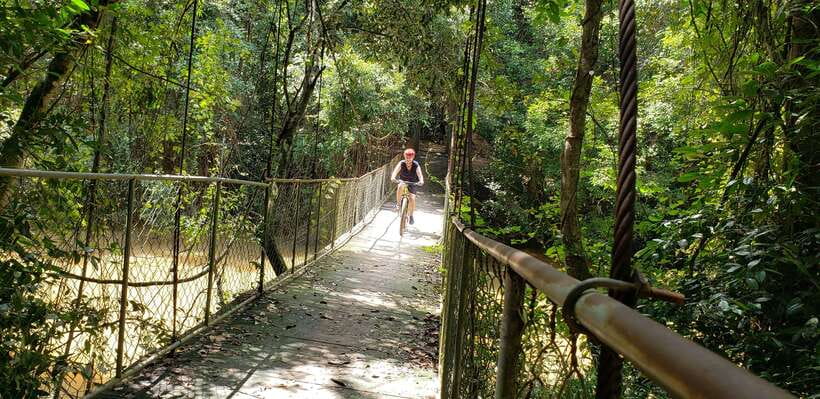
You’ll bike about 25–35 km total over an 8-hour day. That’s long enough to feel it in your legs, but the overall setup is designed to stay manageable.
One helpful detail from past experience with this kind of route: the cycling isn’t described as technical. In other words, you’re not doing mountain-biking stunts. Still, expect sandy spots. That’s normal for this region’s edges between roads and temple paths. It doesn’t mean you can’t do the tour. It just means you should ride with a steady rhythm, keep your momentum when the sand appears, and dress for comfort.
What to wear:
- Comfortable closed-toe shoes with grip (sand is real)
- Sunscreen and a hat you won’t keep adjusting
- Lightweight clothes that can handle humidity
- A small layer in case the morning air feels cooler near the trees
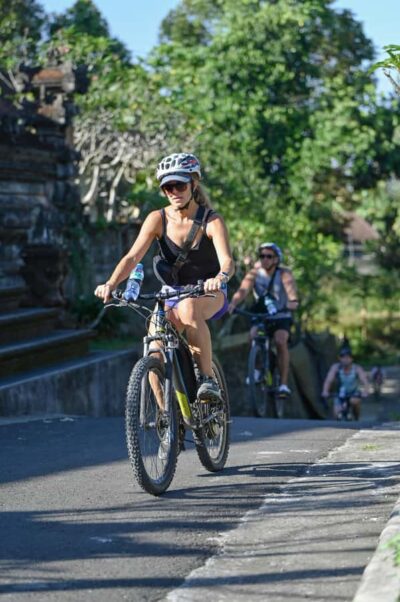
Bike comfort matters here. This tour supplies a mountain bike and helmet, and the gear quality has been praised. If you’re even slightly picky about bike feel, that’s a good sign.
Getting set up in Siem Reap: bikes, briefing, and an early taste of the area
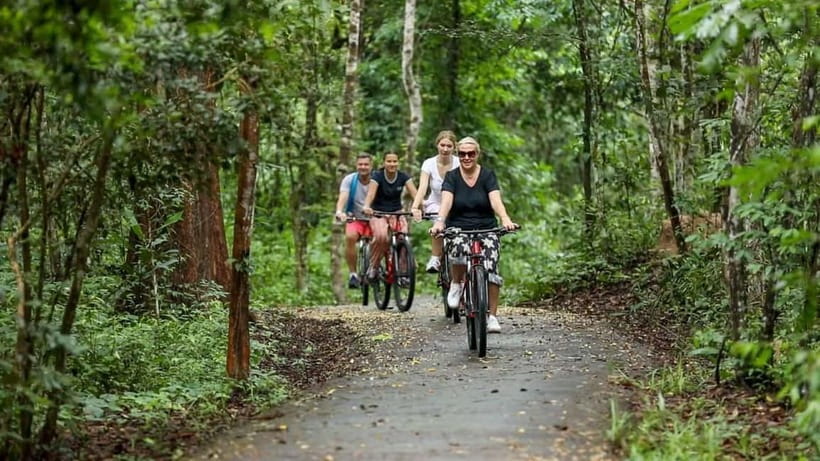
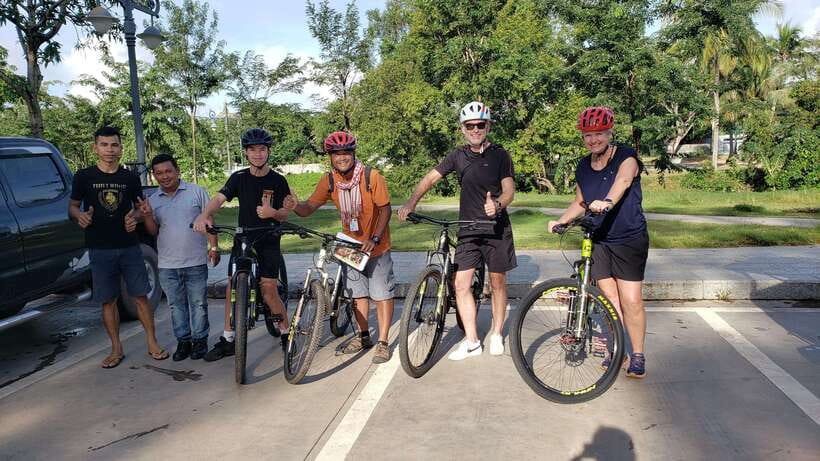
The day starts with breakfast at your hotel, then you meet your cycling guide at the hotel lobby. Expect a quick presentation of the tour and the bike before you head out.
A short tuk-tuk transfer helps you begin at the right spot. That matters for two reasons:
1) You spend more energy on Angkor-day cycling, less energy on getting to the start.
2) You arrive ready rather than bouncing around the city on day-one nerves.
You’ll also get an early safety briefing and guided start. This is one of those “boring but valuable” moments. It sets the tone for the rest of the day: you’ll know how to handle stops, crossings, and temple paths without feeling lost.
Riverside road and community views before Angkor
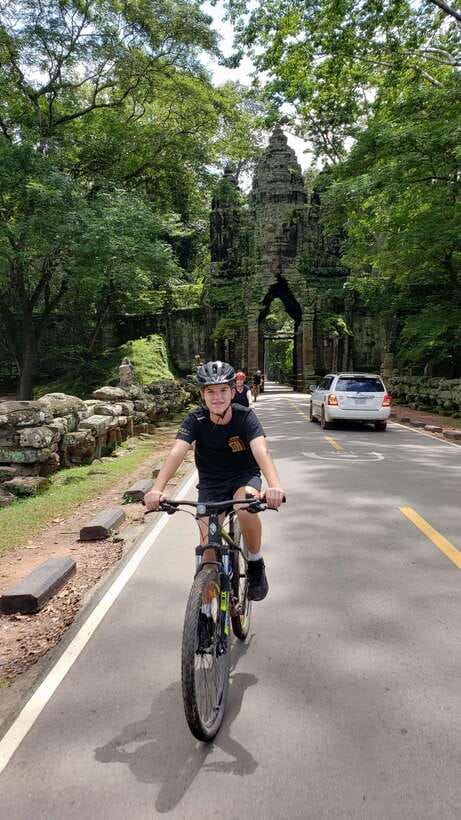
Before you’re surrounded by temple stone, you’ll ride out of Siem Reap toward the Angkor park area, including a segment along the riverside road. This is one of my favorite parts of any Angkor cycling route because it breaks the mental movie you might have in your head.
Instead of going straight from hotel to ticket gate, you see everyday life outside the big-photo zone. You get the sense of place—people moving, roads working, and the landscape transitioning from town rhythm to temple rhythm.
It’s also practical: it helps you get your bearings fast. By the time you reach Angkor’s pass and entry flow, you’re already warmed up and oriented.
Angkor Wat on two wheels: big views, calmer pacing, more context
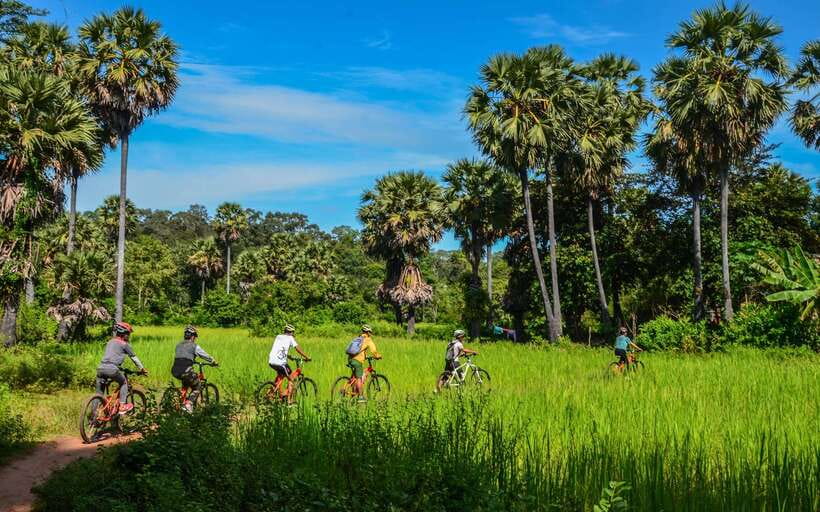
Angkor Wat is the anchor stop, and you’ll spend a substantial chunk of time here—long enough for photos, walking, and a guided visit.
Cycling changes how Angkor Wat hits. On foot from the parking area, you often feel like you’re being swept along by the crowd. On bikes (with guided pauses), you can take your time choosing angles and moving between viewpoints with less friction.
What makes the guide experience stand out is the storytelling. You’re not just seeing architecture; you’re hearing Cambodia’s past threaded into what you’re looking at. That makes the carvings, layouts, and symbolism feel less like a random museum display and more like a message you can start to read.
Practical note: this is still Angkor. Wear sunscreen, hydrate, and plan for temple-walk heat. The bike helps you reposition, but you’ll still be out on temple paths for viewing.
Jungle temple transitions: hearing nature, not traffic
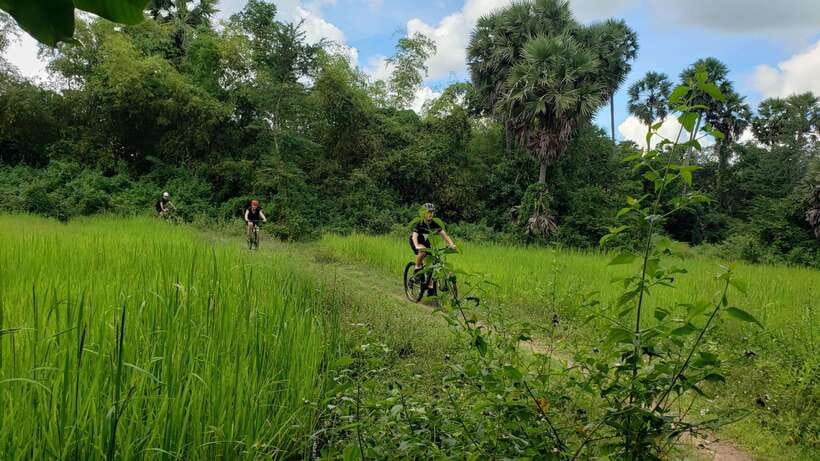
This tour’s middle section is where the day turns from “temple day” into “Angkor jungle ride.”
After Angkor Wat, you cycle through greener sections—closer to the greenery, where you can actually hear the environment more than the road. That shift is surprisingly memorable. It makes the temples feel like they’re emerging from the landscape instead of sitting on a perfectly manicured itinerary.
You’ll also pass through the Angkor area toward the larger ancient city zone, building toward the dramatic stops ahead.
Bayon and Angkor Thom: walls, gates, and those famous stone faces
Once you enter the Angkor Thom area, you’re dealing with an entire old-city footprint, not a single monument. You’ll cycle through key parts of the ancient city experience, with guided stops that make sense of the layout.
Bayon is where the emotion kicks in. Those stone faces are famous for a reason, but what matters is timing and pacing. With a guide and planned stops, you can look long enough to notice details beyond the obvious.
This is also where the tour’s mix of movement and explanation shines. Your guide talks history as you ride and stop, so the city’s walls, gates, and key points aren’t just names. They start to feel like an organized world.
You’ll also include time to explore the Royal Palace area and the Terrace of Elephant during the day’s temple sequence, adding more “big complex” context around Bayon. That’s valuable because Bayon can feel like a standalone icon—this helps you see it as part of a larger royal setting.
Ta Prohm: the Tomb Raider feeling comes from the slow approach
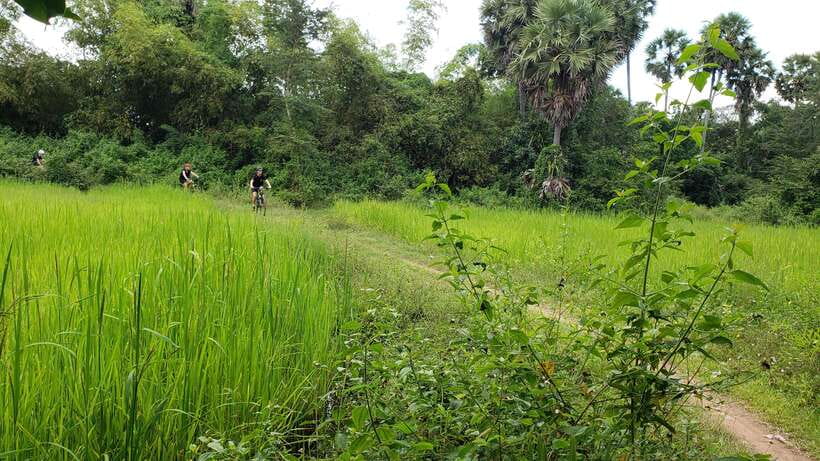
Ta Prohm is the temple most people imagine when they hear the word jungle and ruins together. You’ll spend time here with photo stops, guided exploration, and enough walking to really take in the crumbling stone and the way nature interacts with the structure.
If you like the cinematic vibe of overgrown ruins, this is the stop. The atmosphere is different from the cleaner-feeling temples. You’re seeing the effects of time, not just restoration.
The best part on a cycling day is that you’re not arriving with zero rhythm. You’ve already ridden through greener sections, so when Ta Prohm appears, it feels like a continuation of the jungle theme—not a hard cut back into a “normal temple visit.”
Ta Nei: the quieter one you remember later
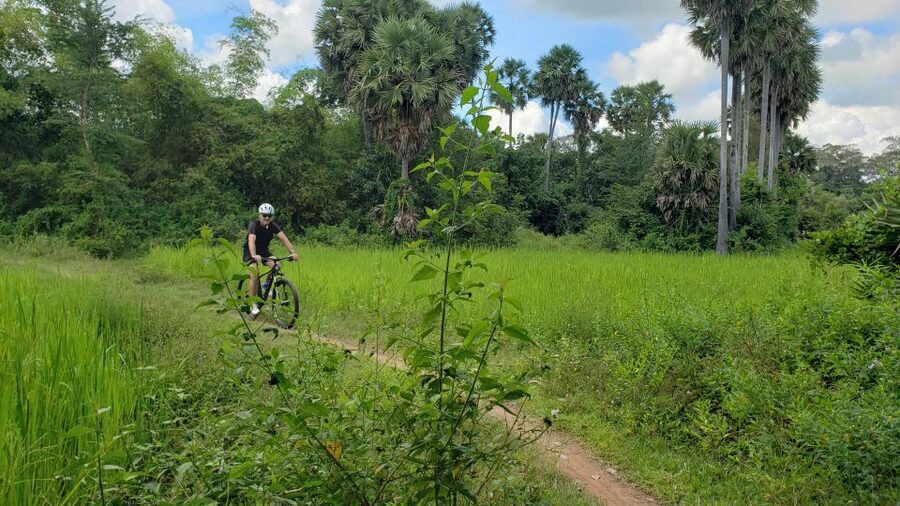
Ta Nei gets your attention in a different way. It’s described as marvelous and hiding deeply in the jungle, and you’ll spend time there with guided context.
This is the kind of stop that often gets rushed on big tour buses. Here, you have time to look slowly and absorb how the temple sits in vegetation rather than fighting it.
If you enjoy contrast—major monuments one moment, quieter corners the next—this stop adds a lot of payoff.
Short stops that add texture: photo points, gates, and a water-town pause
Between the heavy-hitters, you’ll have a set of smaller stops that keep the day varied. Expect photo stops and quick guided looks at places like:
- Mur d’enceinte (a guided photo/visit moment)
- French Dam / ទំនប់ទឹកបារាំង (a guided stop with time for photos)
- Victory Gate (a focused look that helps connect the story of Angkor Thom’s approach)
These aren’t “just passing time” moments. They’re useful because they fill in the connective tissue of Angkor—how people moved, how water shaped the area, and how the city’s entrances framed power and ceremony.
You’ll also have brief hop-off moments for small stops along the way, including a stop at Nara Art and a café stop (ហាងកាហ្វេ ម៉ូយម៉ូយ). Think of these as low-pressure breaks to reset your body and recharge your phone battery.
Lunch inside the Angkor Park: Khmer food, real break, and pay attention to timing
You’ll stop for lunch at Sok Kun restaurant 22. The food is described as authentic and healthy Khmer cuisine, served at a local restaurant inside the Angkor Park.
A key detail: lunch may be an extra cost depending on how the day is priced or handled. One past experience notes that lunch was extra but very good. So budget for it and don’t assume it’s automatically included just because it’s scheduled.
In practical terms, this is the perfect break point. Your body gets a reset, and you head back into the second half of the temple circuit with better focus.
The guide and driver: the difference between a good day and a great one
This tour lives or dies with the guide.
The tour includes a professional English-speaking cycling guide, plus a helpful driver. In past experiences tied to this route, the guide named Liap (also seen as Leap in spelling) stood out for explaining clearly and making the day feel organized. The driver was also praised as friendly and helpful, which matters when you’re doing a long day with multiple stop-start moments.
Bike condition also matters. One strong signal from past experiences is that the bikes were in good working order—Räder einwandfrei—which is what you want to hear when you’re relying on your ride for the whole day.
Because the tour is private or small-group, you should be able to ask questions and get answers that connect to what you’re seeing, not generic recitations.
Value check: $22 for what you actually get
At $22 per person, this tour is priced like a serious bargain if you compare it to the time saved and the included logistics.
What’s included:
- Pick-up and drop-off at your hotel
- Professional English-speaking cycling tour guide
- Mountain bike and helmet
- Drinking water
- (Plus, a structured day that includes guided stops across the temple complex)
What’s not included:
- Temple entrance tickets. You need an Angkor Pass for this tour.
- Tips for the guide and driver
Here’s the honest math: the tour price is a good deal, but your total day cost will depend on how you handle the Angkor Pass. If you already have a pass, you’re basically paying for guided cycling + logistics, which is strong value.
If you don’t have a pass, you can purchase one on-site on the morning at the Angkor Temple Zone. That’s convenient enough as long as you plan your timing and don’t arrive in a rush.
Who this is perfect for, and who should skip it
This is a great fit if:
- You want Angkor Wat plus jungle temples without doing it all by tuk-tuk
- You enjoy history context while you move, not only during museum-style stops
- You’re comfortable with a solid 25–35 km cycling day
- You like private guiding and a smaller pace
This tour is not suitable for:
- Children under 5
- Pregnant women
You’ll also have bike options for kids and different comfort levels, including tagalong bikes for less confident cycling children, plus a full range of sizes from children’s to xxl. That’s helpful if you’re traveling as a family and someone’s not a confident independent cyclist yet.
Should you book the Angkor Jungle Biking Adventure?
Book it if you want a day that feels like you’re traveling through Angkor, not just checking monuments off. The combination of a private English guide, mountain bikes, guided temple time, and jungle riding makes it a strong alternative to standard tuk-tuk circuits—especially if you like the idea of hearing nature and shifting your pace mid-day.
Skip it if you want something very easy, very short, or very low-effort. This is a full 8-hour cycling day with real distance, and the route can be sandy.
If you go in prepared—staying hydrated, riding steady, and having an Angkor Pass ready—you’ll likely end the day with a version of Angkor that feels more personal than postcard.
FAQ
How long is the Angkor Jungle Biking Adventure private cycling tour?
It runs for 8 hours total.
How far do you cycle during the tour?
The cycling distance is between 25 and 35 km from start to end.
Is this tour private?
You can book it as a private tour or as a small group.
What is included in the price?
Pickup and drop-off at your hotel, a professional English-speaking cycling tour guide, a mountain bike and helmet, and drinking water.
Do I need an Angkor Pass?
Yes. Temple entrance tickets are not included, so you’ll need an Angkor Pass for this tour. You can purchase one at the Angkor Temple Zone in the morning of the tour, or via the Angkor Enterprise website.
Where is the pickup and drop-off?
Pickup and drop-off are included at your hotel in Krong Siem Reap (you provide your hotel name and address for the guide to meet you).
What should I know about the bike and child options?
Bike sizes are available from children’s to xxl, and there are tagalong bikes for less confident cycling children.
Is the tour suitable for children under 5 or for pregnant women?
No. It is not suitable for children under 5, and it is not suitable for pregnant women.