REVIEW · KAMPALA
2 Days Cycling Safari To Lake Mburo National Park
Book on Viator →Operated by Cycle Tours Uganda · Bookable on Viator
This Lake Mburo cycling safari turns a long drive into real adventure, with wildlife on the edge of the road and trails. You’ll bike in the national park area where animals like hippos, buffaloes, Uganda kobs, and waterbucks are part of the scenery. On the way, there’s also that fun break at the Equator for photos and a chance to stretch.
I also like the human side of the trip: you’re not thrown into a “cycle then figure it out” situation. The rides are guided, and the group pace can work for beginners and for people who are already comfortable on a mountain bike, with guides like Aaron praised for knowing the area and keeping things engaging.
One possible drawback to plan for: it’s an active weekend with an early 7:00 am start from Kampala, and the rides can include challenging terrain. Also note that the night game safari on day 1 is not included, so your best night sightings may depend on the rest of the schedule.
In This Review
- Key things that make this 2-day ride worth it
- Why Lake Mburo cycling is different from a regular safari
- Kampala to Lake Mburo: the 7:00 am start and the Equator break
- Day 1 and Day 2: what the biking actually feels like
- Wildlife you’re likely to see (and how to spot it from your bike)
- Evening safari idea: what’s included and what to not assume
- Equipment, guide support, and the comfort factor
- Price and value: is $575 fair for two days?
- What to pack for a Kampala start and park rides
- Should you book this Lake Mburo cycling safari?
- FAQ
- What time does the tour start in Kampala?
- Where does the tour end?
- How long is the cycling safari?
- What’s included for cycling gear?
- How many guided mountain biking rides are included?
- Is there an Equator stop during the drive?
- Is a night game safari on day 1 included?
- Is this a private tour?
- What happens if the weather is poor or the minimum group size isn’t met?
Key things that make this 2-day ride worth it
- Equator stop on the drive for photos, coffee, and a break from the van
- Two guided mountain biking rides plus a cycling safari inside the park
- Small-group feel that makes it easier to talk with the guide and other riders
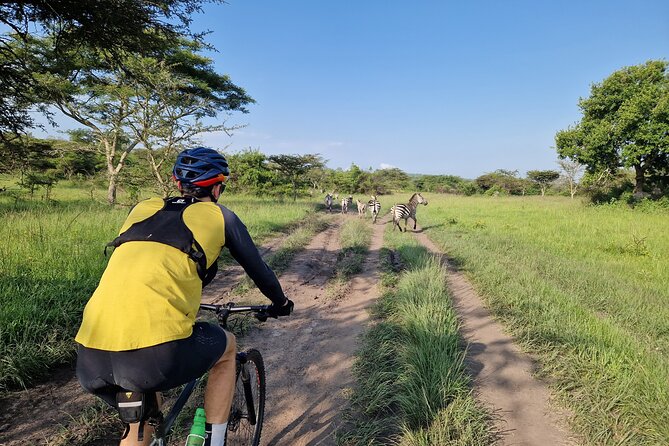
- Wildlife viewing from the saddle with regular sightings like zebras, giraffes, and buffaloes
- Night safari expectations need a checkbox since day 1 night game safari isn’t included
- Bike and helmet included, so you travel lighter
Why Lake Mburo cycling is different from a regular safari
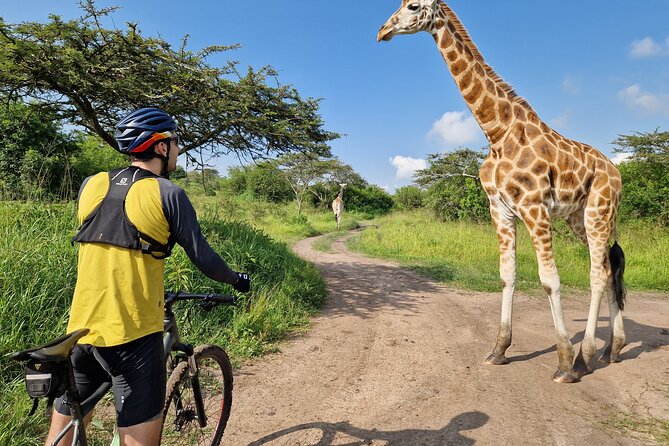
Lake Mburo National Park is special because it lets you experience wildlife at a human pace. When you ride instead of just sitting in a vehicle, you notice the little stuff: tracks in dust, birds calling from the brush, and the way animal movement changes the air around you. It feels less like watching a show and more like you’re sharing space with the park.
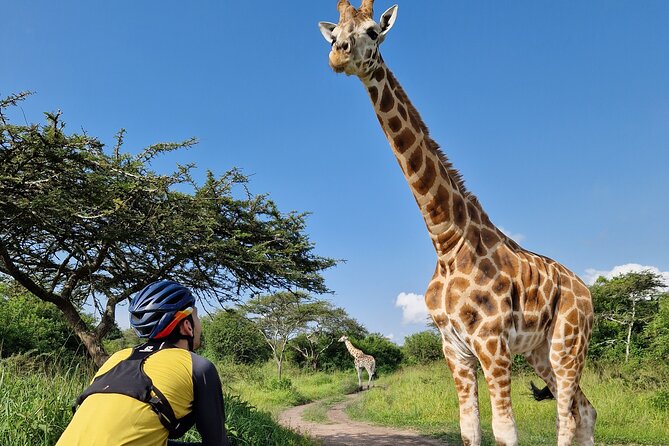
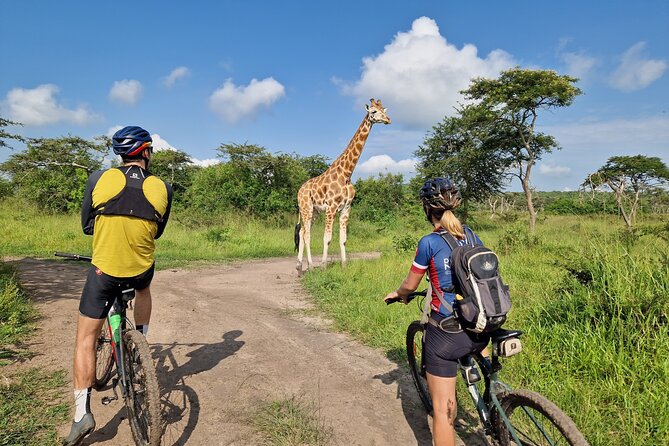
On this trip, you’re not just biking outside the park fence and hoping for the best. You get a cycling safari inside the park, and the day is built around being on the trail edges where animals often show up. The animals listed in the experience include hippos, buffaloes, Uganda kobs, and waterbucks, and riders have also highlighted giraffes, zebras, antelopes, and even elephants as part of what they saw along the way.
There’s also a practical advantage to this style of safari. A jeep can be great, but it’s a lot of time staring at a horizon. Cycling gives you a bit more variety in your angles and your stopping points. When you finally spot something big, you’re already positioned for the moment instead of arriving late and getting only a quick look.
You can also read our reviews of more tours and experiences in Kampala.
Kampala to Lake Mburo: the 7:00 am start and the Equator break
The trip starts at 7:00 am in Kampala, and that early departure matters because you’re going to spend the first portion of the day traveling by vehicle. Expect a drive of roughly four hours to reach the region around Lake Mburo, plus time for stops. One rider noted the ride included the stretch toward Mbarara, which gives you a sense of the overall “get out of the city” energy.
Here’s what I really like about the route: the Equator stop isn’t treated like a random photo sign. It’s positioned as a meaningful break for stretching, pictures, and even coffee. That matters when you’re about to get on a bike, because long sitting time can make your legs feel heavy before you even start pedaling.
This is also where the trip’s organization shows. You’ll get hotel pickup and drop-off, plus drinking water during the experience. And the tour is set up as a private group (only your group participates), which can make the timing smoother if your group is small.
If you’re the kind of traveler who gets antsy during long transfers, this is the main “small win” on the schedule: you don’t just endure the drive. You change gears at the Equator, then you’re back in motion toward the park.
Day 1 and Day 2: what the biking actually feels like
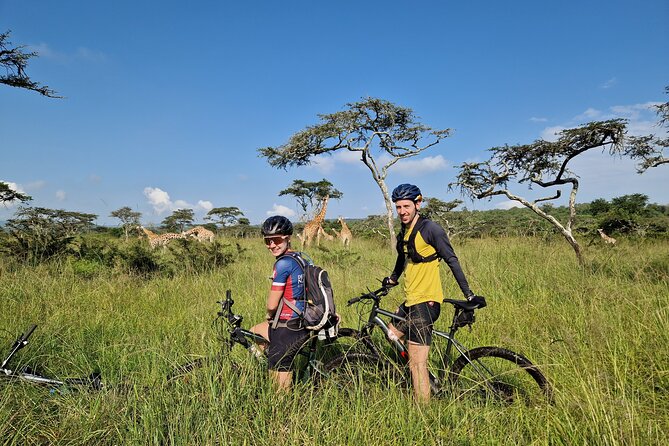
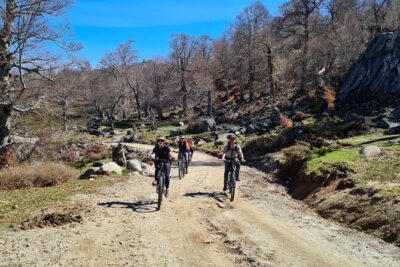
The experience includes two guided mountain biking rides, plus a cycling safari inside the park. That combination is important. The guided rides help you read the terrain and stay safe. The broader cycling safari time is where you really start to connect what the guide is saying to what you’re seeing.
The bigger takeaway from rider feedback is that the guides handle the mix of skills well. People have described it as their first time with cycle tourism, and also as a great trip for experienced cyclists. That suggests the pacing and route choices are managed, not random.
Terrain-wise, don’t expect a flat “park path and chill” situation. At least one rider specifically called out that the elevations can be challenging and that it pushes you. That’s not a deal-breaker, but it is a reality check. Bring enough energy for a day where your legs do real work, and you’ll enjoy it more.
What also helps: you’re not biking alone. A guide’s job isn’t only safety. It’s turning wildlife into something you can actually spot and track. In the feedback, guides like Aaron were praised for knowing details about the place and for making the experience more than just moving bikes from point A to point B.
And because the group numbers are reported as small, you’re more likely to get space for questions and photos. Riders have also pointed out the photography opportunities as a highlight, which makes sense. When you’re close enough to see behavior, you’re close enough to capture it.
Wildlife you’re likely to see (and how to spot it from your bike)
Lake Mburo’s wildlife doesn’t always appear like a video game spawn. Sometimes it’s obvious. Sometimes it’s quiet. But cycling puts you in a good position to notice early signs.
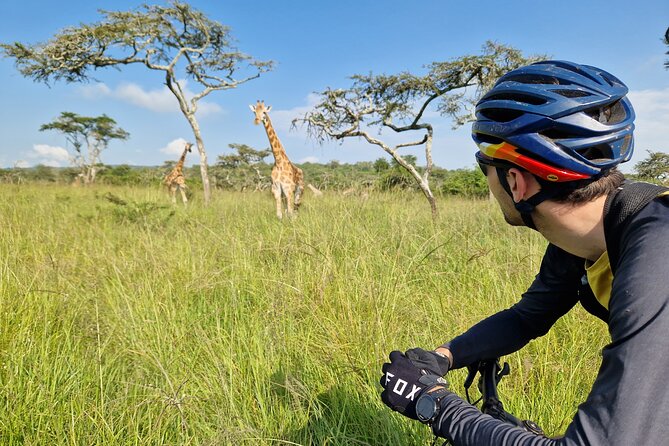
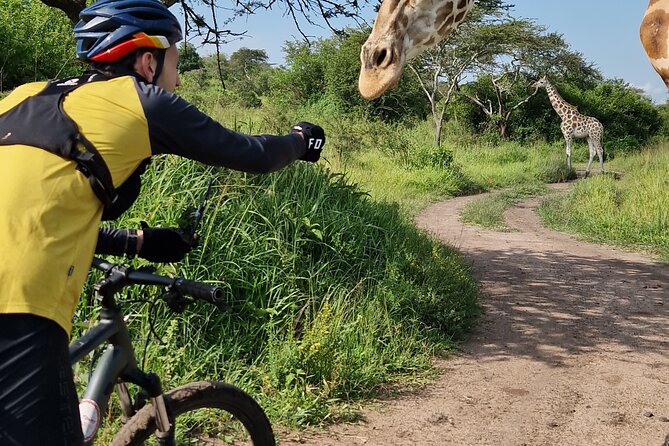
From the information provided, the park includes animals such as hippos, buffaloes, Uganda kobs, and waterbucks. You’ll also hear about other species based on rider experiences. People have mentioned giraffes and zebras as standouts, along with buffaloes and antelopes, and some riders referenced elephants as well.
So how do you maximize your chances once you’re on the trail?
- Stay alert to movement, not just sightings. Animal presence often shows up first as a shape, a pause in feeding, or sudden silence in the birds.
- Let the guide do the scanning. The best moments tend to come when the guide knows what to look for and where to look.
- Expect “edge-of-park” sightings. The route is designed so you’re riding where animals often hang out, not just deep inside the park with a long wait.
One more practical point: the experience also mentions nighttime wildlife viewing as part of the idea, including animals like leopards and bush babies. But remember, the listed night game safari on day 1 is not included. That means you should think of nighttime viewing as conditional, based on what’s scheduled and included for your exact departure.
Evening safari idea: what’s included and what to not assume
This experience is sold with a nighttime safari concept, which is great because night in a savanna can change everything. Some animals are active only after the light fades, and that’s when leopards and bush babies (and other night movers) may come into view.
But the important detail is the one itemized in the “not included” list: night game safari on day 1. So don’t build your whole expectation around guaranteed night viewing on the first evening.
What you can count on from the included items is that you get 1 x full board accommodation. That helps because you’re not scrambling for food or searching for a place to rest after a ride. One rider also talked about requesting an accommodation upgrade at an extra cost, which suggests there’s some flexibility depending on what’s available and what you want.
Equipment, guide support, and the comfort factor
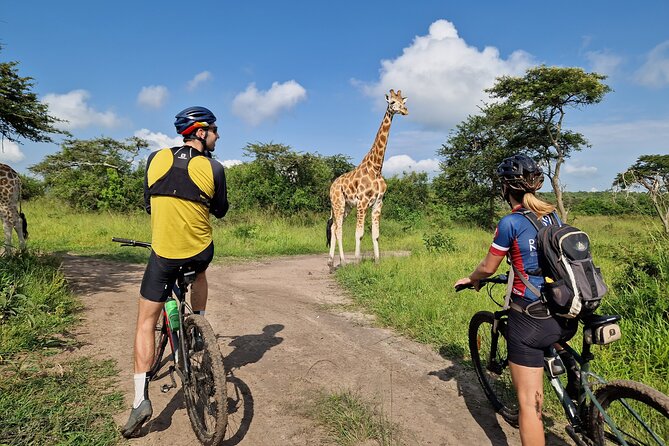
This is a big “value for effort” trip because your cycling gear is handled. You get a mountain bike and helmet, plus an English-speaking cycling guide. That setup matters if you’re arriving in Uganda without the right bike equipment, or if you’d rather spend your energy on wildlife than logistics.
Comfort isn’t only about the helmet fit, either. You’re also getting drinking water and transportation with pickup and drop-off. Riders have described accommodations as comfortable, and the group size staying small can reduce the “everybody wait while someone finds their shoes” problem.
As for the guide vibe: multiple reviews highlight guides who were passionate, informed, and entertaining, with some calling out how much they learned about the area’s life and plants, not just the animals. That’s a key reason this style of safari works. You don’t just get sightings—you get context.
Price and value: is $575 fair for two days?
At $575 per person for about two days, you’re paying for more than “bike time.” You’re also paying for:
- guided rides (not just free rental time)
- park cycling experience
- hotel pickup and drop-off
- a full board accommodation night
- the bike and helmet
When I judge value, I look at how much is included versus what you’d normally have to arrange yourself. Here, the big costs you’d otherwise manage—transport from Kampala, guides, biking gear, and accommodation with meals—are built into the price.
Could you do a cheaper DIY version? Sure, but DIY tends to break down at the moment you need: reliable guiding, correct park-area access, and an itinerary that works with early mornings and actual wildlife time. This is the sort of trip where a guide’s knowledge can save you hours of guessing.
Also consider that the trip mentions group discounts and a mobile ticket, which can help if you’re traveling with friends. And the rating is strong: a 4.7 out of 5 with 20 reviews and a 100% recommendation signal in the provided feedback.
So, is $575 a bargain? Not exactly “cheap.” But it looks like a fair price for a guided, park-focused, two-day experience that includes both cycling and lodging.
What to pack for a Kampala start and park rides
I’d pack for two realities: Uganda morning energy and park dust.
Bring:
- sunscreen and sunglasses (you’ll be out during daylight, starting at 7:00 am)
- a hat or cap
- a light rain layer just in case (weather can shift)
- closed-toe shoes with good grip for biking stability
- a small day bag for water and phone access
Also, plan your clothing for movement. You’ll be on a mountain bike, and you may be dealing with uneven terrain and some elevation. If you hate feeling sweaty, get over it now. You’ll still enjoy the wildlife when you’re working your legs and earning the sightings.
And don’t forget: this trip includes drinking water, but you’ll still want your own comfort routine for the ride. The calmer you feel, the better you’ll watch.
Should you book this Lake Mburo cycling safari?
If you want a short trip with big wildlife energy, this is a strong pick. It’s especially good for you if:
- you like hands-on travel, not just vehicle viewing
- you want a weekend-length plan from Kampala
- you’re okay with an early start and some physical effort
- you want guided help spotting animals and learning what you’re looking at
I’d think twice if:
- you are counting on day 1 night game safari as guaranteed
- you’re expecting completely easy flat riding
- you don’t want any biking challenge at all
But if you can handle an active two days and you’re excited by the idea of biking in a place where animals are part of the story, you’re likely to leave with exactly what riders describe: memories that stick, a photo set you actually like, and the feeling that you experienced Lake Mburo from the inside.
FAQ
What time does the tour start in Kampala?
The tour starts at 7:00 am in Kampala.
Where does the tour end?
This activity ends back at the meeting point in Kampala.
How long is the cycling safari?
The duration is 2 days (approx.).
What’s included for cycling gear?
A mountain bike and helmet are included.
How many guided mountain biking rides are included?
You get 2 guided mountain biking rides.
Is there an Equator stop during the drive?
Yes, there is a stop at the Equator during the drive for pictures and stretching, and coffee has been mentioned in feedback.
Is a night game safari on day 1 included?
No. Night game safari on day 1 is listed as not included.
Is this a private tour?
Yes. Only your group will participate.
What happens if the weather is poor or the minimum group size isn’t met?
If it’s canceled due to poor weather, you’ll be offered a different date or a full refund. If the minimum number of travelers isn’t met, you’ll be offered a different date/experience or a full refund.