REVIEW · KAMPALA
Kampala: Lake Victoria Island Cycling Tour
Book on GetYourGuide →Operated by Red Dirt · Bookable on GetYourGuide
Four hours from Kampala, two wheels, one lake. I love how this tour starts at Ggaba Beach House Gardens and quickly swaps city fumes for a Lake Victoria boat crossing into calmer village riding. I also like the mountain-bike route that threads through communities and nature, not just flat sightseeing.
The tradeoff: you’ll work a bit. There are climbs, wide gravel plus single-track, and some sections can be muddy or slippery, so basic gear-and-handbrake bike skills matter. It’s also not a good fit if you have heart problems or limited mobility.
In This Review
- Key things that make this ride worth your time
- From Ggaba Beach House Gardens to Lake Victoria’s calm start
- The 20 km bike route: gravel roads, single-track, and real hills
- Trading center snack stop: local food and useful breaks
- White beaches and the final 2 km pedal back
- How the guide, bike, and safety setup actually help you enjoy it
- Price and value: what $70 covers (and what it doesn’t)
- Who this tour suits best, and who should skip it
- Practical tips so the day stays fun (not stressful)
- Should you book this Lake Victoria island cycling tour?
- FAQ
- Where is the meeting point?
- How long is the tour?
- How long do I ride, and about how far?
- Do I need my own bike and helmet?
- What about hotel pickup and drop-off?
- What’s included in the price?
- What should I bring, and what’s not allowed?
- Does the tour run in rain?
- Is the tour suitable for everyone?
Key things that make this ride worth your time
- A 30-minute boat ride over Lake Victoria right at the start, before you pedal at all
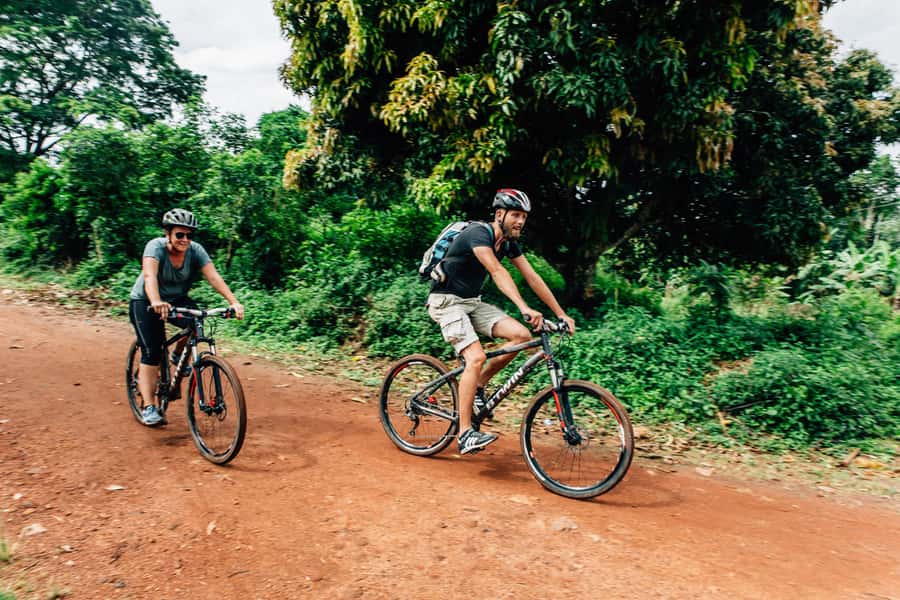
- About 20 kilometers of riding with a mix of wide gravel roads and single trails
- Your guide adjusts the route to match your skill and fitness level
- A trading center snack stop where you can buy water and other small needs with cash
- White beach drinks at the end followed by a short final pedal and a return boat ride
From Ggaba Beach House Gardens to Lake Victoria’s calm start
The day kicks off at 8:00AM at the parking lot of Ggaba Beach House Gardens. This matters because you’re not wasting time hunting for the right spot or waiting for long transfers. If you want hotel pickup, that can be arranged for an extra fee paid on the day, but the standard start is right there at the beach area.
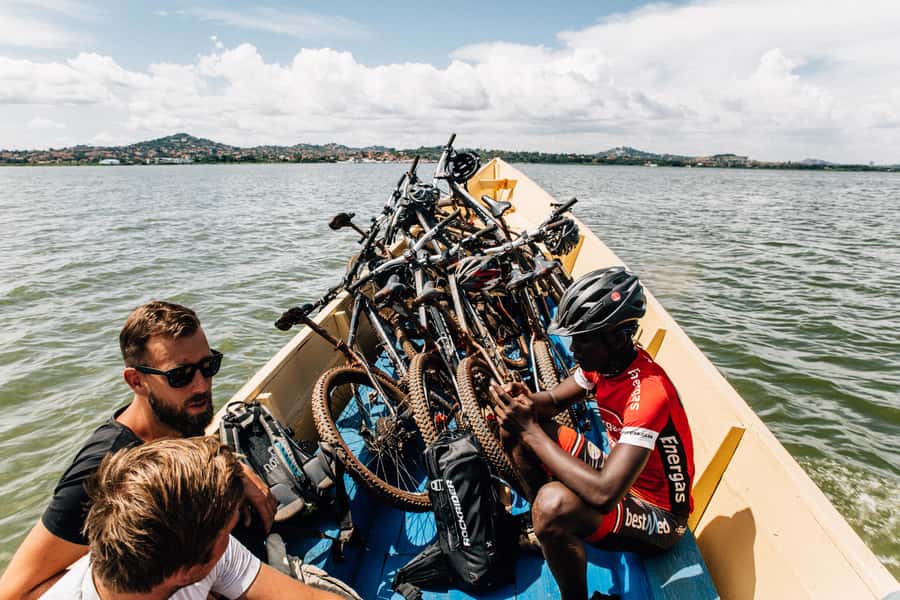
Within about 30 minutes, you’ll be on a boat crossing Lake Victoria, the largest lake in Africa. This is a great reset if Kampala traffic usually drains your energy. You’ll feel the change fast: the open water, the breeze, and the shift from paved-city rhythm to a more grounded, slower pace.
One thing to remember: the boat ride is over open water and the tour runs rain or shine. If you tend to get uncomfortable on boats, plan for that. And yes—bring practical stuff like closed-toe shoes and sunscreen, because the day is a mix of sun, wind, and active cycling.
You can also read our reviews of more tours and experiences in Kampala.
The 20 km bike route: gravel roads, single-track, and real hills
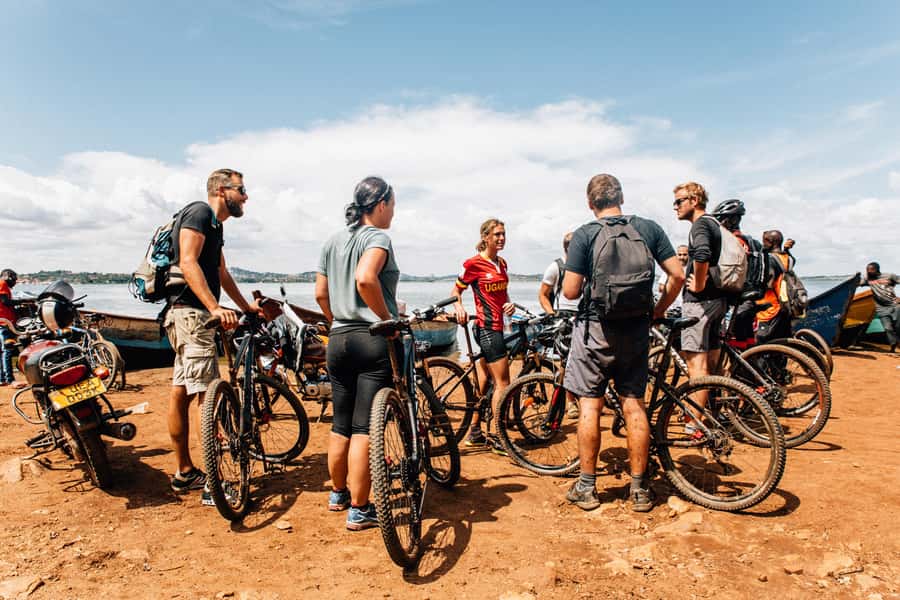
After the boat drop-off, the cycling portion takes about 2–3 hours, depending on your fitness and riding comfort. The total distance is approximately 20 kilometers, which is short enough to feel doable, but long enough to actually notice the rhythm of the trails.
What you’ll ride is a mix:
- wide gravel roads
- bits of more technical single trails
- nice climbs that test your legs a little
Your guide knows the area well and can change the route depending on your level. That’s a big deal, because the difference between a fun ride and a stressful one is often not fitness alone—it’s route match. If you’re newer to mountain bikes or you’re just not sure about slippery sections, you’ll be happier if you communicate early and ride within your comfort zone.
Also, this is not a gentle spin. You need basic competence on a geared bicycle with handbrakes. If you’re rusty shifting or you’re still learning how your brakes feel on uneven ground, it’s better to start mentally prepared for a learning curve.
If it rains, expect conditions to get more challenging. The terrain includes gravel and sometimes slippery stretches, so you’ll want traction and steady pace—not speed.
Trading center snack stop: local food and useful breaks
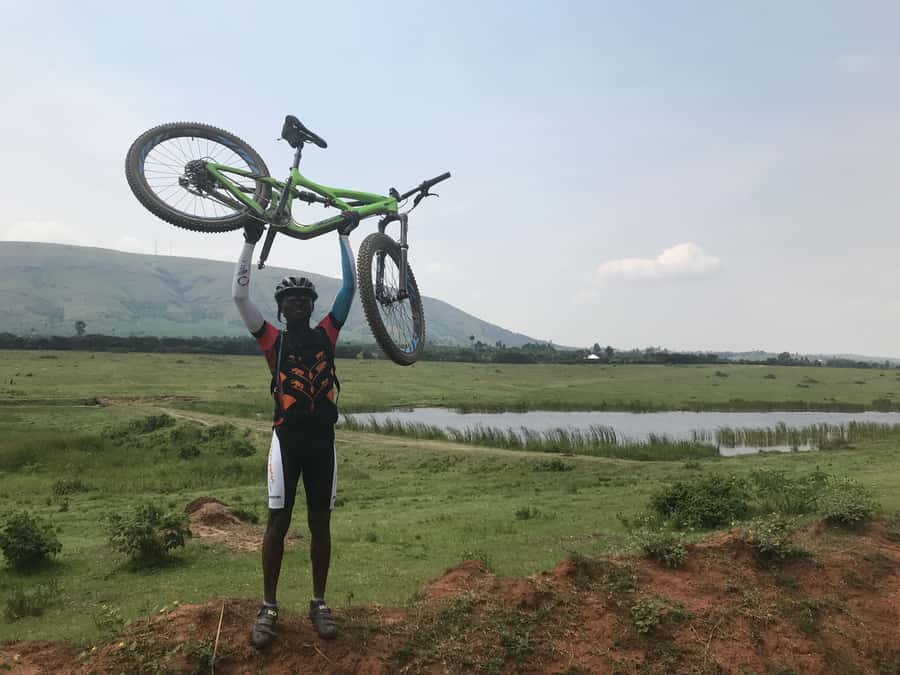
Halfway through the ride, you’ll stop at a typical Ugandan trading center for local snacks. This is one of the best parts of tours like this because the pause is practical, not performative. You stretch your legs, refuel, and get a taste of everyday life in the area.
During the stop, you can also buy items you might need, including water and other things, as long as you have cash. This matters because the tour includes only a limited amount of food and drinks, so having a little money on hand gives you flexibility.
The snack is described as a traditional bite, and in the experience of people who’ve done the tour before, this stop can include classics like a rolex—a popular local snack. Even if it’s not the exact same item every time, the point is the same: you’re eating where people actually stop and grab something, not only at a staged café.
You’ll feel the difference between cycling-as-activity versus cycling-as-adventure. Breaks like this keep the day enjoyable even when the trail gets slower.
White beaches and the final 2 km pedal back
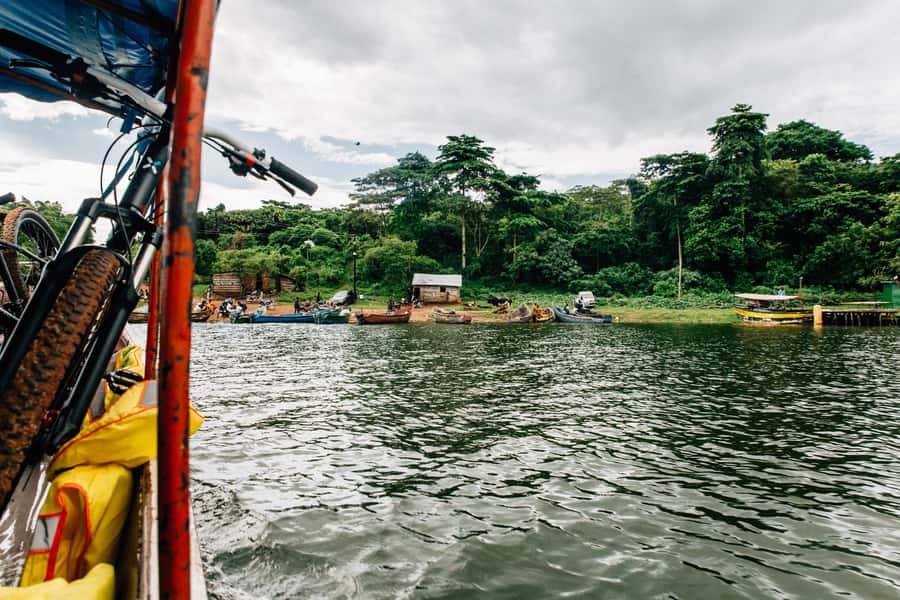
Near the end, you’ll settle in at one of Lake Victoria’s white beaches with drinks. This is the perfect emotional finish line after the hills and trail riding. The day shifts from effort to recovery: you can sit, cool down, and actually look around.
Then comes the easy-to-underestimate part: the return includes a final 2-kilometer pedal before your boat is waiting. Two kilometers sounds short—until you’ve already spent hours on rougher ground. Keep a steady cadence, stay relaxed on your arms and shoulders, and let your legs do the work.
After that last pedal, you’re back on the boat to return to the tour starting point. It’s a nice loop that keeps the day from feeling like an out-and-back grind.
Because the schedule is only 4 hours total, every segment has purpose. The boat and the beach drinks aren’t random add-ons—they’re built in to balance the physical riding.
How the guide, bike, and safety setup actually help you enjoy it
This tour runs with an English-speaking guide, and guide experience is a major theme in the feedback you’ll hear around Kampala biking. Names like James and Michael (also spelled Mickael in one case) come up, and the pattern is consistent: the guides adapt to people’s comfort levels and ride smart.
A few safety-and-comfort details that matter in real life:
- You get a bike and helmet rental
- Your guide rides with you at a pace that matches you
- The route can be adjusted to your skill and fitness
- If conditions get tricky, you might even be encouraged to walk with your bike for short sections rather than force it
That last point is more important than it sounds. On hillier or slippery bits, fighting your bike can turn fun into frustration. Knowing you can take a short step breaks the stress cycle and keeps the day positive.
Your own job is straightforward: wear closed-toe shoes, bring water if you can, and keep your head clear (no headphones are allowed). Sunscreen isn’t optional either—sun and wind can fool you into thinking you’re not getting burned.
And remember: the tour isn’t suitable for limited mobility or heart conditions. That’s not just a policy line—it matches the reality of climbing and uneven ground.
Price and value: what $70 covers (and what it doesn’t)
At $70 per person for a 4-hour experience, you’re paying for more than just a bike ride. The price includes:
- bike and helmet rental
- boat ride
- English-speaking guide
- one soft drink and one traditional snack
- VAT and other taxes
That’s solid value in a place where transport and guide time can add up fast. The boat ride is a big component, and it’s included rather than treated like a separate splurge.
What’s not included:
- hotel pickup/drop-off (optional add-on)
- additional cycling gear or clothing
- water or other food beyond what’s mentioned
So you’ll want to bring water and plan to buy more at the trading center if needed. You also need cash for purchases during the day.
If you’re comparing options, I’d judge value by one question: does the tour include the boat crossing and a real guide-led route? In this case, yes—and that’s why the price holds up.
Who this tour suits best, and who should skip it
This experience is best for people who:
- can ride a geared bike with handbrakes
- are comfortable with some climbs and mixed terrain
- want a slice of Uganda beyond Kampala’s city streets
- enjoy meeting locals and stopping for real food
It may be a tough fit if you:
- have limited mobility
- have heart problems
- can’t ride a bicycle confidently
If you’re a leisurely cyclist, don’t assume you’re out. The route can be adjusted, and guides can suggest walking short sections when needed. Just be honest about your comfort level at the start.
Practical tips so the day stays fun (not stressful)
Here’s what you should bring, based on what the tour expects:
- sunscreen
- water
- comfortable clothes
- cash
- a charged smartphone (for photos)
- closed-toe shoes
And what you shouldn’t bring/wear:
- no sandals or flip-flops
- no headphones
A few quick “real Uganda” reminders:
- The tour runs rain or shine, so plan for changeable conditions.
- You’ll be on open water during the boat ride, so be ready for wind and spray.
- Because the day includes some physical activity, eat something beforehand if you’re prone to getting hungry fast.
Finally, keep your expectations tuned to the format: this is not a museum stop-and-go. It’s a cycle day with a boat start and a beach finish. The best approach is to pedal at your comfort level and let the guide handle the route.
Should you book this Lake Victoria island cycling tour?
Book it if you want a balanced half day that mixes nature, community, and movement—without getting stuck in Kampala traffic all day. The included boat ride, the guide-led biking route (with adjustable pacing), and the beach-side drinks give you variety in a short time window.
Skip it if you’re looking for an easy flat ride, or if you can’t confidently manage a geared bike with handbrakes. Also skip if you have limited mobility or heart concerns, because the terrain includes climbs and uneven ground.
If you’re comfortable with that and you pack smart (especially closed-toe shoes, sunscreen, and some cash), this tour is a strong way to see a calmer Uganda side with real people and real places.
FAQ
Where is the meeting point?
Meet at the parking lot of the Beach House Gardens area. The start time is 8:00AM.
How long is the tour?
The total duration is 4 hours.
How long do I ride, and about how far?
The cycling portion takes about 2–3 hours and is approximately 20 kilometers, depending on your skill and fitness level.
Do I need my own bike and helmet?
No. Bike and helmet rental are included.
What about hotel pickup and drop-off?
Hotel pickup and drop-off are not included, but you can arrange them for an additional fee paid on the day.
What’s included in the price?
Included items are the boat ride, bike and helmet rental, an English-speaking guide, one soft drink, one traditional snack, and VAT/taxes.
What should I bring, and what’s not allowed?
Bring sunscreen, water, comfortable clothes, cash, a charged smartphone, and closed-toe shoes. Sandals or flip-flops aren’t allowed, and headphones are not allowed.
Does the tour run in rain?
Yes. The tour runs rain or shine, and it includes a boat ride across open water.
Is the tour suitable for everyone?
No. It requires some physical activity and basic bike skills with gears and handbrakes. It’s not suitable for people with limited mobility or heart problems, or for anyone who can’t ride a bike.