REVIEW · INDONESIA
Borobudur: Cycling Tour and Explore Java Villages
Book on GetYourGuide →Operated by Aventuro Tour · Bookable on GetYourGuide
A quiet ride can turn into a real village day. This Borobudur cycling tour pairs easy, scenic cycling with hands-on stops that show how Javanese daily life runs beyond the temple crowds. You’ll pedal through rice fields and small roads, then roll right into family-run food and craft workshops.
Two things I genuinely like: first, the home-industry visits (coconut sugar, tofu, pottery) feel personal and practical, not like a scripted show. Second, the way the guide ties it together—culture, daily routines, and what you’re seeing as you go—makes the stops easier to understand. You’ll come away with real examples of work people do every day.
One consideration: it’s biking-focused. If you struggle with riding a bike or you’re dealing with back issues, you’ll likely find the cycling part uncomfortable, even though the route is described as flat and beginner-friendly.
In This Review
- Key highlights worth your time
- Riding Between Rice Fields and Village Lanes Near Borobudur
- The Workshop Lineup: Coconut Sugar, Tofu, and Pottery
- Cycling Through Tanjungsari and Wanurejo: How the Stops Shape the Day
- Batik Workshop Optional on Request: A Souvenir You Actually Make
- Practical Stuff: Timing, Pick-Up, and What to Bring
- Price and Value: What $29 Buys You in Real Experience
- Who Should Book (and Who Should Skip)
- Should You Book Borobudur Cycling Tour and Explore Java Villages?
- FAQ
- How long is the Borobudur cycling tour?
- Where do we meet the guide?
- What is included in the price?
- Is batik included?
- Are there hotel pick-ups outside the Borobudur area?
- Is the cycling route difficult?
- What should I bring?
- Is smoking allowed during the tour?
Key highlights worth your time
- Rice fields + villages nearby Borobudur on flat roads that are friendly for beginners
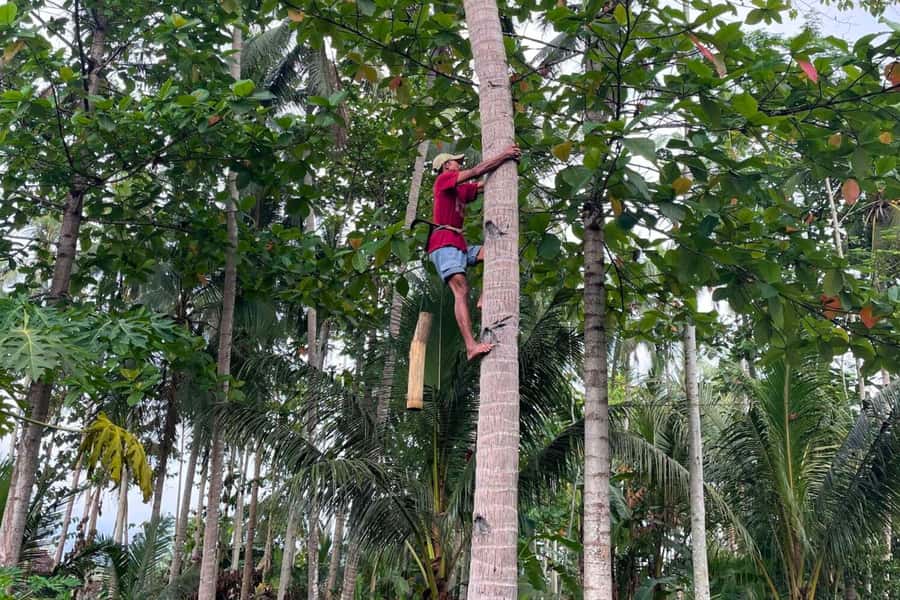
- Coconut sugar making from coconut sap, watched from the cooking process
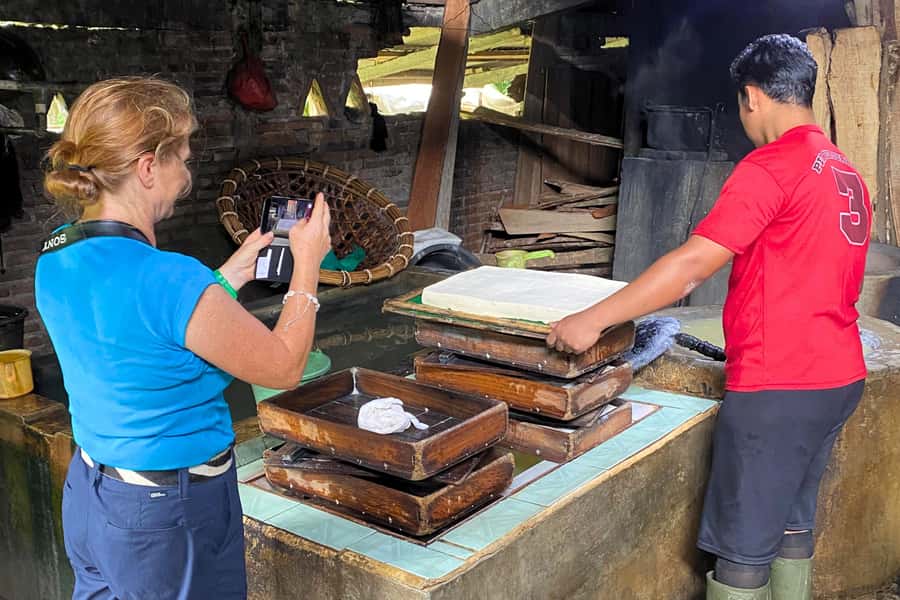
- Tofu workshop showing fresh production with simple traditional tools
- Pottery making with a local artisan, hands-on and no experience needed
- Batik workshop option where you make wax-resist batik to take home
- Local snacks and mineral water plus built-in stops for photos and viewpoints
Riding Between Rice Fields and Village Lanes Near Borobudur
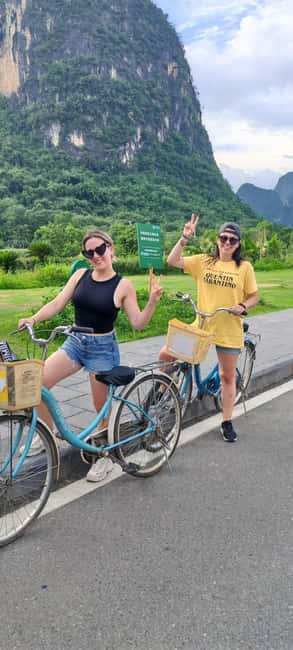
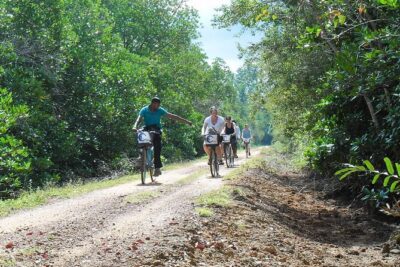
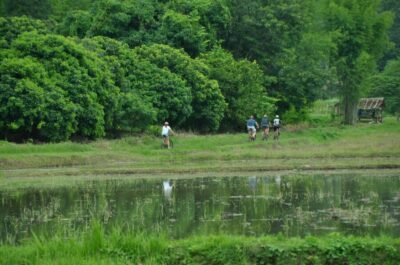
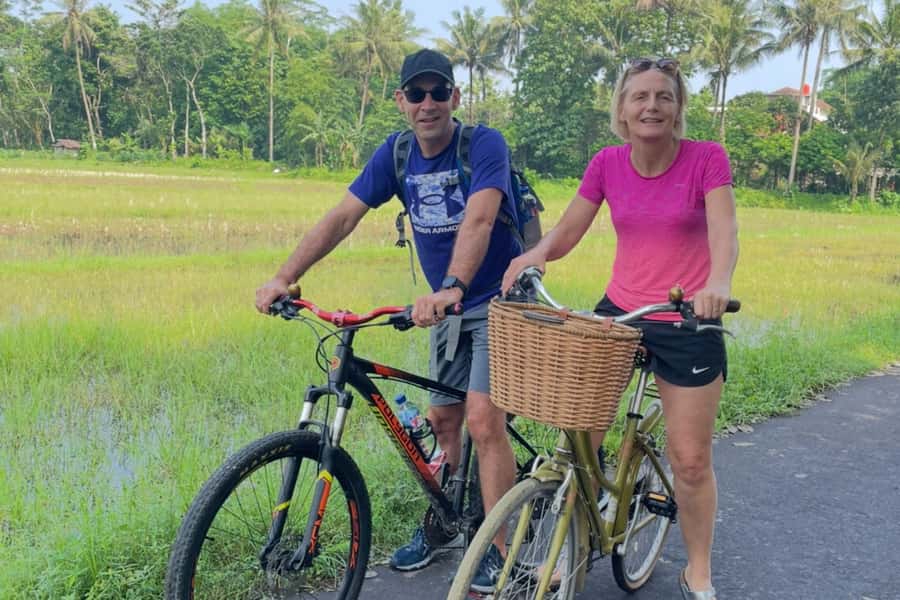
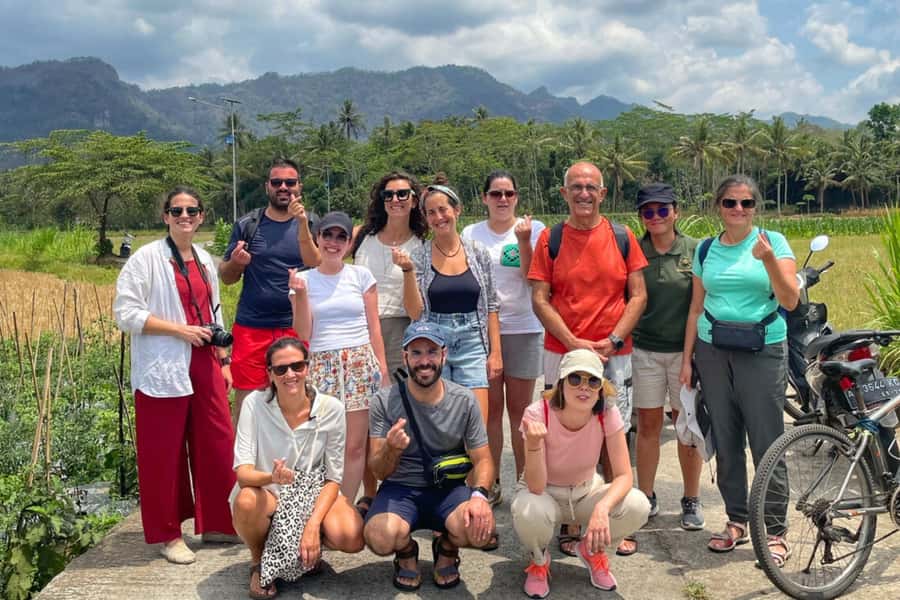
The best part of this tour is how it changes pace. You start at the main gate area of Borobudur Temple, then the ride quickly sheds the temple vibe and slips into quieter village roads. That shift matters, because it’s where you see everyday life—bikes, errands, small roadside conversations, and the rhythm of rural Java.
The route is designed to be flat and easy, so you’re not white-knuckling it the whole time. That means you can actually look around, stop for photos without rushing, and chat with your guide when they point out what you’re passing. In a place like this, that calm tempo is the difference between just seeing scenery and understanding what’s in front of you.
You also get multiple photo-friendly breaks. The itinerary builds in stops at rice fields and at a Borobudur viewpoint, so your camera isn’t just along for the ride. Even if you don’t care about photography much, those stops are helpful for stretching, refocusing, and soaking in the views before you hop back on the bike.
If you’re the type who likes hearing the story behind what you’re seeing, you’ll appreciate that the guide shares context about Javanese culture and local traditions throughout the day. It turns the cycling into a guided walk with wheels, where the craft stops also make sense because you’ve already learned how communities work around them.
You can also read our reviews of more tours and experiences in Indonesia.
The Workshop Lineup: Coconut Sugar, Tofu, and Pottery
This isn’t just a ride with a couple of quick photo stops. The tour strings together workshops that show the full chain from ingredient to product to handmade craft.
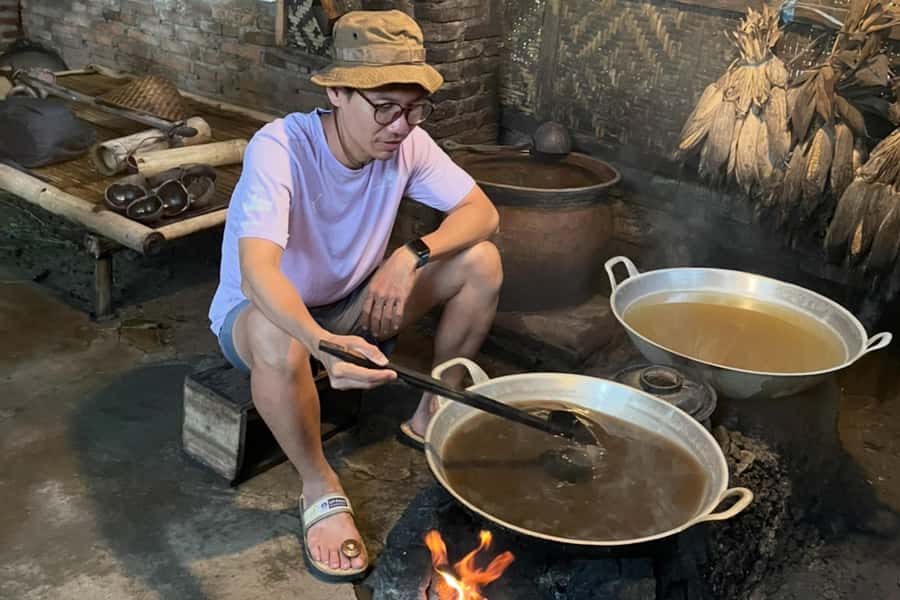
First up is a coconut sugar home industry. You watch how coconut sugar is made from coconut sap, including the traditional cooking process. That’s a great stop because it’s not abstract. You can see the ingredients, the technique, and the family effort behind a sweet that shows up in a lot of Indonesian food.
Next comes a tofu-making workshop. Fresh tofu is produced daily using simple tools and techniques passed along over time. What I like here is the clarity: you’re seeing a staple food made in real life, not in a demonstration kitchen. If you’ve eaten tofu before, this stop gives you a new respect for how much timing and care go into it.
Then you head to a pottery village where a skilled artisan guides you through shaping clay by hand. This is the most hands-on part of the day, and the tour is set up so you don’t need prior experience. You get to try making your own piece, which is more memorable than watching someone else work for you.
A practical note: your hands may get messy with clay, and you’ll want to wear comfortable clothes that can handle it. The tour includes guidance and a local artisan, so you’re not left figuring it out alone—but you should still dress for the fact that pottery is tactile.
The tour also mentions a donation for local industries. That small detail matters because it links the visits to support for the people who keep these workshops running. It doesn’t replace fair pay, but it does keep the day from feeling purely extractive.
Cycling Through Tanjungsari and Wanurejo: How the Stops Shape the Day
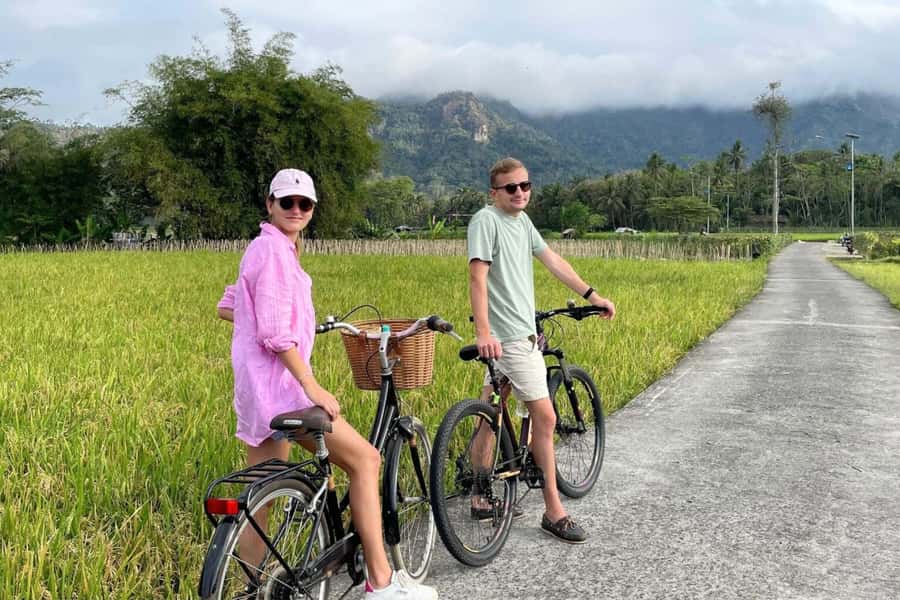
The ride is planned around two main areas—Tanjungsari and Wanurejo—each with a bike time of about 1.5 hours. That structure helps because you get enough riding to feel like you truly moved through the countryside, but not so much that the day becomes one long effort.
In Tanjungsari, you’re guided through a mix of village life and scenery. You’ll spend time cycling, guided touring, and stopping often enough to take in what’s around you. This is also where you’ll likely get the first real sense of how the countryside sits alongside daily work—houses, fields, and small lanes that aren’t designed for tourists.
Then you head toward Wanurejo with scenic views along the way. The tour notes that the roads and views get more enjoyable as you go, and the reviews back that up: people liked how streets seemed to get smaller and the outlooks more open as the ride continued. That’s a very common feeling on rural routes, but it’s nice when the day is planned so you don’t hit the best scenery too early and then coast on the rest.
The itinerary includes pit stops at rice fields and a Borobudur viewpoint. I’d treat these as more than breaks. They’re built-in moments to reset your attention—when the countryside opens up, the viewpoint stop makes sense because you get the context of where Borobudur fits into the wider area.
And if your timing lines up with softer light, you might get the kind of photo moment people remember from this region: the sun working its way down with rice fields and Borobudur in the background. Even without perfect light, those viewpoint pauses are still the best time to appreciate scale and distance.
Batik Workshop Optional on Request: A Souvenir You Actually Make
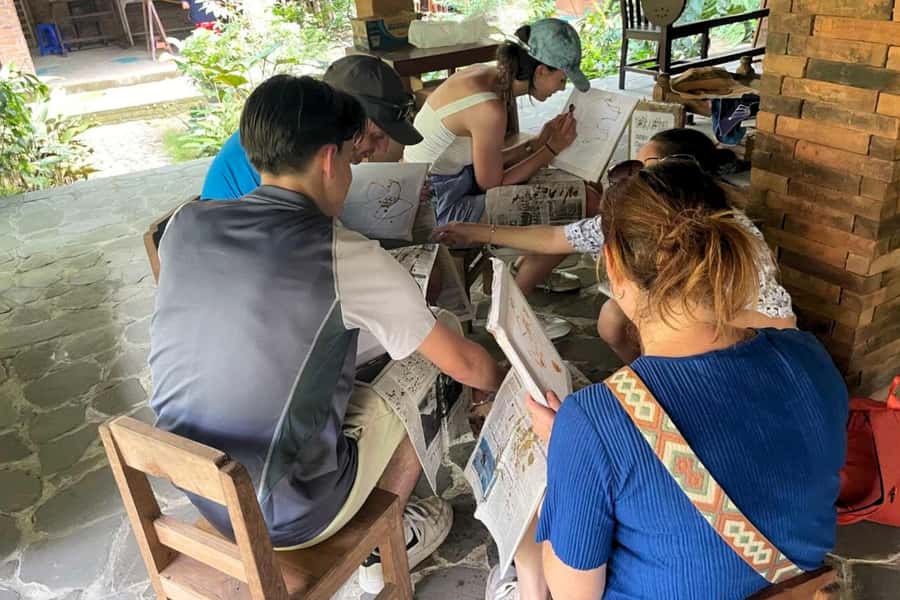
The batik part is listed as optional on request. If you add it, you’ll learn the wax-resist dyeing technique and then create your own batik art to take home.
Even if you don’t consider yourself artsy, this is one of those activities that tends to stick because it’s hands-on and guided. You’re not just buying something nice—you’re making something with an actual process behind it. That’s why I think the batik add-on can be worth it: it turns the day from observation-heavy into participation-heavy.
Because it’s optional, you’ll want to decide based on your energy. You’re already cycling and doing pottery, so if you’re tired easily, stick with the core craft stops. If you like making things and you want one tangible memory beyond photos, batik fits naturally at the end.
Practical Stuff: Timing, Pick-Up, and What to Bring
This tour runs about 4 to 6 hours. That’s a sweet spot for a half-day activity in Central Java: long enough to feel full, short enough that you’re not wrecked for the rest of your trip.
Pick-up and drop-off are flexible around Borobudur and Yogyakarta. You can arrange pick-up from Jalan Prawirotaman, Borobudur Temple, Yogyakarta, or Borobudur. Drop-off mirrors those options: Yogyakarta, Borobudur, Jalan Prawirotaman, or Borobudur Temple. Hotel pick-up around Borobudur is available on request, and Yogyakarta pick-up/drop-off can be arranged with an additional charge.
You’ll meet your English-speaking guide at the main gate of Borobudur Temple to start. If you’re staying nearby, pick-up saves time and avoids that awkward first-round logistics stress. On the day you go, use the tour’s own time window and ask your provider what time they expect to collect you.
What to bring is simple and sensible:
- Comfortable shoes for cycling
- A sun hat and sunscreen
- Water (mineral water is included, but you can still like having your own)
- Comfortable clothes that can handle workshop stops
You should also be ready for the real-world mix of cycling and craft making. Wear clothes that dry easily, and don’t wear anything you’d hate to get a bit dusty. Smoking isn’t allowed during the activity.
Price and Value: What $29 Buys You in Real Experience
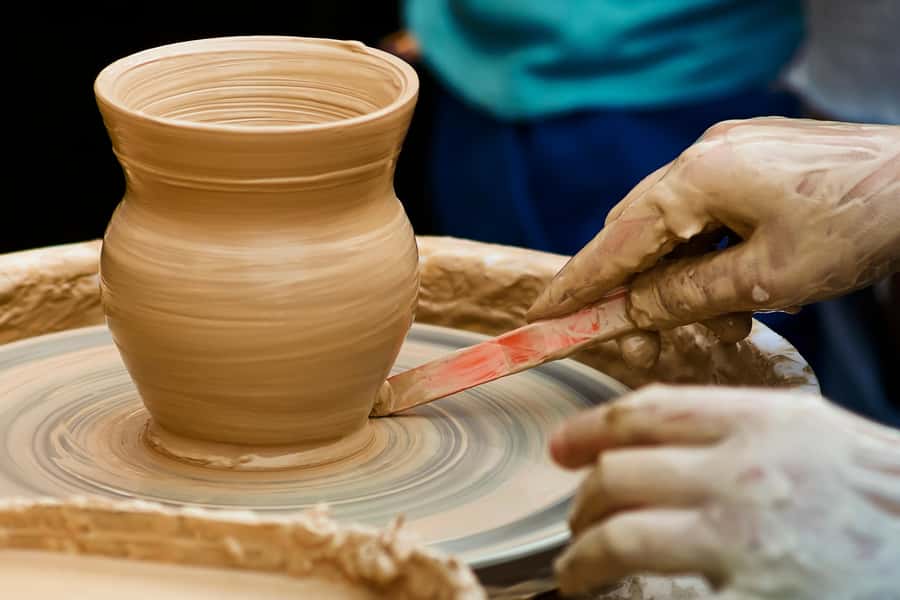
At $29 per person, the value here comes from the combination. You’re paying for more than a bike ride. You get a bicycle, an English-speaking guide, mineral water, local snacks, and entry to multiple local industries—plus pottery making with a private local artisan.
In a lot of tours, you pay for transportation and a couple of view stops. Here, your money goes into skilled local workshops: coconut sugar production observation, tofu making, pottery, and optional batik. That makes the day feel active and meaningful, not just scenic.
The route is described as flat and beginner-friendly, which also adds value. If the cycling is manageable, you spend less energy worrying and more time focusing on the human side of the day: how people work, how they explain their craft, and how they live in this countryside.
Private group is another point to consider. A smaller group usually means you can get more time with the guide during the stops, and you’re more likely to keep a smooth rhythm without feeling rushed.
If you’re on a budget, this is also one of those rare activities where the souvenirs aren’t only purchases. Your pottery is made by you, and if you add batik you create that too. That’s a big part of why people remember this kind of tour long after the photos fade.
Who Should Book (and Who Should Skip)
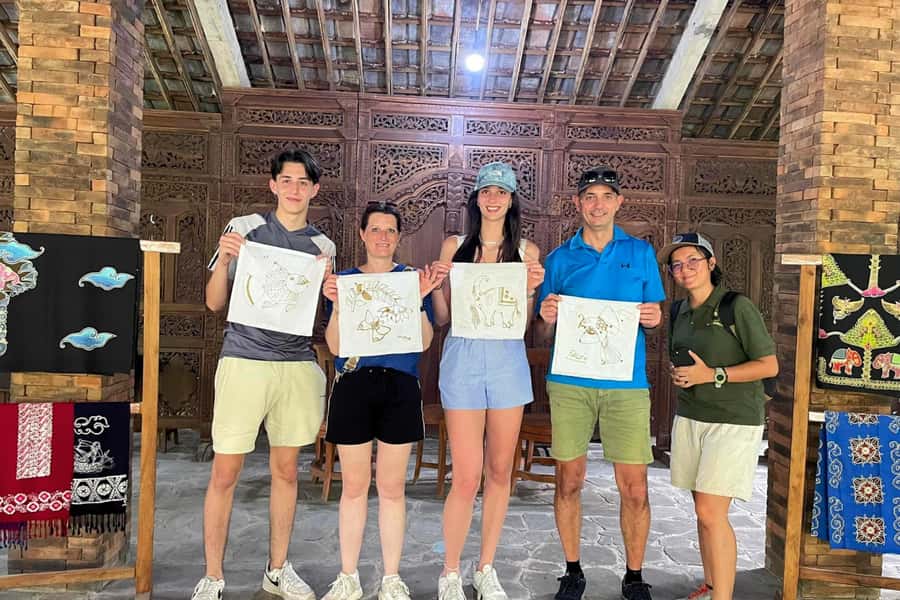
This tour makes the most sense if you want a calm, rural day that connects countryside riding with real craft work. It’s a strong match if you:
- can ride a bike comfortably
- like meeting people and watching how local industries actually run
- want hands-on time with pottery and the option to do batik
It’s also a decent choice for beginners and all ages because the route is flat and easy. The guide can help you get ready, and you’re not expected to be a cycling athlete.
Skip it if you can’t ride a bike, or if you have back problems. Even with a beginner route, cycling still puts pressure on your body. The tour notes it isn’t suitable for back issues, so it’s better to choose a different Borobudur day that doesn’t require riding.
If your ideal travel day is mostly museum-style history and you prefer zero mess and minimal movement, you might find pottery and workshop stops more hands-on than you want. But if you like rolling up your sleeves a little, the tour’s structure fits that style well.
Should You Book Borobudur Cycling Tour and Explore Java Villages?
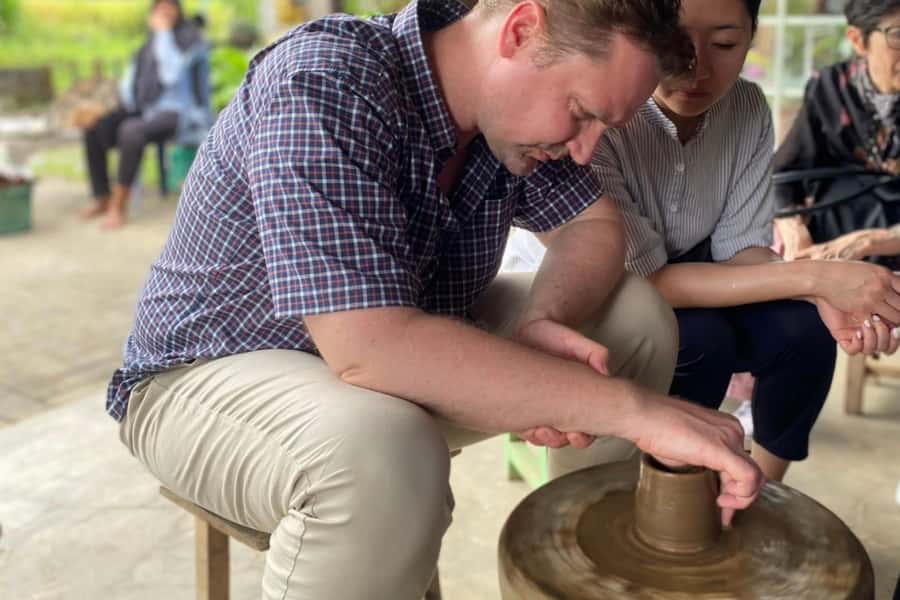
Yes—if you’re looking for a real local day that goes beyond temple views. This is the kind of tour where you can leave with more than a few decent photos: you’ll have a pottery piece, you’ll see coconut sugar and tofu production up close, and you’ll understand more about how Javanese daily life connects to the land.
Book it especially if you want an easy cycling experience with frequent stops, and if you like guided storytelling that explains what you’re seeing while you’re moving through the countryside.
Don’t book it if riding is a challenge for you, or if you know you’ll be uncomfortable sitting on a bike for the duration. In that case, the workshops alone won’t outweigh the cycling part.
FAQ
How long is the Borobudur cycling tour?
It lasts about 4 to 6 hours.
Where do we meet the guide?
You meet your English-speaking guide at the main gate of Borobudur Temple.
What is included in the price?
The tour includes an English-speaking guide, bicycle, local snacks, mineral water, hotel pick-up around Borobudur area on request, pit stops at rice fields and a Borobudur viewpoint, pottery making with a local artisan, visits to coconut sugar and tofu home industries, and a donation for local industries.
Is batik included?
Batik making is optional and available on request.
Are there hotel pick-ups outside the Borobudur area?
Yes. Pick-up and drop-off can be arranged for Yogyakarta on request, and it may have an additional charge.
Is the cycling route difficult?
The route is described as flat and easy, suitable for beginners and all ages.
What should I bring?
Bring comfortable shoes, a sun hat, water, and comfortable clothes. A camera is recommended for scenic views.
Is smoking allowed during the tour?
No, smoking is not allowed.