REVIEW · KUTA
eBike Ubud Rice Terraces and Traditional Villages Cycling
Book on Viator →Operated by Travelnata Bali · Bookable on Viator
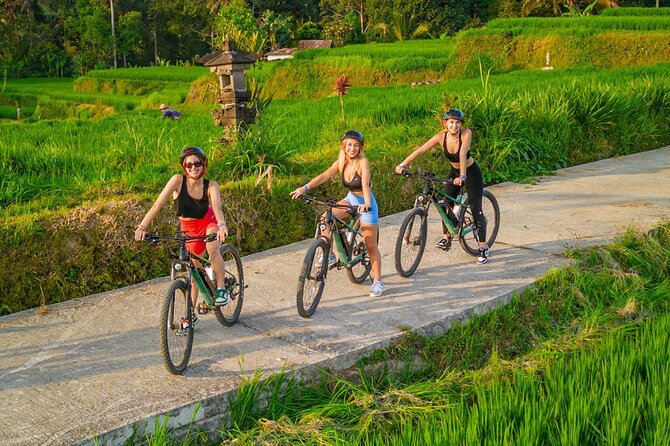
Pedal through Ubud’s rice terraces without the stress. This eBike tour connects you to the Subak irrigation system and quieter village roads where you can actually slow down and look.
I love the way the ride is kept approachable thanks to electric assist and solid bike setup, plus safety-focused guiding from people like Eddie and Made. I also liked the cultural stops, where you get real contact with daily village life and local craftsmen, not just scenic passing views.
One possible drawback: if you prefer a very slow, photo-by-photo pace, the group rhythm can feel a bit brisk at times, so it’s smart to speak up early.
In This Review
- Key highlights you’ll feel fast
- Why Ubud rice terraces feel different from the seat of an eBike
- The guides matter: Eddie, Made, and the safety-first approach
- Getting there: Cretya Sunset meeting point and pickup in one plan
- The Subak ride: moving through rice paddies like water moves
- Traditional villages: where the interaction feels real
- A mid-ride break: meal time in the rice field
- The 3-hour reality: what “easy” still means
- Price and value: is $26 per person a smart deal?
- Who should book, and who might skip it
- When to book and how far ahead to plan
- Should you book this eBike tour of Ubud rice terraces?
- FAQ
- How long is the eBike Ubud rice terraces and village cycling tour?
- Is pickup available?
- Is this a private tour?
- What’s included with the ticket?
- Are there height, weight, or age requirements?
- What is the cancellation policy?
Key highlights you’ll feel fast

- Subak irrigation sights explained in plain terms, as you pedal through working rice paddies
- E-bike ease on uneven village lanes and short hills, ideal if you don’t want a workout
- Safety-first guide energy with careful riding and gear in good condition, including helmets
- Traditional villages and artisan encounters that give you context for what you’re seeing
- A mid-tour meal option in the rice field that makes the whole outing feel more complete
Why Ubud rice terraces feel different from the seat of an eBike
Ubud’s rice terraces are famous for a reason: the layers, the water, the footpaths cut through the fields. But if you only see them from a roadside viewpoint, you miss the rhythm. On this tour, you get that “one turn at a time” feeling—moving through the same kind of paths people have used for generations, while still staying in the age range and height/weight limits the operator sets.
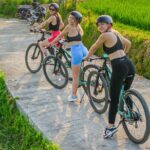
The electric bike matters more than you’d think. Rice-terrace areas often come with tight turns, uneven ground, and short climbs. With pedal assist, you can keep your energy for looking around, taking photos, and chatting with your guide instead of burning out early. That changes the whole experience from sightseeing to something closer to travel-by-local-pace.
You’ll also get a meaningful lens for what you’re seeing. The focus here is the traditional Balinese Subak irrigation system—how farming and water management are organized. Even if you don’t remember every term, you’ll start to notice the logic: water flows, fields connect, and the landscape you’re cycling through is shaped by that system.
You can also read our reviews of more tours and experiences in Kuta.

The guides matter: Eddie, Made, and the safety-first approach

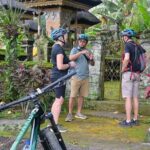
This is one of those tours where the human factor improves everything. The guiding style you’ll want is calm and hands-on, especially on rural roads where cars aren’t part of the picture but scooters, pedestrians, and uneven ground still happen. From what I gathered, guides like Eddie are enthusiastic without rushing, and drivers like Bagus pay attention to making sure everyone has what they need.
One key detail I’d take seriously: helmets. The bikes and helmets are described as being in good condition, and the guide’s care shows in how they manage turns and slower sections. That’s not just comfort—it’s confidence. When you feel safe, you stop gripping the handlebars like you’re escaping a volcano and start actually enjoying the ride.
A practical tip: if your comfort level is lower than average (fear of narrow paths, balance issues, or you want more stops), tell your guide at the start. The tour is private for your group, so you’re not stuck with a generic pace forever.
Getting there: Cretya Sunset meeting point and pickup in one plan
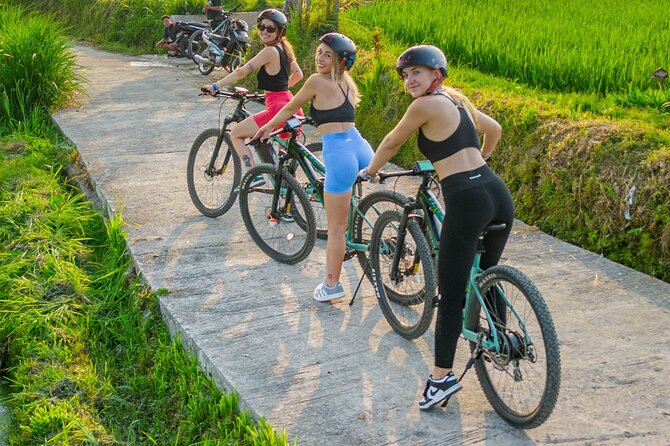
You’ll start at Cretya Sunset, Jl. Raya Bresela No. 8, Bresela, Kec. Payangan, Kabupaten Gianyar, Bali 80572. The activity ends back at the same meeting point, so you don’t need to figure out how to return after the ride.
Pickup is offered, which matters if your Bali days start to feel like a juggling act between hotel, traffic, and checkpoints. In at least one instance, the driver Made picked people up at their hotel and got them to the meeting point smoothly. That’s the kind of convenience that makes a short, 3-hour tour actually work in your schedule.
Also note: you’ll receive a confirmation at booking, and you’ll have a mobile ticket. That’s the kind of friction-reducer you’ll appreciate when you’re bouncing between temples, markets, and meals.
The Subak ride: moving through rice paddies like water moves
The core of the tour is the cycle through Ubud’s iconic rice paddies and the traditional farming practices behind them. The big idea is simple: you’re not just rolling past views. You’re traveling through the same agricultural world that the Subak system helps organize.
Here’s what you should look for as you ride:
- Water channels and flow paths between terraces
- Field boundaries and the way paths connect paddies
- Work rhythms, like signs of ongoing farming rather than a staged “photo only” space
Even without a long lecture, the explanations you get along the way help you read the scene. It turns “pretty fields” into “active system.” That makes every stop feel more purposeful.
You’ll also get a sense of how these areas shaped Balinese life for centuries. The tour description calls out how age-old farming practices shaped the Bali you see today, and the route is designed for the best views of Ubud’s natural beauty—paths that are hard to reach by car.
Traditional villages: where the interaction feels real
After the rice paddies, the tour shifts from farming scenery to village life. You visit traditional Balinese villages where time can feel slower, and you’ll interact with local artisans and craftsmen. This is one of the parts I like most on tours like this, because it’s where you learn to connect what you saw in the fields to what you see in daily work.
What should you expect here?
- Short encounters with people who make things as part of normal life
- Context for what you’re seeing as you pass temples, homes, and working areas
- A chance to ask questions in a guided, respectful way
The tour is also set up to reach off-the-beaten-path places that aren’t car-friendly. So you’re less likely to feel like you’re in a drive-by loop. Instead, it feels more like you’re walking (or cycling) through a functioning community.
One honest note: village interactions can vary depending on what’s happening that day. If you’re the type who wants hands-on learning, go in with curiosity and ask your guide what you should pay attention to.
A mid-ride break: meal time in the rice field
One detail that stood out in the descriptions you provided: there can be a meal in the middle of the rice field to finish. That kind of break changes the tour in a practical way. A few hours on an eBike is still active time—your body will want water and something solid, and your brain will want a pause from the constant “look at this” input.
If the meal stop is included on your departure, plan to treat it as part of the experience, not an afterthought. It’s also a moment to slow down and enjoy the view with fewer people around you than typical sightseeing spots.
I’d suggest wearing clothes you’re comfortable in for a seated break, and bring a light layer if you run cold easily. Even in Bali, late-day air can be a bit cooler than you expect.
The 3-hour reality: what “easy” still means
This tour runs about 3 hours. That’s a sweet spot: long enough to get into the rice paddies and reach village lanes, short enough that you don’t feel like your whole day is gone.
The electric bike makes it accessible for many fitness levels, and the operator notes that most travelers can participate. But “accessible” doesn’t mean “effortless.” You’re still cycling over rural paths, and there may be moments where you slow down for turns, pedestrians, or narrow sections.
If you’re tall, you’re in luck: the requirements include a minimum height of 160cm and a maximum height of 195cm, plus a maximum weight of 120kg. Those limits are important because they influence whether you’ll fit safely and comfortably on the bike setup. The age range is listed as 6 to 65, but in practice, the height requirement is often the real gatekeeper.
Here’s how to set yourself up for a smoother ride:
- Wear closed-toe shoes or sturdy sandals with good grip
- Bring water (even if you’ll have a break)
- Tell the guide if you want a slower tempo for photos or comfort
Price and value: is $26 per person a smart deal?
At $26 per person, this is positioned as a budget-friendly way to access Ubud’s rice terraces by bike instead of just viewing them from a tour bus window. The value comes from four things working together:
- Electric bikes that reduce physical effort, which increases the odds you’ll actually enjoy the ride
- Guided context for Subak irrigation and what you see in the fields
- Village time with artisan encounters, which adds cultural meaning
- Pickup offered (when needed), which reduces the friction of getting to the start
A 3-hour tour can be cheaper than a full-day program, but still offers that “movement + meaning” combo—especially if you’re already planning a couple of other Ubud stops. If your schedule is tight, this one tends to feel like a win.
The main reason someone might feel it’s not worth it: if you already love cycling and don’t care about the irrigation/village context, you could spend less money on bike rentals and figure it out on your own. But if you want the explanations and safer navigation, the guide-based value makes sense.
Who should book, and who might skip it
This tour is a great fit if:
- You want to see Ubud rice terraces and traditional villages without a steep fitness demand
- You prefer smaller, more personal attention—this is a private tour for your group
- You’d like to reduce driving time and visit places that are hard to reach by car
- You appreciate safety-focused guiding and proper gear like helmets
It may not be ideal if:
- You’re looking for a long, museum-style cultural day (this is still about riding and a few core stops)
- You’re very sensitive to group pacing and want maximum time for slow cycling. If that’s you, ask for a slower rhythm at the start.
Also, double-check the fit requirements. The 160cm minimum height means it’s not a universal option for shorter riders, even if the stated age range includes younger kids.
When to book and how far ahead to plan
The average booking window is about 14 days in advance. That’s not “only a week away,” but it also isn’t something I’d leave until the last minute during busy periods. If you know your Ubud dates, I’d lock it in earlier so you can match it with your other rice/temple plans and meal times.
Should you book this eBike tour of Ubud rice terraces?
I’d book it if you want a practical mix of scenery and cultural context, with an eBike that keeps the ride relaxed enough to actually enjoy the moment. The Subak focus and village encounters give the trip more meaning than a standard bike photo loop, and the safety-first approach from guides like Eddie and drivers like Made (and Bagus keeping things sorted) is a big confidence booster.
Don’t book it if you’re expecting a slow, extended ride with lots of downtime at every stop. At around 3 hours, it’s energetic and efficient. If you’re the type who likes to linger, communicate your preferred pace early and use the guide’s attention to slow the schedule where possible.
If you’re planning your Bali time around Ubud and you want an off-road-feeling experience that doesn’t chew up your energy, this is a very solid choice.
FAQ
How long is the eBike Ubud rice terraces and village cycling tour?
It runs for about 3 hours.
Is pickup available?
Pickup is offered. You’ll meet at Cretya Sunset at the address in Bresela, Payangan, Gianyar, and the tour ends back at the same meeting point.
Is this a private tour?
Yes. It’s private, and only your group participates.
What’s included with the ticket?
You get a mobile ticket, and confirmation is received at booking.
Are there height, weight, or age requirements?
Yes. The tour is listed for ages 6 to 65. Riders must be at least 160cm tall and no more than 195cm tall, with a maximum weight of 120kg.
What is the cancellation policy?
Cancellation is free up to 24 hours in advance for a full refund.