REVIEW · KUTA
Bali: Ubud Country Side Cycling Tour with Lunch
Book on GetYourGuide →Operated by Bali Locale Indonesia · Bookable on GetYourGuide
Rice fields and temples on two wheels. This guided ride from Ubud to Petang mixes long stretches of working rice fields with visits to ancient Balinese temples and local craft areas, with lunch wrapped into the day.
I love two things most: the chance to see farmers planting or harvesting rice up close, and the way the guide keeps the tour easy to follow and adjusts the group pace as you go. That matters when you’re cycling for hours.
The main drawback is simple: it’s not for you if you can’t ride a bike, you have back problems, or you need wheelchair access.
In This Review
- Quick hits for Petang’s countryside cycling
- From Ubud to Petang: the short ride that starts the day right
- Pedaling through Petang’s rice fields: what the 70% farmland time really gives you
- Balinese temples and hero monuments: the cultural stops that slow you down
- Craft centers on the route: silver jewelry making and black bee farming
- Lunch among village homes: eating where the community lives
- The guide and pacing: where this tour feels flexible
- Price and value: why $32 can actually be a good deal
- Who should book this Bali countryside cycling tour
- How to get the most out of the ride (without overthinking it)
- Should you book this Petang cycling tour with lunch?
- FAQ
- How far is Petang from Ubud?
- What percentage of the route goes through rice fields?
- What stops are included besides cycling?
- Is lunch included, and where do you eat?
- What does the tour include in the price?
- What should I bring with me?
- Is the tour offered in English?
- Who is this tour not suitable for?
Quick hits for Petang’s countryside cycling
- 70% rice fields route: lots of farmland time, not just short scenic stretches
- Farmer life firsthand: you may witness planting or harvesting along the way
- Temple and hero monument stops: multiple cultural pauses built into the ride
- Craft centers included: silver jewelry making and black bee farming are part of the route
- Lunch among village homes: a local meal that feels like you’re in the community
From Ubud to Petang: the short ride that starts the day right
Ubud is your base, and the cycling starts after a drive of about 30 minutes to Petang. That quick hop matters because you spend your energy pedaling instead of stuck in transport. Once you’re in the village area, the whole tour feels local right away.
You’ll also be set up for an easier start thanks to hotel pick-up and return, plus the basics that make bike tours feel less stressful: entrance tickets, insurance, a professional guide, and international-standard safety gear. You’re not figuring anything out on your own, which is a real comfort if you’d rather spend mental energy on the views and the culture.
Before you go, you’ll want the usual sun-protection and comfort items: hat, sunscreen, camera, and comfortable clothes. Bring something light you can move in, because you’ll be out on the bike for much of the route.
You can also read our reviews of more tours and experiences in Kuta.

Pedaling through Petang’s rice fields: what the 70% farmland time really gives you
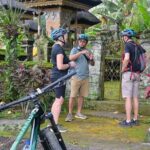
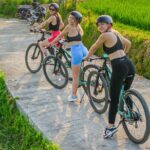
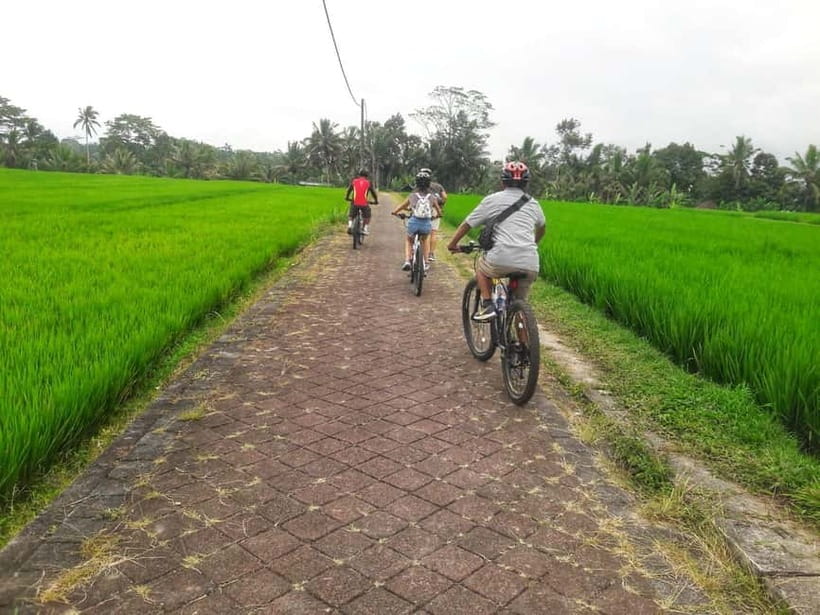
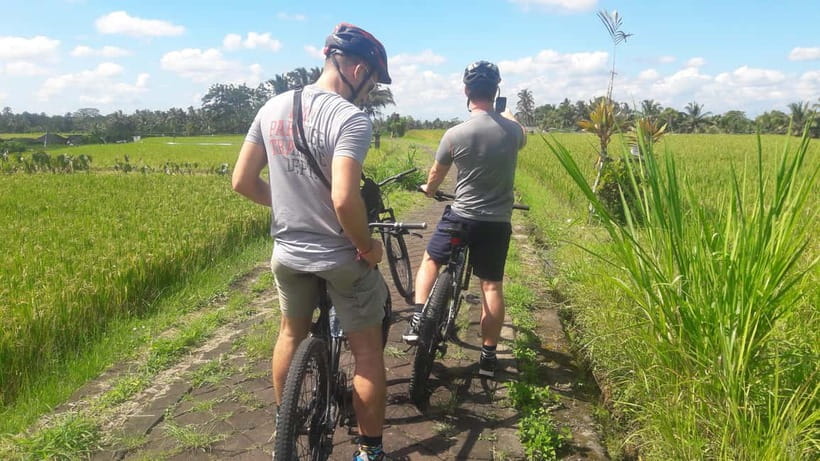
The biggest “wow” factor is how much of the route is farmland. About 70% of the journey runs through lush rice fields and countryside village roads, not just a brief photo stop. That long stretch changes how you experience Bali. Instead of rushing between attractions, you’re watching a living landscape.
The guide route also gives you something many day trips miss: you might see farmers planting or harvesting rice while you ride past. That’s the heart of this tour. Rice farming is seasonal work, so the exact scene can vary, but the tour is built around the idea that you’re cycling through daily agriculture, not a staged set.
Here’s what to pay attention to while you’re riding:
- Water and fields: rice terraces and field edges show how farming depends on careful water management.
- Working pace: you’ll see how activity moves across the day, not just a single “tourist moment.”
- How locals use the paths: village roads often function like part of the farm system.
And yes, there’s a practical side too. Long farmland sections are easier on your photos and your patience because you can stop when you want, without feeling like you’re constantly scrambling for the next landmark.
Balinese temples and hero monuments: the cultural stops that slow you down
The cycling tour isn’t only about scenery. You also make several stops at key sites, including ancient Balinese temples and a local hero monument. These are the moments where the ride shifts from movement to meaning.
When you arrive at a temple stop, you’re not just checking a building off a list. The value is in the guide’s explanations, which help you connect what you’re seeing with how communities practice and remember. Even if you only catch parts of the story, the structure of the tour encourages you to look longer than you usually would.
The hero monument stop adds another layer. It’s a reminder that Balinese public spaces carry stories and local memory, not just religious symbolism. The guide’s commentary is what turns a quick photo into a real understanding of why the place matters.
One consideration: temple and monument pauses often mean you’re shifting from sun and movement to quiet viewing. Bring a camera, but also leave room to slow down and actually listen.
Craft centers on the route: silver jewelry making and black bee farming
Between cycling and temple time, you’ll visit local craft centers, including areas focused on silver jewelry making and black bee farming. These stops are especially useful if you like your travel experiences to be hands-on, not only sight-based.
For silver jewelry making, the tour format helps you understand the craft as something people practice day to day. You’re seeing technique connected to a local economy, not just a shop window. For black bee farming, it’s a different kind of local skill—one tied to nature, care, and the practical realities of raising insects.
What I like about these craft stops is the pacing. They break up the ride without turning the day into a long museum-style timeline. You’ll get a change of scenery and a different kind of learning before you climb back onto the bike.
If you’re the type who loves watching work happen—how people handle tools, how they explain their process—these stops are a good fit.
Lunch among village homes: eating where the community lives
The tour ends with lunch at a local restaurant located among village homes. That wording matters. You’re not eating in a tourist strip designed for convenience. Instead, you’re in an area where normal life continues around the meal.
Lunch is included, and you also get complimentary mineral water. A cold face towel is provided too, which sounds like a small thing until you’re cycling in Bali sun and your face needs a reset.
In terms of value, this is a big reason the price makes sense. Many cycling tours pack the ride but then make you hunt for lunch yourself. Here, your meal is part of the program, so you don’t waste time bargaining for food or trying to find a place that can handle dietary needs on the fly. (Diet specifics aren’t listed, so if you have strong restrictions, confirm directly with the provider when you book.)
One practical tip: use lunch time as your mental decompression. The countryside and culture stops add up to a lot of impressions. One of the reviews summed it up nicely as an overload of new sights you’ll want time to process. Plan for that feeling afterward.
The guide and pacing: where this tour feels flexible
This is the kind of tour that stays pleasant because the guide actively manages the experience. The pace is decided by the group, and the guide is described as accommodating toward needs and extra requests. That flexibility matters on a cycling day because comfort and enjoyment go down when you feel rushed.
I also like that the guide’s explanations are easy to understand. If you’ve ever been on a tour where the history and culture sound like a script you can’t really connect with, this one is built to keep things clear. English is offered, so you don’t have to guess what’s going on at each stop.
Here’s what “group pace” really means for you:
- If your legs feel good, you can keep a steady rhythm.
- If you need more frequent breaks for photos, you won’t get shut down.
- You can adjust your day without feeling like you’re ruining the schedule.
And because the tour includes professional guidance plus safety equipment, you’re not stuck thinking about bike handling the whole time. You can focus on what you came for: the rice fields, the village rhythm, and the cultural pauses.
Price and value: why $32 can actually be a good deal
At $32 per person, this tour lands in the “budget-friendly but not skimpy” category. Here’s what you’re getting for the money based on what’s included:
- Hotel pick-up and return, so you don’t pay and plan extra transport
- A professional, fully trained cycling guide
- International standard safety equipment
- Insurance
- Entrance tickets
- Lunch and complimentary mineral water
- A cold face towel
Then consider what you get in return. You’re not just cycling for a short loop. You’re cycling through a countryside area with long stretches of farmland, visiting temples and a hero monument, and seeing craft work tied to silver jewelry making and black bee farming. That’s several different types of stops packed into one day.
The only item listed as not included is personal expenses. That’s normal for tours, but it means you should still budget for souvenirs or extra snacks if you want them. If you keep it simple, the included lunch and water should cover the main needs.
Overall, the value comes from the combination: countryside cycling + cultural stops + lunch + logistics handled for you.
Who should book this Bali countryside cycling tour
This tour is a strong choice if you want:
- A cycling day with a real village setting, not only views from viewpoints
- Time in the rice fields, including the possibility of seeing planting or harvesting
- Cultural stops like ancient temples and hero monuments
- Craft visits, including silver jewelry making and black bee farming
- A guide who keeps explanations clear and the pace flexible
It’s also ideal if you like travel that feels practical. You get the sun-ready kit suggestions, safety gear is included, and the route is built around meaningful stops rather than a race between attractions.
Who should skip it:
- You can’t ride a bike.
- You have back problems.
- You need wheelchair access.
- You’re over 95 years old.
How to get the most out of the ride (without overthinking it)
A few small choices make a big difference:
- Wear comfortable clothes you don’t mind getting a little dusty.
- Bring sunscreen and a hat, because you’ll spend substantial time outdoors.
- Bring a camera, but plan to pause and breathe too. Some of the best moments are the quiet ones at temple and craft stops.
- Expect a “processing” feeling afterward. Between rice fields, farming life, and multiple cultural stops, it’s a lot to take in.
If you’re worried about pace, remember the tour is group paced. Ask your guide how you can make the day feel right for you. That flexibility is part of what makes people rate this tour so highly.
Should you book this Petang cycling tour with lunch?
If you want an affordable Bali day that mixes cycling through rice fields with temple and craft stops—and you want lunch handled for you—this is a smart booking. The logistics are straightforward, the guide work seems to be a standout, and the day has a real sense of village life.
If, on the other hand, you’re sensitive about physical strain or need wheelchair access, look for another option. This one is built for people who can ride comfortably and enjoy the countryside at bike speed.
FAQ
How far is Petang from Ubud?
Petang is about a 30-minute drive from Ubud.
What percentage of the route goes through rice fields?
About 70% of the journey goes through lush rice fields.
What stops are included besides cycling?
You’ll have stops at ancient Balinese temples, hero monuments, and local craft centers, including silver jewelry making and black bee farming.
Is lunch included, and where do you eat?
Lunch is included, served at a local restaurant among village homes. Mineral water is also included.
What does the tour include in the price?
The tour includes entrance tickets, insurance, a professional cycling guide, international standard safety equipment, lunch and complimentary mineral water, a cold face towel, and hotel pick-up and return.
What should I bring with me?
Bring a hat, camera, sunscreen, and comfortable clothes.
Is the tour offered in English?
Yes. The tour language is English.
Who is this tour not suitable for?
It’s not suitable for people with back problems, people who can’t ride a bike, wheelchair users, and people over 95 years old.