REVIEW · MOSHI
Cycling from Kilimanjaro to Ngorongoro Crater
Book on Viator →Operated by One Bike Tanzania · Bookable on Viator
Kilimanjaro to Ngorongoro by bike is a big idea. What makes this ride special is the way your day-to-day terrain changes fast, from Kilimanjaro’s Chagga villages and lush forest edges to drier Maasai country, then on to northern safari zones and Rift Valley viewpoints. I love that it’s built around a real cycling challenge, not just a scenic car trip, and I also love the wildlife timing you get as you move through key corridors and elephant country near Tarangire and Lake Manyara.
The one consideration is that the route includes long, dusty days and a final stretch that’s described as tough (even if it’s doable), so you’ll want solid moderate fitness and a realistic attitude about some uneven roads. The good news: you’re not left on your own with a bike and hope—you have a support vehicle and your pace can be adjusted based on ability.
In This Review
- Key things I’d circle before you book
- Price and what you actually get for it
- Getting started in Moshi: your 7:00 am launch plan
- Day 1: west of Kilimanjaro through Chagga farms to Maasai plains
- Day 2: long dusty cycling toward Arusha and elephant migratory country
- Day 3: the longest ride, built on easier tarmac and colorful village life
- Day 4: Tarangire-to-Lake Manyara corridor riding and Rift Valley views
- Day 5: the toughest, then Lake Manyara to Karatu to the Ngorongoro gate
- Day 6: rest at the lodge, plus a crater-area game drive option
- The guides and why support matters more than people think
- What you should pack (based on the realities of these roads)
- Who this tour fits best
- Book or pass: my practical take
- FAQ
- Where does the tour start, and what time?
- Is pickup offered?
- How long is the tour?
- Is the tour private or shared?
- What’s included in the price?
- Is insurance included?
- What kind of fitness level do I need?
- What’s the biking route like?
- Will I have a chance to do a safari game drive?
- What happens if the weather is poor?
Key things I’d circle before you book
- A single north-safari sweep: Kilimanjaro area to Ngorongoro, using cycling to connect the dots between Tanzania’s best-known regions.
- Big terrain variety in just a few days: tarmac, gravel, dusty roads, and small uphills/downhills that steadily add up.
- Wildlife corridors on the route: you’re cycling near migratory paths and in the areas linking Tarangire and Lake Manyara.
- Optional game drive at the end: you can add crater-area wildlife time on the final day.
- Fully handled basics: transportation support, lodging, and meals are included so you can focus on riding and the scenery.
Price and what you actually get for it
This tour costs about $2,820.52 per person for roughly six days starting in Moshi. That sounds steep until you price out what’s bundled: the itinerary is not just bike time. You’re also getting the supporting vehicle, lodging, and meals across multiple days, plus the structure to move you between regions like Arusha, Tarangire, Lake Manyara, and the Ngorongoro Conservation Area.
The value comes from a simple idea: you’re paying to compress a lot of northern circuit seeing into one continuous trip, while your physical effort replaces a chunk of driving. On a normal Tanzania itinerary, you’d spend time and money hopping between parks and lodges with mostly car time. Here, your effort becomes part of the experience.
One more thing: the tour notes that travel insurance is provided for the cycling journey, but insurance is also listed as not included. I’d treat that as a prompt to ask what exactly is covered and for whom, especially if you have strict travel insurance rules.
You can also read our reviews of more tours and experiences in Moshi.
Getting started in Moshi: your 7:00 am launch plan
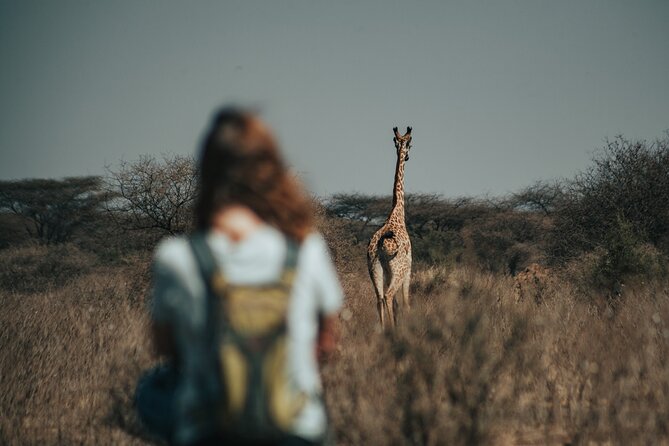
You meet at One Bike Shop on Mailimoja Rd in Moshi with a 7:00 am start. For me, that early start matters. You’re more likely to beat heat and roadside dust, and you’ll get more daylight to enjoy the riding and the small village moments between longer stretches.
Because this is a private tour (only your group participates), you’re not fighting for space in someone else’s schedule. That usually means the ride feels more personal—especially important when terrain changes day to day.
Day 1: west of Kilimanjaro through Chagga farms to Maasai plains
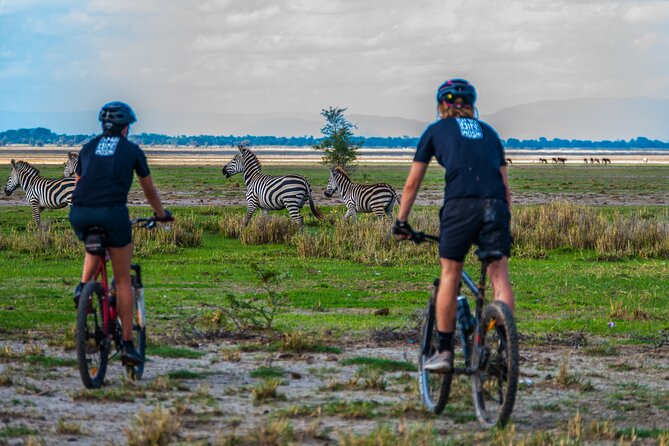
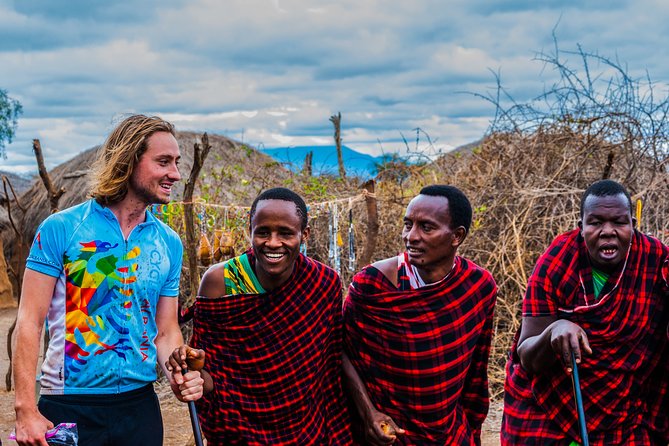
Day 1 starts right from the One Bike shop and takes you to the west side of Mt. Kilimanjaro. This first day is about contrast. You’ll ride on a mix of tarmac and dirty gravel, moving through Chagga villages, with banana and coffee plantations, and into greener forest areas.
Then, step by step, the region changes. As you ride farther west, the ground becomes less overgrown, and you’re pulled into more arid open plains—described as Maasai country. On the bike, that shift feels immediate. You’re not just watching it through a window. You’re feeling how the land affects the road surface and the effort in your legs.
There’s also a practical wildlife element built into the ride: you may cross roads where wildlife is moving. That doesn’t mean you should expect a guarantee of sightings, but it does mean your route has that kind of natural permeability.
You finish with a driving transfer to Ngabobo village for the overnight. The blend of cycling plus a bit of support/transfer is one of the reasons this style of trip can stay enjoyable for a wide range of fitness levels.
Day 2: long dusty cycling toward Arusha and elephant migratory country
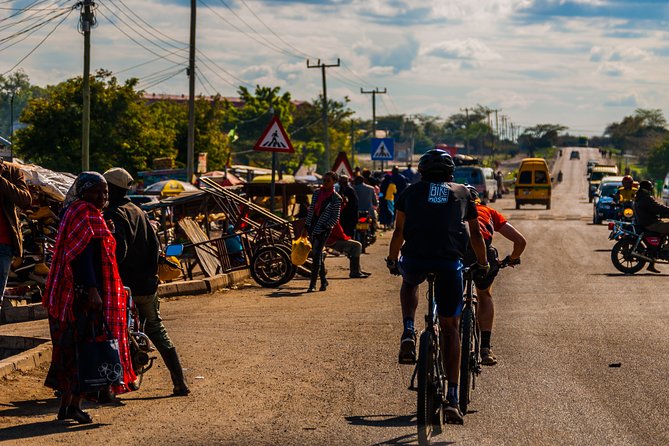
Day 2 is described as a long ride, mostly on dirty and dusty road, but without big uphills. If you’re sensitive to dust, plan your mindset for this day: it’s endurance and patience, not climbing.
The highlight on paper is you cycling through Ngasurai open plains, identified as a migratory path for wildlife, especially elephants coming from Amboseli National Park in Kenya. Whether you see elephants depends on timing, but the route choice is the point. You’re moving along a corridor where wildlife movement is part of the landscape rhythm.
As you approach Arusha, riding becomes easier when you reach the main tarmac road. The ride also includes views with Mount Meru in the background as you pass villages.
That matters because Arusha isn’t just a transit stop here—it’s part of the visual story. You end the day with an overnight at a lodge in Arusha, giving you a breather before the longest cycling day.
Day 3: the longest ride, built on easier tarmac and colorful village life
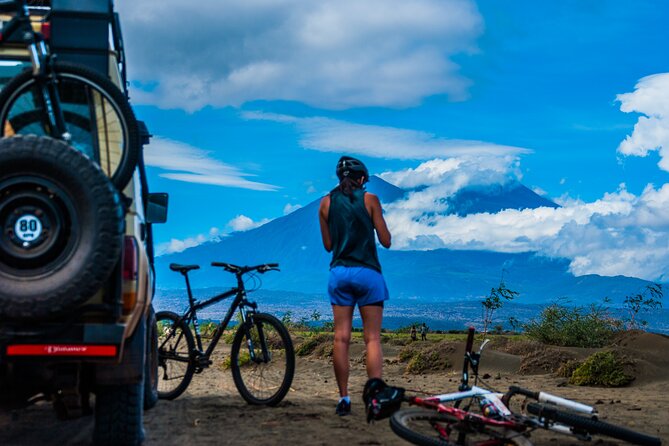
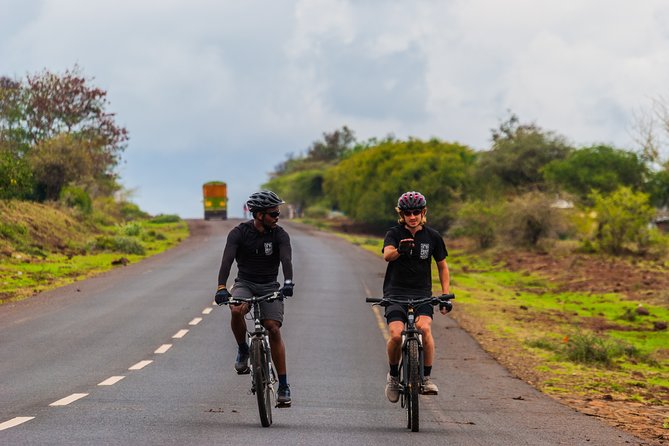
Day 3 is called the longest ride on the tour, but the good news is that it’s mostly tarmac undulating road, so it’s less demanding than a day filled with constant climbs. You’ll pass colorful Tanzanian villages and see everyday life along the road.
Why this day is such a big deal: when your ride stretches longer than expected, comfort and rhythm become everything. Tarmac helps you keep a steady pace, and undulations tend to feel more manageable than steep terrain.
You end at the border of Tarangire National Park, where you get a rest at Roika Tented Lodge. Tarangire is famous for elephants, and you’re landing in that region with your body already warmed up for safari-style days ahead.
Day 4: Tarangire-to-Lake Manyara corridor riding and Rift Valley views
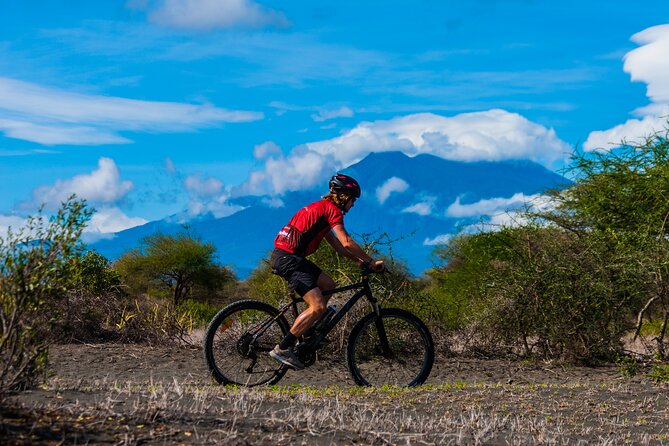
Day 4 is one of the “I’m glad we did this on a bike” days. The description emphasizes wildlife corridors between Tarangire National Park and Lake Manyara, plus Maasai traditional settlements, and riding along with views of the Great Rift Valley.
Even when the roads are the same kind of tarmac, corridors change how the route feels. You’re more likely to spot spoor, animals near the roadside edges, and people going about their day. And because you’re moving at bike speed, you notice the small things: where paths cut across the road, how the settlement patterns appear along the route, and how the Rift Valley changes the horizon.
This is also a practical day in terms of ride conditions. It’s mostly tarmac, with only the last few kilometers shifting onto dirt road toward Migombani camp for the overnight.
That last dirt stretch is worth mentally preparing for. It’s short, but it reminds you you’re not in a country where everything is built for smooth cycling. It’s part of the authenticity.
Day 5: the toughest, then Lake Manyara to Karatu to the Ngorongoro gate
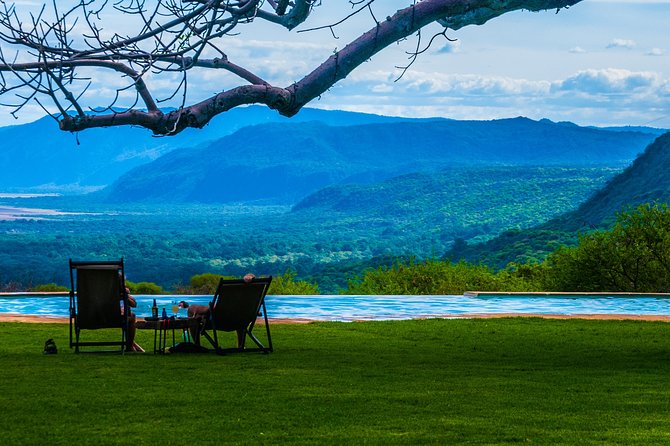
Day 5 is labeled the toughest but most rewarding. It starts at the Lake Manyara national park gate, then you cycle up toward the steep Great Rift Valley escarpment.
This is where the tour pays off for people who want views that feel earned. You stop for a breathtaking view of Lake Manyara and its surrounding area on the way up. That’s the kind of moment you’ll remember when your legs start asking questions.
After the escarpment viewpoint, you cycle through colorful Karatu town until you reach the end point at the Ngorongoro Conservation Area gate. From there, you’re transferred to the lodge for rest and a celebration of finishing the challenge.
Note the pacing implication: you don’t end the day still grinding. You reach the gate and transition into lodge time, which helps keep this trip from feeling like one long slog.
Day 6: rest at the lodge, plus a crater-area game drive option
Day 6 is built for recovery. You can relax at the lodge while waiting for a transfer back to Kilimanjaro airport or another departure point.
This is also the day where a game drive can be arranged. That gives you flexibility: you can treat it as a chance to top off the animal sightings with a crater-focused day, or keep it as a low-effort finish if you’re already satisfied by what you saw while cycling.
If you’re thinking about your energy budget, I’d plan for the possibility that Day 5 takes more out of you than you expect, and keep Day 6 as your buffer.
The guides and why support matters more than people think
The trip’s reviews highlight a team approach, including guides named Hilary, Goodluck, and Joseph. Even without hearing every detail firsthand, the pattern is clear: a good cycling safari is about more than route design—it’s about safety, pacing, and cultural context.
Because this is a private trip, your guide can adjust daily riding according to ability and requests. That’s a huge value if your group includes mixed experience levels. It also helps on the tougher stretches, like the dusty long ride or the Rift Valley climb.
And because you have a support vehicle, you’re not stuck if conditions change (like road quality or weather). The tour structure is designed so you can keep riding without feeling stranded.
What you should pack (based on the realities of these roads)
The data you have here points to the big cycling realities: dust, long days, mixed road surfaces, and some climbing effort. So I’d pack for road grit and heat management, not for a paved-ride fantasy.
You’ll likely want:
- Sun protection and water discipline for dusty segments
- Clothing that can handle dust and repeated use
- A basic repair setup for a bike trip (or confirm what the operator provides)
- Layers for morning riding and evenings in lodges
Also, since weather is explicitly a factor for the experience, bring a calm “plan B” attitude if conditions force date changes.
Who this tour fits best
This is best for you if you:
- Have moderate physical fitness
- Want to see Tanzania’s northern circuit in one coherent journey
- Like cycling enough that you’re happy trading some comfort for connection to local life
- Want wildlife encounters, but accept that sightings depend on timing
It’s also a great fit if you’re traveling with a small group that wants flexibility. The private format helps a lot.
If you’re a complete novice on bikes or you hate dusty roads, this might feel like hard work rather than fun. The tour is designed to be manageable, but it’s still a bike challenge.
Book or pass: my practical take
I’d book this tour if you want a true “from one icon to another” Tanzania trip where your legs do some of the work and your route passes through the regions that define northern safari.
I’d pause before booking if:
- You know you’re not comfortable with long dusty rides
- You want a totally low-effort itinerary with minimal riding
- You need very exacting medical accommodations for tougher days (since the final day is described as tough, even if achievable)
If you do book, the smartest move is to be honest with your fitness level on Day 1. The trip is structured around adjustment, and that’s what helps make a cycling safari feel like an adventure instead of a battle.
FAQ
Where does the tour start, and what time?
The tour starts at One Bike Shop in Moshi on Mailimoja Rd. The start time is 7:00 am.
Is pickup offered?
Yes, pickup is offered.
How long is the tour?
It’s listed as 6 days (approx.).
Is the tour private or shared?
This is a private tour/activity. Only your group participates.
What’s included in the price?
Transportation support is included (supporting vehicle), along with meals: breakfast (5) and lunch (6) and dinner (6). Lodging is also part of the trip structure by day.
Is insurance included?
Travel insurance is mentioned as provided for the cycling journey, but insurance is also listed under not included. You should confirm exactly what coverage you get.
What kind of fitness level do I need?
The tour notes moderate physical fitness.
What’s the biking route like?
You’ll ride a mix of tarmac, dirty gravel, and dusty roads, with at least one long day and at least one day described as tough due to terrain and effort.
Will I have a chance to do a safari game drive?
Yes. A game drive can be arranged on the final day (Day 6).
What happens if the weather is poor?
The experience requires good weather. If it’s canceled due to poor weather, you’ll be offered a different date or a full refund.