REVIEW · THANI THAILAND
Sukhothai: Historical Park & Countryside Cycling Tour
Book on GetYourGuide →Operated by Sukhothai Bicycle Tour · Bookable on GetYourGuide
Pedal through Sukhothai, not across it. This full-day bike tour mixes quiet village life, UNESCO ruins, and long views over rice fields so you see the real setting around the temples. You also ride with an English-speaking Experience Guide, which turns temple time into actual understanding, not just photo stops.
What I like most is the way the day starts outside the historic park. You glide through a peaceful village and then hit a dirt road lined with rice paddies and Kao Laung Mountain views that feel like Thailand after the tour buses leave.
The other big win is how the ruins stop is taught, not merely visited. You reach the Eastern Gate area and get clear explanations of Sukhothai’s Buddhist and Hindu architecture, plus stories that help the shapes make sense.
One drawback to think about: it can get really hot, and you will be riding on mostly flat routes that still include dirt roads and uneven ground. If you have back issues or mobility limits, this isn’t the right fit.
In This Review
- Key things you’ll notice on this Sukhothai bike day
- Why cycling is the smart way to see Sukhothai Historical Park
- The morning handoff: pickup, bikes, and getting ready (8:15 AM start)
- Ban Khuai to quiet villages: the first taste of rural Thailand
- Rice paddies and dirt-road views: Kao Laung Mountain in the distance
- Irrigation canals (Klong Mae Lampan) and rural routines
- The wood furniture factory stop: craftsmanship you can actually see
- Arriving at the Eastern Gate: where temple stories click
- How the tour handles pacing inside the ruins
- Lunch at a local Thai restaurant: good food, local connection
- Bikes, safety, and what the guide team adds
- Price and value: is $53 really fair?
- What to bring and what to watch out for
- Who this tour suits best (and who might want a different day)
- Should you book this Sukhothai Bicycle Tour?
- FAQ
- How long is the Sukhothai cycling tour?
- What’s included in the tour price?
- Where does the tour start and what route do you ride first?
- What time does pickup usually happen?
- Is lunch included?
- Who should not join this tour?
Key things you’ll notice on this Sukhothai bike day
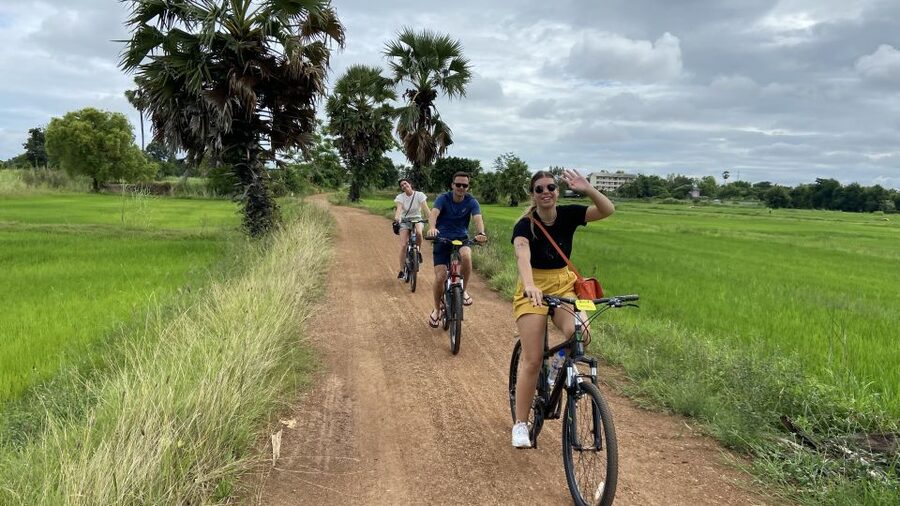
- Small group size (up to 12), so you’re not stuck watching a guide through a crowd
- 24-gear mountain bike with front suspension and helmet, built for comfort on dirt and rougher sections
- A real countryside-to-ruins flow, starting from Ban Khuai and ending back near your hotel
- Included lunch plus snacks, soft drinks, and water, with cold drinks at stops
- Temple time that’s explained, including the Eastern Gate and surrounding sights
- Local touches, like a wood furniture workshop stop and chances to interact with village life
Why cycling is the smart way to see Sukhothai Historical Park
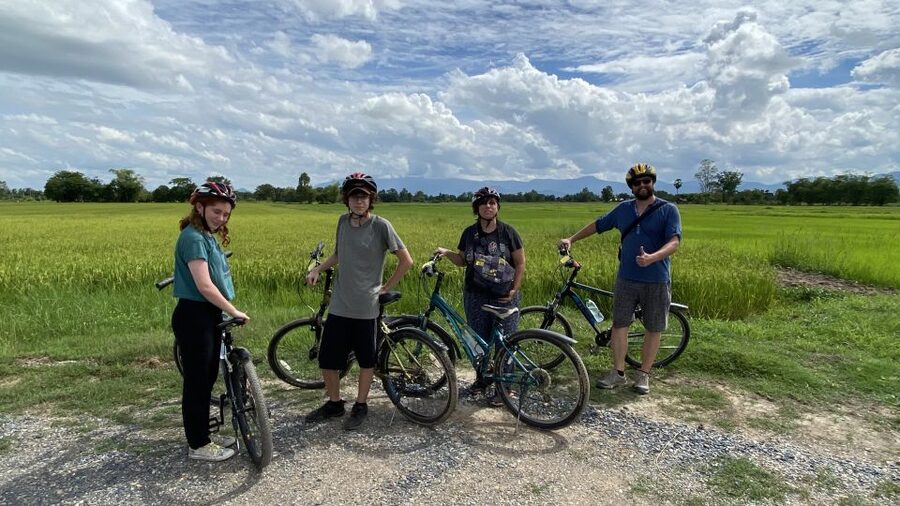
Sukhothai is one of those places where the temples are beautiful, but the meaning can stay locked up unless someone helps you read it. Cycling fixes that. You’re not just walking between monuments; you’re moving through the same kind of countryside and daily rhythms that shaped where people built, practiced, and lived.
The route also helps your brain. You start in smaller roads and open fields, so the day doesn’t feel like a checklist. Then the UNESCO Sukhothai Historical Park portion lands with more weight because you’ve already seen the setting.
And with a small group capped at 12 people, you get more human conversation and fewer long waits. Guides can actually answer your questions, point out details, and keep the pace comfortable.
You can also read our reviews of more tours and experiences in Thani Thailand.
The morning handoff: pickup, bikes, and getting ready (8:15 AM start)
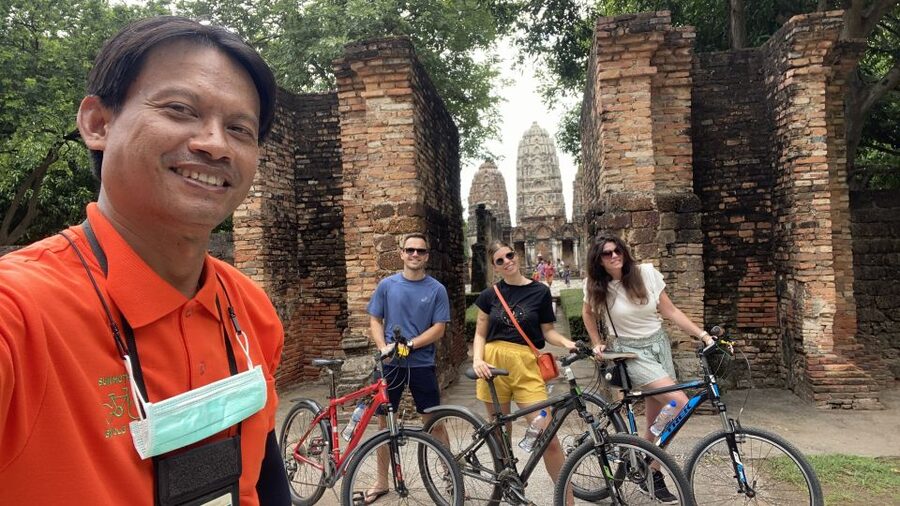
Expect pickup around 8:15 AM from hotels within 15 kilometers of Sukhothai city center. This matters because the day runs as one smooth plan. You don’t spend your morning figuring out logistics or paying extra transport to start the cycling outside town.
Once you’re picked up, you’ll meet your guide and get your bike setup. The bikes are mountain bikes with 24 gears, front suspension, and a helmet. In practice, that combination makes a big difference on a day that mixes flat paths with dirt-road stretches.
Bring the basics for heat and sun: comfortable shoes, sunglasses, a sun hat, and sunscreen. You’ll thank yourself later. The tour can run under strong daylight, and the countryside stops are mostly outdoors.
Ban Khuai to quiet villages: the first taste of rural Thailand
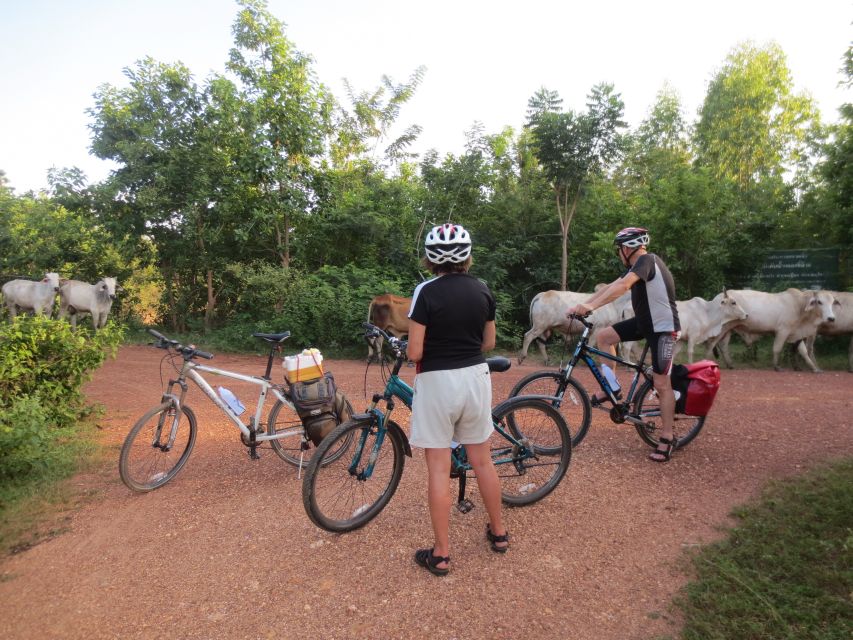
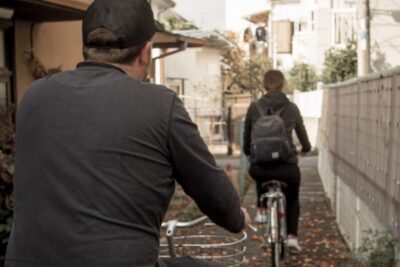
The cycling begins from a small village on the outskirts called Ban Khuai. Right away, the goal shifts from sightseeing to atmosphere. You pedal through a quiet village and get scenery that feels calm and lived-in, not staged.
This is where the tour earns its value. When you see rice paddies and irrigation systems early, you understand why the ruins are where they are. Sukhothai wasn’t built in a vacuum. People farmed the land, supported the temple economy, and built communities around religion and craft.
You may also have a chance to interact with local people along the way. In some cases, you might even join simple farm activities connected to next season’s crops. Even when you don’t do hands-on work, just the conversations and village moments help the day feel human.
Rice paddies and dirt-road views: Kao Laung Mountain in the distance
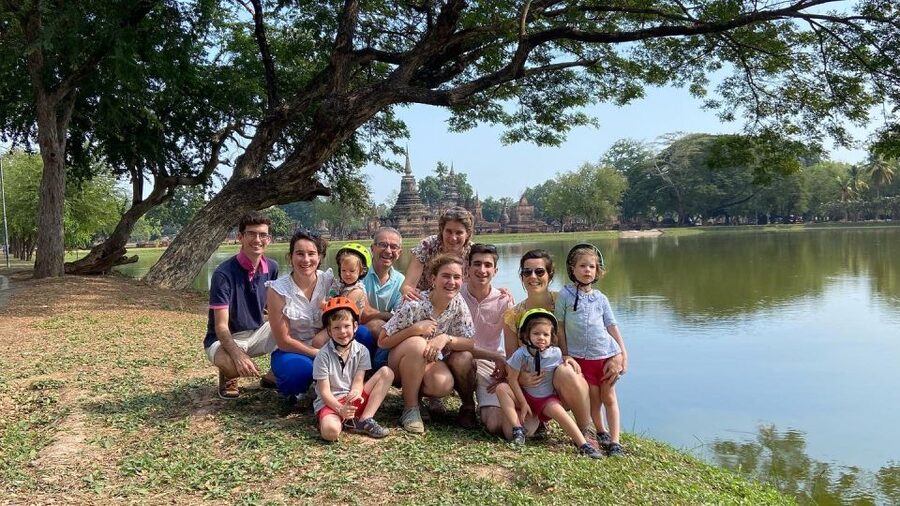
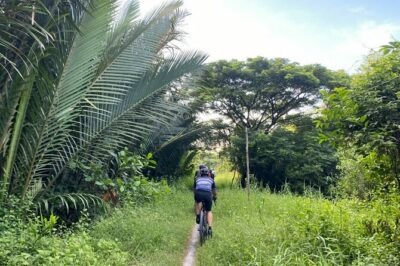
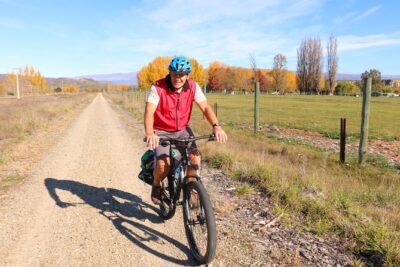
After the village start, you’ll ride onto a dirt road that runs through long stretches of rice paddies. The views can be wide and slow-moving, the kind of scenery where you can relax your shoulders.
You’ll also see Kao Laung Mountain from parts of the route. It’s the type of landmark that makes the countryside feel bigger than the temples alone.
Don’t expect extreme climbing. Multiple riders describe the riding as not strenuous, and the route stays relatively gentle. Still, you’re on a bike for hours, and dirt road sections mean you should stay alert and hold a steady pace.
Tip: If you’re a nervous rider, the small-group setup helps. The guide stays in control, and the team manages the group so you’re not doing traffic math on your own.
Irrigation canals (Klong Mae Lampan) and rural routines
One of the best parts of this tour is the shift from paddies to water systems. You’ll continue along small irrigation canals (Klong Mae Lampan) that pass through rural villages.
This is where you start seeing how everyday life connects to agriculture. Water routes shape planting, harvesting, and even how villages develop. Watching canals glide by while your guide explains the area gives you context that you just don’t get from temple-only tours.
Along the route, you stop often. Those breaks matter because they turn the day from constant riding into a guided walk-and-talk experience, just on wheels. The stops also keep the heat from draining you.
The wood furniture factory stop: craftsmanship you can actually see
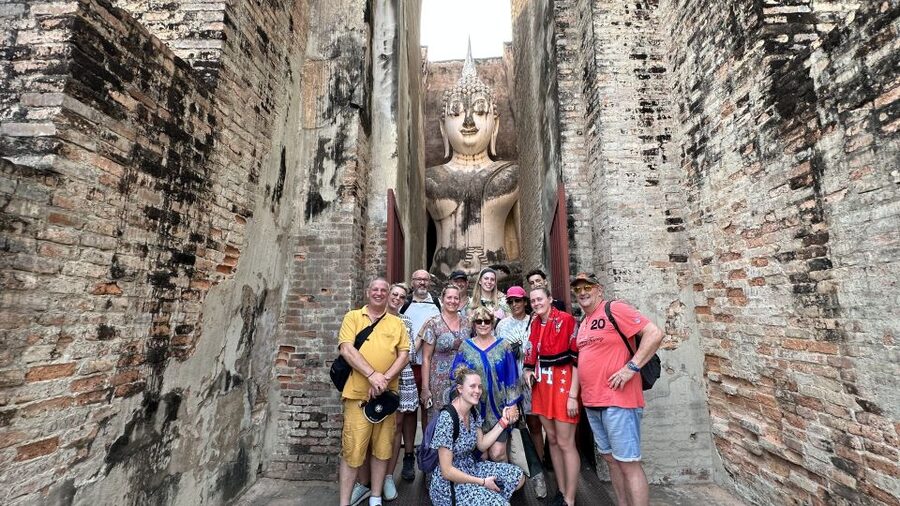
You’ll also visit a wood furniture factory/workshop. The point isn’t just to look at finished products. You get a view into how the local carpenter produces work with real skill.
In Sukhothai, craft is part of the same story as religion and architecture. Temples take time, materials, labor, and knowledge. Watching woodworking makes those temple details easier to understand when you arrive later.
If you like practical, hands-on culture, this stop is worth your attention. It’s not a rushed photo moment. You see process, and your guide can explain what makes the work special.
Arriving at the Eastern Gate: where temple stories click
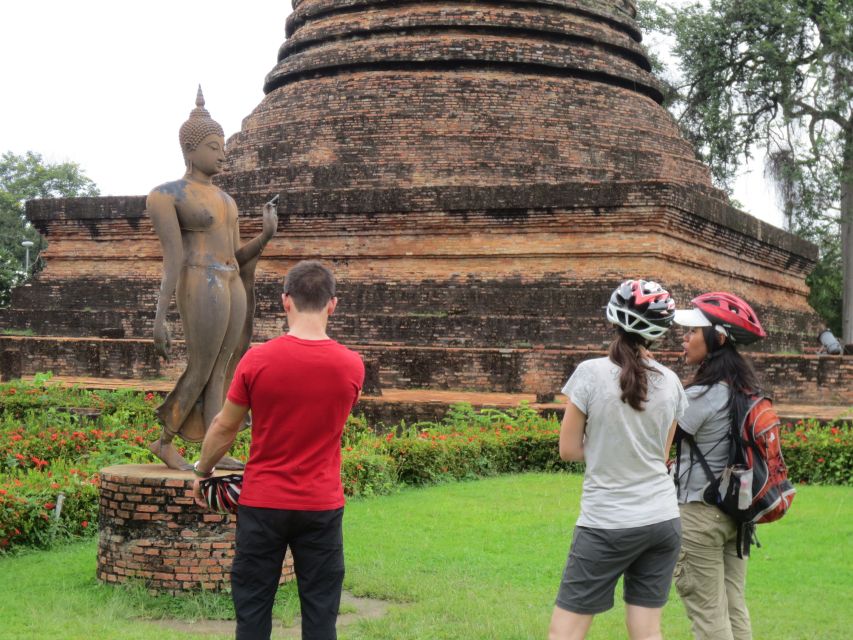
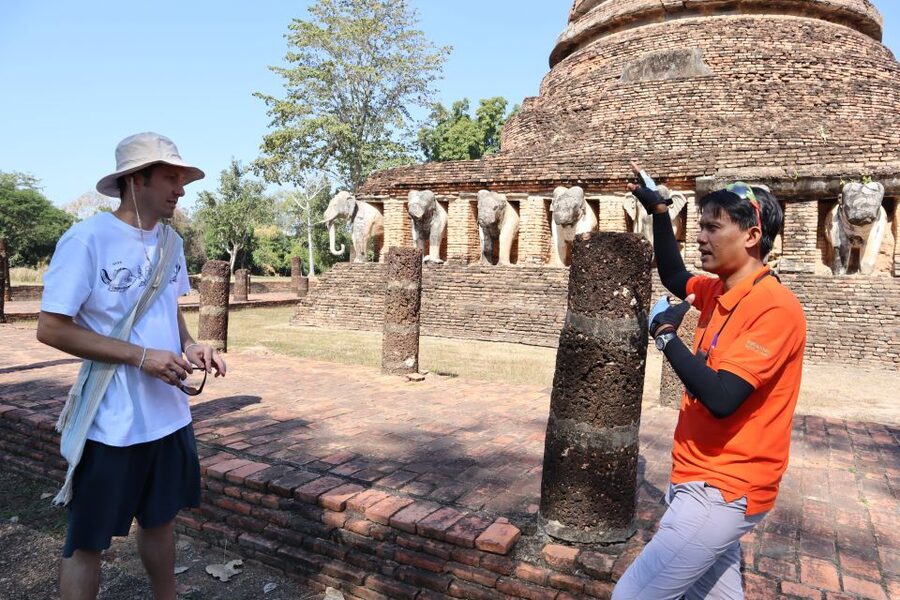
Once you reach Sukhothai Historical Park, the day becomes more story-driven. You arrive near the Eastern Gate, and from there you’ll explore ancient ruins with your guide.
This is the big cultural payoff: the Buddhist and Hindu architecture in Sukhothai shows a blend of influences from what used to be the region’s Golden Era. The guide’s job is to translate shapes and layouts into meaning—how the architecture connects to belief, how Sukhothai’s history fits together, and why details matter.
What I think makes the Eastern Gate segment work is that it comes after countryside riding. Instead of feeling like you dropped into a museum, you feel like you arrived at the heart of a civilization that grew out of real land and real work.
Also, you’ll get time to explore some parts on your own and take photos. The guide doesn’t just herd you from spot to spot.
How the tour handles pacing inside the ruins
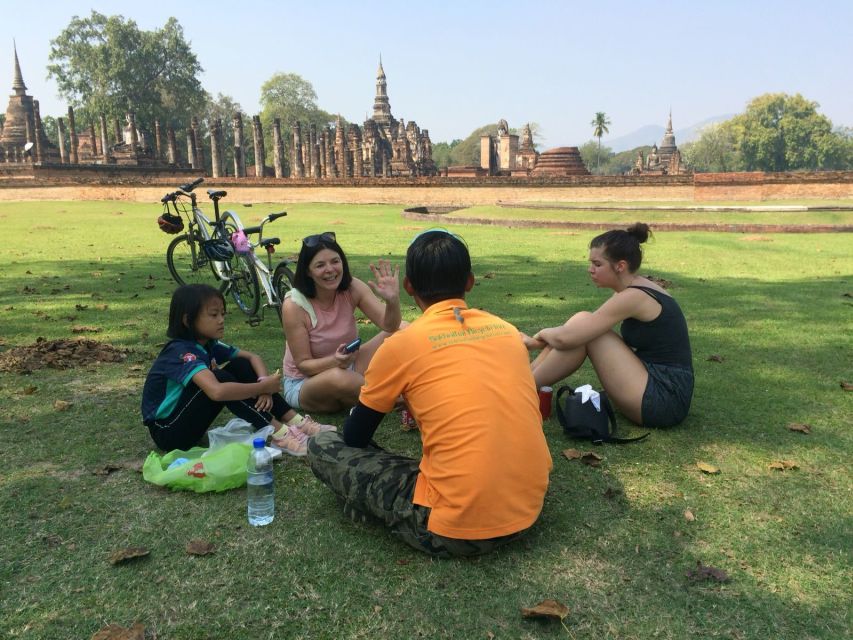
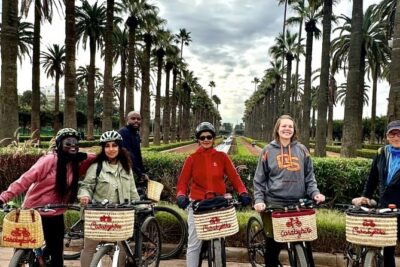
Your visit is guided, but it’s not a sprint. Riders consistently mention a comfortable pace and frequent stops. If you’re somewhere in the middle for fitness, this is one of the calmer ways to do Sukhothai because you’re cycling most of the time and stopping often for shade and explanations.
You also benefit from a team approach to safety. The tour includes an accident insurance component, and the support staff helps manage the group on the roads. In some cases, the back support uses visible signals at bigger crossings, which helps when traffic gets more active than rural roads.
In hot weather, that matters. You don’t want to be stressed trying to keep up. You want to be able to listen.
Lunch at a local Thai restaurant: good food, local connection
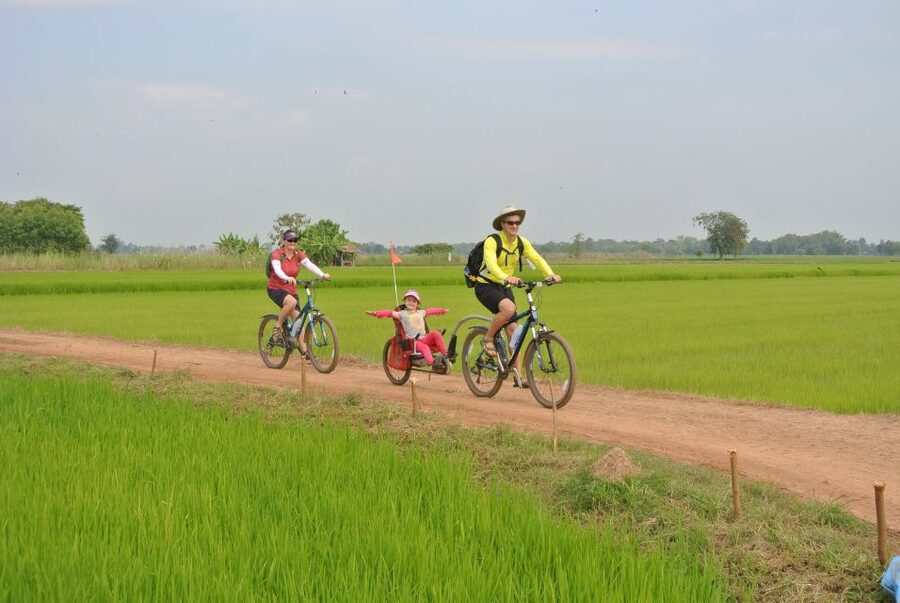
Lunch is included at a local Thai restaurant. It’s not just a break; it’s part of the authenticity. You’ll likely eat well—simple Thai flavors done properly—and it’s timed so you don’t feel wiped out before the ruins.
A smart note: your guide tends to keep you supplied with snacks and drinks through the day. Many riders mention cold water and cold drinks at stops, plus homemade or local snack breaks.
That means lunch isn’t the only food you get. It’s one major meal inside a longer day of small refuels.
Bikes, safety, and what the guide team adds
The experience runs on more than a bike. A strong guide makes the ruins understandable and the countryside meaningful.
This tour’s team includes English-speaking Experience Guides, and names you might encounter include Meow/Miaow/Miao and also Kip or Chip on some days. Support team members are also part of the experience; Jib shows up in multiple stories as helpful behind the scenes, and there are references to additional staff members who manage the group at the front and back.
In practical terms, this adds up to a day where you can relax:
- You’re not figuring out road safety alone.
- You’re not stuck translating temple layouts by yourself.
- You’re getting frequent check-ins, water, and snack stops.
Price and value: is $53 really fair?
At $53 per person for 7 hours, this tour prices like a serious deal, not a budget trap. Here’s why the value adds up:
You get:
- Bike rental with 24 gears, front suspension, and helmet
- Entrance fees to Sukhothai Historical Park
- Lunch plus snacks and soft drinks
- Bottled drinking water throughout the day
- Hotel pickup and drop-off within 15 kilometers
- An English-speaking guide
- Local accident insurance
If you were to separate that into pieces—transport, park entrance, guide time, and food—you’d likely spend more. The biggest value is the combination: countryside cycling + guided ruin context + included meals and drinks.
Small group size also protects the experience. You’re paying for more attention, not just for transportation.
What to bring and what to watch out for
Bring comfortable shoes and clothing you can ride in. Sunglasses, a hat, and sunscreen are non-negotiable. If you have cycling shoes, great. If not, any comfortable walking shoe can work, but avoid stiff new footwear.
Also plan around heat. The day can get really hot, so light layers help and you’ll want to pace yourself during stops.
Know the limits:
- Not suitable for pregnant women
- Not suitable for people with back problems
- Not suitable for people with mobility impairments
If any of those apply, you’ll be happier skipping this and choosing a different style of visit.
Who this tour suits best (and who might want a different day)
This is a strong match if you want:
- A bike-based way to cover more ground than walking would allow
- A guided history and culture explanation tied to what you see outside the park
- Included food and frequent stops so the day stays easy on you
You’ll like it especially if you’re curious about how Buddhism shaped Sukhothai and how the architecture connects to daily life. The countryside portion helps that understanding land.
You might want to consider another option if you:
- Don’t handle heat well
- Need a fully flat, paved route with minimal unevenness
- Prefer a purely temple-only format without countryside and craft stops
Should you book this Sukhothai Bicycle Tour?
If your priority is to understand Sukhothai instead of just taking pictures, I’d book this. The blend of rice paddies, village life, canals, a wood furniture workshop, and guided entry at the Eastern Gate gives you a full picture of the region in one day.
Go for it if you like steady, scenic riding with frequent breaks, and if you appreciate a guide who can connect temple architecture to culture and history. The price looks especially fair when you factor in bike quality, park entrance fees, and a real lunch.
Skip it if health or mobility concerns make cycling uncomfortable, or if you’d rather spend the day entirely indoors or in slower walking-only pace.
FAQ
How long is the Sukhothai cycling tour?
It lasts about 7 hours.
What’s included in the tour price?
You get an English-speaking cycling guide, a mountain bike with 24 gears and front suspension plus a helmet, local accident insurance, lunch, snacks, soft drinks, drinking water, hotel pickup and drop-off within 15 kilometers of Sukhothai city center, and entrance fees to Sukhothai Historical Park.
Where does the tour start and what route do you ride first?
The cycling starts from a small village on the outskirts called Ban Khuai. From there, you pedal through a quiet village, ride along a dirt road through rice paddies with views of Kao Laung Mountain, and continue through rural areas along irrigation canals.
What time does pickup usually happen?
Hotel pickup is around 8:15 AM, and you should be ready in your hotel lobby 10 minutes before the scheduled pickup time.
Is lunch included?
Yes. Lunch is included at a local Thai restaurant, and you also receive snacks and drinks during the ride.
Who should not join this tour?
The tour is not suitable for pregnant women, people with back problems, and people with mobility impairments.