REVIEW · MOSHI
West Kilimanjaro cycling Adventures
Book on Viator →Operated by Kili Bike Adventures · Bookable on Viator
Riding in Tanzania can feel like you are in the movie. This private overnight MTB trip turns West Kilimanjaro into a real adventure, with wildlife spotting right alongside your pedaling and private flexibility so your guide can pace you.
I especially like that the tour is built for people who want the outdoors without a lot of logistics headaches: bikes and helmets are provided, and you also get camping gear plus all meals.
One drawback to plan for: this is not a stroll. You need moderate fitness, and parts of the route can include tougher ground like deep sand, so progress can slow down when conditions line up that way.
In This Review
- Quick take: what you should remember
- 6 key things that make this tour worth a closer look
- Why West Kilimanjaro cycling feels different than a safari bus
- The 2-day overnight rhythm: ride, camp, and ride again
- Day 1: set off into the plains and acacia woodland
- Sunset + campfire night: the “slow down” moment
- Day 2: more riding, more wildlife odds, more Kilimanjaro views
- Wildlife watching on wheels: what to hope for (and what to respect)
- Maasai Land on a bike: culture you can see, not just hear about
- Bikes, helmets, camping gear, and the support vehicle
- Mountain bikes and helmets
- Camping accommodation
- Meals and water
- Price and value: is $666.67 fair for two days?
- A key fitness and riding reality check
- Organization, guides, and the one caution flag
- Logistics you should plan around (without losing the fun)
- Meeting point and pickup
- Weather matters
- Alcohol and tipping
- Who this tour fits best
- Should you book West Kilimanjaro Cycling Adventures?
- FAQ
- What location is this tour based in?
- How much does the tour cost?
- How long is the experience?
- Is this a private tour?
- Are pickup options included?
- What bike and safety gear are provided?
- Are meals included?
- Is camping gear included for the overnight?
- What happens if the tour is canceled due to weather?
Quick take: what you should remember
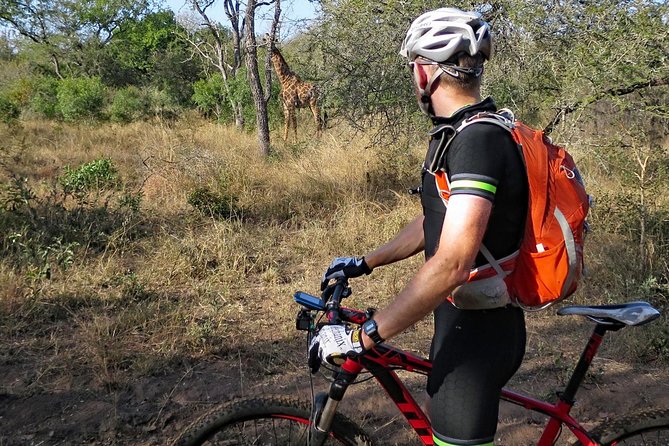
This is a 2-day, private, overnight cycling trip out of Moshi (with pickup also offered from Arusha or the airport). Expect acacia woodland, open plains, big views of Mt. Kilimanjaro, and the real pleasure of seeing animals in their natural rhythm—zebra, giraffe, wildebeest, gazelles, impalas, baboons, and sometimes elephants depending on the season. Camping is part of the deal, plus a support vehicle.
6 key things that make this tour worth a closer look
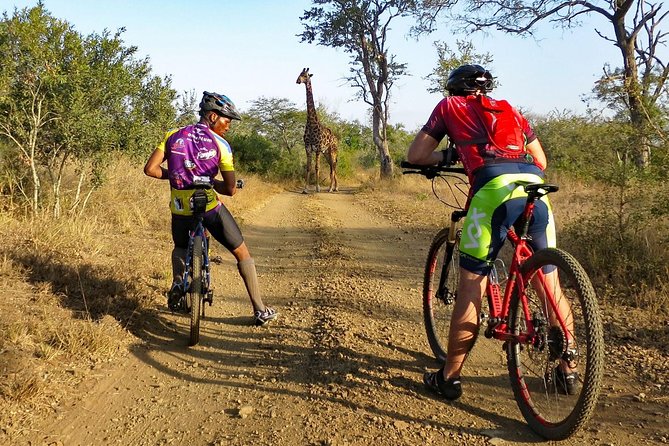
- Private group control: your guide can adapt the day to your pace, not a rigid bus schedule
- All meals included: so you can focus on riding and not hunting down food
- Real camping setup: tents, sleeping bags, chairs, and tables are provided
- Bikes and helmets included: you are not trying to solve equipment problems mid-trip
- Support vehicle nearby: comfort and safety support without taking away the adventure
- Maasai Land context: wildlife and Maasai herdsmen live side by side in this corridor area
You can also read our reviews of more tours and experiences in Moshi.
Why West Kilimanjaro cycling feels different than a safari bus
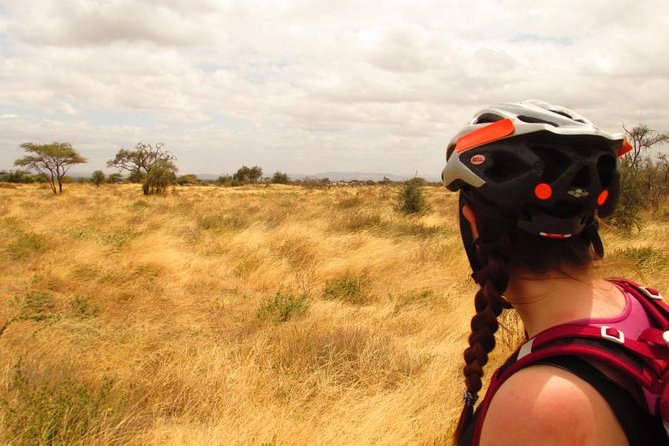
Safaris are great. But they can turn into a lot of sitting and scanning. On a bike, you move slowly enough to notice details—tracks, bird calls, and the way animals react when you appear at the edge of the grass. You also get the classic Tanzania “wait, did that just happen?” moments because the scenery keeps changing as you ride.
West Kilimanjaro is described as a mix of acacia woodland and open plains. That matters, because it shapes your day: you can have easy rolling feel in some stretches, then suddenly hit rougher ground like deep sand. You are not just watching nature through glass. You are part of the experience—helmet on, legs moving, eyes up.
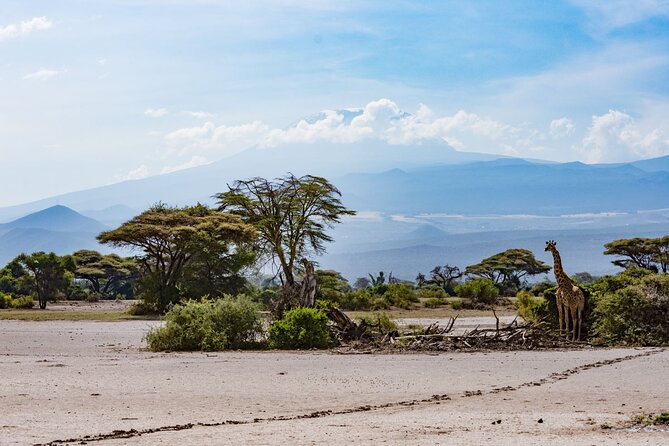
And yes, there is Mt. Kilimanjaro in the background. One of the best parts of a bike trip is that the mountain isn’t a single photo op. It becomes a constant reference point as the day unfolds.
The 2-day overnight rhythm: ride, camp, and ride again
You are looking at an approximately 2-day cycling plan with an overnight camp. The tour starts with pickup from the area—options include Moshi, Arusha, or the airport—and it’s timed to match the weather and daylight.
Day 1: set off into the plains and acacia woodland
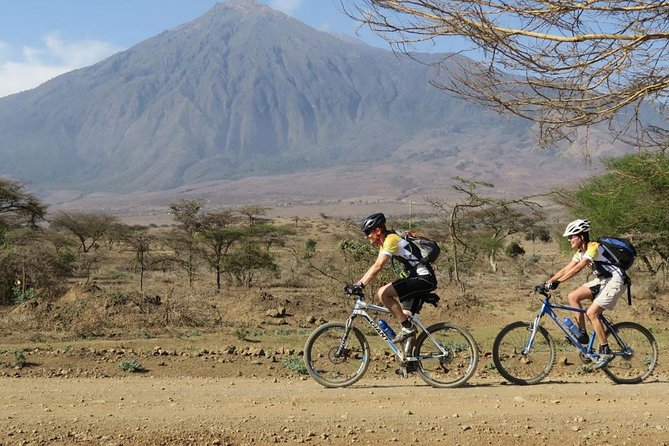
After pickup, you’ll get on your provided mountain bike with a helmet. From there, your route takes you through the wild West of Kilimanjaro country—open areas with savannah wildlife and patches of acacia woodland where animal sightings can pop up quickly.
Expect a day that balances riding with pauses for wildlife. This is not a race. The tour is set up so you can stop for photos, watch behavior, and appreciate the scenery as it changes. One review specifically praised the tour’s organization and the variety of scenery, and that matches what this area does naturally: it does not feel repetitive.
Wildlife you might see includes:
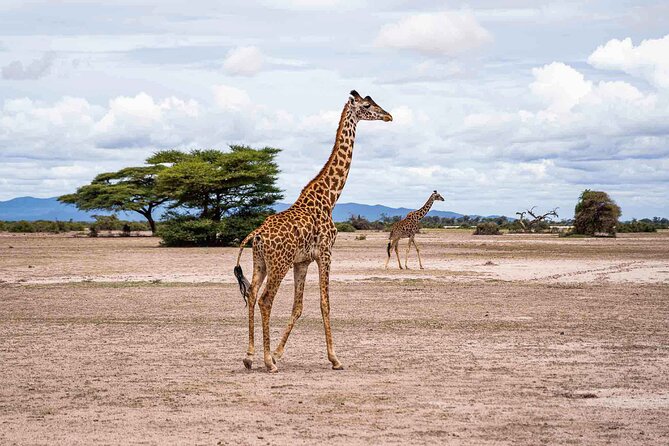
- zebra, giraffes, baboons
- wildebeest, gazelles, impalas
- and depending on season, elephants along a corridor connecting Amboseli and Kilimanjaro
Even if you do not see everything in one day, the key is that the animals feel present. The guides and rangers are part of keeping you in the right places at the right times.
Sunset + campfire night: the “slow down” moment
As the day winds down, you shift from riding mode to camp mode. Camping gear is included: tents, sleeping bags, chairs, and tables. You’ll also get all 3 meals per day, plus bottled water.
The tour is also built for the evening experience. One of the highlighted moments is a sunset and a campfire. That is where the trip becomes more than miles on a bike. You’ll have time to share the day’s best sightings, ask questions about the area, and get ready for an early morning ride the next day.
Day 2: more riding, more wildlife odds, more Kilimanjaro views
On the second day, you keep cycling through the same broader region—acacia and plains—trying to catch different angles and wildlife moments. The big advantage of an overnight trip is that you are not cramming everything into a single long day. Animals are active at different times, and the lighting changes fast out on the savannah.
Your guide will handle route decisions with the support vehicle and the ranger-related requirements (ranger fees are included). The result is a day that feels like you are moving through a living place, not just ticking boxes.
Wildlife watching on wheels: what to hope for (and what to respect)
Wildlife is a major reason to book this. The area supports a lot of species, and it sits along an elephant corridor connecting Amboseli National Park and Mt. Kilimanjaro. That means elephants can be a very common sight depending on when you go.
But here is the honest angle: animals do not follow your calendar. One review pointed out to check animal migration timing. That’s practical advice. If you are traveling in a window when animals are more concentrated, your odds improve.
What you can do as a rider:
- Stay patient. Wildlife spotting often comes after a quiet stretch.
- Keep your photos respectful and quick. You are sharing space.
- Trust the guide and rangers when they adjust your route.
Also, this trip is described as taking you through Maasai Land, where nomadic Maasai herdsmen co-exist with wildlife. That matters because you are likely to pass through areas where people and animals are part of the same day-to-day system. Keep your voice low, move thoughtfully, and ask questions if your guide offers context.
Maasai Land on a bike: culture you can see, not just hear about
This is not a “drive past a village” type of stop described on paper. The tour framing focuses on culture and coexistence between Maasai herdsmen and wildlife, in a region often referred to as Maasai Land.
Practically, what that means for you is a different kind of travel rhythm. You are cycling through a working landscape, not only a curated viewpoint. If you care about meeting local reality—how herding and wildlife share space—this style of travel fits better than a purely scenic route.
Your guide’s job is to keep things smooth and informative. In one review, George was singled out as a brilliant guide—informative and excellent—which is exactly what you want in a place where the “why” behind what you see can deepen the experience.
Bikes, helmets, camping gear, and the support vehicle
Let’s talk about the parts that make or break an outdoor trip: equipment and backup.
Mountain bikes and helmets
The tour provides mountain bikes and helmets, plus bikes are described as loaner bikes. That removes one big headache—getting local gear that works for off-road riding.
Camping accommodation
Camping gear is included: tents, sleeping bags, chairs, and tables. That is a real value point. Many tours say camping is included, but the gear ends up being minimal. Here, they spell it out.
You’re also not expected to handle everything alone. The support vehicle is included, which usually means someone can help with logistics if conditions get tough.
Meals and water
All 3 meals per day are included, and bottled water is provided. Food quality can vary across regions, but the bigger win is that you are not spending your time negotiating meals while you should be watching giraffes.
Price and value: is $666.67 fair for two days?
At $666.67 per person, this is not a budget “hop on and go” deal. But it can be solid value because a bunch of essentials are included.
Here’s what you’re paying for, according to what’s listed:
- bikes and helmets
- pickup from the Moshi/Arusha/airport area
- accommodation in Moshi or Arusha
- camping gear (tents, sleeping bags, chairs, tables)
- entry fees, cycling fees, camping fees, ranger fees
- 3 meals per day + bottled water
- support vehicle
- Kili Bike Adventures T-shirts
That add-up is the key. When you price the same trip as separate rentals, fees, and a local guide, the total usually climbs quickly. The fact that ranger and entry fees are included is especially important in wildlife areas, where permissions aren’t optional.
If you want a simple way to judge value: ask yourself how much you would pay to replace everything they handle. For a private overnight adventure, this pricing can make sense—especially if you want a small group rather than a crowded operation.
A key fitness and riding reality check
The tour is listed as suitable for people with moderate physical fitness. One review also described it as accessible for novice mountain bikers, but still said early mornings and some tough cycling are part of the experience.
So here is the balanced expectation I’d set for you:
- If you can ride a bicycle steadily and handle uneven ground, you are probably fine.
- If you struggle with sand, expect slower stretches. One rider mentioned deep sand slowing their progress.
- If you expect a relaxed downhill cruise the whole way, you may be surprised. The experience can start easy and then get harder.
This is why private structure helps. When conditions get tough, a guide can adjust pacing and keep your day from turning into misery.
Organization, guides, and the one caution flag
The most praised aspects in the feedback focus on the trip feeling well organized and genuinely special. The “support crew” gets credit, wildlife sightings are described as amazing, and the scenery is repeatedly called breathtaking and varied. That lines up with what a good bike-safari needs: planning, timing, and a guide who knows how to explain what you see without turning it into a lecture.
In one standout positive comment, George was named as the guide and praised for being informative and brilliant. That suggests you are not just buying a ride; you are buying interpretation and local know-how.
Now, the caution. There is at least one strongly negative account that questioned the manager’s integrity and claimed financial issues with other local providers. I can’t verify those claims from the information available here. But it does raise a sensible travel habit: confirm details in writing before you hand over money, and make sure the trip terms match what you expect—especially around pickups, what is included, and any last-minute changes.
That is good practice on any small adventure operator, even the excellent ones.
Logistics you should plan around (without losing the fun)
Meeting point and pickup
The start is listed as Kilimanjaro Airport in Tanzania, and pickup is offered from the airport, Arusha, or Moshi. If you’re flying in, you want to align arrival time with the day’s start so you’re not rushing.
Weather matters
This experience requires good weather. If poor weather cancels it, you’ll be offered another date or a full refund. That’s not a small detail. Out here, rain and bad conditions can affect both safety and wildlife movement.
Alcohol and tipping
Alcoholic beverages are not included. Tipping is also not included. Plan for that so it doesn’t feel like an expense surprise at the end.
Who this tour fits best
This is a strong match if you:
- want wildlife sightings without sitting in a vehicle all day
- like off-the-beaten-path travel with real scenery changes
- enjoy cycling but don’t need extreme race intensity
- want an overnight experience with campfire and a slower evening
It may be a poor match if you:
- can’t handle uneven off-road riding or possible deep sand
- want only flat, easy terrain
- get stressed when plans shift for weather or wildlife timing
If you’re a first-time mountain biker, this trip may still work based on how it’s described as accessible. Just set your expectations: it’s accessible, not effortless.
Should you book West Kilimanjaro Cycling Adventures?
Yes, with clear-eyed expectations.
Book it if you want a private, two-day MTB adventure that mixes wildlife, acacia plains, Kilimanjaro views, camping, and guided context—and you value the fact that bikes, helmets, meals, and camping gear are handled for you.
Think twice if you want an ultra-easy ride, dislike early starts, or need a guaranteed smooth riding surface. Also do your due diligence on operator communication, because one negative report raised concerns.
If you’re choosing this over a standard safari day, you’re choosing movement and connection. On a bike, West Kilimanjaro can feel close in a way that a vehicle ride never will.
FAQ
What location is this tour based in?
The tour is in Moshi, Tanzania.
How much does the tour cost?
The price is listed as $666.67 per person.
How long is the experience?
It runs for 2 days (approximately).
Is this a private tour?
Yes. It’s private, so only your group participates.
Are pickup options included?
Yes. Transportation/pickup is included from Arusha, Moshi, or the airport.
What bike and safety gear are provided?
Mountain bikes and helmets are provided.
Are meals included?
Yes. All 3 meals per day are included.
Is camping gear included for the overnight?
Yes. Camping gears such as tents, sleeping bags, chairs, and tables are included.
What happens if the tour is canceled due to weather?
If it’s canceled due to poor weather, you’ll be offered a different date or a full refund.