REVIEW · CAPE TOWN
Cape Town: Cultural Cycling Tour
Book on GetYourGuide →Operated by AWOL Tours · Bookable on GetYourGuide
Pedaling into real township life beats sightseeing. This award-winning Cape Town cultural cycling tour takes you through Masiphumelele by bike, with time to meet people and learn local Xhosa traditions from a local guide.
I especially love the way the day is built around community connection from the saddle, not just photo stops. I also like that you get more than one kind of cultural moment, from a Sangoma visit to tasting traditional food at a home or an African restaurant.
One consideration: this isn’t a sit-and-watch tour. It’s not suitable for people with mobility impairments or wheelchair users, and you’ll be on an old-school bicycle for a few hours.
In This Review
- Key highlights worth marking on your map
- Entering Masiphumelele from a bike seat, not a tour bus
- Your ride starts at Masicorp (and you’ll see the youth workshop first)
- The real story is told by the local Xhosa guide (and you get to ask questions)
- Sangoma visit and dancing: culture with meaning, not a roadside performance
- Creche visits during school time: where your ticket does practical good
- Sunday option: a local gospel church service that many people remember
- Lunch either at a restaurant or in a home (with authentic African tea)
- Old-fashioned Dutch bicycles: fun ride, not a comfort scooter
- Price and value: what $106 buys (and why it’s not just a city tour)
- Who should book this Cape Town township cycling tour
- Small-group dynamics: why 8 people feels better than a crowd
- FAQ
- FAQ
- Where does the Cape Town Bicycle Township Tour start?
- How long is the tour?
- What’s the price per person?
- How big is the group?
- Is transportation included?
- What languages do you get on the tour?
- What’s included in the price?
- Is there a lunch stop, and what does it look like?
- What should I bring, and what’s not allowed?
- When do you visit a crèche and a church?
- Should you book this bicycle township tour?
Key highlights worth marking on your map
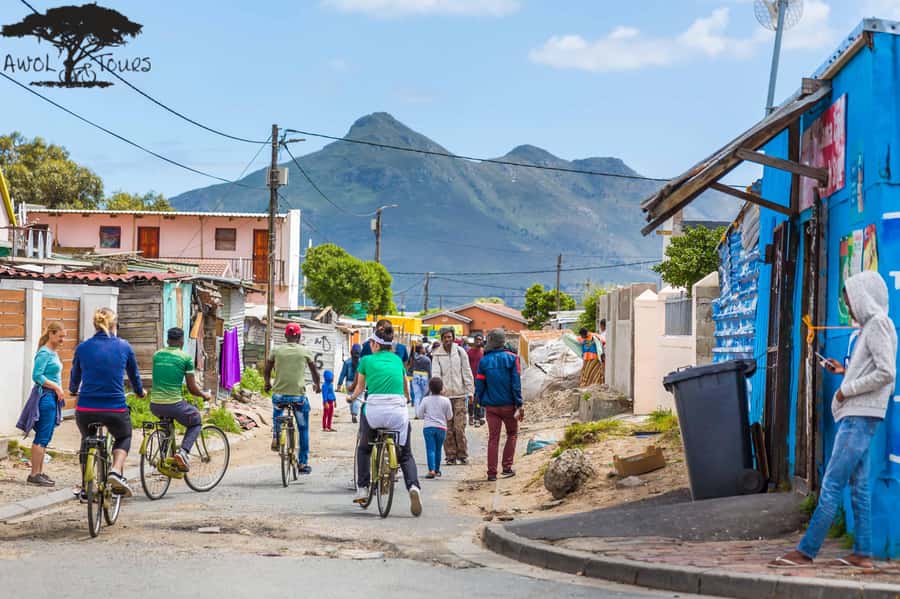
- Masiphumelele on an old-fashioned Dutch bicycle: slower pace, better conversations, easier viewing angles
- SongezoYouth Cycling workshop at Masicorp: see youth training, inspired by Songezo Jim
- Local guide and Xhosa customs: history and everyday life explained in plain language
- Sangoma dancing and a traditional healer visit: a memorable cultural experience with context
- School-time stops for a creche: part of the proceeds go toward improving facilities
- Sunday gospel church service when it’s on the route: one of the most praised moments
Entering Masiphumelele from a bike seat, not a tour bus
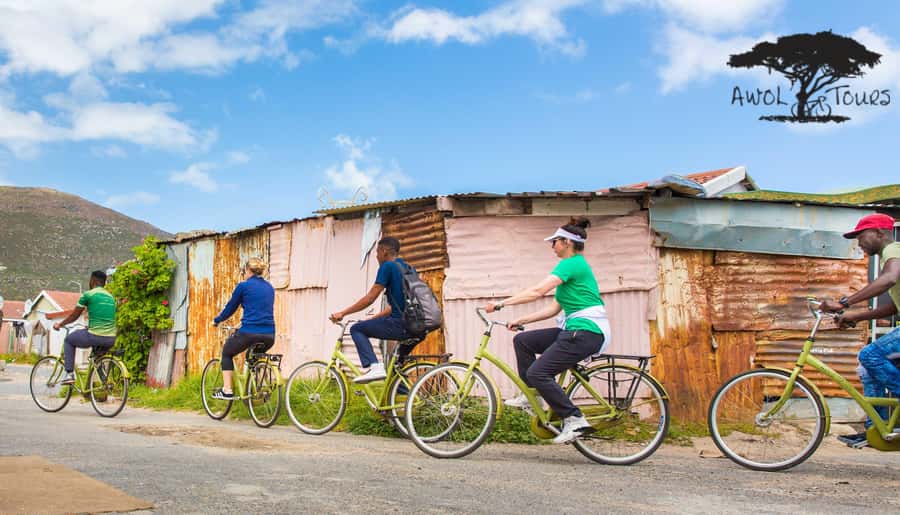
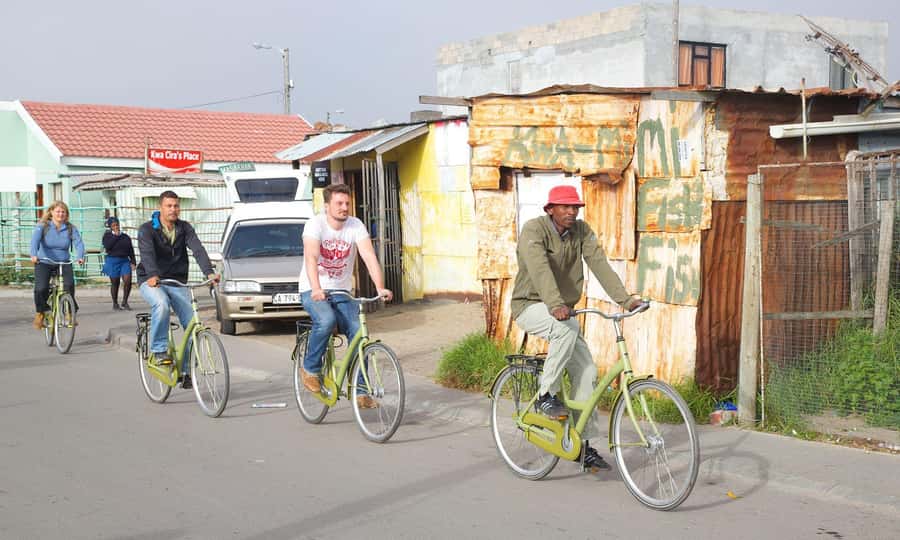
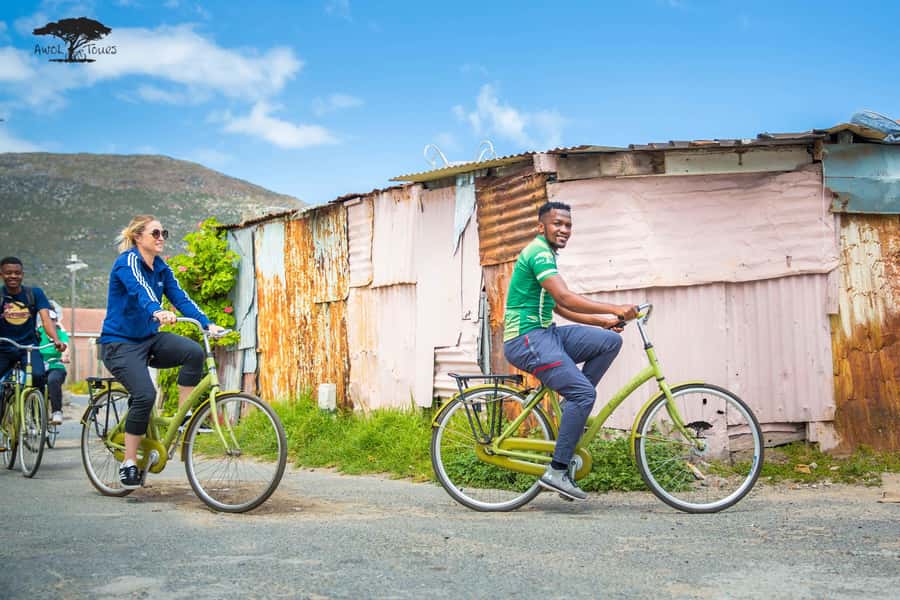
Cape Town can tempt you into a pattern: drive in, look around, drive out. This cycling version breaks that rhythm. You’re moving through the township at human speed, which makes it easier to talk, ask questions, and actually notice details.
You’re also less insulated. The “big difference” here is proximity: you’re right there with the community, not across a windshield. That can feel intense, but it’s also the point, because you leave with a clearer picture of daily life in South Africa’s urban townships.
You can also read our reviews of more tours and experiences in Cape Town.
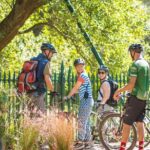
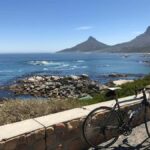

Your ride starts at Masicorp (and you’ll see the youth workshop first)

The tour departs from Chasmay Road Campus, MasiCorp Head office. Before you head out into Masiphumelele, you share a workshop space with the SongezoYouth Cycling academy, where you might catch budding cyclists training.
It helps to know who Songezo Jim is: he’s described as South Africa’s first Black South African cyclist, and his story is part of what motivates young people to take up the sport. Even if you don’t follow cycling, it’s a strong setup for the rest of the day because it frames the tour around education, opportunity, and local momentum.
Practical note: since this is a workshop-and-community start, wear comfortable shoes. You’ll want stable footing even before the biking begins.
The real story is told by the local Xhosa guide (and you get to ask questions)
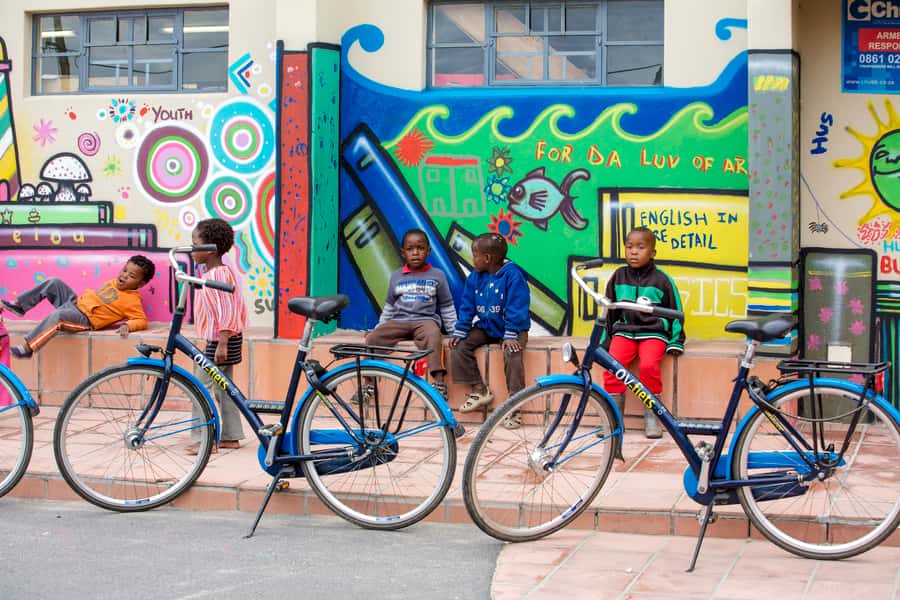
A local Xhosa guide leads the route and explains Xhosa customs along the way. This is one of those tours where it matters who’s talking, because you’re not just getting geography. You’re getting context.
The best part: you can ask questions. That’s how you’ll make sense of the contrasts you’ll see in the neighborhood—things that might look unfamiliar if you’re coming from outside South Africa. One past guest called out how the experience created mixed feelings: a sense of discomfort, shame about privilege, and also hope and strength in people working to improve life for their children.
In the middle of the ride, you’ll visit a local library, plus entrepreneurs and small businesses. These stops are worth slowing down for, because they show how community life functions in everyday ways, not as a staged “attraction.”
Sangoma visit and dancing: culture with meaning, not a roadside performance
One of the most memorable parts of this tour is the Sangoma visit, which includes dancing with traditional healers. If you’re expecting something like a costume show, shift your mindset. This is presented as a living cultural practice, connected to local knowledge and traditions.
Why it’s valuable: it gives you a chance to see how spirituality and community roles show up in real life. And because you’re with a local guide who can explain what you’re seeing, you’re less likely to miss the point.
Also, be prepared for this section to feel personal. You’re close enough that you’ll notice details in body language and music. In a past booking, the gospel church service was praised as the standout, but the Sangoma moment is a core reason many people pick this tour in the first place.
Creche visits during school time: where your ticket does practical good
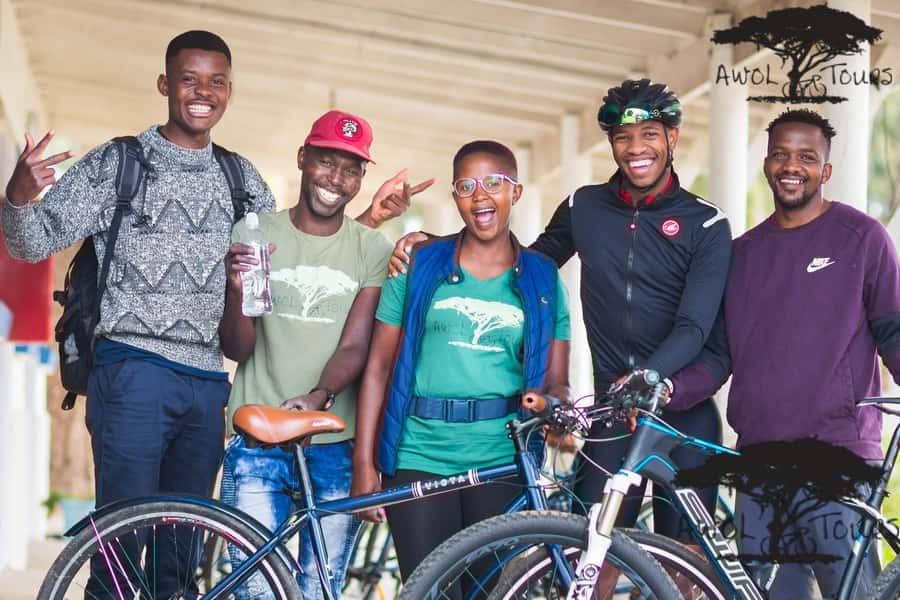
The itinerary changes a bit depending on timing. During school time (the tour notes it’s closed on week-ends and school holidays for school-related stops), you visit a local crèche where teachers work under very difficult circumstances.
This isn’t a “tour a classroom, move on” situation. You’re also told that part of the tour proceeds go toward bettering facilities. That detail changes the emotional weight of the stop. Instead of viewing it as a glimpse, you can connect the visit to tangible support.
One important tip: don’t bring sweets or treats. The tour partner specifically requests you not give gifts like that to children, because they prefer working through registered charities. Bring your respect and attention, not candy.



Sunday option: a local gospel church service that many people remember
On Sundays, the tour could include a visit to a local gospel church. One of the most highly praised moments in the feedback was exactly this kind of service, described as the best part.
If you’re religious or even just curious about how faith plays out socially, this stop can be powerful. It’s also a reminder that township life isn’t only about hardship; it also includes strong community identity and shared hope.
Because church visits depend on the day, this is one reason to check your travel calendar before assuming every tour includes it.
Lunch either at a restaurant or in a home (with authentic African tea)
Food is included, and you’ll have a choice based on the day: either an African restaurant or the home of a local lady who regularly hosts tourist groups. In both cases, you’re set up for a meal and possibly authentic African tea.
This is one of those practical travel upgrades that costs nothing extra on the booking: it helps you taste local life in a way that’s harder to replicate on your own. Restaurant lunches are straightforward, but home hosting often feels more personal, because you’re not just ordering food—you’re part of a shared moment.
One caution from the tour rules: food isn’t something you should bring or handle yourself on the route. Keep snacks out of the plan and let the host meal be the focus.
Old-fashioned Dutch bicycles: fun ride, not a comfort scooter
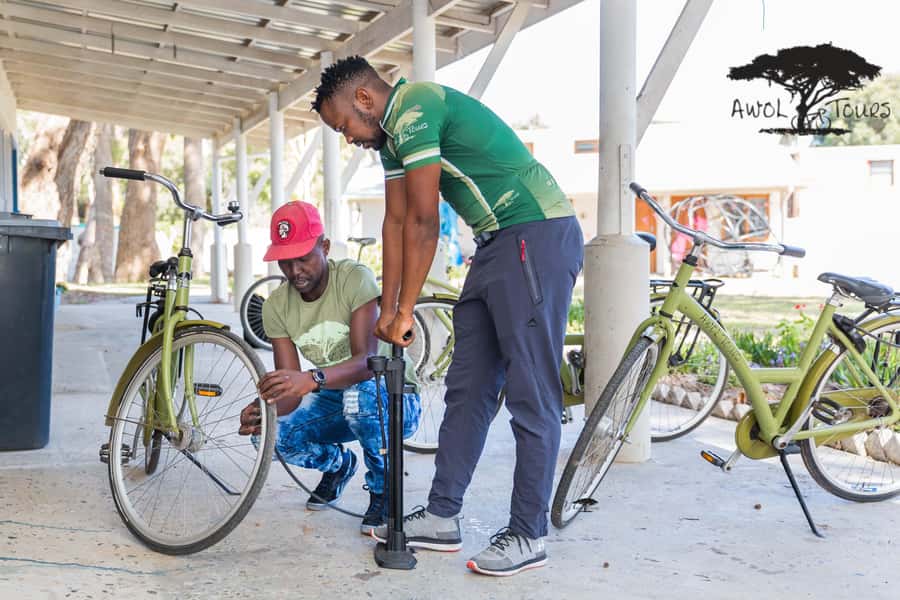
The tour bikes are described as old fashioned Dutch bicycles. That detail matters because you’ll feel the ride style: classic frame, upright posture, and a stable setup that’s friendly for group cycling.
You’re not looking for speed. You’re looking for a steady pace that keeps you talking and paying attention. Small group size also helps: it’s limited to 8 participants, which keeps the guide from herding everyone like luggage.
The flip side is that you need basic comfort with biking. You should also avoid jewelry—this is explicitly not allowed.
Price and value: what $106 buys (and why it’s not just a city tour)
At $106 per person for a 4-hour experience, this is not a budget “quick hit.” But the value comes from how the tour is structured.
Here’s what your money is supporting and why it matters:
- You’re paying for a local Xhosa guide and a route that includes multiple community stops (library, businesses, and more).
- You’re also contributing through donations: the tour states that 10% of all tour proceeds go directly to Masicorp, a non-profit supporting education in the community.
- The day includes activities that require coordination with local partners, including the Sangoma visit and lunch hosting.
If you compare this to a standard sightseeing tour that mostly covers transport and a guide script, the difference is where the time and money land. Here, your ticket is tied directly to community programs and support for facilities like the crèche.
Transport isn’t included, but it can be arranged on request. That’s worth factoring in if you’re not staying near the meeting point.
Who should book this Cape Town township cycling tour
This tour is a strong fit if you:
- Want something more human than a drive-by excursion.
- Like learning culture through conversation with a local guide.
- Enjoy active travel that doesn’t demand technical cycling skills.
- Care about education and community support, not just visiting a place.
It’s not a fit if you:
- Need wheelchair accessibility or mobility support (the tour is not suitable for mobility impairments or wheelchair users).
- Are hoping for a gentle, fully seated experience. You’ll be on the bicycle for the duration.
Also consider comfort with the setting. The tour can create an uncomfortable awareness of inequality. If that sounds like it might stress you out, go in with emotional preparation. The tone is respectful and educational, but it’s real life.
Small-group dynamics: why 8 people feels better than a crowd
With a maximum of 8 participants, you’ll likely find it easier to hear your guide and ask questions without constantly competing for attention. That’s especially helpful when the route includes multiple stops and explanations of customs.
It also helps with pacing. Your guide can slow down if the group needs a moment or if a conversation matters. In township environments, that kind of flexibility can be the difference between rushing through and actually learning.
FAQ
FAQ
Where does the Cape Town Bicycle Township Tour start?
It departs from Chasmay Road Campus, MasiCorp Head office.
How long is the tour?
The tour duration is 4 hours.
What’s the price per person?
The price is $106 per person.
How big is the group?
The group is small, limited to 8 participants.
Is transportation included?
Transport is not included, but it can be arranged on request.
What languages do you get on the tour?
The tour guide is English-speaking.
What’s included in the price?
Included items are a local Xhosa guide, an old-fashioned Dutch bicycle, African lunch, a Sangoma visit, and donations to the Masicorp non-profit organization.
Is there a lunch stop, and what does it look like?
Lunch is included and can be at an African restaurant or at a local lady’s home, where authentic African tea or lunch may be served.
What should I bring, and what’s not allowed?
Bring comfortable shoes. High-heeled shoes, jewelry, and food are not allowed.
When do you visit a crèche and a church?
A local crèche visit happens during school time. On Sundays, the tour could include a visit to a local gospel church.
Should you book this bicycle township tour?
I think you should book it if you want a Cape Town experience that connects you to Masiphumelele through conversation and shared moments—Sangoma dancing, local food, and community stops guided by a local Xhosa guide. The small group size and the bike format make it feel personal, not like you’re stuck behind a window.
Skip it if you need wheelchair accessibility or if you’re looking for a low-effort experience with no cultural or emotional edge. This tour is active, direct, and real.
If you’re deciding between “another tour” and something with practical support baked in, this one does the job: you’re not only seeing the township, you’re contributing to education-focused work through Masicorp while learning local customs in context.