REVIEW · CAPE TOWN
Cape Town: Half Day Cycle Tour 60km
Book on GetYourGuide →Operated by Cycling Friends · Bookable on GetYourGuide
That Atlantic breeze hits fast.
If you like scenery you can pedal through, this half-day cycle tour along Cape Town’s Atlantic edge is a great way to see a lot without tiring your legs all day. You’ll roll past postcard-famous viewpoints like the 12 Apostles area, then keep going toward Hout Bay before a proper pause at Chapman’s Peak.
What I really like is the mix of pure coastal views plus a guide who adds local context, not just directions. You also get a small-group feel (limited to 10), so the pacing stays human and questions are easy to ask.
One consideration: you need to be able to ride comfortably for a solid chunk of time. The tour is 60km and it’s not suitable if you have back problems or can’t ride a bike, and the route includes cycling with turns and at least some descending sections.
In This Review
- Key things to know before you ride
- The Atlantic-Coast Ride That Feels Like Constant Good Timing
- Starting at Cycling Friends and What the 3-Hour Pacing Means
- Camps Bay and the 12 Apostles Area: Big Views Early
- The Antipolis Wreck Near Oudekraal: The Story Behind the Rocks
- Hout Bay: Fishing Village Energy on Two Wheels
- Reaching Chapman’s Peak: Where the Pause Actually Matters
- Bike, Terrain, and Who This Ride Fits Best
- Price and Value: What $93 Buys You
- Practical Tips So You Don’t Waste a Great Coast Day
- Should You Book This Half-Day Cycle Tour?
- FAQ
- How long is the Cape Town Half Day Cycle Tour?
- Where does the tour start?
- What’s included in the price?
- Is the tour guided in English?
- How big is the group?
- Is it suitable if I have back problems or can’t ride a bike?
Key things to know before you ride
- 60km in about 3 hours is a steady, scenic ride, not a slow sightseeing stroll
- Small group (max 10) helps keep the pace comfortable and questions answered
- Antipolis wreck details turn a roadside view into a real history lesson
- Hout Bay harbor market area adds local color on the way to Chapman’s Peak
- Road or gravel bike is provided (bike type depends on availability)
- Break at Chapman’s Peak gives you time to take photos without rushing
The Atlantic-Coast Ride That Feels Like Constant Good Timing
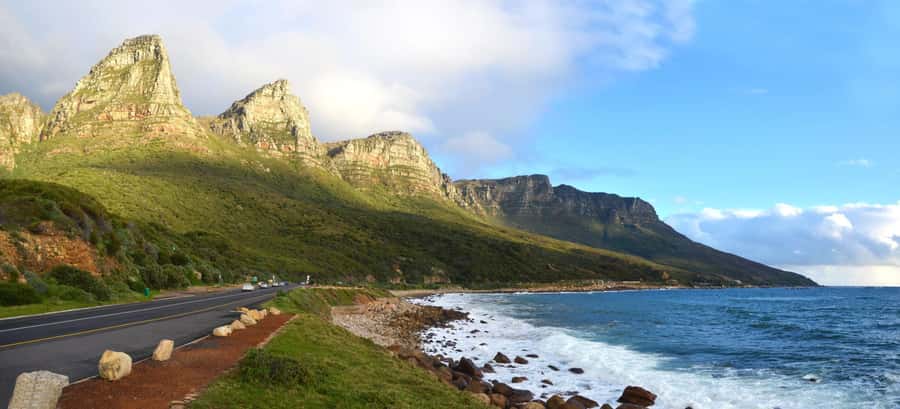
The Cape Town Atlantic coast has a way of making you look up every few minutes. Even before you reach the big name spots, the drive of the ride is simple: you’re cycling with ocean air in your face and views opening out over the water as you move south along the coast.
I like that this tour doesn’t force you to choose between photos and motion. You’re not stuck in one place for too long, yet you still get proper viewpoint moments. The route also makes sense geographically: you start near the Atlantic side, build momentum toward the iconic stretches, then turn back along the same route after the main stops.
The guide component is a big part of why this works. You’re not just shown the highlights; you’re told what you’re looking at and why it matters, especially around the Antipolis wreck story.
You can also read our reviews of more tours and experiences in Cape Town.

Starting at Cycling Friends and What the 3-Hour Pacing Means
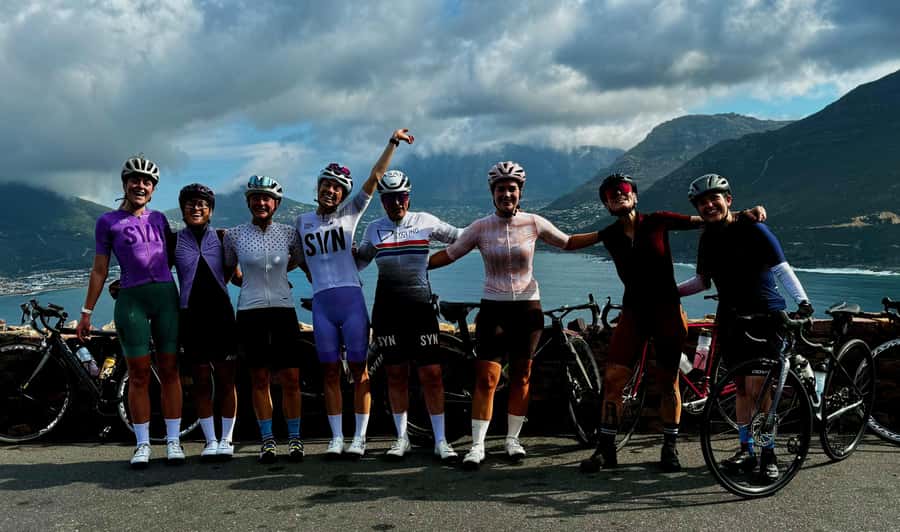
You meet at 55 Somerset Rd at the Cycling Friends shop. From there, you’ll ride along the Atlantic coast with the group, heading through well-known coastal areas as the tour moves from viewpoint to viewpoint.
A key detail for planning your expectations: it’s listed as 3 hours, but the route covers about 60km. That combination tells you the ride is designed to keep rolling. There’s a break at Chapman’s Peak, but don’t assume you’ll have long pauses at every photo stop. You’ll likely do short stops for views and group regrouping, then get back on the bike.
The tour is small (up to 10 participants) and led in English by a live guide. That matters more than it might sound. With a small group, you can hold a steady pace together, and the guide can explain things without the whole ride turning into a lecture.
You’ll also be provided with a road or gravel bike depending on availability, plus a helmet and a water bottle. That’s practical value, because it saves you from figuring out a bike rental and all the extra safety gear right before you go.
Camps Bay and the 12 Apostles Area: Big Views Early
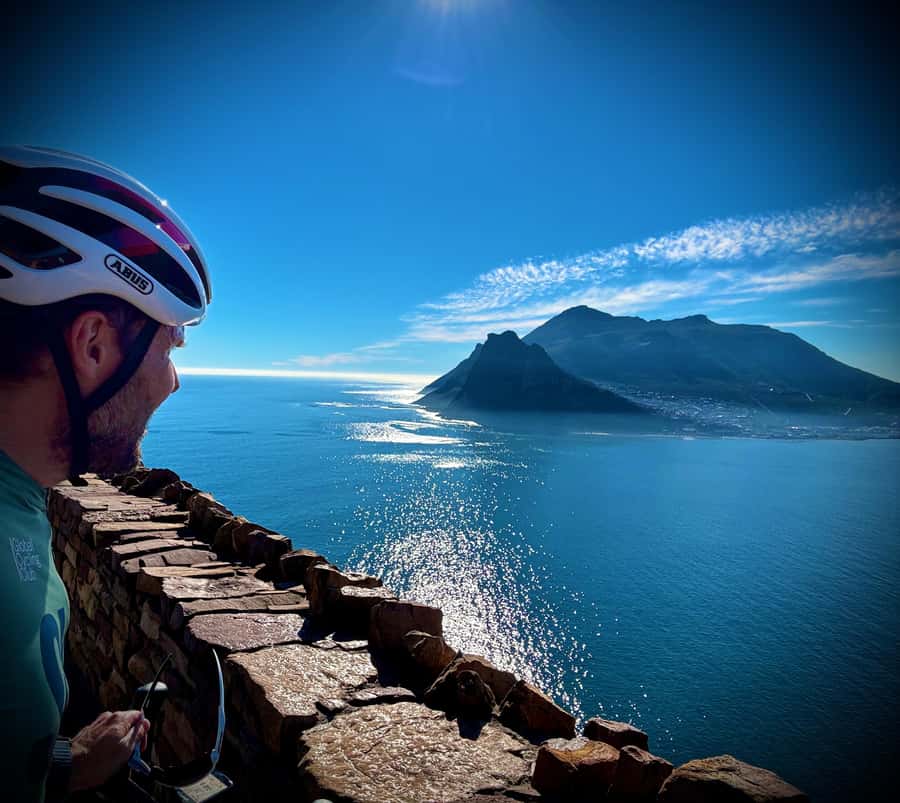
As you leave the start point, you follow the Atlantic coast and pass through Camps Bay. This is one of those coastal zones where the scenery is good no matter what time of day you arrive. Even if you’ve seen Cape Town photos online, cycling through the area gives you different angles and more of that horizon-to-road perspective than you get from a bus or a quick drive-by.
From there, the route continues toward Llandudno and the 12 Apostles area. The tour specifically references the hotel 12 Apostles, and you’ll hear the stories tied to the coastline around that stretch. For me, that’s a big part of the appeal: you see the viewpoint names, but you also understand what’s happening along the rocks and shoreline behind the scenic branding.
If you’re sensitive to motion or the idea of “views first, speaking later” doesn’t suit you, this is when you’ll appreciate the small-group setup. You can get your bearings with the group, then settle into rhythm.
The Antipolis Wreck Near Oudekraal: The Story Behind the Rocks
This tour earns its keep with the Antipolis wreck segment. The guide’s explanation turns what could be just another coastal sight into something you’ll remember.
Here’s what you’re learning on the ride:
- The Antipolis is a Greek oil tanker.
- It ran aground on rocks near Victoria Road in Oudekraal.
- The ship had been lying off the South African coast for 45 years.
- Then it was washed ashore in January 2022 by considerable ocean waves.
That’s the kind of detail that changes how you look at the coastline. You’re not just seeing dramatic rocks; you’re seeing the residue of an event that stretched over decades, then suddenly became visible in a new way thanks to the sea.
I also like that this isn’t presented like trivia. It gives you a reason to slow down mentally and read the coast. After the wreck story, you’ll probably notice where the rock meets the water differently, because you’ll know the coastline has a history of getting hit by weather and waves.
And in at least one recent group, the guide stood out enough to get a specific mention: a guide named William was described as fantastic, and the same comment notes he has won a gold medal in indoor cycle track in South Africa. That kind of guide credibility helps, because it suggests you’re not only getting facts, you’re also getting a smoother, more confidently managed ride.
Hout Bay: Fishing Village Energy on Two Wheels
Once you reach Hout Bay, the atmosphere shifts. This isn’t just another scenic turnout. The route takes you through the fishing village area and toward the harbor market.
The tour focuses on the visual payoff here:
- You’ll pass through the fishing village of Hout Bay.
- You’ll reach the harbor area tied to the harbour market.
- You get great views of the beach of Hout Bay and a breath-taking view into the bay.
The harbor zone is where cycling feels most grounded and local. It’s easy to photograph the water, but the market area adds texture: it’s less about sweeping cliffs and more about how people work and live near the sea.
Just don’t mistake this for a long break. The clearly scheduled pause is at Chapman’s Peak. In Hout Bay, you’ll likely get short moments for photos and regrouping while the group keeps moving.
If you want to buy something, this is your best shot on the route, since you’ll be in the harbor market area before heading onward.

Reaching Chapman’s Peak: Where the Pause Actually Matters
The ride continues after Hout Bay, and the tour description notes that after about 4km you reach Chapman’s Peak. You’ll also have already gone through a descent earlier in the route, so by the time you arrive you should feel like you’re earning the view.
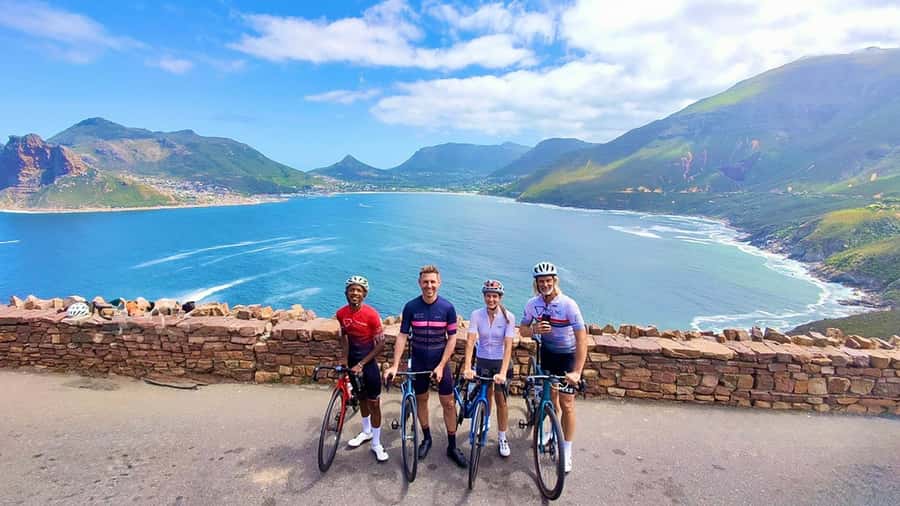
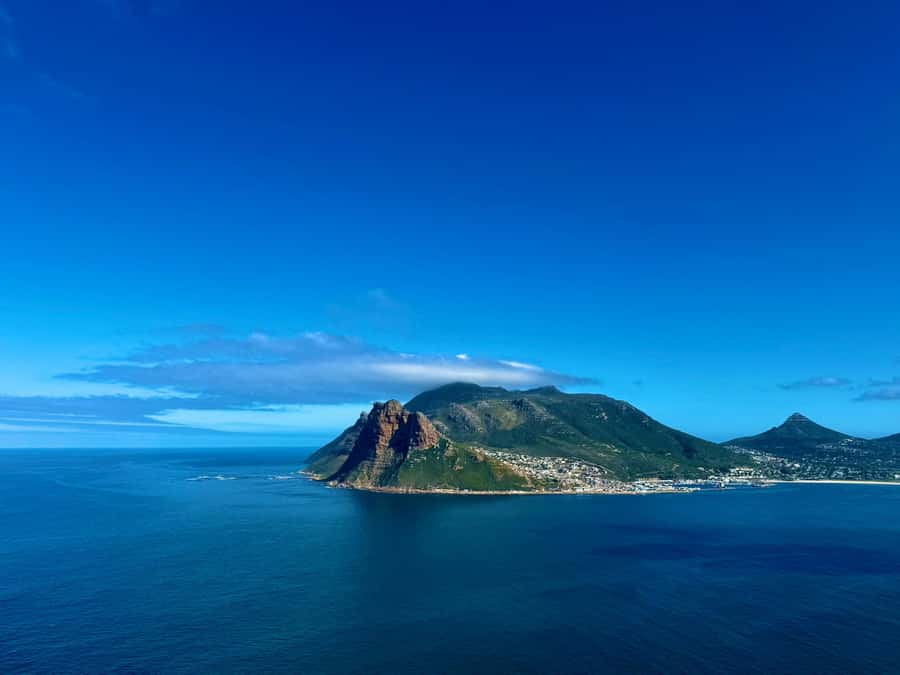
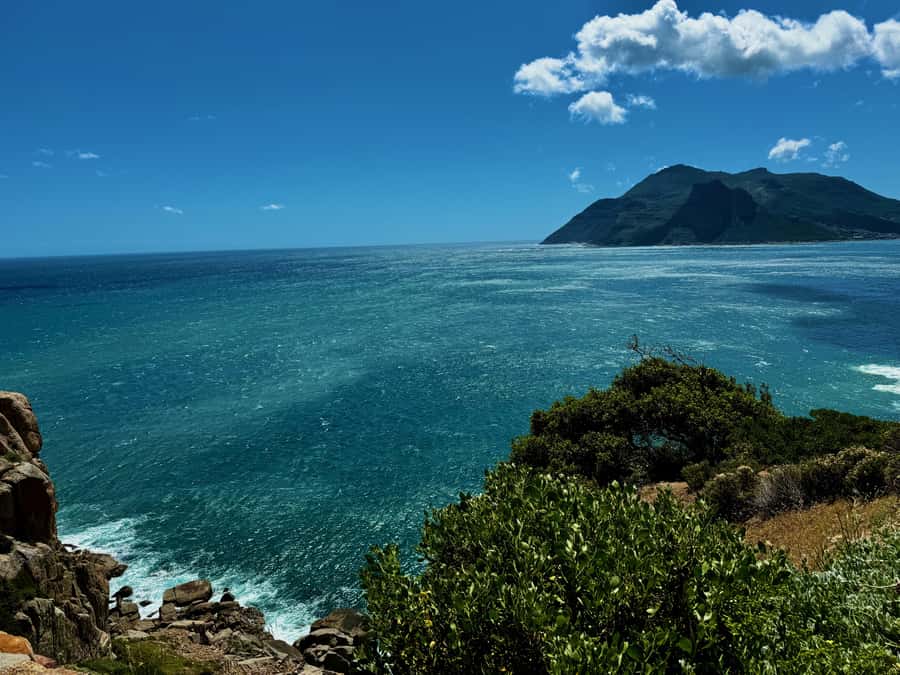
Chapman’s Peak is where the tour gives you its most important breathing space. You’ll take a break and enjoy the viewpoints over the bay.
For your planning, this matters:
- It’s the one place you can expect a more relaxed moment.
- It’s also a high-expectation stop, since it’s specifically called out as a break with outstanding views.
If you’re the type who likes to photograph but also likes to feel calm while doing it, Chapman’s Peak is a good target. You’re not just sprinting through a famous spot; you get time to actually look around.
Bike, Terrain, and Who This Ride Fits Best
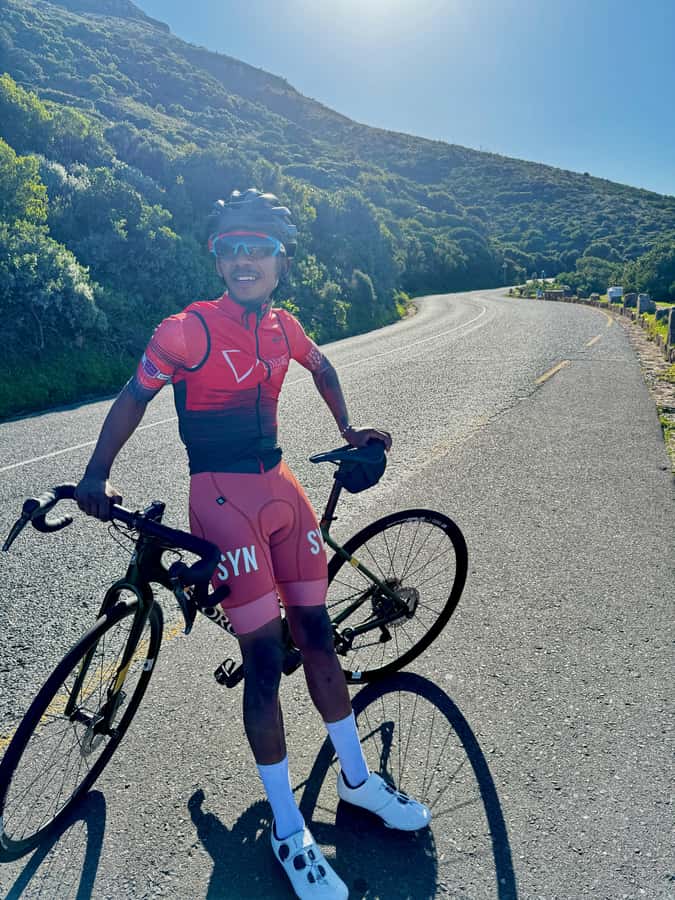
You’re cycling about 60km in 3 hours, with a route that includes well-known coastal roads and at least one descent. The tour provides a helmet and a road or gravel bike, depending on what’s available.
That means your comfort depends on two things:
- Whether you’re okay riding for long enough to cover 60km without stopping for snacks every ten minutes.
- Whether you can handle the style of cycling needed for coastal roads, including turns and changing road feel.
The tour is explicitly not suitable for:
- People with back problems
- People who can’t ride a bike
So if you’re thinking of booking and you’re on the edge of your cycling ability, be honest with yourself. This is a guided ride with a set pace and distance, not a casual loop.
The good news is that you’re not doing this solo. A guide handles the route, keeps the group together, and can help you settle into the right pace early on. With a small group limited to 10, the ride stays manageable.
Price and Value: What $93 Buys You
At $93 per person, the value comes from three buckets: guidance, equipment, and time efficiency.
- Guidance: You get a live English guide who explains key sights, especially the Antipolis wreck story and the meaning behind the coastline. That turns the ride into an experience, not just transport.
- Equipment included: You don’t have to arrange your own bike rental, and you’ll get a helmet plus a water bottle.
- Time efficiency: At 60km over about 3 hours, you cover serious distance. If you’re short on time in Cape Town, this is the kind of activity that lets you see multiple headline places without spending your whole day in transit.
Could you do a similar route on your own? Maybe, depending on your comfort level. But paying for a guide makes sense when you want the history context and you don’t want to spend energy figuring out where to stop and what to look for.
Also, because the group is capped at 10 participants, you’re less likely to get stuck in a big, slow-moving pack that drags the experience down.
Practical Tips So You Don’t Waste a Great Coast Day
A few things will make your ride smoother:
- Bring sunscreen. It’s listed as a must-bring item, and that coast sun can be strong even when the breeze feels cool.
- Wear comfortable cycling shoes or supportive sneakers. You’ll cover distance, so foot comfort matters.
- Protect your eyes with sunglasses if you’re glare-prone. Coastal light can jump around.
- Start the ride thinking in sections: ocean views early, history mid-ride, harbor color next, and a final viewpoint break at Chapman’s Peak.
If you’re someone who runs low on energy when you ride, consider keeping small energy snacks on hand. The tour data only confirms water is included, so you’ll want to plan your own food if you need it.
Should You Book This Half-Day Cycle Tour?
I’d book this if you want a scenic, guided Atlantic ride that hits major sights in a short window, and you enjoy learning while you move. The combination of coastline viewpoints plus the Antipolis wreck story is a strong match for travelers who like facts with their photos.
Skip it if you can’t confidently ride for the distance, or if you have back problems. Also, if you’re expecting lots of long sightseeing stops, adjust your mindset: the tour’s rhythm is distance-focused, with the more substantial break at Chapman’s Peak.
If your plan is Cape Town with limited time, this is a smart use of a half day.
FAQ
How long is the Cape Town Half Day Cycle Tour?
The tour lasts about 3 hours.
Where does the tour start?
You start at 55 Somerset Rd at the Cycling Friends shop.
What’s included in the price?
It includes a cycling guide, a road or gravel bike (depending on availability), a helmet, and a water bottle.
Is the tour guided in English?
Yes, the live tour guide speaks English.
How big is the group?
The group is small, limited to 10 participants.
Is it suitable if I have back problems or can’t ride a bike?
No. It’s not suitable for people with back problems or for people who can’t ride a bike.