REVIEW · HO CHI MINH CITY
3 Days Cycling Mekong Delta
Book on Viator →Operated by Vietnam Bicycle Travel · Bookable on Viator
Pedal through the Mekong’s daily rhythm. This 3-day cycling trip from Ho Chi Minh City takes you along Mekong backroads where the views feel local, not staged, and it’s guided by Loc, a real-deal guide focused on everyday life—fruit orchards, water life, and the small rhythms you miss from a bus. I love how the route builds in time to slow down for conversations and hands-on moments, and I also like that you get boat time at key floating markets, so the “river world” isn’t just something you look at from land.
One thing to think about: the days start early and run long, with full-day sessions around 6–7 hours and cycling sections roughly 30 km, so you’ll want at least decent stamina and a comfortable attitude toward warm, humid conditions.
In This Review
- Key things I’d bet on before you go
- Why Mekong Delta by bike beats the bus ride
- Day 1 in Cai Be: fruit orchards, fresh durian, and the river market feel
- Day 2 in Can Tho: early breakfast, river life, and cycling by daily rhythms
- Day 3 at Cai Rang: the floating market at first light
- How the biking, van transfers, and ferry tickets keep it manageable
- Meals and local encounters: how food ties the days together
- Price and value: what $405 really covers
- Who this 3-day bike ride is best for
- Should you book this Mekong Delta cycling trip?
- FAQ
- Where does the tour start in Ho Chi Minh City?
- What time does the tour start?
- How long is the tour?
- Is floating market time included by boat?
- What’s included in the price besides the bike?
- Do they stop for durian or fruit tastings?
- What’s the cancellation policy?
Key things I’d bet on before you go
- Backroads over shortcuts so you actually pass through working areas, not just photo stops
- Durian tasting in orchard country with fresh fruit moments built into the ride
- Floating market boat cruises included for Cai Be and the Can Tho market area
- A guide who talks to locals and helps you understand what you’re seeing
- Meals, water, and cycling snacks handled so you can focus on riding and noticing details
- Small-group feel (max 25) with helmets and basic gear support
Why Mekong Delta by bike beats the bus ride
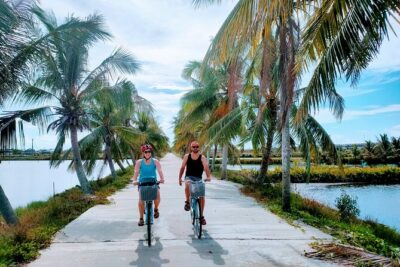
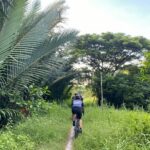
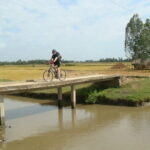
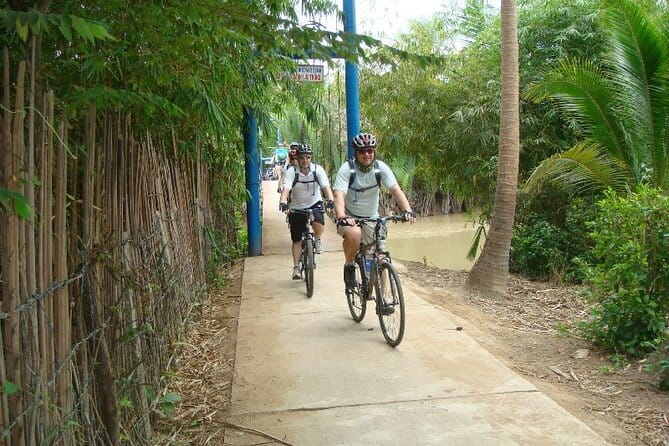
If your idea of the Mekong Delta is floating markets only, this tour changes the picture fast. The big value is that you don’t just hop between boats and buses—you cycle through fruit-growing backroads where people live and work, including rice fields and orchards, with the river always close by.
You also get a pace that feels human. The ride is active, but it isn’t a “race to the next stop” setup. You’ll have repeated chances to pause for water, fruit, and quick conversation moments—exactly the kind of stops that make a route memorable instead of exhausting.
And because the plan includes boat cruises for the floating-market highlights, you get two angles of the same world: the human scale of cycling and the water-level view of daily trading and river work.
You can also read our reviews of more tours and experiences in Ho Chi Minh City.

Day 1 in Cai Be: fruit orchards, fresh durian, and the river market feel
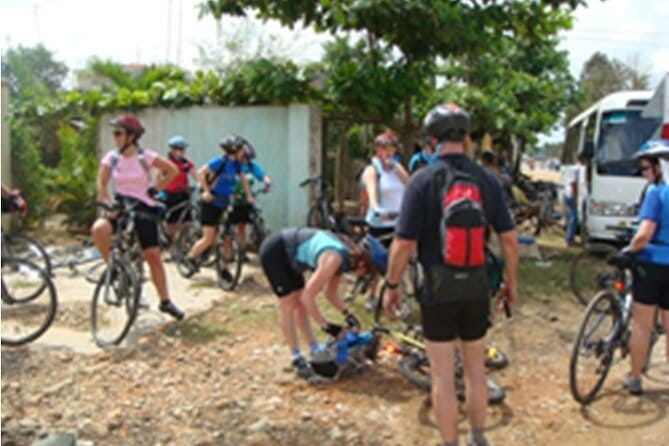
Day 1 starts with riding on backroads that cut through orchards and working areas. One standout is the chance to stop for fresh durian, described as a local specialty here. Even if durian isn’t your favorite fruit, the point of the tasting moment is understanding the region through what people grow and sell.
Cai Be Floating Market is the next big focus, and it fits the day well. Floating markets aren’t just a visual—watching trading from the water side shows you how this economy runs when everything is tied to waterways. You’ll be there as part of a full cycling day (around 6 hours total), which helps you connect the market to the landscape you rode through earlier.
What to expect: more slow-and-watch time than a quick bus stop, plus those orchard-country interruptions that keep your senses awake. The market moment also lands nicely after fruit stops, because you’re seeing how the supply chain connects right there in the river system.
Possible drawback: if you’re sensitive to strong smells or you’re not into tasting foods, the durian stop may feel like extra pressure. You can still enjoy the experience through watching and photographing, but be ready for fruit tasting to be part of the flow.
Day 2 in Can Tho: early breakfast, river life, and cycling by daily rhythms
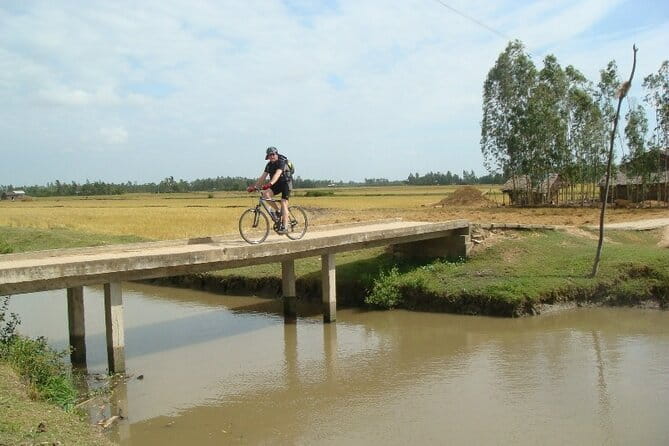
The day starts with early Vietnamese coffee and breakfast, which is a simple but smart choice. It means you’re fuelled before the ride really starts, and you get that morning feel that’s hard to recreate later in the day.
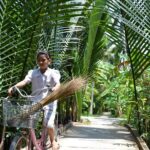
Then the cycling works like a moving window into water life. You’ll ride along rivers where people are fishing, doing everyday tasks, and—according to the tour description—there’s activity like picking fruit and even Vietnamese students commuting. That last detail matters. It turns the Mekong into something you can understand as a place with routines, not just a tourist scene.
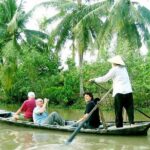
Can Tho is the main anchor today (again, around 6 hours total), and you’ll connect the cycling to what people do on the water. The tour also includes boat cruises in the Cai Be and Can Tho floating market areas, so you’re not locked into one perspective.
What to expect: a mix of quiet river views and closer-to-life scenes. You’ll likely spend plenty of time noticing boats, hands at work, and the way people treat the river as infrastructure.
Possible drawback: because the ride is tied to morning activity, you’ll want to be awake and ready early. If you’re not a morning person, plan to go to bed the night before without a late-night plan.
Day 3 at Cai Rang: the floating market at first light
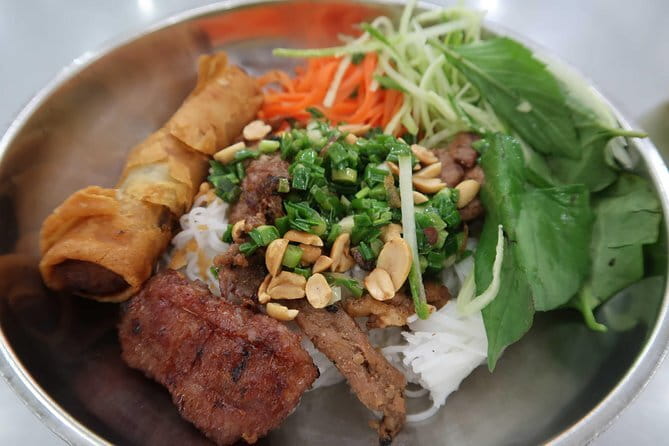
Cai Rang Floating Market is the finale, and it’s scheduled as an early day. The reason is obvious once you’re there: floating markets look best when the river is active and the market flow is underway.
At Cai Rang, the focus is on trading from boat to boat, with varieties of fruits and vegetables from the Mekong. This isn’t just “boats with fruit.” It’s the energy of sellers and buyers working the water routes and using the river system to move goods. When you’ve already cycled backroads for two days, Cai Rang feels like the natural endpoint, not a random day trip.
Day 3 runs about 7 hours total, which gives you enough time for cycling plus the market visit without feeling like everything is rushed.
What to expect: more of the classic Mekong floating market scene than the orchard-and-rice moments, but with extra context from the ride days. You’ll get to compare what you saw on land (orchards, fields, local routines) with what you see on the water (trading, timing, and river navigation).
Possible drawback: the early timing can make this day feel longer. If you’re the type who powers down quickly after lunch, bring the energy for a full day and save your big rest for the evening back in Ho Chi Minh City.
How the biking, van transfers, and ferry tickets keep it manageable
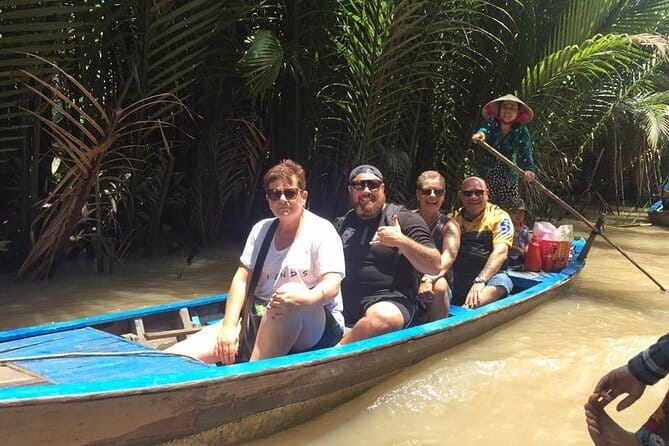
This tour doesn’t pretend cycling means only pedaling every second. It’s set up with support that helps you enjoy the route instead of fighting logistics.
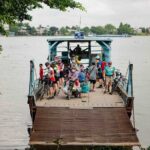
You’ll have an air-conditioned vehicle, and you’ll also have Wi‑Fi on the van, which sounds small but helps if you want to plan photos, post a message, or just stay sane during transfer breaks. Ferry tickets are included too, so you aren’t navigating ticket stops on your own.
Bikes come with helmets and gears, and that’s important on any cycling route in traffic-heavy or shared-road areas. You’re also given water, snacks, and fruits for cycling, which means you can stay focused on the ride rather than constantly hunting for small purchases.
Group size is capped at 25 travelers, so you’re not stuck in a huge crowd. That matters at floating markets, where lines and crowding can swallow the experience if the group is too large.
One more practical note: because you’re cycling for hours, plan to wear comfortable footwear and clothing you can sweat in without getting miserable. This is Vietnam in warm conditions most of the year, and “cotton shirt and sandals” can turn into an annoying day fast.


Meals and local encounters: how food ties the days together
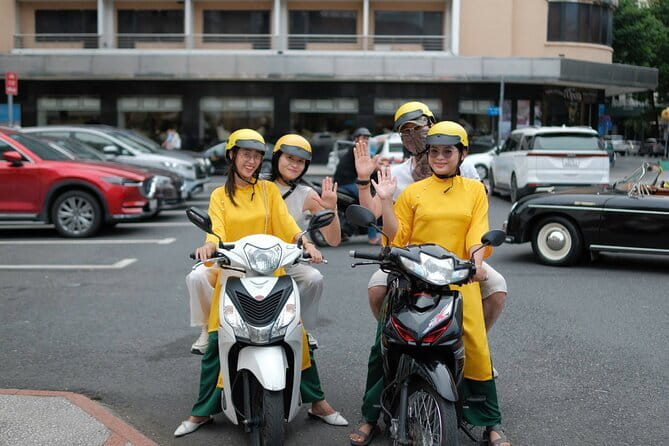
One of the most enjoyable parts of this style of tour is that meals don’t feel like an afterthought. The included plan covers lunch (3 times), breakfast (2 times), and dinner (2 times), plus fruits and snacks during cycling.
That structure does two things for you:
- It keeps the ride from turning into a vending-machine hunt.
- It makes the “local encounter” moments easier, because you’re not constantly worried about where the next meal is coming from.
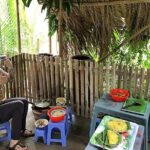
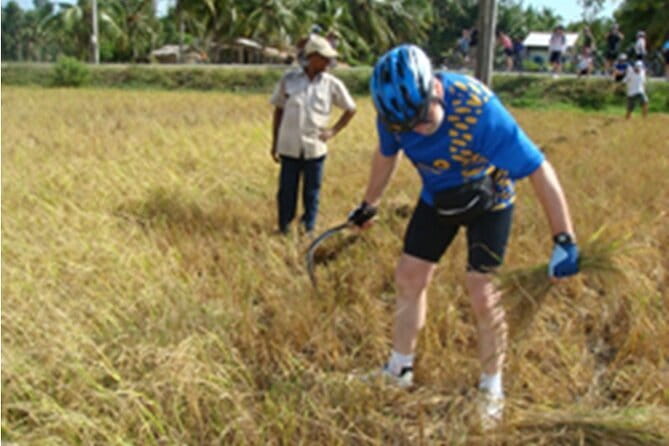
The tour description also highlights up-close moments: chatting with locals, eating with them, and even picking fruit with them. Those experiences are often the part that people remember most because they turn sightseeing into real understanding—how people live, what they grow, and how the river economy affects daily life.
What to expect at meals: simple, regional, and timed around the cycling schedule. It’s also easier to say yes to shared food when you’re not starving from a long ride.
Possible drawback: drinks at restaurants aren’t included, so if you’re the kind of person who drinks lots of bottled water or other beverages, budget a bit extra for that.
Price and value: what $405 really covers
At $405 per person, this isn’t the cheapest way to see the Mekong Delta. But it also isn’t a bare-bones “transport only” deal.
Here’s what’s included that usually costs money on separate tours:
- Use of bicycle with helmets and gear
- Air-conditioned vehicle with Wi‑Fi on the van
- Ferry tickets
- Boat cruises tied to the floating market areas (Cai Be and the Can Tho market area)
- Meals: lunch 3x, breakfast 2x, dinner 2x
- Water, snacks, and fruits for cycling
If you’ve ever priced floating market tours plus bike rentals plus transfers plus meals, you’ll recognize the pattern: this price bundles the headaches. You’re paying for a planned route and included time on the water, not just a place name.
Also, average booking happens about 11 days in advance, which suggests this trip has steady demand. If you want your preferred dates, don’t wait until the last minute.
Who this 3-day bike ride is best for
I’d point you toward this trip if you want an active, practical way to see the Mekong Delta without relying on a bus schedule.
It’s a great fit if you:
- enjoy cycling at a steady pace and can handle a few long days (about 6–7 hours each day)
- like food moments and fruit tastings like the durian stop
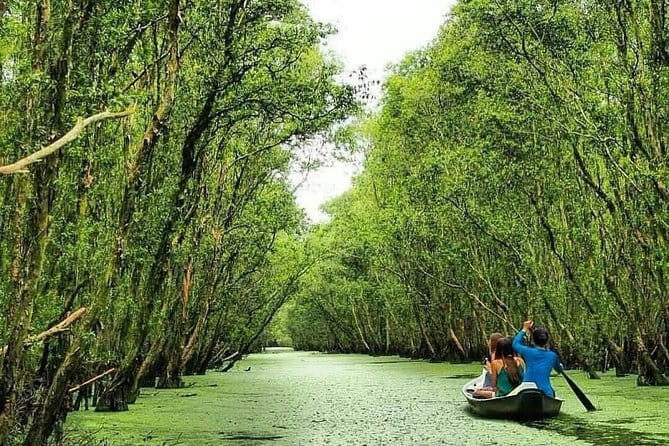
- want river views plus backroad life, including orchards and water activity
- prefer a small group experience (max 25)
It may not be the best match if you:
- want a mostly easy, low-activity day with lots of sitting time
- get cranky with early starts and long travel days
- are completely new to riding and don’t feel comfortable with an approximate 30 km cycling section
Should you book this Mekong Delta cycling trip?
If you want Mekong Delta that feels like a working region—not just a postcard—this is a strong choice. The combination of cycling backroads, floating market time, and included meals and snacks makes the day flow easier and keeps you from spending energy on logistics.
Book it if you like active sightseeing, food tastings, and seeing how people actually use the river. Think twice if you dislike early starts or you’d rather do shorter rides with more downtime.
FAQ
Where does the tour start in Ho Chi Minh City?
The meeting point is Caravelle Hotel, 19–23 Lam Son Square, Bến Nghé, Quận 1, Hồ Chí Minh, Vietnam. The tour ends back at the same meeting point.
What time does the tour start?
Start time is 7:30 am.
How long is the tour?
It’s listed as 3 days (approx.). The itinerary shows about 6 hours on day 1, about 6 hours on day 2, and about 7 hours on day 3.
Is floating market time included by boat?
Yes. Boat cruises are included for Cai Be and the Can Tho floating market.
What’s included in the price besides the bike?
The included items cover air-conditioned vehicle, use of bicycle, helmets and gears, water, snacks, and fruits for cycling, Wi‑Fi on the van, ferry tickets, boat cruises for the floating market areas, and meals (lunch 3 times, breakfast 2 times, dinner 2 times).
Do they stop for durian or fruit tastings?
Yes. On day 1, you cycle through fruit orchards and there’s a stop to try fresh durian, described as a specialty of the region.
What’s the cancellation policy?
You can cancel for free up to 24 hours in advance for a full refund. If you cancel less than 24 hours before the experience’s start time, you don’t get a refund.