REVIEW · HO CHI MINH CITY
Cycling Mekong Delta Ben Tre 2days
Book on Viator →Operated by Sinhbalo Adventure Travel · Bookable on Viator
Few places teach you how the Mekong Delta works.
This 2-day Ben Tre cycling trip mixes quiet country roads with river boat cruising and ends with an overnight home stay, so you get more than scenery—you get daily rhythm. I like the way the bike-and-boat plan keeps things relaxed without losing the local feel. I also like that your guide works out the day, including meals and entrance fees, so you don’t spend the whole trip figuring logistics. One thing to consider: heat and humidity can be intense, especially if you’re used to cooler weather, and you’ll want a moderate fitness level for all that riding.
Small-group touring matters here.
The tour caps at 8 people, which makes the pace feel human and helps with safety on narrow lanes shared with scooters and pedestrians. I’ve heard strong feedback about guides like Hai, Loc, Nam, and Quang for clear English and safety focus, which matters when roads get tight. The main trade-off is that this isn’t a “stay on paved roads” ride, so you should expect bumpy stretches and dirt or shaded paths.
In This Review
- Key things to know before you go
- Entering the Mekong Delta the practical way: bike lanes, canal boats, and real roads
- Day 1 in Ben Tre: Cai Be floating market plus a countryside bike that feels off the main road
- Cai Lay bike collection and the first ride
- Boat time: Cai Be floating market and Mekong cruising to an island
- The canal-side ride: fruit orchards, water paths, and village life at bike speed
- Overnight home stay in Ben Tre: where the experience goes from sightseeing to real life
- Day 2 around Ben Tre province: coconut workshops, bridge-area roads, and lunch with locals
- Ba Lai river branch and the coconut products stops
- Ham Luong bridge area ride and lunch at a local home
- Why the river segments matter more than you’d think
- Guides, pace, and group size: what you’re really paying for
- Bikes, helmets, and what to pack for Mekong heat
- Price and value: is $405 reasonable for two days?
- Who should book this Mekong Delta Ben Tre cycling tour?
- Should you book it?
- FAQ
- FAQ
- How long is the Cycling Mekong Delta Ben Tre 2 days tour?
- What time does the tour start?
- Where is the tour located and where does it begin?
- Is pickup included?
- Are bikes and helmets included?
- Are meals included?
- Is there a vegetarian option?
- How big is the group?
- Do I need a passport?
- What is the cancellation refund window?
- Is the tour suitable for all fitness levels?
Key things to know before you go
- Ben Tre by bike + boat: You’ll pedal rural lanes, then shift to river time to reach markets and canal areas.
- Home stay in Ben Tre: Sleep in a local house setup, not a standard hotel block.
- Local meals included: Breakfast, lunch (2), and dinner are part of the package; drinks are extra.
- Up to 8 riders: Easier pace control, easier navigation, and less waiting around.
- Your guide plans the day: You’re not on your own for timing, meals, or entry stops.
- Passport required: You’ll need a valid passport on travel day.
Entering the Mekong Delta the practical way: bike lanes, canal boats, and real roads
If your idea of the Mekong Delta is only floating markets and postcards, this tour changes that fast. Ben Tre sits where water shapes life every day. Narrow lanes, coconut shade, and village paths make the riding feel more like a slow walk you can pedal—especially when you’re not fighting traffic in a big city.
The bike portion is the main event, but the boats are the secret sauce. You’ll spend real time on the Mekong—wide, busy, and powerful—then transfer to smaller water corridors and island areas. That shift keeps the trip interesting and prevents the two days from turning into one long slog.
You can also read our reviews of more tours and experiences in Ho Chi Minh City.


Day 1 in Ben Tre: Cai Be floating market plus a countryside bike that feels off the main road
Your day starts with a morning pickup from Saigon (Ho Chi Minh City area). You’ll meet at 8:00 am, then shuttle out of town for about 2 hours toward Cai Lay. This drive matters because it places you where the biking is calm and where the river world starts to make sense.
Cai Lay bike collection and the first ride
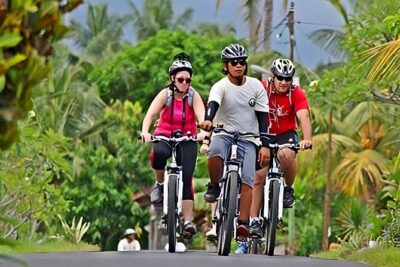
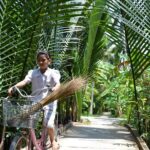
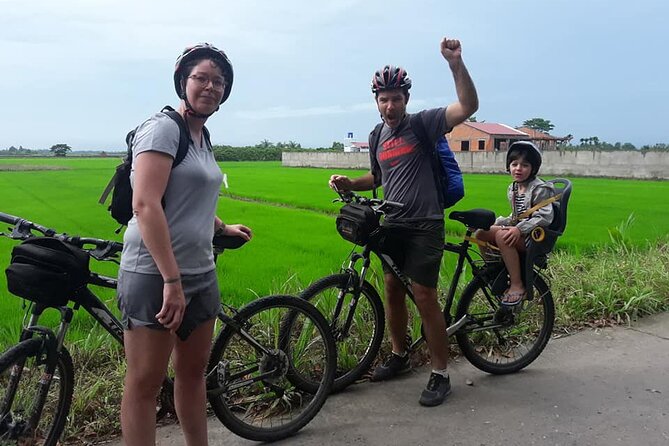
After arriving, you collect your bike and helmet. From there, you’ll ride for about 2 hours on quiet country lanes and roads. The best part is the feel: you pass local villages and canals, and you’re close enough to notice everyday details—how people live, how fields sit next to homes, and how water shows up in daily routines. Expect a gentle pace, but you still need to be alert. Roads can be narrow, and scooters share the path in some areas.
What to watch for: if you come from places with strict lane markings, you may find the driving style different. The good news is you’re on a guided route, so you’re not guessing.
Boat time: Cai Be floating market and Mekong cruising to an island
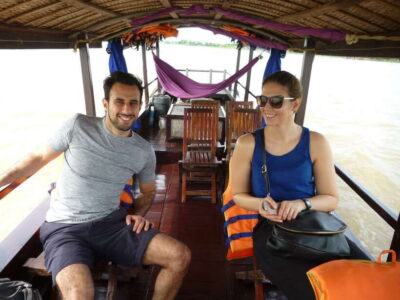
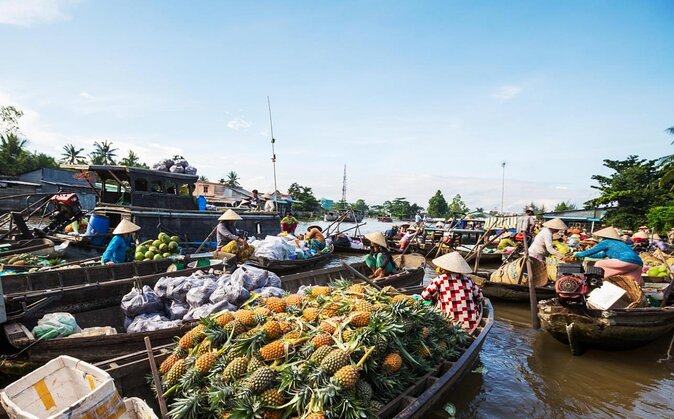
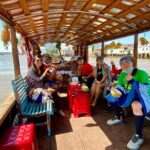
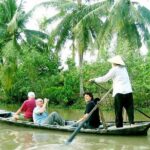
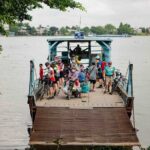
Next comes the river portion. You’ll board a boat for a visit to the Cai Be floating market, then cruise across a big stretch of the Mekong (about 1.5 km wide) to Binh Hoa Phuoc island. Even if you’re not a “market person,” floating markets here aren’t just a stall parade. They show the working side of the delta—people and goods moving through water pathways that still matter.
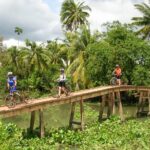
After lunch, the cruise continues down the Mekong toward Cho Lach canals. This is where the experience starts to feel more hands-on. You’ll head to canal areas and then continue with a shorter bike section on smaller paths under a green canopy. This part is often the most relaxing riding day because you’re mostly sharing space with pedestrians, local cyclists, and occasional scooters, rather than heavy road traffic.
Why this works: the combo of market + island + canals gives you a “map in your head.” After this day, the delta stops feeling like a single attraction and starts feeling like a system.
The canal-side ride: fruit orchards, water paths, and village life at bike speed
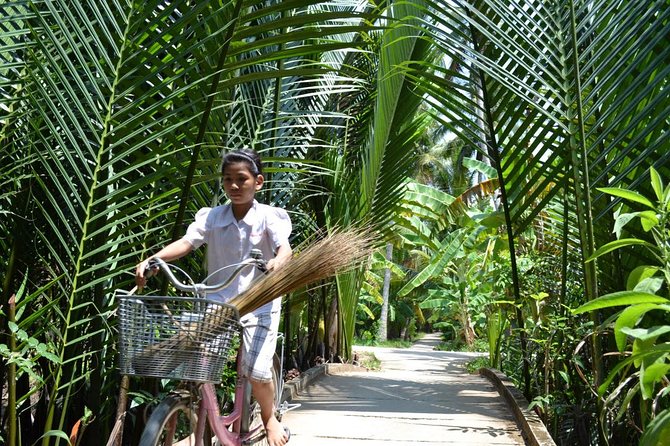
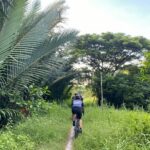
The canal-area cycling portion focuses on low-key discovery. You’ll ride on small paths beside water, under trees and around agricultural areas. The route is designed to show you places like nursery gardens and fruit orchards, plus the daily life of farmers.
This isn’t a dramatic, adrenaline ride. Instead, it’s a sensory one: the smell of fruit trees, the sound of water, the way villages pop out along the edges. You’ll feel like you’re moving through someone’s working neighborhood, not a theme park.
One honest drawback: the delta is hot and humid, and shaded paths don’t always mean cool air. Bring water habits seriously. If you tend to under-drink on day trips, make a point to sip often.

Overnight home stay in Ben Tre: where the experience goes from sightseeing to real life
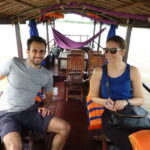
Day 1 ends with another boat ride back to Ben Tre for the night. Then it’s overnight accommodation at a home stay. This is one of the tour’s biggest value points because you’re not just traveling through the region—you’re sleeping inside the local rhythm.
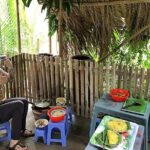
You’ll also be eating well. The tour includes dinner, and the food is part of the overall picture: what’s practical for the day, what’s available, and how hosts cook for people staying with them. There’s a reason this home stay gets praised so consistently: it feels authentic without being uncomfortable, and it adds context to everything you saw earlier in the day.
What to expect: homestay setups can vary. The tour handles the arrangement, but you should still expect simpler conditions than a Western hotel. For most people, that’s the point.
Day 2 around Ben Tre province: coconut workshops, bridge-area roads, and lunch with locals
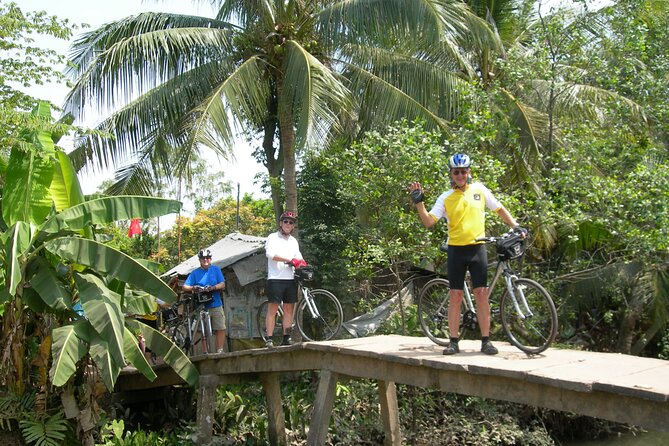
After breakfast, day two starts with more back-country riding. You’ll cycle on roads alongside the river, passing daily life of locals and moving through shaded corridors under coconut trees. It’s the kind of route that makes you slow down, even when you want to cover more distance.
Ba Lai river branch and the coconut products stops
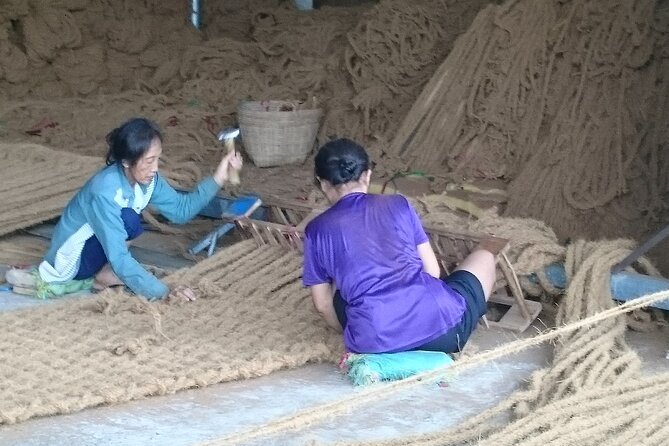
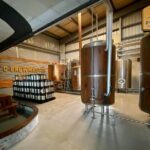
You’ll pass the Ba Lai river, a smaller branch of the Mekong, which helps you understand how water branches create separate pockets of life. Then you’ll visit local workshops making coconut products Ben Tre is famous for—things like coconut candy and other coconut-based sweets and goods.
These stops are great because they’re not only “watch and leave.” You’re seeing how a local ingredient becomes jobs, production, and household income. You come away with a better sense for why Ben Tre looks the way it does.
Practical tip: bring patience for small workshop timing. You’ll likely have short viewing windows, and things can run at local speed.
Ham Luong bridge area ride and lunch at a local home
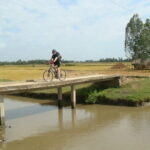
As you bike toward the Ham Luong bridge area, the tour includes lunch at a local home. This is another value highlight. Instead of lunch being a quick roadside stop, it’s built into the cultural flow of the day.
After lunch, you get downtime options. The tour plan includes time for a hammock siesta, plus walking through the village, or an additional ride segment if you still have energy. In one version of the plan, you may also visit a farmer house connected to fighting cocks, which is a very local detail and not something most visitors see.
Then there’s another biking segment of about 10 km (as energy allows) to reach more village areas such as a broom maki stop. The idea is to keep the day balanced: enjoy local life, but don’t force you to ride until your legs file a complaint.
Why the river segments matter more than you’d think
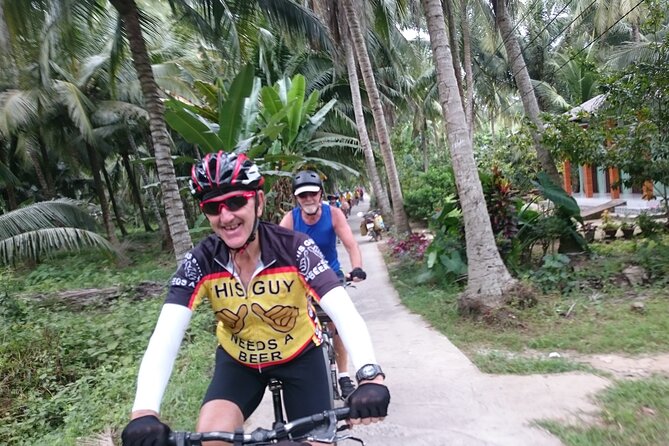
The Mekong Delta is big. If you tried to do it all on bikes, you’d burn time on transfers and miss the water-based geography that defines Ben Tre.
The boat cruising on day one does three things:
- It physically relocates you so your biking is in the right zones.
- It gives you a “breathe” moment from heat and road noise.
- It shows you how wide and layered the river system actually is.
And on the canal areas, boats and bikes feel like two sides of the same path. You might cruise down river, then step onto smaller corridors where cycling feels quieter and more village-connected.
Guides, pace, and group size: what you’re really paying for
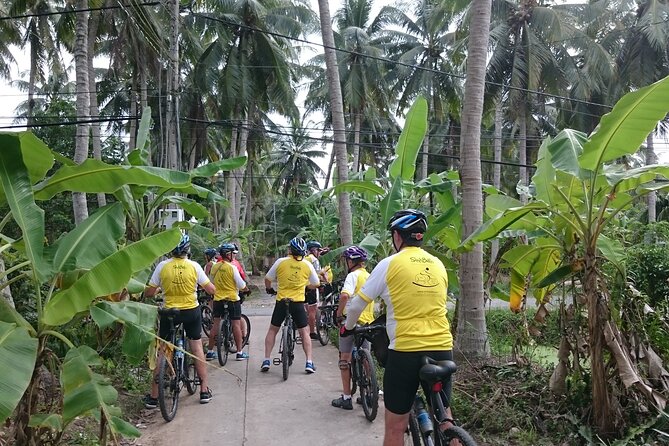
The price isn’t just for wheels. A lot of the value is in the human layer: route planning, safety decisions, and the ability to explain what you’re seeing.
This is a small tour (max 8 travelers), and that changes how the day feels. You won’t be lost in a crowd. It’s also easier for your guide to adjust the pace based on how you handle heat, small breaks, or slower bikes.
From the guide feedback I saw in the details, people repeatedly name guides like Hai, Loc, Nam, and Quang. Common themes include good English, a fun or friendly tone (depending on the guide), and a safety-conscious approach. That combination matters on shared roads, where you want someone watching traffic dynamics and keeping the group together.
Bikes, helmets, and what to pack for Mekong heat
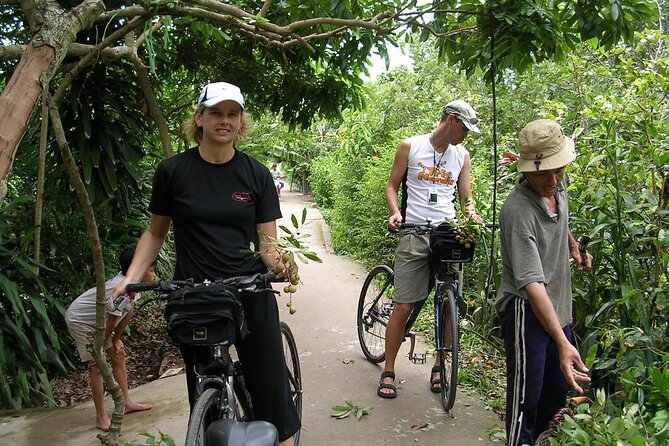
The tour provides use of bicycle and helmet, so you don’t have to shop for gear. That’s a big relief because proper biking comfort in humid places matters more than brand names.
What you should bring:
- Sun protection (hat or cap, plus sunscreen).
- Lightweight long sleeves if you burn easily (coconut shade isn’t guaranteed).
- Comfortable shoes for possible rougher paths.
- A small day bag you can keep with you.
Hydration is not optional. Even when the ride is shaded, you’ll be out in humidity. You’ll also have drinks available to purchase, but that means you should plan to pay attention to your own water rhythm instead of waiting until you’re thirsty.
Price and value: is $405 reasonable for two days?
At $405 per person for about two days, you’re paying for more than transportation. Here’s what you’re getting that usually costs money on your own:
- Round-trip transport from Saigon
- A small-group guide
- Bike and helmet
- Boat time including the floating market area
- Entrance fees (included)
- Full meals: dinner, breakfast, and lunch (two lunches)
- Home stay overnight
When you add that up, the price starts to look fair—especially compared with cobbling together separate boat trips, markets, and a local homestay with bike rental and guide. The biggest cost sink in Mekong planning is often transportation + guide + food. This tour bundles those pieces.
Is it cheap? No. But the value is in the integration: you don’t lose time between activities, and you aren’t scrambling for local contacts.
Who should book this Mekong Delta Ben Tre cycling tour?
This tour fits best if you want:
- A guided, low-stress way to see the delta countryside and waterways.
- More local detail than standard day tours.
- A bike experience that’s active but not focused on crushing distance.
It may not be ideal if:
- You hate heat and won’t manage it with hydration and sun protection.
- You need fully paved, totally smooth roads and predictable surfaces.
- You want a modern hotel every night. This is a home stay night.
Should you book it?
I’d recommend booking this if you want the Mekong Delta to feel like a place people actually live—not just a checklist. The combination of floating market + Mekong cruising + canal-side village biking + home stay is a strong way to understand Ben Tre quickly without feeling rushed.
If you’re unsure, do one simple self-check: can you handle moderate cycling in humid conditions for two days? If yes, this tour is a great value use of time. If not, you might feel miserable halfway through day one—and no floating market is worth that.
FAQ
FAQ
How long is the Cycling Mekong Delta Ben Tre 2 days tour?
It’s listed as 2 days (approx.).
What time does the tour start?
The start time is 8:00 am.
Where is the tour located and where does it begin?
It runs in the Mekong Delta (Ben Tre area) and includes round-trip transport from Ho Chi Minh City (Saigon area).
Is pickup included?
Yes. Pickup is offered, and the tour includes hotel transport from Saigon.
Are bikes and helmets included?
Yes. The tour includes use of a bicycle and helmet.
Are meals included?
Yes. Dinner, breakfast, and lunch (2) are included. Drinks are not included.
Is there a vegetarian option?
Yes. A vegetarian option is available if you advise at booking.
How big is the group?
The tour has a maximum of 8 travelers.
Do I need a passport?
Yes. A current valid passport is required on the day of travel.
What is the cancellation refund window?
You can cancel up to 6 days in advance for a full refund. Cancel 2–6 days before for a 50% refund. If you cancel less than 2 days before, there is no refund.
Is the tour suitable for all fitness levels?
It’s for people with moderate physical fitness. You should be ready for real cycling on local roads and paths.