REVIEW · YOGYAKARTA
Yogyakarta: Countryside Village Cycling Tour With Guide
Book on GetYourGuide →Operated by Nirvana Borobudur Tour · Bookable on GetYourGuide
Pedal away from Yogya traffic into villages. This Yogyakarta countryside cycling tour is interesting because it blends a relaxed bike ride with real, hands-on food-making you can see up close. I especially like the countryside cycling feel and the chance to watch tempeh being made the traditional way.
I love that the pace gives you time to notice daily life, not just pass by it. You also ride with a small group (limited to 10) and start on old classic bikes that feel like part of the place, not a rental afterthought.
One possible drawback: you’ll be out in the sun and humidity during the ride. Bring sunscreen and sunglasses so you stay comfortable and can actually enjoy the journey.
In This Review
- Key Things That Make This Bike Tour Worth Your Time
- How This Yogyakarta Countryside Ride Gets You Off the Main Road
- The Traditional Village Stop: Tempeh from Soybeans to Banana-Leaf Wraps
- Emping Melinjo and the Furnace-Style Cracker Makers
- Pedaling Through Fields: Rice, Corn, Chili, Green Beans, and Sugarcane
- Old Bikes, Real Farming Speeds: What the 2.5 to 3 Hour Ride Feels Like
- Guides Who Translate More Than Language
- What’s Included (And Why It Changes the Value Math)
- Price and Logistics: When $46 Makes Sense (and When It Might Not)
- Who Should Book This Tour (And Who Might Prefer Another Option)
- Should You Book This Yogyakarta Cycling Tour?
- FAQ
- How long is the tour in total?
- Where does the tour start?
- What’s included in the price?
- What languages are available for the guide?
- What should I bring?
- How large is the group?
Key Things That Make This Bike Tour Worth Your Time
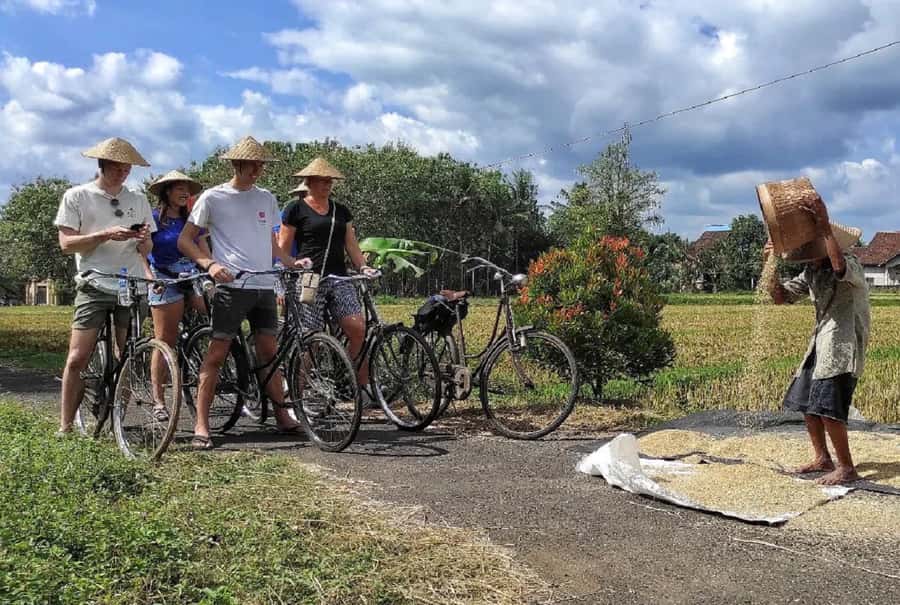
- Classic bicycles with real character: famous old brands like Gazelle, Fongers, Batavus, BSA, Triumph, Humber, Releigh, and more.
- Tempeh workshop with banana-leaf wrapping: soybeans processed into tempeh using natural banana leaves.
- Emping melinjo with furnace-style cooking: interaction with cracker makers using a traditional furnace approach.
- Seasonal farming views right from the road: fields with rice, corn, chili, green beans, peanuts, and sugarcane, depending on timing.
- Guides who help you connect: English/Indonesian live guiding, and names like Kiki, Nana, and Zuhal come up for their clear explanations and good question-translation.
How This Yogyakarta Countryside Ride Gets You Off the Main Road
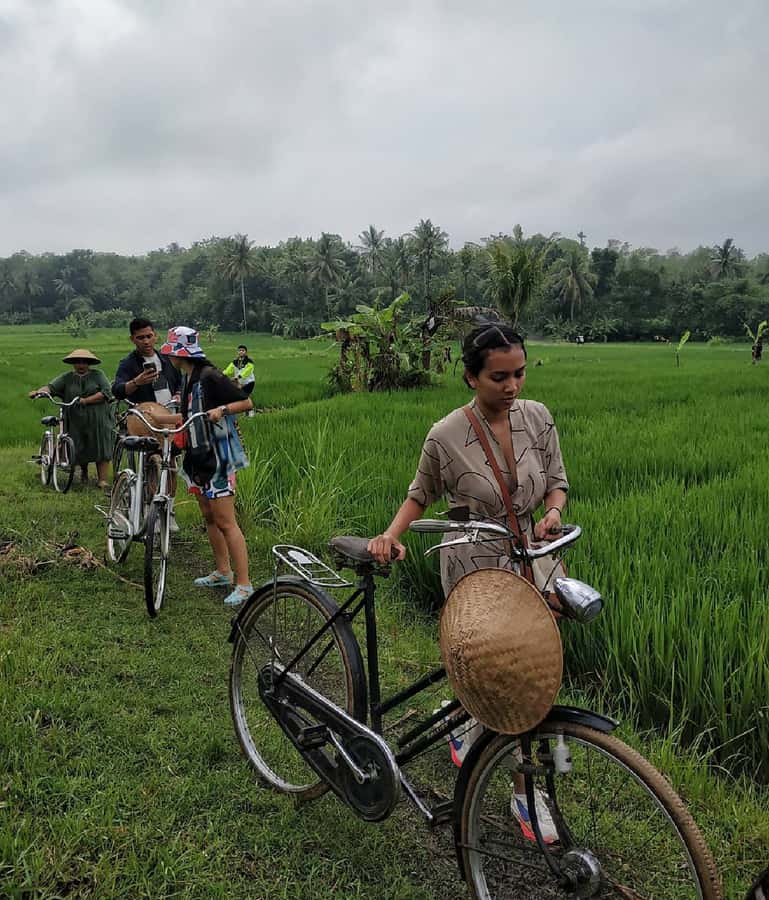
This tour is built for travelers who want the real “day-to-day Indonesia” feel without turning the day into a stressful scramble. You start with hotel pickup in Yogyakarta, then head out together as a small group. Total time on the calendar is about 5 hours, with the actual cycling running around 2.5 to 3 hours.
What makes this setup smart is that you get countryside access with less planning. Instead of figuring out where to go and who to ask, you ride to the places where food and farming happen as normal life. And because the group stays small, your guide can actually manage the timing and keep you connected with what you’re seeing.
You can also read our reviews of more tours and experiences in Yogyakarta.

The Traditional Village Stop: Tempeh from Soybeans to Banana-Leaf Wraps
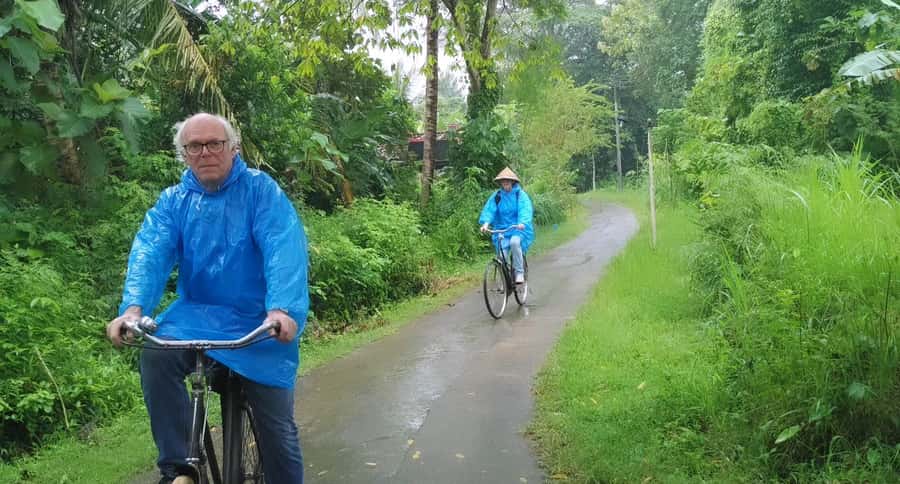
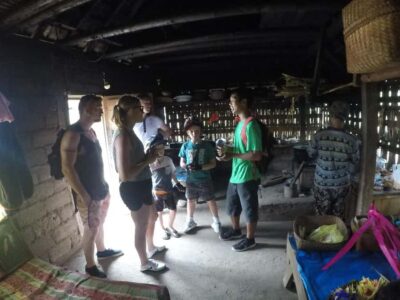
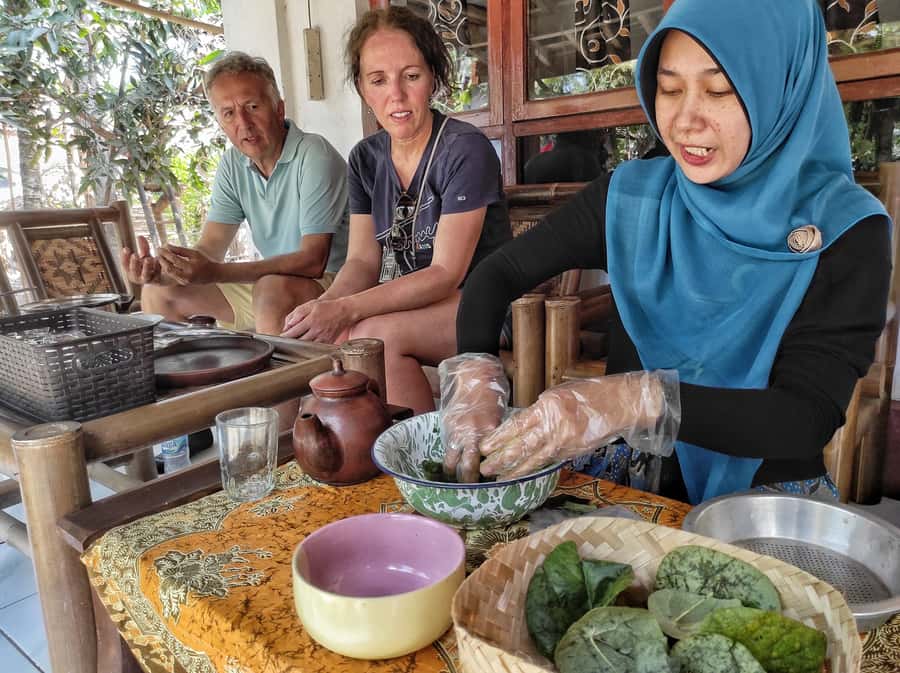
The first real experience on the ride is a traditional village stop where you can watch tempeh being made from soybeans. The standout detail here is the use of natural banana leaves to wrap the process. That’s not just a cooking technique. It’s a window into how local food systems use what’s close at hand and keep traditions going through families and community routines.
Tempeh matters culturally because it’s more than a snack. It’s part of everyday nutrition and local food economics, and you’ll see how craft and routine blend together. If you’ve only tried tempeh in packaged form, this kind of stop helps you understand the steps you never see—how ingredients transform through community knowledge, not industrial speed.
In past tour moments, guides like Kiki and Nana have been praised for taking time with guests and letting people try things. Even if you’re not doing every step, you’ll likely come away with a clearer mental map of how soybeans become something tastier and more useful than you’d expect.
Emping Melinjo and the Furnace-Style Cracker Makers
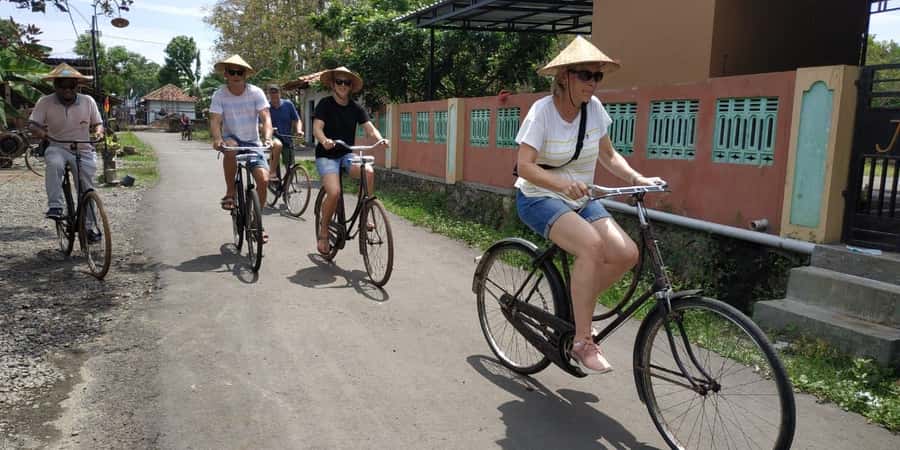
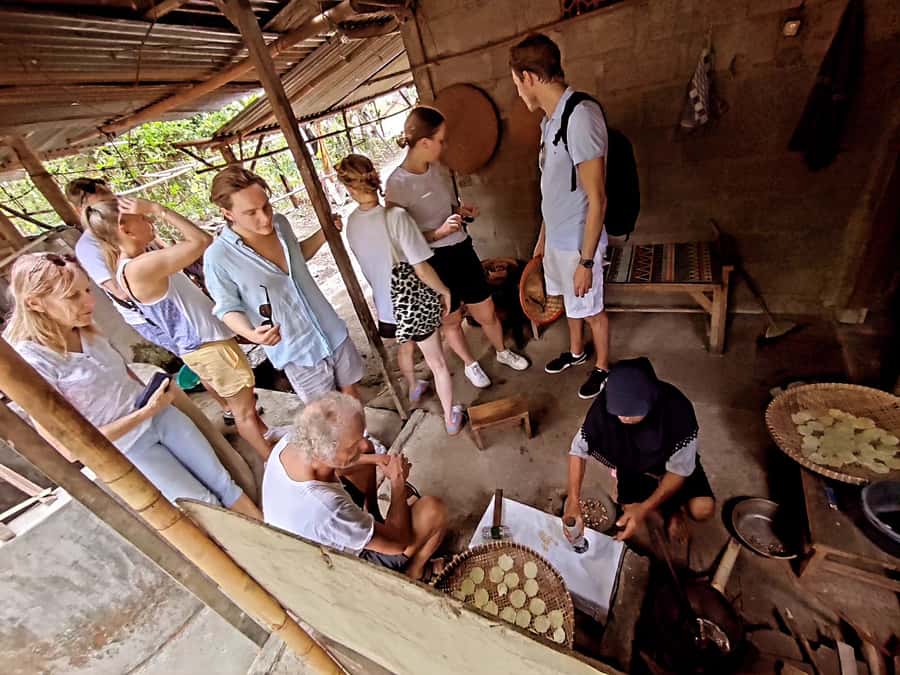
After the village view, the tour shifts toward another kind of food craft: emping melinjo. This involves local cracker makers working with melinjo (Gnetum gnemon). You’ll get to interact with the people making the crackers, and you’ll see how the process connects to local tools—especially a traditional furnace style.
This stop is a great reminder that rural food isn’t just grown. It’s processed, stored, and turned into shelf-stable staples. Crackers like these can mean planning ahead for longer use, sharing with neighbors, and selling or using product beyond the harvest window. It’s also a good moment to ask the “why” questions, because your guide can help translate what locals explain.
Guides such as Zuhal are specifically noted for answering questions in a way that helps you understand more than the surface steps. That translation is important here: the difference between watching and learning is often one good explanation at the right time.
Pedaling Through Fields: Rice, Corn, Chili, Green Beans, and Sugarcane
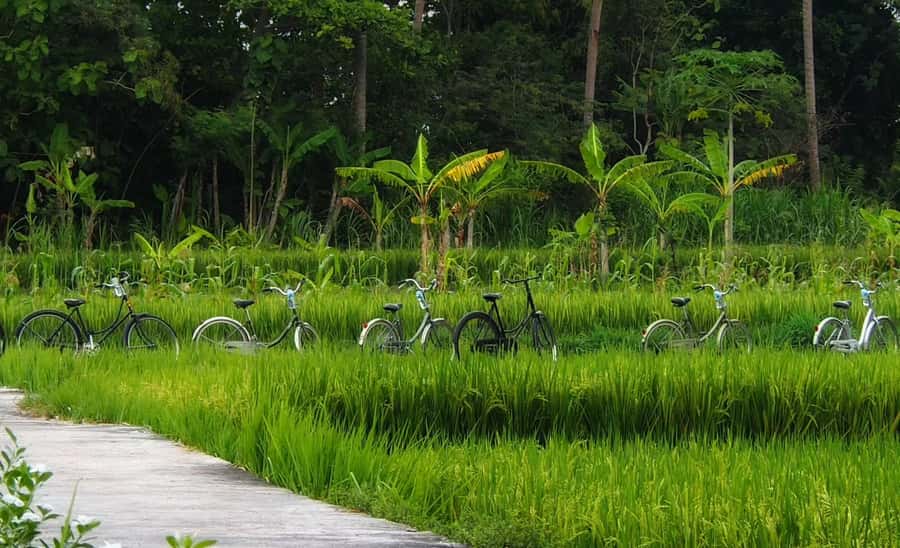
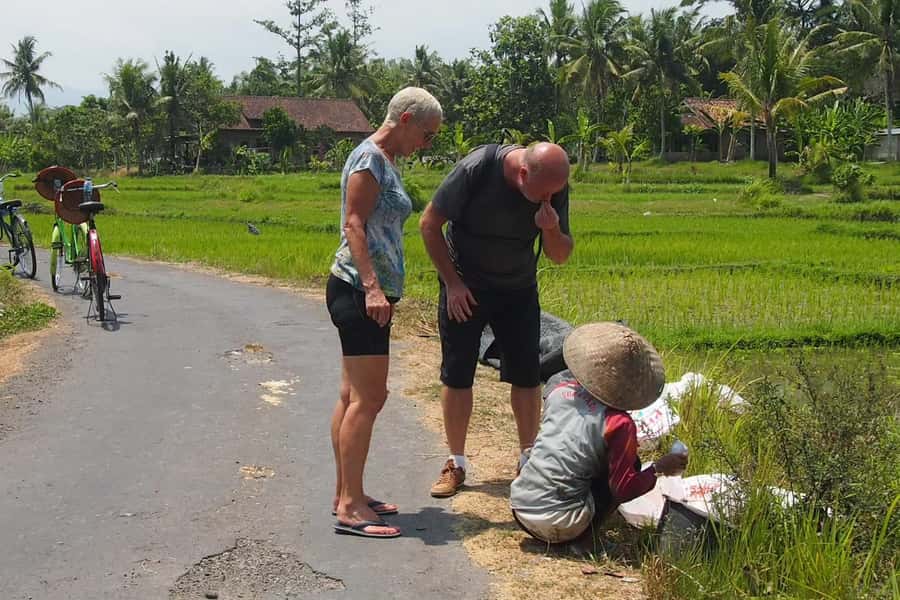
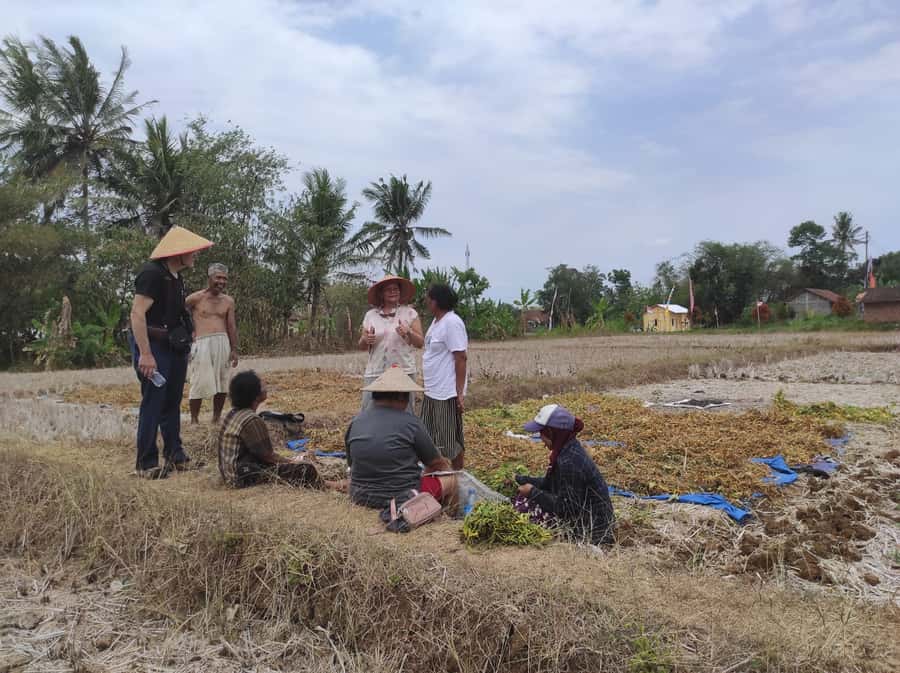
One of the biggest reasons to choose this tour is the ride itself through agricultural areas. The route stretches widely along fields, and the planting can include rice, corn, chili, green beans, peanuts, sugarcane, and other crops. Which ones you see depends on what’s in season, so the “what you’ll spot” is partly timing.
I like this part because it turns the countryside into a living classroom. You’re not just looking at scenery. You’re watching how farming changes across the year and how different crops take different forms at different times. Even from a bike seat, you can start making sense of what farmers are doing and why certain places look ready for harvest while others look early-stage.
The fields also create a calmer pace than city travel. It’s easier to keep your attention on what’s around you—paths, small structures, work rhythms—rather than fighting traffic. And since the cycling portion is designed to be relaxed and flexible, you’re not rushing to hit a checklist.
Old Bikes, Real Farming Speeds: What the 2.5 to 3 Hour Ride Feels Like
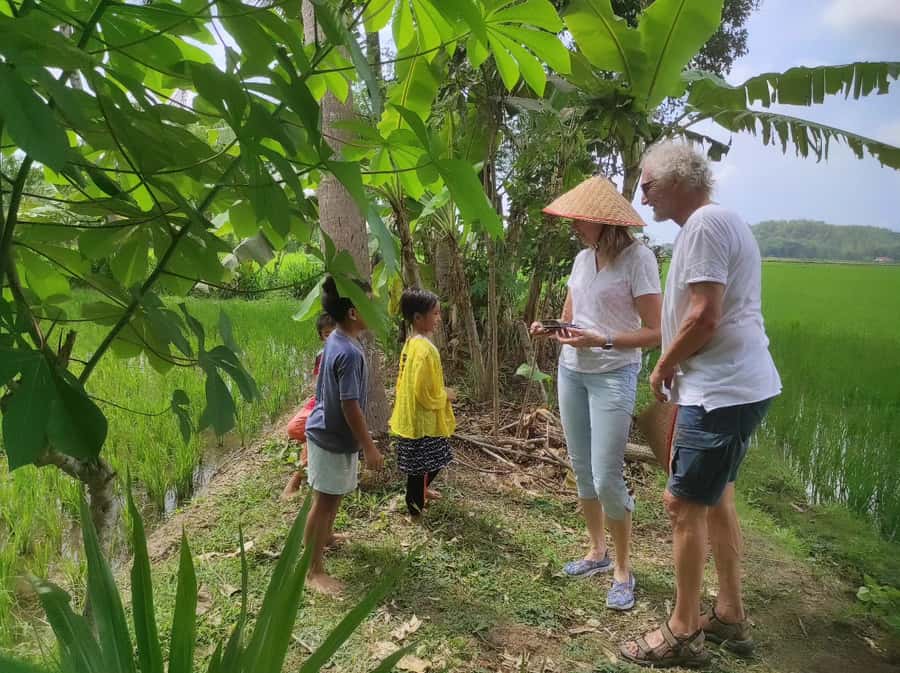
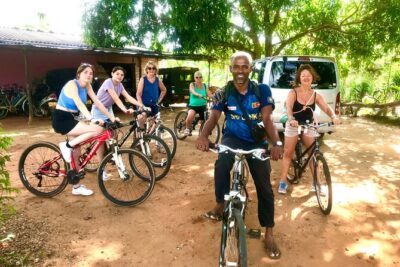
The tour uses older bikes from well-known brand names. You might ride something like a Gazelle, Fongers, Batavus, BSA, Triumph, Humber, or similar classics. That matters more than you might think. A bike with character can make the ride feel slower, more local, and more comfortable to enjoy—especially on countryside roads.
The ride length is also key: the cycling itself is 2.5 to 3 hours, and the tour notes that it’s relax and flexible. In practical terms, that usually means you can stop when the guide wants to show something, and you’re not forced into a constant sprint. One review highlighted easy pushbike riding and a peaceful feel, which matches the tour’s intention.
This is not a “train like a racer” experience. It’s more like cruising with a purpose. If you’re comfortable cycling at a moderate pace, you’ll get the most out of the food stops and field observations instead of focusing on effort.
Guides Who Translate More Than Language
You don’t just get a guide who points and times. You get someone who explains. The tour offers live guiding in English and Indonesian, and that bilingual element can make a big difference when you’re talking with locals.
Names that have come up include Kiki, Nana, and Zuhal, plus a driver named Irwan. The consistent theme across these guide stories is clarity and engagement—taking time, explaining rice and food production steps, and translating questions so you get deeper answers. One guide approach even included capturing videos and photos for guests, which is a nice touch when you want to remember small details you might not notice until later.
If you like conversations over checklists, this kind of guiding is where the tour earns its value. You’re not only consuming experiences. You’re turning them into understanding.
What’s Included (And Why It Changes the Value Math)
At $46 per person for about 5 hours, this tour can feel like a bargain—if you think about what’s actually wrapped into the price. You’re not just paying for bike rental. The package includes a bicycle and guide, hotel pickup and drop-off, a welcome drink, snack and mineral water, and a local donation.
That local donation piece matters because it shifts the day from a pure “see and leave” activity to something that supports the community you’re visiting. And hotel pickup is often one of the biggest conveniences in Yogyakarta, where travel across town can eat up your energy fast.
Also, the tour includes the kinds of stops that are hard to DIY: tempeh production using banana leaves and interaction with emping melinjo cracker makers using traditional furnace-style preparation. Those are the moments that turn a standard bike ride into a cultural food-and-farming experience.
Price and Logistics: When $46 Makes Sense (and When It Might Not)
This is good value if your goal is culture through daily life, food production, and countryside riding without planning headaches. The small group size (limited to 10) also suggests you’ll get more personal attention than larger group options.
Where you should set expectations: this isn’t an all-day adventure. The cycling window is a few hours, and the day is structured around village and food-making stops plus field views. If you want an all-day deep rural trek with lots of walking, you might find this tour shorter than you imagined.
Another consideration is that you’ll be outside, so comfort depends on your sun tolerance. The tour specifically asks you to bring sunglasses and sunscreen, which is a hint that you should plan for daylight exposure.
Who Should Book This Tour (And Who Might Prefer Another Option)
Book this if you:
- Want countryside cycling close to Yogyakarta without needing to rent and route your own bike.
- Care about traditional food making and want to see steps, not just taste results.
- Like learning from people—especially when your guide can translate questions clearly.
Consider a different option if you:
- Want a long, challenging cycling day with big elevation or endurance focus (this is designed for relaxed riding).
- Prefer indoor cultural sites or museum-style experiences.
This tour fits well for couples and solo travelers who enjoy conversations and want a meaningful half-day. It also works for people who want a break from city noise while still keeping a predictable schedule.
Should You Book This Yogyakarta Cycling Tour?
If you’re choosing between a standard bike ride and something more story-driven, I’d lean toward this one. The combination of tempeh-making, emping melinjo cracker interaction, and a ride through working fields gives you both movement and meaning. Plus, with hotel pickup and a small group size, you’re set up for a smooth start.
I’d say yes especially if you like food culture that’s tied to everyday work. Traditional banana-leaf tempeh and furnace-style cracker making are the kinds of experiences you can’t easily recreate at home, and the guide support turns watching into learning.
If you’re mainly chasing views and don’t care about farming or food production, you might get more from a different countryside outing. But if you want the countryside and the craft, this is an easy recommendation.
FAQ
How long is the tour in total?
The duration is about 5 hours overall, with the bike tour portion lasting around 2.5 to 3 hours.
Where does the tour start?
Pickup starts from Yogyakarta, and the tour also includes hotel pickup and drop-off.
What’s included in the price?
The package includes a bicycle rental & guide, local donation, welcome drink, snack & mineral water, plus hotel pickup and drop-off.
What languages are available for the guide?
The live tour guide speaks English and Indonesian.
What should I bring?
Bring sunglasses and sunscreen.
How large is the group?
The tour runs as a small group, limited to 10 participants.