REVIEW · PONTA DELGADA SAO MIGUEL
Ponta Delgada: E-Bike Cycling Tour
Book on GetYourGuide →Operated by Fun Activities Azores Adventure · Bookable on GetYourGuide
E-bikes make Ponta Delgada feel effortless. This 3 to 3.5 hour ride stitches together city highlights with Azores views you’d otherwise need two buses for, starting at Fort São Brás and winding through gardens, lookouts, and black-sand coast stops. I like that you get a structured history-and-culture route plus real moments to stop for photos. I also like the mix of markets and shore-side treats, so it’s not just riding for riding’s sake. One possible drawback: a rider noted a minor equipment hiccup (a derailleur that jumped gears), so the bike tune-up matters on the day.
The route is built for comfort and control, not punishment. You’ll glide along Avenida do Mar-style scenery, then drop into quieter places like António Borges Garden and the city’s biggest square at Campo de São Francisco. The big consideration is simple: you need to know how to ride a bike, meet the minimum height of 1.50 m, and be in good physical shape for the time outdoors.
In This Review
- Key things I’d focus on before you go
- Why an e-bike tour works so well in Ponta Delgada
- Forte de São Brás as a smart starting point
- From City Gates to Mercado da Graça: history you can feel
- Rosto do Cão and the black-sand coastline moment
- Pineapple Plantation at A Arruda: a fun stop that fits the ride
- Alto da Mãe de Deus and the garden calm of António Borges
- Campo de São Francisco: ending in the city’s big open space
- Bikes, safety, and what to expect from the equipment
- Price and value: what $76 gets you
- Who should book (and who should skip) this ride
- Should you book Ponta Delgada’s e-bike cycling tour?
- FAQ
- How long is the Ponta Delgada E-Bike Cycling Tour?
- Where does the tour start?
- What should I bring?
- Do I need to know how to ride a bicycle?
- Is there a minimum height requirement?
- What languages are the tours offered in?
- Is the tour suitable for wheelchair users or limited mobility?
- What’s included in the tour price?
Key things I’d focus on before you go
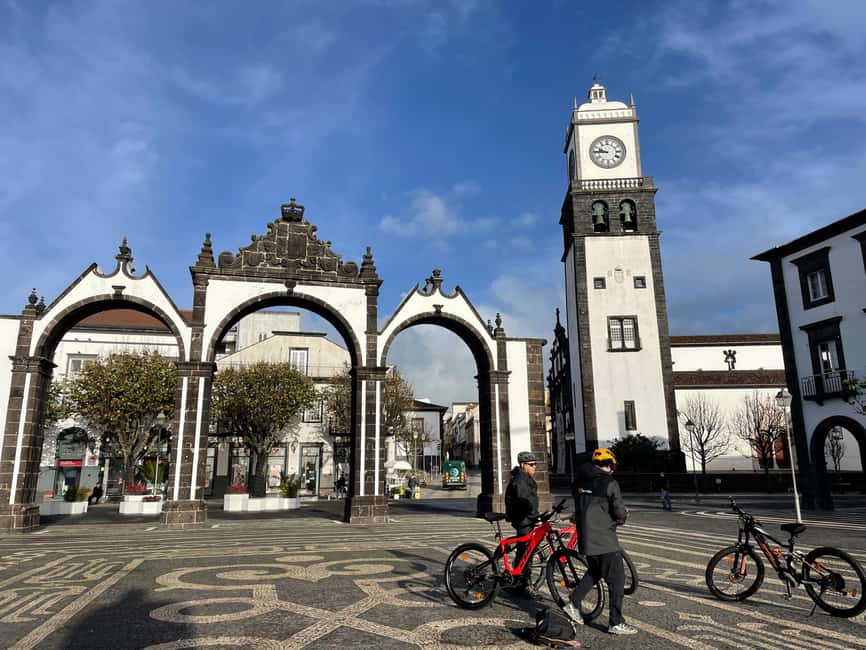
- Fort São Brás to Campo de São Francisco: a full-circle feel without feeling like you’re racing.
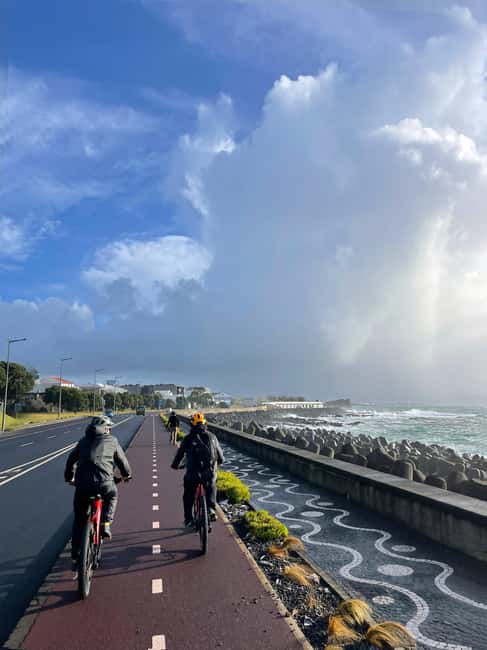
- Viewpoints by the coast: Rosto do Cão gives you a strong sense of the island’s volcanic shoreline.
- Market time at Mercado da Graça: you get culture plus everyday local goods, not just landmarks.
- Pineapple Plantation visit: a practical, hands-on stop that fits naturally into the ride.
- Garden stops (Urban Park and António Borges Garden): cooler, calmer breaks from street heat.
- Guides who manage pace and safety: guides such as Guilherme and Daniella are praised for keeping the ride safe and answering questions.
Why an e-bike tour works so well in Ponta Delgada
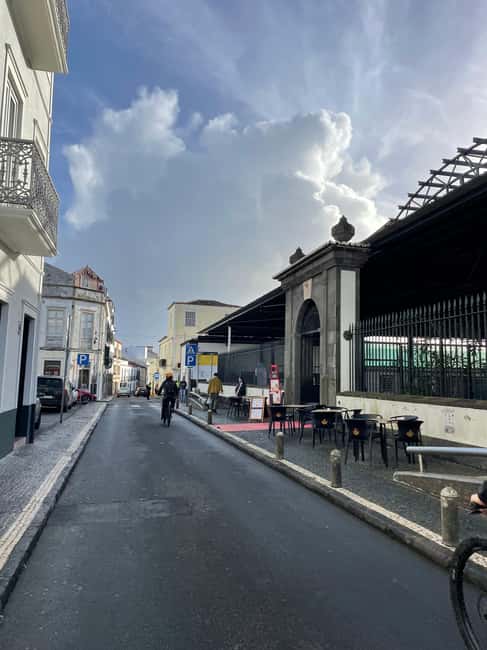
Ponta Delgada is a city where you want to walk, but hills and strong sun can turn a nice stroll into a slow grind. The electric assist changes the whole equation. You still get movement, fresh air, and real streets—but you’re not paying for every climb with your energy.
With this tour lasting about 3 to 3.5 hours, it’s long enough to feel like a city experience, not a quick photo lap. And because the ride stays guided, you don’t have to keep checking maps while also coordinating hills, turns, and parking lots.
The other smart part: the tour is planned so the effort you spend on cycling pays off with viewpoints, gardens, and coastal moments. If you just wanted exercise, you could go for a longer bike ride. If you want a “see a lot without suffering” day, this format fits.
Forte de São Brás as a smart starting point
Your tour begins at Forte de São Brás, a key 16th-century military structure. Starting there is useful for two reasons. First, you’re at a natural landmark where the whole city story can be framed. Second, it gives you a sense of place—Azores cities have strong layers, and a fortress-style beginning helps you understand why this area developed the way it did.
From the start, the ride quickly shifts into historic references, including passes by Igreja de São Sebastião and the City Gates. These aren’t “look at a sign and move on” stops. The guiding is aimed at explaining what you’re seeing as you ride past—churches, entryways, and civic buildings that tell you how the town grew.
Practical note: you’ll also pass major points that help you mentally map the city. If you’re staying in Ponta Delgada only a short time, that matters. The ride helps your later self-guided walks make sense.
From City Gates to Mercado da Graça: history you can feel
One of the best parts of this tour is that it doesn’t treat history like a museum. You move through the city and the guide points out the connections between places—religious sites, civic spaces, and the historic flow of the neighborhood.
As you roll through the route, you’ll see the Matriz Church (a 16th-century religious site) and Ponta Delgada City Hall. These are the kinds of structures that can feel intimidating if you only approach them casually. Here, you get the context, so you notice details you’d miss when you’re just passing by.
Then comes Mercado da Graça, described as dating back to 1848. This is where the experience turns from “architecture viewing” into “real-life local culture.” Markets are where you learn what’s normal in a place—what people buy, what flavors show up at home, and what the community values.
A rider also mentioned a small cheese tasting during the day. Even if your specific departure doesn’t include that exact item, the focus on local products and tastings is clearly part of the tour’s style. You’ll likely come away with a stronger sense of what people eat and drink here.
Rosto do Cão and the black-sand coastline moment
At Miradouro do Ilhéu de Rosto de Cão, you get one of those island viewpoints that turns the “Azores” idea into something concrete. This stop is short, but it works because it comes when you’ve already been moving through the city. The viewpoint resets your brain: you’re out of streets and into the shape of the coastline.
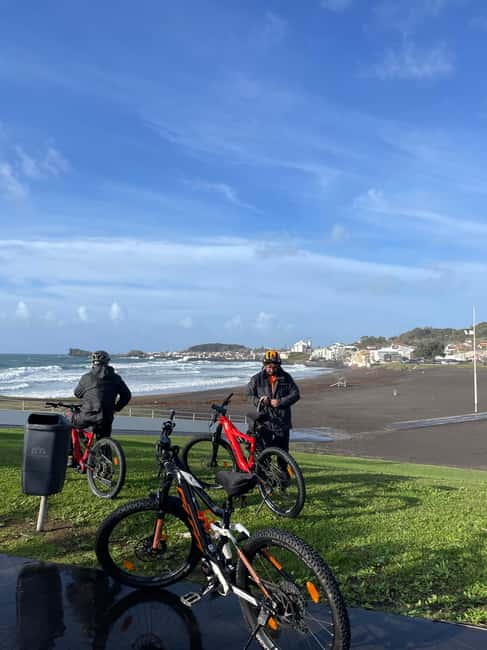
Then the ride continues toward the beach area, including Milícias Beach. The tour also schedules time around Sunset Beach (with a restaurant and bar). The itinerary includes a break there, with about 40 minutes for local snacks.
Why this matters: a good cycling tour needs a recovery pause that isn’t just a bathroom stop. The shore-side break gives you a chance to cool down, refuel, and chat with the group. One review highlighted meeting other participants and having conversation during the light lunch-at-the-snack-bar style break. Even if your group chats more quietly, the timing gives you space to enjoy the scenery without rushing.
And yes, the coast element is a big deal here. The highlights include black sand beaches, and the route is laid out so you don’t have to hunt for them on your own.
Pineapple Plantation at A Arruda: a fun stop that fits the ride
After the coastal and town segments, the tour shifts to something that feels distinctively Azores. You visit A Arruda Pineapple Plantation with about 30 minutes for a guided visit.
This is the kind of stop that works well on an e-bike day because it’s not a random detour. It’s a themed complement to the rest of the tour: city culture by day, then a local agricultural highlight that makes the island’s identity feel more tangible.
If you’re curious about how people make a living here—or simply want one memorable non-street moment—this is it. The time is long enough to feel like an actual visit, not a quick photo stop, but short enough that you’re not burning your whole afternoon in one place.
Practical tip: wear sunscreen and keep water handy. Even with electric assist, you’re outside for a while, and the Azores can still be sunny.
Alto da Mãe de Deus and the garden calm of António Borges
As you head toward the later part of the ride, the tour starts stacking in quieter, greener stops that make the day feel balanced instead of exhausting.
You’ll ride to Alto da Mãe de Deus for panoramic views. It’s a short moment, but the purpose is clear: you get a higher angle on the area so you understand the city’s layout and its relationship to the coastline.
Then you pass and visit points like:
- University of the Azores (seen along the route, with guided context)
- Igreja do Colégio dos Jesuítas (another historic stop)
- Jardim António Borges (a serene garden with guided time)
- The Urban Park segment (paired with garden-focused highlights)
A rider specifically called out the Urban Park and botanical garden as favorites. That tells you something important: this tour doesn’t only chase scenic backdrops. It includes the gentler side of Ponta Delgada—places where you can breathe, take photos without noise, and slow down your pace.
At António Borges Garden, the tour style fits the setting: small check-in conversations, short guided explanation, and enough time to actually enjoy the plants and atmosphere. It’s a nice change from the more “street and stone” parts earlier.
Campo de São Francisco: ending in the city’s big open space
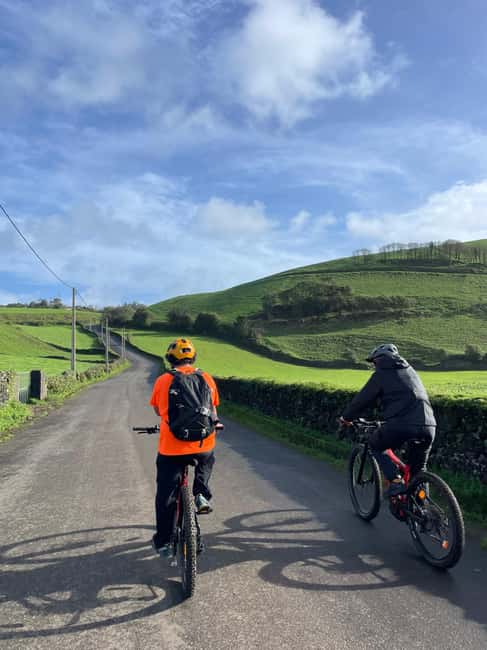
You finish at Campo de São Francisco, described as the city’s largest square, and then return to Forte de São Brás. Ending in a wide open square is a smart final move. After cycling through smaller streets and garden paths, the open space helps you visually land the day.
This stop is also good for practical reasons. You’ll be closer to the end point, and you can take a breath without needing to keep moving. If you want to keep exploring after the tour, this is also a helpful place to orient yourself.
Bikes, safety, and what to expect from the equipment
The tour includes a lot of the “don’t worry about it” gear: cycling helmets and gloves, plus a reflective vest. You also get a first aid kit, a basic repair kit, and a bicycle lock cable. Personal accident insurance is included as well.
That’s not just paperwork. It’s what makes the ride feel comfortable if you’re not an experienced cyclist. Reviews praise guides for keeping a safe route and staying responsive—happy to stop for photos or to answer questions.
As for the bike itself: one review said the bikes were good with a battery that handled hills well. Another rider reported a minor gear issue (a derailleur that jumped gears). If you’re choosing a day, it’s hard to predict equipment condition, but it’s reasonable to assume a quick adjustment can happen if something feels off.
In any case, the tour requires a minimum height of 1.50 meters, and you need to know how to ride a bicycle. If you’re learning on a trip, this likely isn’t your best first try.
Price and value: what $76 gets you
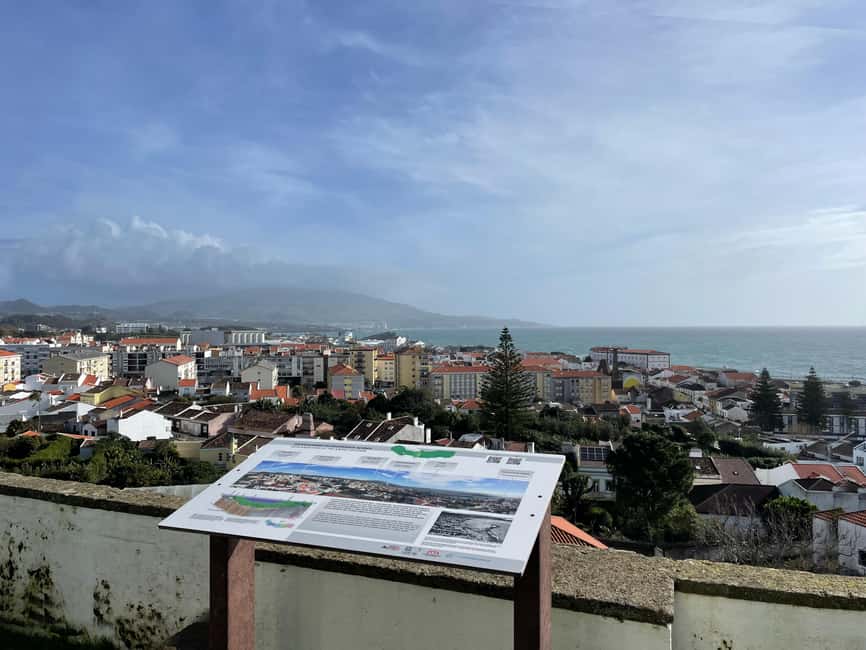
At $76 per person, you’re not just paying for transportation. You’re paying for:
- Accredited guides (Portuguese and English)
- Electric bikes
- Safety gear (helmets, gloves, reflective vest)
- Insurance
- Route planning through historic sites and coastal viewpoints
- Stops that include guided time at major attractions
- A break with local snacks by the shore
For a 3 to 3.5 hour window, that adds up quickly. You’d likely spend a similar amount on bike rental plus guide time or multiple tickets/transport if you tried to build the same day yourself, especially when you factor in guided context at places like Mercado da Graça, churches, and gardens.
The value also depends on your travel style. If you love structure and want someone to handle the “what is this and why should I care” part, this price feels fair. If you want to wander freely with no schedule and you already know Ponta Delgada well, you might not feel the same benefit.
Who should book (and who should skip) this ride
This tour is designed to work for almost all ages, but with clear boundaries.
You should consider it if:
- You can ride a bike and feel comfortable on roads and paths
- You’re okay spending a few hours outdoors
- You want a guided mix of city history, views, beaches, and food
You should skip it if you:
- Have mobility impairments or need a wheelchair (not suitable for wheelchair users)
- Are under 150 cm (minimum height requirement)
- Are recovering from recent surgery
- Don’t meet the basic “know how to ride a bicycle” requirement
It’s also not ideal for anyone who expects a totally easy, stop-anytime walking pace. It’s a cycling tour, and a good physical condition is required.
Should you book Ponta Delgada’s e-bike cycling tour?
If your goal is to get oriented fast and see a lot of Ponta Delgada without burning half your day in transit, I’d say yes. The combination of historic stops, viewpoint breaks like Rosto do Cão, garden calm in António Borges Garden, plus the A Arruda Pineapple Plantation makes this feel like a complete “first-timer” day.
Book it if you like guided explanations and you’re hungry for local flavors. The shore-side break with snacks is a nice reset, and guides such as Guilherme and Daniella are praised for friendly, safety-minded pacing.
Skip it if you don’t ride bikes confidently or if your body isn’t up for a few hours outdoors. Also, if bike comfort is a big issue for you, remember one rider wished for wider saddle-style seats—so pay attention to how you feel during the first stretch.
FAQ
How long is the Ponta Delgada E-Bike Cycling Tour?
The tour lasts about 3 to 3.5 hours.
Where does the tour start?
You meet at the Forte de São Brás.
What should I bring?
Bring comfortable shoes, sunscreen, comfortable clothes, and a reusable water bottle.
Do I need to know how to ride a bicycle?
Yes. You need to know how to ride a bicycle to use the electric bicycle.
Is there a minimum height requirement?
Yes. The minimum height is 1.50 meters (5 feet 11 inches) to use the electric bicycle.
What languages are the tours offered in?
Guides provide live tours in Portuguese and English.
Is the tour suitable for wheelchair users or limited mobility?
No. It is not suitable for people with mobility impairments or wheelchair users.
What’s included in the tour price?
It includes accredited guides, helmets and gloves, a first aid kit, a basic repair kit and bicycle lock cable, personal accident insurance, and a reflective vest.
If you want, tell me your travel dates and whether you’ll be on the shorter or longer end of the 3 to 3.5 hours—then I can suggest how to pair this day with another Ponta Delgada activity.