REVIEW · ANURADHAPURA
Anuradhapura Heritage Mountain bike / bicycle Tour
Book on Viator →Operated by Rides Hub · Bookable on Viator
Anuradhapura on two wheels feels surprisingly peaceful. This 10 km mountain bike loop with English-speaking guide Saranga lets you move between UNESCO-grade ruins at a slow, history-friendly pace, including secret-feeling side routes, tanks, and sacred spots. I especially like how the ride balances major temples with quieter landscape stops like old ponds and irrigation tanks, so you don’t just check boxes. The one thing to consider: this tour needs moderate fitness and the temple stops require a wraparound cloth if your knees aren’t covered.
You’ll likely feel that “easy on the body, rich on the mind” sweet spot here. With top bike brands like Giant, Trek, and Louis Garneau, plus bottled water, parking fees, and a local vegetarian meal (hela bojun), you can focus on the sights instead of logistics. And because it’s a private tour, the pace stays yours, not a race with strangers.
In This Review
- Key points at a glance
- How the 10 km loop bike tour works in Anuradhapura
- Meeting point, bikes, and temple etiquette you should plan for
- Stop 1–3: Jetavanaramaya, Samadhi Buddha, and Abayagiriya ruins
- Stop 4–7: Kuttam Pokuna, Eth Pokuna, Sandakada pahana, and Basawkkulama Tank
- Stop 8–10: Abayagiri refectory, Ruwanweli Maha Seya, and Sri Maha Boodhi
- Price and what you get for $25 (plus the UNESCO ticket)
- Why this ride feels different than a quick temple tour
- Food included: hela bojun vegetarian meal that actually helps
- Who should book this Anuradhapura heritage bike tour
- Should you book this heritage mountain bike tour
- FAQ
- How long is the Anuradhapura heritage mountain bike tour?
- Where does the tour start and end?
- What is included in the $25 price?
- Do I need to pay the UNESCO entrance ticket separately?
- Is a bicycle provided?
- What should I wear for the temple stops?
- How physically demanding is it?
- What happens if the weather is bad?
Key points at a glance
- Private 10 km loop: about 4 hours 30 minutes, designed for steady sightseeing, not speed
- English-speaking guide Saranga: clear explanations that connect Buddhism, culture, and what you’re seeing
- Temple + tank combo: big stupas plus bathing ponds and reservoirs you’ll rarely notice on foot
- Quality mountain bikes: brands including Giant, Trek, and Louis Garneau
- Included vegetarian lunch (hela bojun): local-cooked food plus bottled water to keep you going
- Bring temple cloth: you’ll need knee coverage for temple visits
How the 10 km loop bike tour works in Anuradhapura
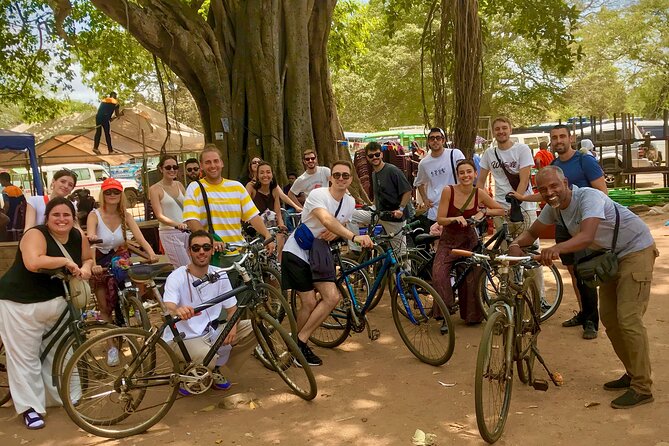
This tour is built around a 10 km circuit through Anuradhapura’s ancient heritage area, with about 4 hours 30 minutes on the clock. That timing matters because it’s long enough to feel like a real day out, yet structured enough that you won’t lose energy to endless wandering.
The ride is paced for your comfort. Expect short stops and easy transitions between sites, so you can take photos, listen, and catch details without feeling rushed. Reviews also hint that the route often includes scenic cycling through forests and ricefields, which makes the “heritage city” feel less like a stone museum and more like a lived-in place.
You’re not just rolling from sign to sign. The guide’s job is to make each place make sense—what it is, why it mattered, and how it fits into Anuradhapura’s religious and cultural map.
Meeting point, bikes, and temple etiquette you should plan for
Start at Rides Hubwela mada gedara, Garage waththa near old car park, No:116/1 Watawandana Rd, Anuradhapura. The tour ends back at the same meeting point, so you don’t have to think about separate transport for pickup or drop-off.
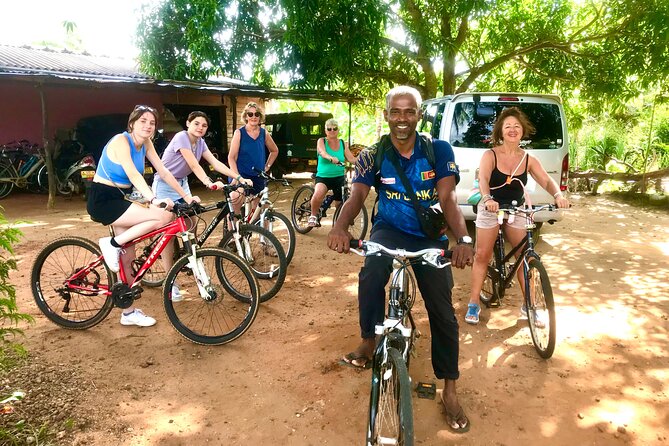
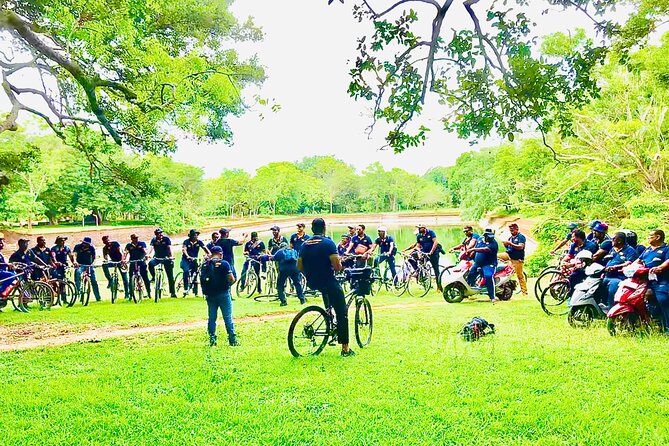
Bike quality is part of the value here. The tour provides mountain bikes from trusted brands such as Giant, Trek, and Louis Garneau, plus bottled water and parking fees. You’ll also get a guide who stays with your group the whole time, which helps when you’re riding through temple grounds and narrow paths.
Temple etiquette is simple but important. Since you’ll be visiting temples, bring a wraparound cloth if your knees aren’t covered. It’s the kind of thing that can save time at the gate and keep your visit smooth.
Finally, plan around weather. The experience requires good weather, so if conditions are poor, you should expect the operator to offer a different date or a full refund.
Stop 1–3: Jetavanaramaya, Samadhi Buddha, and Abayagiriya ruins
Your first anchor stop is Jetavanaramaya, famous for having been the world’s tallest stupa at 122 meters (400 ft) and also among the tallest structures when it was built under King Mahasena of Anuradhapura (273–301). Even if you’ve seen big stupas before, it helps to stand there slowly and understand scale before moving on.
From there, you head to the Samadhi Statue, a well-known Buddha depiction in meditation posture (Dhyana Mudra) located at Mahamevnāwa Park. This stop is shorter, but it’s a useful reset: instead of only looking at architecture, you connect to the human idea of meditation that drove much of the art here.
Then comes Abayagiriya Stupa and monastery ruins, one of the most extensive ruins in the world. The Abhayagiri Vihāra site is described as a major monastery connected with Mahayana, Theravada, and Vajrayana traditions—so it’s not just one-flavor Buddhism. You get ruins, but also the sense of Anuradhapura as a crossroads where ideas traveled.
A practical consideration: temple ruins can feel exposed depending on sun and heat. Your stop times are set (around 20 minutes for these), which helps. Just keep water in mind even though it’s provided, and pace yourself.
Stop 4–7: Kuttam Pokuna, Eth Pokuna, Sandakada pahana, and Basawkkulama Tank
One reason I like this tour is that it refuses to treat Anuradhapura as only “stupas and statues.” Stops 4 through 7 pull you into the engineering and daily-life side of the ancient city.
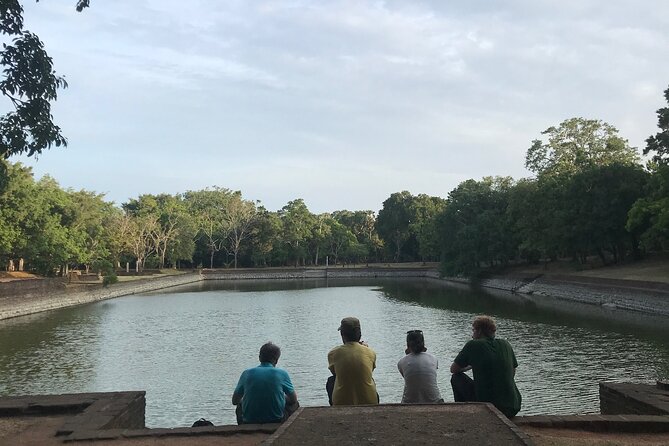
First: Twin Baths (Kuttam Pokuna), two old bathing tanks or ponds that are still well preserved. These aren’t just pretty water basins. They connect to how people lived, practiced cleanliness, and supported temple communities as part of the broader city design.
Next is Eth Pokuna (Elephant Pond), a massive ancient reservoir about 159 meters long. When a site like this comes up, you start thinking beyond religion as decoration. You realize temples needed water systems, labor, and planning—so these stops add a grounded layer to everything else.
Then slow down for Sandakada pahana, also called the Moonstone. This is a carved semi-circular stone slab typically placed at the base of staircases and entrances. It’s the kind of detail you’ll miss if you walk through fast, so taking 25 minutes here makes sense. It’s a reminder that Anuradhapura’s artistry sits in the feet, not only the skyline.
Your water-and-irrigation finish in this section is Basawkkulama Tank, tied to some of the most complex irrigation systems of the ancient world. The earliest examples referenced date from around 430 BCE during King Pandukabhaya’s reign. This is one of those “wait, wow” stops where you realize the city’s survival wasn’t luck—it was infrastructure.
If you’re sensitive to heat or dust, this is the part to watch. You’re outside for multiple stops, and ponds and tanks don’t always offer shade. Your timing helps, but bringing a hat and staying slow with your breaks is smart.
Stop 8–10: Abayagiri refectory, Ruwanweli Maha Seya, and Sri Maha Boodhi
Stop 8 is the Main Refectory of Abayagiri Monastery, where a famous Chinese traveler monk, Fa-Hien, is said to have visited in the 5th century and described the monastery as housing up to 5,000 monks at the time. The refectory angle is great because it turns the big number into a human routine: where meals happened, where daily life ran.
Then you roll into Ruwanweli Maha Seya, built by King Dutugamunu (137 BC–119 BC) and completed by his younger brother, Ki… (listed here as Ki, without the full name). This stop gets a longer 30-minute visit, which you can feel when you stand close. It’s one of those places where time stretches because the structure invites looking from multiple angles.
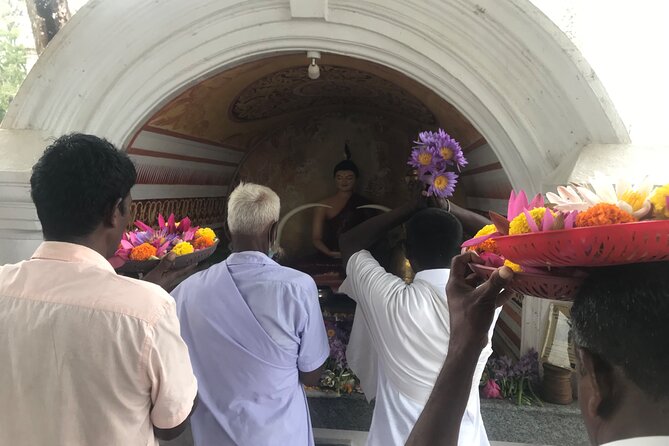
Your tour wraps with Sri Maha Boodhi Temple, home to the Jaya Sri Maha Bodhi fig tree (Ficus religiosa) in Mahamewna Gardens. The key point for your visit: it’s presented as a sacred living link to Gautama Buddha. Even if you don’t know every term, you’ll sense the importance. People don’t just photograph this one; they show reverence.
From the ride rhythm to the final quiet stop, the sequence works. You start with monumental scale, then shift into smaller objects, water systems, and daily rituals, and end with living sacred tradition.
One timing note: based on past experiences, you may have a chance to catch ceremonies around sunset when the schedule lines up. It’s not the whole point, but it’s exactly the kind of moment that makes a history tour feel like a real day in Anuradhapura rather than a checklist.
Price and what you get for $25 (plus the UNESCO ticket)
The listed price is $25 per person, and on paper it’s easy to think it covers everything. It doesn’t. The tour includes a lot: mountain bike use, guide tour, bottled water, parking fees, and the included local vegetarian meal at hela bojun.
Here’s the other side of the budget: UNESCO entrance fee is not included and is listed as 30 USD per person (15 USD for children under 13). That means your all-in cost is closer to $55 per adult once you add the site ticket.
So is it good value? I’d say yes if you care about having a guide connect dots and you want the included meal and bike without negotiating on your own. Paying separately for a guide and transport around the heritage area often ends up similar once you factor in time. The private format also matters: your guide can slow down when you want photos or when a stop needs more explanation.
Also, the tour is designed for a specific route length—about 10 km—so the price matches the “real activity” part of cycling, not just a guided walk.
Why this ride feels different than a quick temple tour
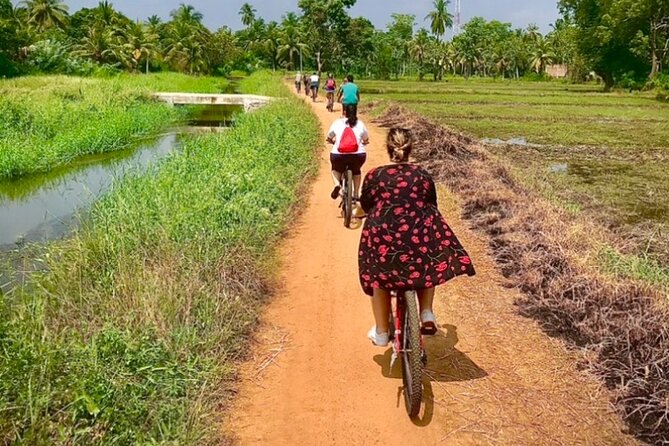
Most heritage tours in places like Anuradhapura spend their time inside temple grounds and shorten everything else. This one does the opposite: it keeps you moving, and it mixes temple scale with everyday water and agricultural context.
That’s why the ride length is an advantage. A 10 km circuit at a slow sightseeing pace gives you momentum without fatigue. You can stop, listen, and still feel like you’re part of the place, not trapped behind a rope.
The guides focus is also part of the difference. Saranga is an English-speaking guide from the Anuradhapura area, and the way the tour is described points to explanations tied to Buddhism, culture, and the meaning behind architectural choices. If you want context you can use while you’re standing in front of a stupa or a carved stone step, this format is a good fit.
Finally, the reviews point to quiet time in places like rice fields and forest paths. That matters because Anuradhapura can feel busy near the big sights. Here, you get a more even rhythm—move, pause, learn, move again.
Food included: hela bojun vegetarian meal that actually helps
The tour includes meals cooked by local people at hela bojun, and it’s vegetarian. In real-world touring, included food can mean one of two things: a convenient snack or a meal that keeps you happy. In this case, the tour’s length (4½ hours) makes the meal feel practical—you’ll be glad you’re not scrambling for lunch mid-ride.
It’s also a cultural fit. When you’re visiting religious sites, eating what locals eat in a local setting adds continuity. You’re not just consuming sights; you’re experiencing routine life along the way.
Even with bottled water included, pace still matters. If you tend to get hungry or thirsty, this meal helps you avoid the low-energy crash that ruins the last half of a heritage morning.
Who should book this Anuradhapura heritage bike tour
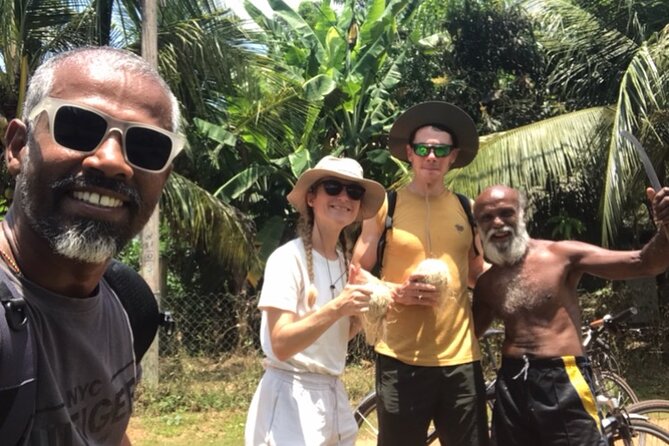
This tour suits you if you want a structured way to see top sites while still enjoying movement and nature. The ride includes temple stops plus ponds, tanks, and carved details, so it’s good for people who like both culture and practical “how did they build this” questions.
It also fits if you prefer a moderate challenge. The experience is listed for travelers with moderate physical fitness, which usually means you can handle a steady bike ride with frequent stops. If you want a pure workout session, this won’t be that. If you want exercise plus meaning, it works well.
You’ll probably enjoy it even more if you like religion explained in plain language. The tour is structured around places tied to Buddhist tradition and monastic life, and Saranga’s background as an English-speaking guide helps you connect details without guessing.
Should you book this heritage mountain bike tour
Book it if you want Anuradhapura to feel alive: temples plus water systems, stone art plus daily routines, and a guide who ties everything together. The combination of bike included, local vegetarian meal included, and a private route gives it a lot of practical value for $25, with the main extra cost being the UNESCO ticket.
Consider another option if you only want the biggest sites and don’t want to pay additional entrance fees, or if you’re not comfortable riding a mountain bike at moderate effort. Also, if you’re visiting with uncovered knees, plan your wraparound cloth so temple access stays simple.
If you do book, my advice is to treat the short stops like they matter. Take your time at the Moonstone and the bathing ponds. Those are the moments that make the route feel personal instead of generic.
FAQ
How long is the Anuradhapura heritage mountain bike tour?
It takes about 4 hours 30 minutes (approx.) and covers a 10 km loop.
Where does the tour start and end?
The tour starts at Rides Hubwela mada gedara, Garage waththa near old car park, No:116/1 Watawandana Rd, Anuradhapura, Sri Lanka, and ends back at the same meeting point.
What is included in the $25 price?
Included are bottled water, parking fees, use of a mountain bicycle, the guide tour, and meals from a local vegetarian place called hela bojun.
Do I need to pay the UNESCO entrance ticket separately?
Yes. Entrance fees are not included. The UNESCO ticket is listed as 30 USD per person, and 15 USD for children under 13.
Is a bicycle provided?
Yes. The tour provides a mountain cycle, with bikes from brands such as Giant, Trek, and Louis Garneau.
What should I wear for the temple stops?
Because you’ll visit temples, bring a wraparound cloth if your knees are not covered.
How physically demanding is it?
The experience is described for people with moderate physical fitness, with a 10 km loop ride.
What happens if the weather is bad?
The experience requires good weather. If it’s canceled due to poor weather, you’ll be offered a different date or a full refund.