REVIEW · UBUD
Kintamani Cultural and Nature Cycling Tour ( Manual Bike )
Book on Viator →Operated by Greenbike Adventure · Bookable on Viator
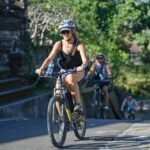
Bali on a bike is already special. This tour gives you mostly downhill country roads with guide-led stops for real village life, rice paddies, and temples, starting from Kintamani. I like the full Ubud round-trip transport plus the fact you’re fed during the ride (coffee break, lunch, snacks). One thing to watch: some sections can be rough or narrow, so if you’re picky about bike gears or road comfort, you’ll want to speak up early and double-check your bike.
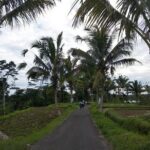
What makes this ride feel different is the mix of scenery and human detail. You don’t just pedal past postcard views; you stop in places where Balinese daily life shows up in small rituals, home industries, and the way families handle rice farming. The other good news is that guides ride with you and help with directions and safety, which matters when the roads turn into quiet lanes instead of big tourist streets.
At $33, this isn’t a luxury day tour. But when you factor in transport from Ubud and the meals/snacks along the way, it lands in the sweet spot for value—especially if you want an active way to see the countryside without spending the whole day in a car.
In This Review
- Key things to know before you pedal
- Why a Manual Bike From Kintamani Works So Well
- Ubud Pickup, Two-Gide Safety System, and What the Day Feels Like
- Greenbike Adventure Coffee Start: Pancakes, Smoothies, and a “Get Ready” Moment
- Tegalalang Rice Terraces: A Short Photo Stop That Still Hits
- Kintamani Village Start and Home Visit: Where the Stories Feel Real
- Taro Village Coffee Break and Gunung Raung Temple
- Bresela Rice Fields and Irrigation: Seeing the System Behind the Beauty
- Hyang Api Temple Finish at Payangan, Then Lunch at Greenkubu and Swing Time
- Price and What $33 Really Buys You in Ubud
- Who This Tour Fits Best (and Who Should Rethink It)
- Practical Tips to Avoid the Common Bali “Bike Day” Problems
- Should You Book This Kintamani Cycling Tour From Ubud?
- FAQ
- How long is the Kintamani Cultural and Nature Cycling Tour?
- Is pickup from Ubud included?
- What kind of bike is used?
- What food and drinks are included?
- Are tickets included for the stops?
- How many people are in a group?
- What payment methods are accepted?
- What should I bring or wear?
Key things to know before you pedal
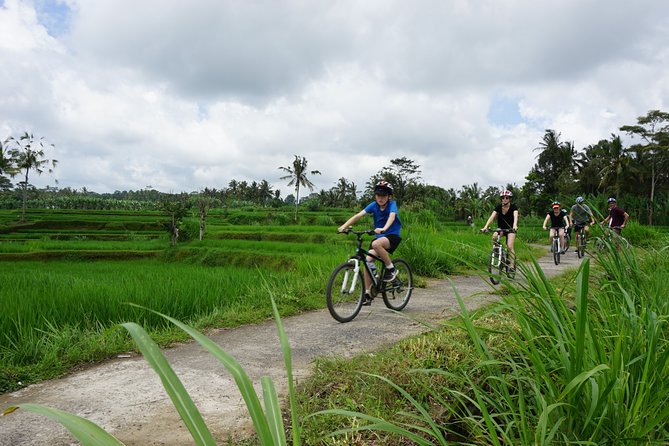
- Mostly downhill routing makes manual biking feel friendly for most people
- Two-guide setup (lead and sweep) helps keep the group together and safer on narrow roads
- Coffee, lunch, and snacks included so you’re not scrambling for food mid-ride
- Village + rice terrace stops focus on how people live, not just photo angles
- Short timed breaks keep the day moving, so come ready for frequent stops rather than long lounging
Why a Manual Bike From Kintamani Works So Well
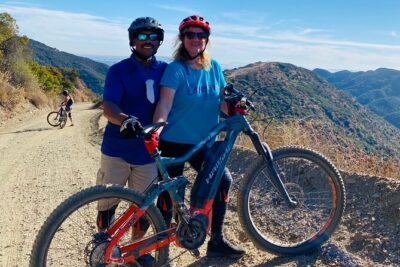
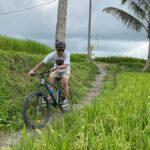
The headline here is simple: you start high and ride down. In practice, that means you spend less time fighting steep climbs and more time controlling your speed, looking ahead, and enjoying the countryside. One rider even described it as around 95% downhill—so if you’re worried about turning the day into a leg workout, this route is designed to feel manageable.
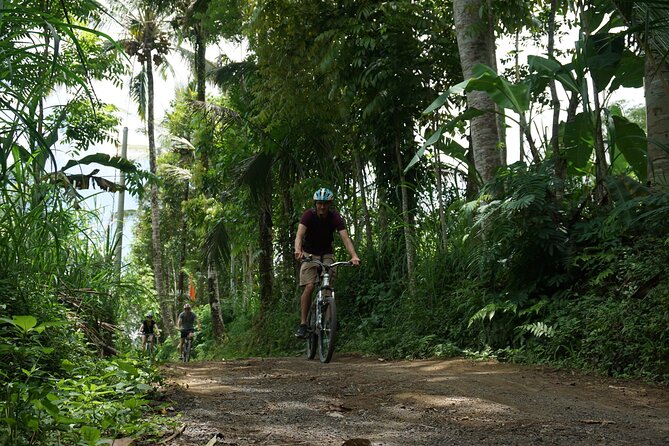
Still, it’s not a smooth, paved cycle path. You’ll be on local roads and lanes, and some can be narrow or have bumps. That’s where having the right mindset helps: treat it like a guided ride through real places, not a theme-park track. If your bike’s gear system isn’t behaving perfectly, speak up right away. One review mentioned a gear slipping and jamming that led to a fall, which is a reminder to start carefully and make sure your shifting feels solid before you settle into the rhythm.
The manual-bike format also means you’re more connected to the route than on an electric bike. You’ll likely find it easier to react to traffic, potholes, and changing road conditions because you’re actively pedaling and steering.
You can also read our reviews of more tours and experiences in Ubud.
Ubud Pickup, Two-Gide Safety System, and What the Day Feels Like
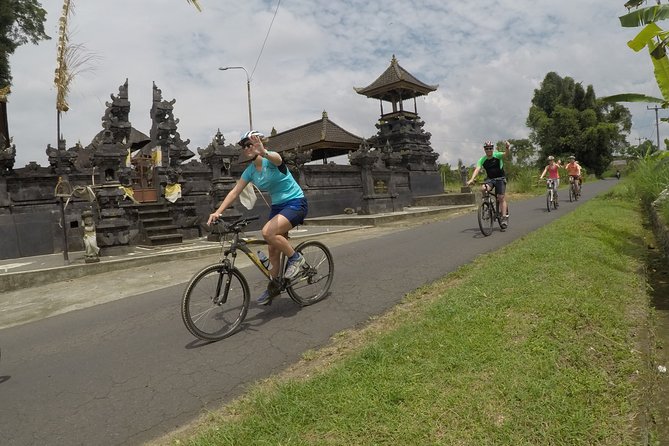
This is a full-day outing, around 7 to 9 hours, with round-trip transport from Ubud. You get picked up from your hotel and brought into the ride area, which is a big deal in Bali: it removes a chunk of hassle, especially if you’re not renting a scooter.
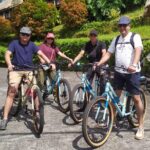
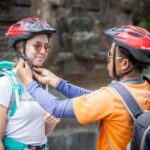
What I really liked from the way guides described their approach is the two-person structure. You may ride with a lead guide up front and a sweep guide at the back. That matters because the slowest rider doesn’t get left behind, and the guides can warn you about hazards before they become problems. It’s also helpful if your group includes kids or people who want more reassurance. One review highlighted that guides took extra care with small children.
The day has a steady flow of short stops and a couple longer ones. That means you should plan to be ready when the group pauses. Bring patience for quick photo moments and a willingness to hop on the bike again right after you get your bearings.
For timing, aim to arrive at pickup feeling hydrated. The ride includes food breaks, but the sun and heat still build during transport and waiting.
Greenbike Adventure Coffee Start: Pancakes, Smoothies, and a “Get Ready” Moment
You begin with transport into the Balinese plantation area for a coffee break at Greenbike Adventure. This first stop sets the tone: you’re fed, the group gets organized, and you can get comfortable before the ride starts.
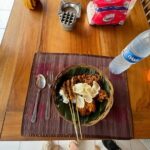
The coffee break includes options like pancake or a smoothie bowl, and gluten-free requests are accommodated if you ask. There’s also an admission ticket included for this stop. In other words, you’re paying attention to comfort early, not just rushing into pedals.
Practical tip: use the first stop to do a quick bike check. Even if everything looks fine, roll a few meters, test your gears, and confirm the brakes feel responsive. It’s also the best time to apply sunscreen if you haven’t already.
One more thing: if you’re sensitive to sun, shade here can help you reset. That matters because once you’re rolling down the countryside, you’ll likely spend more time in open sections.
Tegalalang Rice Terraces: A Short Photo Stop That Still Hits
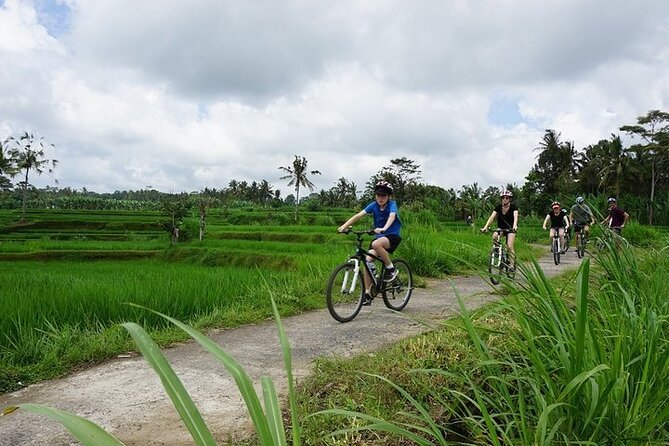
Next up is Tegalalang, with a brief stop for taking photos of the rice terraces. You’ll have about 15 minutes, and the goal is pretty clearly visual.
This is the kind of stop that works best if you do two things: move quickly and decide where you want your shots before the group tightens up. Don’t try to do a full exploration loop in the time you have. If you’re chasing the best angles, you’ll want to walk slightly to find a spot that shows depth between the terraces.
The good part: this brief moment gives you a classic rice-field view without turning the day into a long crowd detour. The potential downside: 15 minutes can feel tight if you want lots of photos or you’re slow getting back to the bike.
Kintamani Village Start and Home Visit: Where the Stories Feel Real
The ride officially starts in Abuan Kintamani village. You’ll spend about 30 minutes here, then continue through the countryside with a guide explaining what you’re seeing.
But the most meaningful part isn’t just where you start. It’s the stop in a local home area in the Kintamani region, with about 45 minutes for a visit to one of the local people’s houses. This is the moment that shifts the tour from cycling to understanding.
From what the guides share on the day, you’re likely to hear about everyday Balinese life and how religion fits into it. You may also learn how rice farming and terrace organization works among families. If you’ve visited Bali before, this home stop can be the antidote to feeling like you only saw temples and gift shops.
In terms of comfort and expectations: plan for interaction and questions. This stop is about human scale, so you’ll get more out of it if you’re curious rather than rushing through for photos.
The only caution I’ll give: behave like a visitor in someone’s space. Follow the guide’s lead, and don’t treat it like a quick sightseeing checklist.
Taro Village Coffee Break and Gunung Raung Temple
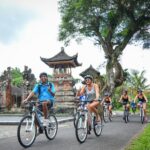
In Taro, you get another coffee break and a cultural stop: the Gunung Raung Temple. The total time at this point is about 1 hour, so you have a bit more breathing room than at the earlier photo moment.
This is where the day balances out. You get a food break, then you also get a temple visit that adds contrast to the rice paddies. The temple is described as one of the more unique ones in Bali, which likely means it’s not the most generic stop you’ll see on a typical circuit.
A good strategy here: do coffee first, then temple. Coffee gives you energy, and by the time you start walking or looking around, you’re less likely to feel wiped out.
If you’re a photographer, this is another good moment to slow down. Temples and sacred spaces reward a careful pace. Just remember you’re still on a timed cycling itinerary—so enjoy, but stay aware of group timing.
Bresela Rice Fields and Irrigation: Seeing the System Behind the Beauty
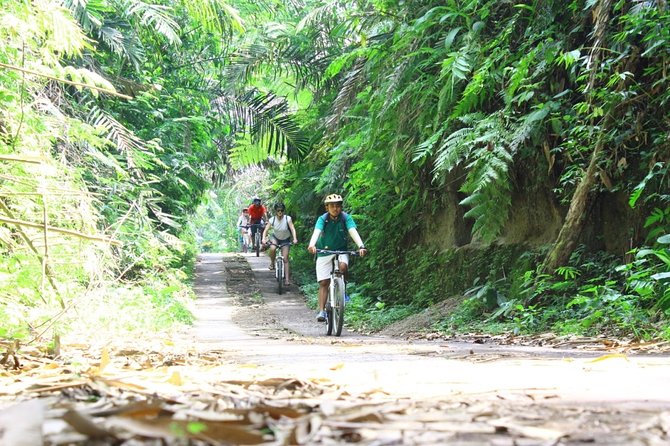
At Bresela, the focus turns to how the rice fields work—especially the irrigation system. You’ll spend about 45 minutes here, and this stop is valuable for one reason: it explains what makes rice terraces possible.
When you understand irrigation, you stop seeing terraces as static scenery and start recognizing them as an active system. Even if you don’t catch every detail, you’ll leave with a clearer picture of how water management ties into farming and community routines.
Expect a more practical, observant vibe here. This is less about posing and more about watching. It’s also a reminder that the countryside you’re cycling through is maintained work—done by people, not by postcard magic.
Potential drawback: depending on how the path feels, you may be walking over uneven areas or standing in places that aren’t perfectly level. Wear shoes with grip and keep an eye on your footing.
Hyang Api Temple Finish at Payangan, Then Lunch at Greenkubu and Swing Time
The ride ends at Hyang Api Temple in Payangan, with about 30 minutes at the finish point. This is your last cycling milestone, and it’s a nice way to bookend the day with another sacred stop.
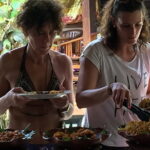
Then you move into the final meal moment at Greenkubu Restaurant and Swing. Lunch runs about 1 hour, and admission for this stop is included. The swing part likely means there’s a photo or activity area attached to the restaurant, which can be a fun decompression after hours on the bike.
This ending sequence works because it gives you time to reset. You’re likely sweaty, sunburn-prone, and hungry, and you’ll appreciate having a sit-down lunch rather than trying to find food immediately after you dismount.
One more thing to think about: after lunch, you might still want a bit of time before your transport home, especially if you’re taking photos or if the group is waiting for everyone to finish eating.
Price and What $33 Really Buys You in Ubud
$33 per person sounds modest, and it is—especially when you compare what’s included. You get round-trip transport from Ubud, a coffee break at the start, and lunch near the finish. You also get snacks along the way.
The structure of ticket inclusion matters too. Some stops include admission tickets (like the coffee break start and lunch), while several other stops are free. Translation: your money isn’t just paying for scenery; it’s paying for meals, access where it matters, and the logistics that keep the day organized.
You’re also getting a guide-led experience with a two-guide safety model, which is worth something. If you’ve ever tried to recreate a route like this on your own, you’ll know how much time gets eaten by figuring out meeting points, timing, and who knows which road.
One final value note: this tour is commonly booked about 17 days in advance on average, which suggests it’s popular. If you want a specific day, don’t wait until the last minute.
Who This Tour Fits Best (and Who Should Rethink It)
This is best for you if you want an active day that still feels cultural and local. You’ll likely enjoy it if you like countryside rides, you want rice fields beyond just a quick viewpoint, and you appreciate guides who explain what you’re seeing.
It’s also a good match if you’re okay with “gentle challenge” rather than guaranteed comfort. The ride is designed to be mostly downhill, but it still takes focus. And since it’s manual bike riding, you’ll be happier if you already ride (or you’re willing to learn quickly).
Who might skip it:
- If you need perfectly smooth roads, or you’re uncomfortable with narrow lanes and uneven surfaces.
- If you’re expecting an all-day lounge with minimal effort.
- If bike reliability is a deal-breaker for you. (Check your gear early and tell the guide right away if anything feels off.)
Age-wise, it’s listed for adults and children (over 12 as adult category; 6–12 as child category). So it’s not just a solo-adult tour, but it’s still a full cycling day, so the pace and road conditions matter for younger riders.
Practical Tips to Avoid the Common Bali “Bike Day” Problems
This is the kind of tour where small preparation pays off.
- Wear walking or sport shoes with grip. Flip-flops and slick soles are a bad plan on uneven sections.
- Pack sunscreen and take it seriously. You’ll be out during daylight, and the ride involves waiting at stops and moving between them.
- Bring bug spray if you’re bothered by insects. One review specifically called this out, and it’s good advice.
- Bring a small backpack for your camera or phone so you can keep hands free while riding and at stops.
- If you have food needs, mention them up front. Gluten-free pancake or smoothie bowl options are referenced at the start, but you’ll want clarity before the day begins.
If you’re the type who likes control, do this: test your gears and brakes during the first stop. Then ride with an easy pace until you feel confident.
Should You Book This Kintamani Cycling Tour From Ubud?
If you want a guided bike day that mixes countryside views with real-life culture, I’d say yes. It’s built for comfort and enjoyment: transport from Ubud, meals included, and a guide team that watches safety and keeps the ride flowing.
Book it especially if you prefer to escape the busier tourist lanes and ride through villages, rice terraces, and temple stops at a human pace. The ride is mostly downhill, the atmosphere is practical, and the guide explanations add meaning beyond sightseeing.
If you’re sensitive to bumps, worry about bike mechanics, or hate quick stops, go in with eyes open. Check your bike early, follow the guides’ hazard warnings, and plan for a full day of active sightseeing. When you do that, this is a strong value way to see a quieter side of Bali.
FAQ
How long is the Kintamani Cultural and Nature Cycling Tour?
The tour runs about 7 to 9 hours.
Is pickup from Ubud included?
Yes. Round-trip transport from Ubud is provided, with pickup from your hotel.
What kind of bike is used?
It’s a manual bike tour.
What food and drinks are included?
You’ll have a coffee break at the start, plus lunch and snacks during the tour.
Are tickets included for the stops?
Some stops include admission tickets, such as the Greenbike Adventure coffee break and the Greenkubu lunch stop. Other stops are listed as free.
How many people are in a group?
The tour has a maximum of 50 travelers.
What payment methods are accepted?
You can pay by cash or bank transfer with no charge. Visa or Mastercard is also accepted, with a 3% bank fee charge.
What should I bring or wear?
Walking/sport shoes are recommended. Sunscreen is advised, and a small backpack is useful for your camera or video.