REVIEW · MARRAKESH
Marrakesh: Toubkal National Park Mountain Bike Trip w/Lunch
Book on GetYourGuide →Operated by Marrakech Day Trips - Tours · Bookable on GetYourGuide
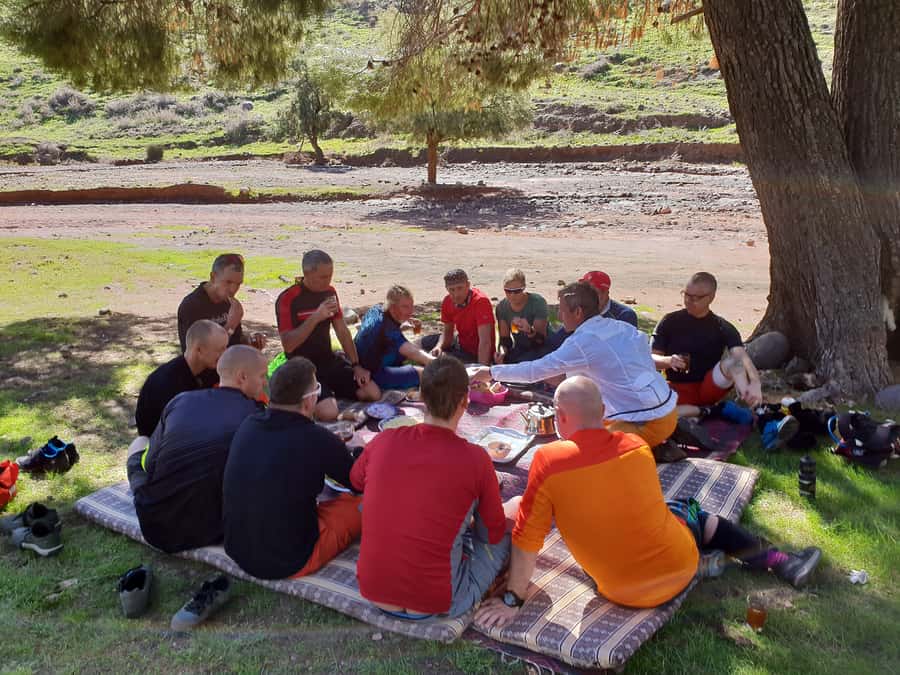
Trade your riad for mountain singletrack. This full-day ride through the Atlas Mountains and Toubkal National Park is built around real biking time, passing Berber villages on the way to some serious high-country viewpoints. I especially love the combination of village-to-valley riding plus a picnic lunch at altitude beside the river, with mint tea and biscuits during a stop at the pass.
You should also know it’s not a casual stroll. Cold weather can affect the route, and in one winter run snow and ice kept riders from reaching the planned high point, so plan for the day to be physically demanding and weather-dependent.
In This Review
- Key things I’d watch for before you pedal
- From Marrakesh to Imlil: where the day starts
- Getting your bike right: setup, safety, and control
- The ride itself: climbs, singletrack, and fast descents
- The High Atlas villages: why these stops matter
- Imnane Valley: green views, riverbed riding, and that lunch spot
- Argan oil cooperative: watching women crack the nuts
- How hard is it really? Altitude, grade, and winter reality
- Quick prep that actually helps
- Group size and timing: the trade-offs of a small tour
- Price check: what $68 buys you (and where value comes from)
- Who this MTB trip is best for
- Should you book this Toubkal mountain bike day?
- FAQ
- How long is the mountain bike trip?
- What’s included in the $68 price?
- Where does the trip start and what village do you ride from?
- What languages do the guides speak?
- What should I bring for the ride?
- If I’m staying in the medina, where do I meet for pickup?
Key things I’d watch for before you pedal
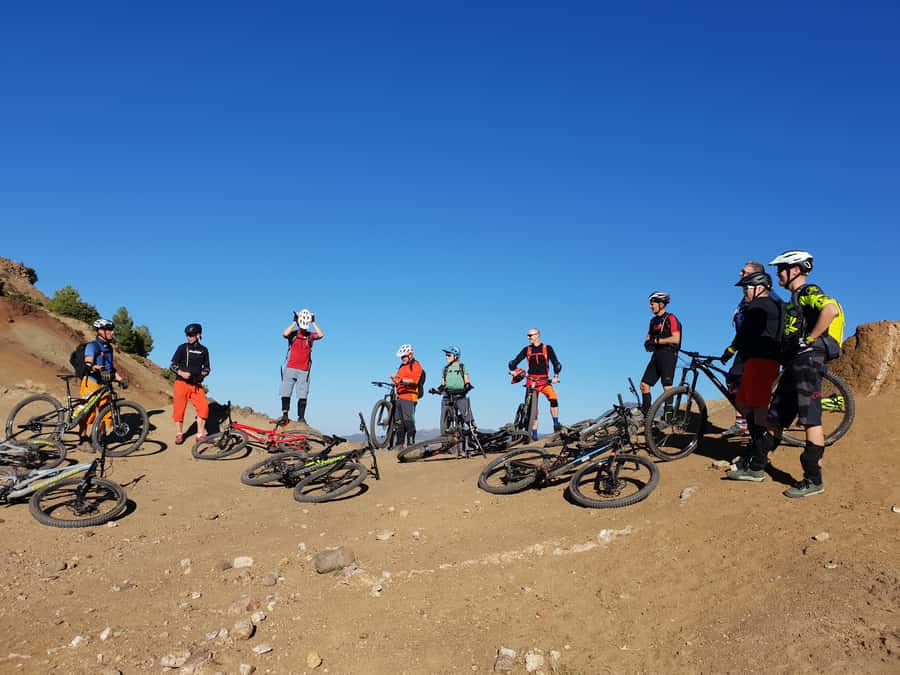
- Small group (up to 10) and a guide who sets the pace so you’re not stuck riding for someone else’s schedule
- Bike orientation first, then you practice, adjust, and only then start climbing
- Guided stops for photos and plant/village context when the view is worth pausing for
- Mint tea and biscuits at the high pass (around 2300m) before the long descent
- Lunch on the move, in the riverbed area at about 1600m, after you drop into the Imnane Valley
From Marrakesh to Imlil: where the day starts
Most days begin with hotel pickup in Marrakesh. If you’re staying in the medina area where cars can’t reach, you’ll typically be directed to meet at Jemaa el Fna, the big famous square people use as a rendezvous point.
After pickup, you transfer to the mountain base near Imlil, at the foot of Toubkal Mountain (4167m). This matters because it compresses the “travel time” part of the day, leaving you more hours for actual riding.
Getting your bike right: setup, safety, and control
Once you reach Imlil, you dismount to meet your local adventure guide and get fitted for your bike and safety gear. The process starts with an orientation of the area, then a safety briefing before you head out.
A big reason this trip feels manageable is that the guide doesn’t just throw you on the trail. You’ll get explanations on how the bikes work, then you practice briefly until you feel comfortable. After that, the pace is something you help decide—your speed, your effort. In past outings, guides like Kamal and Jamal have been described as patient and focused on keeping everyone safe while still letting the ride feel fun.
The ride itself: climbs, singletrack, and fast descents
The ride begins with a climb, not a brutal grind, but enough to get your legs awake and confirm your bike’s setup is working smoothly. The trail then rises to a pass around 2300m (coordinates are provided for the route), where you usually stop for mint tea and biscuits.
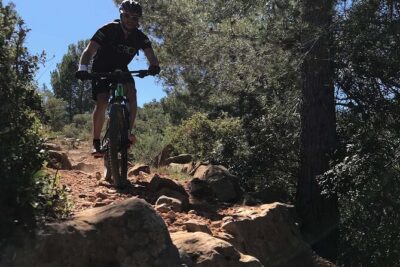
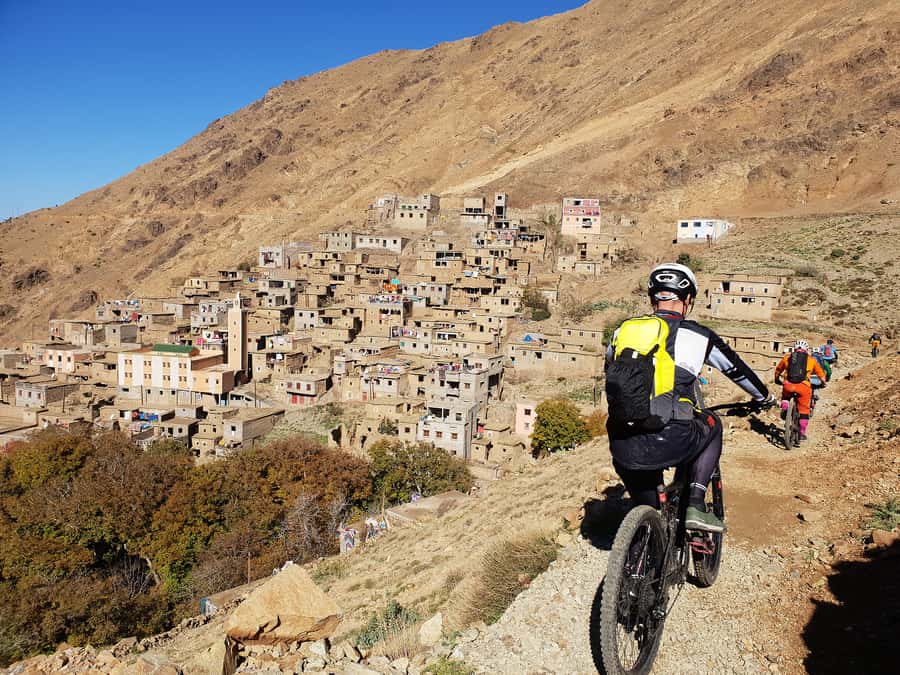
From there, the best part is the descent. Expect fast off-road single track and donkey-track style paths through mountain terrain. You’ll also pass through several Berber villages—Tachedirt, Tamguist, and Amssakrou are named as part of the route—so it’s not just riding through wilderness. You’re seeing how villages sit in the valley systems, and your guide points out what you’re looking at along the way, including local plants and how people live across the slopes.
Also, this isn’t a one-shot straight-line route. Your group pauses at scenic lookouts for photo stops, so you’ll get the chance to capture the views without feeling like you’re constantly sprinting.
The High Atlas villages: why these stops matter
It’s easy to visit villages as a spectator. This trip is different: you roll through them on your bike, which changes how you experience the place. You slow down enough to observe, but you’re still moving—so the villages feel connected to the route instead of like a checklist item.
Your guide also uses these village passes to share stories and context. Expect talk about Berber history and the present-day reality of mountain life. This kind of interpretation turns the scenery into something you can actually understand, not just photograph.
Imnane Valley: green views, riverbed riding, and that lunch spot
After the descent sequence, the route follows Imnane Valley down along single track for a couple of hours. The grade and terrain can vary, but the big payoff is the change in scenery—outlook points tend to show green fields of vegetables and cereals.
At some stage you drop into a riverbed area. Then comes lunch: a picnic lunch beside the river at an altitude around 1600m. That elevation detail matters. Even when the valley looks lush, the air can feel cooler, and you’ll likely appreciate having layers ready.
One practical note: on these rides, lunch often happens after the riding portion. A rider noted the lunch timing meant packing enough food and drink for the earlier stretch, especially if you’re the type who gets hungry once you start pedaling hard.
Argan oil cooperative: watching women crack the nuts
Before or during the wider day, there’s time built in to visit an argan oil cooperative, where women hand-crack argan nuts. This is one of those stops that’s easy to overlook if you think it’s only a sales photo-op, but it’s usually more interesting when you can see the work process and understand why argan oil matters economically in the region.
It’s also a nice contrast to the biking: your body cools down, you sit, you watch, and you shift from physical effort to cultural detail.
How hard is it really? Altitude, grade, and winter reality
This is a mountain bike day trip in the Atlas, and the effort level reflects that. One rider cited about 750m of climbing, another described a stronger day around 900–1000m, and someone else mentioned numbers closer to 1200m of positive elevation. The ride is described as having sometimes sharp percentages, so you do want decent bike condition and legs that can handle uphill pressure on the pedals.
Weather is the wildcard. In colder months, snow or ice on the ground can make the route harder to complete. One winter experience specifically noted that cold and snow/ice prevented reaching the peak and crossing to the other side, and yet the day still came highly recommended.
Quick prep that actually helps
- Warm clothes and rain gear are recommended in winter season
- Wear or pack sunscreen (higher light and exposed trail can surprise you)
- Bring personal medication just in case your day gets delayed or you need it before lunch
Group size and timing: the trade-offs of a small tour
The trip runs with a small group, limited to 10 participants, which is a real advantage on a singletrack day. Smaller groups usually mean fewer waiting gaps and a better chance your guide can help with adjustments quickly.
That said, a guided mountain day can still be a long one. One account described pickup shifts and extra stops that made the day longer, with lunch timing affected for one rider whose schedule didn’t line up with the main group’s pace. In other words: this is a full day, not a half-day that you’ll comfortably tack onto the rest of your plans.
If you’re the type who needs a perfectly timed dinner reservation, plan flexibility for the evening back in Marrakesh.
Price check: what $68 buys you (and where value comes from)
At $68 per person for about 7 hours, the value is in what’s covered: hotel pickup and drop-off, a mountain bike, an official guide, helmet, and lunch (a picnic lunch). When you price those pieces separately—guide time, equipment, transportation, and food—the deal starts to look reasonable for an active, structured day in the mountains.
One thing to note: soft drinks are not included, so you’ll want to plan your hydration accordingly, especially if the ride feels fast and demanding.
Who this MTB trip is best for
This works best if you want an active day that feels connected to the Atlas rather than just a bus ride with short photo stops. You’ll likely enjoy it most if you:
- like off-road riding and can handle uneven terrain
- want to move through Berber villages while still getting dramatic views
- appreciate a guide who explains what you’re seeing (plants, villages, and local context)
- don’t mind that weather can change how far you go
It may be less ideal if you want a gentle, low-effort sightseeing day or if you have very tight timing back in Marrakesh.
Should you book this Toubkal mountain bike day?
I’d book it if your idea of a great Morocco day includes biking through valleys, stopping for mint tea at a mountain pass, and ending with a real picnic at river level rather than an indoor meal. The small group setup and guide-led pace control are a strong combo for making a challenging ride feel safer.
I’d pause and think twice if winter conditions are a concern for your travel dates. If snow or ice is likely, the route might be shortened, and you should come prepared for that physical reality. Also, if your schedule is extremely fixed, remember this is a full-day outing that can run longer than you expect.
FAQ
How long is the mountain bike trip?
It lasts about 7 hours, from pickup in Marrakesh to returning after the ride ends around Asni.
What’s included in the $68 price?
The price includes hotel pickup and drop-off, picnic lunch, a mountain bike, an official guide, and a helmet.
Where does the trip start and what village do you ride from?
You’re transferred to the foot of Toubkal near Imlil, then you meet the guide, get fitted, and start biking from there.
What languages do the guides speak?
The live guide can work in Arabic, English, and French.
What should I bring for the ride?
Bring sunscreen and personal medication. Warm clothes and rain gear are recommended in winter season.
If I’m staying in the medina, where do I meet for pickup?
Pickup may not be possible by car in parts of the medina. You’ll be asked to meet at Jemaa el Fna when that happens.