REVIEW · MARRAKESH
Marrakech: Cycling Tour in Palm Groove with Local Breakfast
Book on GetYourGuide →Operated by Pikala bikes · Bookable on GetYourGuide
A palm-oasis ride beats another museum morning. This 150-minute guided bike tour takes you from Marrakesh’s city energy into the Palmeraie, with village detours, stories, and a proper breakfast stop at host Aziz’s place.
I especially like two things: the contrast you cycle through (luxury villas, then real village life), and the food stops that feel practical, not touristy, including tea, pastries, and fresh bread.
One thing to keep in mind: you start by cycling out of the Medina area, so if you’re nervous on tight streets, you’ll want to follow your guide’s pace and positioning.
In This Review
- Key highlights worth your time
- From Pikala Bikes to the Palmeraie: how the tour starts
- City streets first, then quieter roads under palms
- Villas, castles, and village life: the real contrast you ride through
- The tea stop at Aziz’s atelier: what breakfast really looks like
- Water and palms: learning the irrigation story along the route
- Zellige tile workshops: watching craft without the showroom vibe
- The village oven and Moroccan bread: why it’s more than carbs
- Guide quality matters: what you can expect from the people leading you
- Time, price, and value: is $34 a fair deal?
- Who should book this tour in Marrakech
- Should you book this Marrakech palm-grove cycling tour?
- FAQ
- Where do I meet for the tour?
- How long is the tour?
- What languages are the guides?
- Is hotel or riad pickup included?
- Does the tour include bikes?
- What’s included in the breakfast stop?
- Is water provided?
- Is sunscreen included?
- What cultural sites and activities are included?
- Is a water museum visit included?
Key highlights worth your time
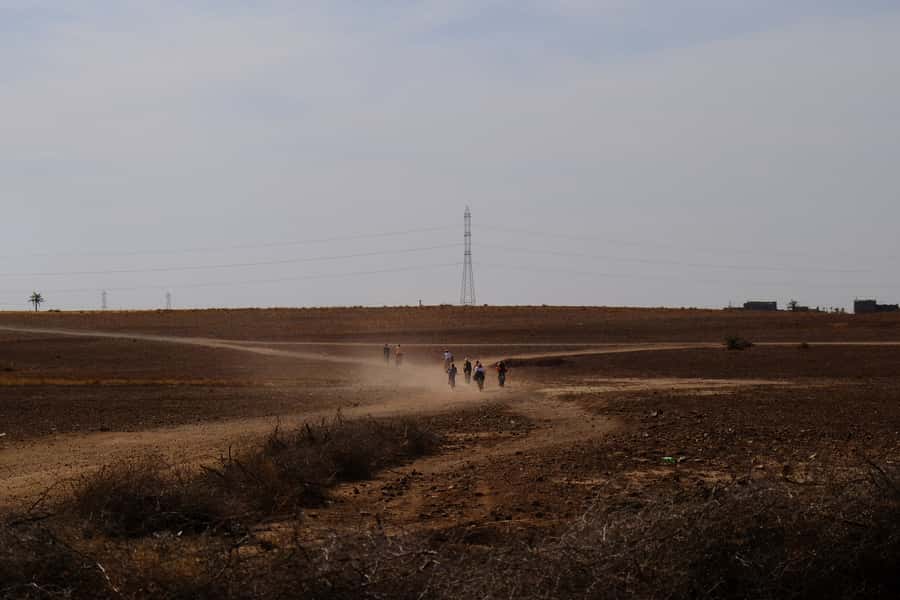
- Palmeraie riding with trained young guides who keep the group safe while you head out of the city
- Breakfast at Aziz’s atelier with tea or juice plus Moroccan pastries, bread, butter, and olive oil
- Water education through an old irrigation system and why palms matter there
- Zellige (Moroccan tile) workshops where craft workers do the work up close
- A village oven stop that connects bread-making to Moroccan culture
- A gentle ride overall, with reviews calling it flat and manageable after you get moving
From Pikala Bikes to the Palmeraie: how the tour starts
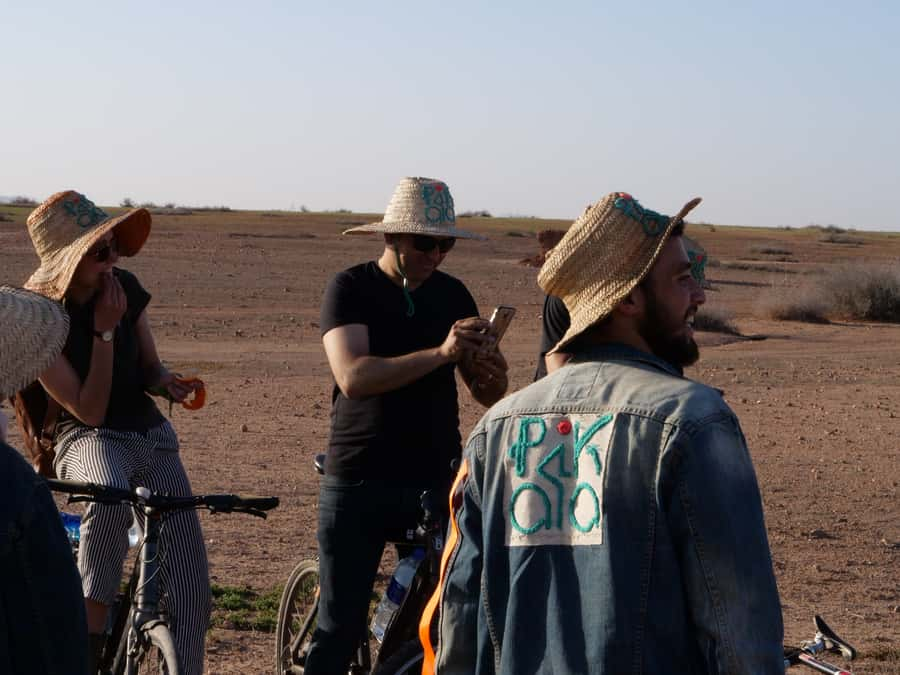
Most days, the easiest way to enjoy this tour is to treat it like a short, guided move from city life into oasis life. You meet at Pikala bikes headquarters in Marrakesh, then you’re on two wheels quickly. The tour is built around the idea that you should see the Palmeraie without spending the whole day trapped in traffic or waiting for buses.
You’ll be riding with a live guide who speaks English or French, and the operation leans on trained young bicycle guides. That matters because the ride includes the tricky part first: getting out of the Medina area. Even when the route is described as gentle overall, the narrow streets at the start can make you feel wobbly if you’ve never cycled in a dense city.
The good news is that guides are repeatedly praised for being patient and attentive, including support for people who felt nervous at the beginning. In other words, you’re not just handed a bike and pointed at a direction.
City streets first, then quieter roads under palms
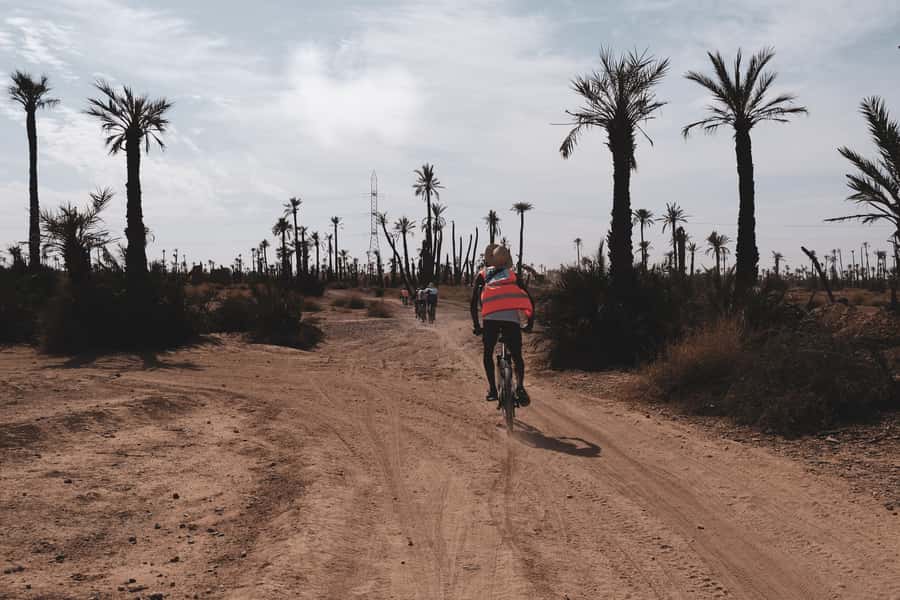
A simple way to think about the cycling: the first stretch is about getting your rhythm, and the rest is about the shift in surroundings. Reviews describe a ride that’s pretty gentle and flat, often around a 17k distance, but still with a couple of “okay, this is Marrakech” moments as you roll out of the Medina.
Once you’re clear of the densest streets, the trip opens up. You’re guided along off-track roads and through areas where you can actually feel the oasis changing the air and pace of the day. Expect to cycle through places where you can spot the split personality of Marrakesh right away: grand, luxury-style villas and big properties, then smaller village pockets where people keep living their daily routines.
If you’re the kind of traveler who likes connecting what you see to why it matters, this is a strong setup. You’ll notice it fast: the closer you get to the Palmeraie, the more everything starts to revolve around water, agriculture, and palms.
Villas, castles, and village life: the real contrast you ride through
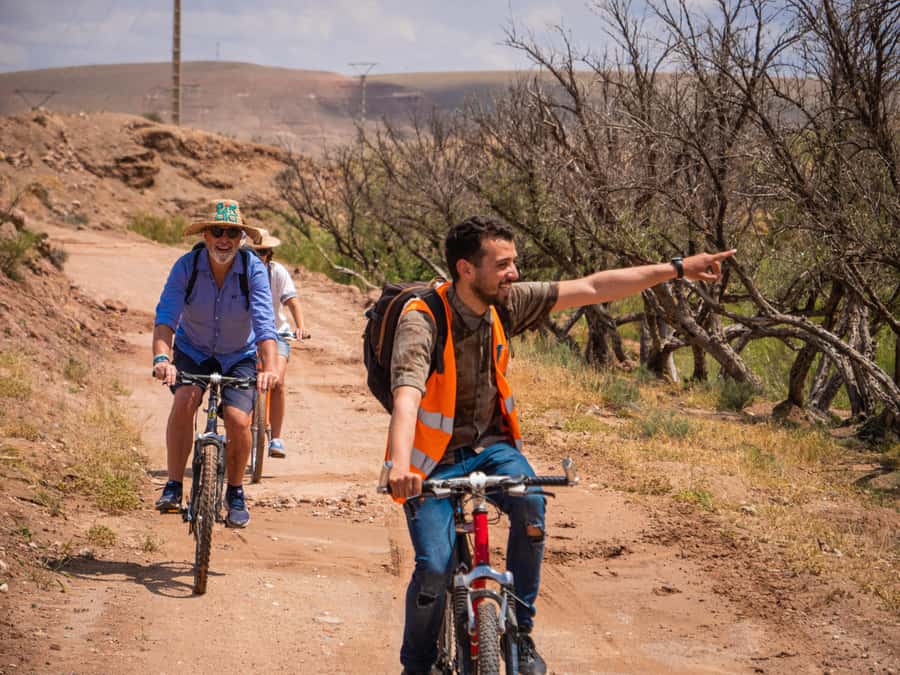
This tour is built around contrast, not just scenery. You’ll pass by luxurious villas and huge castles, then cut into tiny village areas in the heart of the palm grove where locals still live. The point isn’t shock value. It’s learning how different lifestyles share the same space, but depend on very different systems.
Your guide will explain how people survive the geography and the limits of water. That includes talking about the importance of palm trees for the oasis and what it takes to keep them alive. This is where the ride earns its keep compared with a basic walk-through.
You’re also not stuck staring at one big landmark. You’re moving through smaller scenes: doorways, courtyards, ovens in use, and craft spaces where you can see hands at work. The tour’s pacing helps you notice details without feeling rushed.
The tea stop at Aziz’s atelier: what breakfast really looks like
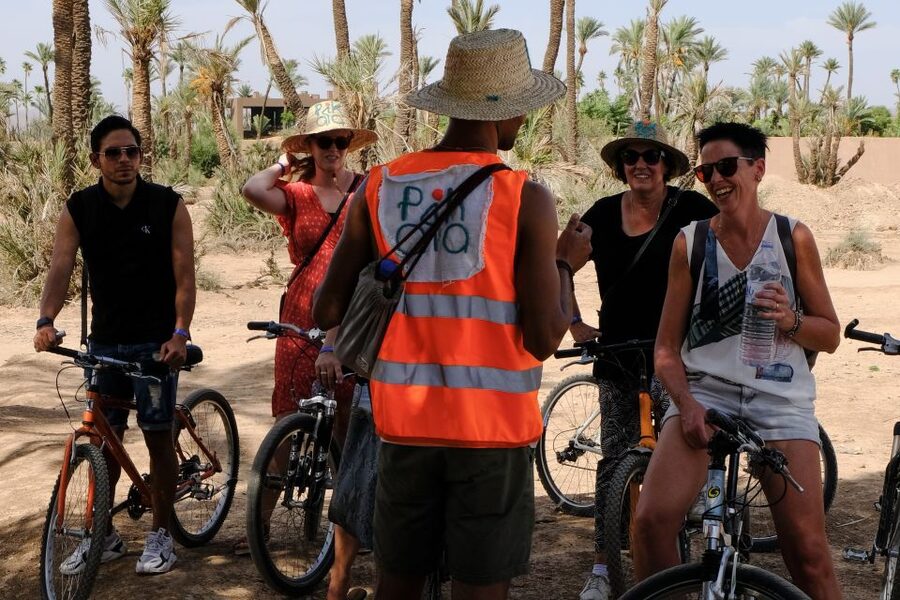
The tour’s food break is one of its most practical joys. After you cycle out into the oasis zones, you reach host Aziz’s place for a tea stop that works like a real Moroccan breakfast, not a token snack.
Included in the experience:
- Tea or juices
- Moroccan pastries
- Bread, plus butter and olive oil
- Water is also provided during the tour
- Sunscreen is included, which is a small thing until you’re under bright sun
What makes this stop special is the setting and the pacing. You’re not eating while bouncing in a crowded restaurant. You’re pausing in a calmer environment where the tea and bread feel connected to the day’s themes: water, bread, and daily craft life.
You’ll also get stories during the stop, shared in Aziz’s space. That makes the food taste better, sure, but more importantly it gives context. In a city like Marrakesh, it’s easy to treat breakfast like fuel. Here, it’s a window into how people organize time and community.
Water and palms: learning the irrigation story along the route
The Palmeraie exists because people worked out a way to manage water. That’s why this tour includes a visit to an old irrigation water system.
You’ll learn—through what your guide points out and the way you move through the area—how precious water is for the community. It’s not just a general lesson. It’s tied directly to the palms. Palm trees aren’t decoration in this ecosystem. They’re part of how the oasis survives in a dry environment.
This is also where the tour connects to Moroccan ingenuity. The irrigation system is described as old, and you’ll see the result of design that had to work under real limitations. If you like experiences that explain the invisible infrastructure behind what you can see, you’ll appreciate this stop.
And because you’re cycling between different kinds of neighborhoods, you don’t feel like you’re listening to a lecture. The story lands because you’re actively watching how the oasis is organized.
Zellige tile workshops: watching craft without the showroom vibe
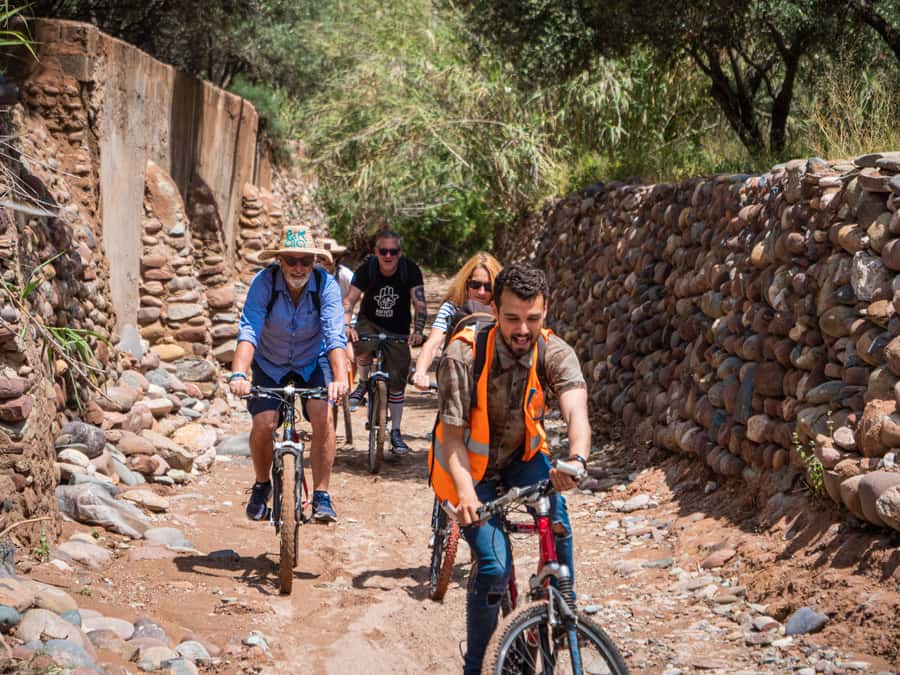
At several points, you’ll meet Moroccan handcrafts in small atelier workshops, with a focus on zellige tiles. Zellige is one of those things that looks decorative from a distance. Up close, it’s about geometry, repetition, and careful cutting and fitting.
You’ll pass by tile workers in their workspaces, so you can actually see the process energy: tools, materials, and the patience behind the finished patterns. The tour doesn’t force you to buy anything. It’s framed as learning and observation, then moving on by bike.
This is also where the tour feels balanced. You’re getting:
- food (tea and bread),
- water (irrigation system),
- agriculture (palms and oasis survival),
- and craft (zellige tiles).
It makes the day feel like one connected theme instead of a checklist of stops.
The village oven and Moroccan bread: why it’s more than carbs
Bread shows up twice in this experience: first as part of the breakfast you eat, and then as a village oven moment where you learn about traditional bread baking.
You’ll visit a local oven in a village setting. The value here is cultural and sensory. You’ll see bread-making happening in a real working environment, and you’ll learn about the value of bread in Moroccan culture—how it’s treated as important, not just convenient.
Reviews highlight watching bread preparation in open air and seeing women cook bread. Even if your exact moment differs by timing, the idea stays the same: you’re seeing bread as daily life, not as a performance.
If you care about food as culture (and not just taste), this is a strong part of the tour. It helps explain why the breakfast stop isn’t just bread plus tea. It ties back to community rhythms and local skills.
Guide quality matters: what you can expect from the people leading you
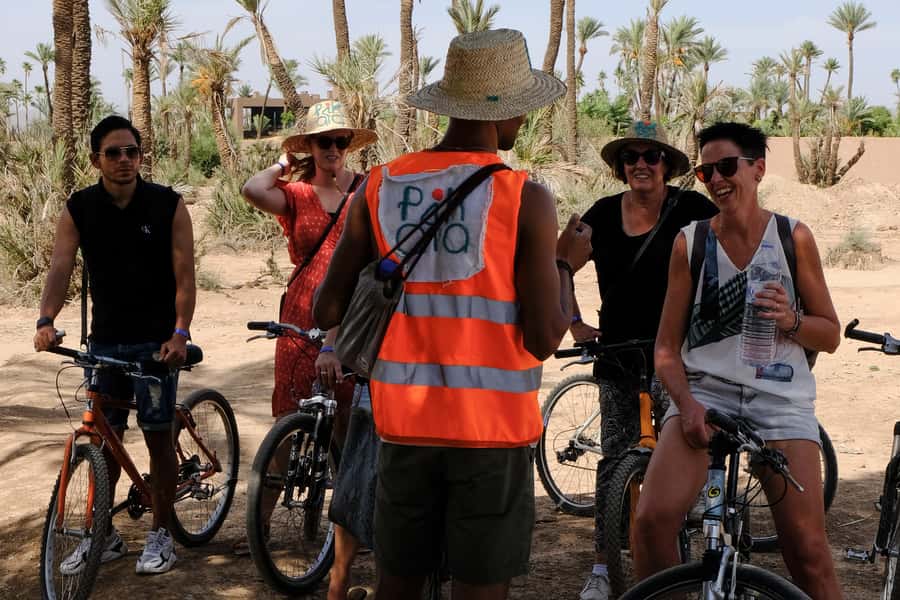
The most consistent praise you’ll find around this tour is the guides’ attention and calm. Names that come up include Ahmed, Yassim, Khawla, and Ayoub. Different people, same theme: guides are described as patient, informative, and focused on safety.
This matters most at the start, when you’re cycling in and out of the Medina area. If you’re nervous, the key is that your guide should help you get control quickly and keep you from overthinking. Reviews explicitly mention people feeling safer after taking cues from their guide.
So yes, the tour is fun. But it’s also structured around comfort and learning. That’s why this doesn’t feel like a throwaway “ride and snack” day.
Language support is also a plus: English and French live guiding, so you won’t be stuck piecing together stories from body language.
Time, price, and value: is $34 a fair deal?
At $34 per person for 150 minutes, this is a value-focused experience. You’re paying for more than a bike ride. You’re also paying for guide time, the tea-and-bread breakfast, craft stops (zellige workshops), and a cultural visit to a traditional oven plus an irrigation system.
Also, bikes are included, along with water and sunscreen. That reduces what you’d otherwise spend on basic needs mid-tour.
Where this pricing tends to feel fair is in the mix: cycling + food + craft + water education. If you only wanted one of those pieces, you could probably do it cheaper on your own. But if you want it connected and guided, $34 doesn’t feel like a stretch for a focused half-day.
The one item you should note up front: there’s no hotel/riad pickup or drop-off and no water museum visit. So you’re responsible for getting to the meeting point at Pikala bikes.
Who should book this tour in Marrakech
I think this tour fits best if you want a lived-in look at the Palmeraie. It’s also a great match if you like:
- guided stories that tie food, water, and craft together,
- a ride that’s generally manageable (reviews call it flat and gentle),
- seeing both the upscale side and the village side of the oasis.
It’s also useful for people with different comfort levels. If you’re nervous cycling in the Medina, the guide approach is described as supportive. If you’re comfortable on a bike, you’ll likely enjoy the extra energy of being out on quiet paths rather than standing in lines.
One practical note: group size can vary. One experience described having only two people on the tour while the Pikala bikes location had other groups ready for their rides. So don’t be surprised if your group feels small on your date.
Should you book this Marrakech palm-grove cycling tour?
Book it if you want a half-day that feels active but not exhausting, with real food stops and stops that explain how the oasis works. It’s not only about pretty palms. It’s about why palms are there, how water is managed, and how bread and tile craft fit into everyday life.
Skip it if you hate cycling in any form, or if you expect hotel pickup. Also, if you’re only interested in museum-style indoor culture, this won’t be your best match because the core of the experience is outside: riding, workshops, a village oven, and an irrigation system.
If you’re in the “I want something authentic that isn’t a long day” category, this one makes sense. The bike gets you into spaces you’d struggle to reach easily, and the breakfast stop makes the whole tour feel like you earned it.
FAQ
Where do I meet for the tour?
You meet at the Pikala bikes headquarters.
How long is the tour?
The experience runs for 150 minutes.
What languages are the guides?
The live tour guide is available in English and French.
Is hotel or riad pickup included?
No. Hotel/riad pick-up or drop-off is not included.
Does the tour include bikes?
Yes. Bikes are included.
What’s included in the breakfast stop?
At host Aziz’s place, you’ll have tea or juices and Moroccan pastries, along with fresh bread, butter, and olive oil.
Is water provided?
Yes. Water is included.
Is sunscreen included?
Yes. Suncream/sunscreen is included.
What cultural sites and activities are included?
The tour includes an old irrigation water system, zellige tile (Moroccan tile) craft ateliers, and a local village oven for traditional bread baking.
Is a water museum visit included?
No. Visit of the water museum is not included.