REVIEW · CHIANG MAI
Chiang Mai City Culture Half-Day Cycling Tour
Book on Viator →Operated by Chiang Mai Biking · Bookable on Viator
Two wheels beat tour buses in Chiang Mai. This half-day cycling route takes you through narrow alleys, temple history, and craft culture at a pace that actually lets you feel the city.
What I really like is the combination of a guided overview and real “stop and look” moments, including Wat Chedi Luang and Wat Phra Singh. You also get lunch plus snacks, so the ride doesn’t turn into a hangry sprint. One thing to think about: the tour is experienced cyclist only, and Sunday closures can mean a few stops won’t run as planned.
For me, the biggest win is how the guide ties the places together—religion, daily life, and local work—without turning it into a lecture. You’ll also cover a meaningful chunk of ground (about 16 miles / 25 km), so it’s a great first move if you want orientation fast. The only drawback I’d flag is that meeting at the cycle shop can be a little tricky the first time, especially if you’re relying on a taxi driver’s memory.
In This Review
- Key points before you pedal
- The half-day format that helps you actually understand Chiang Mai
- Price and value: what you’re really paying for ($46.98)
- Starting point and timing: show up ready to ride
- Stop 1: Wat Chedi Luang Varavihara—temple scale and atmosphere
- Stop 2: Wat Phra Singh—city-center spirituality
- The craft stop: a local silversmith you can’t replicate from a photo
- Women’s Correctional Institution refreshments: respectful, structured, and brief
- Beyond the center: Chinese community roads and market stops
- The ride itself: pace, distance, and what experienced cyclist means
- Guides make or break it: Wit, Koi, and Mr. Tong
- What to pack and how to ride politely in temples
- Sunday reality: when closures change the route
- Who this tour is best for
- Should you book this Chiang Mai cycling tour?
- FAQ
- How long is the Chiang Mai City Culture half-day cycling tour?
- How much does the tour cost?
- What route distance will I ride?
- What’s included in the price?
- What’s the meeting point and start time?
- Is transportation to and from the attractions included?
- What level of cycling experience is required?
- How big are the groups?
- What do I need to provide for insurance?
- Can children join the tour?
Key points before you pedal
- 16 miles / 25 km of city cycling in about 4 hours, built for a solid half-day overview
- English-speaking professional guide who explains what you’re seeing, not just where to turn
- Lunch, snacks, and beverages included, so you’re fueled for temple stops and markets
- Temple entrance tickets included for Wat Chedi Luang and Wat Phra Singh
- Route mixes big sights with everyday neighborhoods, including a silversmith stop and local markets
- The tour can run into Sunday closures, so expect the schedule to adjust if needed
The half-day format that helps you actually understand Chiang Mai
This is the kind of tour that works when you want more than photos. You get a structured loop (about 4 hours) that hits key landmarks, then threads through neighborhoods where daily life is the main event.
I like that you’re not stuck doing long stretches with zero context. Instead, the stops are timed so you can catch your breath, look closely at temples, and then roll on to the next scene—markets, crafts, and community life. And since this is group cycling with a guide, you also get the practical “what to notice” coaching that most DIY bike rides miss.
The route distance matters, too. 25 km isn’t a gentle spin. It’s enough riding to feel like you got somewhere, but it’s still short enough to pair with other plans that same day—night markets, a night massage, or just a relaxed stroll afterward.
You can also read our reviews of more tours and experiences in Chiang Mai.
Price and value: what you’re really paying for ($46.98)
At $46.98 per person, the best way to think about value is what’s bundled in. You’re paying for:
- A guide who leads the ride and explains stops (including major temples and local craft/market areas)
- Bicycle and helmet provided
- Insurance
- Lunch, snacks, and beverages
- Temple entrance tickets for Wat Chedi Luang and Wat Phra Singh
Then there’s what’s not included: transportation to and from attractions. You’ll be doing the cycling portion by bike, and you’ll need to handle getting to the meeting point yourself.
So if you’d otherwise pay for a guide, eat out, and buy temple tickets on top of bike rental, this price starts looking fair fast. If you’re already set on DIY cycling and packed lunch, it could feel pricey. But for most first-time visitors, it’s a practical shortcut: you get structure, safety in the form of an organized route, and real explanations in a half day.
Starting point and timing: show up ready to ride
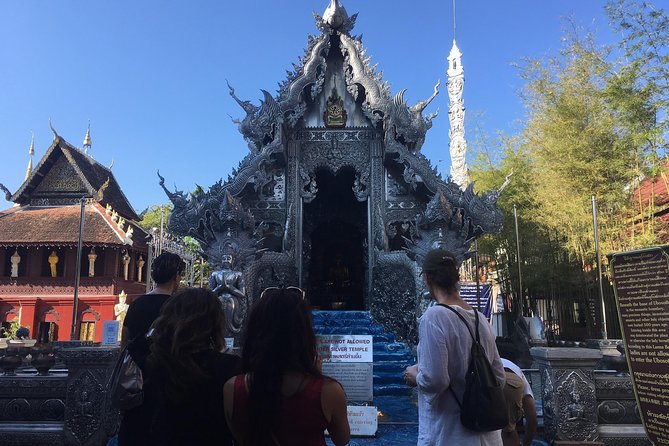
The tour starts at ThailandBiking – Chiang Mai Branch at Baan Nai Fun 1, 135/157, Soi 7-9, Tambon Pa Daet (Pa Daet area). It begins at 8:30 am and ends back at the meeting point.
Two practical notes from how this kind of tour tends to play out:
- Arriving early helps because there’s time for bike fitting, helmet check, and a quick route briefing.
- If you’re coming by taxi, don’t assume the driver will nail the address without help. I’d plan to have the pin/location ready on your phone.
Also, dress like you’re riding and visiting temples. Smart casual works best, and you’ll want clothing that’s comfortable for cycling but still acceptable for religious sites.
Stop 1: Wat Chedi Luang Varavihara—temple scale and atmosphere
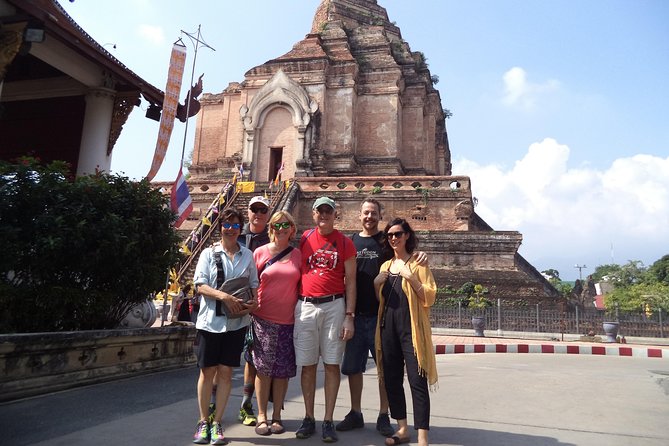
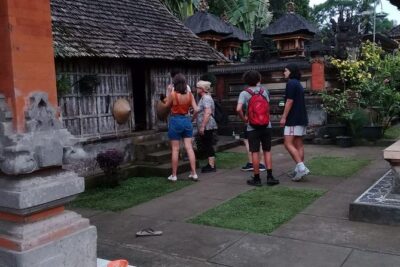
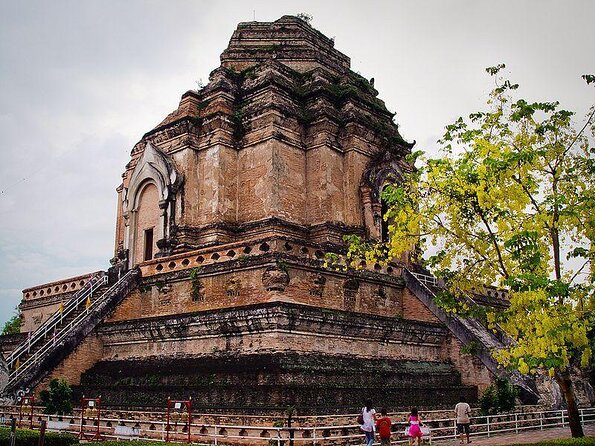
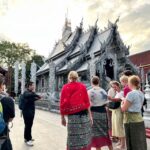
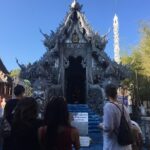
Your first temple stop is Wat Chedi Luang Varavihara (about 15 minutes). This is one of those places where you immediately notice the size and age, even if you don’t know all the details yet.
Why it’s a good start: you’re fresh. Morning energy makes it easier to take in the temple layout, listen to the guide’s context, and adjust your expectations for the rest of the ride. If you’ve never done a temple visit before, this first stop helps set the tone for how to look—what parts matter, how the space is meant to be understood, and what you might see beyond the main structures.
Possible drawback: 15 minutes can feel short if you want to linger for photos. So aim to use this time for orientation—then keep a slower pace for later shopping or a second visit another day if you fall in love with the place.
Stop 2: Wat Phra Singh—city-center spirituality
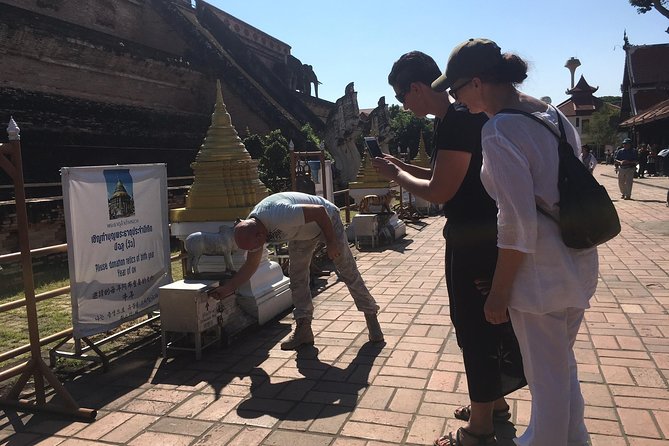
Next up is Wat Phra Singh, again about 15 minutes. This is described as the main temple of the city center, which makes sense for a tour that’s meant to give you Chiang Mai bearings fast.
This stop is valuable because it balances the first temple visit with a different kind of focus. You’re not just repeating the same sightseeing pattern. Instead, you get a second major landmark to compare what’s similar, what feels different, and how the city’s spiritual life shows up across different sites.
If you’re sensitive to crowds, mornings usually help. But even with that, remember you’re in the active, lived-in part of Chiang Mai. Keep your voice down, be mindful around people praying, and follow any clothing guidance from your guide.

The craft stop: a local silversmith you can’t replicate from a photo
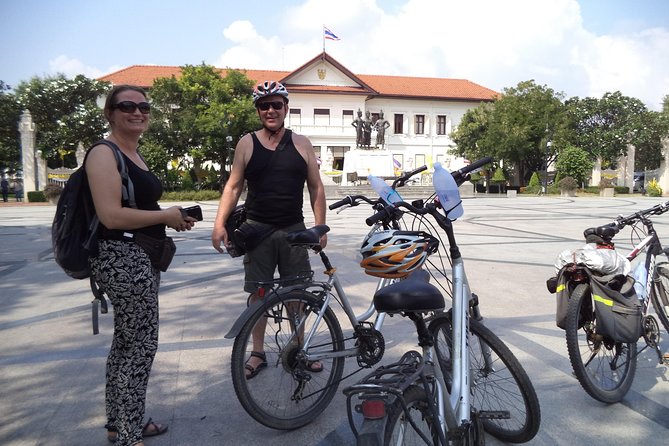
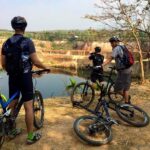
Between major temples, the route includes a visit to a local silversmith. This is one of my favorite parts of the itinerary design because it adds craft—something you can observe and relate to daily life.
Even without a deep technical background, craft stops help you understand what makes a city like Chiang Mai more than temples and street food. You’ll see how skilled work fits into the local economy and why certain materials and styles matter culturally.
One small caution: if you’re expecting a hands-on workshop, don’t assume it. The tour data calls it a visit to a local silversmith, so you should expect time to look and learn, not necessarily a full class. Your guide will help connect the details to what you’re seeing in the city.
Women’s Correctional Institution refreshments: respectful, structured, and brief
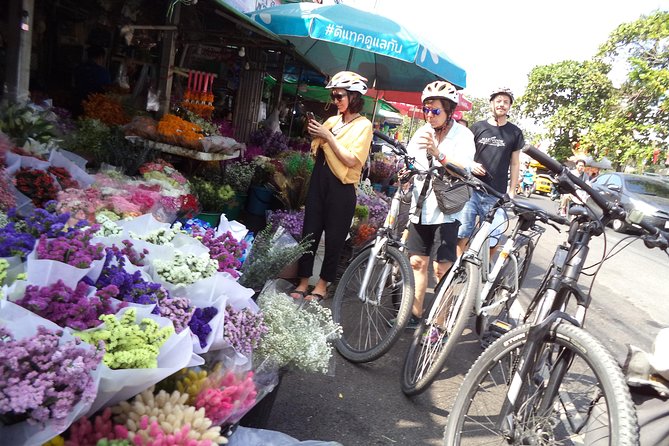
The tour also stops at Chiang Mai’s Women’s Correctional Institution for refreshments.
This is the kind of stop that can change how you see a place. It’s not a souvenir photo moment. It’s a structured pause that mixes context about society and everyday realities with a practical break during the ride.
Because the time is limited and the purpose is described as refreshments, your best approach is to stay present: listen to what your guide explains, use the break to rehydrate, and keep your conduct respectful.
If you’re someone who likes to judge a city only by what’s pretty, this stop may feel different. But that’s also what makes it meaningful in a tour built to cover culture, not just landmarks.
Beyond the center: Chinese community roads and market stops
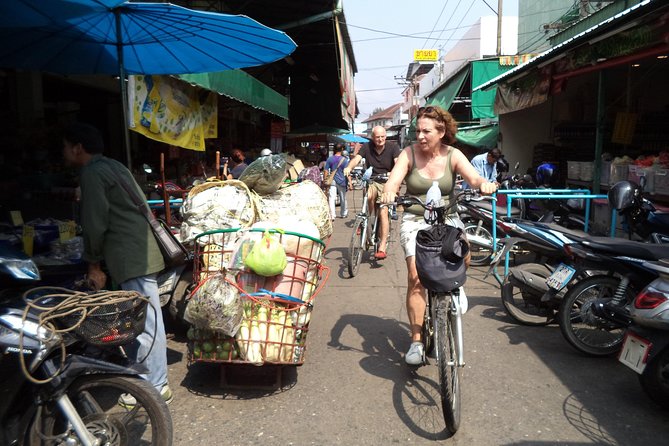
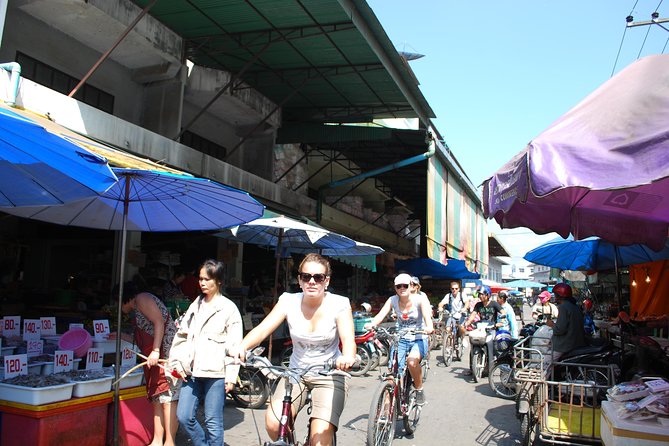
After the core temple area, the route shifts out to a Chinese community and includes fresh food and flower markets with products coming from around the region.
This section is where biking really shows its advantage. Walking through markets is fine, but cycling lets you cover the neighborhoods in a smoother loop while still stopping long enough to take in colors, smells, and choices—flowers, ingredients, and the everyday bustle of commerce.
I also like that the itinerary mixes types of sights:
- temples (meaning and tradition)
- craft (making and skill)
- community markets (food, trade, and seasonal goods)
It’s a more complete picture of Chiang Mai than a “temples only” half day.
One practical tip: markets can tempt you to buy items that don’t travel well. If you’re flying home soon, set a limit for food purchases and consider how you’ll carry fragile items (especially flowers, if you’re imagining taking anything with you).
The ride itself: pace, distance, and what experienced cyclist means
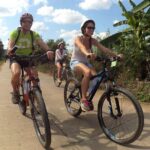
This tour covers about 16 miles (25 km) with multiple stops. That’s not just distance—it’s also stop-and-go time. The total duration is approximately 4 hours, so you’re spending a good part of the morning moving.
The key line here is experienced cyclist only. The tour also runs through narrow alleys and atmospheric neighborhoods, which usually means tighter streets than you’d find on wide roads. You don’t need to be a racer, but you do need to be comfortable with:
- consistent pedaling for stretches
- managing your position in a group
- cycling in tight, urban lanes
If you’re the type who wants a leisurely roll with zero effort, this won’t match your pace.
Group size is capped at 50 travelers, which usually keeps things manageable, but you’ll still be riding in a group dynamic. Follow your guide’s instructions, especially at crossings or slower sections.
Guides make or break it: Wit, Koi, and Mr. Tong
The most consistent praise here is about the guides. Names that come up include Wit, Koi, and Mr. Tong—and the theme is clear: the guidance isn’t just directions. It’s explanation.
One review noted that Wit was excellent and provided lots of detail about what you saw. Another mentioned Koi taking the group through country roads on a cycling version of a change of scenery (and that the meeting point can feel remote enough that even a taxi might struggle). Mr. Tong also appears in a thank-you note, reinforcing that the company leans on guide quality for this experience.
So when you book, don’t treat the tour like a checklist. Treat it like a guided walk, but by bike. Ask questions when you get a chance. The best moments often happen when you stop listening long enough to notice something your guide already explained.
What to pack and how to ride politely in temples
The dress code is smart casual with temple visits appropriate. That usually means clothes you’re comfortable cycling in, but that won’t leave you feeling underdressed when you’re standing in front of sacred spaces.
What I’d bring:
- a light layer if mornings are cool
- comfortable cycling shoes or sneakers with grip
- a small bottle for personal comfort (even though beverages are included)
- basic sunscreen and sunglasses, because a lot of your ride is outdoors
Temple behavior matters here. Keep it calm, follow your guide’s direction, and don’t assume short visits mean you can rush. Even at 15 minutes per temple, your guide will be timing it so you’re not pushing against prayer or crowd flow.
Sunday reality: when closures change the route
One caution is real-world: on Sunday, some parts of the itinerary can be closed, and the tour may shift accordingly.
That doesn’t mean the day is a bust. It does mean you should be mentally flexible. If your schedule is super tight, don’t treat this as your only chance to see every single stop type mentioned. If Sundays are your only option, consider planning one temple or market you could revisit on your own after the tour.
Who this tour is best for
This is a strong fit if you:
- want a first-timer overview without sitting in traffic-bound comfort
- like learning through walking-and-looking, but want it paired with real movement
- enjoy a mix of temples, craft, and markets
- can handle experienced cyclist pacing
It’s less ideal if you:
- aren’t comfortable cycling for stretches or riding in tight lanes
- hate group logistics and prefer solo travel
- need a purely relaxed, low-effort sightseeing plan
Should you book this Chiang Mai cycling tour?
I think you should book if you want a half day that gives you structure, context, and enough variety to understand Chiang Mai beyond the obvious. The included lunch, temple tickets for two major sites, and the fact you cover about 25 km with a guide make it good value for the time you have.
Skip or reconsider if you’re not truly an experienced cyclist, or if you’re traveling on a day when you can’t handle schedule changes (like Sundays with potential closures). And if you’re nervous about finding the meeting point, give yourself a little extra time—this is one of those tours where showing up calmly beats improvising.
If you match the riding level, this is one of the smarter ways to get bearings fast, then keep exploring the city on your own for the rest of your trip.
FAQ
How long is the Chiang Mai City Culture half-day cycling tour?
It runs for approximately 4 hours.
How much does the tour cost?
The price is $46.98 per person.
What route distance will I ride?
The route is about 16 miles (25 km).
What’s included in the price?
Included are a professional English-speaking guide, bicycle and helmet, insurance, beverages, lunch, and snacks. Temple admission tickets are included for Wat Chedi Luang and Wat Phra Singh.
What’s the meeting point and start time?
The tour starts at ThailandBiking – Chiang Mai Branch at Baan Nai Fun 1, 135/157, Soi 7-9, Tambon Pa Daet, with a start time of 8:30 am.
Is transportation to and from the attractions included?
No. Transportation to/from attractions is not included.
What level of cycling experience is required?
The tour is for experienced cyclists only.
How big are the groups?
The tour has a maximum of 50 travelers.
What do I need to provide for insurance?
You need to provide the names of all participants and their date of birth.
Can children join the tour?
Private tours with children under the age of 11 can only be booked directly with the company by phone.