REVIEW · WELLINGTON
Remutaka Rail Trail Mountain Bike Explorer Cycle Tour
Book on Viator →Operated by Wildfinder · Bookable on Viator
Ride an old rail line through native forest. This Remutaka Rail Trail mountain bike tour is a laid-back way to get into the Remutaka Ranges with the route handled for you. I like that bike, helmet, racks, and a pannier are all included, so you can focus on riding, not logistics. I also like that your day comes with lunch, snacks, and water. One thing to consider: the ride is easy-to-moderate overall, but the end section can feel tricky if you don’t ride often.
You’ll pedal with a small group (up to 11), get shuttled in and out, and spend about three hours on the trail as part of a half-day plan. Route lengths can be adjusted, from a standard ~18 km to a longer option depending on how you want to challenge yourself, plus you’ll get history points along the way.
In This Review
- Key things I’d circle before you book
- Wellington to Kaitoke: the morning rhythm that makes it easy
- Remutaka Rail Trail riding: what the difficulty feels like
- Pakuratahi Forest and birds: the scenery you’ll actually notice
- Tunnels and the suspension bridge: the signature moments
- What’s included: the real value of bikes, racks, lunch, and shuttles
- Guide support: easy to follow, but not a full ride leader
- Clothing, shoes, and the weather reality
- Price and value: is $124.11 worth it?
- Who should book this ride (and who should reconsider)?
- Should you book the Remutaka Rail Trail Mountain Bike Tour?
- FAQ
- Where is the pickup for this tour?
- How long does the cycling take?
- What bike and safety gear do I get?
- Is lunch included?
- Do I need to be an experienced cyclist?
- Is there an on-trail guide?
- What should I wear and bring?
- What happens if the weather is bad or I need to cancel?
Key things I’d circle before you book
- Shuttle-first, ride-second: pick up in Wellington, transferred to Kaitoke, then returned via Featherston
- Gear included: bikes, helmets, and a pannier/rack setup for your personal items
- Native forest riding: expect birds and forest scenery right out of the gate
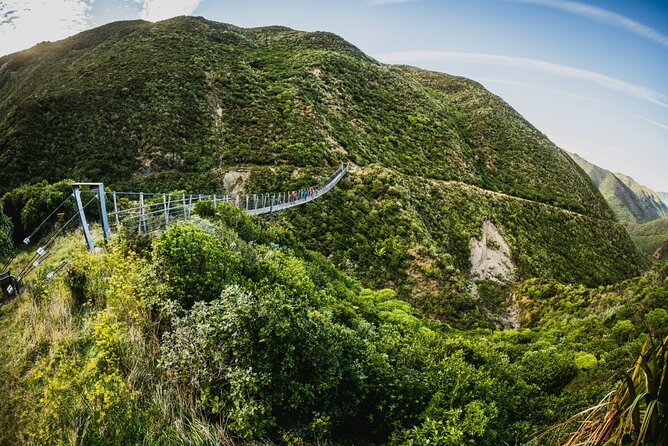
- Rail-trail highlights: tunnels and a long suspension bridge are part of the fun
- Flexible distance: the standard route can be lengthened or shortened
- Small group feel: maximum 11 travellers, not a big chaotic pack
Wellington to Kaitoke: the morning rhythm that makes it easy
This is set up like a true day trip. You meet at 9:15am at Wellington Port if you’re coming from a cruise ship, or at 9:30am at Wellington Station (main entrance). From there, you get shuttled to the trail start at Kaitoke, so you’re not trying to figure out transport with a bike in tow.
The whole experience runs about 6 hours from start to finish, but don’t expect all of that time to be pedaling. A big chunk is travel and setup, then you settle into the ride itself for around three hours. That pacing matters because it keeps the day feeling like an adventure, not an endurance event.
Bring the info they ask for at booking. You’ll want to share your dietary requirements (they’ll sort lunch accordingly) and your height so the bike sizing works smoothly. Also, you’ll get a mobile ticket, which is convenient if you’re traveling light.
You can also read our reviews of more tours and experiences in Wellington.
Remutaka Rail Trail riding: what the difficulty feels like
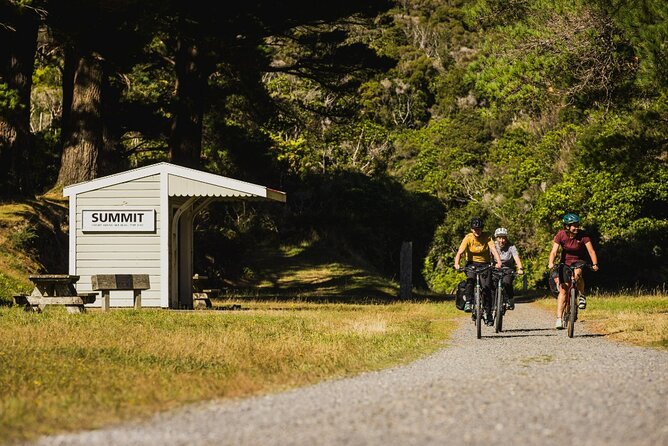
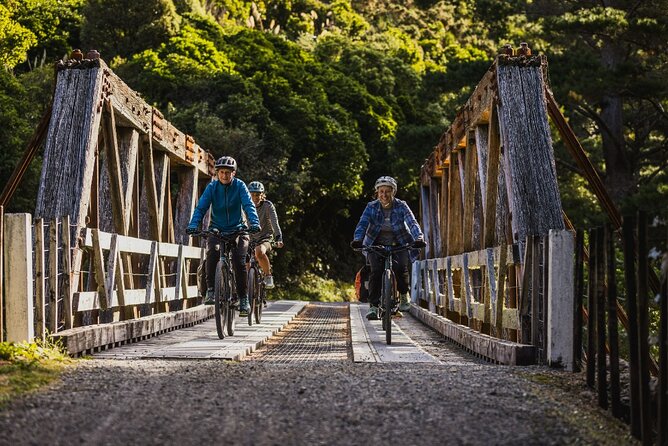
The Remutaka Cycle Trail is described as easy-to-moderate, designed for riders who want nature time without a technical bike-race vibe. The standard distance is about 18 km (11 miles), and you can lengthen or shorten your ride depending on how you feel. There’s also a longer 28 km option starting from Kaitoke, which is recommended for riders who want to cruise and take their time.
On a trail like this, the “workout” usually comes in the climbs, not from rough ground. One rider’s note that a regular bike delivered a decent workout on the uphill part is a good clue. If you’re comfortable riding for an hour or two at an easy-moderate pace, you’ll probably feel fine.
Because this is an old rail-grade style route, you’re not dealing with constant stop-and-go traffic. You’re on a route where your effort comes in waves: pedal steady, roll through the scenery, then turn your attention to the next big feature (like tunnels and bridges). It feels active, but it doesn’t feel punishing.
Pakuratahi Forest and birds: the scenery you’ll actually notice
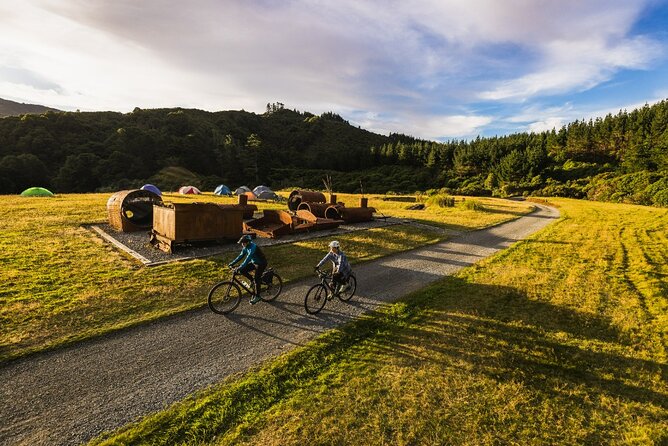
The trail starts with forest riding in the Pakuratahi Forest, and it’s one of those details that can make the whole day feel special. You’re not just cycling through greenery for the photos; it’s the kind of place where birds and creeks become part of your rhythm.
Expect native bird life to be a highlight. In one account, the quiet of the trail helped someone spot lots of birds and even listen to water in nearby creeks. That’s the value of a rail trail setting: you hear more, you watch more, and the day feels calmer than street cycling.
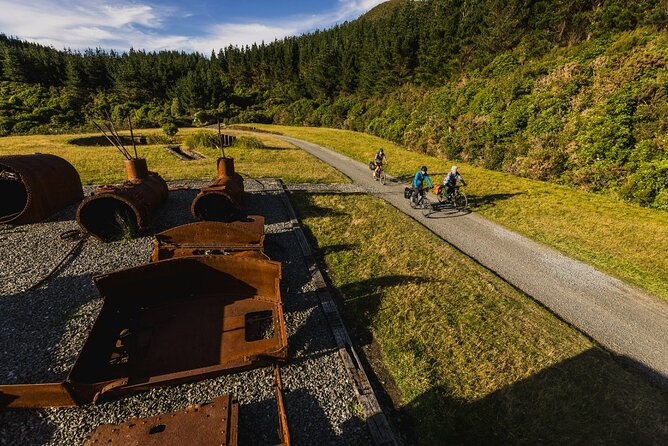
Also, keep your eyes on the history and story points. There are information stations along the way, and your briefing covers what to expect so you don’t feel like you’re missing context. You’ll get a stronger sense of place because the ride isn’t only about movement.
Tunnels and the suspension bridge: the signature moments

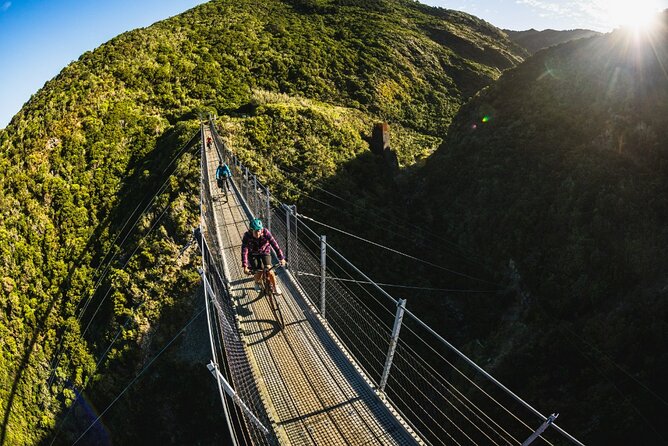
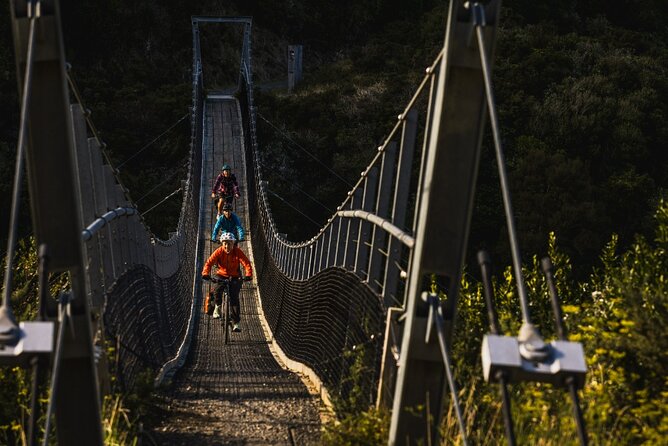
If you’re the type who loves a “this is why I came” moment, the Remutaka Rail Trail delivers. The route includes tunnels, plus a long suspension bridge that becomes a mental bookmark during the ride.
Tunnels change how the ride feels. Even if the trail is smooth, a tunnel adds sensory contrast—cooler air, shifting light, and a quick pause from open views. They’re also great moments to slow down, check your bike control, and stay comfortable.
Then you get the suspension bridge. This is where the scenery shifts from forest-close to wide-open views, and the day feels bigger. One rider specifically called out the bridge plus tunnels and described the ride as fun and varied. If you like seeing changing scenery instead of repeating the same stretch, these features are a big part of the appeal.
What’s included: the real value of bikes, racks, lunch, and shuttles
The headline price includes what most people usually end up paying for separately: transport, equipment, and food. That’s why this tour feels like good value, even if you’re comparing it to cheaper “bike rental only” options.
Here’s what you get:
- Lunch, snacks, and water (you just need to message dietary needs)
- All equipment: mountain bike, helmet, and the safety gear setup
- A rack and pannier bag for your personal effects
- Shuttles to and from Wellington, including the transfer to Kaitoke and the return down through the Hutt Valley
- A friendly host who gives trail info and what to expect
Why this matters: it removes friction. You don’t have to coordinate bike pickup, figure out sizing, or worry about where to stash your stuff. The pannier/rack setup also means you can carry a jacket or small items without feeling like you’re “riding underpacked.”
At the end of the ride, you’ll return via a pickup point in Featherston (at the Royal Hotel). You’ll be shuttled back to Wellington Station around 3:30–3:45pm, or to Wellington Port for cruise ship guests.
Guide support: easy to follow, but not a full ride leader
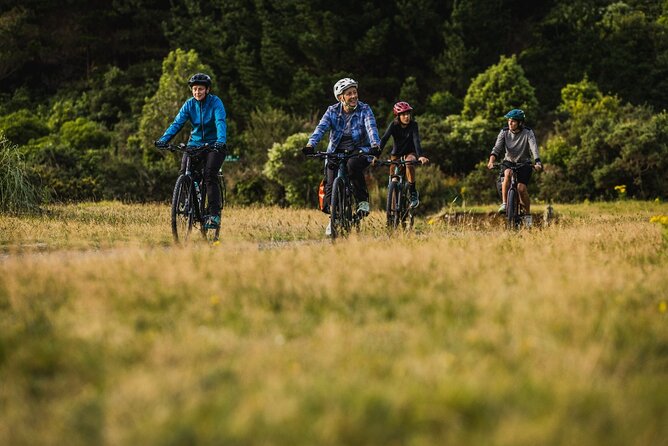
This one is worth understanding clearly. There is no on-trail guide on the ride itself. Your staff will do a briefing and answer questions, and the trail is easy to follow with information stations along the way.
So what does that mean for you? If you like cycling independently but still want someone to handle the “what is coming next” part, this is a good setup. It’s also why the route is described as easy to navigate and why they can keep the experience simple without a guide pedaling beside you.
It also means you should show up confident in basic bike handling. You don’t need to be a racer, but you do need to be comfortable staying balanced and focused—especially near the ending stretch.
Clothing, shoes, and the weather reality
You’ll get best results if you dress for the outdoors first, and for comfort second. Closed shoes are required all the time. Running shoes work well, and you’ll want something stable rather than sandals.
For warmer months, think shorts and a t-shirt for riding, with a light jacket in reserve. In colder months, swap to long pants or tights (nothing baggy that can catch on the bike), plus a t-shirt, fleece, and a light jacket. Dress like the weather could shift, because it can.
The tour is subject to favourable weather conditions. If it gets canceled due to poor weather, you’ll get the option of another date or a full refund. And if rain shows up, try to be ready. One rider noted they were lent rain gear when they didn’t bring any, which is great—but it’s smart to pack your own just in case.
Finally: the ride’s overall difficulty is manageable, but that end section can be a little tricky if you don’t ride often. If you’re a brand-new cyclist, consider choosing the shorter distance option and go slow at the end.
Price and value: is $124.11 worth it?
At $124.11 per person for roughly a six-hour half-day, you’re paying for a bundle: planning + transport + gear + food. Bike rentals alone can eat up a chunk of that, and then you still need to solve transport and meals.
This price includes:
- bike and helmet (plus the safety gear setup)
- racks and a pannier bag
- lunch, snacks, and water
- shuttles to and from the trail
- a host who shares trail info and expectations
- taxes/fees included
The “value” part is that you show up, get sized and equipped, then ride without extra payments popping up later. And because the group is small (max 11), the day tends to feel organized rather than rushed.
If you already have a mountain bike, helmet, and a way to reach Kaitoke and return, the deal is less dramatic. But for most visitors (and plenty of locals), that end-to-end convenience is exactly what you’re buying.
Who should book this ride (and who should reconsider)?
This tour is a strong match if you want:
- an active outdoor day in the Remutaka Ranges
- a route that’s easy-to-moderate and not technical
- the chance to see tunnels, forest, and a suspension bridge
- food and water sorted, plus gear included
- a guided briefing so you don’t spend your energy getting oriented
You might reconsider if you:
- don’t feel comfortable with basic bike control near the end stretch
- can’t handle a bit of uphill effort on a regular bike
- are extremely weather-sensitive (since the tour depends on good conditions)
The tour is also built for a mix of riders. Their description explicitly says beginner and advanced cyclists can enjoy it, and the distance flexibility supports that.
Should you book the Remutaka Rail Trail Mountain Bike Tour?
Yes, if you want a smooth, practical way to experience the Remutaka Cycle Trail without complicated planning. I’d especially recommend it for first-time visitors to the Wellington area who want nature time, but still want the day to run on schedule with food and equipment handled.
Book it with confidence if you’re comfortable riding a regular bike for a couple of hours at an easy-moderate effort. If you’re newer on two wheels, choose the shorter option, take your time on the end, and treat the day like a scenic ride with an occasional challenge—not a “go hard” workout.
FAQ
Where is the pickup for this tour?
You can be picked up at 9:15am from Wellington Port (cruise ship guests only) or at 9:30am from Wellington Station (main entrance). The tour then shuttles you to the start of the trail at Kaitoke.
How long does the cycling take?
The experience is about 6 hours in total, with around 3 hours spent cycling on the trail.
What bike and safety gear do I get?
All equipment is provided, including a mountain bike and a helmet, along with other safety gear, racks, and a pannier bag for personal items.
Is lunch included?
Yes. Lunch, snacks, and water are included.
Do I need to be an experienced cyclist?
No, you don’t need to be an expert. The trail is described as easy-to-moderate and suitable for beginners and advanced cyclists, though you should have at least a moderate fitness level.
Is there an on-trail guide?
An on-trail guide is not included. Staff will brief you and answer questions, and the trail is designed to be easy to follow with information stations along the route.
What should I wear and bring?
Wear closed shoes (running shoes are perfect) and dress for outdoor activity. Bring a light jacket as reserve in warmer months, and in colder months wear layers (nothing baggy that could catch on the bike).
What happens if the weather is bad or I need to cancel?
The tour depends on favourable weather. If it’s canceled due to poor weather, you’ll be offered an alternative date or a full refund. You can cancel up to 24 hours in advance for a full refund. If you cancel less than 24 hours before the start time, the amount paid isn’t refunded.