REVIEW · CORSICA
guided ride on the Plateau du Coscione by electric mountain bike
Book on Viator →Operated by E.bike Mountain · Bookable on Viator
An electric bike makes Corsica feel easy. On the Plateau du Coscione you glide through pastoral country above the GR 20, with real guide-led context and just enough effort to keep it fun. I love how the electric assist makes the ride quietly doable, and I love how the regional guides connect what you’re seeing—pozzines, sheepfolds, and shepherd life—to Corsica’s deeper rhythms.
I went in expecting scenery; I left with a better sense of why this plateau matters. Jean-Marc and Antony point out natural heritage like the aconite of Corsica and explain how transhumance shaped daily life here, not just how to pedal.
One watch-out: this is a good-weather experience, and it’s still a mountain outing. Plan for about 4 to 6 hours on the bike with a moderate fitness base, and bring the right attitude for time in the elements.
In This Review
- Key points before you go
- The Plateau du Coscione ride: what makes it special
- Electric mountain bikes: why 20 km can feel like a win
- Stop 1: pozzines, sheepfolds, GR 20 refuge country, and endemic plants
- What to expect
- A practical consideration
- Stop 2: beneath the highest peak in southern Corsica
- Lunch and wrap-up stops: where the day turns local
- Bikes and gear: what you actually get
- The guides: Jean-Marc and Antony set the tone
- Timing, duration, and meeting point basics
- Getting there: Zicavo can be easier than Quenza
- Price and value: what $107.23 buys you
- Who this tour is best for (and who should think twice)
- What to watch for on your day
- Should you book the electric ride on the Coscione plateau?
- FAQ
- How long is the Plateau du Coscione electric bike ride?
- What’s included in the price of $107.23 per person?
- Is the tour offered in English?
- What fitness level do I need?
- How many people are in the group?
- What time does the tour start?
- Is good weather required?
Key points before you go
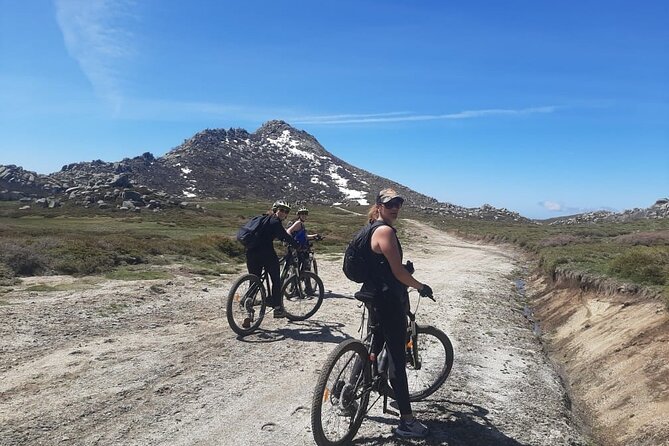
- Quiet, beginner-friendly pedaling thanks to electric assist on mountain tracks
- Pastoral focus: pozzines, sheepfolds, shepherd routes, and transhumance context
- GR 20 refuge country with stops tied to the famous trail network
- Endemic wildlife spotting potential, including the aconite of Corsica
- Small group size (max 9) for a relaxed pace and real guide attention
The Plateau du Coscione ride: what makes it special
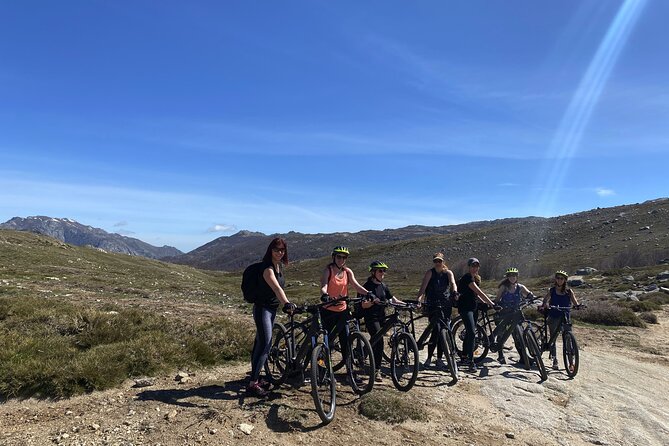
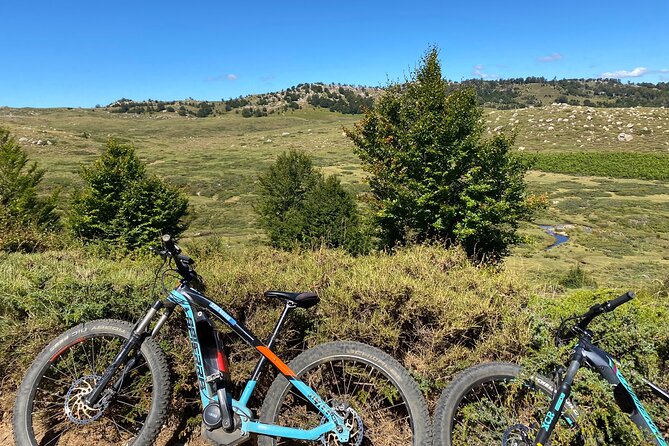
The Plateau du Coscione isn’t just a place with good views. It’s a high, open world where grazing traditions still shape the land. You ride above Corsica’s inland heart and spend time in areas linked to the GR 20—famous, yes, but also very real in how it threads through refuges and working pastoral country.
What I like most is the way the outing balances nature and human history. You’re not only looking at rocks and plants; you’re hearing how shepherding and seasonal movement influenced what survived and what became part of the landscape—like the sheepfolds you pass and the shepherd activity you learn to notice.
And because it’s an electric mountain bike, you can actually appreciate the details without arriving wrecked. The assist helps you keep moving on uneven terrain, so the day stays about discovery instead of survival.
Electric mountain bikes: why 20 km can feel like a win
Most people think “mountain bike” and picture grinding uphill the whole time. Here, the electric assist changes the whole tone. You still feel the mountain, but you don’t feel punished by it.
A common ride distance is around 20 km, and that’s a big reason this tour often works for beginners and even kids (when accompanied and comfortable on bikes). You’re guided on the route, helmeted and geared up, and the pace is kept within a practical touring rhythm rather than a workout contest.
That also matters for your attention span. When you’re not fighting the bike constantly, you can actually look around—at grazing animals, at the pozzines, and at the ways water and shelter shape how the plateau functions.
Stop 1: pozzines, sheepfolds, GR 20 refuge country, and endemic plants
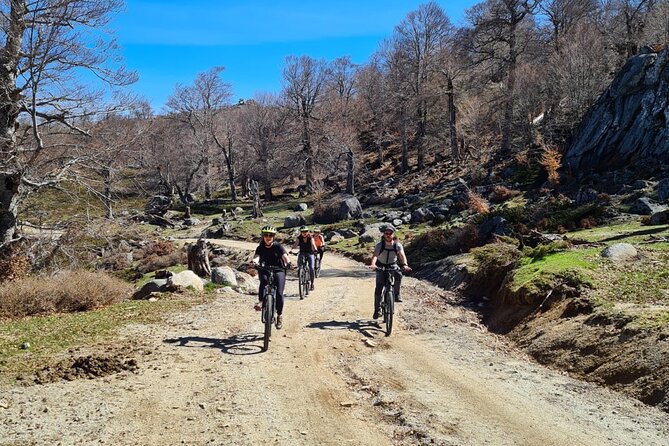
The first major stop is all about learning the plateau as a system. You’ll discover the broad Coscione plateau area, including pozzines, sheepfolds, and shepherd life, plus the refuges connected to the GR 20.
This is where the guide work pays off. Without instruction, it’s easy to see a high plateau as “pretty and empty.” With the context, you start noticing patterns: where shepherd routes make sense, where water sources become the center of activity, and how refuges fit into the wider trail story.
You’ll also get pointed toward endemic species—one highlighted is the aconite of Corsica. Even if you don’t spot it on every outing, the plant talk is useful because it teaches you to scan with purpose instead of just walking past things.
What to expect
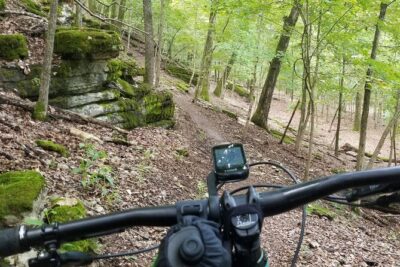
You’ll ride through open plateau terrain and reach areas where shepherding history isn’t a museum fact—it’s part of how the place still works. The pace is set for sightseeing, not for racing.
A practical consideration
This stop relies on daylight and conditions. If visibility is poor or weather is unsettled, your guide may keep the focus tighter on safe riding and essential viewpoints. Good weather makes the interpretive parts much more rewarding.
Stop 2: beneath the highest peak in southern Corsica
After you’ve absorbed the pastoral side of the plateau, you shift into bigger mountain energy. The route passes at the foot of the highest peak in southern Corsica, and a stop is planned so you can actually admire the giant in front of you.
This is one of those moments where an electric bike is perfect. If you had to hike everything, you’d arrive short of breath and rushed. Here, you arrive ready to look—at scale, at ridgelines, and at how the plateau sits in relation to the surrounding peaks.
Even if you’re not a “mountain person,” the stop works because it’s timed for views rather than endurance. You get your photo moment without turning the day into a slog.
Lunch and wrap-up stops: where the day turns local
Included in the price is lunch, and it’s the kind of support that keeps the outing comfortable. You don’t want to be managing a packed-day bike ride with a hunger gap in the middle.
Several riders also describe a pleasant finish connected to the refuge of Bassetta, where local products are available and the people running the refuge make you feel welcome. That kind of wrap-up is worth paying attention to, because it turns the experience from just “a ride” into a real taste of the region’s mountain rhythm.
If you have dietary needs, check ahead. The only specific non-included item listed is soda/pop, so you should plan on what you typically drink during the day and ask the operator what’s offered with lunch.
Bikes and gear: what you actually get
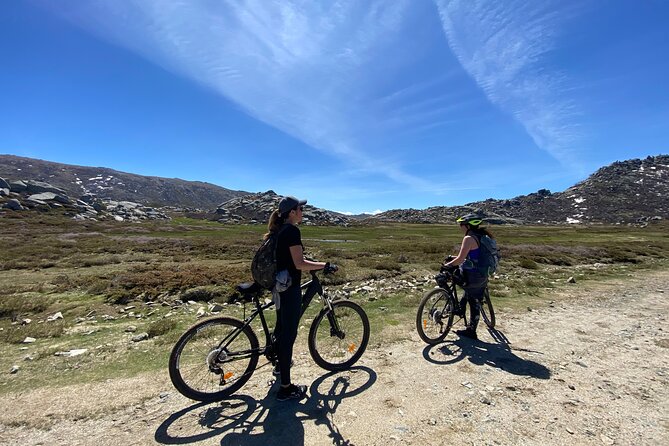
This tour is set up so you don’t have to bring much beyond yourself. You get the bicycle plus safety and comfort extras:
- helmet
- gloves
- saddle cover
- puncture-proof kit
That puncture kit detail might sound small, but it matters on a plateau where you want the day to keep moving. Also, gloves and a saddle cover are about comfort as much as safety. You’ll ride longer than you think, and your hands and backside will thank you.
The bikes are described as new by riders, and the overall vibe is friendly and organized. That combo matters because electric bikes are easy to use, but only if you get a quick, clear orientation at the start.
The guides: Jean-Marc and Antony set the tone
A big part of why this ride lands well is the human factor. Riders specifically call out Jean-Marc and Antony as attentive and ready to help with organization during the day.
Good guiding here isn’t just pointing at views. It’s explaining what you’re seeing: pastoral traditions like transhumance, why refuges matter in the GR 20 network, and how endemic plants fit into Corsica’s natural identity. You finish with the sense that you learned something concrete, not just took pictures.
And with a maximum of 9 travelers, the guide can slow down when someone has a question or needs a moment on a tricky section.
Timing, duration, and meeting point basics
The ride starts at 9:30 am and usually runs about 4 to 6 hours. It ends back at the meeting point, so you’re not stuck planning a separate return.
You’ll want to arrive ready for the start time because the day is designed as a half-day flow: bike setup, guided riding, two main focus sections on the plateau, then lunch and a relaxed wrap.
The experience is offered in English, and you should receive confirmation within 48 hours of booking, based on availability. A mobile ticket is used, and the meeting area is described as near public transportation, which is useful if you’re not renting a car.
Getting there: Zicavo can be easier than Quenza
If you’re driving in the area, here’s a practical tip that came up clearly: access to the Coscione plateau is often easier via Zicavo than via Quenza. One rider notes the Zicavo road is narrow but maintained until the end, while the Quenza route involves a long, very bumpy track that’s rough enough that fragile cars should avoid it.
This doesn’t change the tour itself, but it can save you stress before the ride even starts. If you’re not sure which route to take, ask the operator what they recommend for your vehicle type and current road conditions.
Price and value: what $107.23 buys you
At $107.23 per person, this ride can feel like a “splurge,” but the value is solid when you add up what’s included.
You’re paying for:
- electric mountain bike use
- all core safety/comfort gear (helmet, gloves, saddle cover)
- a puncture-proof kit
- lunch
- a certified regional guide
- a guided route that takes you through a big, high-priority area of the plateau
Also, you’re not just paying for the bike. You’re paying for guided interpretation—pastoral history, transhumance, GR 20 connections, and the natural heritage of the plateau. When you factor in that context, the cost looks more like a paid day of local expertise plus equipment plus food.
The main item not included is soda/pop, so budget a bit if you’re particular about drinks. Otherwise, the essentials seem handled.
Who this tour is best for (and who should think twice)
This works best if you want:
- a scenic mountain outing without technical cycling pressure
- a guided focus on nature plus shepherding history
- an electric bike experience that feels approachable
It’s a great fit for beginners, and riders mention the route being suitable for children with the right bike comfort level. The operator also calls for moderate physical fitness, which usually means you should be able to ride comfortably for the full time window and handle uneven ground without panic.
Think twice if you:
- expect a purely flat, casual stroll
- hate weather uncertainty (the tour requires good weather)
- need frequent stops for medical reasons (the ride is guided but still structured as an outing)
What to watch for on your day
This experience requires good weather. If conditions are poor, you’ll be offered a different date or receive a full refund.
Also keep a realistic approach to the day’s length. Even with electric assist, you’re out for half a day. That means layers, comfortable clothing, and a mindset that you’ll spend time outdoors on a plateau.
If you’re easily bothered by narrow roads while driving to the area, take the Zicavo route advice seriously. And if you have concerns about how electric bikes will feel, ask for an overview at the start so you’re confident with assistance before you move onto the plateau tracks.
Should you book the electric ride on the Coscione plateau?
Book it if you want to experience Corsica’s high pastoral world without turning the day into a hike. The electric bikes keep the ride quiet and manageable, and the guide focus—Jean-Marc and Antony are specifically mentioned—turns the plateau into a story you can follow.
You might skip it if you can’t be flexible about weather or if you prefer self-guided cycling with no interpretation. This is a guided, structured outing: it’s meant to teach you and move at a touring pace, not to let you freestyle.
If you match the “moderate fitness, good weather” box, this is a strong value day: bike, safety gear, lunch, and local knowledge bundled into one smooth half-day plan.
FAQ
How long is the Plateau du Coscione electric bike ride?
It runs about 4 to 6 hours, depending on conditions and the flow of the route.
What’s included in the price of $107.23 per person?
You get use of the bicycle, helmet, gloves, saddle cover, a puncture-proof kit, lunch, and a certified guide from the region.
Is the tour offered in English?
Yes, it’s offered in English.
What fitness level do I need?
The tour is described as suitable for people with moderate physical fitness.
How many people are in the group?
The group size is limited to a maximum of 9 travelers.
What time does the tour start?
The start time is 9:30 am, and it ends back at the meeting point.
Is good weather required?
Yes. If it’s canceled due to poor weather, you’ll be offered a different date or a full refund.