REVIEW · KYOTO PREFECTURE
Kyoto Satoyama Cycling with Lunch and English Guide
Book on Viator →Operated by Kyoto Satoyama cycling tour · Bookable on Viator
A quiet countryside ride near Kyoto can feel like a secret reset. This e-bike tour turns Sonobe’s Satoyama scenery—birds, river sounds, farm roads—into a guided morning with shrine stops and either a hands-on soba meal or a traditional-house lunch. I especially like the local English guidance and the fact that lunch ties directly to the region’s food culture. One drawback to note: the day can run past your expectations if you add optional activities like Mario Mountain exploration.
You start at a set meeting point in Sonobechō, and the itinerary is paced for an easy-going group ride: you’ll spend roughly 10–20 minutes between stops, then settle in for longer experiences, especially the soba-making segment. It’s also designed with flexibility in mind—vegan and allergy-friendly meals are available with advance request, and you can add extra cultural moments such as kimono photos and koto.
In This Review
- Key Highlights You’ll Actually Use
- Sonobe Satoyama: Why This Kyoto Day Feels Different
- E-Bike Timing and What 4–5 Hours Means in Real Life
- Course A vs Course B: Two Lunch Styles, Both Local
- Course A: Hands-on Soba Making + Soba Set Meal
- Course B: Local Produce at a Traditional Japanese House
- Stop 1: Ikimi Tenmangu Shrine and the Exam-Success Tradition
- Stop 2: Sonobe Castle Ruins (Now Part of a High School)
- Stop 3: The Former School Soba Workshop (Course A’s Best Moment)
- Stop 4: Make Shrine and the Agriculture Connection
- Optional Add-Ons: Kimono Photo, Koto Music, Spring Water, and Mt. Komugi
- Guide Energy and the Practical Touches That Matter
- Pricing: Is It Worth About $78.83 (15,000 Yen)?
- Who Should Book This Tour (and Who Might Prefer Another Plan)
- Should You Book Kyoto Satoyama Cycling with Lunch and an English Guide?
- FAQ
- What does the tour include?
- Where does the tour start?
- What time does the tour start?
- How long is the tour?
- What are the main itinerary stops?
- Are entrance fees required for the stops?
- Can I request vegan or allergy-friendly meals?
- Do I have to pay extra for kimono or koto?
- What happens if the weather is bad?
- Is this a private tour?
Key Highlights You’ll Actually Use
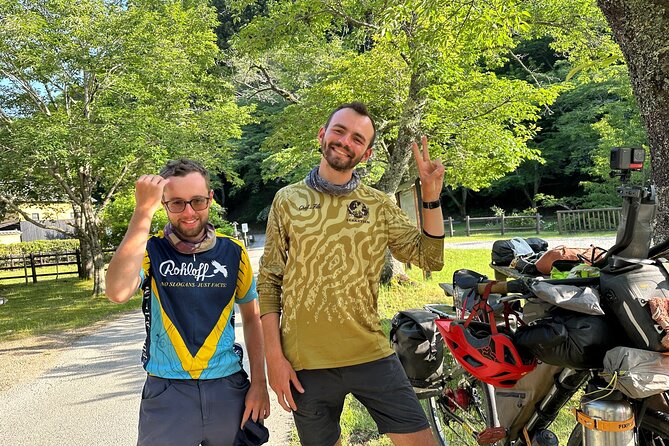
- Sonobe Satoyama countryside ride close to Kyoto, with a calm rural feel and guided stops.
- Two lunch routes: hands-on soba making with a soba set meal (Course A) or a traditional Japanese house-style meal with local produce (Course B).
- Ikimi Tenmangu Shrine: an exam-success stop tied to Sugawara no Michizane.
- Sonobe Castle ruins: the last castle built in Japan, now serving as part of Sonobe High School.
- Optional add-ons included: kimono photo and koto are free, plus spring-water and Mt. Komugi options.
- Weather + comfort planning: safety gear and cold-weather help like disposable hand warmers and neck warmers.
Sonobe Satoyama: Why This Kyoto Day Feels Different
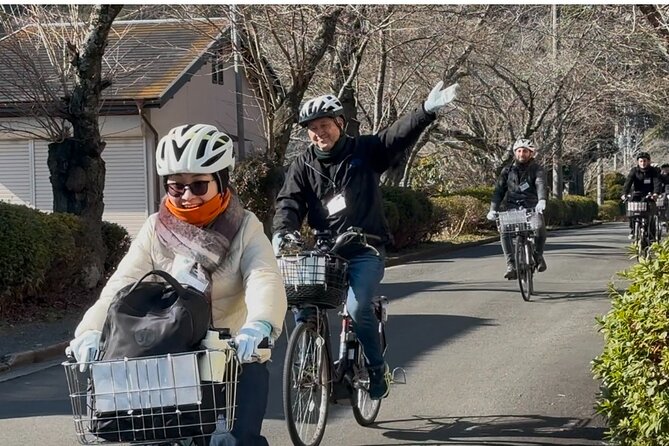
Kyoto is famous for temples, but it’s easy to forget Kyoto has countryside too. This tour is built around Satoyama, the lived-in rural landscape where farms, woods, small rivers, and village life blend together. Instead of rushing from one big sight to the next, you bike through the kind of road scenery you rarely see when you stay strictly inside the main city grid.
The biggest value is that the countryside experience comes with context. The guide is from the area, so you’re not just moving through scenery—you’re being told what to notice: how the local food culture connects to the land, how shrines fit into community history, and why certain spots matter beyond being a quick photo stop.
You’ll also get a gentle dose of nostalgia. One of the stops is at a former elementary school, which changes the tone from tourism checklist to something more hands-on and human-scale. Add that your ride is on an e-bike, and the whole thing stays friendly even if you don’t ride much.
You can also read our reviews of more tours and experiences in Kyoto Prefecture.
E-Bike Timing and What 4–5 Hours Means in Real Life
On paper, the tour lasts about 4 to 5 hours. In practice, that includes more than just riding. The route is paced so travel between points is about 10–20 minutes, and then you get concentrated time at key stops—especially the soba-making portion.
You start at 10:00 am and return to the meeting point at the end. The cycling itself is meant to be manageable. Still, it’s worth coming prepared to ride for stretches of time—even if they’re short—because the day’s flow depends on keeping everyone moving.
One consideration: the tour can extend past 2:00 pm if you choose extra experiences, particularly Mt. Komugi (the birthplace of Mario). If you’re trying to catch a train later in the afternoon, this is the one choice that most affects your schedule. If you like breathing room, keep your add-ons to the simpler cultural options first (kimono photo and koto), then decide on the bigger hiking-style add-ons on the day.
Course A vs Course B: Two Lunch Styles, Both Local
Lunch is not an afterthought here. It’s the centerpiece, and you choose the vibe.
Course A: Hands-on Soba Making + Soba Set Meal
If you pick Course A, you’ll head to a former elementary school area for a soba noodle-making experience using buckwheat flour harvested locally. You don’t just watch—you make the noodles, then you eat them right after they’re boiled. Along with the soba, you’ll also get tempura and rice balls, so you’re not leaving hungry if your appetite runs big on an active morning.
This is the course I’d recommend if you want an activity you can remember—not just a meal you consumed. Noodle-making has that great skill-and-luck combo. Even if your technique isn’t perfect, the point is you’re doing it in a real local setting with regional ingredients.
Course B: Local Produce at a Traditional Japanese House
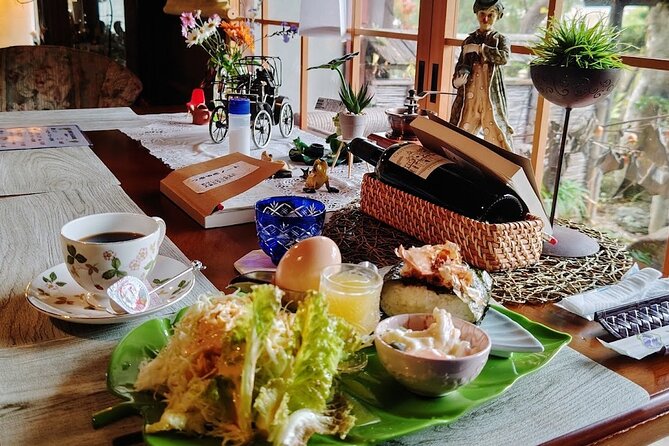
Course B leans more toward a sit-down cultural meal. You eat at a restaurant in a traditional Japanese house, focused on local produce. This option can be a better match if you’d rather spend your energy on riding and exploring, not on a cooking station.
Both courses support special diets. If you’re vegan, vegetarian, or have allergies, request adjustments ahead of time, and they’ll work with you. That matters because rural food experiences can sometimes get tricky on dietary restrictions, so it’s good this tour is set up to handle it.
Stop 1: Ikimi Tenmangu Shrine and the Exam-Success Tradition
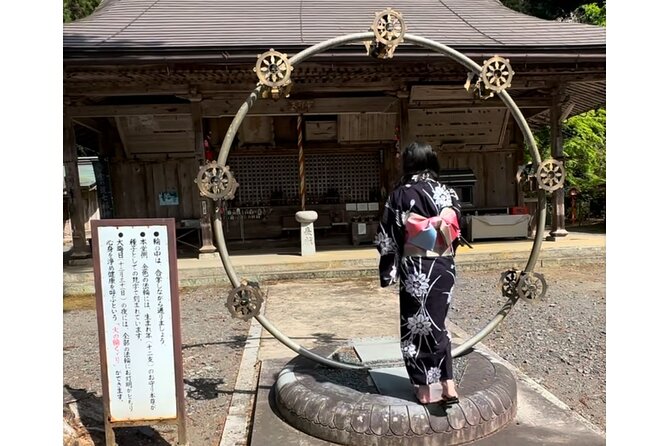
Your first official stop is Ikimi Tenmangu Shrine, which is described as the oldest Tenmangu Shrine in Japan. It enshrines Sugawara no Michizane, commonly associated with learning and academic success. This is why you’ll see people visiting with prayers that connect directly to exams and study goals.
Why it works on a cycling tour: it’s quick enough to fit the day’s pace but meaningful enough to feel like more than a roadside landmark. Tenmangu shrines also tend to have a calm atmosphere that resets your brain after the initial ride and gets you into the local spiritual tone before the day turns more playful with food.
Stop 2: Sonobe Castle Ruins (Now Part of a High School)
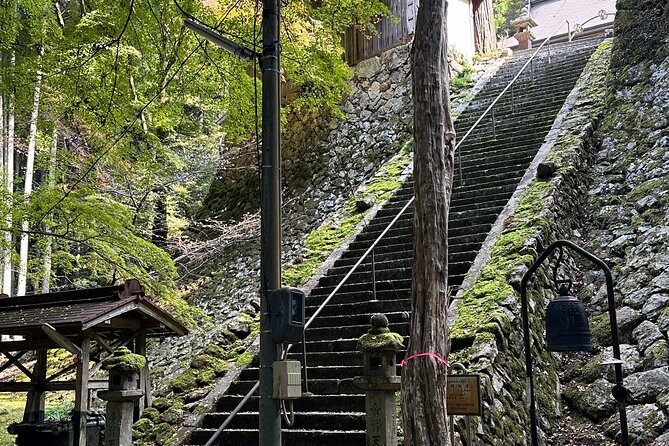
Next up is the ruins of Sonobe Castle, and this stop has a rare trivia hook that’s more than just a fact to brag about. It’s called the last castle built in Japan, and today the remaining structures are used as the main gate of Sonobe High School.
You’ll see features like the main gate, castle walls, turrets, and a guardhouse. It’s a grounded kind of history. Instead of being sealed behind ropes like a museum set, you get a sense of how history keeps living in everyday places—school life and old stone structures sharing the same space.
A drawback? This part is more “look and learn” than “hands-on.” If you’re the type who wants constant activity, you may wish you had a bit more time for photos and slower browsing. But the overall tour is still balanced because the soba stop later brings the hands-on energy.
Stop 3: The Former School Soba Workshop (Course A’s Best Moment)
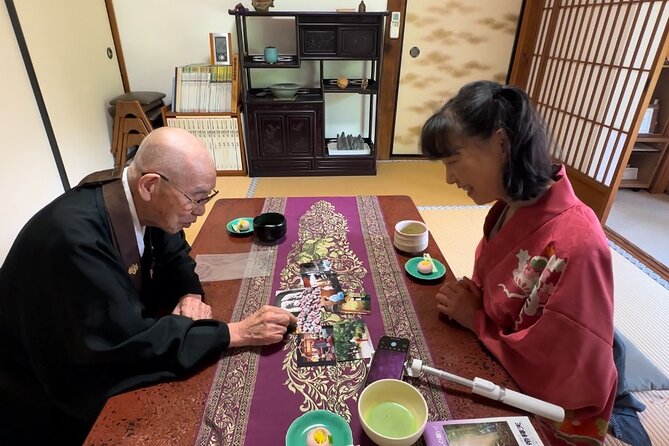
This is where the tour really becomes a story you can tell later.
At the closed elementary school area, you’ll do the soba noodle experience with locally harvested buckwheat flour. The practical charm is that you’re working in a setting that already feels community-based, like a village workshop rather than a commercial kitchen.
Then comes the best part: freshly boiled soba. You eat what you make, and that’s a key reason Course A feels so satisfying. On top of the soba, you’ll also get tempura and rice balls. That combination is great after cycling because it covers both crunch and comfort.
Time-wise, this stop is long—about 1 hour 50 minutes. So if you’re someone who hates being stuck in one place, plan to treat this as the main “anchor” of your day. It’s also the section where you’re most likely to notice your hands get floury and your shirt might get a little adventurous. Wear something you don’t mind getting lightly lived in.
Stop 4: Make Shrine and the Agriculture Connection
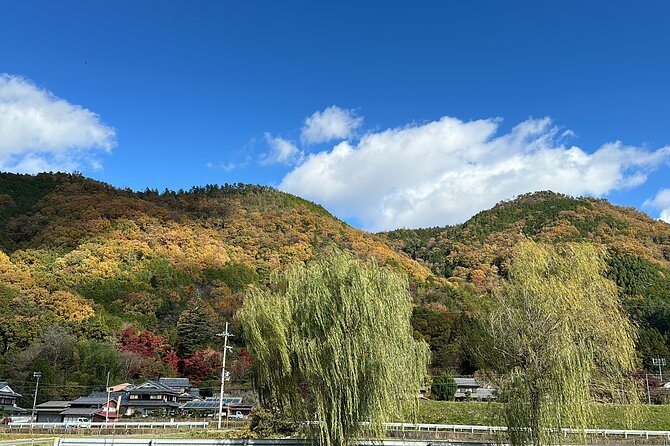
Your final included shrine stop is Make Shrine, dedicated to the god of agriculture from the Tanba region. This is tied to the food supply side of Kyoto’s regional life—exactly what makes the day’s theme land. You’re not only visiting spiritual sites; you’re learning how farming, land, and worship feed into each other.
The main hall has a traditional thatched roof, and that visual detail helps this stop feel distinct from the more urban-temple style you might see closer to central Kyoto.
There’s also a “how to” vibe built into the stop (learning proper worship behavior is part of the plan). For first-timers, that’s helpful. It means you can participate respectfully instead of guessing what you’re supposed to do.
Optional Add-Ons: Kimono Photo, Koto Music, Spring Water, and Mt. Komugi
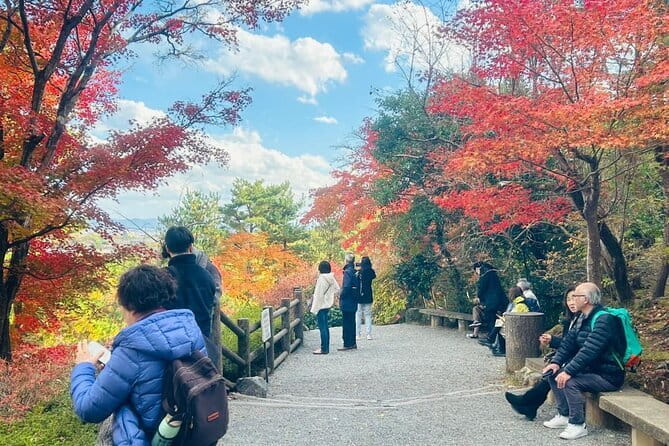
The tour includes extra experiences you can add on during the day, with two or three of them included in the tour price. This is a smart design because it lets you tailor the adventure without paying for every single add-on separately.
Here are the options you’ll hear about:
- Castle visit and Shinto shrine worship as extra time blocks
- Drinking spring water over a small mountain walk
- Kimono photo option
- Playing the koto (traditional Japanese instrument) for free
- Mario Mountain exploration at Mt. Komugi
Two add-ons to prioritize if you want pure fun: kimono photo and koto. They’re easy wins and don’t require big stamina. For something more active, spring water and Mt. Komugi options add movement and time. That’s also where your schedule may run long, so it’s smart to choose based on your afternoon plans.
Also, if you’re traveling with kids or a mixed-age group, this set of add-ons gives you multiple ways to enjoy the day without forcing one style of activity on everyone.
Guide Energy and the Practical Touches That Matter
A big part of this experience is the guide. Guides are friendly locals born and raised in the area, and their job isn’t only to recite information—it’s to help you enjoy the rhythm of the town.
One guide who comes up often is Maki, and you may also be guided by people like her husband or Yasu depending on the group. What stands out is the clear communication. You’ll get straightforward instructions at each stop so you know what’s happening next and how to move through each activity without stress.
Then there’s the comfort planning. Even in colder seasons, they prepare warming items like disposable hand warmers and neck warmers, plus safety gear. That small detail matters because an outdoor ride day can get uncomfortable quickly when the wind cuts across rural roads.
Pricing: Is It Worth About $78.83 (15,000 Yen)?
At around $78.83 per person (and listed as 15,000 yen), this isn’t a budget “just transportation” tour. You’re paying for a full package: an English-speaking local guide, e-bike experience, multiple sightseeing stops, and lunch that’s either hands-on soba with a meal or a traditional-house meal focused on local produce. Then there are added experiences like kimono photo and koto baked into the day.
So the value depends on what you want most:
- If you want an active morning plus a real food experience, the price makes sense because lunch isn’t generic and the guide work affects the whole day.
- If you mainly want casual photos and a short walk, you might feel the structured stops are more than you need.
In plain terms: if you’re the type who likes doing something with your hands and eating where you learned about the food, this price feels fair. If you’re chasing only quick sightseeing, look closer at whether you’ll actually use the optional extras.
Who Should Book This Tour (and Who Might Prefer Another Plan)
This tour fits best if you:
- Want Kyoto countryside without the hassle of planning rural transport.
- Like structured, guided stops but still want fresh air and movement.
- Want either Course A soba making or a traditional-house meal tied to regional produce.
- Travel as a family, a small group, or with mixed interests (shrines + food + optional hands-on culture).
You might think twice if you:
- Have tight timing for late afternoon departures and don’t want any chance of the day running long.
- Don’t enjoy shrine etiquette or workshops. This isn’t only a ride; it includes learning moments.
If you’re on the fence about the add-ons, start with kimono photo and koto. They deliver cultural payoff fast. Save Mt. Komugi and spring water for when you’re sure you can spare the extra time and steps.
Should You Book Kyoto Satoyama Cycling with Lunch and an English Guide?
I’d book it if you want a Kyoto day that feels more lived-in than checklist-driven. The blend is strong: Satoyama cycling, shrine and castle history, and a lunch built around the region’s real food rhythm. The fact that dietary needs can be handled on request is also a plus, because it keeps rural meals within reach.
Book if you’re curious enough to try soba hands-on (Course A) or you’d rather let a traditional house meal do the work (Course B). And if optional cultural add-ons appeal to you, you’ll likely feel you got your money’s worth.
Skip it only if you’d rather do an independent rail-and-walk plan, or if you’re trying to keep every minute strictly controlled. Otherwise, this is a solid way to see a quieter side of Kyoto with a guide who knows the place like it’s part of their own calendar.
FAQ
What does the tour include?
It includes an e-bike cycling experience with an English local guide, multiple sightseeing stops, and lunch. You choose either a soba-making course with a soba set meal or a traditional-house meal with local produce.
Where does the tour start?
The tour meets at Mizobe-6-21 Sonobechō Oyama Higashimachi, Nantan, Kyoto 622-0041, Japan.
What time does the tour start?
The start time is 10:00 am.
How long is the tour?
The tour lasts about 4 to 5 hours, and the total duration includes bicycle travel time between points.
What are the main itinerary stops?
The tour includes Ikimi Tenmangu Shrine, the ruins of Sonobe Castle, a former elementary school area for soba noodle making, and Make Shrine.
Are entrance fees required for the stops?
Admission tickets for the listed stops are free.
Can I request vegan or allergy-friendly meals?
Yes. Vegan, vegetarian, and allergy-friendly meals are available upon request.
Do I have to pay extra for kimono or koto?
Kimono photos and playing the koto are included as free options among the extra experiences you can select.
What happens if the weather is bad?
If it’s canceled due to poor weather, you’ll be offered a different date or a full refund.
Is this a private tour?
Yes. It’s a private tour/activity where only your group participates.