REVIEW · UBUD
Ubud: Kintamani Downhill Cycling with small group & Private
Book on GetYourGuide →Operated by Dewa Bike Tour · Bookable on GetYourGuide
Downhill cycling in Bali beats traffic.
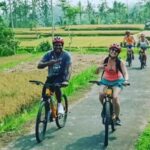
This ride starts in Kintamani at PUKUH SARI and turns what could be a drive into a real, human-scale journey. I like how it’s built around 80% downhill—so the day feels like gliding, not grinding—and how you pass through everyday Bali with stops at a local school and family compounds, where the guide helps you understand what you’re seeing. Guides such as Agus and Dode show up in recent feedback for keeping things organized and friendly.
The biggest thing to consider is logistics: you handle your own trip to the meeting point, and there’s no pickup or return transport included. Also, lunch isn’t part of the package, so plan for food timing before or after you ride.
If you want a low-stress cycling morning/afternoon that still feels culturally grounded, this small-group or private option is the kind of experience that makes Bali feel real fast.
In This Review
- Key things you’ll notice on this ride
- Kicking off at PUKUH SARI, Kintamani: find the start fast
- Why the route feels easy: 80% downhill from village to village
- The cultural stops that make it more than a long photo
- Local school: a quick look at how Bali teaches
- Traditional family compound: meet the rhythms of home
- Village temple: spirituality you can actually see
- Rice fields: agriculture as the background soundtrack
- Safety setup that doesn’t feel overbearing
- Small group vs private: pick what matches your comfort
- Pricing and value: why $21 can be a good deal here
- What’s included (and what you should plan around)
- Included
- Not included
- Timing your ride so it fits real life in Ubud
- Who should book this tour (and who might want alternatives)
- Should you book this downhill ride from Kintamani to Ubud?
- FAQ
- How long is the cycling tour?
- Where does the tour start?
- Do I need to arrange my own transport to the meeting point?
- How difficult is the ride?
- What percentage of the route is downhill?
- What cultural stops are included during the ride?
- What’s included in the price?
- Is lunch included?
- Is Mount Batur admission included?
- What languages does the guide speak?
Key things you’ll notice on this ride
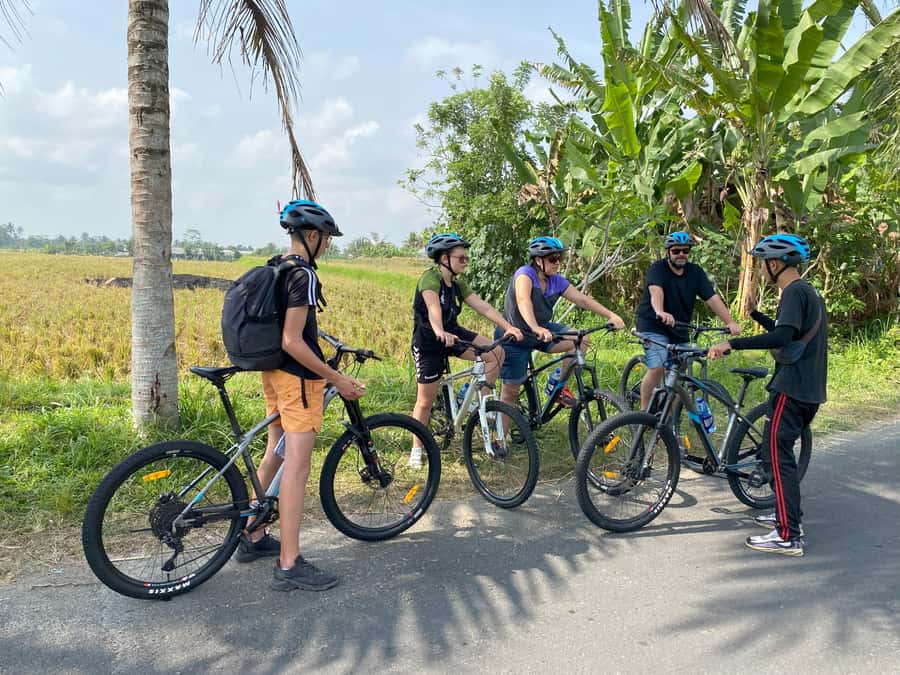
- Mostly downhill (about 80%), with gentle slopes that suit all skill levels
- Culture stops that go beyond photos: a local school, family compounds, and a village temple
- Rice fields along the route, plus village-to-village riding through Bali’s everyday rhythm
- Safety and pacing handled by your English-speaking guide, including a safety briefing and rest time
- Comfort touches like a helmet, mineral water, refreshment, and a cold fresh towel
- Insurance included for ages 5–65, so you start the ride feeling covered
Kicking off at PUKUH SARI, Kintamani: find the start fast
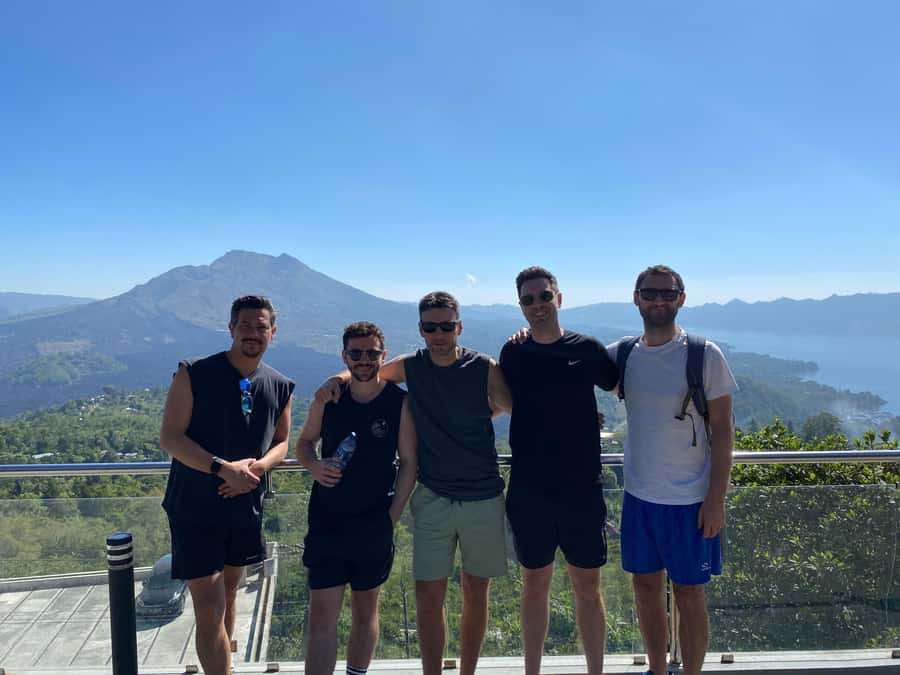
The tour starts at PUKUH SARI in Bayung Gede, Kintamani (Bangli Regency). That matters because Kintamani is not right next to central Ubud. You’ll want to budget time for the ride over—taxi, Gojek, or Grab are all mentioned as easy ways to get there.
What I like about the meeting point setup is that it’s clear and specific. You’re not hunting for a vague hotel pickup. Once you arrive, you hop straight into the cycling part: bicycle, helmet, water, and a guide who gets you ready to roll.
A practical tip: even if the route is easy, show up a few minutes early. You’ll get your bike fitted and your helmet sorted without feeling rushed. Cycling days go smoother when you don’t start the day stressed.
You can also read our reviews of more tours and experiences in Ubud.

Why the route feels easy: 80% downhill from village to village
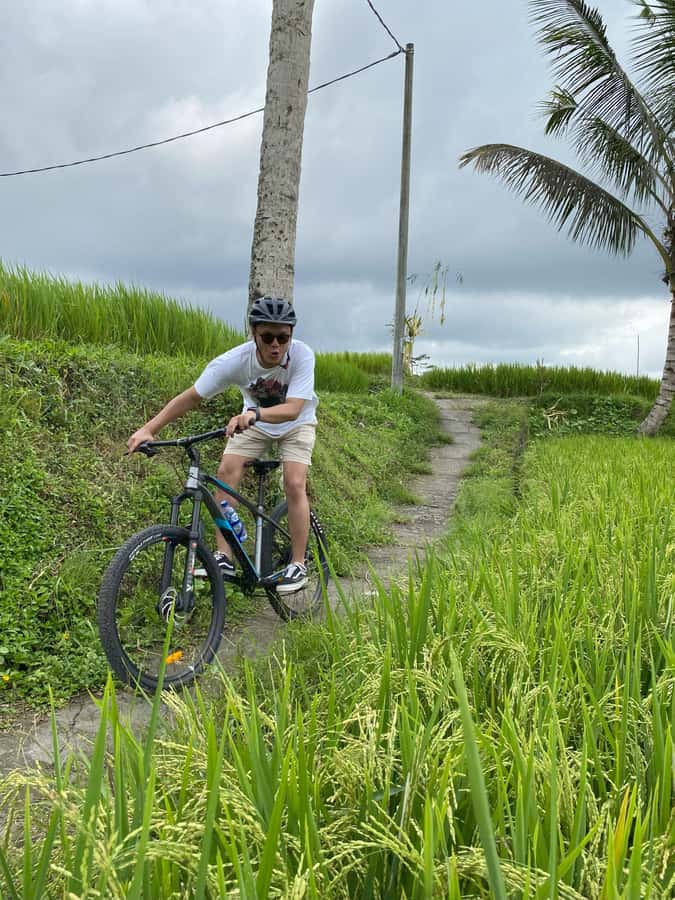
This is one of those tours where the description does most of the work. You’re looking at a ride that’s predominantly downhill—around 80%—from village to village. That means you spend your effort on steering, braking, and enjoying the view, not on constant pedaling.
You also get more than one “kind” of riding. The Kintamani-to-Ubud descent is mostly downhill, but there are gentle slopes along the way, so it doesn’t feel like a single long drop where you’re white-knuckling the handlebars.
From recent rider feedback, guides tend to keep the route practical—using secondary roads to help you stay away from heavier traffic. You’re also not left to figure it out alone: the guide explains what to expect and helps manage pacing. One rider noted they were briefly worried it might be challenging, but the route selected was smooth and the schedule included rest time.
If you can ride a bike and you’re comfortable using the brakes, you’re in the right category. This isn’t “no effort,” but it’s not “Olympic training” either. It’s the kind of cycling that lets you take in the day without turning it into a workout you regret.
The cultural stops that make it more than a long photo
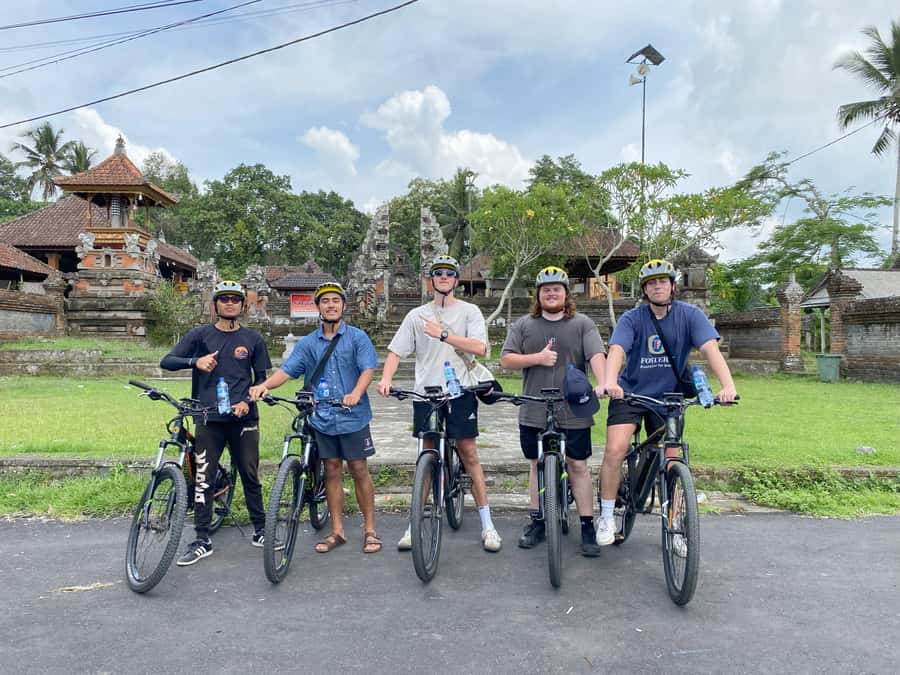
The best part of this ride is that the stops are built around real daily life—places where you’re not just sightseeing from a distance. Instead, you slow down, listen, and ask questions.
Here’s what you can expect along the way:
Local school: a quick look at how Bali teaches
You visit a local school stop. It’s short, but it’s meaningful because it puts education in the foreground. The guide’s role is key here: you’re not just looking at buildings. You’re learning what you’re seeing and how local systems function in everyday life.
If you’re the type who likes to understand the “how” and “why” behind what you see, this kind of stop will feel satisfying. It turns the bike ride into a conversation.
Traditional family compound: meet the rhythms of home
You’ll also stop at a traditional family compound. This is where Bali shifts from scenery to people. You can interact with residents and get insight through conversation.
A wise mindset here: keep your questions simple and respectful. Ask what daily life looks like for them, how community ties work, or what’s important in their routines. You don’t need big statements—curiosity lands well.
Village temple: spirituality you can actually see
Another stop is a village temple. The tour includes time to discover its spiritual significance. Even if you don’t know the details ahead of time, you’ll likely leave with a clearer sense of why these places matter in Bali—because you’re encountering them as part of local life, not as a checkbox.
Tip: temples can have rules about dress and behavior. The tour includes a guided component, so follow your guide’s instructions and take cues from what people around you are doing.
Rice fields: agriculture as the background soundtrack
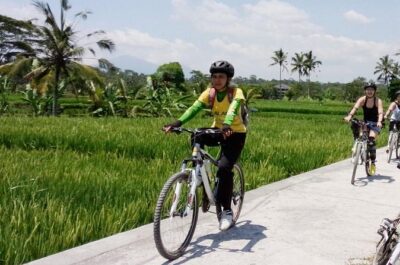
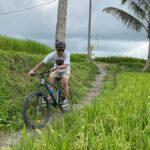
Along the route you pass lush rice fields, and riders specifically mention seeing multiple rice-field areas. This matters because rice cultivation is one of Bali’s major threads—land use, seasons, and community labor all tie into the landscape of the island.
Even when you’re not stopping, the fields add movement to the day. You’re not cycling in a single flat corridor. The route changes, and the scenery keeps you company while you descend.
Safety setup that doesn’t feel overbearing
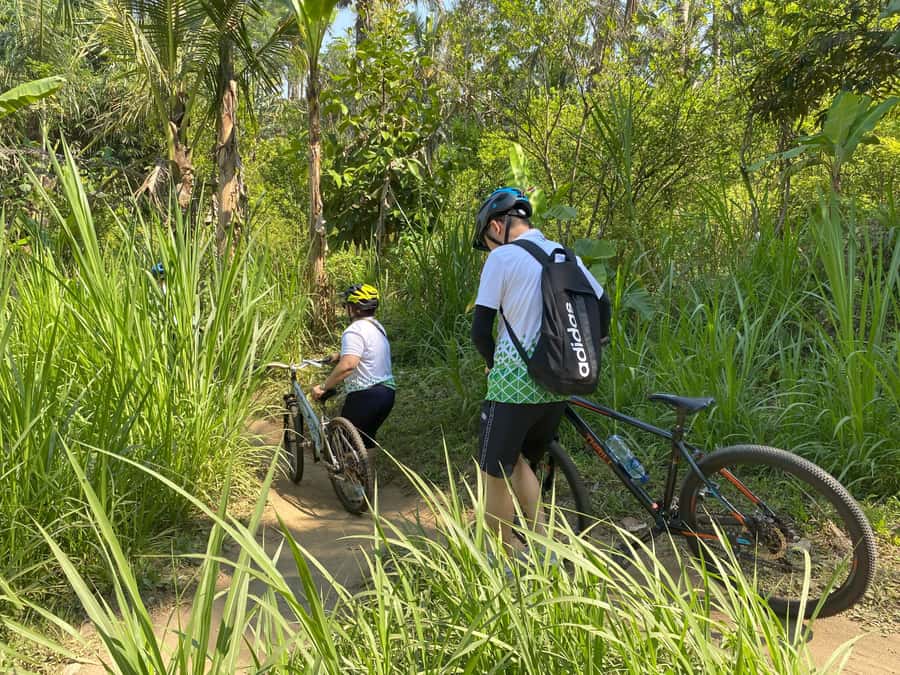
Cycling in any country means you respect the road. This tour does the basics right.
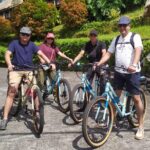
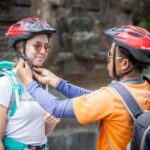
You get a bicycle and helmet included, plus a guide who provides a safety briefing. Mineral water, refreshment, and a cold fresh towel are also included—small things that make a real difference when you’re in the heat.
Insurance is included as well, with coverage listed for IDR 2,500,000 for ages 5–65. That won’t cover everything everywhere, but it’s a reassuring layer that many day tours skip.
From the way riders describe their experience, one guide’s attention to practical detail really stands out. A rider mentioned that their guide (Dode) had everything ready, provided safety gear, offered water, explained the route, and chose a smoother path away from busy traffic. That’s the kind of competence you want on a downhill day—clear instructions, smart routing, and a pace that fits mixed abilities.
What to do on your side: wear secure shoes (something with grip), keep your eyes on the guide ahead of you, and don’t hesitate to ask questions. If you feel unsure at any point, say so. The whole point is you should enjoy the ride, not muscle through anxiety.
Small group vs private: pick what matches your comfort
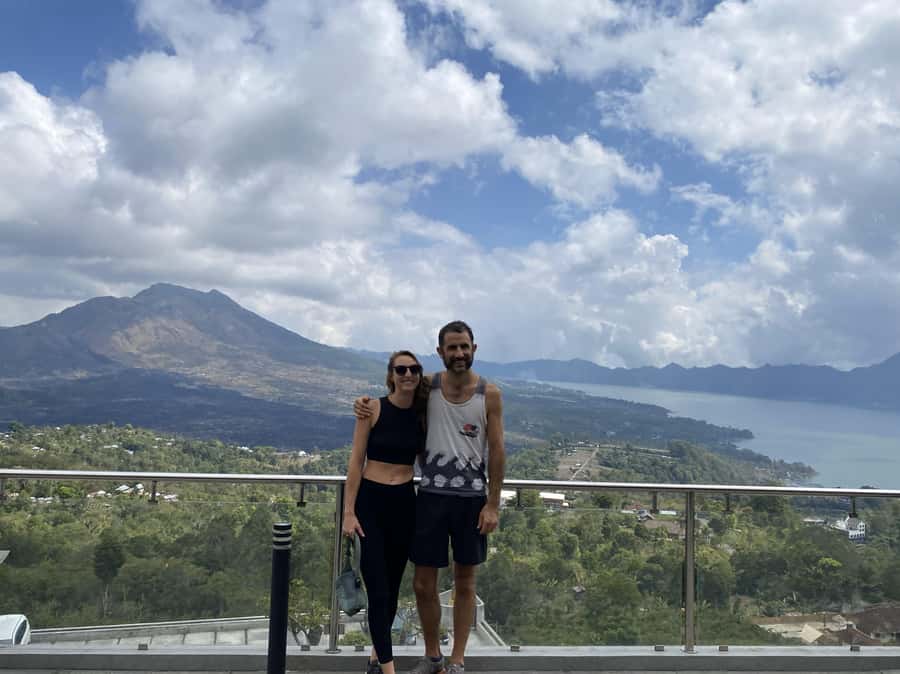
This tour offers both small group and private options. Here’s how I’d decide:
- Choose small group if you like a social vibe but still want the tour to stay personal. You’ll share the route with other riders, and the guide can still manage the pacing because the group is kept small.
- Choose private if you want more flexibility—extra time for questions at stops, a calmer ride pace, or a more direct cultural conversation with the guide.
In a downhill experience, comfort matters. If you know you prefer space, private can reduce the “keep up” pressure. If you’d rather meet people, small group gives you that without turning the day into a crowded bus situation.
Pricing and value: why $21 can be a good deal here
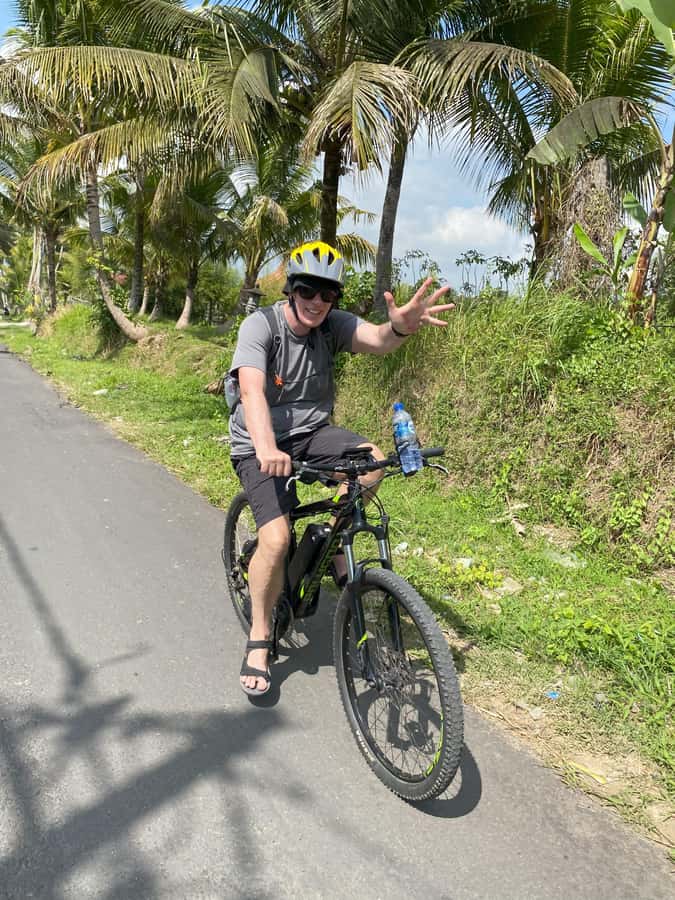
The price is $21 per person for 150 minutes. On paper, that can look “too cheap,” but the value comes from how the tour is packaged.
You’re not just renting a bike. You’re getting:
- bicycle + helmet
- English guide (also Indonesian available)
- mineral water
- refreshment
- cold fresh towel
- insurance (IDR 2,500,000 for ages 5–65)
That mix is where the value lives. You’re paying for guidance, timing, and cultural access—not only for the physical ride. The downhill route also helps you get more “experience per minute,” because you aren’t spending the time struggling.
What’s not included helps you budget honestly:
- pickup and return transport
- lunch
- entry/admission for Mount Batur
If you plan your day smartly—arrive early, carry snacks if you need them, and eat before/after—this cost makes sense. You’re buying a structured half-cycle with cultural stops, and that’s often what turns Bali from a series of drives into something you remember.
What’s included (and what you should plan around)
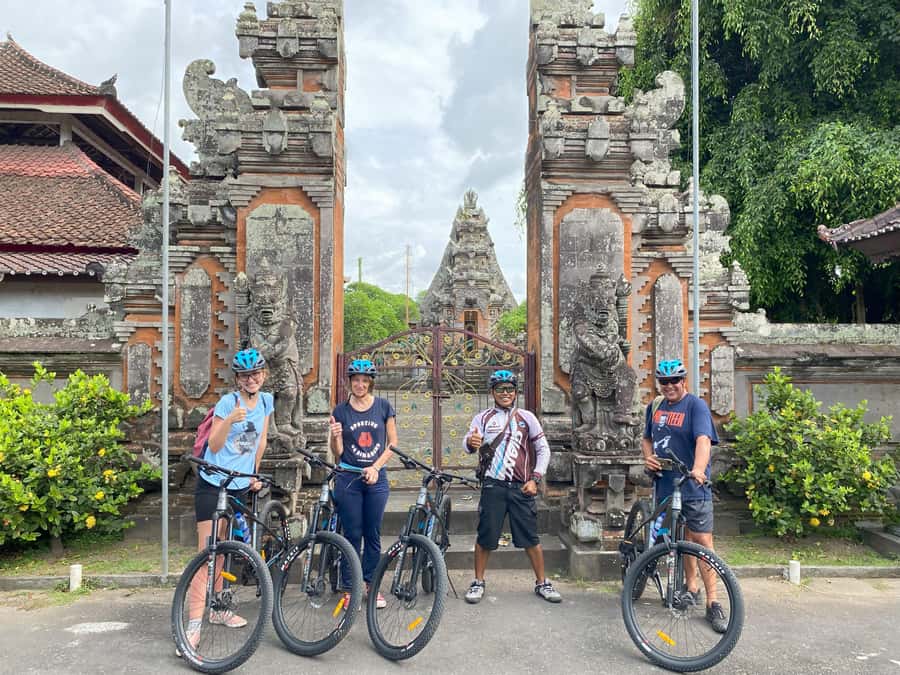
Let’s make the day easy to budget and organize.
Included
- Bicycle + helmet
- Mineral water
- English guide (also Indonesian)
- Refreshment
- Cold fresh towel
- Insurance (IDR 2,500,000, ages 5–65)
Not included
- Pickup and return transport
- Lunch
- Mount Batur entry/admission
If Mount Batur is on your must-see list, check whether you want to add admission separately. This tour may include views and nearby context, but you should not assume admission is handled.
Also, because lunch is not included, think about timing. If you tend to get hungry quickly, eat before you go, or plan a meal right after. A 150-minute ride moves fast, and stopping for food can break the rhythm of your day.
Timing your ride so it fits real life in Ubud
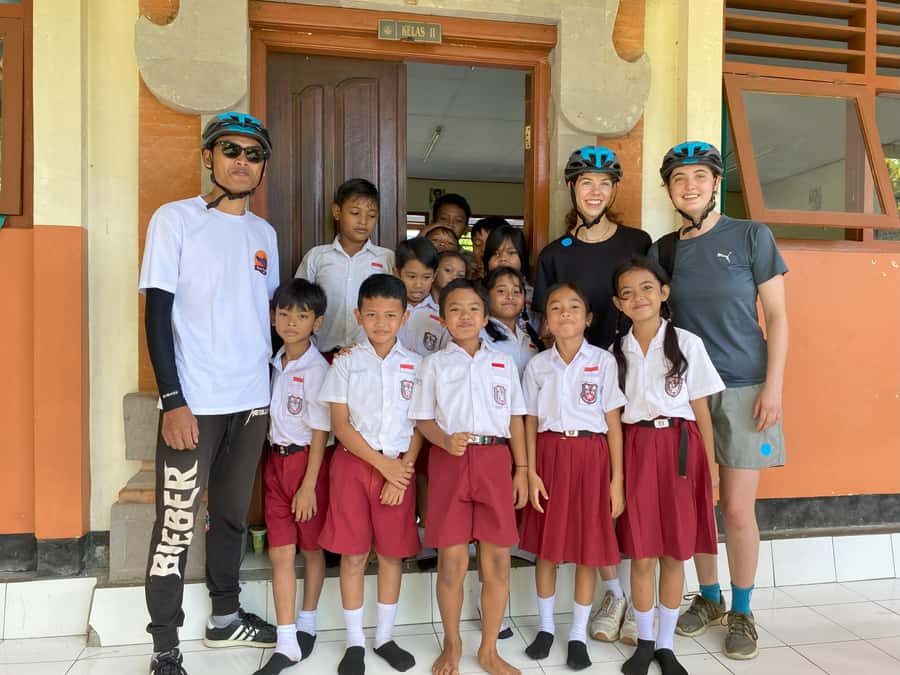
The duration is 150 minutes. That’s long enough for a meaningful descent and multiple stops, but short enough that you can still do other Ubud activities afterward.
What I suggest:
- Plan for your travel time to the meeting point in Kintamani.
- Expect the ride to feel scenic and varied—so don’t schedule a major appointment immediately afterward.
- Put something relaxing after the tour. You’ll likely be sun-warmed, even if you don’t work hard.
Also, keep your expectations aligned with the style: this is guided, structured cycling with stops. It’s not a self-guided “grab your bike and explore at random” situation.
Who should book this tour (and who might want alternatives)
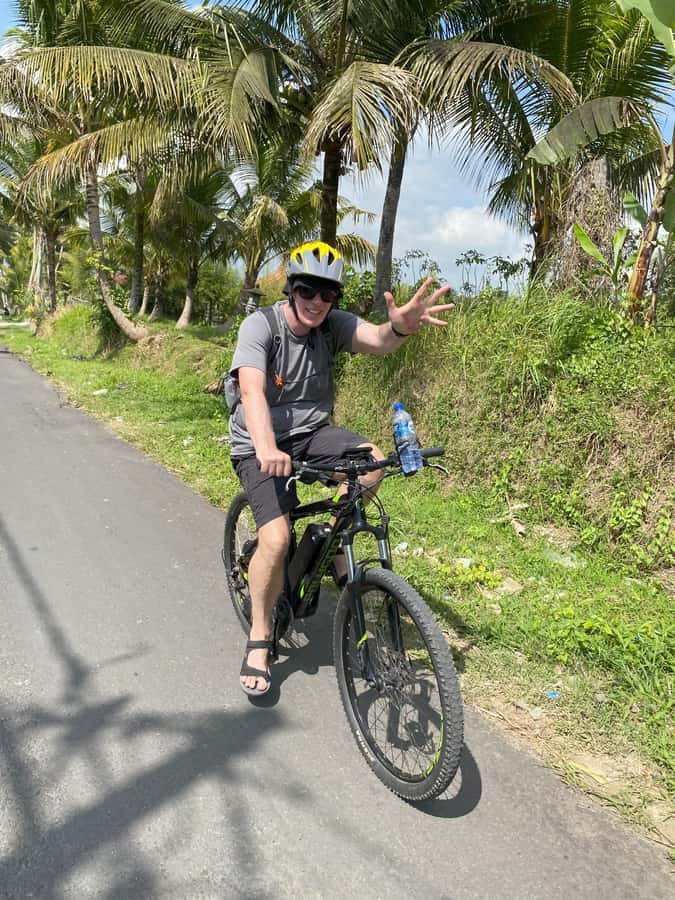
This ride fits best if you:
- want easygoing cycling with a clear downhill focus
- like culture stops such as schools, family compounds, and temples
- enjoy rice-field scenery and village-to-village routing
- prefer having a guide manage safety and pacing
You might reconsider if:
- you can’t comfortably ride a bicycle for the length of the experience
- you strongly dislike any road cycling, even with a downhill route and safety briefings
- you need a tour that includes lunch or hotel pickup/return (those are not included here)
That said, the tour is specifically described as not difficult, and the downhill design is built for broad skill levels. So if your biggest worry is fitness, this is the kind of activity that tends to feel doable.
Should you book this downhill ride from Kintamani to Ubud?
I think you should book it if you want Bali to feel lived-in, not just photographed. The combination of mostly downhill cycling plus real stops—school, home compounds, a village temple, and rice fields—turns the ride into a day with story, not just movement.
Book it with confidence if:
- you’re okay arranging your own transport to PUKUH SARI
- you’re fine with skipping lunch as part of the tour cost
- you want a guided experience that keeps things smooth and safe
Pass if you need a fully packaged door-to-door service or if you want a higher-adrenaline bike route. This one is about comfort, connection, and getting from Kintamani to Ubud in a way that feels personal.
FAQ
How long is the cycling tour?
The tour duration is 150 minutes.
Where does the tour start?
The meeting point is PUKUH SARI, Bayung Gede, Kintamani, Kabupaten Bangli, Bali 80652.
Do I need to arrange my own transport to the meeting point?
Yes. Pickup and return transport are not included, so you’ll need to get to PUKUH SARI yourself (for example by taxi, Gojek, or Grab).
How difficult is the ride?
It is described as not difficult, with the route being mostly downhill.
What percentage of the route is downhill?
About 80% of the route is downhill.
What cultural stops are included during the ride?
You’ll visit a local school, a traditional family compound, a village temple, and you’ll see rice fields along the route.
What’s included in the price?
Included are the bicycle and helmet, mineral water, an English (and Indonesian) live guide, refreshment, a cold fresh towel, and insurance for ages 5–65.
Is lunch included?
No, lunch is not included.
Is Mount Batur admission included?
No. Entry or admission for Mount Batur is not included.
What languages does the guide speak?
The guide is available in English and Indonesian.