REVIEW · TENERIFE
Teide road bike climb from PdC
Book on Viator →Operated by Ride Base · Bookable on Viator
Teide climbs punish you, then pay you back. This guided ride from Puerto de la Cruz takes you up toward Teide with a route you don’t have to figure out, and it layers in ocean views, forests, then that wild raw setting near the park. It’s built as an intimate small-group day, not a cattle-car workout.
I really like two things here: the route variety, with villages, forest sections, and viewpoints of Puerto de la Cruz and the Atlantic before the last hard push. And I love that the guide leads the ride and helps with pacing, so you can focus on effort and enjoying the scenery.
One caution: you’re signing up for a genuinely hard ride (94 km with about 2400 m of climbing), and a bike and helmet aren’t included in the price. If you don’t plan for those, the logistics can feel like a chore instead of part of the fun.
In This Review
- Quick hit checklist
- Why the Teide climb feels like two completely different worlds
- Price and what $82.90 really covers
- The full route from Puerto de la Cruz to Teide (and why the details matter)
- Teide National Park: what to expect near the cable car zone
- The descent back down: fast fun, real-bike control
- Bike and helmet reality check (and how to choose the right rental)
- The guide factor: what you’re really buying beyond directions
- Timing, stamina, and who this ride suits best
- Small practical notes that make the day smoother
- Should you book this Teide road bike climb from Puerto de la Cruz?
- FAQ
- How long is the Teide road bike climb?
- What distance and climbing should I expect?
- Is a bicycle included in the price?
- What bike rental options are available?
- Is a helmet included?
- Is lunch included?
- What group size is this tour?
- What happens if weather is bad?
Quick hit checklist
- Europe-style long consecutive climb to the Teide area on road bike roads
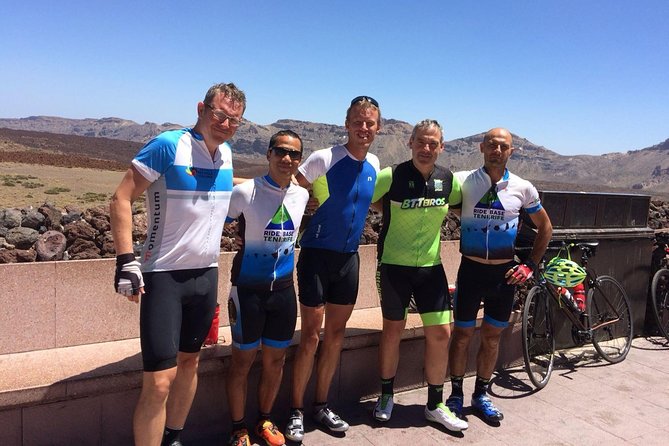
- Max 5 riders for real coaching and safer group management
- Two-scene day: forest + ocean viewpoints, then Mars- or Moon-like terrain near Teide
- Guide-led routing so you don’t spend your brain power on navigation
- Bike rental options from the shop (aluminium, carbon, carbon with disc brakes)
- Admission ticket included/free for the cable car area
Why the Teide climb feels like two completely different worlds
The magic of this ride is that it changes its character as you climb. Early on, you’re rolling through small villages and forest areas, with regular chances to look out over Puerto de la Cruz, the bay, and the Atlantic. It’s a big-picture kind of payoff while you’re still fresh enough to enjoy it.
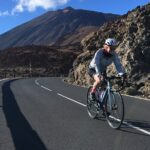
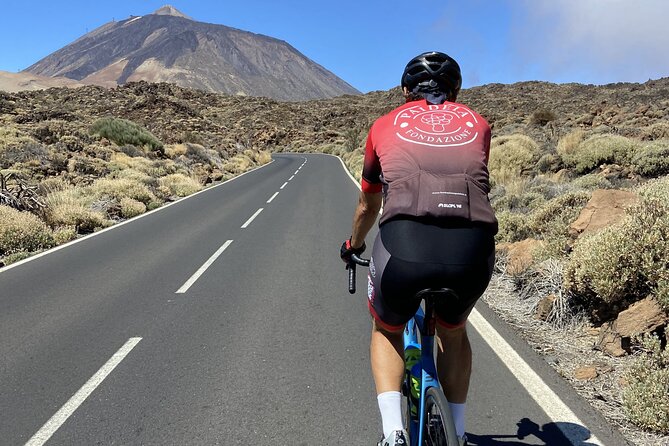
Then the terrain shifts into something far more barren once you’re in the Teide National Park zone. The last stretch leading toward the cable car area feels raw and otherworldly, like the surface of another planet. That kind of visual change matters on a hard day: it gives your legs a reason to keep going, not just a number to chase.
You can also read our reviews of more tours and experiences in Tenerife.
Price and what $82.90 really covers
At $82.90 per person, you’re mainly paying for the guided experience and the structure of a long, steep day. What’s included is bottled water, a guide, and GST. There’s also that cable car admission ticket listed as free, which adds real value if you’re planning to use it.
What’s not included: lunch, and the bike. Helmet is also not included in the price. So the best way to judge the value is to add what you’ll likely need:
- If you bring your own bike and helmet: you’ll mostly be paying for the guide, water, and the ticket.
- If you rent: your cost rises, but you also get proper fit help and bike selection from the shop.
With a small group and a hard ride like this, the guide piece is the value driver. On steep climbs, good pacing coaching isn’t a luxury—it keeps you from blowing up halfway and dragging the rest of the descent.
The full route from Puerto de la Cruz to Teide (and why the details matter)
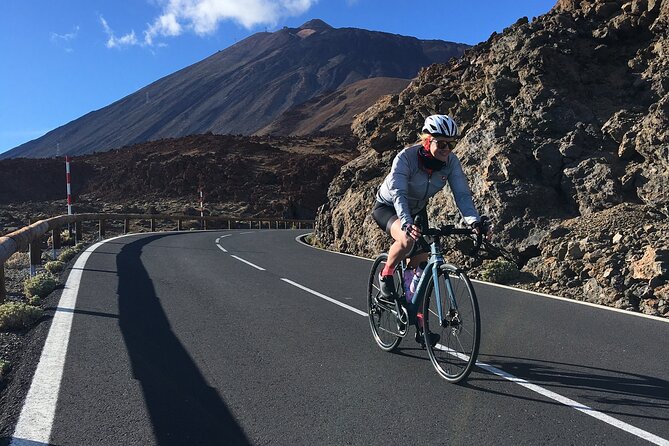
You start in Puerto de la Cruz at Ride Base Tenerife, on Calle Avenida Francisco Afonso Carillo, Edificio Playa Bahia II (near the C. Manuel Yanes Barreto address). The group rides up together toward Teide, with planned photo-and-view stops rather than a nonstop training session.
A key detail: the climb isn’t just one long wall. You’ll cycle through:
- Small villages before the more remote sections
- Forest areas where you can breathe easier mentally, even if the legs still work
- Viewpoints where you can enjoy Puerto de la Cruz, the bay, and the Atlantic Ocean
One more useful point: the climb depth is stated clearly in multiple ways. The tour description calls out a long hard effort including 44 km with a 5% average, and the whole day totals 94 km with about 2400 m of climbing. That’s the kind of information that helps you choose pacing and gearing honestly.
Teide National Park: what to expect near the cable car zone
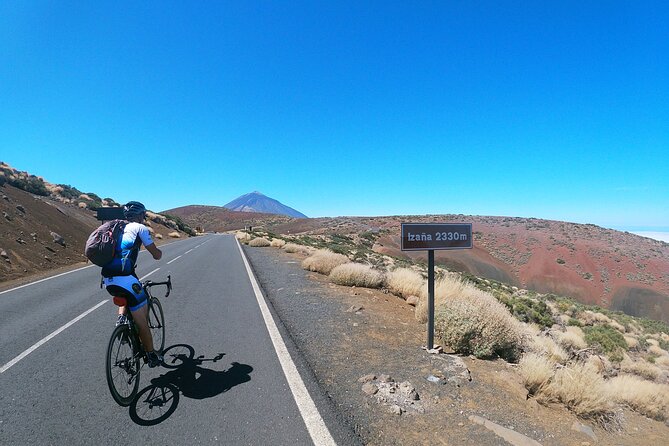
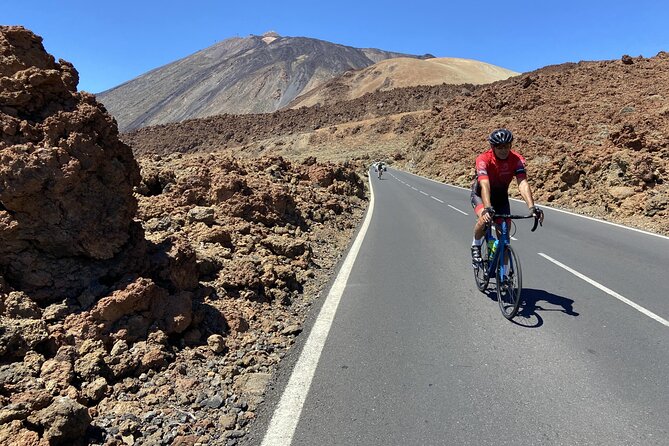
This is where the day earns its reputation. The plan is to reach the Teide National Park area and ride the final 11 km through that more raw, lunar-like terrain. Even if you’re a strong cyclist, this part tends to slow people down because the scenery is dramatic and the grade keeps asking questions of your legs.
After the hard climb and a break, you turn toward the descent back to Puerto de la Cruz. That break matters. Without it, you’d treat the day like a grind from start to finish. With it, you get to recover enough to enjoy the downhill, not just survive it.
If road conditions or mountain access don’t cooperate, expect your guide to adapt. One rider described having to take a longer route due to road closures on the mountain, but still getting a big climb and a very fast-feeling descent. That’s exactly the kind of flexibility you want on an active volcano island where plans can change.
The descent back down: fast fun, real-bike control
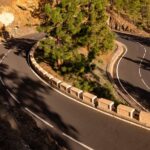
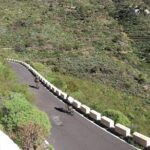
The ride isn’t only about climbing. The descent back toward Puerto de la Cruz is long, with smooth road sections described by riders as good for speed. One cyclist noted a very high maximum speed during the run down, which tells you two things:
- The roads can be quick.
- You should be confident with braking and corner control.
This is another reason the small group format helps. When you’re not stuck with a big pile of mixed riders, the guide can better manage spacing and pacing, so you’re not stressed at the worst possible moment.
Practical tip: treat the descent like part of the tour, not an afterthought. If you’re planning to ride at the front, warm up your confidence on the way up so your hands feel steady when the speed starts climbing.
Bike and helmet reality check (and how to choose the right rental)
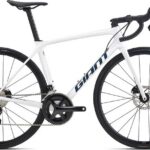
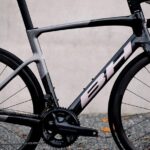
You’ll need to plan for equipment because bike is not included. The shop takes care of contact and setup for bikes, pedals, and sizing. Bike rental options listed are:
- Aluminium bike: €26
- Carbon bike: €32
- Carbon with disc brakes: €36
From rider feedback, the bikes are treated like real rental gear—kept in good condition and set up carefully. There’s also evidence you can get help with fitting tweaks. One rider even said the guys were happy to swap over to their personal saddle, which is a nice detail if you’re picky about comfort.
Helmet is also not included. Bring one you trust, and make sure it fits right.
If you’re tempted to go harder than your fitness level, consider your strategy instead of your ego. Even riders who wanted the standard road-bike feel have also chosen e-bikes for serious climbs because the e-bike evens out the challenge across different skill levels. If that sounds like you, ask the shop when you confirm—this company has had e-bike riders on the same day.
The guide factor: what you’re really buying beyond directions
The guide does more than point the way. You’re paying for coaching that makes a steep ride doable.
In past days with this provider, guides like Jesper, Alberto, and Rob have been mentioned for knowing what you need and adjusting pacing to the group. Riders also described encouragement on the climb, including practical motivation and small energy moments on the route (like biscuits and similar rider-friendly boosts).
If you like local context, don’t assume it’ll be silent riding. One cyclist said the guide added extra information about the forest and vegetation while riding. That kind of commentary doesn’t slow you down—it makes the climb feel like an experience, not just a workout.
And yes, there’s social value here too. Some riders described the day as one-on-one or very small-group style, which typically means your questions get answered right away and you’re not lost in a crowd.
Timing, stamina, and who this ride suits best
This is listed at 5 to 6 hours, and the distance/climbing numbers suggest that strong riders may finish faster while everyone else still gets a full-value day. The line between a fun challenge and a bad day is your ability to handle sustained grade.
This tour asks for strong physical fitness. If you regularly ride hills and can stay seated on steep stretches, you’ll probably enjoy it. If you’re newer to climbing, you might still manage it with an e-bike, but you need to go in with realistic expectations about time on the road.
Who it fits best:
- Road cyclists who want a big Teide goal with guidance
- Endurance travelers who like steady effort and big views
- Small-group riders who don’t want a chaotic pack
Who might struggle:
- Anyone who expects a casual ride or relies on flat-land fitness only
Also, treat food like part of your plan. Bottled water is included, but lunch is not. One rider specifically recommended bringing extra water and snacks for energy on long sections. For a 94 km day with 2400 m of climbing, that’s not overthinking—it’s smart.
Small practical notes that make the day smoother
A few details can save you stress:
- Admission ticket is listed as free, so factor that into your plans for the cable car area break.
- Mobile ticket means you’ll want phone battery ready at check-in.
- Near public transportation helps if you’re not driving.
- The tour notes it needs good weather. If weather turns, you’ll be offered a different date or a full refund.
And since the bike isn’t included, your best move is to coordinate early with the shop. The guide will contact you about bike, pedals, and sizing. Do that promptly so the right setup is ready when you meet.
Should you book this Teide road bike climb from Puerto de la Cruz?
Book it if you want a guided Teide day that feels personal, not packed. The combo of a long climb, ocean-and-forest sections, and that unmistakable Teide National Park terrain makes this one of the more memorable ways to experience Tenerife by bike. The max 5 rider setup and real coaching are especially worth it when the route is steep and the descent demands focus.
Don’t book it if you want an easy ride, or if you haven’t already planned for a bike rental (and a helmet). This is a serious day: 94 km and around 2400 m of climbing don’t lie.
If you like challenges with clear structure—meeting point, guide-led pacing, planned stops—you’ll get exactly that here.
FAQ
How long is the Teide road bike climb?
It runs about 5 to 6 hours.
What distance and climbing should I expect?
The ride is listed at 94 km with about 2400 m of climbing. The description also highlights a long climb section of 44 km at 5% average plus a final 11 km into Teide National Park.
Is a bicycle included in the price?
No. The bike is not included. You’ll arrange rental options with the guide/shop, including sizes, pedals, and fit.
What bike rental options are available?
Bike prices listed are: aluminium €26, carbon €32, and carbon with disc brakes €36.
Is a helmet included?
No. A helmet is not included in the price.
Is lunch included?
No. Lunch is not included. Water is included, but you’ll likely want snacks or energy food for the ride.
What group size is this tour?
It has a maximum of 5 travelers.
What happens if weather is bad?
The experience requires good weather. If it’s canceled due to poor weather, you’ll be offered a different date or a full refund.