REVIEW · PHU QUOC
Phu Quoc: Morning Cycling Tour with Local Guide
Book on GetYourGuide →Operated by HORNBILL ADVENTURES · Bookable on GetYourGuide
First rides are easy, then culture hits hard. This 3-hour morning cycling tour on Phu Quoc mixes big sights with real local routines, and I really liked the small-group pace and the mountain bikes that made the ride feel safe. Two stops I especially enjoyed were the Cao Dai Temple’s unusual architecture and the Duong Dong market snack-and-seafood atmosphere. The one thing to consider is that it’s moderate cycling—if you can’t ride well or you have back issues, this isn’t a good fit.
I like that the tour is built around simple, practical learning: you get a map, a helmet, and a guide who talks you through what you’re seeing rather than rushing past it. In my experience with this style of tour, the best moments are often the in-between ones—small views, quick photo stops, and tasting local food while you’re already there.
If you want a quick hit of Phu Quoc beyond the beach, this is one of the best ways to cover ground without turning the island into a checklist. You’ll visit Cao Dai Temple, Dinh Cau, Duong Dong Fishing Village, a traditional fish sauce factory, and Fairy Well, then finish with a beach coffee break before rolling back to Hornbill Adventures.
In This Review
- Key things I’d mark on your map
- Hornbill Adventures and the quick setup that matters
- Cao Dai Temple: religion in one visual stop
- Dinh Cau Rock Temple: ocean views with a real sense of place
- Duong Dong Market: seafood energy plus local snack time
- Fishing village life and the rhythm behind fish sauce
- Fish sauce factory: where the island’s flavor starts
- Fairy Well (Dinh Giếng Tiên) and a beach coffee reset
- Price and value for a 3-hour morning ride
- Guides make the difference (Mr T, Si, Tan)
- Who should book this cycling tour—and who shouldn’t
- Quick tips so your morning feels easy
- Should you book this Phu Quoc morning cycling tour?
- FAQ
- How long is the Phu Quoc morning cycling tour?
- Where do I meet the guide and where does it end?
- What’s included in the price?
- Is hotel pickup or drop-off included?
- What languages are available for the guide?
- Is this tour suitable for everyone?
- What should I bring, and what’s not allowed?
Key things I’d mark on your map
- Trek mountain bikes + helmets: you’re set up for comfort and safety right away.
- Cao Dai Temple: an eye-catching mix of Confucianism, Buddhism, Taoism, and Catholicism.
- Duong Dong Market stop: seafood-focused, plus time for local snacks and tastings.
- Fish sauce factory visit: learn how the island’s most famous flavor is made.
- Dinh Giếng Tiên (Fairy Well): a photo stop with real local significance.
- Beach break with coffee: a relaxed finish to a cycling morning.
Hornbill Adventures and the quick setup that matters
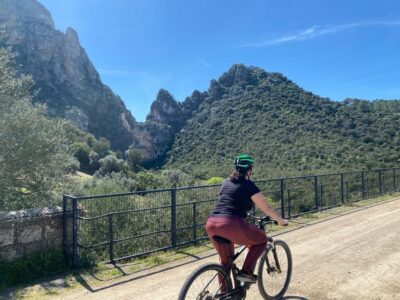
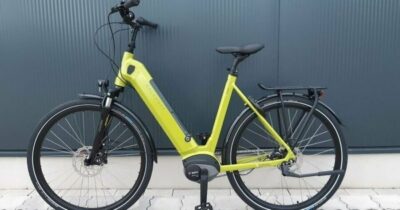
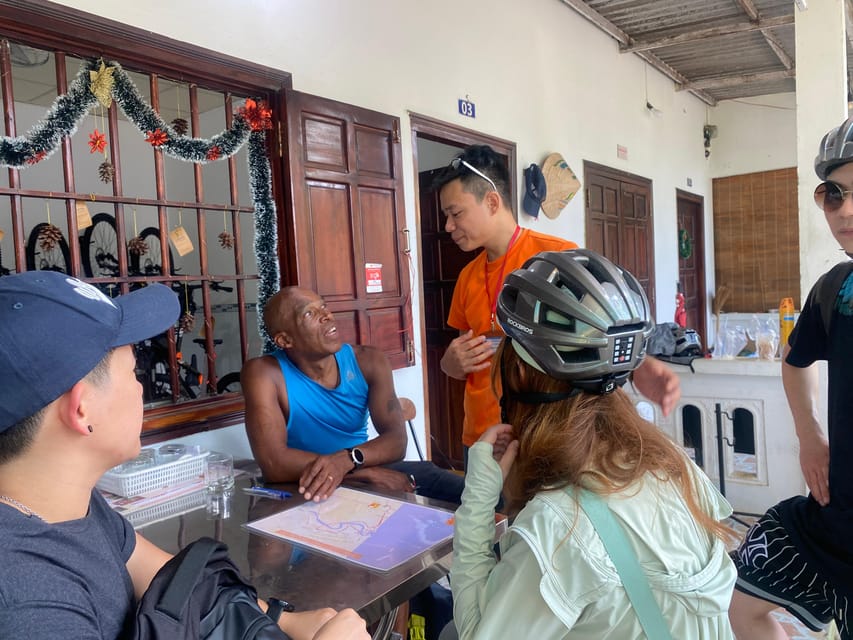
I started at the Hornbill Adventures office in the alley off Tran Hung Dao (about 50 meters from the main street). You meet, get checked in, and then you’re handed everything you need to roll—a Trek mountain bike, a helmet, a map of the island, and bottled La Vie Natural Alkaline Water.
This matters more than it sounds. When the bike and helmet are sorted immediately, you spend less time fiddling and more time actually seeing Phu Quoc. In a small group (limited to 5 participants), it also keeps the pace comfortable. You’re not sprinting to “catch the leader”; you’re riding with a guide who can pause when there’s something worth looking at.
You can also read our reviews of more tours and experiences in Phu Quoc.
Cao Dai Temple: religion in one visual stop
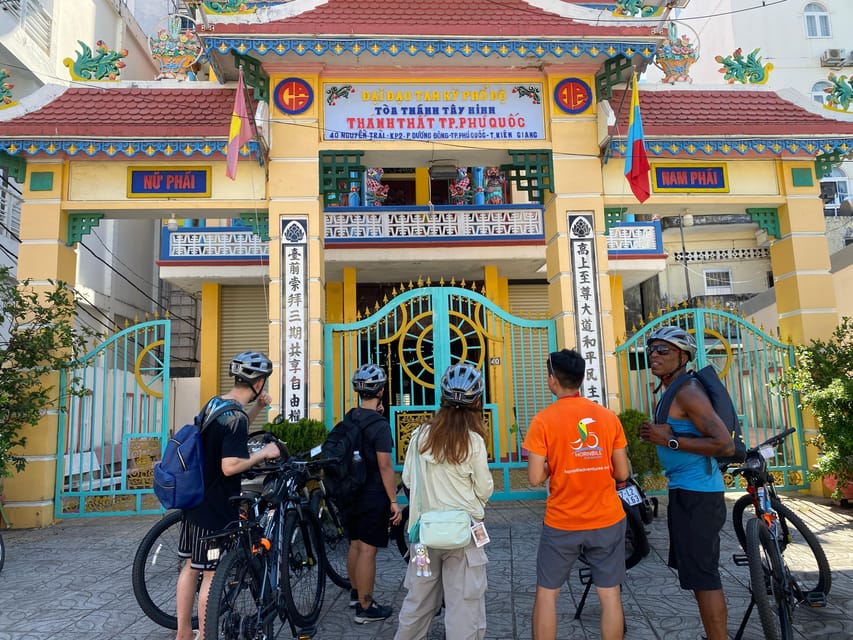
Cao Dai Temple of Phu-Quoc is famous for its architecture that blends multiple belief systems—Confucianism, Buddhism, Taoism, and Catholicism. On this tour, you’ll spend about 20 minutes here, with time for photos and a guided explanation of what you’re seeing.
What I like about this stop is how visual it is. Even if religion isn’t your main interest, the building’s style gives you a fast, understandable entry point into island culture. It also breaks up the morning well—before you head back into market and working-port areas.
A possible drawback: if you prefer only secular stops, you might find this one more informational than fun. But if you’re the type who enjoys learning what people build, how they worship, and why it looks the way it does, this is a strong early anchor.
Dinh Cau Rock Temple: ocean views with a real sense of place
Next is Dinh Cau, also called Rock Temple. It sits on a majestic rock edge with views over the ocean and the city center. You’ll get about 20 minutes for guided visiting, sightseeing, and a look from the rooftop terrace.
This is one of those Phu Quoc moments where the scenery helps your brain connect the island’s daily life to its geography. You see why fishing communities and coastal culture are so central here. The rooftop terrace time is short, but it’s long enough to get photos and just catch your breath.
Duong Dong Market: seafood energy plus local snack time
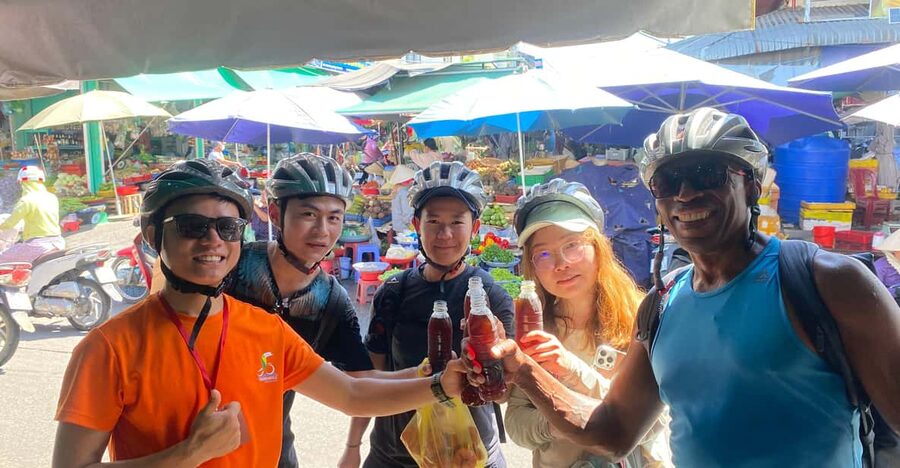
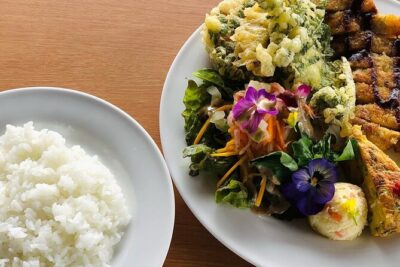
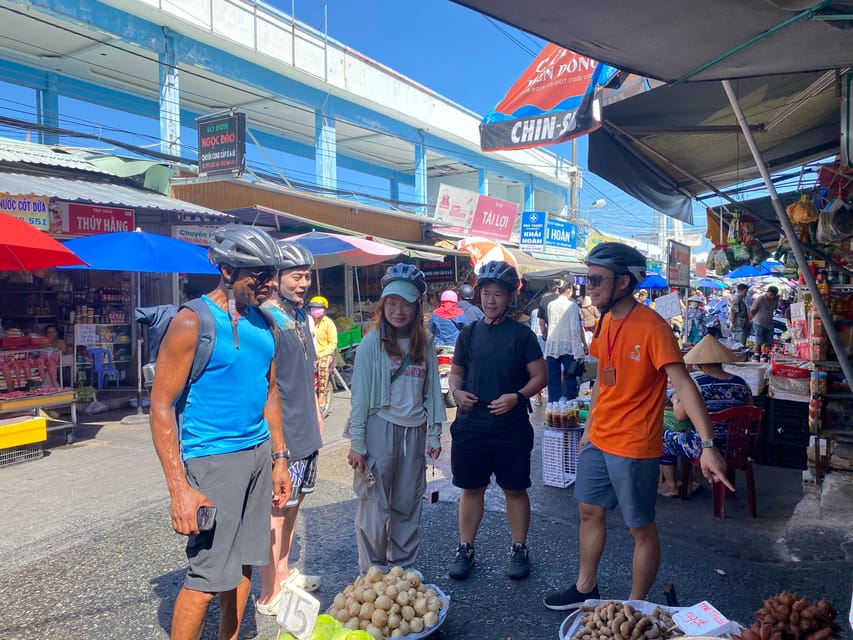
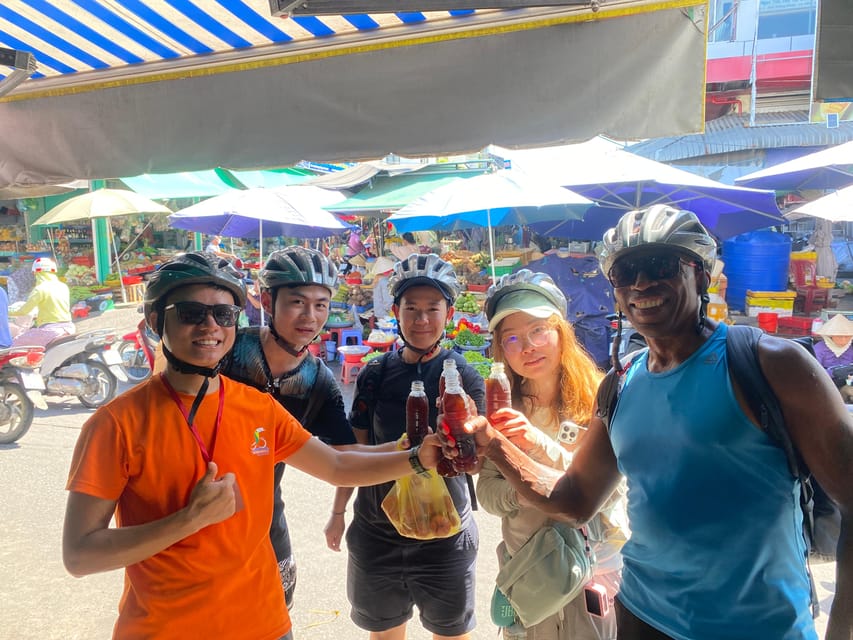
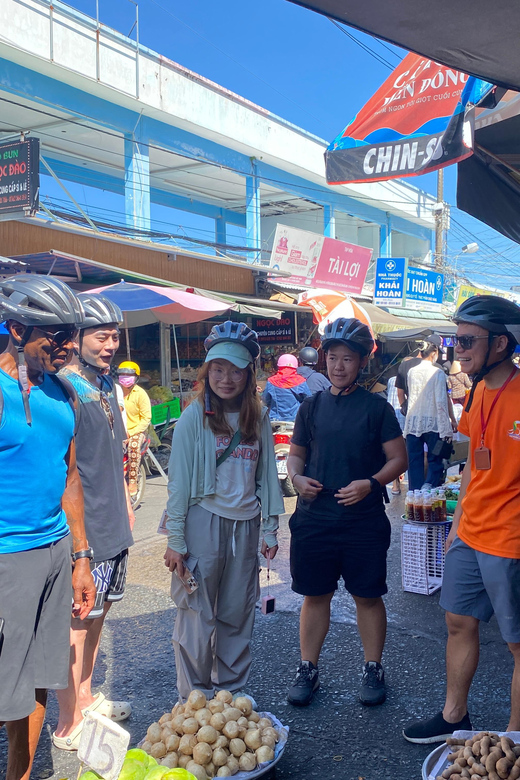
The biggest “people-watching and food” stop is Duong Dong Market (about 40 minutes). This is one of Phu Quoc’s largest, busiest marketplaces, and seafood is a main theme. You’ll have time for photos, guided browsing, and local snacks—plus chances to taste local fruit while you’re there.
Here’s the practical part: this stop works best if you’re comfortable walking through a busy market environment. The bike ride delivers you to the action, but the market itself can feel lively fast. If you get overwhelmed easily by crowds, you might want to use the guide’s cues—pause, look, then move when it feels right.
The payoff is real. A market is where you learn what locals actually buy and eat. Even if you don’t plan to cook at home, you’ll come away with a clearer sense of the island’s food culture.
Fishing village life and the rhythm behind fish sauce
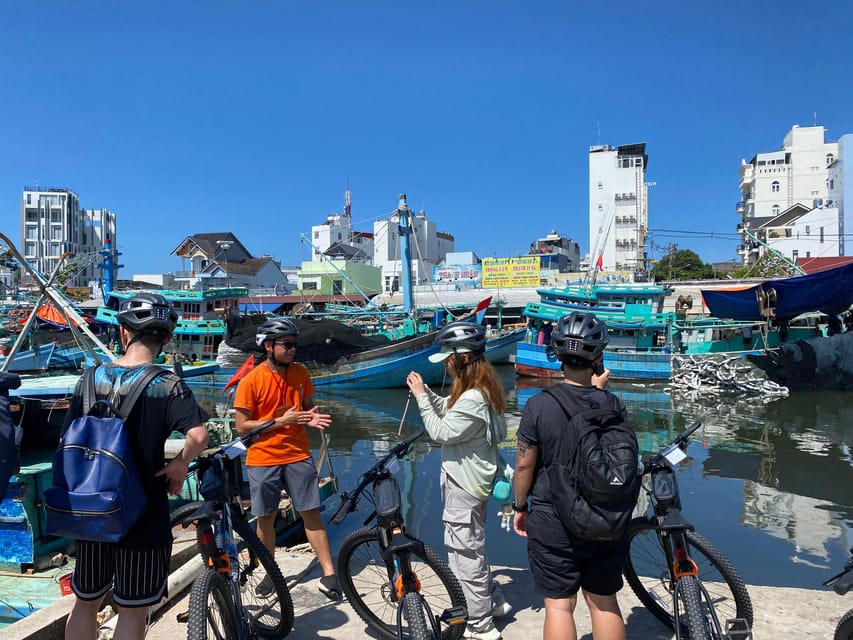
After the market, you cycle over to the Duong Dong fishing village, described as the main residence of the first residents on the island. This part is about daily life—things like weaving nets, drying fish, and making fish sauce.
I like this stop because it’s not staged in the same way as many “photo villages.” You’re seeing work and routines tied to the sea, which makes everything you taste later feel more grounded. And it’s a good pacing change: after the market’s bustle, the village can feel more human and slow.
Fish sauce factory: where the island’s flavor starts
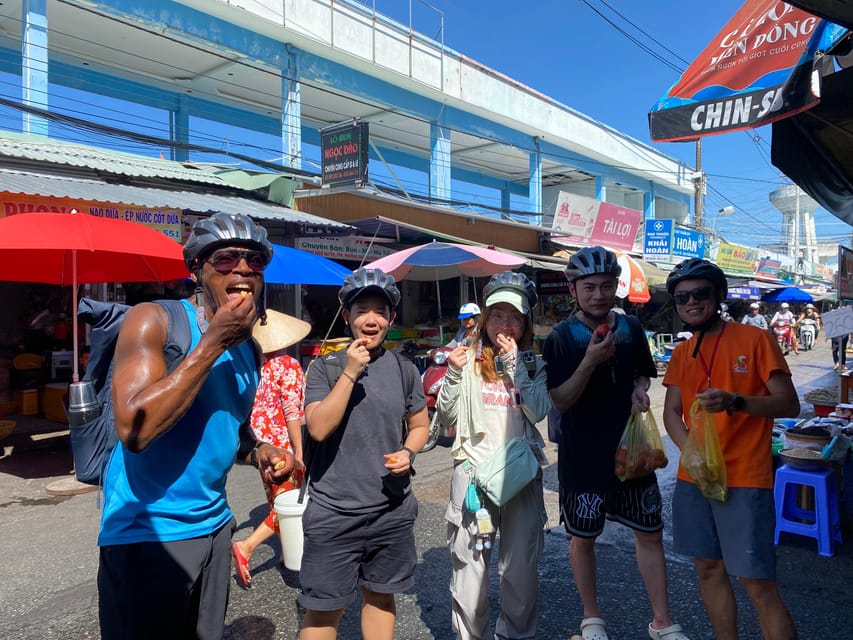
Then comes the Nước mắm Truyền thống Khải Hoàn (Khai Hoan Traditional Fish Sauce Store), with about 20 minutes of guided visit and sightseeing. You’ll learn how traditional Vietnamese fish sauce is made, and you’ll also get food tasting as part of the experience.
This stop is surprisingly useful. A lot of visitors eat fish sauce as an ingredient, but it stays abstract. Here, you see the process behind it and connect the taste to what you’ve just learned. Even if you’re not a huge fan of strong flavors, tasting once in context can help you understand why it matters so much to local cooking.
One caution: fish sauce is intense by design. If you’re sensitive to strong aromas, go into the tasting expecting a punchy smell. The guide can help you understand what you’re sampling, and you can take small sips or bites to stay comfortable.
Fairy Well (Dinh Giếng Tiên) and a beach coffee reset
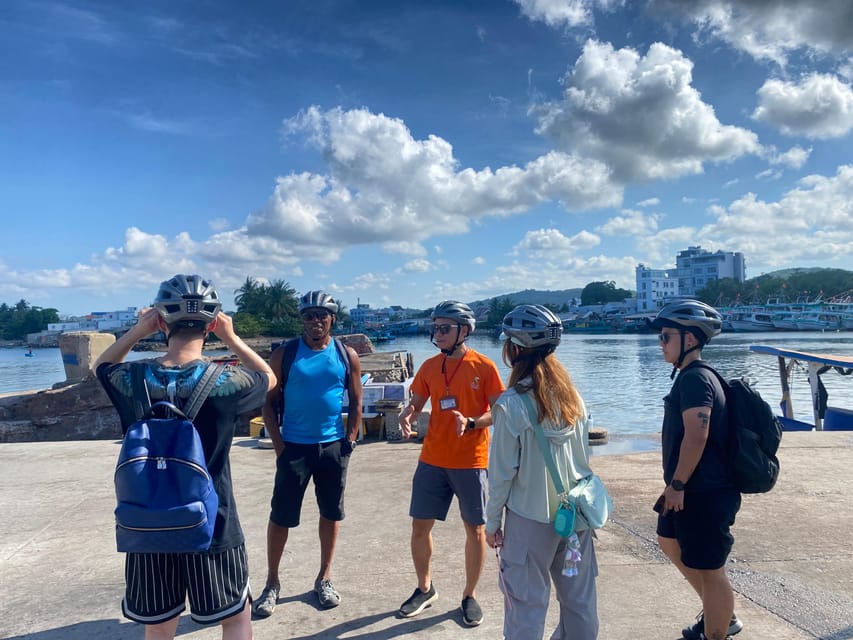
After the factory, you’ll stop at Dinh Giếng Tiên, also called Fairy Well, with another guided visit and photo time (about 20 minutes). This spring was among the first discovered by Vietnamese residents on Phu Quoc and still exists today.
It’s a short stop, but it adds meaning. Food and fishing show you the island’s economy; Fairy Well reminds you how early residents solved daily needs—fresh water matters anywhere, even on an island.
Then you roll into the break: a Phu Quoc Beach pause (about 40 minutes). You’ll have coffee, some free time, and a breather after the cycling. The beach break is also where the tour often feels most relaxing. You can cool down, walk around a bit, and reset before heading back.
Price and value for a 3-hour morning ride
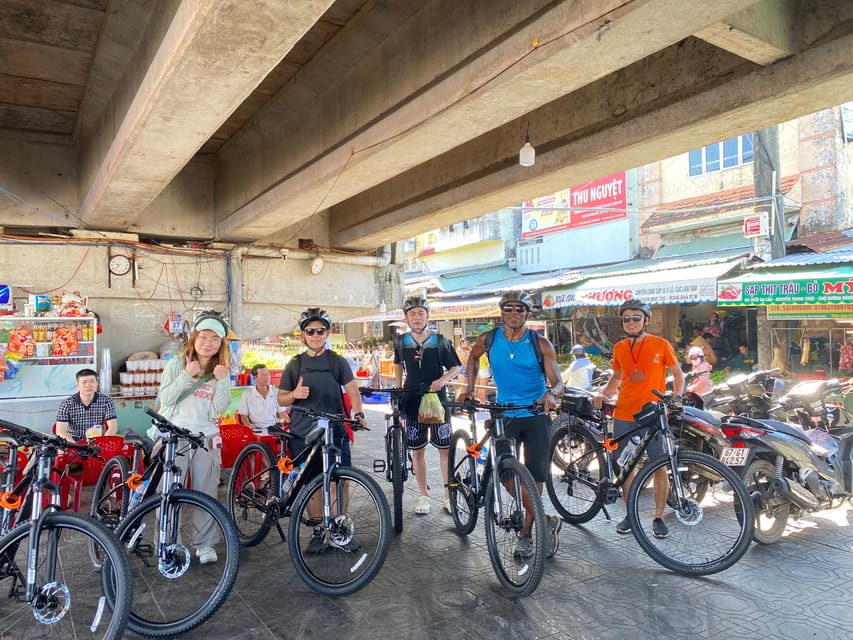
The price is $25 per person for a 3-hour experience. For that money, you get a lot more than “bike rental plus photos.”
You’re paying for:
- Trek mountain bikes and helmets
- bottled La Vie water
- a map
- an experienced local guide (English and Vietnamese)
- guided visits to key sites (Cao Dai Temple, Dinh Cau, Duong Dong Market, fish sauce store, Fairy Well)
- local drink included
- a small-group format (limited to 5 participants)
When you compare that to typical day tours that cost more but pack in less guidance, the value here comes from how much structure you get for the time you spend. You’re not stuck on a bus all morning, and you’re not left to guess your way through local landmarks.
The one value warning is the obvious one: this is a cycling tour, so the money only makes sense if you’ll actually enjoy riding. If you’re walking-averse or you’re worried about endurance, you’ll feel the cost more than the benefits.
Guides make the difference (Mr T, Si, Tan)
The guides are a big reason this tour gets strong ratings. I especially took note of how guides personalize the day: Mr T’s explanation-focused approach helped turn an early first-day ride into an island orientation. Si was praised for being friendly and helpful, with interesting context at the market and fishing areas. Tan was noted for sharing a lot about town life and keeping the cycling pace just right.
Even when the route is set, the guide makes it feel like you’re traveling with someone who understands Phu Quoc’s daily rhythm. You also get a more natural flow of stops—things like where to look, what’s worth a photo, and what to try during tastings.
Who should book this cycling tour—and who shouldn’t
This is a great option if you:
- want a morning activity that covers multiple Phu Quoc highlights
- like learning through real places—temples, markets, and working areas
- enjoy moderate cycling and don’t mind riding in traffic-adjacent streets
- appreciate small groups and guided pacing
It’s not a good match if you:
- can’t ride a bike confidently
- have back problems (the tour is listed as not suitable for this)
- want a totally sedentary tour with minimal movement
Also, the tour isn’t designed for people who want to bring distractions. Alcohol and drugs are not allowed, and the focus stays on the ride and the experience.
Quick tips so your morning feels easy
- Wear comfortable shoes and clothes you can cycle in.
- Bring sunscreen and a hat. It’s a morning ride, but the sun still shows up fast.
- You’ll want to hydrate even if water is provided. Pace yourself through the ride and tastings.
- If you’re camera-happy, you’ll get several photo stops, especially at Cao Dai Temple, Dinh Cau, and Fairy Well.
Should you book this Phu Quoc morning cycling tour?
Book it if you want a smart, local way to understand Phu Quoc in a short window. The combination of Cao Dai Temple, Dinh Cau’s ocean views, a real Duong Dong market stop, and a fish sauce factory visit gives you more than sightseeing—you leave with context for what you ate, saw, and smelled.
Skip it if you’re not comfortable biking for a moderate activity level. Also skip if you want hotel pickup and hassle-free door-to-door service, because this tour starts and ends at Hornbill Adventures.
If your plan is to get your bearings early in Phu Quoc, this is the kind of tour that makes later beach time feel more meaningful.
FAQ
How long is the Phu Quoc morning cycling tour?
The tour lasts about 3 hours. Starting times depend on availability.
Where do I meet the guide and where does it end?
You meet at the Hornbill Adventures office in the alley 117, about 50 meters from Tran Hung Dao. The tour ends back at the same meeting point.
What’s included in the price?
You get use of Trek mountain bikes, a helmet, La Vie Natural Alkaline Water, a map of the island, an experienced local guide, visits to historical sites and attractions, and a local drink.
Is hotel pickup or drop-off included?
No, hotel pickup and drop-off are not included.
What languages are available for the guide?
The guide speaks English and Vietnamese.
Is this tour suitable for everyone?
It’s not suitable for people with back problems, and it’s not for those who can’t ride a bike. It also involves moderate cycling, so comfortable riding is important.
What should I bring, and what’s not allowed?
Bring comfortable shoes, a hat, and sunscreen, plus comfortable clothing. Alcohol and drugs are not allowed.