REVIEW · NEW DELHI
New Delhi Cycle Tour
Book on Viator →Operated by SpinMonkey Cycle tour · Bookable on Viator
Pedal into Delhi before the city wakes up. This New Delhi cycle tour strings together old lanes and big government-area boulevards with an early start and a local guide who keeps things safe and story-filled.
Two things I really like: the included breakfast plus morning tea (so you’re not just sightseeing on empty), and the chance to understand Sikh culture through the temple’s community kitchen setup, not as a quick photo stop.
One consideration: you’ll be up early, and you’ll want modest clothing for temple time, since shorts may not fit the vibe.
In This Review
- Key Highlights You’ll Care About
- Sunrise Wheels: Why the 5:30am–10:30am Timing Matters
- What You Get for $35: Value Beyond the Bike
- Bike Gear and Comfort Tips That Save Your Morning
- The Route Mix: Old Delhi Lanes to New Delhi Boulevards
- Connaught Place in the British-Era Morning Rush
- Inside the Sikh Temple and the Langar Kitchen System
- Lutyens Delhi, President Estate Views, and India Gate Lawns
- Stepwell and the Morning Dhobi Ghats: Daily Life Up Close
- The Finish: A Cafe Breakfast That Makes the Whole Morning Click
- Safety, Group Size, and Pace: How This Tour Fits Real People
- Practical Stuff to Know Before You Go
- Who This New Delhi Cycle Tour Suits Best
- Should You Book This Cycle Tour?
- FAQ
- How long is the New Delhi Cycle Tour?
- What time does the tour start and end?
- What’s included in the price?
- Do I need to bring a bike or helmet?
- Is this tour only for experienced cyclists?
- Are there vegetarian meal options?
- What should I wear for the tour?
- Is hotel pickup and drop-off included?
- Can I cancel for a full refund?
- Is camera/monument entry included?
Key Highlights You’ll Care About
- Sunrise departure so you ride Delhi when traffic feels more manageable
- Mountain bikes with disc brakes, plus helmet and safety jacket
- Breakfast, tea, and tastings built into the route (not tacked on later)
- Sikh temple stop and langar: learn why free community meals matter
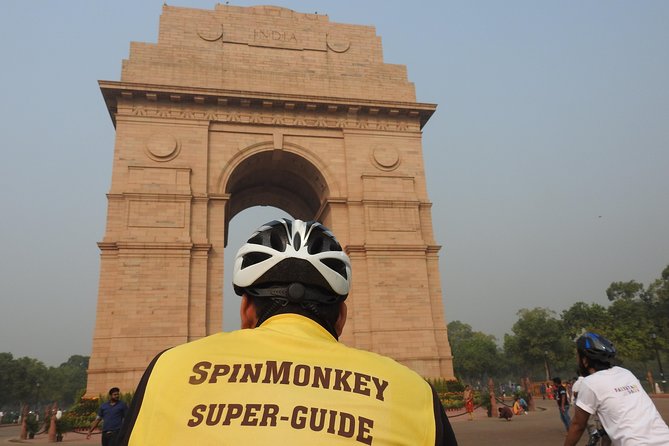
- Lutyens Delhi + India Gate views, with a look from outside President Estate
- Dhobi Ghats hand-washing in the morning, using traditional methods
Sunrise Wheels: Why the 5:30am–10:30am Timing Matters
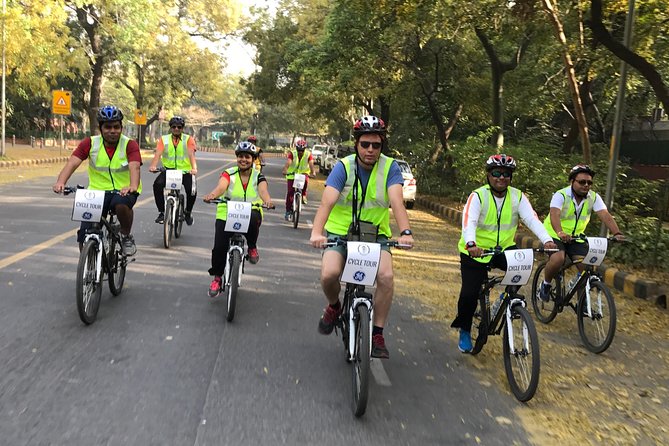
This tour is designed around a simple idea: Delhi is easier (and more interesting) to watch when the day is still getting going. You’ll start either 5:30am–9:30am (Mar–Sept) or 6:30am–10:30am (Sept–Feb) depending on the season, which means you see streets before they fully lock into their usual rhythm.
That timing also helps the “bike safely” promise feel real. The pace stays leisurely, and the route is meant for people who can ride, not people training for a race. If you want the city’s character without spending your whole day fighting traffic, starting before the heat and noise show up is a big deal.
You can also read our reviews of more tours and experiences in New Delhi.

What You Get for $35: Value Beyond the Bike
At $35, the cost feels like it’s paying for three things at once: gear, guiding, and food. You don’t just rent a bike and get sent off. You get a mountain bike, helmet, and safety jacket, plus a water bottle to keep you comfortable during an early ride.
Then there’s the food side. Breakfast, morning tea, beverages, and food tasting are included, and the tour ends at a cafe for an Indian breakfast. That’s not a minor add-on in Delhi—eating well and on time is part of the experience.
One more practical point: GST is included, and you’ll receive a certificate. Camera tickets at monuments aren’t included, so if you plan to shoot a lot inside ticketed areas, expect to pay extra separately.
Bike Gear and Comfort Tips That Save Your Morning
You’ll be riding a mountain bike with disc brakes, and that matters more than it sounds. Disc brakes are helpful when you’re stopping and starting in city traffic, even on flatter sections. The helmet and safety jacket also make it feel more like a guided street ride than an independent adventure.
For clothing, you’ll want to dress for comfort and respect at religious stops. Comfortable clothes are recommended, and you should avoid shorts if you can, since the route includes a Sikh temple visit. If you get nervous about the ride, the tour suggests padded bike pants only if you’re the type who scares easily—so you’re not forced into extra gear.
If you’re camera-ready, bring your camera or GoPro. The tour is built around plenty of visible landmarks, morning activity, and street scenes where you’ll want to pause without turning it into a long detour.
The Route Mix: Old Delhi Lanes to New Delhi Boulevards
The route is the selling point: it’s not only Old Delhi chaos, and it’s not only New Delhi monuments. You start with centuries of city layering—narrow lanes, busy market energy, and religious life—then roll into the more planned layout of New Delhi.
That contrast is why biking works here. On foot, you’d spend your whole morning inching forward. On two wheels, you can get close to daily life and still cover a lot of ground. The guide helps you connect what you see with what you’re learning.
You’ll also get a sense of how Delhi changes from neighborhood to neighborhood. Old Delhi gives you dense street texture; Lutyens Delhi and the India Gate area give you wide lawns and official architecture—like switching channels between different eras.
Connaught Place in the British-Era Morning Rush
One of the early stops is Connaught Place, described as one of New Delhi’s busiest markets and built during the British era. Coming here early changes everything. Instead of trying to navigate when the crowd is fully on, you experience it in a calmer morning window.
Even if you’ve walked parts of Connaught Place before, biking gives you a different feel for the grid and the flow. You’ll have a guide to connect the architecture to the city’s later layers—how Delhi grew, shifted, and absorbed new styles while keeping older patterns of trade and street life.
If you’re the kind of person who likes to understand why a place looks the way it does, this stop is a good early anchor. It sets context before the tour moves into more spiritual and residential-feeling areas.



Inside the Sikh Temple and the Langar Kitchen System
The tour’s spiritual highlight is a stop at the most famous Sikh temple in the city. You’re not only looking from the outside. You’ll learn about Sikh culture and see the community kitchen system—what’s often called langar.
Here’s the key concept: community service is central to Sikh practice, and food is offered for free to anyone in need. The tour also explains how these kitchens scale up to accommodate large numbers of people, which is why the setup inside the temple can feel massive.
If you want to participate, the tour notes that you can help make some food or serve the needy. Even if you don’t, the value is in understanding the workflow and the why behind it. This is one of those stops where you’ll come away thinking differently about what you saw, not just where you were.
A practical note: this is a religious visit, so go in ready to follow local expectations for clothing and behavior. Comfortable, modest attire will make everything smoother.
Lutyens Delhi, President Estate Views, and India Gate Lawns
After the temple stop, the ride shifts into the greener, more planned feel of Lutyens Delhi. You’ll reach areas around the President Estate for a view from right outside it, then continue through the lawns of India Gate.
This part is great for people who want to photograph Delhi without only thinking about street markets. The architecture and spacing are different here, and the ride gives you a moving viewpoint—like you’re traveling through a postcard, except you’re actually on the ground with real morning light.
At India Gate, you’ll connect the space to what it represents, then you’ll ride onward to the war memorial. The memorial is built in the shape of the Arch de Triomphe in Paris, which is a fun reference point if you’ve been in Europe and want to spot the design echo from another angle.
Stepwell and the Morning Dhobi Ghats: Daily Life Up Close
Two of the more memorable stops are both about daily survival and daily work: an ancient stepwell and the Dhobi Ghats cloth-washing activity.
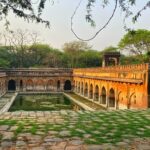
First comes the stepwell. It used to store water for travelers, and while the tour notes that not much water is left there now, the structure still tells you how people managed long-distance movement and city needs in earlier times. Even with less function today, it’s a powerful “how did they live” moment.
Then you reach the Dhobi Ghats area where hand-washing is done early in the morning. The tour explains that the people wash clothes with hands and that they believe this method is faster and better for the cloth. Watching how the setup works gives you a real-time look at labor, routine, and technique—less of a show, more of a working system you happen to witness.
If you’re worried about this being awkward, it won’t feel like that. The guide keeps things organized, and you’re there at the time when the work is happening, not staged later for photos.
The Finish: A Cafe Breakfast That Makes the Whole Morning Click
The tour ends by sitting for breakfast at a famous cafe, with the day’s food included as part of the experience. This matters because it turns the ride into something you can actually look forward to. You’re pedaling in the early morning, so having a proper meal at the end helps you avoid that “I’m cold, tired, and hungry” problem that ruins half-day tours.
This is also when the “Delhi taste” part becomes real. The tour includes food tasting, coffee and/or tea, and then the final breakfast. If you care about eating well, not just looking at monuments, this ending is one more reason the tour feels like a full morning plan rather than a quick loop.
Safety, Group Size, and Pace: How This Tour Fits Real People
This tour isn’t pitched as an advanced cycling challenge. It’s for people who can ride a bike, and the pace is leisurely, not Tour de France speed. That’s reinforced by the guidance that you only need a sense of adventure and comfortable clothes.
Group size caps at 15 travelers, which makes it easier for the guide to keep eyes on everyone and manage stops without turning into a chaotic pack. Also, the route isn’t described as expert-only, and the ride is presented as manageable for beginners.
Still, you should be honest with yourself about one thing: you’ll be riding in real city conditions. Even with careful guidance, you need calm instincts. If you get panicky around traffic, consider whether you’ll be comfortable following instructions closely and staying focused.
Practical Stuff to Know Before You Go
A few details can make your morning smoother:
- You’ll get bicycle, helmet, and safety jacket, plus a water bottle.
- Breakfast, tea, beverages, and food tasting are included.
- Hotel pickup and drop-off aren’t included, so plan your own way to the start.
- The tour runs with an English-speaking guide and a local speaking language co-guide.
- Mobile ticket is used, and a certificate is provided after the tour.
- Camera tickets at monuments aren’t included, so bring a few rupees-ready plans for paid entries.
- Vegetarian option is available if you request it when booking.
- Confirmation is received at booking time, and a minimum of 2 people per booking is required.
If you’re traveling with kids, children must be accompanied by an adult. The ride is designed to feel safe and organized, so it can work for families who want an early start and a structured route.
Who This New Delhi Cycle Tour Suits Best
I think this tour is a strong match if you want to see a lot of Delhi with guidance, but you still like the freedom of moving under your own power. It’s also a good pick if you like mixing neighborhoods—Old Delhi life plus New Delhi landmarks in one morning—without spending all day in transit.
It’s especially appealing if you care about cultural context. The Sikh temple and langar segment isn’t just a checkbox. It’s built around how community service is practiced and why the kitchen operation matters.
If you hate early wake-ups, or if you absolutely don’t want to ride in any traffic environment, then you might prefer a more traditional walking tour or a taxi-and-stop itinerary. The early timing and street conditions are the trade-off for covering so much ground.
Should You Book This Cycle Tour?
If you can handle a sunrise start and you’re open to wearing modest clothes for a temple visit, I’d book it. For $35, you get safety gear, a guided route through major contrasts of Delhi, and a real food plan that ends with breakfast—not a stop-and-go snack.
You should also book if you want the city explained in a human way—through food, religious culture, and everyday work like hand-washing at Dhobi Ghats. That’s where this tour feels most worth it.
If any of your “non-negotiables” are late mornings, no cycling at all, or no religious visits, then skip it and choose something that matches your pace and preferences more closely.
FAQ
How long is the New Delhi Cycle Tour?
The tour lasts about 4 hours.
What time does the tour start and end?
It runs from 5:30am to 9:30am (Mar–Sept) and from 6:30am to 10:30am (Sep–Feb).
What’s included in the price?
You get breakfast, morning tea and beverages, bottled water, bicycle use, helmet, safety jacket, and guiding (English speaking guide plus a local speaking language co-guide). There is also food tasting, coffee and/or tea, and a certificate.
Do I need to bring a bike or helmet?
No. The tour provides mountain bikes with disc brakes, helmets, and safety jackets.
Is this tour only for experienced cyclists?
No. It’s not for experts only. The pace is leisurely, and if you can ride a bike, you’re welcome.
Are there vegetarian meal options?
Yes. A vegetarian option is available if you request it during booking.
What should I wear for the tour?
Wear comfortable clothes and avoid shorts if you can, since the route includes religious places.
Is hotel pickup and drop-off included?
No. Hotel pickup and drop-off are not included.
Can I cancel for a full refund?
Yes. You can cancel up to 24 hours in advance for a full refund.
Is camera/monument entry included?
No. Camera tickets at monuments are not included.