REVIEW · KHAO LAK
Khao Lak Old Town Cycling Adventure
Book on Viator →Operated by Hands Experiences Thailand · Bookable on Viator
Tsunami stories, pedaled through quiet lanes. This Khao Lak Old Town cycling adventure links tsunami history with everyday life in southern Thailand, as you ride to the Ban Nam Khem Museum and Memorial sites, then finish at Baan Tharn Namchai. You’ll cover about 29km over roughly 6 hours, with an English-speaking guide and a support vehicle in the mix.
I love the way this tour doesn’t feel like a checklist. Guide Nunn keeps the day human—pairing the sites with context you can actually use, plus those little food and snack stops that make the ride easier to enjoy. One thing to consider: this is an emotional route focused on the 2004 tsunami’s impact, so if you prefer purely light sightseeing, the content at the memorial areas may hit harder than you expect.
In This Review
- Key points before you pedal
- Why this Khao Lak cycling day feels different
- Getting on the bike: what the logistics mean for you
- Ban Nam Khem Tsunami Museum: learning that lands in real life
- Countryside cycling and snack breaks that keep the day easy
- Old Takua Pa Sunday Market: local life, not a performance
- Takua Pa’s old lanes and Sino-Portuguese architecture
- Ban Nam Khem Tsunami Memorial Park: quiet moments with weight
- The Iron Bridge moment: a moving pause between past and present
- Ending at Baan Tharn Namchai: what your day of effort actually funds
- Lunch and the early-afternoon return
- Price and value: where the $87.55 really goes
- Who should book this ride (and who might skip it)
- My practical tips for a smoother ride
- Should you book the Khao Lak Old Town Cycling Adventure?
- FAQ
- How long is the Khao Lak Old Town Cycling Adventure?
- What is the cycling distance?
- Is pickup available?
- What’s included in the price?
- Is alcohol included?
- How big is the group?
- What happens if weather is poor?
- Can I cancel for a full refund?
Key points before you pedal
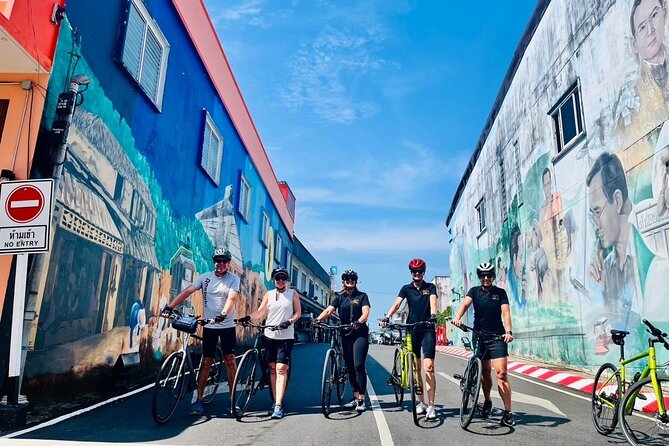
- 29km ride with a support vehicle means you can enjoy the pace without worrying about getting stuck
- English-speaking guide Nunn shares on-the-ground stories that make the sites feel real, not distant
- Ban Nam Khem Museum and Memorial Park add meaning beyond the sightseeing photos
- Takua Pa Old Town + Old Sunday Market stop gives you local street life and café breaks
- Iron Bridge and a golden pagoda pause offer a calmer moment before you continue
- Lunch and end visit at Baan Tharn Namchai connect what you learned to ongoing community support
Why this Khao Lak cycling day feels different
Most cycling tours in Thailand focus on scenery. This one spends its energy on people—what was lost, how communities rebuilt, and what support can still do today. You’re not just passing landmarks. You’re moving through a route that asks you to pay attention.
You start early (8:00am) and spend the day in a mix of countryside and town scenes. That balance is one reason it works: you get open views and quieter roads, but you also get the texture of old neighborhoods and markets where life keeps going.
And yes, it’s also practical. You’re on a Cannondale hybrid bicycle with a helmet, plus you have a support vehicle with a driver. It helps if you’re not an ultra-strong cyclist—this ride is about enjoying the day and taking in stops, not racing anyone.
Getting on the bike: what the logistics mean for you
Let’s talk about the parts that can make or break a cycling day: timing, comfort, and group size.
The tour runs about 6 hours. That includes cycling time, stops at the memorial and town sites, and a Thai lunch at the end of your ride. With a morning start, you’ll avoid the worst heat compared to later in the day, though you’ll still feel the humidity—Thailand has a way of reminding you you’re outside.
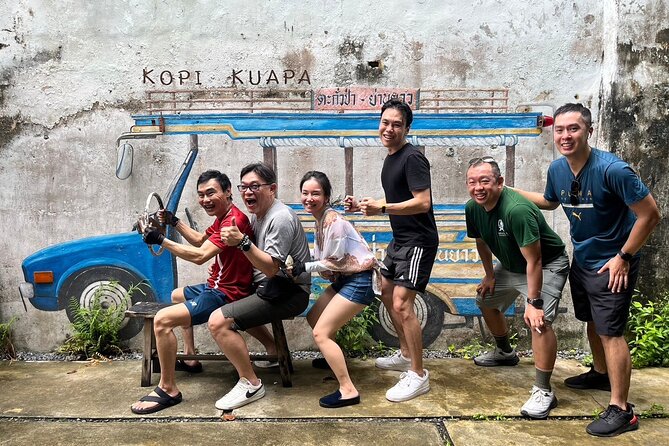
The group is kept small, with a maximum of 15 travelers. That matters because you’ll move more smoothly between photo stops and the indoor/outdoor areas at museums and parks. Smaller groups also tend to make it easier for the guide to answer questions and slow down when someone needs a moment.
If pickup is offered where you’re staying, you can save time and stress. You’ll also get a mobile ticket, so there’s no scramble the morning of to find paperwork.
Ban Nam Khem Tsunami Museum: learning that lands in real life
The day begins at the Ban Nam Khem Tsunami Museum. This is where the tour’s purpose becomes clear. Instead of treating the 2004 tsunami as a headline, you’re guided to understand the human impact and the rebuilding that followed.
What I like about starting here is the order. If you visit memorial sites after you’ve already seen the towns and cafés, you might treat it like part of the scenery. Starting at the museum sets the emotional context first, so later stops feel connected rather than random.
You’ll spend time reflecting on lives lost and the resilience of people who rebuilt. The museum stop is also where the guide’s storytelling really helps. You leave with a clearer sense of what happened locally, and why these specific locations matter.
Practical consideration: the tone is serious. If you know you get overwhelmed by heavy topics, you’ll want to pace yourself and give yourself small breaks—sip your drink, take photos only if it helps, and let the guide’s pacing do the work.
Countryside cycling and snack breaks that keep the day easy
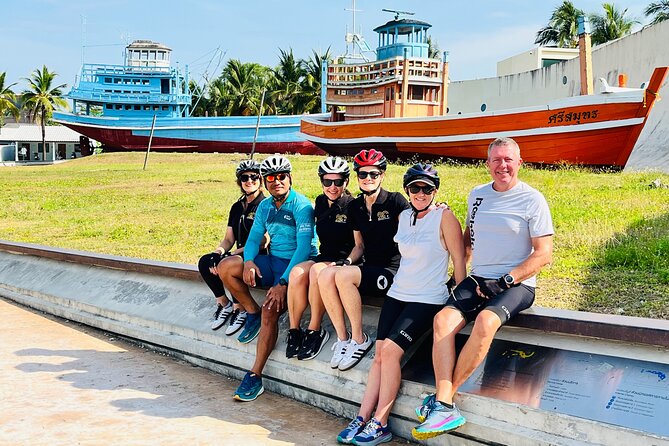
Once you’re out of the museum, you’ll start working through countryside roads and village life. The route isn’t just about distance; it’s about variety. You’ll move from quieter stretches into busier local settings as the day goes on.
One detail I really appreciate: the tour includes soft drinks and fruit, plus you’ll have snack moments along the way. The first stop snacks were called out in a standout way, and I get why. When you’re doing a solid 29km day, small food breaks make you feel taken care of, not rushed.
The hybrid bike is a smart choice for this kind of route. It’s built for mixed surfaces and general comfort. You’ll also have a helmet, which you’ll be happy to use once the sun is high and the roads are moving.
And because there’s a support vehicle with a driver, you’re not guessing about what happens if you tire out. That safety net changes how you experience the ride—you can focus on the road and the stories, not stress.
Old Takua Pa Sunday Market: local life, not a performance
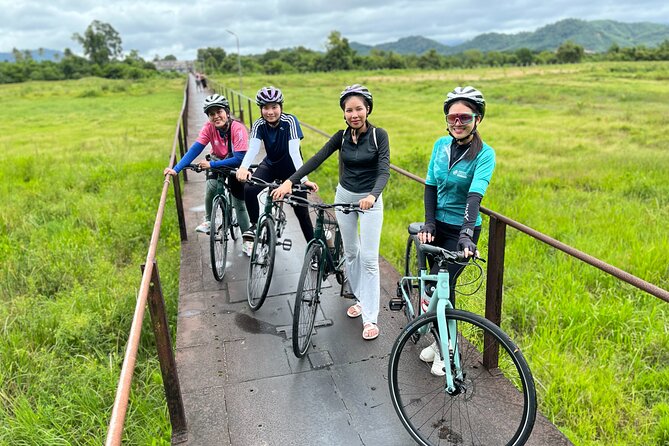
After the museum, you’ll reach Old Takua Pa and one of its best energy zones: the Old Takua Pa Sunday Market. Even if you’re not shopping, this stop is valuable because it shows you how a tourist-friendly old town still functions like a normal neighborhood.
The point isn’t to buy souvenirs. It’s to walk through local rhythms: people moving, vendors setting out goods, and cafés doing what cafés do best in Thailand—fueling your next hour of walking.
Expect the atmosphere to be livelier than the museum and memorial areas. That contrast is a good thing. Your brain needs a change of pace after serious content, and the market gives you that without turning the day shallow.
Takua Pa’s old lanes and Sino-Portuguese architecture
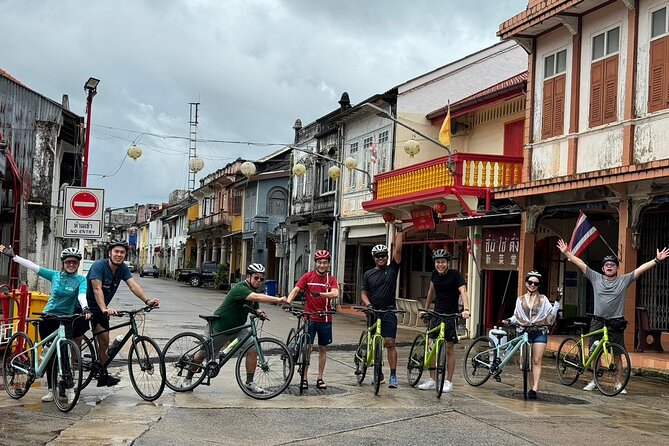
From the market, you’ll spend time exploring Takua Pa itself, including the older lanes where Sino-Portuguese architecture still shows up. These are the kinds of streets where buildings look faded but full of character, like you’re watching history time itself.
What makes this part work is that it’s not only visual. You’re given a sense of how places like these reflect local identity—how communities adapt, how styles travel, and how everyday life keeps threading through older structures.
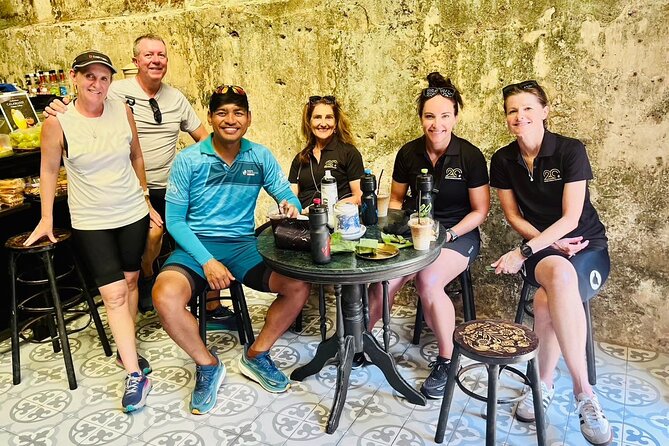
You’ll also get a coffee and snack break in a quirky café. I like these moments because they’re not just downtime. They’re how you experience the town as a visitor and as a person stopping for a rest, rather than a person sprinting to the next photo.
If you’re the type who enjoys slowing down in old streets, this section is one of the most satisfying portions of the whole day.
Ban Nam Khem Tsunami Memorial Park: quiet moments with weight
Next up is the Ban Nam Khem Tsunami Memorial Park. If the museum gives you information, this stop gives you space to absorb the meaning.
You’ll see memorial elements that honor the lives lost and recognize the people who continued rebuilding. There’s a more reflective feel here—less about learning specific details, more about understanding what the site asks you to remember.
A notable part of the route is the presence of a golden pagoda and a pause for quiet before you cross the Iron Bridge. That sequence matters. The quiet time gives your emotions a chance to settle, and the bridge acts like a physical transition—moving forward while still acknowledging what happened.
This is also where I’d suggest you pay attention to your own pace. Don’t force long photo sessions if you’re feeling heavy. A short pause can be more powerful than capturing everything.
The Iron Bridge moment: a moving pause between past and present
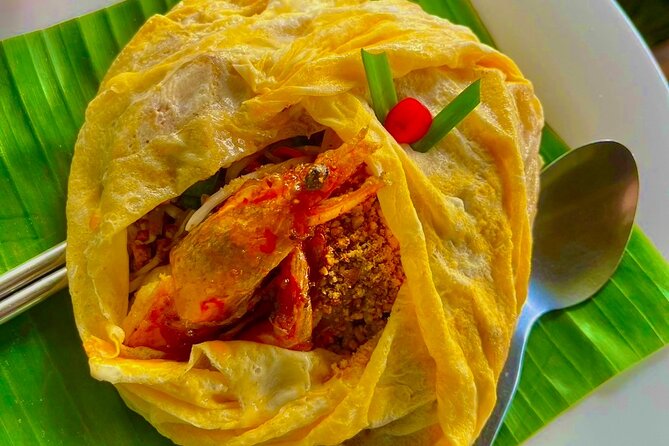
You’ll cross the iconic Iron Bridge as part of the ride. It’s a recognizable landmark that also works symbolically: motion continues, even when the purpose of the route stays grounded in memory.
For a cycling day, this is one of the moments that breaks up the physical effort. It’s not just another stop sign. It gives you a clear sense of place in the landscape and the town layout.
If you like taking photos, this is a great spot—but keep it human. The best shots aren’t rushed. Let yourself look first, then lift your phone or camera second.
Ending at Baan Tharn Namchai: what your day of effort actually funds
The tour culminates at Baan Tharn Namchai, a home built for children who lost everything in the tsunami. This is where the promise of the day becomes tangible.
You’ll witness the lasting impact of generosity and ongoing support, and you’ll see what “help” looks like in daily life: love, safety, and opportunity. The focus isn’t a dramatic show—it’s a real place with real meaning.
For me, the emotional payoff of the whole route comes here. You’ve cycled to learn and reflect, and then you end by seeing what support makes possible.
This is also why the experience is better than a regular sightseeing loop. You’re not only paying to ride and eat. Your participation ties back to helping kids and community efforts connected through Hands Across the Water.
Lunch and the early-afternoon return
After your visit, you’ll enjoy a delicious Thai lunch. The food is included, and it’s a welcome shift from the heavy tone of the memorial areas. You’ll likely leave with a calmer energy—full stomach, legs a bit tired, mind still turning over what you learned.
The tour returns you to your hotel in the early afternoon. That timing is practical: you still get part of the day for beach time, a nap, or another low-key activity.
Price and value: where the $87.55 really goes
At about $87.55 per person, this isn’t an ultra-budget activity. But it does several things that justify the cost.
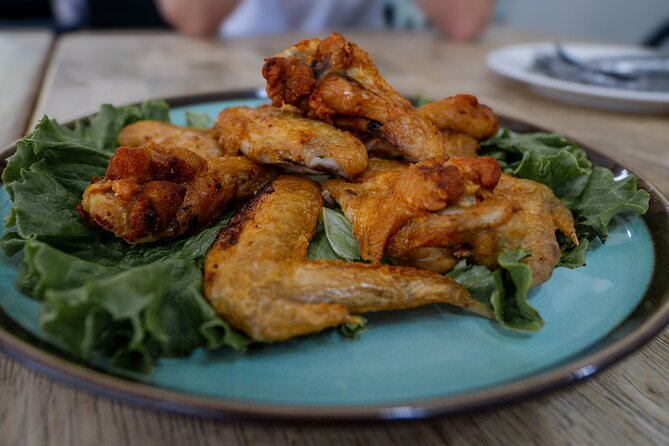
You get a real guided program in English, not just a self-guided route. You also get a bike (Cannondale hybrid), a helmet, and a support vehicle. Then there’s the meal: Thai lunch plus soft drinks and fruit.
Finally, the biggest value driver is purpose. The day’s profit supports children at Baan Tharn Namchai and related support across Thailand through Hands Across the Water. That means you’re paying for both logistics and a meaningful social connection.
If you want a cycling day that’s only scenery, you can likely find cheaper options in the region. If you want a day that feels grounded—history, people, and ongoing support—this price starts to look fair.
Who should book this ride (and who might skip it)
This tour is a great fit if you:
- Want an active half-day that still includes reflection and education
- Like small-group tours and clear guidance from an English-speaking host (Nunn)
- Enjoy old towns like Takua Pa and don’t mind mixing market life with quieter sites
- Appreciate tours with an actual community tie-in, not just a donation box
You might think twice if you:
- Prefer purely light sightseeing and don’t want tsunami-related content
- Get emotionally overwhelmed by memorials and loss-focused sites
- Want a purely fitness-focused ride with no serious stops
My practical tips for a smoother ride
Bring a few basic items and the day feels easier:
- Sunscreen and a light hat: you start at 8:00am, and you’ll still be in daylight for long enough
- Water habits: there’s fruit and soft drinks, but keep sipping during cycling
- Comfort over fashion: wear comfortable clothing you can sweat in; you’re riding about 29km
- Plan for emotion: if you’re sensitive, treat the memorial stops like a slow pace day, not a sightseeing sprint
Also, if you’re unsure about fitness, this is the kind of tour where the support vehicle helps you feel safer. You’re not left to fend for yourself if you need to take it slower.
Should you book the Khao Lak Old Town Cycling Adventure?
I’d recommend booking this tour if you want your Khao Lak time to feel meaningful without being complicated. It’s structured, guided, and packed with stops that make sense together: museum learning, local town life, quiet memorial moments, and then a real-world ending at Baan Tharn Namchai.
If you’re on the fence, decide based on your tolerance for serious subject matter. This is not a light ride. But if you’re okay with that—and you like authentic connections—you’ll likely feel like you got more than a fun morning. You’ll feel like you participated in something that continues after you leave.
FAQ
How long is the Khao Lak Old Town Cycling Adventure?
The tour runs about 6 hours, with an 8:00am start.
What is the cycling distance?
You’ll cycle about 29km during the day.
Is pickup available?
Pickup is offered.
What’s included in the price?
You get a Cannondale hybrid bicycle, helmet, an English-speaking tour guide, a support vehicle with driver, accident insurance, soft drinks and fruit, and lunch.
Is alcohol included?
No. Alcoholic beverages are not included.
How big is the group?
The tour has a maximum of 15 travelers.
What happens if weather is poor?
The experience requires good weather. If it’s canceled due to poor weather, you’ll be offered a different date or a full refund.
Can I cancel for a full refund?
Yes. You can cancel up to 24 hours in advance for a full refund. If you cancel less than 24 hours before the start time, it won’t be refunded.