REVIEW · BERLIN
Berlin Wall History Small Group Cycling Tour
Book on GetYourGuide →Operated by BBT-Sightseeing & More · Bookable on GetYourGuide
The Wall still leaves footprints. This small-group cycling tour follows the Mauerweg from Bornholmer Straße toward Checkpoint Charlie, so you see how the border functioned in real space, not just on a map. I especially like the specific stops at key border points and the way the guide ties them to human stories you actually remember.
I also love that you ride through places that look ordinary today—parks, streets, and major landmarks—so the past feels close, not distant. One possible drawback: only small sections of the wall remain, so some of the impact is built from memory, memorial design, and guided explanation rather than long stretches of original concrete.
In This Review
- Key Things That Make This Tour Worth Your Time
- Cycling Berlin Wall History the Way It Was Meant to Be Seen
- Bornholmer Straße and the Square of 9 November 1989
- Mauerpark: When a Border Becomes a Park
- Chapel of Reconciliation and Bernauer Straße: Border Lines That Still Hurt
- Chausseestraße Border Crossing and the Logic of Control
- Invaliden Cemetery and the Memorial of Gunter Litfin
- Government Bank and the Parliament of Trees: A Modern Lens on Old Tensions
- Brandenburg Gate, Potsdamer Platz, and Checkpoint Charlie
- Brandenburg Gate
- Potsdamer Platz
- Checkpoint Charlie
- Tränenpalast (Palace of Tears): Where the Story Turns Emotional
- Price and Logistics: What You Get for $40
- Who This Tour Suits Best
- Should You Book This Berlin Wall Cycling Tour?
- FAQ
- How long is the Berlin Wall History Small Group Cycling Tour?
- What is the group size?
- How much does the tour cost?
- Where do I meet the guide?
- Is the bicycle included?
- What language is the guide?
- What should I bring?
- Is food included?
- Does the tour run in rainy weather?
- Are large bags or luggage allowed?
Key Things That Make This Tour Worth Your Time
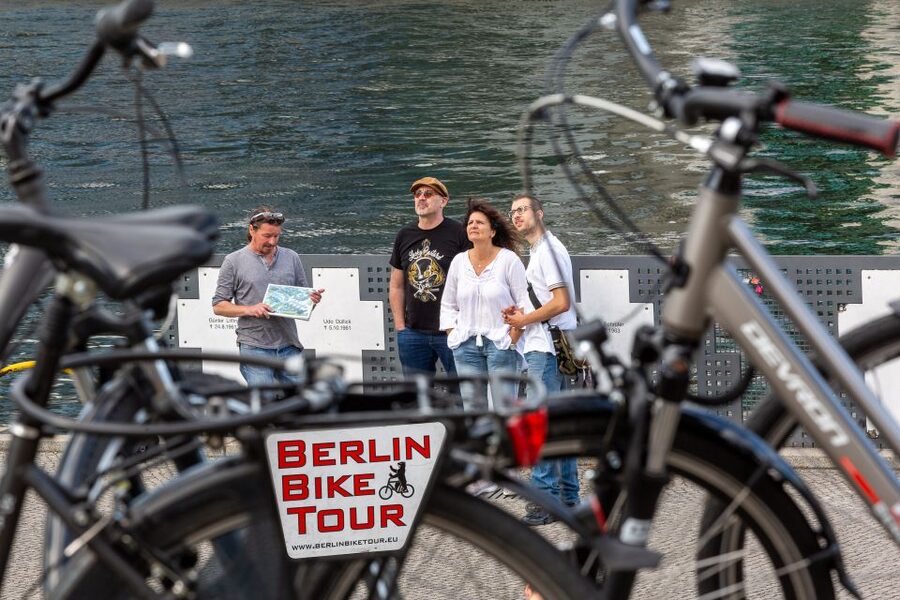
- Ride the former Bornholmer Straße border crossing and then keep rolling into Mauerpark
- See wall memorials at Bernauer Straße and Chausseestraße, where the border line is explained clearly
- Visit Invaliden Cemetery and the memorial tied to Gunter Litfin
- Pedal past major landmarks like Brandenburg Gate, Potsdamer Platz, and Checkpoint Charlie
- Finish with the Tränenpalast (Palace of Tears) near Friedrichstraße for the emotional close
Cycling Berlin Wall History the Way It Was Meant to Be Seen
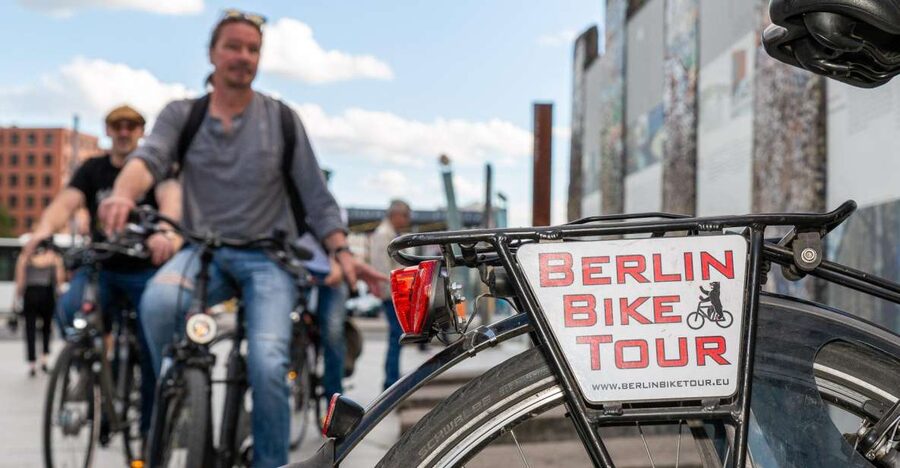
Berlin’s Wall is famous for what it divided, but it’s even more powerful for how it controlled movement. This is a cycling tour built around that control. Yes, Berlin looks like Berlin now—bike lanes, cafés, crowds near big sights. But the route you take is organized around where people were checked, delayed, and often trapped.
The small-group size (minimum 3, maximum 8) matters more than you might think. On a Wall route, you want time for questions. You also want the guide to slow down when the story turns grim, and that’s easier with fewer riders. At $40 for a 4-hour experience, you’re paying for more than transportation: you’re paying for guided context, a working route, and a bike that keeps the pace moving without turning it into a sprint.
And the feedback around the guide style is consistent: professional, friendly, and factual, with a personal window on life around the Wende. Guides like Ferenz are highlighted for balancing clear explanations with lived perspective, which is exactly what helps this kind of history land.
Bornholmer Straße and the Square of 9 November 1989
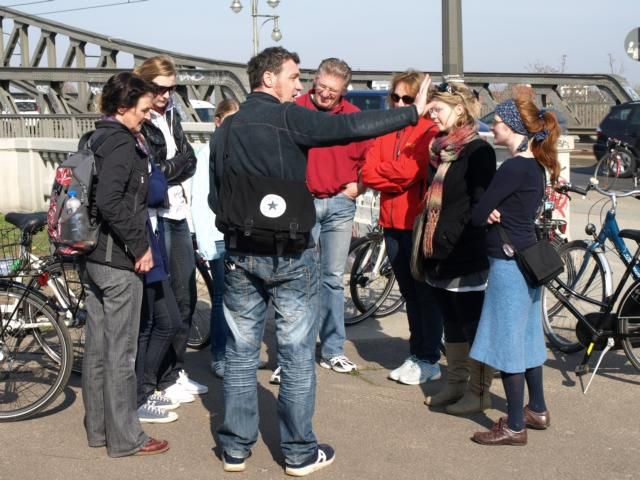
Most Wall tours tell the story as a sequence of dates. This one starts by grounding you at the moment the border changed. You meet at 75 Bornholmer Straße, then ride toward the Square of 9 November 1989, where the first East German citizens crossed.
That opening point is smart. It reframes the usual narrative. Instead of beginning with the Wall as a fixed structure, you begin with the decision and the pressure that led to movement. Standing there, you can feel how quickly plans changed once people acted and the system couldn’t hold.
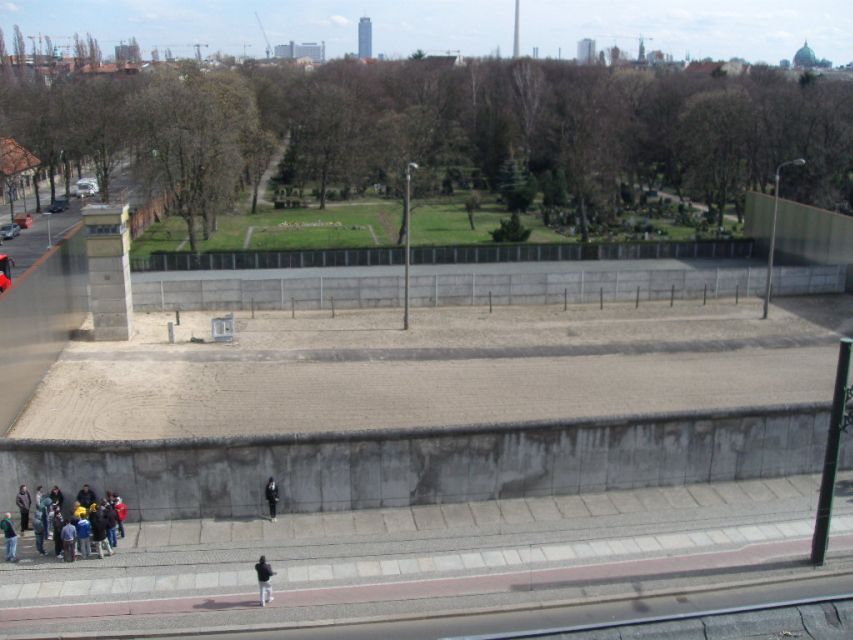
From there, you’re guided to details that make this area more memorable than a generic sightseeing stop. You’ll learn why cherry trees were grown on Bornholmer Straße, and you’ll see the original watchtower along with the idea of the death strip—the area designed to be deadly for anyone attempting escape.
Practical note: even though you’re starting strong, you’re also starting outdoors. Bring your ID or passport and use sunglasses and a sun hat if it’s bright. The tour runs in all weather.
Mauerpark: When a Border Becomes a Park
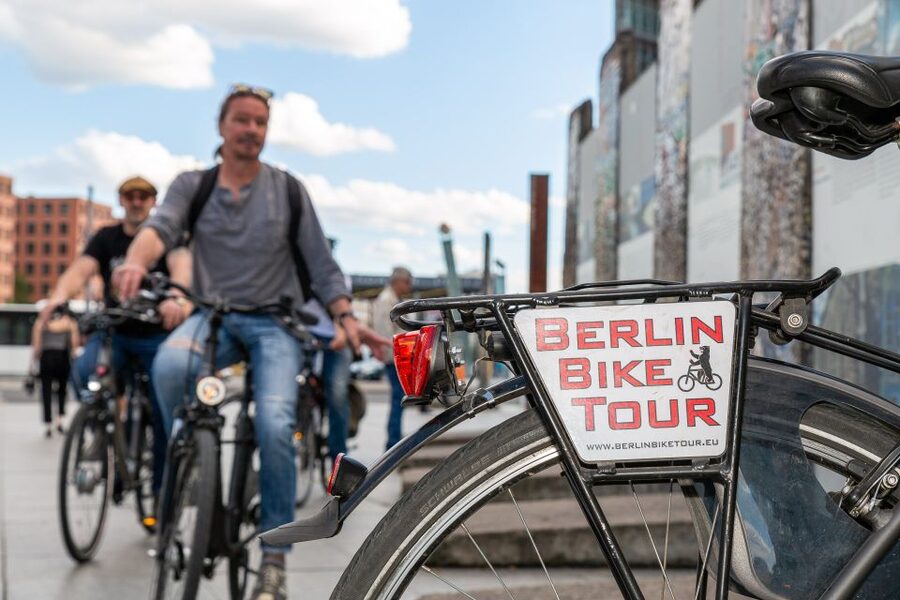
After the border story begins, the ride shifts into a “how did this happen?” phase. You cross the former border at Bornholmer Straße and cycle through Mauerpark, a place that feels like it belongs to today—locals relaxing, people gathering.
That contrast is the whole point. The Wall’s design was meant to freeze lives in place. Now you’re moving through the outcome: a city where former control lines are repurposed.
The tour also adds visual clues to keep your brain oriented. You follow rabbit pictures on the ground as you ride onward. It sounds simple, but it’s a great trick for a history route. When you’re biking between stops, you don’t want to constantly check a screen. Ground markings help you keep a mental map of the border traces.
What you’ll like most here is that the guide doesn’t treat Mauerpark as a casual detour. Instead, you’re learning why the space exists where it exists and what used to happen there. If you’ve ever felt that Berlin Wall history gets too abstract, this segment makes it physical again.
One consideration: since this is a cycling route built around traces, you won’t be seeing a continuous Wall. There are stretches where the story is carried by memorial features, placement, and explanation rather than long visible segments.
Chapel of Reconciliation and Bernauer Straße: Border Lines That Still Hurt
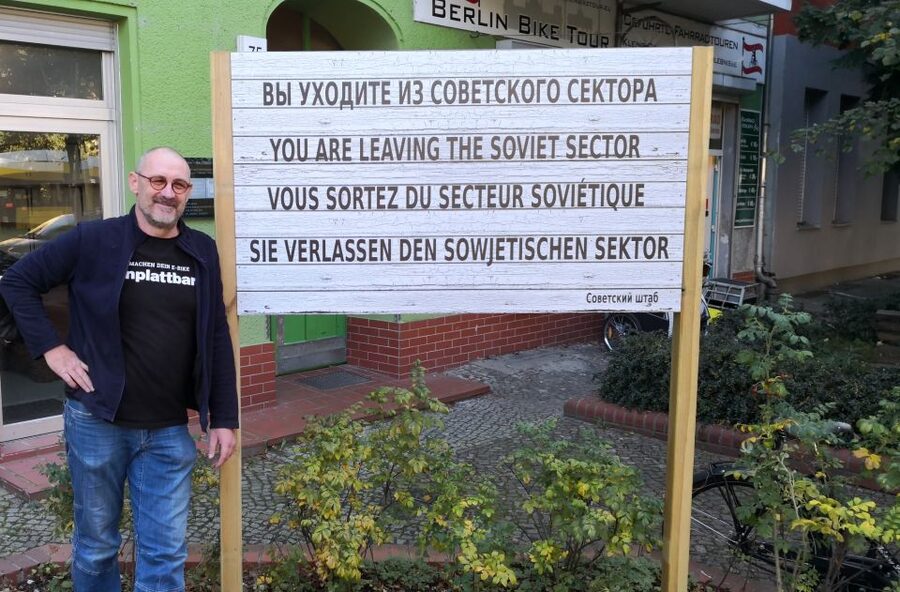
One of the most affecting parts of the route is the area around Bernauer Straße, where you visit Wall memorials connected to how the border worked on the ground and in the buildings.
This is also where you’ll encounter the Chapel of Reconciliation. It helps translate something brutal into something you can stand in front of. Memorials here are not just plaques. They’re arranged so you can understand how space forced choices.
Bernauer Straße is valuable because it shows you a border that cut through neighborhoods, not just through open land. That makes the history less like a distant Cold War fact and more like an immediate urban reality.
What to watch for on this stop: the guide will point out specific traces and explain why certain locations were used for watching, controlling, or preventing escape. Your job is basically to keep moving slowly in your mind, even while you’re biking. Let the story build stop by stop.
A small drawback in general: because memorials are emotional and sometimes complicated, you’ll want to be ready for a heavier tone. Bring patience. This tour can feel like it flips from sightseeing mode to serious mode in a matter of minutes.
Chausseestraße Border Crossing and the Logic of Control
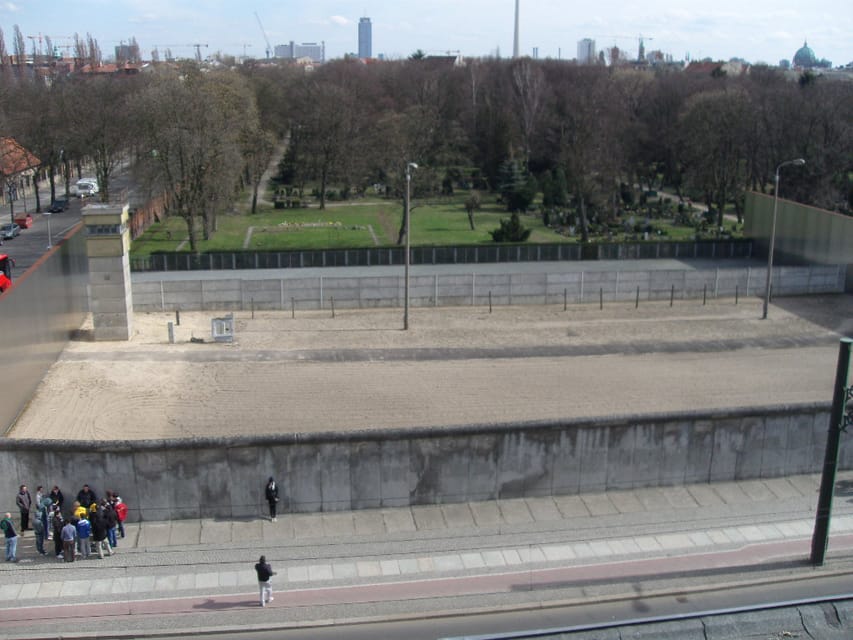
You continue toward Chausseestraße, another key border crossing point with its own memorial framing. This segment is where the tour’s structure really pays off: you start to see patterns in how the border controlled movement.
In practical terms, border crossings were not just gates. They were procedures, lines, observation points, and constraints that shaped what people could do next. Seeing multiple border points back-to-back helps you stop thinking of the Wall as one event and start seeing it as a system.
At Chausseestraße, the guide’s job is to connect the “trace” you can see with the “function” that trace served. If you’re the kind of person who likes clear explanations and timelines, you’ll get a lot out of this part.
Invaliden Cemetery and the Memorial of Gunter Litfin
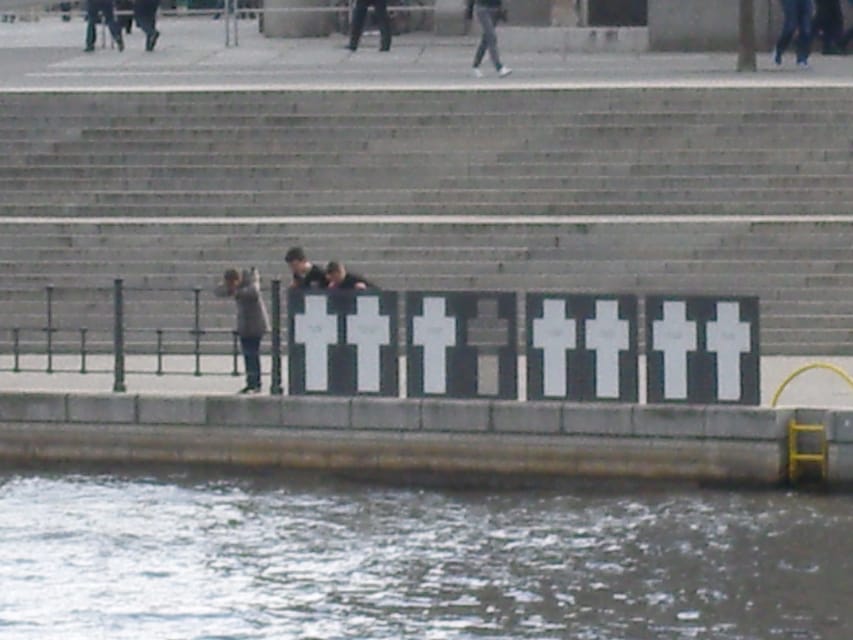
When a tour includes Invaliden Cemetery, it signals that it won’t shy away from consequences. This stop is one of the most significant on the route because it turns the abstract idea of escape attempts into a documented human story.
You’ll also visit the Memorial Gunter Litfin, tied to the danger of the border environment and the cost paid by people who tried to cross.
I like this segment because it avoids easy sentimentality. A good Wall history tour should not just say people tried to escape. It should explain what made attempts deadly and how the border apparatus shaped outcomes.
If you’re traveling with someone who usually gets restless on history walks, the cemetery visit can still work—but you should be prepared for quiet attention. This isn’t “look and move on.” It’s a stop where you’ll likely want a few extra minutes to take it in and let the guide’s explanation sit.
Government Bank and the Parliament of Trees: A Modern Lens on Old Tensions
After the serious memorial stops, the ride turns toward a stretch along the Government Bank, ending at the Parliament of Trees. This is Berlin’s way of layering meaning onto space.
The reason this segment works is that it reminds you the Cold War didn’t end and vanish. It changed political structures, and it changed what the city chose to remember. A memorial like the Parliament of Trees isn’t just a pretty installation. It’s part of Berlin’s post-Wall identity—how the city talks to itself now.
As you cycle through this area, keep an eye on how the route shifts you from border geography to civic geography. You go from watching points to state institutions. You also get the sense of how quickly Berlin had to rebuild a public story after reunification.
Brandenburg Gate, Potsdamer Platz, and Checkpoint Charlie
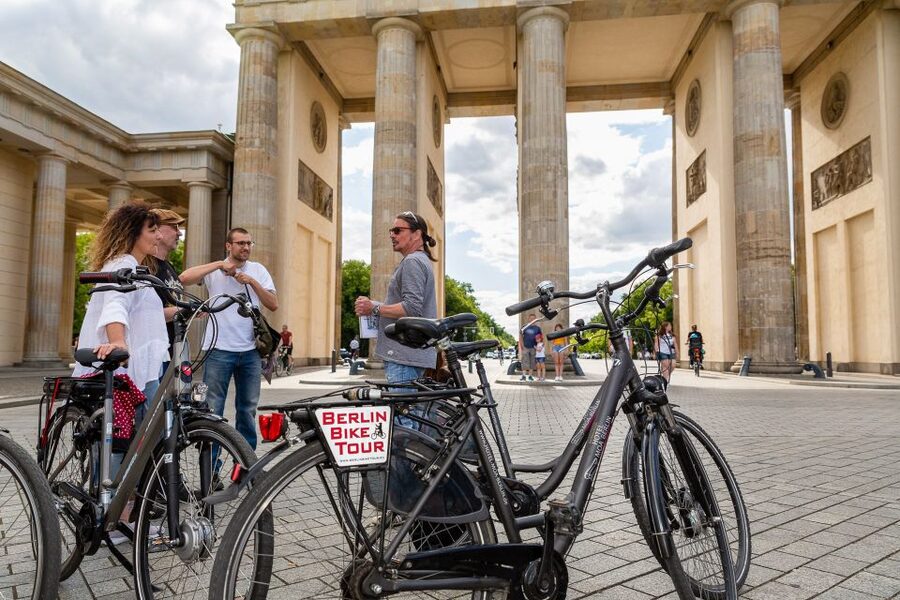
Now you hit some of the biggest postcard names: Brandenburg Gate, Potsdamer Platz, and Checkpoint Charlie. It’s tempting to treat these as “photo stops,” but on this tour they function differently.
First, you’ve already built context. The guide can frame these places through the lens of division and movement. Second, you’re approaching them by bike, which helps you connect distances and street logic—how far you’d have to go, how block layouts can steer people, and how borders reshaped neighborhoods.
Brandenburg Gate
The Gate matters because it’s a symbol people associate with unity, but it sits atop a landscape that was once cut up by political control. Seeing it from the route you’ve just ridden helps you connect symbolism to reality.
Potsdamer Platz
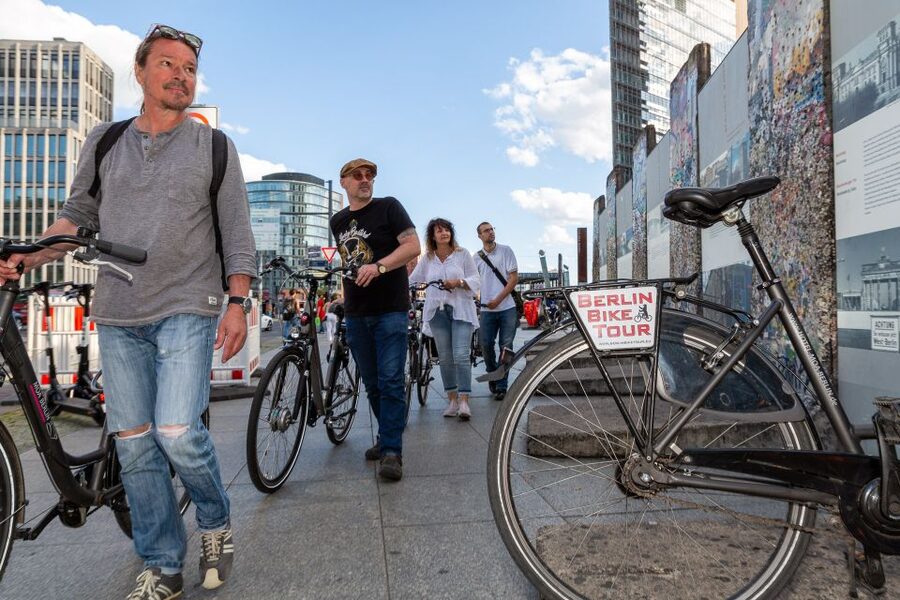
Potsdamer Platz is a reminder that Berlin rebuilt itself fast and visibly. Your ride here comes with history talk that helps you understand why reunification also meant rebuilding public space and traffic flow—not just politics.
Checkpoint Charlie
Checkpoint Charlie is famous, but what makes it worth visiting on this specific tour is the way the guide connects it to the earlier border trace points you learned about. It becomes less of a novelty stop and more of a meaningful terminus.
Tränenpalast (Palace of Tears): Where the Story Turns Emotional
The tour ends with Tränenpalast, the Palace of Tears on Friedrichstraße. This is a strong close because the name itself points to what people experienced at the border: separation, paperwork, uncertainty, and the moment when families had to deal with the rules of a divided system.
By the time you reach Tränenpalast, you’ve already learned about watchtowers, border crossings, memorial traces, and the danger built into the landscape. That makes this segment less like a final stop and more like the human payoff of the entire route.
This is also a good place to slow down. You’ll be tired from four hours of cycling, and that’s fine. Let the emotions land instead of rushing to photos.
Price and Logistics: What You Get for $40
At $40 per person for 4 hours, the value is tied to a few key factors: bike included, a live city guide, and a structured route that hits major Wall trace points without you needing to plan every turn.
Here’s the practical breakdown:
- You get the bicycle and you’re not left figuring out rentals on your own.
- Your fees are included, which removes a layer of surprise costs.
- You get a city guide for a full half-day, which is the main expense driver for this kind of history tour.
- On rainy days, you’re given a rain poncho.
The not-included part is simple: food and drink. That means you should bring water and plan a snack timing for before or after. Don’t plan to buy everything during the tour unless you know where you’ll stop.
Also note what you’re not allowed to bring: luggage or large bags. Pack light. You’ll want your camera ready, though a phone works too.
Who This Tour Suits Best
This is a great fit if you want:
- a small-group format (up to 8 riders)
- a guided route focused on border crossings and memorial sites
- a bike-friendly pace that still covers serious history
- history explained in a clear, human way, especially with guides like Ferenz described for their friendly professionalism and personal context
It may feel less ideal if you want only the longest visible stretches of original Wall. Since only small sections remain, you’re here for traces, memorial geography, and guided interpretation—not wall-chasing.
Should You Book This Berlin Wall Cycling Tour?
Yes, if you want Berlin Wall history that moves with you. The route connects the border story from Bornholmer Straße through major landmarks like Brandenburg Gate and Checkpoint Charlie, with memorial stops that keep the human cost in view.
I’d book it when you:
- have about half a day
- prefer small groups over big bus tours
- want a bike-based route with real guidance, not just a self-guided playlist
- care about understanding the border system, not only taking photos of the “famous names”
Skip it only if you’re strictly looking for long, intact wall sections you can physically walk alongside. This tour is more about meaning than material.
FAQ
How long is the Berlin Wall History Small Group Cycling Tour?
It lasts 4 hours.
What is the group size?
The tour runs in a small group with a minimum of 3 participants and a maximum of 8.
How much does the tour cost?
The price is $40 per person.
Where do I meet the guide?
Meet at 75 Bornholmer Straße, 10439 Berlin.
Is the bicycle included?
Yes. The tour includes a bicycle.
What language is the guide?
The live tour guide speaks German.
What should I bring?
Bring your passport or ID card, sunglasses, a sun hat, and a camera.
Is food included?
No. Food and drink are not included.
Does the tour run in rainy weather?
Yes. It takes place in all weathers. On rainy days, you’ll be given a rain poncho.
Are large bags or luggage allowed?
No. Luggage or large bags are not allowed.