REVIEW · UBUD
Ubud: Downhill Countryside Cycling From Kintamani
Book on GetYourGuide →Operated by PT. Bali Aktivitas Wisata Cycling Division · Bookable on GetYourGuide
Kintamani to Ubud is a ride with real payoff. You get a thrill-first downhill run out of the Kintamani highlands, plus a day that adds village and Ubud culture to the physical part. It’s also built for comfort: the trip includes transfers and meals, so you’re not scrambling before and after.
Two things I especially like: the route idea (starting near Mount Batur country and then easing into Ubud) and the practical inclusions—breakfast, lunch, and mineral water are covered. One thing to keep in mind is that extra stops and optional costs can pop up, depending on the day and conditions, so you’ll want to clarify what’s paid for before you order.
In This Review
- Quick Take: Key Things to Know
- From Kintamani to Ubud: why this ride works
- Morning setup: pickup, breakfast, and getting your bike ready
- The downhill from Kintamani: views, pace, and keeping control
- A practical safety note based on real-world small hiccups
- Weather reality: fog and rain can change the day
- Mid-ride village time: cultural stops you can ask questions about
- Coffee break and lunch with rice-paddy views: the fuel part that feels like a treat
- Watch for extra coffee plantation costs
- Arriving in Ubud: how to use your time after the ride
- Price and logistics: what $25 really buys (and what might cost more)
- Optional cost: seeing Mount Batur
- Another possible cost: personal expenses
- Who should book this downhill cycling day
- Weather and timing tips so you don’t lose the day
- Should you book the Ubud downhill countryside cycling from Kintamani?
- FAQ
- How long is the Ubud downhill cycling tour from Kintamani?
- What’s included in the price?
- What’s the cost to see Mount Batur, if it’s optional?
- Do I need to bring my own bike or safety gear?
- What language is the guide and audio in?
- Is pickup from my hotel included?
- Can I cancel for a refund?
- Is this tour suitable for everyone?
Quick Take: Key Things to Know
- Downhill focus, moderate pace: built for an enjoyable ride down from Kintamani rather than an all-out mountain biking workout
- Village visit mid-ride: a scheduled break to connect with local daily life and customs
- Poolside lunch with rice views: you’re not just cycling; you also get a proper sit-down meal
- English guide plus audio support: live guidance and English audio help keep things clear
- Weather can change views: fog or rain can affect what you see around Mount Batur
From Kintamani to Ubud: why this ride works
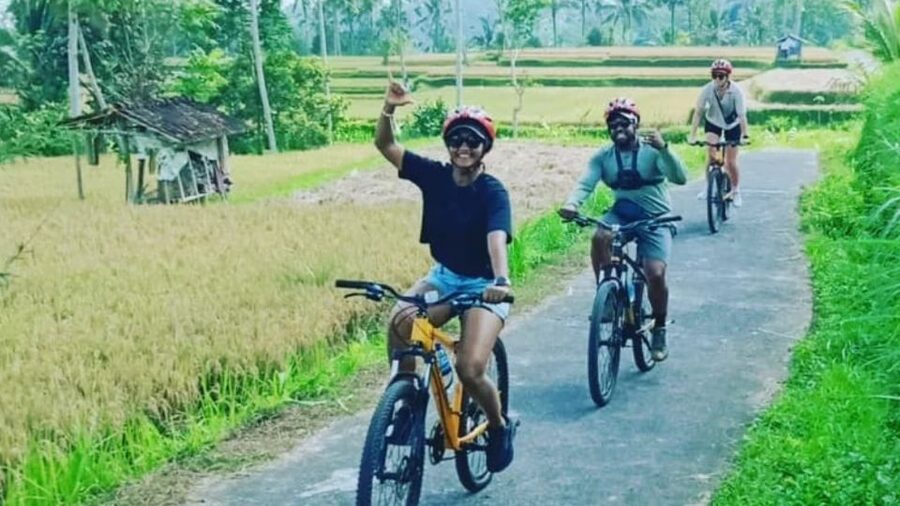
This tour’s main idea is simple: start high in the Kintamani region, then pedal downhill into the world of Ubud. That matters because downhill cycling here isn’t only about speed. It’s about the shift in scenery and daily life as you leave the volcanic highlands and roll toward the cultural center of Bali.
The best part is that you’re not choosing between adventure and culture. You get both in one block of time. The ride gives you a sense of momentum and freedom, then the breaks (coffee, a village stop, and Ubud time) give you context—how people live here and why Ubud feels the way it does.
You’ll also appreciate how the tour is structured around “don’t worry about the logistics.” Hotel transfer is included, along with a guide, equipment, and meals. Even if you’re not a confident cyclist, the plan stays friendly: it’s presented as moderate downhill for all skill levels.
You can also read our reviews of more tours and experiences in Ubud.

Morning setup: pickup, breakfast, and getting your bike ready
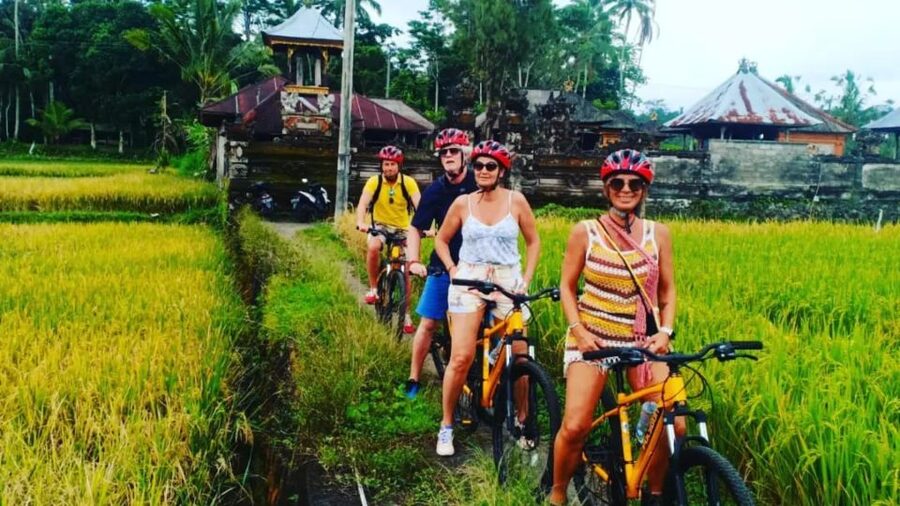
Your day starts with hotel transfer, with a clear expectation for timing. You wait in the hotel lobby about 10 minutes before pickup, and drivers won’t wait more than 15 minutes after the scheduled time. That may sound strict, but it usually helps the tour run smoothly—less wandering, fewer delays.
Breakfast is included, which is a quiet but important win. Downhill days can still feel active, and it’s nicer to eat before you start pedaling rather than hunt for snacks later. After breakfast, you’ll get geared up and get a quick orientation before the descent.
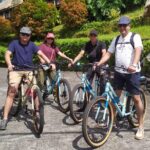
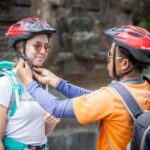
Cycling equipment is part of the deal, so you’re not bargaining with a rental shop or trying to match your shoe size on the fly. You also have insurance included, which can be reassuring for a paid activity that involves active riding and transport.
And if you like things explained clearly, you’ll benefit from an English live tour guide plus an English audio guide. The audio component is helpful when the guide is focused on guiding, not just translating every detail.
The downhill from Kintamani: views, pace, and keeping control
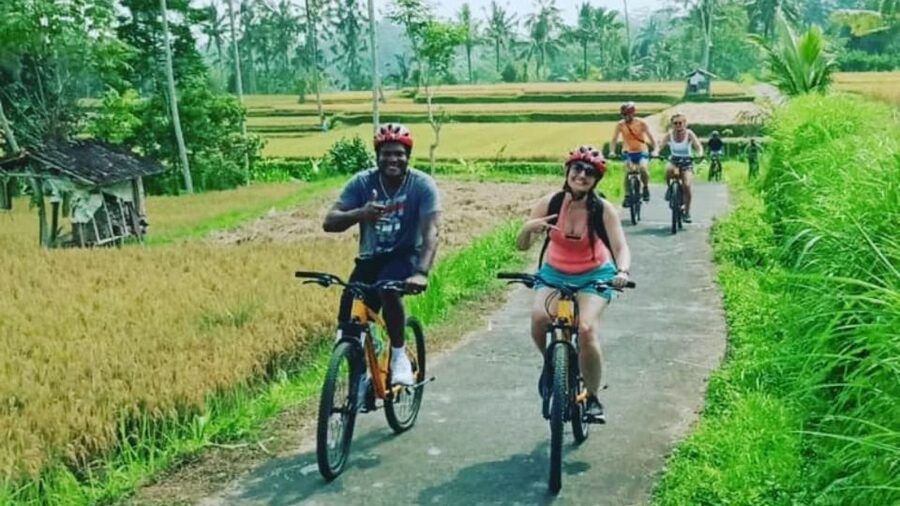
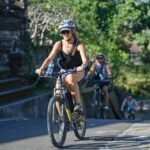
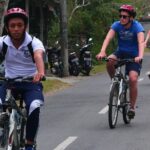
The heart of the experience is the descent from Kintamani, described as a spectacular downhill ride. This is where the tour earns its name. You start in an area known for volcanic scenery and views toward Mount Batur, then pedal through the countryside as the elevation drops.
The ride is positioned as moderate downhill, not extreme. That matters for two reasons:
- You still get a real sense of downhill momentum.
- You’re less likely to feel like you spent the whole day fighting your own legs.
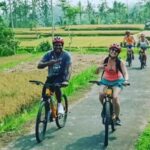
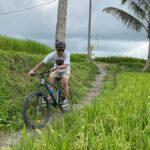
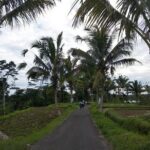
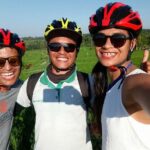
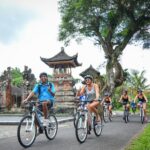
As you go down, you pass through lush rice-terrace country and traditional villages, with glimpses of everyday Balinese life. This is one of those rides where you don’t only look at the ground; you also look up and around, because the scenery changes as you lose height.
A practical safety note based on real-world small hiccups
The route is guided, but you should still make your own job easy: stay close to the guide, and if you stop for a photo, make sure you’re not drifting out of sight or confusion zone. One of the experiences described a moment where a couple of riders got lost during the ride and had to be found later, likely because there was only one guide for the whole group. You don’t need to panic about this—but you should treat it as a reminder to keep your bearings fast and follow the group line.
Weather reality: fog and rain can change the day
You’re in Bali, so weather can be friendly—or it can roll in and make visibility unpredictable. One experience mentioned fog, which meant no climb to see Mount Batur, plus some rain on the descent. That’s not the tour’s fault, but it is part of the planning picture: be ready for a day where the big view may be reduced, and the focus shifts to the riding and the village stops.
Mid-ride village time: cultural stops you can ask questions about
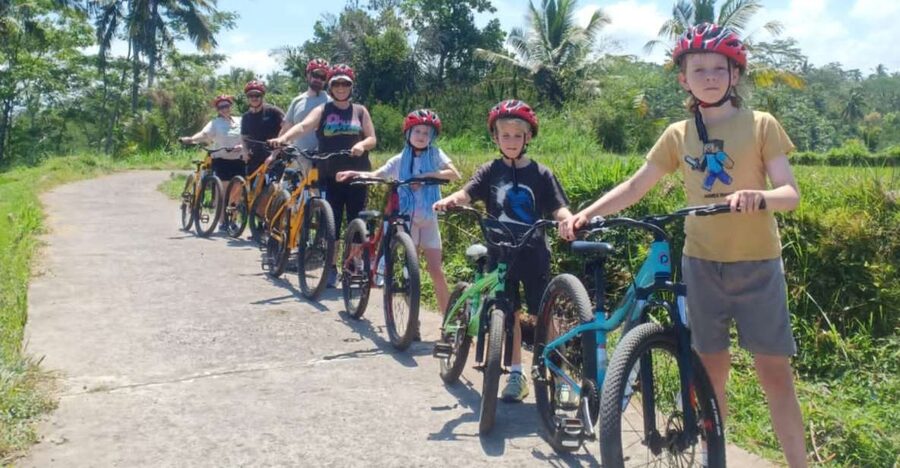
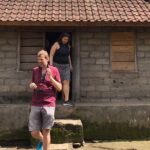
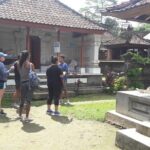
A key part of this tour is the cultural interlude mid-route. You take a break to explore a local village and interact with residents, learning about customs and daily life. This is where the tour moves beyond scenery and into people.
The value here is that it’s not just a quick photo stop. You’re given a structured moment to engage—often the difference between “I saw it” and “I understood what I saw.”
Practically, this break also gives your body time to reset. Even though it’s mainly downhill, you’re still riding. A pause helps you cool down, hydrate, and enjoy the exchange rather than just rush through it.
If you want to get the most out of this part, go in with a curious mindset. Ask simple questions about daily routines or what you’re seeing around you. You’ll often learn more from small, specific conversations than from a long speech.
Coffee break and lunch with rice-paddy views: the fuel part that feels like a treat
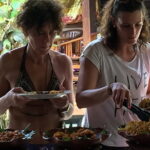
Food is a major component of the value here. The tour includes a coffee break and lunch, and lunch is specifically described as served with a swimming pool and rice paddy view.
That’s more than a pretty setting. In a cycling day, a good lunch is what keeps your mood up when the ride is over and your legs are done. If you’re planning to continue exploring Ubud afterward, a calm meal helps you stay in control of your energy instead of crashing.
You’ll also get mineral water along the trip, which is exactly what you want on a warm day. People underestimate how quickly water needs add up during active transport.
Watch for extra coffee plantation costs
One caution from a real experience: the group was taken to a coffee plantation stop they didn’t know about, and it came at an additional cost of about $50 AUD per person. That doesn’t mean this will happen every time, but it’s a strong signal that add-on experiences can appear.
My advice: before the coffee-related stop, ask directly whether anything is optional and what the additional price would be. If you’re not interested in paying extra for that kind of visit, you can make a clear decision before you’re standing in a ticket line.
Arriving in Ubud: how to use your time after the ride
When the cycling day finishes, you arrive in Ubud, Bali’s cultural center. This is where the tour shifts from active riding to wandering and choosing what you want to see.
You’ll have time to explore:
- Markets
- Artisan workshops
- Iconic landmarks
The exact order can vary by timing, but the practical takeaway is this: don’t overbook the rest of your day. Ubud has more than one “route” worth taking, and a short ride can still make you tired if you try to sprint through everything.
If you want a smooth transition, plan to start with markets or workshops first—places where you can stop often without it feeling like you wasted time. Then finish with the landmarks when you’re ready to be a little more “slow and look.”
After your Ubud time, you’ll be transported back to your hotel or a central location. That’s handy if you don’t want to navigate transport right after cycling.
Price and logistics: what $25 really buys (and what might cost more)
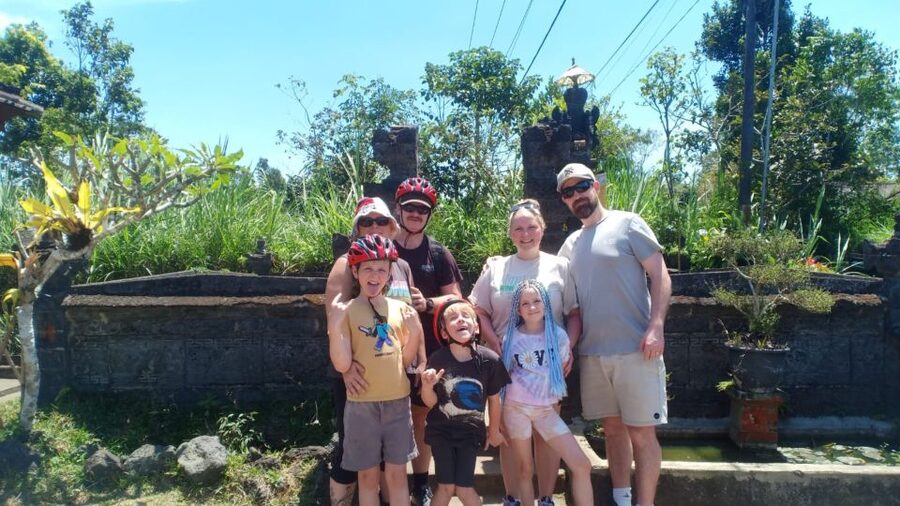
At about $25 per person, this tour is priced like a budget activity—until you look at the inclusions. You’re not paying only for a bike descent. You’re also buying:
- Hotel transfer
- Breakfast
- Coffee break
- Lunch with pool and rice view
- Mineral water
- Cycling equipment
- Tour guide (English live)
- Audio guide (English)
- Insurance
- Pickup timing support with a set waiting window
That’s why the price can feel like value. If you tried to recreate it on your own—transfer plus guide plus a bike plus two meals—you’d likely feel the cost rising quickly.
Optional cost: seeing Mount Batur
There’s an optional Mount-related piece: seeing the mountain is listed as optional with an additional entrance fee of 50,000 IDR. In fog, you may not get the same views or may not do that part as expected. It’s worth treating the entrance fee as conditional on conditions and what the day allows.
Another possible cost: personal expenses
The tour doesn’t include personal expenses, so souvenirs, extra snacks, or paid add-ons like that coffee plantation visit can add up. Your best move is simple: decide your “yes/no” in advance for any optional stop that comes with an extra ticket.
Who should book this downhill cycling day
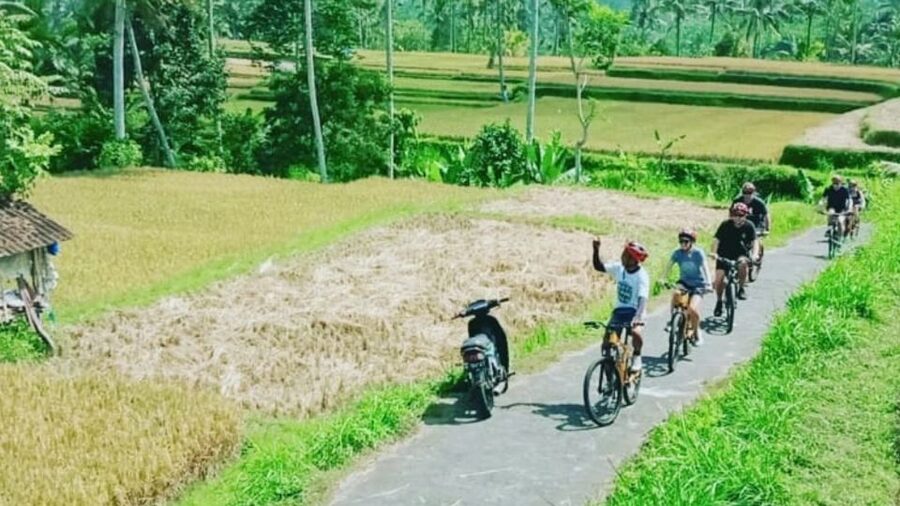
This is a great fit if you want an active Bali experience that doesn’t require elite fitness. It’s described as a moderate downhill ride with English guidance and set breaks for food and culture.
You’ll likely enjoy it if:
- You want to start your Bali trip (or your Ubud trip) with an experience that mixes adrenaline with real cultural context
- You like rice terraces and village scenes
- You prefer guided movement rather than assembling transport and route yourself
- You appreciate meals included in the day plan
You should think twice (or skip) if you’re:
- Under 5 years old
- Have mobility impairments
- Over 70 years old
Those limits are clearly stated, and they’re there for a reason: this involves active cycling, transfer timing, and a route that may require balance and comfort with downhill riding.
Weather and timing tips so you don’t lose the day
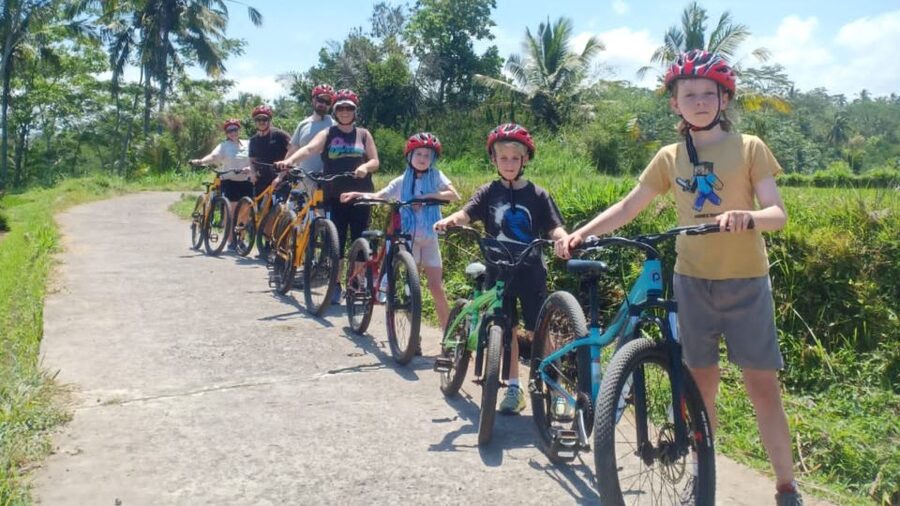
Because fog and rain are part of the real-world equation, pack smart and plan flexible expectations. If visibility is reduced, you’ll still get the main ride and the village breaks; just don’t bank your day on a perfect Mount Batur view.
Also, don’t underestimate how quickly “one stop” can become “a new plan.” If the day includes an additional coffee-related visit, decide early whether you want it. That one decision can keep your budget predictable.
Finally, use the pickup rules to your advantage: be ready in the lobby at the expected time, with a little cushion. That keeps stress out of your cycling morning.
Should you book the Ubud downhill countryside cycling from Kintamani?
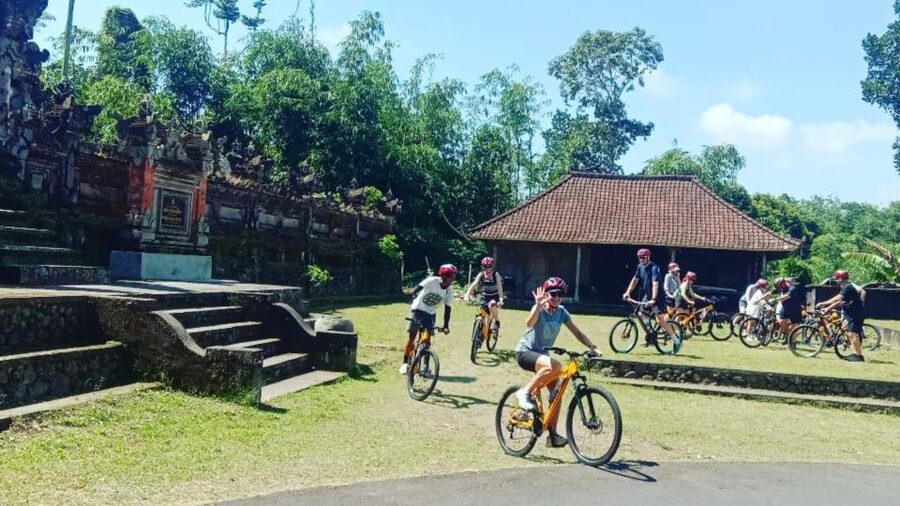
Book it if you want a guided downhill cycling experience that also takes you into Bali village life and gives you Ubud time afterward—without having to manage bikes, meals, and transfers yourself. The $25 price looks especially fair because lunch, breakfast, and transport are included, and the ride is designed as moderate for a wide range of people.
Skip it if you hate surprises around add-on stops or you’re strict about controlling every extra fee. Also skip if the optional Mount Batur viewing is your whole goal; weather can take that away.
If you book, do two things: ask about any optional paid stops before you enter, and stay close to the guide so the ride stays smooth from start to finish. You’ll end the day with both the satisfaction of a real descent and the payoff of Ubud wandering.
FAQ
How long is the Ubud downhill cycling tour from Kintamani?
The duration is listed as 3 hours. Starting times vary, so you’ll want to check availability.
What’s included in the price?
Included items are hotel transfer, breakfast, coffee break, lunch (with swimming pool and rice paddy view), mineral water along the trip, cycling equipment, a tour guide, and insurance.
What’s the cost to see Mount Batur, if it’s optional?
Seeing the mountain is optional and has an additional entrance fee of 50,000 IDR.
Do I need to bring my own bike or safety gear?
No. Cycling equipment is included.
What language is the guide and audio in?
The live tour guide and the audio guide are both in English.
Is pickup from my hotel included?
Yes. Pickup is included. You should wait in the hotel lobby about 10 minutes before your scheduled pickup time, and the driver waits no longer than 15 minutes after the scheduled time.
Can I cancel for a refund?
Yes. You can cancel up to 24 hours in advance for a full refund.
Is this tour suitable for everyone?
It’s not suitable for children under 5, people with mobility impairments, or people over 70.