REVIEW · AKAROA
Akaroa Explorer: Guided Electric Mountain Bike Tour
Book on GetYourGuide →Operated by Akaroa Guided Kayak Safari · Bookable on GetYourGuide
Two hours, one electric bike, and Akaroa feels huge. I love how the Scott e-mountain bike powers you up the hills without turning it into a slog, and I also love the small group setup that keeps the ride calm and easy to follow. It’s a smart way to see the French village vibe, then slide out to coastal viewpoints with real context from your guide.
The only real catch is effort: the route includes moderate hill climbs and steep sections at times, so go in with honest expectations and solid balance on a bicycle.
In This Review
- Key Takeaways Before You Ride
- Why an Electric Mountain Bike Is the Fast Track to Akaroa Views
- The 2-Hour Ride Plan: French Village, Coastal Roads, and Lighthouse Area Stops
- What You Get with the Scott e-MTB Setup (and What to Bring)
- Guide Talk You’ll Actually Use: Akaroa Stories, Safety, and Site Context
- Fitness Reality Check: Hills, Steep Bits, and Who Should Skip This Ride
- Small-Group Comfort and Practical Tips for a Smooth Tour
- Should You Book the Akaroa Explorer Guided Electric Mountain Bike Tour?
- FAQ
- Where do I meet for the Akaroa Explorer e-bike tour?
- How long is the tour?
- What’s included in the price?
- Are food and drinks included?
- What languages does the guide speak?
- Who is this tour not suitable for?
Key Takeaways Before You Ride
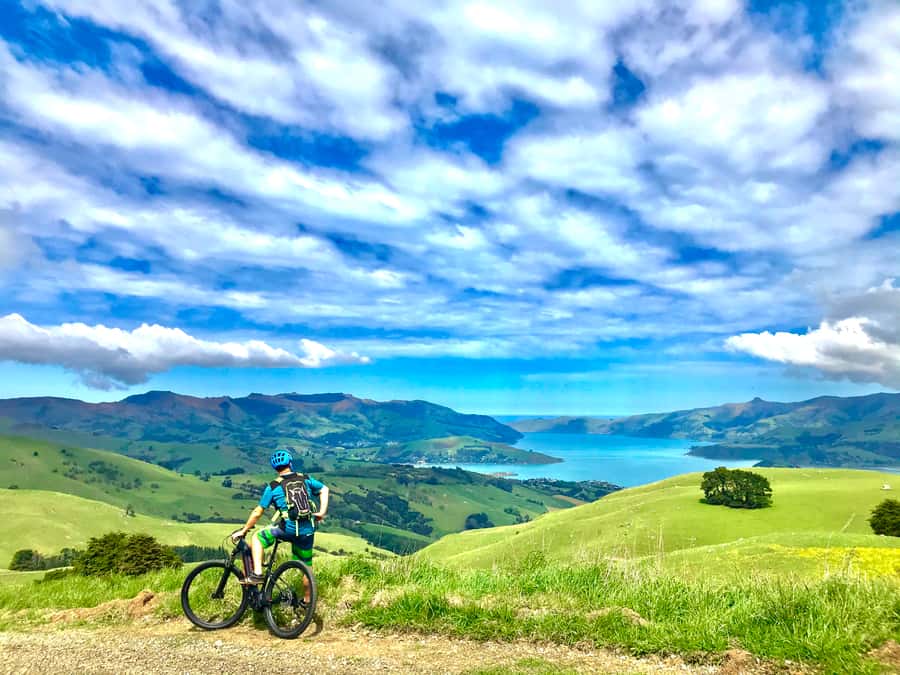
- Powered hills, not a free-for-all: you get help climbing while still getting movement and fresh air
- Main Street starts the story: you begin right in Akaroa’s center, then work outward toward viewpoints
- Village + coast in one hit: French village atmosphere, plus lighthouse areas and sites of Maori cultural significance
- Mostly quiet sealed roads: you’ll spend more time enjoying the ride than dodging traffic
- Plan for 2 hours of active sightseeing: the pace feels quick, especially with photo stops built in
Why an Electric Mountain Bike Is the Fast Track to Akaroa Views
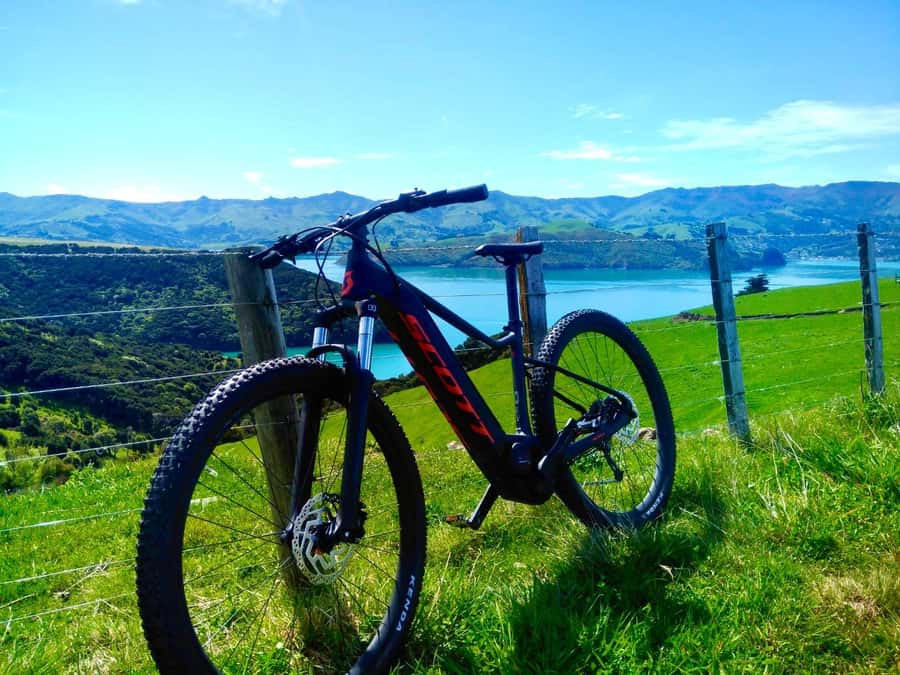
Akaroa is the kind of place where you can waste time. You’ll park, walk, look, and then realize the best viewpoints are uphill. This tour solves that problem with an e-bike that’s designed for real terrain, not just flat-city cruising.
What makes the electric mountain bike setup so valuable is the way it changes your choices. Instead of picking one neighborhood or one viewpoint, you can do a loop that includes village streets, coastal roads, climbs to lookouts, and fun descents. You get that sense of travel freedom, but with a local guide steering the group and keeping you on the best route.
And yes, there’s still exercise here. You’re not sitting on a motor scooter watching the world go by. You’ll pedal when you can, and when the hill rises, the bike helps you keep momentum. That mix is why it feels rewarding rather than exhausting. Fresh air, a bit of sweat, and plenty of camera moments.
Finally, it’s good value for a short stay. At $86 per person for a 2-hour guided ride, you’re paying for expert route guidance and the included equipment—helmet, gloves, safety vest, and the bike itself—rather than figuring out transport and bike rental on your own. If you’re the type who wants to see more than one corner of a destination, this format is a solid deal.
You can also read our reviews of more tours and experiences in Akaroa.
The 2-Hour Ride Plan: French Village, Coastal Roads, and Lighthouse Area Stops
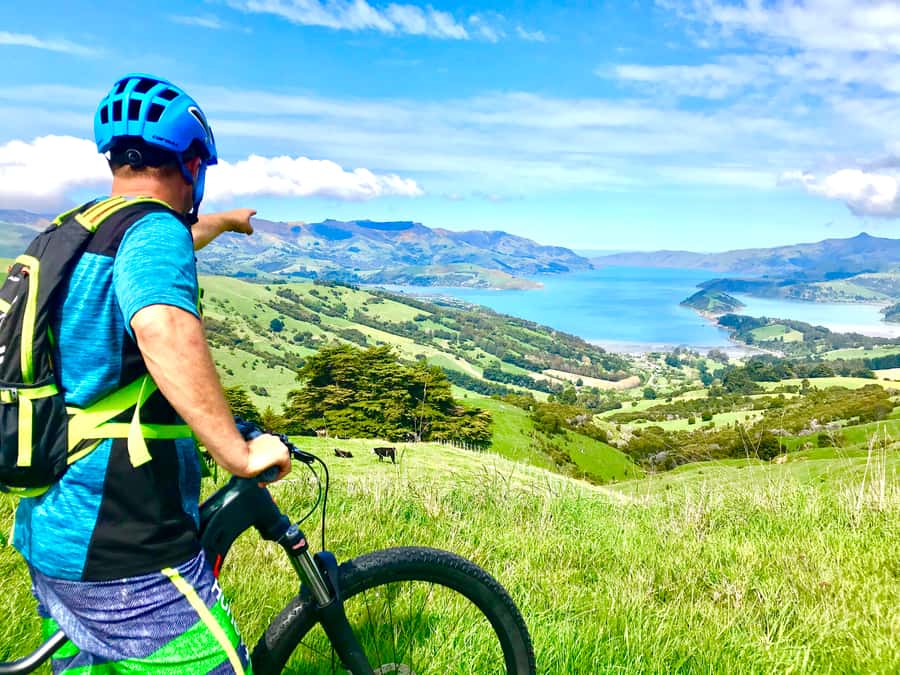
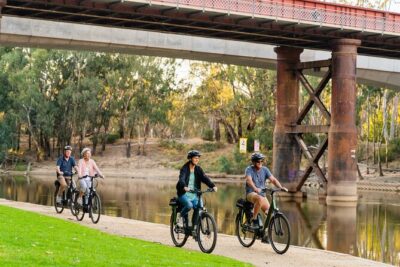
You start on Main Street of Akaroa, which is a big deal. Instead of meeting at some remote trailhead, you begin where the village energy is. From there, your guide leads you along scenic coastal roads, keeping the group together and stopping often enough that the ride feels like sightseeing, not just motion.
Expect a rhythm:
- Flat to rolling stretches for getting comfortable and settling into the ride
- Moderate hill climbs that gradually ramp up your effort
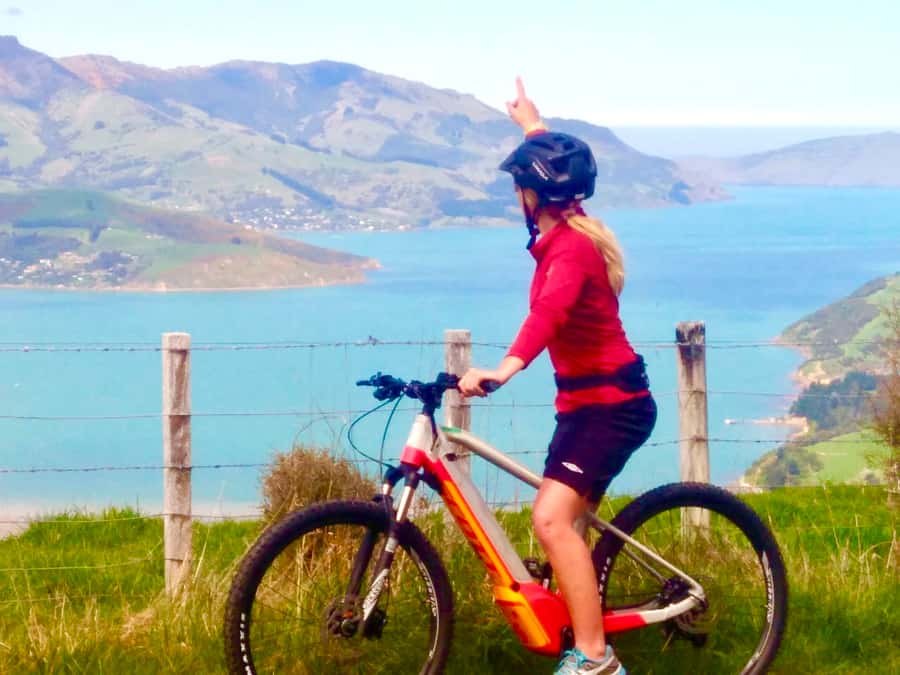
- Viewing points where the guide helps you look in the right direction
- Fun descents, which is where the e-bike really makes the day feel playful
A key part of the experience is how the tour blends Akaroa’s different identities. You’re there for the French village feel, but you’re also taken to coastal areas tied to Maori cultural significance. The guide doesn’t just point at spots; they explain what you’re seeing so you understand why it matters. That’s the difference between snapping photos and actually learning something you’ll remember later.
One of the named highlights is the historic Akaroa lighthouse area. Even if you’ve seen lighthouses elsewhere, this one hits differently because you’re approaching the coast by bike, with wide views across the water along the way. The timing works too: in two hours you won’t feel like you’re burning half your day getting there.
Tour timing is approximate and depends on group speed. That’s normal for a guided ride, but it’s worth knowing because you might arrive with plans after the tour. I’d keep your next commitment flexible. Two hours here can feel like it moves fast, especially if you’re stopping for photos and enjoying the descents.
What You Get with the Scott e-MTB Setup (and What to Bring)

The tour includes the essentials that make the ride safer and easier:
- Helmet
- Riding gloves
- High-visibility vest
- Riding backpack with a phone holster
- Guide + the Scott e-mountain bike
That included gear matters because it removes guesswork. You don’t have to hunt down a helmet, and the phone holster is practical for quick shots without balancing your phone in your hand the whole time.
For what to bring, keep it simple:
- Water
- Comfortable clothes
- Sports shoes
Don’t show up in sandals or flip-flops. Not only are they listed as not allowed, they’re also a fast way to ruin your comfort when you’re pedaling and doing hill climbs. Sports shoes help you grip the bike properly and keep your feet feeling steady.
Also note the limit on luggage: no luggage or large bags. If you’re traveling light, you’ll be fine. If you packed like you’re relocating, you’ll want to rethink what you bring into the tour.
Guide Talk You’ll Actually Use: Akaroa Stories, Safety, and Site Context
The biggest reason people rate this tour so highly is the guide experience. A good guide makes the ride feel smooth, and it sounds like the guides here focus on both safety and local storytelling.
You may ride with someone like Max, who’s specifically described as explaining things so everyone felt comfortable and safe. Another named guide is Jack, and there’s also mention of Greville in the supportive team vibe. Different guides, same goal: keep you confident on the bike and give you real reasons to care about the stops.
Language is another practical plus. The live guide can speak French, Spanish, and English, so you should be able to get answers without awkward guessing. For me, that matters because hill climbs and descents are one thing—but learning what you’re looking at is where the tour becomes more than exercise.
You’ll hear about:
- The Akaroa village and surrounding area
- The historic lighthouse area
- Sites of Maori cultural significance
- What to look for during coastal viewing moments
This is a guided ride, not a lecture. You’ll be moving the whole time, and the explanations are tied to the route. That’s why it feels “worth it” rather than time filling.
One more thing: if weather turns, you’ll still get a tour. The tour format is designed around road riding, so you’re not just stuck waiting for perfect skies. You may go out anyway, so come prepared to enjoy the day even if it’s gray.
Fitness Reality Check: Hills, Steep Bits, and Who Should Skip This Ride
Even with e-bike help, this is still an active tour. The route mixes flat ground with moderate hill climbs and “fun descents.” In practice, that means balance and willingness to pedal when asked.
One person found it great for people with good fitness, but less ideal for a not-so-fit 71-year-old because the hills were steep. That’s your clue. If you’re someone who tends to avoid hills, don’t assume the e-bike will make everything feel flat. The motor helps, but you still have to ride the bike and manage effort.
You should also respect the clear non-negotiables:
- Not suitable for children under 13
- Not suitable for pregnant women
- Not suitable for people with back problems
- Not suitable for people over 264 lbs (120 kg)
- Not suitable for people under 4 ft 9 in (150 cm)
If you’re within the limits and you can handle a bicycle, you’ll likely enjoy the blend of scenery and physical output. The tour is described as suitable for all levels of fitness, but the fine print shows it’s not for everyone. My advice: if you’re unsure, be honest with yourself about hills and bike stability, not just about how fast you walk.
Small-Group Comfort and Practical Tips for a Smooth Tour
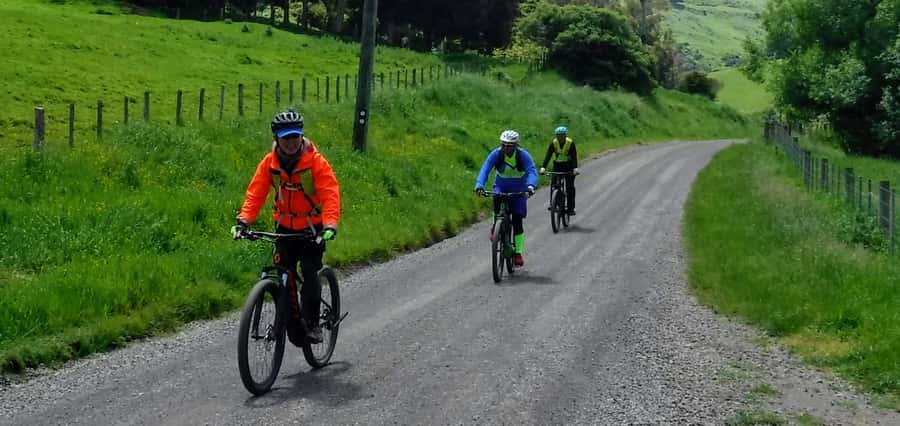
This tour runs with a small group limited to 7 participants, which makes a difference. You’re not stuck in a big line where you can’t hear instructions. It’s easier for the guide to slow down for questions and keep the pace even.
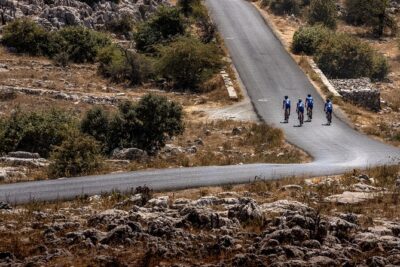
The ride is on mostly quiet sealed roads, so you’re not constantly stressed about rough surfaces or random traffic surprises. That helps you focus on the bigger picture: coastal views, village atmosphere, and the thrill of cruising downhill when the bike feels like it wants to move.
A couple practical tips that will make your day better:
- Bring your camera because the viewpoints are the kind you’ll want to remember
- Use the phone holster instead of juggling your device while riding
- Wear comfortable clothes and keep layers in mind if the coast feels chilly
Food and drinks are not included. That means you should plan water and then decide if you want a snack before or after. If you’re the type who gets hungry after a workout, grab something nearby in the village before you meet, then save your appetite for afterward.
Also, the tour languages are French, Spanish, and English. If you have specific questions (for example, about what you’ll see at the lighthouse area), try to ask them early. Guides usually do a quick setup and orientation at the start, and you’ll get more out of the ride if you’re already in “listen mode.”
Should You Book the Akaroa Explorer Guided Electric Mountain Bike Tour?
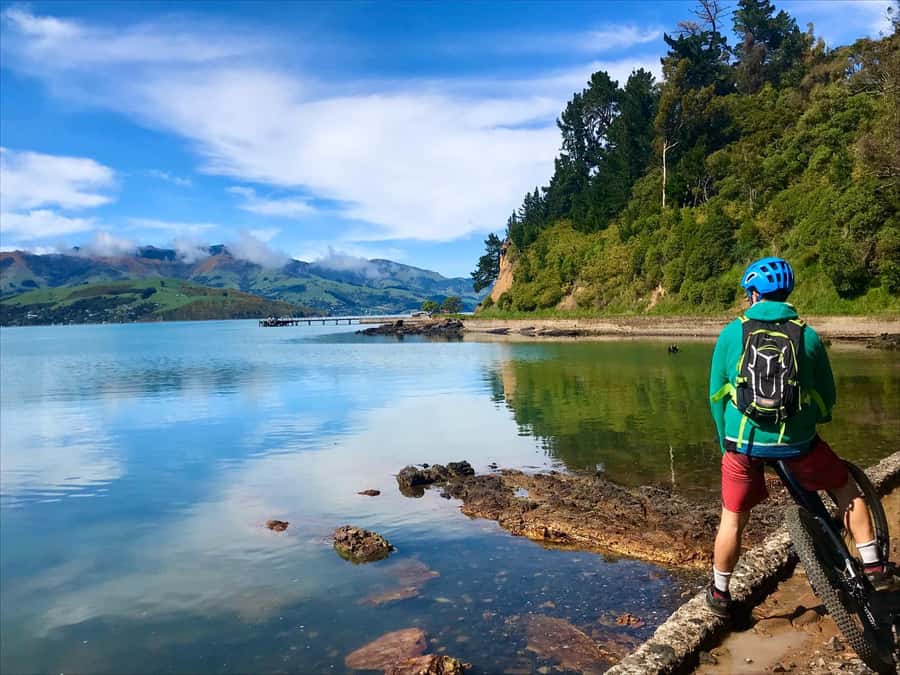
If you want to see a lot of Akaroa without spending half your day on parking and point-to-point logistics, I think this is an easy yes. It’s especially compelling when you like guided context—learning why the lighthouse area matters, understanding the village setting, and hearing about Maori cultural significance instead of only getting a view.
You’ll also probably enjoy it if:
- You’re okay with a ride that includes hill climbs and some steep moments
- You want fresh air and movement, not just a casual stroll
- You like small groups where the guide can keep an eye on everyone
- You’re traveling with teens and adults (since it’s not for kids under 13)
Skip it if hills genuinely discourage you, if you have a back issue, or if you fall outside the listed height/weight limits. Also keep in mind that e-bike equipment depends on maintenance, and in any outdoor tour there’s a chance of mechanical trouble. Most of the experience is described positively, but it’s smart to treat this as an adventure day, not a guarantee of zero issues.
Finally, I like that the tour is built for short stays: 2 hours, guided, scenic, and focused. If your itinerary is tight, this is a strong way to get value from the time you have.
FAQ
Where do I meet for the Akaroa Explorer e-bike tour?
You meet on Main Street of Akaroa.
How long is the tour?
The ride lasts 2 hours. Start times vary based on availability, and the exact timing can depend on group speed.
What’s included in the price?
The tour includes a Scott e-mountain bike, helmet, riding gloves, a high-visibility vest, and a riding backpack with a phone holster, plus a live guide.
Are food and drinks included?
No. Food and drinks are not included, so plan your timing for water and any snacks.
What languages does the guide speak?
The live guide speaks French, Spanish, and English.
Who is this tour not suitable for?
It’s not suitable for children under 13, pregnant women, people with back problems, people over 264 lbs (120 kg), or people under 4 ft 9 in (150 cm).