REVIEW · UBUD
Ubud Eco Culture Cycling Exploration
Book on Viator →Operated by Bali Eco Tours (PT Darma Sari Tresna) · Bookable on Viator
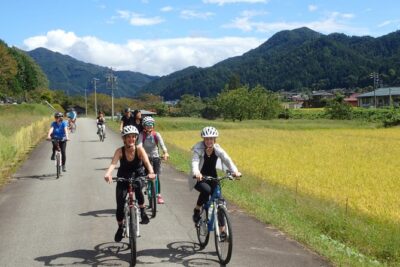
Rice paddies beat the usual Ubud route. This 2.5 to 3-hour guided cycling loop threads through small villages and iconic spots like the Ubud Monkey Forest, with frequent photo stops and local breaks. I especially like how the ride mixes town streets with quiet country lanes, and how you’re kept comfortable with young coconut water, bottled water, and snacks. One thing to plan for: you need strong physical fitness, and you may hit short uphill sections even though the trip is often easy-rolling.
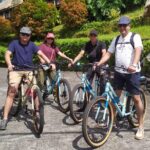
You’ll start at the SSB GARUDA PELIATAN Peliatan Soccer Field at 9:00 am, get set up with bike equipment and a safety briefing, then pedal about 15 km before riding back to the same meeting point. With a maximum of 8 travelers, it’s not a cattle-cart tour; it feels more like a small group morning out in Ubud’s real neighborhoods. And since the itinerary can be customized, you can lean more into scenery, culture stops, or extra time for photos.
In This Review
- Key Things To Know Before You Pedal
- Peliatan Soccer Field Start: what happens before you roll
- Sukma Street and the Monkey Forest photo moment
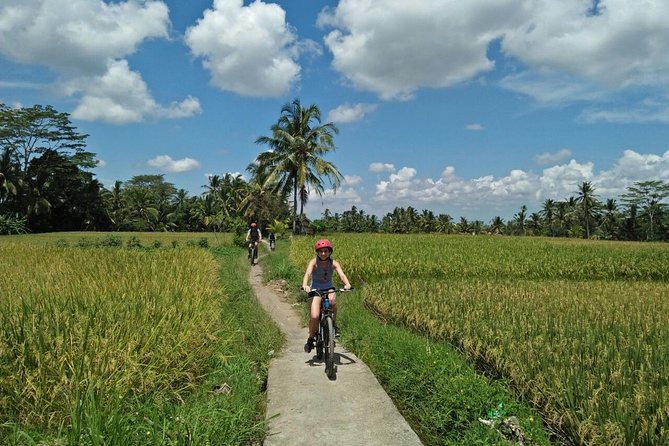
- Rice paddies on Abangan and Junjungan: coconut, views, and momentum
- Jembawan village and the ride back toward central Ubud
- Guides, storytelling, and customization that actually matters
- Getting comfortable: bike equipment, water, snacks, and what to bring
- How hard is this ride really?
- Price and value: what $30.55 buys you
- Who this cycling tour fits best
- Should you book this Ubud Eco Culture Cycling Exploration?
- FAQ
- How long is the Ubud Eco Culture Cycling Exploration?
- What does the tour cost?
- Where do you meet, and when does the tour start?
- What’s included in the price?
- What should I wear or bring for the ride?
- Is it suitable for children?
Key Things To Know Before You Pedal
- Small group size (max 8): easier pacing and more chances to ask questions.
- Mostly easy riding, with some climbs: plan for short uphill stretches even on a generally downhill-friendly route.
- Monkey Forest is a photo highlight: you pass it for great views without needing to build an entire separate visit.
- Included hydration and snacks: young coconut water, bottled water, and snacks keep you going between stops.
- Village-style route beats main roads: you ride lanes and side streets that most people skip.
- No hotel pickup, no lunch: you’ll meet at the Peliatan soccer field and bring your appetite skills for after.
Peliatan Soccer Field Start: what happens before you roll
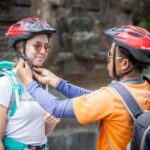
The tour begins at the SSB GARUDA PELIATAN soccer field in Peliatan, Ubud. If you arrive a few minutes early, you’ll get your bearings fast: this is where you’ll meet your guide, pick up your bike, and get the safety briefing. The first stretch is simple but important—adjusting the seat and handlebars so your ride doesn’t turn into a sore-neck mission.
You’ll also get a quick sense of how the morning will flow. Expect a rhythm of riding plus stops for photos and refreshments, not a nonstop “ride until you collapse” style. The route covers about 15 km in roughly 2.5 to 3 hours, so the pacing is designed for comfort and views rather than speed. I like that because it keeps the tour feeling human: you’re not watching everyone’s legs disappear ahead of you.
Dress smart for Ubud sun and humidity. The day calls for active wear (shorts and a tee) plus sport shoes, and you should bring a hat/cap and sunscreen. This isn’t a formal event, but it is a physical one—so wear clothes that won’t chafe when you’re seated for long stretches.
You can also read our reviews of more tours and experiences in Ubud.

Sukma Street and the Monkey Forest photo moment
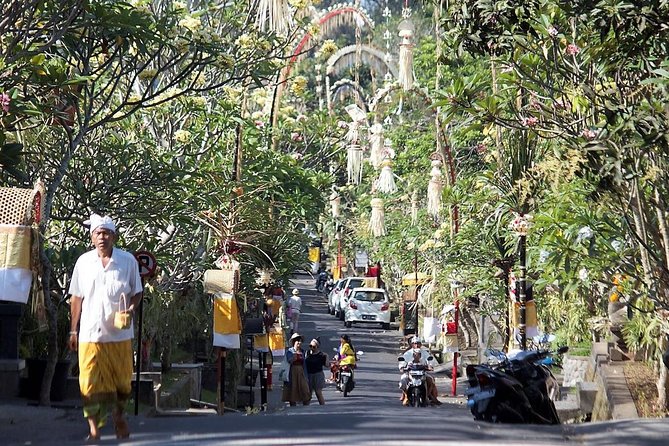
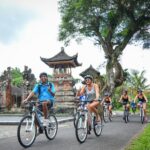
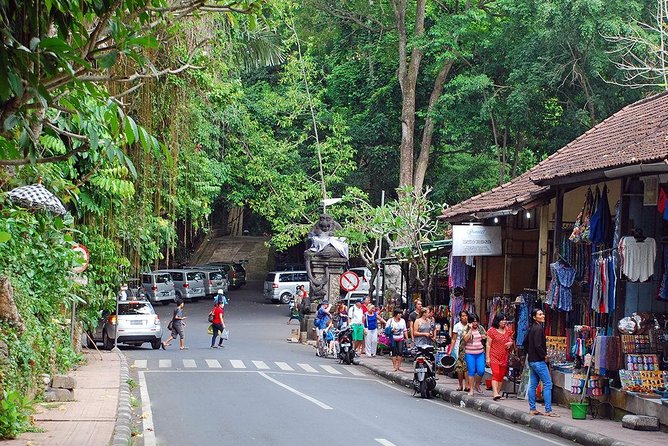
Once you roll out, the tour takes you onto Sukma Street, then toward one of Ubud’s most famous landmarks: the Ubud Monkey Forest. You’re not going there as a ticket-based, all-day temple-and-tickets affair. Instead, you ride past it, and that’s a big difference.
Why it works: a passing-by photo stop is usually easier than trying to coordinate a full visit on a tight schedule. You get the visual payoff—trees, paths, and the whole Monkey Forest vibe—while still staying on a bike-friendly timeline.
Also, it’s a good psychological reset. After the morning start and bike setup, seeing a major Ubud landmark right away gives you something to “aim at” and keeps momentum up. In the reviews, the photo opportunities here come up again and again, and it makes sense. You’ll be close enough to frame memorable shots, but you’re not stuck in the densest crowds for long.
Rice paddies on Abangan and Junjungan: coconut, views, and momentum
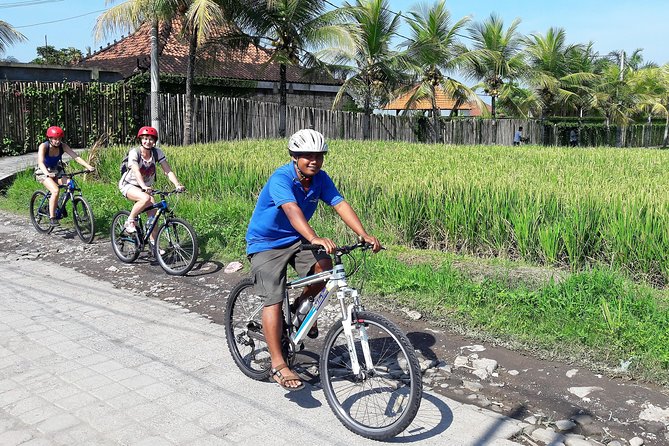
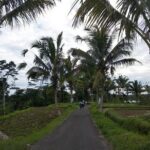
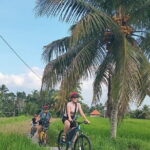
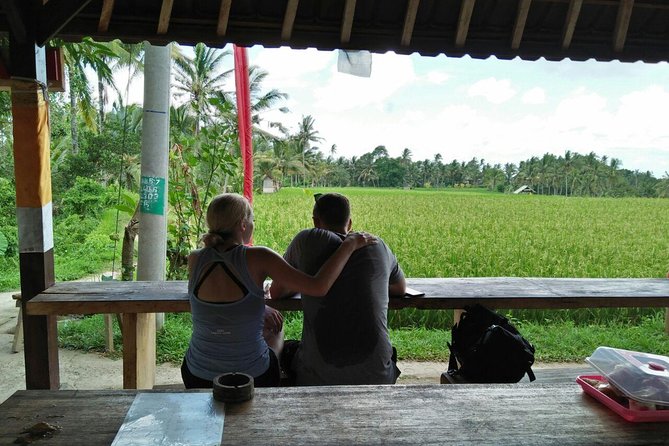
The tour’s real payoff kicks in once you leave the town streets behind and enter the rice-growing areas. The schedule includes a stop around the Abangan paddy fields, where you can pause, take in the view, and cool off with young coconut juice. That coconut break isn’t just a nice touch—it’s practical. Ubud heat can stack quickly, and a cold, hydrating drink makes it easier to keep riding without forcing it.
From there, the route continues toward the wider open green paddies of Junjungan. One of the ride features you’ll feel here is the motion: the route is described as having mostly downhill sections, and that can create a naturally “working breeze” as you pedal less and glide more. Even if you’re not a hardcore cyclist, the downhill-friendly segments keep the tour fun instead of punishing.
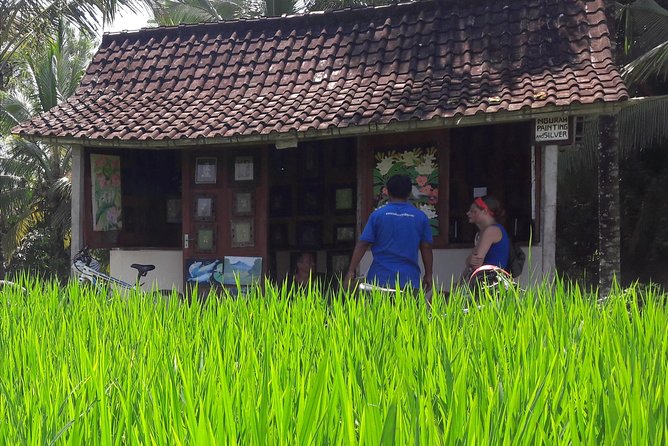
There’s also an optional cultural sidetrack tied to this mid-ride stretch: an optional stop to see traditional Balinese painters. If you like art, it’s a great use of time because it adds local creative culture to the scenery-heavy part of the morning. If you’re more focused on riding and photos, you can choose how you want to spend that moment.
One practical note: this part of Indonesia changes fast. You’ll move through different types of lanes and village edges—some wide enough to feel relaxed, others tighter and more winding. That’s normal here. The value is that you’re seeing the “in-between” Ubud: not just the famous center, but the working countryside around it.
Jembawan village and the ride back toward central Ubud
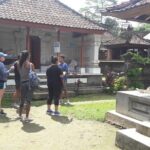
After the paddy-field stretches, the itinerary moves through the village of Jembawan. This is where the tour shifts from big views to everyday local life. You’ll be on the kind of roads you’d likely miss if you were trying to plan a route alone—country lanes with fewer cars and more of that lived-in rhythm.
From Jembawan, you head toward central Ubud, then return to the meeting point. The tour ends back at the start, which is a relief if you don’t want to deal with ridesharing logistics or figuring out where you’ll land at the end.
How it feels: even when the roads get busier, you’re still traveling in a different way than pedestrians. Bikes keep you moving, but at human speed. You get to notice small details—roadside life, village structures, and the way paddies meet homes—without needing to stop constantly or do long detours.
If you’re trying to decide how much Ubud to pack into the rest of your day, this half-day length is helpful. You’ll likely finish still energized rather than worn out, assuming you’ve brought sun protection and you’re ready for a bit of pedaling.
Guides, storytelling, and customization that actually matters
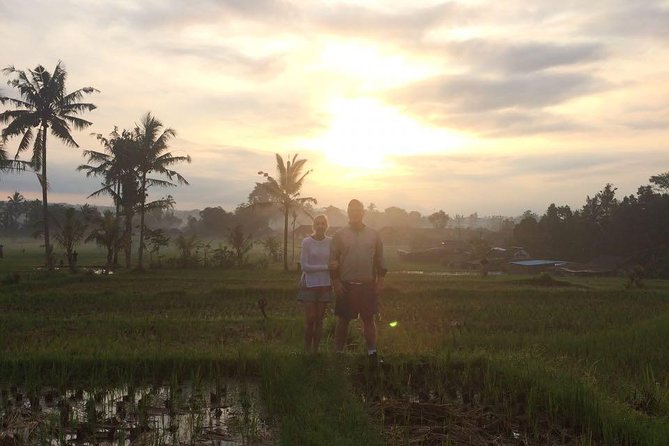
A big part of the tour experience is the guide. In the feedback, guides like Mudita, Gustu, and Kadek show up with praise for being kind, funny, and easy to connect with. The theme across those names is that the guide isn’t just reading facts—they’re explaining what you’re seeing and why it matters in Bali.
You’ll get commentary about the places you cycle past and Bali’s heritage. And importantly, your itinerary can be customized to match your interests. That means if you’re more curious about culture stops, you can lean that way. If you’d rather prioritize photo time and countryside views, you can keep the focus on that.
In practical terms, customization isn’t a vague promise. It shows up as flexible stopping. The tour is built with regular breaks for refreshments and photo ops, and that gives you room to ask questions or take extra time when you spot something interesting. That’s one of the reasons a small-group cycling tour can feel better than a larger group bus outing: you’re not rushed the same way.
Getting comfortable: bike equipment, water, snacks, and what to bring
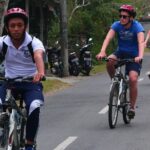
Bike equipment is included, which makes this tour simpler than renting your own bike and figuring out gears and fit on the fly. You’ll adjust the bike at the start, and the safety briefing should set you up for the route. Bikes are also described as working safely in the experience feedback, which matters for a ride where you’re on quiet lanes but still moving through different road types.
Food and drink are handled for you. You’ll receive:
- Young coconut water
- Ample bottled water
- Snacks
This is a solid setup for a half-day. It reduces the chance you’ll feel stuck halfway through, forced to find a shop while you’re already overheated. It also makes it easier to ride on a light morning schedule—though you should still think about what you’ll eat before or after the tour.
What you should bring is mostly sun and comfort. The stated dress code includes active wear and sport shoes. Add these extras in your kit:
- Hat/cap
- Sunscreen
- A light, breathable top (short sleeves are fine)
- Something small to keep personal items secure (the tour includes bike gear, but you still want your essentials)
Also note the tour isn’t recommended for children under 10, and it expects a strong physical fitness level. If you’re new to cycling or you hate hills, be honest with yourself. The route can be easy for long stretches, but you shouldn’t plan as if there’s zero climbing.
How hard is this ride really?
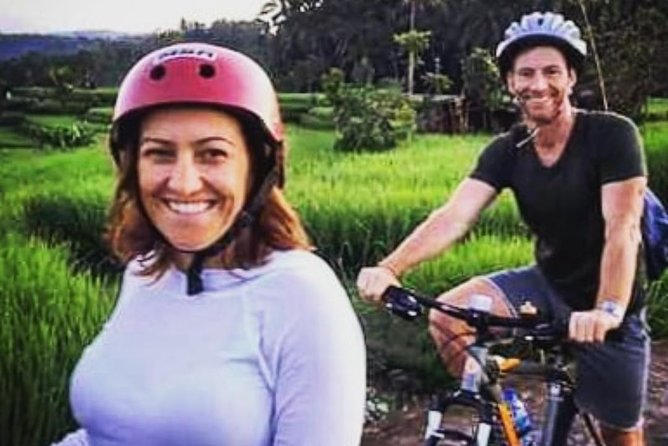
The tour is described as a cycling exploration through quiet country lanes and some iconic Ubud streets. The distance is about 15 km, and the time is about 2.5 to 3 hours, which means you’re not doing a long endurance ride. That’s good.
But don’t let the “mostly downhill” reputation trick you into thinking it’s effortless. In the experience feedback, the ride is often easy with mostly downhill sections and only short uphill bursts. Still, some parts can be uphill, and the tour listing explicitly expects strong physical fitness.
So here’s the practical way to judge it:
- If you can comfortably ride a steady pace for 2–3 hours and handle short hill pushes, you’ll likely feel fine.
- If hills make you nervous, bring a calm attitude and let the guide know your comfort level. The tour includes frequent breaks, which helps you recover and keep your energy steady.
If you want something even gentler, there’s mention of easier downhill options on longer, full-day versions run by the same company. But for this half-day format, the goal is a balanced mix of exercise and sights.
Price and value: what $30.55 buys you
At $30.55 per person, this tour prices like a true value activity—especially because many costs that usually add up are already handled. Here’s what you get included:
- Guided bike tour
- Bike equipment
- Young coconut water
- Bottled water
- Snacks
That matters because cycling tours add up quickly once you factor in rental gear, guide time, and transport. Here, you’re paying for the human guidance plus the practical “keep you hydrated and fed” side. It’s also a small group (maximum 8), and that’s often where the value lives: less waiting, more flexibility, and a better chance the guide can respond to questions and pacing.
Also, the tour uses a mobile ticket. That’s small, but it reduces friction when you’re juggling multiple bookings in Bali.
The main value trade-off is what’s not included: no lunch and no pickup/drop-off to your accommodation. You’ll need to make your own way to the start point. If you’re staying in Ubud proper, that’s manageable, but it’s still something you should plan ahead.
Who this cycling tour fits best
This is a great match if you want:
- A morning activity that still leaves the afternoon open
- A way to see more than the main Ubud sights
- Photo stops without building an entire half-day around one landmark
- Rural scenery with culture stops, without a hard-core cycling commitment
It’s also a nice option for small groups of friends and couples. With a maximum of 8 travelers, you’ll usually get a relaxed social vibe rather than a hectic group flow.
Skip it or choose a different format if:
- You don’t feel comfortable with physical exertion
- You need your tour to include lunch or hotel pickup
- You’re traveling with kids under 10
Should you book this Ubud Eco Culture Cycling Exploration?
Yes, if you want an efficient, scenic Ubud morning that mixes iconic highlights with quiet village roads—and you don’t mind a bit of exertion. The combination of included equipment, regular hydration, and the coconut-and-snack breaks makes it feel thoughtful rather than rushed. And the guide factor—people like Mudita, Gustu, and Kadek—suggests you’re not just getting a route; you’re getting context as you ride.
I’d book it when you’re staying near Peliatan or can easily get to the SSB GARUDA PELIATAN soccer field. I wouldn’t book it if you need a no-hills, sit-back-and-glide day, or if you’re counting on lunch or pickup to simplify everything.
If you match the fit, this is one of those trips that makes Ubud feel like a place you understand, not just a place you photographed.
FAQ
How long is the Ubud Eco Culture Cycling Exploration?
It runs about 2 hours 30 minutes to 3 hours.
What does the tour cost?
The price is $30.55 per person.
Where do you meet, and when does the tour start?
You meet at SSB GARUDA PELIATAN, Jl. Br Kalah, Peliatan, Kecamatan Ubud, Kabupaten Gianyar, Bali 80571. The start time is 9:00 am.
What’s included in the price?
Included are the guided bike tour, all cycling equipment, young coconut water, bottled water, and snacks.
What should I wear or bring for the ride?
Wear active wear (short and tee shirt) with sport shoes. Bring a hat/cap and sunscreen.
Is it suitable for children?
It is not recommended for children under 10 years old.