REVIEW · SCOTTSDALE
Sonoran Desert Guided Mountain Bike Tour
Book on Viator →Operated by Cliff Creek Outfitters · Bookable on Viator
The Sonoran Desert feels bigger from a bike. This guided Scottsdale ride takes you through desert trails near the McDowell peaks, with scenic views and help from experienced guides.
What I like most is the all-in-one setup: bike, helmet, gloves, water, and snacks are covered. Plus, you’re kept in motion with a 1:6 guide-to-guest ratio.
One thing to think about: if you’re bringing a smaller rider or someone brand-new to mountain biking, the bikes and terrain can be a tougher fit, and pacing may not fully solve that.
In This Review
- Quick take: what’s special here
- Sonoran Desert mountain biking in Scottsdale: the vibe and the value
- Where you start: Pima Dynamite Trailhead and what that means for your day
- The ride plan: how guided trail time works on these routes
- Included gear: bikes, helmet, gloves, water, and snacks
- The views: what “70-mile desert views” feels like
- Guides and coaching: who runs the show and why it matters
- Skill levels and trail pacing: who this tour suits best
- Kids, height minimums, and adult supervision reality check
- What happens on the trail: safety, tips, and desert storytelling
- Price and booking rhythm: how to judge the cost
- Logistics that affect your comfort: bring the right things
- Is this tour worth it for you? My booking advice
- FAQ
- FAQ
- How long is the Sonoran Desert guided mountain bike tour?
- Where does the tour start and end?
- What’s included in the price?
- Is hotel pickup and drop-off included?
- What fitness level do I need?
- Are kids allowed, and is there a height requirement?
- What happens if the tour is canceled due to weather?
Quick take: what’s special here
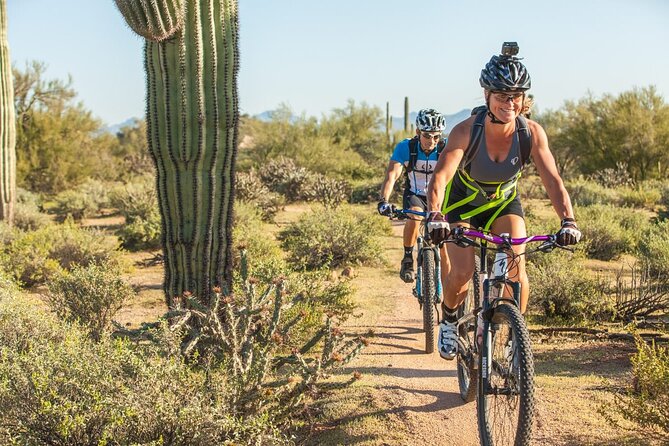
- Scottsdale trails with Sonoran Desert scenery and big views toward the McDowell Mountains
- Beginner-to-experienced route choices, guided so you can match ability
- Gear included (bike options with pedal types, plus helmet and gloves)
- Small groups with a 1:6 guide ratio for real coaching time
- Snack-and-water stops so you’re not starting the ride hungry or thirsty
- Desert facts on the move, covering plants, animals, and desert history
Sonoran Desert mountain biking in Scottsdale: the vibe and the value
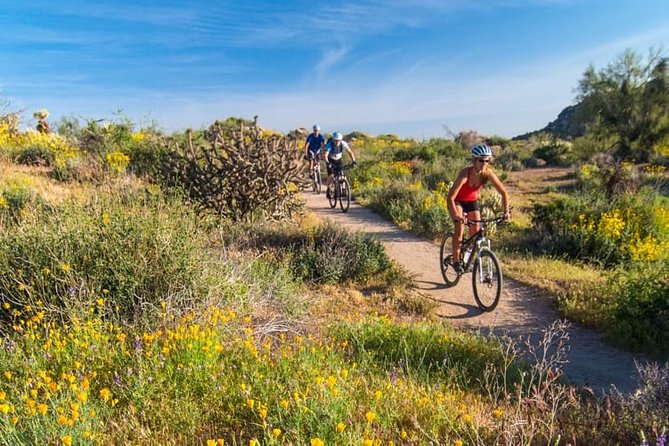
Scottsdale is easy to visit for a weekend, but it can be harder to do it in a way that feels like more than polished roads and resort pools. This Sonoran Desert guided mountain bike tour fixes that. You trade sidewalk walking for real trail riding, with the McDowell area putting big open desert views into the ride.
At $150 per person for a 2–3 hour guided experience, the value is mostly in what’s handled for you. You don’t need to bring a bike, helmet, or gloves. You get bottled water and snacks, plus a safety-certified guide and tips that can help you improve faster than you would alone. For many people, the cost comes out more reasonable than it sounds because the rental and gear add up quickly elsewhere.
The other value point is the small group setup. With a maximum of 12 travelers and a stated 1:6 guide ratio, the tour isn’t a big herd. That matters because mountain biking is a skill sport. You’ll move more confidently when someone can spot what’s going wrong early.
You can also read our reviews of more tours and experiences in Scottsdale.
Where you start: Pima Dynamite Trailhead and what that means for your day
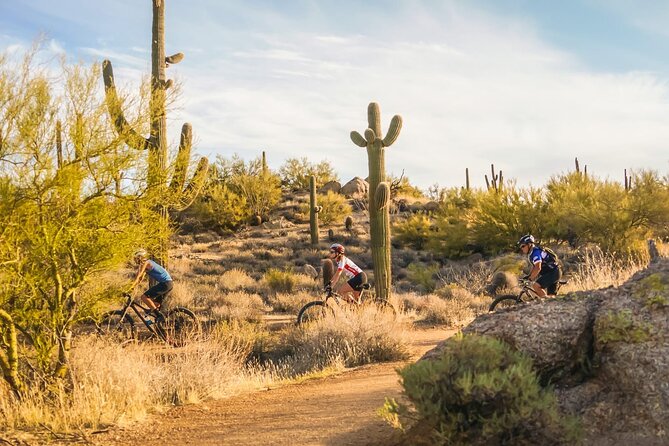
The tour meets at Pima Dynamite Trailhead (Scottsdale, AZ 85262) and ends back at the same spot. There’s no hotel pickup or drop-off, so you’ll want to plan on getting yourself there (and back) under your own steam.
That setup is great if you’re already in Scottsdale and you like having a clean schedule. You can treat the ride like an anchor activity, then fill the rest of your day around it. The flip side is simple: if you’re relying on a hotel shuttle system, this one might require more coordination.
Timing-wise, the ride window is about 2 to 3 hours. That’s long enough to feel like an actual outing, not just a quick intro. But it’s short enough that you can still do dinner plans without your legs staging a protest.
The ride plan: how guided trail time works on these routes
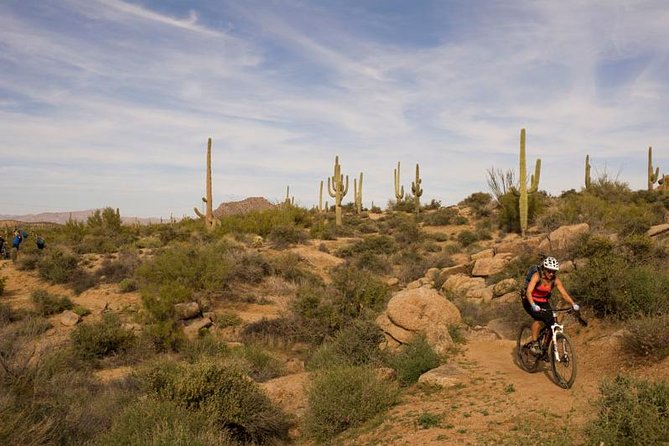
There’s a simple rhythm to how this tour runs. You meet, you get brief safety instructions, then the guides lead you onto trails chosen for the group’s ability level. Along the way, you get biking tips and desert facts as you ride through the McDowell Mountains area.
Even better: the tour is designed to be usable for both beginner and more experienced riders. In practice, that usually means you won’t be forced into one single line that only works for advanced tech riders. The guides select trails carefully, then steer the group based on what’s working.
The goal isn’t just to finish. It’s to sharpen mountain bike skills—how you handle terrain, how you pick your way forward, and how you keep control when the trail gets uneven. If you’ve only ridden road bikes, this is one of the fastest ways to learn what matters on knobby tires and changing surfaces.
Included gear: bikes, helmet, gloves, water, and snacks
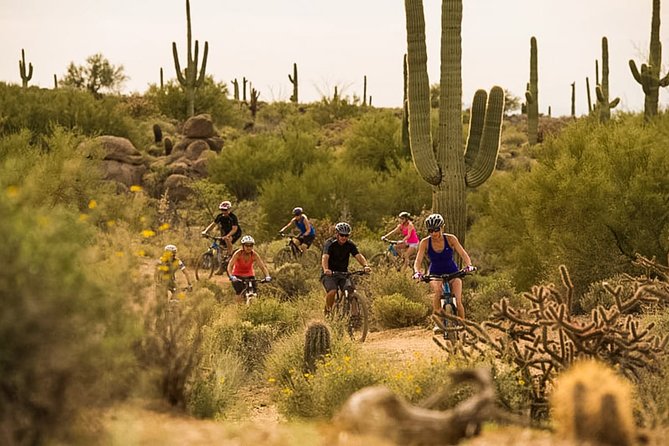
Here’s what you don’t have to worry about: bike (with a choice of pedal types), helmet, and gloves are provided. You also get bottled water and snacks.
That matters because mountain biking is gear-sensitive. A bike that’s the wrong size, or a rider who’s not used to the feel, can make the trail harder than it needs to be. Having the correct setup helps you spend energy on learning instead of fighting equipment.
A smart move is to pay attention to how your bike feels before you roll out. If your saddle feels off or your reach feels stretched, speak up right away. Small adjustments can make a big difference over the first part of the trail.
The views: what “70-mile desert views” feels like
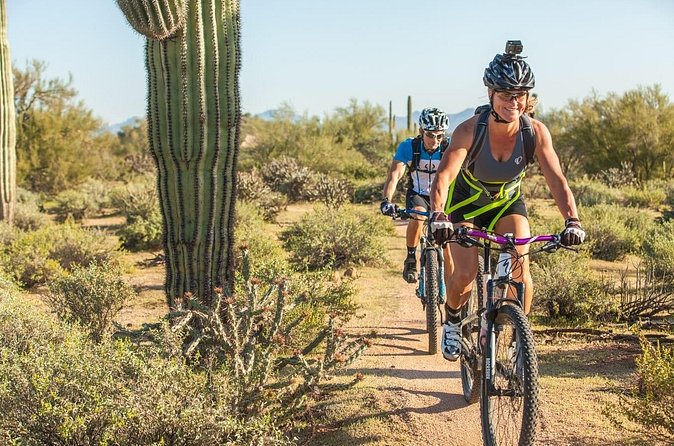
The tour focuses on the kind of scenery you notice when you’re not just driving past it. You ride trails that include sweeping views across the Sonoran Desert, with the McDowell peaks framing the background.
One practical benefit of riding (instead of hiking) is that you can cover enough ground for those big sightlines to feel rewarding. In mountain biking, you’re not just walking to a viewpoint—you’re moving through the environment, then getting brief moments where the horizon opens up.
If you’re the type who loves photos, you’ll want to keep your phone and camera accessible—but also respect the fact that trails come with real traction and control demands. It’s better to take shots when you stop than to stop and then scramble.
Guides and coaching: who runs the show and why it matters
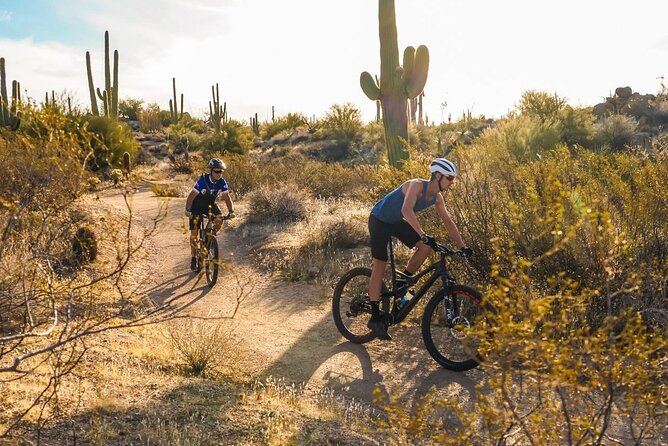
Guides are the difference between a fun ride and a frustrating one. In the real world, coaching isn’t just pep talks. It’s pacing, positioning, and quick fixes when something doesn’t feel right.
Guides you might see leading these tours include Charles and Whitney. The common thread is welcoming energy paired with solid prep. That shows up most during the moments when the trail gets a little rough and you need to get your balance back.
Also, because the ratio is 1:6, you’re not stuck waiting for the group to gather every time someone has a question. You can learn faster when your guide is close enough to see what you’re doing.
Skill levels and trail pacing: who this tour suits best
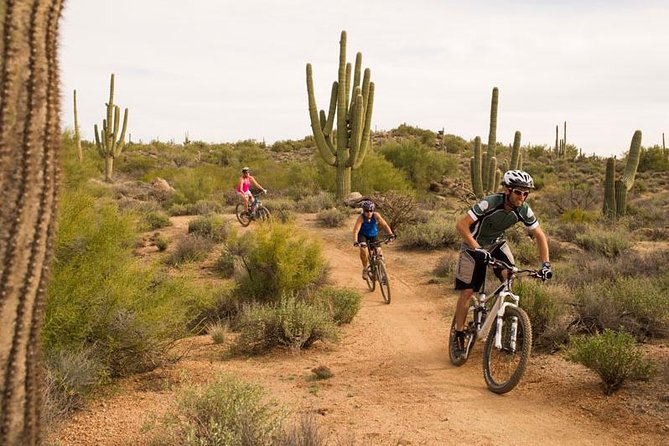
This tour works for a range of riders, but it’s not magic. You still need the basic physical foundation and comfort with biking movement.
The guidance is moderate physical fitness. That doesn’t mean you need to be an athlete, but you should be able to pedal steadily, handle bumps, and stay seated or shift positions confidently.
The bigger caution is the rider experience level and bike fit—especially for kids or smaller adults. In one family situation, a younger rider had trouble managing the mountain bike because it was much larger than the road bike they were used to, and the terrain led to a fall very early. The guide did provide coaching, but the rider still couldn’t complete the trail.
So if you’re bringing a child, don’t just think about whether they can ride a bike. Think about whether they can manage a mountain bike frame size and handle uneven ground. If you’re unsure, ask the operator about bike sizing and what to expect for first-timers.
Kids, height minimums, and adult supervision reality check
This tour has clear rules for children: they must be accompanied by an adult. There’s also a minimum height of 4 feet.
That minimum is there for a reason. Mountain bikes, helmets, and safe control depend on body fit. And while guides can coach, they can’t change physics on a steep or technical spot if the rider can’t comfortably reach or balance.
If you’re traveling with kids, I’d treat this as a skills-building outing that may be best for children who already feel comfortable on uneven terrain and can follow safety direction quickly. If you’re trying to turn a road-only rider into a confident mountain biker on the first day, you might have a tougher experience.
What happens on the trail: safety, tips, and desert storytelling
You should expect a steady flow rather than long pauses. After the safety brief, the guides lead you onto carefully chosen trails for your group’s skill level. Throughout the ride, you’ll get helpful biking tips.
You’ll also get desert facts along the way, including information about the plants, animals, and history of the Sonoran Desert. The best part of this kind of guide-led storytelling is that it’s tied to what you’re seeing in real time, instead of being a random lecture while you stand still.
This is also why going with a guide is so worth it. Trails in desert terrain demand awareness—where the ground is stable, where traction changes, and how to keep your line. A guide can keep you moving and reduce the guesswork.
Price and booking rhythm: how to judge the cost
At $150 for roughly 2–3 hours, you’re paying for the package: gear, guide time, and route guidance on real trails. You’re also paying for safety structure—bike, helmet, gloves, plus bottled water and snacks.
Is it cheap? Not exactly. But it’s not trying to be a budget activity either. The best way to judge it is to compare the real cost of doing it yourself: bike rental, helmet rental, getting trail-ready, and spending hours figuring out routes and pacing.
One smart practical note: tours are often booked ahead. On average, this type of tour is reserved about 39 days in advance, so if you have a specific day in mind, plan early.
Logistics that affect your comfort: bring the right things
Because the tour includes bike and protective gear, your prep focus shifts to you.
Wear clothing that lets you pedal and move without restrictions. Expect dust, sun, and changes in temperature typical of the desert environment. Even in the short time window, you’ll be riding on dry ground.
You’ll also want to bring your own water habits in mind. Bottled water is provided, but it’s still wise to arrive hydrated and not show up with a full-sugar coffee plan.
One more consideration: good weather is required. If conditions are poor, you’ll either be offered a different date or a full refund.
Is this tour worth it for you? My booking advice
Book this Sonoran Desert guided mountain bike tour if you want:
- Real Scottsdale trail time with desert views near the McDowell area
- A setup where you can show up and ride without hunting for rentals
- Coaching that can help you improve, especially if you’re new to mountain biking
- A small-group experience with a close guide presence (1:6 ratio)
I’d be more cautious if:
- You’re bringing a smaller child or first-time mountain rider and bike fit is uncertain
- Everyone in your group needs a super slow, beginner-only pace at all times
- You expect hotel pickup, because this one is meet-and-return at the trailhead
FAQ
FAQ
How long is the Sonoran Desert guided mountain bike tour?
It runs about 2 to 3 hours.
Where does the tour start and end?
It starts at Pima Dynamite Trailhead in Scottsdale and ends back at the same meeting point.
What’s included in the price?
A mountain bike (with choice of pedal types), helmet, gloves, bottled water, snacks, and a professional mountain biking guide. You also get a 1:6 guide-to-guest ratio.
Is hotel pickup and drop-off included?
No. You’ll need to make your own way to the meeting point.
What fitness level do I need?
The tour notes a moderate physical fitness level.
Are kids allowed, and is there a height requirement?
Kids must be accompanied by an adult, and there is a minimum height requirement of 4 feet.
What happens if the tour is canceled due to weather?
The tour requires good weather. If it’s canceled because of poor weather, you’ll be offered a different date or a full refund.