REVIEW · SHANGHAI
4-Hr Shanghai Tour: Food, Culture, Sightseeing, Cycling, Ferry
Book on Viator →Operated by iTour Shanghai · Bookable on Viator
Skylines, temples, and tea—on a bike route. This 4-hour guided loop strings together Lujiazui viewpoints, an Huangpu River commuter ferry, and neighborhood stops in Hongkou, so you see how Shanghai builds the future while keeping familiar routines.
I love the practical pacing, mixing quick sights with time to actually move (bike segments plus subway and ferry). I also love the food-and-tea focus: City Mart bites and sips, then an ethnic tea ceremony with local-style etiquette.
The one thing to plan for is the optional skyline stop and the weather: Shanghai Tower entry is extra, and the route depends on good conditions for cycling and ferry time.
In This Review
- Key highlights you should know
- A Fast 4 Hours in Shanghai: How the Route Actually Feels
- Lujiazui and the Shanghai Tower Deck: Big Views, Optional Ticket
- Huangpu River by Ferry: Nostalgia With Construction Cranes in View
- Xiahai Temple: A Sea-Goddess Story and a Calmer Tempo
- Raffles City Mall and City Mart: Heritage-Friendly Shopping and Snacks
- North Bund Tea Moment: Etiquette, Culture, and a Break From Screens
- Hongkou Cafe Stop: A Short Off-Main-Route Reset
- Bikes, Timing, and Comfort: What to Do Before You Ride
- Price and Value: What $93 Buys, What Costs Extra
- Should You Book This 4-Hour Shanghai Tour?
- FAQ
- How long is the Shanghai tour?
- Where does the tour start?
- Where does the tour end?
- Is this tour private?
- What’s included in the price?
- Is Shanghai Tower admission included?
- Is Xiahai Temple admission included?
- What happens if the weather is bad?
- Will the guide wait if I’m late?
- Can I cancel for free?
Key highlights you should know
- Bike + public transport rhythm: Shared bikes plus ferry and subway keep the route efficient
- Huangpu River skyline from the commuter ferry: You get cranes and construction alongside the bright skyline
- Xiahai Temple included: A calmer pause in traditional architecture tied to Mazu
- City Mart snack stop near preserved heritage: A look at restored city life, not just storefront photos
- North Bund tea moment: Tea culture and etiquette you can use later
- Small, private-group feel: It’s set up so only your group rides along
A Fast 4 Hours in Shanghai: How the Route Actually Feels
This tour is built like a guided “get your bearings fast” loop. You start at Lujiazui Metro Station in Pudong, then work your way through skyline views, river nostalgia, temple calm, and back toward the North Bund/Hongkou area.
The flow matters. You’re not stuck in one place for hours, and you’re not sprinting either. The mix of bike, ferry, and subway helps you cover ground without feeling like you’re just hopping between checkpoints.
Also, it’s private. That means you and your group move as one, with a single English-speaking guide handling the route, timing, and explanations.
Lujiazui and the Shanghai Tower Deck: Big Views, Optional Ticket
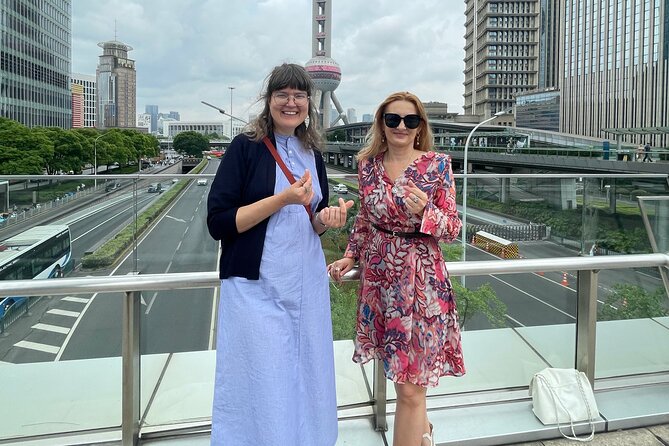
The morning kicks off with the Shanghai Tower observation deck viewpoint in Lujiazui. Expect a strong sense of scale: tall buildings, dense development, and that unmistakable modern Shanghai geometry.
This stop is about perspective. Even if you’re not a “tower person,” it helps you understand why the rest of the day looks the way it does—cranes, new hotels and office buildings, and the constant building motion along the river.
Here’s the catch: Shanghai Tower admission is not included. The tour lists it as optional, and the price you pay up front does not cover the deck ticket (shown as CN¥180 per person). If you’re the type who loves skyline photos and city maps you can reference later, it’s usually worth budgeting for. If you’d rather save money, skip the tower deck and keep your energy for the river, temple, and tea.
Huangpu River by Ferry: Nostalgia With Construction Cranes in View
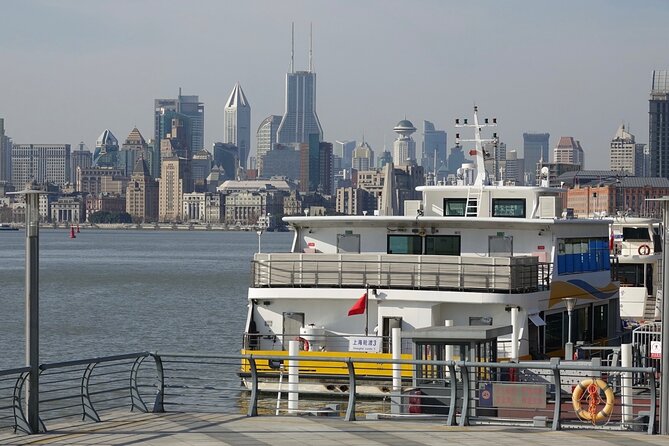
Next comes the Huangpu River ferry ride, and this is one of the most “Shanghai” parts of the day. The ferry is included, and it’s framed as a commuter-style crossing, not a tourist-only boat experience.
What I like about this segment is the contrast. From the water, you see the skyline crammed with new structures while construction cranes sit on top of tall buildings. It gives you a story you can read visually: Shanghai is never static.
You also get a more human pace. Ferry time feels slower than subway time, and it’s easier to take photos without constantly weaving through crowds.
One small practical note: ferry rides can be windy. Bring something light you can handle in cool air, especially if you’re sensitive to chill.
Xiahai Temple: A Sea-Goddess Story and a Calmer Tempo
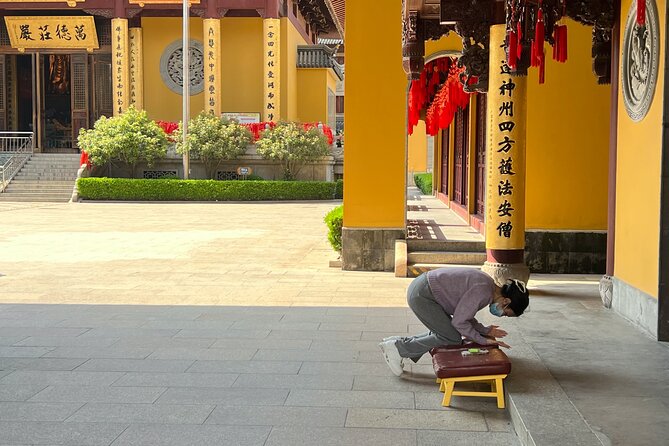
Then the day turns quieter at Xiahai Temple (also known as the Temple of the Sea). The ticket is included, so you don’t have to sort admission mid-tour.
This stop isn’t just architecture. It’s tied to the Mazu legend, the Chinese sea goddess believed to protect fishermen and sailors. Even if you don’t know the story ahead of time, the guide’s explanation gives it meaning so you can look around with context.
The value here is pacing. After river views and city scale, the temple is a mental reset. You get traditional forms, a sense of place, and a reminder that Shanghai’s identity isn’t only glass and steel.
Drawback to keep in mind: this segment is scheduled for about 35 minutes. If you’re the kind of visitor who wants to read every sign slowly, you might wish you had longer.
Raffles City Mall and City Mart: Heritage-Friendly Shopping and Snacks
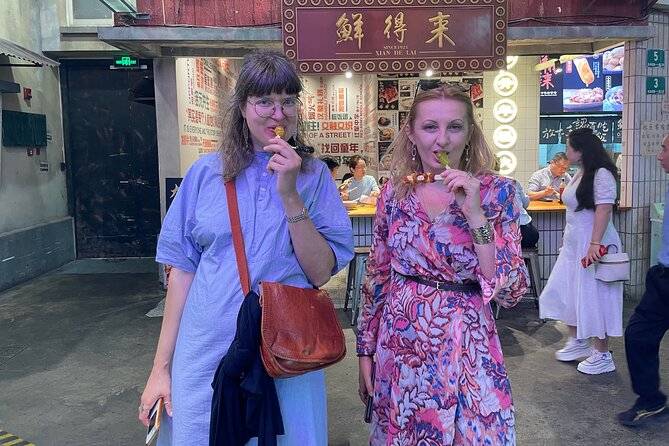
From temple calm you step back into city life at Raffles City Mall with a City Mart stop for signature snacks. The idea is simple: you’re not just passing by modern shopping streets—you’re tasting and noticing how the city preserves pieces of older Shanghai.
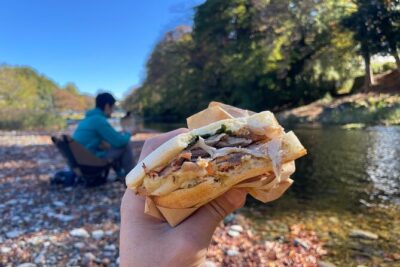
This is the stop I recommend most for food-focused sightseeing. You’ll get a taste of “everyday Shanghai” through bites and local-style servings, timed so you’re not starving at a major photo stop.
The tour also frames City Mart as part of protected, restored heritage. That means you’ll likely notice the difference between a typical mall experience and a place built around the idea of keeping something from disappearing.
If you’re picky about food, tell your guide ahead of time about any restrictions. The tour instructions ask you to share dietary needs when booking, so they can adjust what you eat in the moment.
North Bund Tea Moment: Etiquette, Culture, and a Break From Screens
The North Bund area is where the tour slows down again for tea. Tea is treated as more than a drink here; it’s social etiquette and everyday habit.
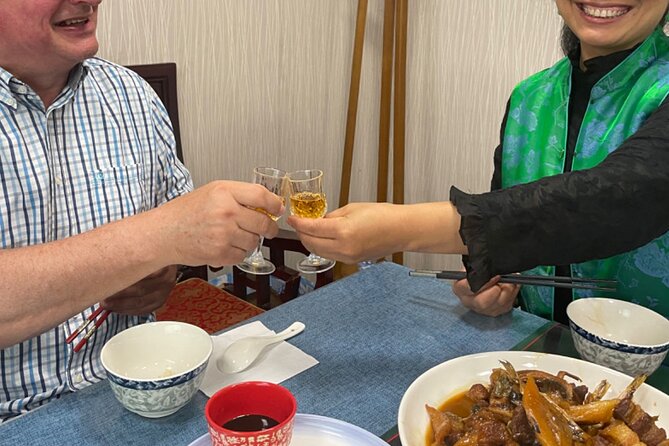
You’ll enjoy an ethnic tea ceremony along with Bites & Sips and one bottled water per person. The best part is that you’re not just watching tea being poured. The focus is on how locals handle tea culture—how you hold a cup, the kind of respectful behavior you see in a tea setting, and the general rhythm of the ceremony.
Why this matters for you: tea etiquette is easy to forget once you’re back home. But if you learn it in the place where it’s practiced, you’ll remember the small behaviors. It’s also a nice change of pace if you’ve been taking photos nonstop.
You might find that this stop is especially useful if you’re traveling solo or with people who like culture but don’t want a full museum day. Tea gives you a story you can carry without cramming.
Hongkou Cafe Stop: A Short Off-Main-Route Reset
The final scenic beat includes a brief visit in the Hongkou area, described with the idea of an intimate cafe near iconic landmarks. It’s short—about 20 minutes—and the timing works well as a decompression moment.
This is the part of the tour that feels like a local-style break. Instead of rushing back into traffic and photos, you get a chance to sit for a moment and regroup.
I’d treat it like a landing pad: take a few minutes to slow down, review your photos, and decide if you want to explore more on your own after the tour ends.
Bikes, Timing, and Comfort: What to Do Before You Ride
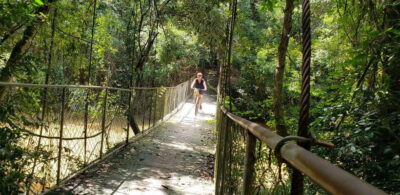
Cycling is a big part of why this tour works. The bikes are urban shared bikes, so plan to ride like you would in a busy city: smooth starts, controlled turning, and extra attention at intersections.
If you have concerns—balance, confidence riding in traffic, or comfort with shared-bike systems—choose thoughtfully before committing. That’s not a “don’t do it” warning; it’s practical advice so you don’t end up stressed during what should be a fun, mobile day.
The tour also warns you not to eat excessively before starting. That’s not random. Between cycling and ferry time, you’ll feel better if your stomach isn’t overloaded.
Two timing notes matter:
- Your guide won’t wait more than 10 minutes after the scheduled start time.
- The route can change if weather is poor or locations become inaccessible.
Also, it’s worth knowing the day is set up as good-weather dependent. If the weather fails, you’ll either get a different date or a full refund.
Finally, behavior expectations are part of the rules: the tour can refuse or remove participants if they’re intoxicated, aggressive, or offensive. It’s about safety and group comfort.
Price and Value: What $93 Buys, What Costs Extra
At $93 per person, this tour is positioned as a value-packed sampler of Shanghai’s modern and traditional faces. Here’s what’s included:
- a private English-speaking guide
- public transportation support using bike/ferry/subway
- entry ticket to Xiahai Temple
- the ethnic tea ceremony plus Bites & Sips
- one bottled water per person
What’s not included:
- tips for guide and drivers (appreciated)
- hotel pickup/drop-off
- personal expenses
- and the big one: Shanghai Tower admission if you choose that optional deck visit
So is it worth it? For me, yes—if you like the idea of a guided route where transportation is part of the plan. The bike and ferry components aren’t just “fun additions.” They’re the mechanism that lets you see different districts in a short time.
If you’re only interested in one or two of the big-ticket sights, the added cost of Shanghai Tower can shift the math. But you’re still getting the river ferry, temple admission, tea ceremony, and snacks in the core price.
Should You Book This 4-Hour Shanghai Tour?
Book it if you want a guided Shanghai “mix and match” day: skyline views, Huangpu River ferry time, a meaningful temple stop, plus a tea ceremony and a food-focused snack moment. It’s especially good for first-timers who want context without spending the whole day in one museum.
Skip or reconsider if you dislike biking on shared bikes, you want a long, slow temple experience, or you’re not interested in paying extra for the Shanghai Tower optional deck. Also, if weather tends to derail your plans often, be ready for schedule changes or rescheduling.
If your goal is a smart 4 hours that helps you understand Shanghai’s past-and-present rhythm, this one fits the job.
FAQ
How long is the Shanghai tour?
It runs for about 4 hours.
Where does the tour start?
The meeting point is Lujiazui Metro Station (陆家嘴地铁站), Pudong, Shanghai.
Where does the tour end?
The tour ends in Hongkou North Bund (上海市虹口区北外滩), postal code 200086.
Is this tour private?
Yes. Only your group participates.
What’s included in the price?
The price includes a private English-speaking guide, public transportation (bike/ferry/subway), entry ticket to Xiahai Temple, an ethnic tea ceremony with Bites & Sips, and one bottled water per person.
Is Shanghai Tower admission included?
No. Shanghai Tower observation deck entry is optional and not included in the tour price.
Is Xiahai Temple admission included?
Yes. Entry ticket to Xiahai Temple is included.
What happens if the weather is bad?
The tour requires good weather. If it’s canceled due to poor weather, you’ll be offered a different date or a full refund.
Will the guide wait if I’m late?
No. The guide will not wait for attendees more than 10 minutes after the scheduled start time.
Can I cancel for free?
Yes. You can cancel up to 24 hours in advance for a full refund. If you cancel less than 24 hours before the start time, the amount you paid is not refunded.