REVIEW · CAMBODIA
Phnom Penh: Cycling Adventure on Islands of the Mekong
Book on Viator →Operated by Discova Southeast Asia · Bookable on Viator
Ferries and bikes on the Mekong sounds like a plan. I really like how this tour strings together countryside riding plus multiple ferry hops, and then lands on a hands-on silk experience at Lotus Silk. I also like that the included lunch is part of the flow, not an afterthought. One thing to watch: there’s no hotel pickup, so you’ll need to get yourself to Areiksart Ferry Port and be on time—one negative note in the mix was about meeting-point confusion.
This is a small-group morning (max 10), and the pace is built for mixed comfort levels. Guides such as Ted, Vichet, Weichart, and Amon show up in the praise, with a common theme of making the day feel organized and friendly—especially once you’re rolling outside Phnom Penh.
In This Review
- Key Takeaways Before You Pedal
- Getting To Areiksart Ferry Port Without a Hotel Pickup
- First Legs Out of Phnom Penh: Easy Riding Turns Into Fun
- The Mekong Ferry Segments: Why the Crossing Matters
- Silk Islands by Bike: Pagodas, Farms, and Everyday Cambodia
- Lotus Silk: What You Learn During the Silk Farm Stop
- Orchards, Market Gardens, and the Quiet Side of Island Life
- Traditional Khmer Lunch: Fuel That Actually Makes the Ride Better
- Bike Quality, Guide Style, and Group Size (Why It Feels Smooth)
- Price and Value: What $65 Buys for a Half-Day Adventure
- Things That Can Go Wrong (So You Can Avoid Regrets)
- Should You Book This Mekong Cycling and Silk Tour?
- FAQ
- How long is the Phnom Penh bike tour to the Mekong Islands?
- What’s included in the tour price?
- Do I need hotel pickup or drop-off?
- Where do I meet the guide, and when?
- Is the riding suitable for beginners and kids?
- What’s the main activity on the Silk Islands?
- How big is the group?
- Can I cancel for a refund?
Key Takeaways Before You Pedal
- Small group (max 10): you’re not stuck in a crowd, and the route can feel calm even with ferry stops.
- Real local rhythm: quiet back roads, orchards, market gardens, and Cham Muslim communities along the way.
- Ferry time isn’t wasted time: the Mekong crossings are part of the fun and the scenery.
- Silk weaving is the headline: you’ll visit a silk farm and see how silk products are made.
- Lunch and refreshments are included: water, snacks, fruit, plus traditional Khmer food.
- No hotel pickup: you must handle getting to the meeting point yourself.
Getting To Areiksart Ferry Port Without a Hotel Pickup
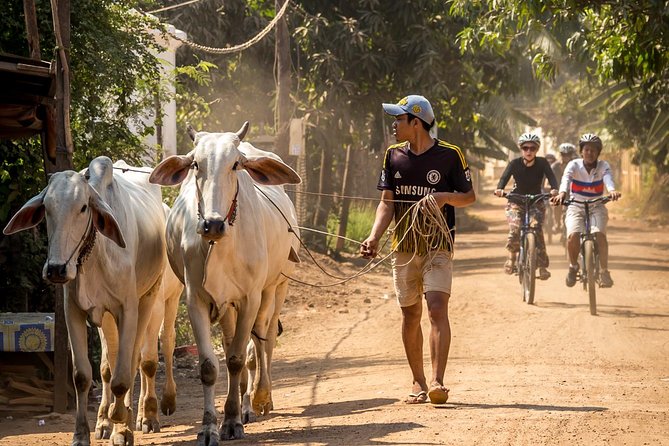
Your morning starts at Areiksart Ferry Port. The guide waits at the Garden at the left-hand side of the port around 7:45am, and the tour’s listed start time is 8:00am. Since there’s no hotel pickup or drop-off, build in buffer time for getting there, especially if you’re starting your day from central Phnom Penh.
Dress for cycling and the weather. Wear comfortable clothes and good footwear—skip flip-flops. You’ll get a short safety briefing and bike fitting before you head out, which is a nice touch because it helps you feel settled before the first moving parts (traffic and ferries).
If you want to avoid stress, do what one unhappy guest wished they had done: confirm the exact meeting point day before. The “Garden at the left-hand side” detail matters when you arrive early and the port area looks busy.
First Legs Out of Phnom Penh: Easy Riding Turns Into Fun

The day is designed so you don’t spend forever fighting city traffic. Expect a bit of navigating through Phnom Penh first, then a quick shift into calmer, greener stretches. One of the most consistent themes from praise: once you get out of the city, the ride feels more relaxed, with room to enjoy what’s around you.
This is where you’ll pass pretty pagodas and lush rice fields. In practical terms, it means more “look around and ride” moments and less “hold on and survive the road.” The itinerary also points to a longer country stretch of about 20–25km once you’re properly outside town.
What to mentally prepare for: Phnom Penh can feel chaotic at first glance. The ride still works, but it pays to keep your focus and trust the guide’s pacing. After that initial stretch, the roads tend to quiet down.
The Mekong Ferry Segments: Why the Crossing Matters
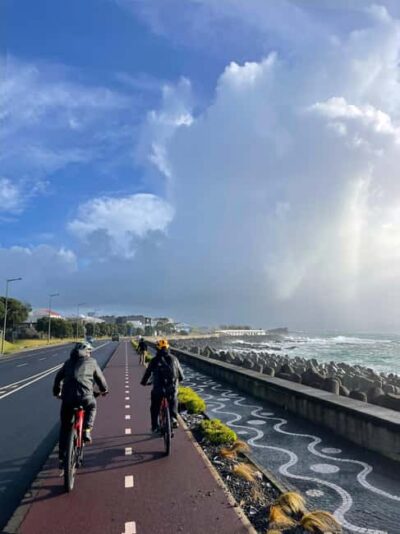
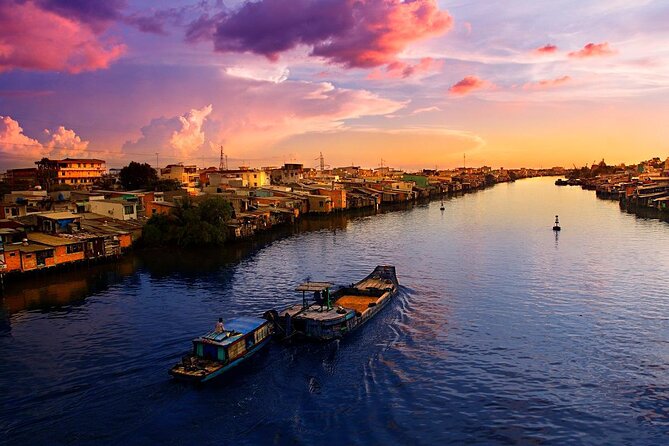
A big part of the charm here is that the Mekong crossings aren’t scenic extras; they’re scheduled pieces of the route. You board local ferries to cross to the islands, then you’re back on land for cycling legs.
Even in a half-day, the itinerary builds in multiple Mekong crossing segments, including a stop that specifically involves boarding a local ferry and another stage that uses additional short ferry rides to reach the island areas. This changes the feel of the trip. Instead of one long, unbroken pedal session, you get natural resets—bikes off, ferry on, then back to rolling.
From a value standpoint, these crossings also explain why the price feels fair. You’re paying for more than bike rental and guide time—you’re buying into transport between the mainland and the island farmland where the daily life is.
Silk Islands by Bike: Pagodas, Farms, and Everyday Cambodia
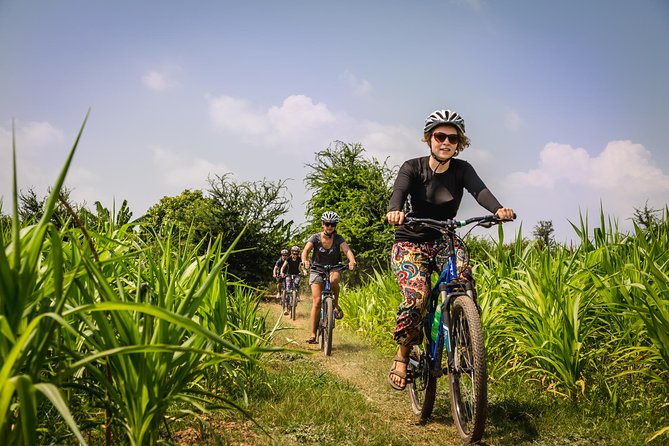
Once you’re cycling among the Silk Islands, the scenery shifts. It becomes orchards, market gardens, and farmland—less about landmark posing and more about watching how people live and work.
One of the route benefits is variety without technical difficulty. The tour is described as perfect for all ages and skill levels, and the riding is set up as leisurely. In other words, it’s more “cruise and explore” than “train for a race.”
A specific cultural thread you’ll ride past: Cham Muslim communities appear during the longer back-road segment. That’s a good reminder that these islands and surrounding areas aren’t just postcard views; they’re living neighborhoods and working countryside.
There’s also time set aside to park bikes and move on foot for certain stops. That’s helpful because it breaks the riding into manageable chunks, especially if you’re cycling for the first time in a while.
Lotus Silk: What You Learn During the Silk Farm Stop
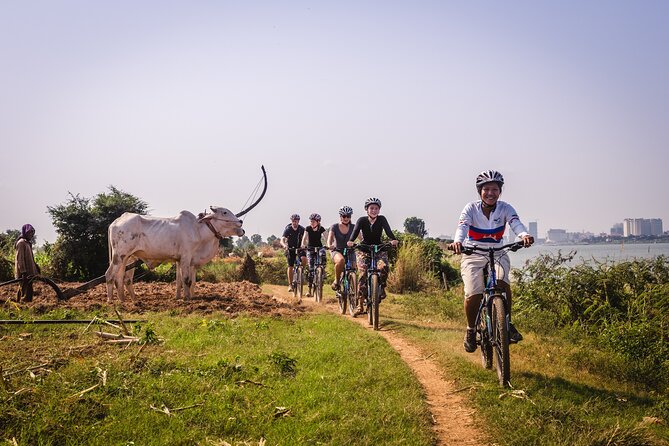
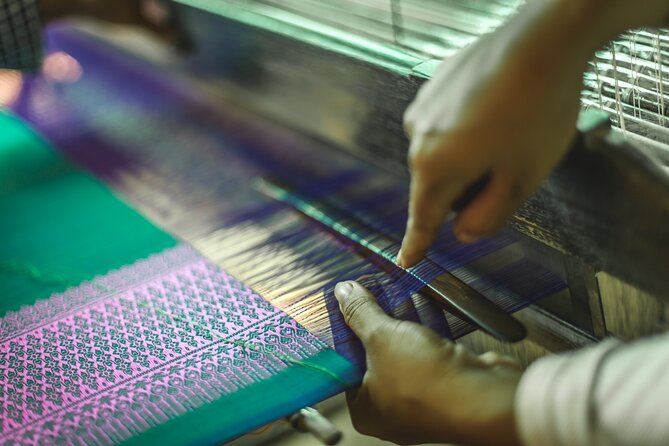
The Silk experience centers on a stop at Lotus Silk, where you’ll get refreshments and a look at silk production. This is the part I’d treat as the emotional payoff of the trip.
You’ll learn about how a family makes a living crafting items using a strategy to produce silk. Even if you don’t leave with a new wardrobe, you’ll get something more useful: an understanding of why silk matters in this region—how it’s not just a product, but a skill passed through daily work.
This stop also tends to be the reason people rate the tour so highly. A bike tour can be pretty scenery plus exercise, but silk is content. It gives your morning a storyline.
Practical tip: bring a little curiosity. Ask questions when you can, and take your time looking at the process. This isn’t the kind of stop where you’ll be rushed through a sales pitch for ten minutes and sent back on your bike.
Orchards, Market Gardens, and the Quiet Side of Island Life
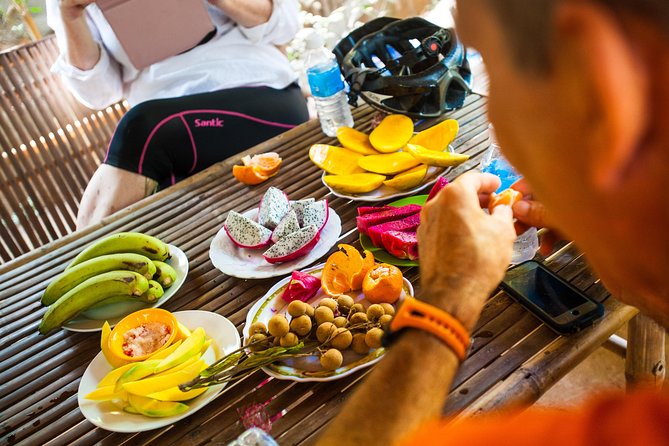
After the silk farm visit, you continue cycling across the islands with time to enjoy the peaceful rhythm of farmland. The route description calls out cycling through orchards and market gardens, which usually means shade breaks, slower roads, and lots of moments to stop and look.
This is also where the tour becomes a good “reality check” compared with Phnom Penh-only sightseeing. You’re seeing people’s work, not just their buildings. You’ll pass greenery and everyday tasks, and it helps you connect what you saw on the bike earlier—rice fields, pagodas, local villages—to the island’s agricultural core.
The itinerary includes another lunch stop later, so this portion stays more sightseeing-focused than stop-and-smell-everything. Still, it’s paced to feel gentle, not rushed.
Traditional Khmer Lunch: Fuel That Actually Makes the Ride Better
The tour includes water, snacks, fruit, and then a traditional lunch. The lunch is described as authentic regional Khmer food, and it’s scheduled after cycling and island time so you get nourishment when you still have energy.
From a practical standpoint, this matters more than it sounds. When you’re riding plus ferry-hopping, hunger can sneak up fast. Having lunch built into the tour is one of the reasons the value works out. You’re not trying to find food while everyone else is still biking.
Expect about an hour for the lunch and farmland visit segment. That time is enough to eat well and reset without turning the morning into a long sit-down.
Bike Quality, Guide Style, and Group Size (Why It Feels Smooth)
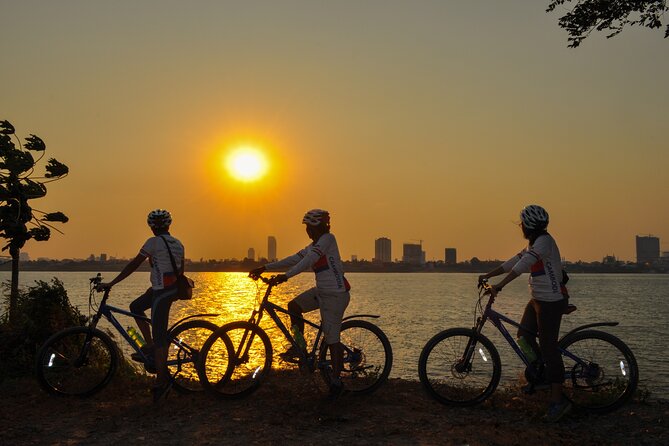
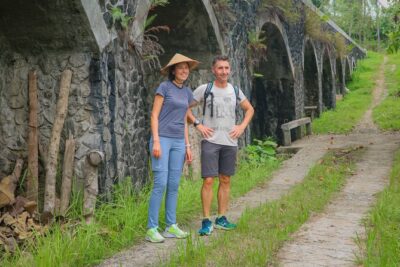
The tour includes a top quality mountain bike, plus an English-speaking guide. With a maximum of 10 travelers, you get a better chance at a smooth experience—less waiting, fewer bottlenecks, and more attention if you need a hand.
The guide role is also a big deal here. Names like Ted, Vichet, Weichart, and Amon show up with strong praise for being friendly, informative, and attentive to comfort. Even when you’re technically capable on a bike, a good guide helps you enjoy the ride instead of focusing on navigation or timing.
You should feel comfortable even if you’re not a cyclist. The tour is described as suitable for all ages and skill levels, and the riding is set as leisurely with short ferry rides threaded in.
One more small detail to plan around: child seats are available upon request, but they can only accommodate a child weight of 14kg.
Price and Value: What $65 Buys for a Half-Day Adventure
At $65 per person for about 5 hours, this is one of those deals that only makes sense when you break down what’s included. You’re getting:
- A mountain bike
- English-speaking guide
- Water, snacks, fruit
- Lunch
- Admission ticket entries listed throughout the route, including ferry-related segments
That’s a lot of tangible costs folded in. If you tried to rebuild the day yourself, you’d spend money on bike rental, transport between the mainland and the Silk Islands, and guide time. Add lunch and refreshments, and the price starts to look pretty fair.
Also, the “booked around 109 days in advance” timing trend suggests this is a popular way to fill a morning. That doesn’t automatically mean it’s perfect for everyone, but it does point to demand—usually because people like the mix of cycling and culture.
The main tradeoff is still practical: you pay for the experience, but you supply your own way to the start point.
Things That Can Go Wrong (So You Can Avoid Regrets)
Most of the feedback is positive, but it’s smart to address the few downsides so you can decide calmly.
1) Meeting point communication
One low rating mentions confusion at the start due to meeting-point details not being confirmed. You can prevent this by checking the exact meeting location description and arriving early enough to find the correct spot.
2) Island sights may feel repetitive if you’re temple-fatigued
There’s a complaint that the island wasn’t visually different enough, with temples feeling like a repeat. If you’ve already seen lots of religious sites in Phnom Penh, you might want to lean into the farming and silk content rather than expecting constant big new monuments.
3) City start can feel intense at first
If you’re sensitive to traffic, the early movement through Phnom Penh may feel a little intimidating until you’re out in quieter lanes. The good news: the route is designed to transition quickly into countryside riding.
Should You Book This Mekong Cycling and Silk Tour?
I think this is a great pick if you want a morning outside Phnom Penh that mixes motion and meaning. You’ll get a pleasant pace, real countryside scenes (rice fields, pagodas, orchards), and a standout learning stop at Lotus Silk. The ferry hops keep things interesting, and the included lunch makes the whole plan feel complete.
Book it if:
- You want a structured day with a guide handling the route
- You’re curious about silk production and island farm life
- You like cycling that feels easy to moderate, not extreme
Skip it or plan carefully if:
- You’re expecting zero traffic anxiety at the start
- You’ve already had enough temple sightseeing and want mostly non-religious content
- You don’t want to manage getting to Areiksart Ferry Port on your own
If you show up early, wear real shoes, and go in for the silk plus the farming scenery, you’ll likely come away feeling like you saw a different Cambodia than the usual city loop.
FAQ
How long is the Phnom Penh bike tour to the Mekong Islands?
It runs for about 5 hours.
What’s included in the tour price?
You get a top quality mountain bike, water, snacks, fruit, lunch, an English speaking tour guide, and all fees and handling charges. Admission tickets are included at listed stops.
Do I need hotel pickup or drop-off?
No. Hotel pickup and drop-off are not included, and the tour ends back at the meeting point.
Where do I meet the guide, and when?
Meet at Areiksart Ferry Port at the Garden on the left-hand side. The guide waits there around 7:45am, and the tour start time is 8:00am.
Is the riding suitable for beginners and kids?
The tour is described as perfect for all ages and skill level. Children must be accompanied by an adult. Child seats are available on request for children up to 14kg.
What’s the main activity on the Silk Islands?
You cycle around the Silk Islands and visit Lotus Silk for a silk farm stop and silk weaving-related demonstration.
How big is the group?
The tour has a maximum of 10 travelers.
Can I cancel for a refund?
Yes. You can cancel up to 24 hours before the experience for a full refund. If you cancel less than 24 hours before, the amount paid is not refunded.