REVIEW · COLORADO SPRINGS
Mountain Bike Tour: Gold Camp Road
Book on Viator →Operated by Pikes Peak Bike Tours · Bookable on Viator
A ride through Gold Camp Road Tunnels sounds like a hike, but it moves. This 3-hour mountain bike tour blends mostly downhill riding with outdoor views and a story-rich tunnel stretch tied to the Pike’s Peak Gold Rush. You’ll get a real guide experience, not just a route download, with the peace of mind that comes from safety gear and someone riding close by.
Two things I really like: first, the setup is built for fun at the skill level you bring. Even if you do not usually ride dirt and stones, the guide support helps you get comfortable fast (and you can often choose harder lines or stay on the easier ones). Second, I love how you get aerial-style views without the summit grind. One consideration: the ride is on dirt/sand/rocky trail more than smooth pavement, so if you hate loose surfaces, this may feel less natural.
In This Review
- Quick highlights I’d plan around
- Gold Camp Road Tunnels: a ride with real history, plus the spook stories
- Starting at 1501 W Colorado Ave: how the tour usually feels in the first 30 minutes
- The ride style: mostly downhill, with an easy on-ramp for beginners
- Guides who ride with you: the difference between watching and being supported
- Gold Camp Road Tunnels on the route: what to expect beyond the photo moment
- Terrain and bike handling: dirt-and-stone comfort tips that actually help
- Transfers, small-group logistics, and why 3 hours is the sweet spot
- Value for your time: what’s included and why it matters
- Who should book Gold Camp Road, and who should reconsider
- Should you book this Gold Camp Road mountain bike tour?
- FAQ
- How long is the Gold Camp Road mountain bike tour?
- Where does the tour start?
- Do I have to end somewhere different?
- Is the tour in English?
- How big is the group?
- What’s included with the bike tour?
- Are transfers provided?
- Is the ride suitable for beginners?
- Can I choose between easier and harder trail options?
- What is the cancellation policy?
Quick highlights I’d plan around
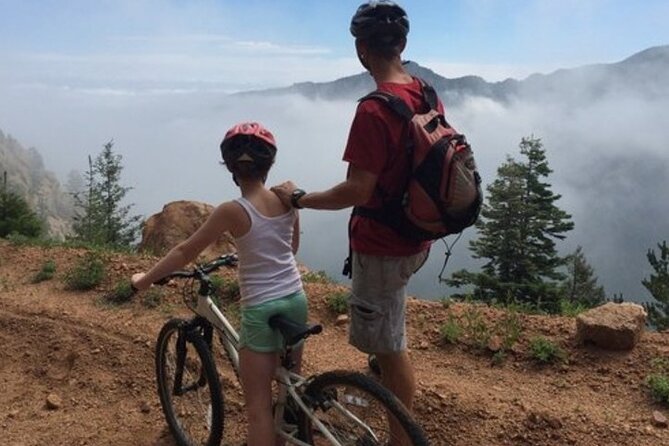
- Small group (max 14) so the guide can actually keep eyes on everyone.
- Bike + safety equipment + guide included, which makes it easy to show up and ride.
- Mostly downhill route with wide sections, so beginners have a path to success.
- Gold Camp Road Tunnels give you a history stop that is also part of the ride.
- Round-trip transfers from Colorado Springs keep your time focused on the trail, not logistics.
- Guides who stay close and carry water/supplies, so you do not run the ride dry.
Gold Camp Road Tunnels: a ride with real history, plus the spook stories
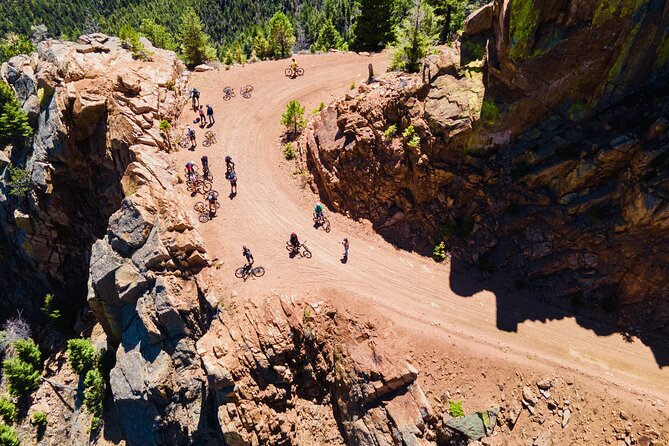
Gold Camp Road is not just a scenic drive. It is tied to the Colorado gold rush era in a way that makes the ride feel purposeful. The tunnels you ride past were constructed in the 1800s to support the Pike’s Peak Gold Rush, and the route connects Cripple Creek and Colorado Springs.
There was also a railway laid down along what is now Gold Camp Road. It became known as the Short Line, and service began in 1901. One striking detail: the trains used about 200 freight cars, hauling minerals, supplies, and people through the area. When you understand that, the tunnels stop feeling random. They feel like infrastructure built for motion and work, not just scenery.
Then there’s the myth side. The tunnels have a reputation for hauntings that has drawn curious people for decades. The most repeated story involves an 1988 tunnel collapse and claims that a bus full of school children got stuck and died there. The important reality check is that there is no record of that incident matching the story as commonly told. Still, some visitors report leaving with tiny handprints on their cars, which is the kind of folklore you hear about in places where the past is literally built into the stone.
That mix matters for your experience. You are not biking through a tunnel just because it looks cool. You’re moving through a corridor that has carried people, cargo, and stories for over a century.
Starting at 1501 W Colorado Ave: how the tour usually feels in the first 30 minutes
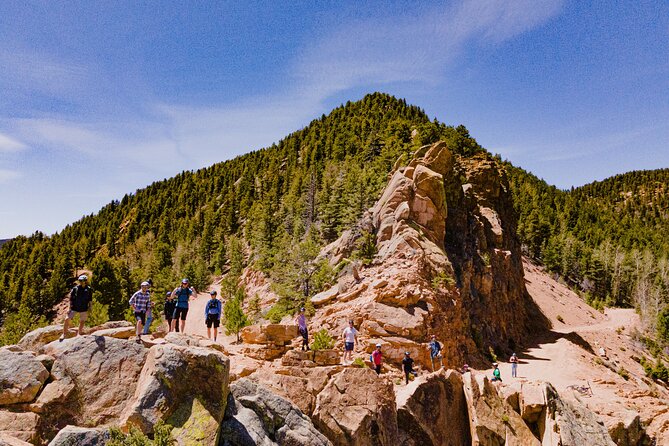
Most outdoor adventures fall into two categories: either you spend your energy figuring things out, or you get rolling quickly. This one leans toward the second.
The tour meets at 1501 W Colorado Ave, Colorado Springs, CO 80904, and it returns you back to that same meeting point. You also get round-trip transfers from Colorado Springs, which is a big deal in a place where parking and drive-time can chew up your morning or afternoon. You do not need to plan a separate car shuttle.
Once you meet up, the early minutes are about getting you set: mountain bike outfitting, safety gear, and getting a feel for how the guide wants the group to ride. The best part is the small-group cap of 14 travelers. That number matters because your guide can adjust attention based on who needs more help starting, braking, or picking lines on loose surfaces.
The ride style: mostly downhill, with an easy on-ramp for beginners
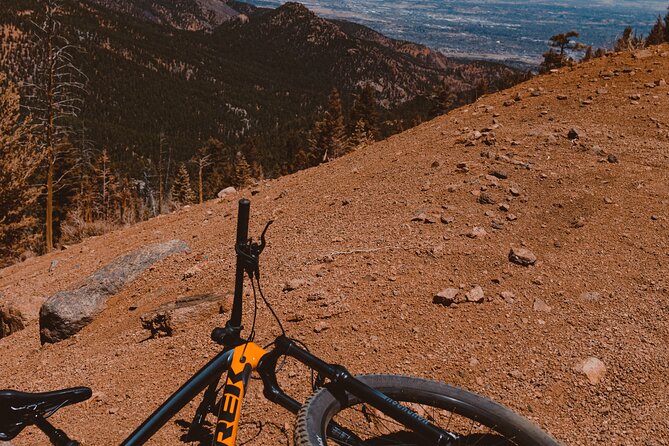
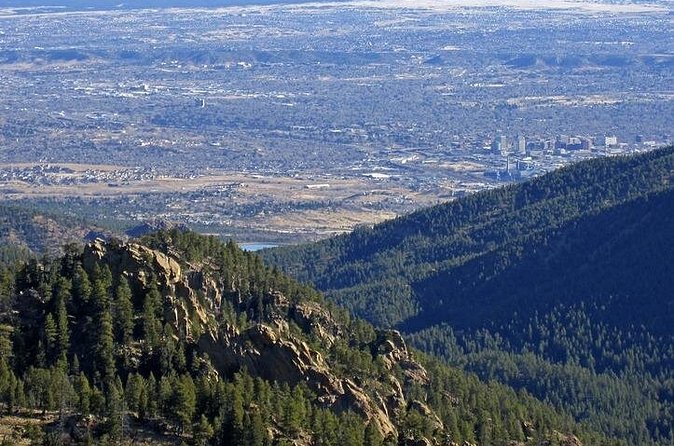
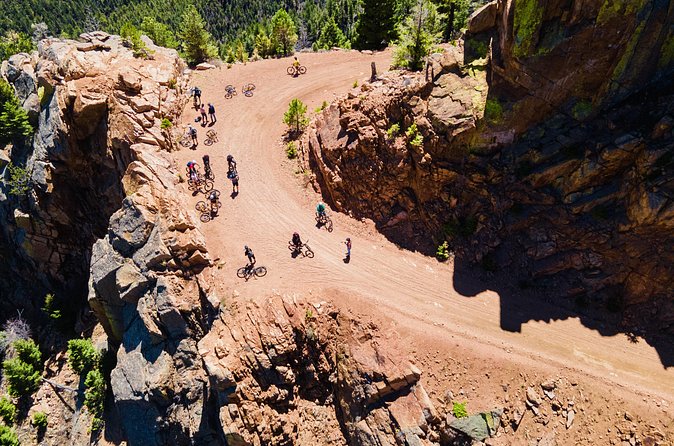
From the way the route is described, this is not a “climb for your dinner” ride. The big promise is outdoor adventure with aerial views without the climb to the top. In practice, that shows up as an all-day feeling that stays focused on flow instead of fatigue.
One review detail that helps you picture it: the ride is pretty much downhill the entire time, with sections that include tunnels. That downhill setup also explains why this tour can work for different experience levels. When you’re not battling a steep uphill grind, your attention can go to handling, balance, and staying relaxed.
You also get options. One rider specifically called out how the guide made them feel safe and offered a choice: you can attempt tougher trails if you want, or you can stay with the easier lines. That’s a smart approach, especially if your group includes mixed abilities.
Now the caution: the terrain is not paved-road cruising. You’re dealing with dirt, sand, and stones. If you usually ride on smooth tarmac, you may need a few minutes to adjust your braking and cornering instincts. The good news is that the bikes are described as top quality and capable on this exact kind of trail.
A helpful mindset: treat the first part as calibration time, not a final test. The guide support is built in for that.
Guides who ride with you: the difference between watching and being supported
A guide can be “knowledge on a leash,” or they can be real support. Here, the theme is support. Your guide is in the ride with you, not far ahead, and they help you with comfort and confidence.
In the reviews, you’ll see names you might remember if you book: Mark, David, and Luke. Different guides, same pattern—talking through what’s coming, keeping everyone comfortable, and maintaining a steady presence beside the group.
What that means for you day-of:
- You get an explanation of how the ride will work before you get in trouble.
- You can ask questions and adjust your effort without feeling rushed.
- Your guide can guide faster riders to stretch a bit while keeping slower riders from getting left behind.
One especially useful detail for families and teams: David and Luke handled a cross-country team doing altitude training with kids, while still making sure less experienced riders felt supported. That tells you the group management skills are not just for adults on vacation.
Also, the guides are not showing up empty-handed. One review notes that guides had water and supplies and were right there the entire way. That matters because it reduces the small stress of wondering whether you’ll be thirsty or unprepared on a 3-hour ride.
Gold Camp Road Tunnels on the route: what to expect beyond the photo moment
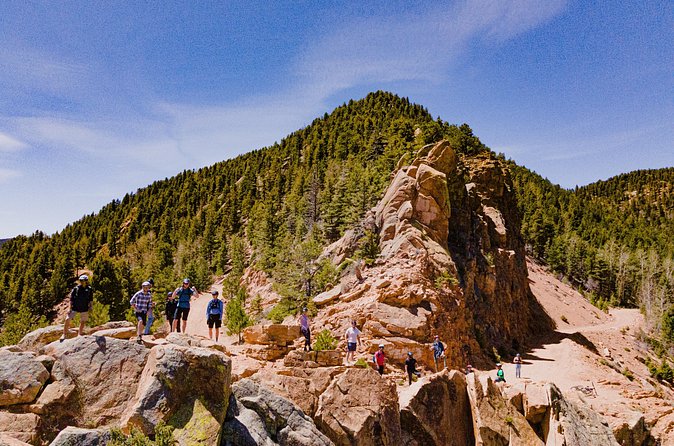
The tunnels are a highlight, but they’re also more than a roadside attraction. You’re riding through them as part of the course, which means your experience is sensory and active, not just a stop for a quick look.
A couple ways to think about this tunnel portion:
1) It’s a moving history lesson. The tunnels were built during the Pike’s Peak Gold Rush era, and the railway history (Short Line starting in 1901) gives the whole corridor an industrial backbone. That context helps you notice details you might otherwise ignore.
2) It’s folklore with atmosphere. If you’re into ghost stories, this place delivers that energy. There is no verified record for the most dramatic bus-story version people repeat, but the idea persists—and the claim about tiny handprints is part of the local legend. Even if you treat it as spooky trivia, the tunnels still feel like a setting where stories could take hold.
3) It’s a practical riding moment. Tunnels can be different from open trail—lighting, airflow, and the psychological shift of being enclosed can affect how you ride. The best support is having a guide nearby who keeps your group steady.
If you come for the thrill, you’ll get it. If you come for the history, you’ll get context. If you come because you want something off the usual tourist path, the tunnel segment is exactly that kind of memory-maker.
Terrain and bike handling: dirt-and-stone comfort tips that actually help
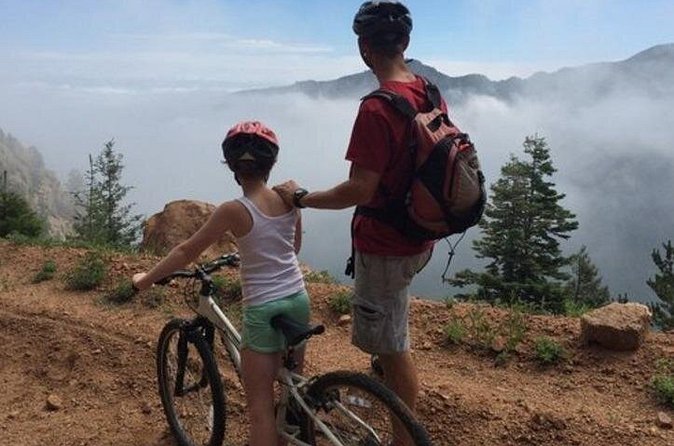
Because the route includes dirt, sand, and stones, your comfort depends a lot on how you adapt your riding habits. The tour is set up so most people can participate, but your expectations should match the surface.
Here are practical adjustments that fit what the ride is described as:
- Ride like you’re on mixed grip, even when it looks fine. Loose areas can change traction quickly.
- Stay relaxed. The more tense you get on stones, the more tiring the ride becomes.
- Trust the wide sections. The trail is described as wide most of the way, which usually means you have room to correct and reposition without feeling boxed in.
- Let the guide decide the pace that keeps you safe. If you need a slower line, ask early.
One rider explicitly shared that they were hesitant because they do not normally ride on paved roads. They tried it anyway and were glad they did, especially because the guide was patient and the bikes performed well on this terrain. That is the heart of it: you do not need to be an expert rider. You need to be willing to learn the local surface quickly.
Transfers, small-group logistics, and why 3 hours is the sweet spot
Three hours sounds simple until you’ve planned enough tours to know that “simple” often means you spend time waiting. Here, the combination of a small group and round-trip transfers helps keep the day from turning into a time-sink.
With a max of 14 travelers, the tour does not feel like a cattle-call. It also helps your guide keep everyone on track, especially if some riders are trying the harder trails while others are staying on easier paths.
The timeline also makes sense for this kind of outdoor riding. Long rides can be intimidating when you’re not sure how your legs will respond on dirt. A 3-hour window is long enough to feel like an adventure, but short enough that beginners can finish without feeling wrecked.
Value for your time: what’s included and why it matters
There’s no price listed here, so I can’t judge it in dollars and cents. What I can do is judge the value based on what the experience provides.
You get:
- Mountain bike provided
- Safety equipment
- A guide
- Water and supplies mentioned in rider feedback
- Round-trip transfers from Colorado Springs
- Small-group limit (max 14)
That bundle is where the value comes from. You are not assembling gear. You are not hunting for a helmet on short notice. You are not paying extra for a vehicle plan just to get to the starting area. For a first-time off-road rider, the guide’s presence plus appropriate gear can be worth more than a lower ticket price that leaves you to figure things out alone.
Also, the “mostly downhill” format means you’re buying a strong scenic and fun experience without the same level of physical intimidation you’d get from a major climbing itinerary. That increases your odds of leaving happy, even if you come in a little nervous.
Who should book Gold Camp Road, and who should reconsider
This tour fits best if you want an active Colorado experience that is not just standing and sightseeing. It’s especially good if you:
- Want views and memorable moments like tunnel segments
- Prefer downhill-style riding or at least a route where you are not forced into a top-of-mountain climb
- Are a beginner or intermediate rider looking for structured support
- Have a mixed group and need a guide who can manage different comfort levels
You might reconsider if you:
- Strongly dislike dirt/sand/rocky surfaces
- Want a purely paved-road experience
- Prefer a long uphill workout as your main goal
If your bike comfort is mostly on pavement, do not assume this is a deal-breaker. One rider who was hesitant because of loose terrain did it, got comfortable quickly, and felt safe thanks to the guide. Still, go in with the right expectation: the surface is part of the adventure.
Should you book this Gold Camp Road mountain bike tour?
Yes, if you’re looking for a guided off-road ride that stays fun, offers route choice, and gives you Colorado Springs area scenery plus tunnel history in a short, manageable 3-hour window. The small group size (max 14) and the guide support you’ll get from people like Mark, David, and Luke are the standout reasons to book, especially if you are not a lifelong mountain biker.
If you hate loose trail surfaces, or you’re uncomfortable with the idea of mostly downhill riding on dirt and stones, then it might not be your best match. But if you can handle a learning curve and you want the tunnels and views without a summit climb, this is a very practical way to spend part of your trip.
FAQ
How long is the Gold Camp Road mountain bike tour?
It runs for about 3 hours.
Where does the tour start?
The tour starts at 1501 W Colorado Ave, Colorado Springs, CO 80904, USA.
Do I have to end somewhere different?
No. The tour ends back at the same meeting point.
Is the tour in English?
Yes. It’s offered in English.
How big is the group?
The tour has a maximum of 14 travelers.
What’s included with the bike tour?
You get a mountain bike, safety equipment, and a guide.
Are transfers provided?
Yes. There are hassle-free round-trip transfers from Colorado Springs.
Is the ride suitable for beginners?
Most travelers can participate, and at least one rider did it as a beginner and felt safe, with the guide helping them build comfort.
Can I choose between easier and harder trail options?
Yes. The guide may let you choose whether to attempt harder trails or stick with easier routes.
What is the cancellation policy?
You can cancel for a full refund if you cancel at least 24 hours before the experience starts. If you cancel less than 24 hours before, the payment is not refunded.